Kondagaon, Chhattisgarh: Where Bastar’s Nature and Traditional Crafts Come Alive
Kondagaon is one of Chhattisgarh’s most fascinating destinations for travellers who want to experience something beyond conventional sightseeing. Known as the “Shilp-City” or Craft City, Kondagaon brings together traditional tribal craftsmanship, forests, valleys, waterfalls, ancient archaeological sites and the distinctive cultural character of Bastar.
From the winding roads of Keshkal Valley to the panoramic landscapes of Tatamari, ancient remains at Gad Dhanora and the intricate artistry of Dhokra bell-metal craft, Kondagaon offers a travel experience where nature and culture exist side by side.
| Quick Fact | Details |
|---|---|
| State | Chhattisgarh |
| District Headquarters | Kondagaon |
| District Established | 1 January 2012 |
| Area | 7,768.907 sq km |
| Population | 578,326 (2011) |
| Literacy Rate | 57.31% |
| Revenue Divisions | 2 – Kondagaon and Keshkal |
| Tehsils | 7 |
| Gram Panchayats | 383 |
| Average Rainfall | 1,205.65 mm |
| Known For | Dhokra Art, Tribal Crafts, Keshkal Valley and Natural Landscapes |
History of Kondagaon
Kondagaon has a deep connection with the history and cultural landscape of the Bastar region. The district itself was officially created on 1 January 2012, after being separated from Bastar district.
The region has older cultural roots, and the district administration notes that Kondagaon was historically associated with the name Kandanar. Local traditions connect the name with the area's landscape and an old settlement story.
The wider region around Keshkal and Kondagaon also contains archaeological remains that indicate a much older human presence. Sites such as Gad Dhanora contain ancient temples, sculptures and archaeological remains associated with the early centuries of the Common Era.
Kondagaon Through the Years
- Ancient period: The wider region developed around tribal communities, forests and traditional settlements.
- Historic period: Keshkal and surrounding areas became associated with ancient religious and archaeological sites.
- Modern administrative history: Kondagaon became a separate district on 1 January 2012.
- Present day: The district is increasingly recognised for tourism, traditional crafts and nature-based experiences.
Geography of Kondagaon
Kondagaon lies in the southern part of Chhattisgarh and forms part of the broader Bastar cultural and geographical landscape. The district is characterised by forests, hills, valleys, streams and rural settlements.
The Keshkal Valley is one of the area's most recognisable geographical features. The valley lies along the road connecting Kondagaon and Kanker and is known for its forested hills and winding mountain road.
The district covers approximately 7,768.907 sq km and receives an average annual rainfall of around 1,205.65 mm.
Geographical Highlights
- Forested landscapes
- Hill ranges and plateaus
- Keshkal Valley
- Seasonal and perennial waterfalls
- Rock formations and archaeological landscapes
- Rich tribal and forest ecosystem
Culture and Traditions of Kondagaon
Kondagaon's culture is deeply connected with the tribal communities and traditional lifestyle of Bastar. Local traditions are reflected in art, jewellery, festivals, food, music, dance and everyday craftsmanship.
The district is particularly famous for its traditional handicrafts. Bell-metal or Dhokra work, wrought iron, terracotta, bamboo and wood crafts are important parts of the region's cultural identity.
Traditional craftsmanship is not simply a souvenir industry here. For many artisan communities, these skills represent knowledge passed between generations.
Important Cultural Elements
- Tribal art and craftsmanship
- Dhokra bell-metal casting
- Wrought-iron artwork
- Terracotta and bamboo crafts
- Traditional tribal jewellery
- Folk traditions and community celebrations
- Forest-based lifestyle and local produce
Architecture of Kondagaon
Kondagaon's architecture is different from the palace-and-fort dominated destinations of central India. Here, architecture is closely connected with temples, archaeological remains, tribal settlements and traditional craft spaces.
Ancient religious structures around Gad Dhanora are particularly important. Archaeological remains include ancient temples, sculptures and Shiva-related structures.
Traditional craft villages and Shilp Nagri also form an important part of Kondagaon's modern cultural landscape, providing a space where visitors can understand how local crafts are created.
Famous Places to Visit in Kondagaon
Keshkal Valley
Keshkal Valley is one of the most scenic attractions in the district. Located along National Highway 30 between Kondagaon and Kanker, the valley is known for forested hills, winding curves and dramatic road views. The official tourism information highlights a stretch with approximately 12 winding curves, making it particularly attractive for road-trip travellers.
Tatamari
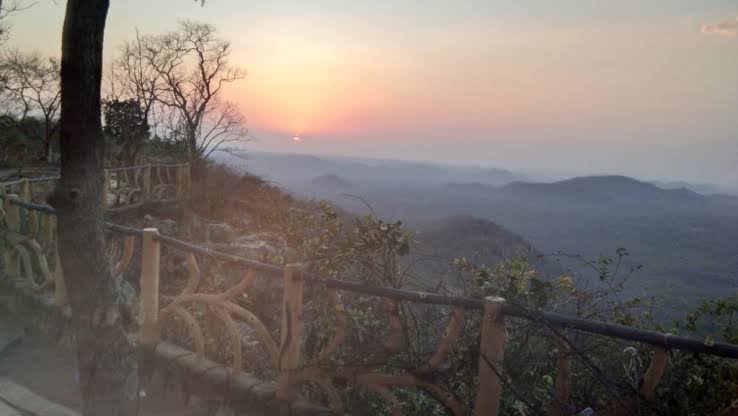
Tatamari is an elevated scenic destination around the Keshkal region. Its plateau landscape offers wide views of the surrounding hills and forests. The area also has religious significance and is associated with local traditions and places of worship.
Gad Dhanora
Gad Dhanora is an important archaeological and religious destination in the Keshkal area. Ancient temples, sculptures and religious remains dating to around the 5th–6th centuries have been identified here. A visit combines history, archaeology and spirituality.
Jatayu Rock
Jatayu Rock is a striking rocky landscape located near the Kondagaon–Pharasgaon road. Large rocks rise above the surrounding landscape, creating an excellent viewpoint. Local tradition connects the location with the story of Jatayu and Ravana from the Ramayana.
Katulkasa Waterfall
Katulkasa Waterfall at Honhed is a relatively hidden natural attraction surrounded by forest. The official district tourism page describes it as a perennial spring with a waterfall of approximately 80 feet. Its beauty becomes especially noticeable during the rainy season.
Manjhingarh
Manjhingarh is an emerging eco-tourism destination featuring dense forests, wildlife, medicinal plants, prehistoric rock paintings, valleys and unusual geographical formations. It is particularly suited to travellers interested in nature and exploration.
Kopabeda Shiv Temple
Kopabeda Shiv Temple is a religious attraction located close to Kondagaon. Its peaceful setting makes it suitable for travellers interested in combining local sightseeing with spiritual experiences.
Badedongar
Badedongar is a historic and religious site associated with the wider Keshkal region. The location combines hill landscapes with local religious traditions.
Bhongapal Archaeological Site
Bhongapal and surrounding areas are associated with archaeological remains and ancient cultural landscapes. These sites add another dimension to Kondagaon's tourism beyond waterfalls and scenic viewpoints.
Famous Dishes of Kondagaon
Kondagaon's food culture reflects the broader culinary traditions of Bastar and tribal Chhattisgarh. Rice, forest produce, seasonal vegetables and locally available ingredients form an important part of traditional food.
Fara
Fara is a traditional rice-based preparation popular in Chhattisgarh. It is generally steamed and can be enjoyed as a light local snack or meal.
Chila
Chila is a simple savoury pancake made from rice or lentil-based batter. It is a familiar breakfast and snack across Chhattisgarh.
Angakar Roti
Angakar Roti is a traditional thick rice-based flatbread associated with Chhattisgarh's regional cuisine.
Aamat
Aamat is a traditional Bastar preparation made with raw ingredients and spices and is often described as a regional counterpart to a thick, tangy vegetable preparation. It is one of the foods travellers may encounter when exploring Bastar's culinary traditions.
Local Forest Produce
Mahua and other forest-derived ingredients also form part of the broader food and livelihood traditions of the Bastar region. Visitors should try locally prepared dishes at trusted local eateries rather than expecting a standard restaurant menu.
Famous Personalities Connected with Kondagaon
Dr. Jaidev Baghel
Dr. Jaidev Baghel (1949–2014) was one of the prominent names associated with Kondagaon's traditional craft movement. He received the National Award in 1977 and the Shikhar Samman in 1982. His work helped bring Bastar's traditional craftsmanship to wider audiences in India and abroad.
Rajendra Baghel
Rajendra Baghel is another recognised artisan from the region. He received the National Award in 1996 and the Kala Nidhi Award in 2003 for his contribution to traditional art.
Panchuram Sagar
Panchuram Sagar is a recognised artisan associated with Kondagaon's craft tradition and received both the National Award and State Award in 1999.
Festivals of Kondagaon
Diwali and Local Lakshmi Worship
Diwali has a distinctive local cultural character in parts of the Keshkal region. Tatamari is associated with local religious traditions during Lakshmi Puja, attracting devotees to the hilltop area.
Mahashivratri
Mahashivratri is important around several of Kondagaon's Shiva temples. Gad Dhanora, in particular, hosts a large fair associated with Mahashivratri.
Local Tribal and Cultural Celebrations
Traditional community celebrations, folk performances and religious gatherings remain an important part of life in Kondagaon and the wider Bastar region.
Things to Do in Kondagaon
- Drive through Keshkal Valley and enjoy the winding hill road.
- Visit Tatamari for panoramic views and a peaceful hill experience.
- Explore Dhokra craft and understand the traditional bell-metal process.
- Shop for Bastar handicrafts including bell-metal, wrought iron, terracotta and bamboo products.
- Explore Gad Dhanora for archaeology and ancient temples.
- Visit Jatayu Rock for landscape photography and local legends.
- Discover Katulkasa Waterfall, especially during and after the monsoon.
- Explore Manjhingarh for forests, rock formations and eco-tourism.
- Visit local temples such as Kopabeda Shiv Temple.
- Experience Bastar cuisine and traditional Chhattisgarhi food.
Where to Eat, Shop and Stay in Kondagaon
Where to Eat
For food, Kondagaon town is the most practical base. Travellers can explore local restaurants, small eateries and roadside establishments serving rice-based Chhattisgarhi meals and everyday Indian food.
For a more authentic experience, look for locally prepared food near villages and tourism areas, while keeping hygiene and food freshness in mind.
Where to Shop
Craft City / Shilp Nagri is one of the best places to explore Kondagaon's traditional craftsmanship. Visitors can look for Dhokra bell-metal products, wrought-iron pieces, terracotta, bamboo crafts, woodwork and tribal jewellery.
Where to Stay
Kondagaon town is the most convenient base for exploring the district. Travellers can choose from budget hotels, guesthouses and local accommodation, while nature-focused trips may also use accommodation around nearby tourism destinations where available.
- Budget: Local hotels and guesthouses in Kondagaon.
- Mid-range: Comfortable hotels in and around the town.
- Nature-focused: Accommodation closer to selected tourism areas, subject to availability.
What is Kondagaon Famous For?
Kondagaon is best known for its combination of traditional crafts, tribal culture and natural landscapes.
- Dhokra / Bell-Metal Craft
- Shilp-City identity
- Keshkal Valley
- Tatamari
- Gad Dhanora archaeological remains
- Jatayu Rock
- Katulkasa Waterfall
- Manjhingarh
- Bastar tribal art and handicrafts
- Traditional food and cultural experiences
Kondagaon's strongest identity is its craft culture. The district's official ODOP initiative identifies bell-metal/Dhokra craft as a signature product and highlights the wider ecosystem of iron, terracotta, bamboo, wood and other traditional crafts.
Best Time to Visit Kondagaon
The best time to visit Kondagaon is generally from October to March, when temperatures are more comfortable for sightseeing, road trips and outdoor exploration.
| Season | Travel Experience |
|---|---|
| October–November | Green landscapes after the monsoon and pleasant weather. |
| December–February | Cooler and comfortable conditions for sightseeing and road trips. |
| March | Warmer days but still suitable for exploration with early starts. |
| July–September | Waterfalls and greenery become attractive, but rain can affect roads and outdoor plans. |
Best overall choice: October to March.
How to Reach Kondagaon
By Air
The nearest practical airport is Jagdalpur Airport, approximately 80 km from Kondagaon according to the district administration. Swami Vivekananda Airport, Raipur, is approximately 220 km away.
By Train
Kondagaon does not have the same level of direct rail connectivity as major cities. Nearby options include Jagdalpur railway station, around 70 km away, and Dilmili, around 67 km away. Raipur is a larger rail hub approximately 242 km away.
By Road
Road travel is one of the easiest ways to reach Kondagaon. Regular bus services connect the district with destinations such as Kanker, Jagdalpur and Raipur. National Highway 30 is particularly important for travel through the region.
| Mode | Nearest Practical Option | Approx. Distance |
|---|---|---|
| Air | Jagdalpur Airport | 80 km |
| Air | Raipur Airport | 220 km |
| Rail | Jagdalpur Railway Station | 70 km |
| Rail | Dilmili | 67 km |
Nearby Places to Visit from Kondagaon
Jagdalpur
Jagdalpur is an important gateway to Bastar and makes an excellent extension to a Kondagaon trip. Travellers can explore Bastar's waterfalls, tribal culture, forests and major attractions from here.
Kanker
Kanker lies north of Kondagaon and can be combined with Keshkal Valley for a road-trip itinerary.
Chitrakote Waterfall
Chitrakote Waterfall, near Jagdalpur, is one of Chhattisgarh's most famous natural attractions and can be added to a wider Bastar itinerary.
Tirathgarh Waterfall
Tirathgarh Waterfall is another major Bastar attraction, particularly appealing to travellers interested in forests, waterfalls and photography.
Bastar
The wider Bastar region is ideal for extending the journey into a longer cultural and nature-focused trip.
Best Duration for a Kondagaon Trip
2 to 3 days is a comfortable duration for exploring the main attractions around Kondagaon.
| Trip Length | Suggested Experience |
|---|---|
| 1 Day | Kondagaon town, crafts, nearby temple and selected viewpoint. |
| 2 Days | Kondagaon + Keshkal Valley + Tatamari + Gad Dhanora. |
| 3 Days | Add waterfalls, Jatayu Rock, Manjhingarh and more craft experiences. |
| 4–6 Days | Combine Kondagaon with Kanker, Jagdalpur and wider Bastar attractions. |
Travel Tips for Kondagaon
- Plan road journeys during daylight, especially when visiting forest and hill areas.
- Keep cash available for smaller shops and rural destinations.
- Buy authentic local crafts directly from recognised artisan centres whenever possible.
- Respect tribal customs and always ask before photographing people, homes or ceremonies.
- Carry comfortable footwear for waterfalls, viewpoints and archaeological sites.
- During monsoon: check road conditions before travelling to waterfalls and remote areas.
- Carry drinking water during longer excursions.
- Start early for destinations located deeper inside forest or hill areas.
- Do not litter at waterfalls, forests, temples or archaeological sites.
- Keep the itinerary flexible because some rural attractions may take longer to reach than expected.
Why Visit Kondagaon?
Kondagaon is worth visiting because it offers a side of Chhattisgarh that many travellers miss. It is not simply a destination of waterfalls or temples. Its real character comes from the relationship between nature, tribal culture and craftsmanship.
One morning can be spent driving through a forested valley, the afternoon exploring Dhokra craftsmanship and the next day visiting ancient archaeological remains or a hidden waterfall.
For travellers interested in slow travel, culture, photography, handicrafts, road trips and lesser-known destinations, Kondagaon offers an experience that feels authentic and distinctly Bastar.
Conclusion
Kondagaon is a destination where Chhattisgarh's natural beauty and artistic heritage come together. From the winding roads of Keshkal Valley and the panoramic landscapes of Tatamari to the ancient remains of Gad Dhanora and the intricate craftsmanship of Dhokra artisans, the district offers plenty of reasons to explore beyond the usual tourist circuit.
If you are planning a Bastar road trip, Kondagaon deserves more than a quick stop. Give it a few days, explore its craft villages, meet local artisans, discover its landscapes and experience the quieter side of Chhattisgarh.
Kondagaon Travel Snapshot
| Category | Information |
|---|---|
| Destination | Kondagaon, Chhattisgarh |
| Region | Bastar Region, Chhattisgarh |
| District HQ | Kondagaon |
| Established | 1 January 2012 |
| Area | 7,768.907 sq km |
| Population | 578,326 (2011) |
| Literacy | 57.31% |
| Average Rainfall | 1,205.65 mm |
| Best Time | October to March |
| Ideal Duration | 2–3 Days |
| Nearest Airport | Jagdalpur Airport – approx. 80 km |
| Nearest Major Railhead | Jagdalpur – approx. 70 km |
| Major Attraction | Keshkal Valley |
| Signature Craft | Dhokra / Bell-Metal Craft |
| Known As | Shilp-City / Craft City |
"Travel is the only thing you buy that makes you richer."