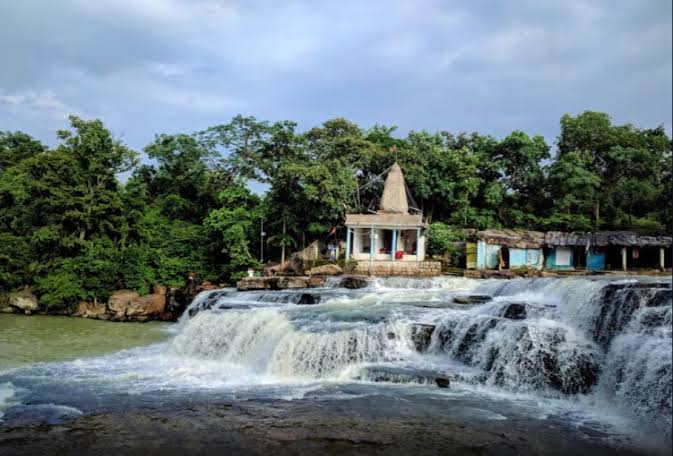
Dhamtari, Chhattisgarh: Where the Mahanadi Begins and Nature Takes Centre Stage
Dhamtari, Chhattisgarh, is a charming destination where rivers, reservoirs, forests, hills and traditional culture come together. Located in the fertile plains of the state, Dhamtari is particularly known for the Mahanadi River, Gangrel Dam, Sihawa hills, ancient temples and traditional folk culture.
The city makes an excellent starting point for exploring the natural and spiritual attractions of the surrounding district. From the sunset views at Gangrel Dam to the sacred landscape of Sihawa, Dhamtari offers plenty for travellers who enjoy peaceful getaways, photography, pilgrimage and outdoor experiences.
For travellers looking beyond conventional city tourism, Dhamtari provides a refreshing combination of water, forests, hills, temples and local traditions.
History of Dhamtari
The history of Dhamtari is closely connected with the fertile plains and river systems of central Chhattisgarh. The district's official history states that the name Dhamtari is associated with the words "Dhamma" and "Tarai", while another local explanation connects the name with "Dharamtarai".
Dhamtari district was officially formed on 6 July 1998 after the reorganisation of the former Raipur district. Dhamtari, Kurud, Magarlod and Nagri were included in the newly created district.
The region's older history is reflected in its temples, pilgrimage sites and cultural traditions. The Sihawa area is particularly important because it is traditionally associated with the origin of the Mahanadi River and the ashram of Shringi Rishi.
Dhamtari and the Mahanadi
The Mahanadi is the principal river of Dhamtari district. It originates in the hills of Sihawa and flows eastwards towards the Bay of Bengal.
The river and its tributaries have played an important role in agriculture, irrigation and settlement across the region. The district's fertile land is particularly suitable for paddy cultivation.
Geography of Dhamtari
Dhamtari lies in the fertile plains of Chhattisgarh, while the southern part of the district gradually rises into the Sihawa hill ranges.
The district covers approximately 4,084 square kilometres. It is bordered by Raipur towards the north, Balod towards the west, Kanker and parts of the Bastar region towards the south, and areas adjoining Odisha towards the east.
The landscape changes considerably as you travel from Dhamtari town towards Nagri and Sihawa. Agricultural plains give way to forests, hills, streams and scenic valleys.
| Geographical Feature | What It Offers |
|---|---|
| Mahanadi River | River landscapes and cultural importance |
| Sihawa Hills | Forests, temples and pilgrimage sites |
| Reservoirs | Scenic views, boating and recreation |
| Forests | Nature trails, wildlife and greenery |
The district receives an average annual rainfall of around 1,221 mm, with the southwest monsoon generally lasting from mid-June to the end of September.
Culture and Traditions of Dhamtari
Dhamtari is known for its traditional folk culture, which forms an important part of the region's identity. The district's cultural landscape includes tribal traditions, folk music, dance, religious practices and local festivals.
Suwa Dance
Suwa or Soowa Dance, popularly known as the Parrot Dance, is traditionally performed by tribal women. The dance is performed in a circle around a bamboo container containing a symbolic parrot and is associated with traditional community and religious practices.
Karma Dance
Karma Dance has religious and cultural significance in Chhattisgarh. The dance is associated with the worship of the Karam tree and involves men and women performing together in a circular formation.
Panthi Dance
Panthi Dance is another important traditional dance of Chhattisgarh. It combines rhythmic movement, music and expressive performances and reflects the region's rich folk heritage.
Religious Traditions
Temples dedicated to different Hindu deities are spread throughout Dhamtari. Bilai Mata Temple, Vindhyavasini Temple and Angarmoti Temple are among the important religious sites associated with the district.
Architecture of Dhamtari
Dhamtari's architectural heritage can be experienced through its temples, dams, old religious structures and pilgrimage sites.
Murrum Silli Dam
Murrum Silli Dam, also known as Madamsilli Dam, is one of the most interesting engineering landmarks in the district. Constructed between 1914 and 1923 on the Sillari River, it is recognised by the district administration as an important architectural and engineering achievement.
Karneshwar Temple Complex
The Karneshwar Temple at Sihawa is an important religious and architectural attraction. Its setting among forests and hills adds to the character of the site.
Traditional Temple Architecture
Temples across Dhamtari combine regional religious traditions with traditional architectural elements. Many are closely integrated with natural landscapes, particularly around Sihawa.
Famous Places to Visit in Dhamtari
Gangrel Dam
Gangrel Dam, also known as Ravishankar Dam, is Dhamtari's most famous tourist attraction. Built across the Mahanadi, the reservoir is located around 15 kilometres from Dhamtari town.
The large reservoir creates an attractive landscape of water and surrounding greenery. The destination is particularly popular for its sunset views, picnics and monsoon scenery.
The dam also supports the Gangrel Hydel Power Project and plays an important role in irrigation and water supply.
Sihawa
Sihawa is one of the most important pilgrimage and nature destinations in Dhamtari district. Surrounded by forests and hills, the area is traditionally associated with the origin of the Mahanadi.
Important attractions around Sihawa include Karneshwar Temple, Ganesh Ghat, Shringi Rishi Ashram, Hathi Khot, Danteshwari Cave, Amrit Kund and Mahamai Temple.
Shringi Rishi Ashram
Shringi Rishi Ashram is situated in the Sihawa hills and is associated with the legendary sage Shringi Rishi. The location combines spiritual significance with the natural beauty of the surrounding mountains and forests.
Murrum Silli Dam
Murrum Silli Dam, also called Madamsilli Dam, stands on the Sillari River, a tributary of the Mahanadi. Construction took place between 1914 and 1923.
The dam is especially interesting for visitors who enjoy engineering history, heritage structures and peaceful water landscapes.
Jabarra Eco-Tourism
Jabarra is an emerging eco-tourism destination known for its medicinal plants and natural surroundings. Located in the Nagri area, it offers opportunities for hiking, trekking and nature-trail walks.
Jabarra is around 64 kilometres from Dhamtari town, making it more suitable for a planned day excursion.
Rudri Barrage
Rudri Barrage is another water-related attraction in the Dhamtari region. Located near the Gangrel area, it forms part of the district's extensive network of rivers, irrigation structures and reservoirs.
Narhara Waterfall
Narhara Waterfall is a scenic natural attraction surrounded by greenery. It is a good option for travellers looking for a quieter outdoor experience away from the city.
Angarmoti Temple
Angarmoti Temple is an important local shrine associated with the religious traditions of Dhamtari. The temple is particularly valued by local devotees and forms part of the district's cultural landscape.
Vindhyavasini Temple
Vindhyavasini Temple is another revered temple in Dhamtari. The shrine reflects the strong devotional traditions of the city and is visited by local devotees throughout the year.
Bilai Mata Temple
Bilai Mata Temple is dedicated to Goddess Durga and is recognised as one of the important religious attractions of Dhamtari.
Famous Dishes to Try in Dhamtari
Dhamtari's food culture reflects the wider culinary traditions of Chhattisgarh, where rice, lentils, vegetables and locally available grains form the foundation of many traditional meals.
Chila
Chila is a popular Chhattisgarhi preparation made from rice or lentil batter. It is commonly eaten as a breakfast or snack and is best enjoyed fresh.
Fara
Fara is a traditional rice-based preparation often described as a steamed regional delicacy. It is light, filling and closely associated with Chhattisgarhi home-style cuisine.
Dehki Pithi
Dehki Pithi is another traditional preparation made from rice flour and served with regional accompaniments.
Bafauri
Bafauri is a steamed snack made primarily from gram flour. It is a lighter alternative to deep-fried snacks and is commonly associated with Chhattisgarhi cuisine.
Aamat
Aamat is a traditional Bastar-region preparation made using locally available ingredients. Travellers exploring southern Chhattisgarh may encounter different regional versions of this dish.
Rice-Based Local Meals
Rice remains a staple food in the region. A traditional local meal may include rice, dal, seasonal vegetables and regional chutneys or accompaniments.
Famous Personalities Connected with Dhamtari
Chhotelal Shrivastava
Chhotelal Shrivastava is associated with the history of the Murrum Silli Dam, which is also known as the Late Shri Babu Chhotelal Shrivastav Dam. The structure is an important part of Dhamtari's engineering heritage.
Thakur Pyarelal Singh
Thakur Pyarelal Singh was a prominent freedom fighter, social reformer and labour leader from Chhattisgarh. His contribution to the region's social and political history is remembered across the state.
Local Folk Artists
Dhamtari's cultural identity is also represented by its folk artists, musicians and traditional performers. Suwa, Karma and Panthi performers help preserve the region's living cultural heritage.
Festivals Celebrated in Dhamtari
Hareli
Hareli is an important traditional festival of Chhattisgarh associated with agriculture, nature and rural life. Farmers worship agricultural tools and pray for prosperity and a good harvest.
Polaa
Polaa is a traditional agricultural festival that celebrates cattle, which have historically played an important role in farming communities.
Navratri
Navratri is celebrated with devotion at temples throughout Dhamtari. The city's important goddess temples become especially active during the festival period.
Diwali
Diwali is celebrated across Dhamtari with lamps, prayers, family gatherings and traditional sweets.
Holi
Holi brings communities together through colours, music and celebrations and is widely observed throughout the district.
Bihu and Regional Cultural Influences
Dhamtari's location in central India gives its festivals a distinctly Chhattisgarhi character, while its cultural exchanges with neighbouring regions add further variety to local celebrations.
Things to Do in Dhamtari
- Watch the sunset at Gangrel Dam and enjoy the reservoir landscape.
- Visit Sihawa and explore the origin region of the Mahanadi.
- Visit Shringi Rishi Ashram for a spiritual and historical experience.
- Explore Karneshwar Temple and other sacred sites around Sihawa.
- Explore Murrum Silli Dam and its historic engineering structure.
- Take a nature trail at Jabarra and discover its medicinal-plant landscape.
- Visit Narhara Waterfall for a peaceful nature experience.
- Visit Angarmoti and Vindhyavasini temples to experience local religious traditions.
- Enjoy photography around the reservoirs and surrounding hills.
- Try traditional Chhattisgarhi food at local eateries.
- Explore local markets for regional products and handicrafts.
- Plan a monsoon trip if waterfalls and lush landscapes are your priority.
Where to Eat, Shop and Stay in Dhamtari
Where to Eat
Dhamtari town has local restaurants and eateries serving North Indian, South Indian and regional food. Travellers should look for traditional Chhattisgarhi dishes such as chila, fara, bafauri and rice-based meals.
For a broader choice of restaurants and cafés, Dhamtari town is the most convenient base before heading towards the more remote attractions.
Where to Shop
Local markets are useful for experiencing everyday life in Dhamtari and purchasing regional products. Visitors can look for handloom products, bamboo and cane items, traditional handicrafts, local grains and food products.
Where to Stay
Dhamtari town provides the most convenient accommodation base for visitors. The district also lists government accommodation options around Gangrel and Sihawa.
| Stay Type | Best For |
|---|---|
| Budget Hotel | Short city stays and road trips |
| Mid-Range Hotel | Families and couples |
| Tourist Cottage | Gangrel-focused trips |
| Forest Guest House | Travellers exploring Sihawa and nature areas |
What is Dhamtari Famous For?
Dhamtari is famous for its reservoirs, the origin of the Mahanadi, Sihawa hills, temples, forests and traditional folk culture.
- Gangrel Dam / Ravishankar Dam
- Mahanadi River and its origin at Sihawa
- Sihawa hills
- Shringi Rishi Ashram
- Murrum Silli / Madamsilli Dam
- Jabarra Eco-Tourism
- Narhara Waterfall
- Bilai Mata Temple
- Vindhyavasini and Angarmoti Temples
- Suwa, Karma and Panthi folk dances
Best Time to Visit Dhamtari
The best time to visit Dhamtari is from October to February, when the weather is generally more comfortable for sightseeing, temple visits, outdoor activities and exploring the surrounding countryside.
The monsoon season from June to September is also attractive for travellers who want to see Gangrel Dam, waterfalls and the surrounding landscape at its greenest. However, heavy rainfall can affect outdoor plans.
| Season | Months | Travel Experience |
|---|---|---|
| Winter | October–February | Comfortable for sightseeing and outdoor activities |
| Spring | March–April | Good for temples and short excursions |
| Summer | May–June | Hot and better suited to early-morning sightseeing |
| Monsoon | June–September | Lush greenery, reservoirs and waterfalls |
Best overall choice: October to February is ideal for comfortable sightseeing, while the monsoon season is especially appealing for visitors who want dramatic water landscapes and lush greenery.
How to Reach Dhamtari
By Air
The nearest major airport is Swami Vivekananda Airport in Raipur, approximately 75 kilometres from Dhamtari according to the district administration.
From Raipur Airport, travellers can continue to Dhamtari by taxi or road transport.
By Train
Dhamtari Railway Station provides rail connectivity to the region. Travellers can also reach Raipur by major railway routes and continue to Dhamtari by road.
By Road
Dhamtari is well connected by road and lies along National Highway 30. The highway connects the city with Raipur towards the north and the Bastar region towards the south.
Regular buses and taxis are available between Dhamtari and Raipur, making road travel a convenient option.
| Mode | Best Access |
|---|---|
| Air | Raipur Airport |
| Train | Dhamtari Railway Station |
| Road | NH 30, bus, taxi or private vehicle |
Nearby Places to Visit from Dhamtari
Raipur
Raipur, the capital of Chhattisgarh, is approximately 78 kilometres from Dhamtari according to the district's official information. It can easily be combined with a Dhamtari itinerary.
Sihawa
Sihawa is one of the best nearby destinations for travellers interested in spirituality, hills, forests and the Mahanadi's origin.
Gangrel
Gangrel is an easy excursion from Dhamtari and is best known for the large Gangrel Dam reservoir and its sunset views.
Jabarra
Jabarra is a longer nature excursion known for medicinal plants, hiking, trekking and nature trails.
Kanker
Kanker can be included in a longer journey towards southern Chhattisgarh. Its forests, tribal culture and natural attractions make it a good extension to a Dhamtari-Bastar route.
Jagdalpur
Jagdalpur is a useful extension for travellers planning a larger Bastar itinerary. The city provides access to major attractions including waterfalls, caves, forests and tribal cultural sites.
Best Duration for a Trip to Dhamtari
2 days are enough to experience the major attractions around Dhamtari. Travellers interested in Sihawa, Jabarra and additional nature destinations should consider 3 days.
| Duration | Suggested Plan |
|---|---|
| 1 Day | Dhamtari + Gangrel Dam + local temples |
| 2 Days | Dhamtari + Gangrel + Sihawa |
| 3 Days | Dhamtari + Sihawa + Murrum Silli + Jabarra |
| 4 Days | Dhamtari + major nearby nature and cultural attractions |
Travel Tips for Dhamtari
- Plan outdoor sightseeing early: Summer afternoons can be hot.
- Carry comfortable footwear: Some temples, hills and nature trails involve walking.
- Carry rain protection: Monsoon rainfall can be substantial.
- Carry drinking water: It is particularly useful for longer excursions towards Sihawa and Jabarra.
- Use sun protection: Sunglasses, sunscreen and a hat are useful during outdoor sightseeing.
- Respect temple customs: Follow local rules regarding footwear, dress and photography.
- Keep nature clean: Avoid littering around dams, waterfalls, forests and hills.
- Check local weather: Rain can affect access to waterfalls and forest attractions.
- Carry some cash: Smaller shops and rural destinations may have limited digital payment facilities.
- Respect local culture: Ask permission before photographing people or cultural activities.
- Plan remote attractions in advance: Transport options can be more limited outside Dhamtari town.
Why Visit Dhamtari?
Dhamtari is worth visiting because it brings together water, hills, forests, spirituality and traditional culture in one destination.
The journey can begin with the peaceful waters of Gangrel Dam, continue towards the sacred hills of Sihawa and then move into the quieter natural landscapes around Jabarra and the southern part of the district.
History and engineering enthusiasts can explore Murrum Silli Dam, while spiritual travellers can visit the temples and ashrams associated with Sihawa.
For travellers who enjoy nature photography, short road trips, pilgrimage, waterfalls, reservoirs and authentic regional culture, Dhamtari offers a relaxed alternative to the busier tourist destinations of central India.
Conclusion
Dhamtari, Chhattisgarh, is a destination shaped by rivers, reservoirs, hills and living traditions. The Mahanadi's connection with Sihawa gives the region a special geographical and cultural identity, while Gangrel Dam provides one of its most popular scenic experiences.
From Shringi Rishi Ashram and the temples of Sihawa to Murrum Silli Dam, Jabarra's nature trails and the waterfalls around the district, Dhamtari offers a varied experience for both first-time visitors and repeat travellers.
With 2 to 3 days, travellers can comfortably experience the major attractions, while a longer itinerary can connect Dhamtari with Raipur, Kanker and the wider Bastar region.
If you want to discover a quieter side of Chhattisgarh filled with water, forests, temples and traditional culture, Dhamtari deserves a place on your travel itinerary.
"Travel is the only thing you buy that makes you richer."