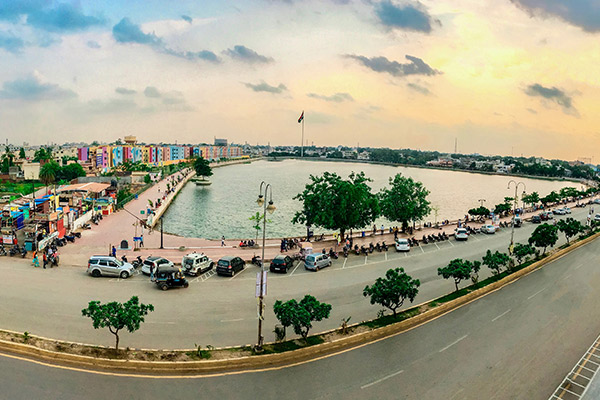
Raipur, Chhattisgarh: Where History, Culture and Modern Chhattisgarh Come Together
Raipur is more than the capital of Chhattisgarh. It is a city where centuries-old temples, traditional Chhattisgarhi culture, museums, lakes, modern urban spaces and the state's growing capital region come together.
From the historic Hatkeshwar Mahadev Temple and peaceful Vivekananda Sarovar to Purkhauti Muktangan and Nandanvan Jungle Safari, Raipur gives travellers an easy introduction to the history, traditions and changing face of Chhattisgarh.
Whether you are visiting for a short city break, a cultural trip or using Raipur as a base for exploring central Chhattisgarh, the city offers plenty to discover.
History of Raipur
Raipur has a long and fascinating history. According to the district administration, the town has existed since at least the 9th century, and the region was historically associated with Southern Kosal and several important dynasties.
The region came under the influence of the Satavahanas, Samudragupta, Sarabhpuri kings, Nala kings and Somavanshi rulers. During the Somavanshi period, Sirpur served as an important capital and cultural centre.
Later, the Kalchuri rulers became influential in the region. Local historical tradition associates the establishment of Raipur with King Ramachandra and his son Brahmdeo Rai. The famous Hatkeshwar Mahadev Temple on the Kharun River is associated with the year 1402 AD and the reign of Brahmdeo Rai.
Raipur later came under the Bhonsle rulers of Nagpur. In 1854, Chhattisgarh was declared a separate commissionery with Raipur as its headquarters under British administration.
After independence, Raipur became part of Madhya Pradesh. When Chhattisgarh was created as a separate state on 1 November 2000, Raipur became its capital. The district was subsequently reorganised several times, including the formation of new districts such as Mahasamund, Dhamtari, Gariaband and Balodabazar-Bhatapara.
Geography of Raipur
Raipur is located almost in the centre of Chhattisgarh, making it an important transportation and administrative hub. The district lies between approximately 21°23′ latitude and 81°65′ longitude.
The landscape is primarily a combination of plains, agricultural land, rivers and scattered natural areas. The Mahanadi and Kharun are two major rivers associated with the district.
The district administration places the elevation of Raipur district between approximately 244 and 409 metres above sea level. The climate is tropical wet and dry, with hot summers and a more comfortable winter season.
| Raipur City / District Snapshot | Details |
|---|---|
| State | Chhattisgarh |
| Role | Capital of Chhattisgarh |
| Raipur Municipal Corporation Population, 2011 | 1,010,087 |
| Raipur Urban Agglomeration Population, 2011 | 1,122,555 |
| Raipur District Population, 2011 | 2,160,876 |
| District Area | 2,891.98 sq km |
| District Tehsils | 8 |
| District Blocks | 4 |
| District Villages | 545 |
| District Literacy Rate | 80.52% |
| Major Rivers | Mahanadi and Kharun |
| Airport | Swami Vivekananda Airport |
| Major Railway Station | Raipur Junction |
Note: City population figures refer to the Raipur Municipal Corporation/urban agglomeration, while administrative figures such as area, tehsils and district population refer to the present Raipur district.
Culture and Traditions
Raipur reflects the wider cultural identity of Chhattisgarh. Chhattisgarhi is the main local language, while Hindi and other languages are widely used because of the city's diverse population.
Chhattisgarhi Folk Culture
Traditional forms such as Raut Nacha, Dewar Nacha, Panthi, Soowa, Padki and Pandwani are important parts of the region's cultural heritage.
Pandwani
Pandwani is a traditional musical storytelling form based on episodes from the Mahabharata. The art form has been brought to national and international audiences by celebrated performers including Teejan Bai.
Traditional Dress and Jewellery
Traditional Chhattisgarhi clothing includes colourful saris and regional styles of dress. Traditional jewellery such as Phuli, Bali, Bichhiya, Kardhani and Choora is associated with local customs and celebrations.
Music and Dance
Music and dance remain closely connected with village life and festivals. Raipur's urban cultural spaces also provide opportunities to experience folk and classical performances from across the state.
Architecture of Raipur
Raipur's architecture reflects several layers of history, from medieval temples and traditional religious structures to colonial-era public buildings and modern capital-city development.
Hatkeshwar Mahadev Temple
The temple on the banks of the Kharun River is one of Raipur's oldest historical landmarks. A stone inscription associates its construction with 1402 AD.
Dudhadhari Temple
The 17th-century Dudhadhari Temple is regarded by the district administration as Raipur's oldest temple. Its exterior walls feature sculptures connected with the Ramayana tradition.
Town Hall
The historic Town Hall, once known as Victoria Jubilee Hall, dates to the late 19th century. The building was constructed using stones said to have come from the old Raipur Fort and remains an important heritage structure.
Rajkumar College
Founded in 1882 at Jabalpur and shifted to Raipur in 1894, Rajkumar College is known for its historic campus, gardens and architectural character.
Famous Places to Visit in Raipur
Mahant Ghasi Das Memorial Museum
The Mahant Ghasi Das Memorial Museum is an excellent starting point for understanding Chhattisgarh's heritage. It displays archaeological discoveries, cultural artefacts, sculptures, ancient inscriptions and rare coins. The museum was inaugurated by President Dr. Rajendra Prasad.
Vivekananda Sarovar – Budha Talaab
Vivekananda Sarovar, popularly known as Budha Talaab, is regarded as Raipur's oldest lake. The lake includes the Nilabh Garden and a large statue of Swami Vivekananda, creating a pleasant place for an evening visit.
Dudhadhari Temple
This historic Vaishnav temple is dedicated to Lord Rama and is associated with the devotion of Swami Balbhadra Das. Its old sculptures and religious atmosphere make it an important heritage stop.
Hatkeshwar Mahadev Temple
Located around 5 km from Raipur on the banks of the Kharun River, this temple is dedicated to Lord Shiva and has strong historical associations with the Kalchuri period and Brahmdeo Rai.
Purkhauti Muktangan
Purkhauti Muktangan is a cultural landscape showcasing Chhattisgarh's tribal life, folk art and traditional culture through life-like figures and installations. It was inaugurated by former President Dr. A.P.J. Abdul Kalam in November 2006.
Nandanvan Jungle Safari
Located in Naya Raipur, Nandanvan Jungle Safari offers four major safari zones: Tiger, Lion, Bear and Herbivore Safari. The larger area includes an extensive green landscape and the Khandwa Reservoir, which attracts migratory birds.
Solar Energy Park
The Solar Energy Park on Airport Road combines recreation with environmental education. Visitors can explore renewable-energy exhibits, working models, gardens, fountains and solar-powered attractions.
Rajkumar College
The historic campus of Rajkumar College features gardens, arches and an architectural character that reflects its long educational history in Raipur.
Vivekananda Ashram
The Vivekananda Ashram is associated with the Ramakrishna tradition and focuses on service, education and welfare. Its campus includes a temple, hospital and library.
Kankali Talab
Kankali Talab is a traditional religious site associated with Naga sages and meditation. A small Shiva temple stands in the middle of the pond, surrounded by old trees and samadhis.
Town Hall
Raipur's historic Town Hall is a useful stop for travellers interested in the city's colonial-era civic architecture and changing urban history.
Nagar Ghadi
The Nagar Ghadi near Shastri Chowk is a prominent clock-tower landmark and a familiar part of Raipur's cityscape.
Famous Dishes to Try in Raipur
Raipur is a good place to experience the flavours of Chhattisgarhi cuisine. The food is generally simple, rice-based and influenced by local agricultural traditions.
Chila
Chila is a savoury rice-based pancake and one of the easiest regional dishes for first-time visitors to try. It works well as breakfast or a light snack.
Faraa
Faraa is a steamed rice-based preparation that represents the home-style side of Chhattisgarhi cuisine.
Bara
Bara is a savoury lentil-based snack with a crisp exterior. It is commonly enjoyed with chutney.
Angakar Roti
Angakar Roti is a traditional regional flatbread prepared from grain-based dough. It pairs well with local vegetables and curries.
Aamat
Aamat is a traditional Chhattisgarhi preparation made using a combination of vegetables and regional ingredients. It is worth trying for a deeper taste of local cuisine.
Dehrori
Dehrori is a traditional sweet made using rice-based ingredients and is a popular regional dessert.
Khurmi
Khurmi is a traditional jaggery-based sweet snack that is commonly associated with Chhattisgarhi food culture.
Famous Personalities Associated with Raipur
Habib Tanvir
Habib Tanvir was born in Raipur in 1923 and became one of India's most influential playwrights, theatre directors and actors. His work drew deeply from Indian folk traditions and Chhattisgarhi performance culture. He founded Naya Theatre and is particularly remembered for works such as Agra Bazaar and Charandas Chor.
Swami Vivekananda
Swami Vivekananda spent part of his teenage years in Raipur between 1877 and 1879 when his father was transferred there. His connection with the city is remembered through places such as Vivekananda Sarovar and Vivekananda Ashram.
Anurag Basu
Film director and producer Anurag Basu was born in Raipur and spent his childhood in Chhattisgarh, particularly Raipur and Bhilai. He has often spoken about the influence of his Chhattisgarh upbringing on his creative identity.
Mohammad Hidayatullah
Justice Mohammad Hidayatullah, former Chief Justice of India and former Acting President of India, received his early education at the Government High School in Raipur.
Shekhar Sen
Shekhar Sen, known for his musical mono-act performances, was born and brought up in Raipur and became recognised for combining music, storytelling and theatre.
Festivals of Raipur
Hareli
Hareli is an important agricultural festival celebrated during the monsoon. Farmers worship agricultural equipment and cattle, while traditional activities such as Gedi walking add a lively community character.
Pola
Pola is associated with the worship of bullocks and agricultural life. Traditional bullock-related rituals and children's clay Nandi toys are part of the celebration.
Teeja
Teeja is traditionally associated with women and is celebrated with prayers, family gatherings and regional customs.
Gouri-Goura
Gouri-Goura is a traditional festival connected with local religious beliefs and community celebrations.
Diwali
Diwali is celebrated throughout Raipur with lights, prayers, family gatherings, shopping and festive food. The city becomes especially lively around major markets.
Navratri
During Navratri, temples and neighbourhoods across Raipur become active with religious programmes, devotional music and community celebrations.
Things to Do in Raipur
- Explore Raipur's heritage temples including Dudhadhari and Hatkeshwar Mahadev.
- Walk around Vivekananda Sarovar and enjoy the lake atmosphere.
- Visit Mahant Ghasi Das Memorial Museum for Chhattisgarh's history and archaeology.
- Experience Chhattisgarhi culture at Purkhauti Muktangan.
- Spend a day at Nandanvan Jungle Safari for wildlife and nature.
- Visit Solar Energy Park for an educational family outing.
- Explore historic architecture around Town Hall and Rajkumar College.
- Try local Chhattisgarhi food including Chila, Faraa and Bara.
- Shop in local markets for regional products, textiles, handicrafts and everyday goods.
- Attend cultural programmes whenever folk music, dance or theatre events are scheduled.
- Explore Naya Raipur to see the modern planned-capital side of Chhattisgarh.
Where to Eat, Shop, and Stay in Raipur
Where to Eat
Raipur has a wide range of restaurants, cafés, street-food outlets and traditional eateries. For visitors interested in local flavours, look for restaurants serving Chhattisgarhi thali, Chila, Faraa, Bara and regional sweets.
The areas around major commercial roads, markets and central Raipur are convenient for finding different types of food, from budget snacks to modern cafés and family restaurants.
Where to Shop
Pandri and central-market areas are useful for clothing, household products and general shopping. Travellers looking for local products can also explore handicraft and handloom outlets.
Where to Stay
| Stay Type | Best For |
|---|---|
| Budget Hotels | Backpackers, solo travellers and short stays |
| Mid-Range Hotels | Families and business/leisure travellers |
| Premium Hotels | Business travellers and visitors seeking extra comfort |
For first-time visitors, staying around central Raipur, railway-station areas or major commercial zones is practical. Naya Raipur is more suitable when your itinerary focuses on the new capital region and attractions such as Jungle Safari.
What is Raipur Famous For?
Raipur is famous for its role as the capital of Chhattisgarh as well as its historical, cultural and modern identity.
- Capital of Chhattisgarh
- Historic Raipur city
- Hatkeshwar Mahadev Temple
- Dudhadhari Temple
- Vivekananda Sarovar / Budha Talaab
- Mahant Ghasi Das Memorial Museum
- Purkhauti Muktangan
- Nandanvan Jungle Safari
- Chhattisgarhi culture and cuisine
- Traditional folk arts such as Pandwani
- Habib Tanvir's theatre legacy
- Modern Naya Raipur
Best Time to Visit Raipur
The best time to visit Raipur is generally from October to February, when temperatures are more comfortable for sightseeing and outdoor activities.
| Season | Travel Experience |
|---|---|
| October–November | Comfortable weather and good conditions for sightseeing |
| December–February | Cooler temperatures; excellent for city exploration |
| March–June | Hot season; outdoor activities are better in mornings and evenings |
| July–September | Monsoon brings greenery but rain can affect outdoor plans |
The district administration notes that temperatures can become particularly high from March to June, with April and May sometimes exceeding 46°C.
How to Reach Raipur
By Air
Swami Vivekananda Airport, also known as Mana Airport, is the primary airport serving Raipur and the state capital region. The airport is approximately 15 km south of Raipur and has regular connections with major Indian cities.
By Train
Raipur Junction is one of the city's strongest transportation links. It lies on the major Howrah–Nagpur–Mumbai railway corridor and receives regular trains from several major cities.
By Road
Raipur is well connected by road with major cities in Chhattisgarh and neighbouring states. Regular bus services connect the city with destinations including areas towards Odisha, Maharashtra and other parts of central India.
| Mode | Main Option |
|---|---|
| Air | Swami Vivekananda Airport / Mana Airport |
| Rail | Raipur Junction |
| Road | Regular buses and highways connecting major cities |
Nearby Places to Visit from Raipur
Rajim
Rajim is an important religious and cultural destination near Raipur, particularly known for its temples and the Triveni Sangam region. It makes a good short excursion from the capital.
Sirpur
Sirpur is one of Chhattisgarh's most important archaeological and cultural destinations. Its Buddhist, Hindu and Jain heritage, including the famous Lakshman Temple, makes it ideal for history enthusiasts.
Champaran
Champaran is associated with the birthplace of Vallabhacharya and is an important religious destination near Raipur.
Chhota Udaipur / Gariaband Region
The wider areas around Raipur open access to forests, waterfalls and rural landscapes of central Chhattisgarh. These are best explored as part of a longer itinerary.
Naya Raipur
Naya Raipur, officially known as Atal Nagar in many government contexts, represents the planned and modern side of Chhattisgarh. It can be combined with Purkhauti Muktangan and Nandanvan Jungle Safari.
Chandkhuri
Chandkhuri is known for its religious significance and the Mata Kaushalya Temple, making it an interesting addition to a religious and cultural road trip from Raipur.
Best Duration for a Raipur Trip
Raipur can be explored in a short trip, but 2–3 days gives travellers enough time to experience both the historic city and the modern capital region.
| Duration | Suggested Plan |
|---|---|
| 1 Day | City temples, museum, Vivekananda Sarovar and local food |
| 2 Days | City attractions + Purkhauti Muktangan + Naya Raipur |
| 3 Days | City + Jungle Safari + nearby cultural/religious excursion |
| 4–5 Days | Raipur + Rajim + Sirpur + other nearby destinations |
Travel Tips for Raipur
- Plan outdoor sightseeing in the morning and evening during the hotter months.
- Carry water, sunscreen and comfortable footwear for sightseeing.
- Use app-based cabs, auto-rickshaws or local transport for city travel.
- Raipur Junction and the airport make the city a convenient base for wider Chhattisgarh travel.
- Respect local customs when visiting temples.
- Dress modestly for religious places.
- Try local Chhattisgarhi food instead of limiting your trip to standard North Indian cuisine.
- For Nandanvan Jungle Safari, check the latest ticketing, safari timings and entry rules before visiting.
- For cultural attractions and museums, check current opening days and timings before travelling.
- Keep extra time for traffic when travelling between central Raipur and Naya Raipur.
- During monsoon, check weather conditions before planning outdoor excursions.
- Carry some cash for smaller shops, local food stalls and rural excursions.
Why Visit Raipur?
Raipur is one of the easiest cities in Chhattisgarh to explore for a first-time visitor. Its excellent air and railway connectivity, central location and mix of attractions make it a practical base for discovering the state.
What makes Raipur particularly interesting is its combination of old and new. One moment you can be exploring a centuries-old temple or heritage museum, and the next you can be experiencing the planned urban landscape of Naya Raipur.
The city also offers an introduction to Chhattisgarhi food, folk music, traditional festivals, archaeology and tribal culture without requiring a remote journey into the state's interior.
For travellers interested in history, culture, food, architecture and easy weekend exploration, Raipur is a strong starting point for a Chhattisgarh itinerary.
Conclusion
Raipur is a city where Chhattisgarh's past and future meet. Its ancient temples, historical buildings, museums and traditional culture tell the story of an old settlement, while Naya Raipur represents the state's modern ambitions.
From Hatkeshwar Mahadev Temple and Dudhadhari Temple to Vivekananda Sarovar, Purkhauti Muktangan and Nandanvan Jungle Safari, there is enough variety to keep a short trip interesting.
If you are planning to explore Chhattisgarh for the first time, Raipur is one of the best places to begin—not only because it is the state capital, but because it gives you a compact introduction to the state's history, culture, food, nature and modern identity.
Raipur Travel Snapshot
| Travel Factor | Details |
|---|---|
| Destination | Raipur, Chhattisgarh |
| State Role | Capital of Chhattisgarh |
| City Population, 2011 | 1,010,087 |
| Urban Agglomeration Population, 2011 | 1,122,555 |
| District Population, 2011 | 2,160,876 |
| Best For | History, Culture, Food, Temples, Museums and Family Travel |
| Major Heritage Sites | Hatkeshwar Mahadev, Dudhadhari Temple, Town Hall |
| Major Museum | Mahant Ghasi Das Memorial Museum |
| Nature / Wildlife | Nandanvan Jungle Safari |
| Cultural Attraction | Purkhauti Muktangan |
| Popular Lake | Vivekananda Sarovar / Budha Talaab |
| Best Months | October to February |
| Ideal Duration | 2–3 Days |
| Airport | Swami Vivekananda Airport |
| Railway | Raipur Junction |
"Travel is the only thing you buy that makes you richer."