Janjgir-Champa, Chhattisgarh: A Journey Through Temples, Rivers and Heritage
Janjgir-Champa, Chhattisgarh, is a fascinating destination in the heart of the state where ancient temples, rivers, religious traditions and rural landscapes come together. With Janjgir as its district headquarters, the region offers travellers a quieter side of Chhattisgarh away from the state's major urban centres.
The district was established on 25 May 1998 and is located in the central part of Chhattisgarh. The district administration describes Janjgir-Champa as the "Heart of Chhattisgarh."
Janjgir is particularly known for its historic Vishnu Mandir, while the wider district is home to attractions such as Chandrahasini Temple, Shivrinarayan, Laxmaneshwar Temple, Damudhara and Dewar Ghata.
For travellers interested in temples, mythology, local culture, rivers and offbeat places, Janjgir-Champa offers an interesting mix of experiences.
History of Janjgir-Champa
The history of Janjgir-Champa is closely connected with the ancient kingdoms and cultural traditions of central India. Janjgir was historically associated with the Kulchury dynasty.
The district administration identifies Janjgir as the city associated with Maharaja Jajawalya Dev of the Kulchury dynasty.
The region's historic temples provide important evidence of its religious and architectural heritage.
Formation of the District
Janjgir-Champa district was established on 25 May 1998. Before becoming a separate district, the area was part of the larger Bilaspur administrative region.
Vishnu Mandir and the Medieval Heritage
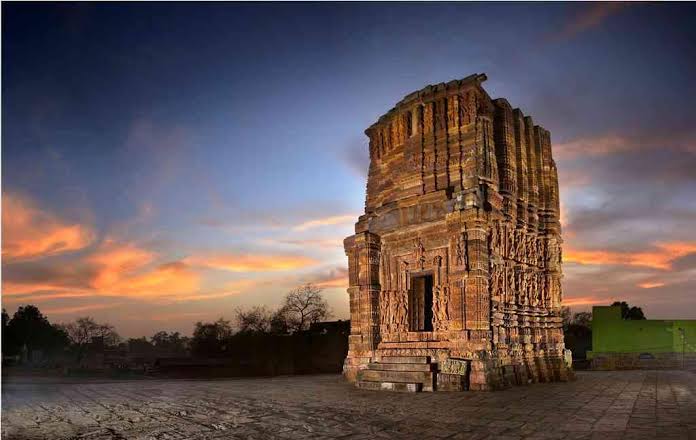
The historic Vishnu Mandir of Janjgir reflects the region's medieval architectural heritage. According to the district administration, the temple was built by the kings of the Hayhay Vansh during the 12th century.
The temple remains incomplete, and its unusual unfinished form has made it one of Janjgir's most recognisable heritage landmarks.
| Historical Point | Details |
|---|---|
| Ancient Heritage | Strong association with temples and regional kingdoms |
| 12th Century | Vishnu Mandir associated with Hayhay Vansh |
| 25 May 1998 | Janjgir-Champa district established |
| Janjgir | District headquarters and historic centre |
Geography of Janjgir-Champa
Janjgir-Champa is situated in the central part of Chhattisgarh. Its landscape is characterised by river systems, agricultural plains, villages and temple towns.
The district administration identifies the Hasdeo, Mahanadi, Lilagar and Shivnath river systems as important geographical features associated with the region.
The district's rivers have influenced both agriculture and settlement patterns and are also connected with several important religious and picnic destinations.
Important Rivers
- Mahanadi – associated with Shivrinarayan and Chandrahasini Temple.
- Hasdeo – associated with Pithampur and Madanpurgarh.
- Lilagar – forms part of the river confluence at Dewar Ghata.
- Shivnath – meets the Mahanadi and Lilagar at Dewar Ghata.
| Geographical Feature | Importance |
|---|---|
| Mahanadi | Important river and pilgrimage landscape |
| Hasdeo | River associated with several temples |
| Lilagar | Part of the Dewar Ghata confluence |
| Shivnath | Joins the river system at Dewar Ghata |
| Agricultural Plains | Important for the local economy |
Janjgir-Champa at a Glance
Here are some useful numbers and facts for understanding the district.
| Particular | Details |
|---|---|
| State | Chhattisgarh |
| District Headquarters | Janjgir |
| Established | 25 May 1998 |
| Geographical Position | Central Chhattisgarh |
| Elevation | Approximately 294.4 metres |
| Average Rainfall | Approximately 1,157.1 mm |
| Road Distance from Bilaspur | Approximately 65 km |
| Road Distance from Raipur | Approximately 175 km |
Note: Population and administrative figures from older Census-era sources should be treated carefully because district boundaries have changed after the creation of newer districts. The official Census 2011 dataset records Janjgir-Champa as a historical census district. :contentReference[oaicite:1]{index=1}
Culture and Traditions of Janjgir-Champa
Culture in Janjgir-Champa is deeply connected with religion, agriculture, village life, festivals and traditional Chhattisgarhi customs.
Religious Traditions
The district has numerous temples dedicated to Lord Shiva, Lord Vishnu, Goddess Durga and other Hindu deities.
Places such as Rajim-like river pilgrimage centres are represented here by destinations including Shivrinarayan, Pithampur and Chandrahasini Temple.
Rural Culture
Much of the region retains a strong rural identity. Agriculture, village markets, traditional food and seasonal festivals continue to shape everyday life.
Local Language
Chhattisgarhi is an important language of everyday communication in the region, alongside Hindi.
Traditional Arts
Folk music, dance, handicrafts and community celebrations form an important part of local cultural life.
Architecture of Janjgir-Champa
Janjgir-Champa's architectural identity is strongly influenced by its ancient temples and riverbank religious sites.
Vishnu Mandir, Janjgir
Vishnu Mandir is one of the most important heritage landmarks of Janjgir.
The temple is associated with the Hayhay Vansh and dates to the 12th century according to the district administration.
The temple was planned in two parts, but the sections were never assembled into a completed structure. The unfinished temple is locally known as Nakata Mandir.
Its walls feature sculptures of gods, goddesses, Gandharvas and Kinnars, making it an interesting destination for visitors interested in historic temple architecture.
Laxminarayan Temple, Shivrinarayan
The Laxminarayan Temple at Shivrinarayan was built by the kings of the Hayhay Vansh during the 11th century, according to the district administration.
The temple is located on the bank of the Mahanadi and represents the Vaishnavite architectural tradition.
Pithampur Shiva Temple
Pithampur Shiva Temple, also known as Kaleshwarnath Mandir, stands on the bank of the Hasdeo River.
The temple is particularly associated with celebrations during Maha Shivratri and Rang Panchami.
Famous Places to Visit in Janjgir-Champa
1. Vishnu Mandir, Janjgir
Vishnu Mandir is the most important heritage attraction in Janjgir town.
Dating to the 12th century, the unfinished temple provides a fascinating glimpse into the region's medieval architecture.
The sculptures on its walls make it particularly interesting for history and photography enthusiasts.
2. Chandrahasini Temple
Chandrahasini Temple is situated on the bank of the Mahanadi in the Dabhara area.
The temple is dedicated to Chandrahasini Devi and attracts devotees from Chhattisgarh as well as neighbouring Odisha.
A major fair is organised around Navratri, making the period especially lively for visitors.
3. Shivrinarayan
Shivrinarayan is an important religious destination on the Mahanadi.
The Laxminarayan Temple, built during the 11th century according to the district administration, is its major heritage attraction.
The town is also associated with the traditional story of Shabari Ashram from the Ramayana tradition.
A grand fair is organised during Magh Purnima.
4. Laxmaneshwar Temple
Laxmaneshwar Temple is located in the Pamgarh area and is associated with a local Ramayana tradition.
According to local belief, the temple was built by Laxman, the younger brother of Lord Rama, which gives the site its name.
5. Damudhara
Damudhara is one of the district's natural tourism destinations.
The area features natural waterfalls, caves and temples, including Ram-Janki Temple, Radha-Krishna Temple and Rishabhdev Temple.
Nearby attractions include Panchwati and Sitamadi.
6. Dewar Ghata
Dewar Ghata is known for the confluence of three rivers: Mahanadi, Lilagar and Shivnath.
The scenic river setting makes it a popular place for picnics and outdoor relaxation.
7. Crocodile Park, Kotmisonar
Crocodile Park at Kotmisonar is located approximately 35 km from the district headquarters.
The destination also includes attractions such as an Energy Park, Science Park and auditorium.
8. Turridham
Turridham is a Shiva temple located around 13 km from Sakti.
A three-day fair is organised here during Maha Shivratri.
9. Adbhar
Adbhar is known for its ancient temple dedicated to a form of Goddess Devi with eight hands.
During Navratri, Jyoti Kalash are lit at the temple.
10. Madanpurgarh
Madanpurgarh is located on the bank of the Hasdeo River and is known for its Devi temple.
Navratri is celebrated here with religious enthusiasm.
11. Pithampur
Pithampur is known for the Kaleshwarnath Shiva Temple on the Hasdeo River.
The site is approximately 10 km east of Janjgir.
12. Ghatadai / Paharia
Ghatadai, also known as Paharia, is home to a temple dedicated to Tripur Sundar Devi.
The temple is surrounded by forests and mountains, giving it a scenic setting.
13. Nahariya Baba
Nahariya Baba Temple is a Hanuman temple located at the district headquarters.
It is a convenient religious attraction for visitors exploring Janjgir town.
The district administration's tourism portal lists these and other destinations as places of interest. :contentReference[oaicite:2]{index=2}
Famous Dishes to Try in Janjgir-Champa
Food in Janjgir-Champa reflects the wider culinary traditions of Chhattisgarh, with rice, lentils, vegetables and locally available ingredients forming the basis of many traditional meals.
Chila
Chila is a popular Chhattisgarhi savoury pancake made from rice or lentil batter. It is commonly enjoyed as a breakfast or snack.
Fara
Fara is a steamed rice-based preparation and is one of the traditional dishes associated with Chhattisgarhi cuisine.
Angakar Roti
Angakar Roti is a traditional rice-based flatbread enjoyed with vegetables, chutneys or other local preparations.
Bafauri
Bafauri is a steamed snack made primarily with gram flour and spices.
Dehati Meals
Travellers can also try simple local meals featuring rice, dal, seasonal vegetables, leafy greens and traditional chutneys.
- Chila
- Fara
- Bafauri
- Angakar Roti
- Rice and dal
- Seasonal vegetable preparations
Famous Personalities and Historical Figures Connected with Janjgir-Champa
Maharaja Jajawalya Dev
Maharaja Jajawalya Dev of the Kulchury dynasty is closely associated with the historical identity of Janjgir. The district administration identifies Janjgir as his city.
Hayhay Dynasty
The Hayhay rulers are strongly connected with the region's temple heritage. The Vishnu Mandir at Janjgir and Laxminarayan Temple at Shivrinarayan are both associated with the Hayhay Vansh in official district descriptions.
Local Religious Traditions
Janjgir-Champa's cultural history has also been shaped by saints, temple communities, local religious leaders and generations of devotees who have maintained the region's pilgrimage traditions.
Festivals Celebrated in Janjgir-Champa
Navratri
Navratri is one of the most important festival periods in Janjgir-Champa.
Major celebrations take place at temples including Chandrahasini Temple, Adbhar and Madanpurgarh.
Maha Shivratri
Maha Shivratri is celebrated with particular enthusiasm at Shiva temples such as Pithampur and Turridham.
Turridham hosts a three-day fair during the festival.
Magh Purnima
Magh Purnima is particularly important at Shivrinarayan, where a major fair is organised.
Rang Panchami
Rang Panchami is associated with the traditional Shiva procession at Pithampur. According to the district administration, Naga saints also participate in the procession.
Hareli
Hareli is a traditional Chhattisgarhi festival associated with agriculture, farming and rural life.
Diwali and Holi
Diwali and Holi are widely celebrated throughout the region with family gatherings, religious rituals and community celebrations.
Things to Do in Janjgir-Champa
- Explore Vishnu Mandir and its unfinished medieval architecture.
- Visit Chandrahasini Temple on the bank of the Mahanadi.
- Explore Shivrinarayan and the Laxminarayan Temple.
- Visit Laxmaneshwar Temple and learn about its Ramayana-associated local tradition.
- Explore Damudhara for waterfalls, caves and temples.
- Visit Dewar Ghata and see the three-river confluence.
- Visit Pithampur and the Kaleshwarnath Shiva Temple.
- Explore Turridham during its Maha Shivratri celebrations.
- Visit Ghatadai/Paharia for its forest and mountain setting.
- Visit Crocodile Park at Kotmisonar.
- Explore local markets and experience everyday Chhattisgarhi life.
- Try traditional Chhattisgarhi food such as chila and fara.
- Take a heritage photography tour around the historic temples.
- Plan a festival visit to experience the district's religious culture.
Where to Eat, Shop and Stay in Janjgir-Champa
Where to Eat
Janjgir and Champa are the most practical places to find restaurants, local eateries and everyday food options.
Travellers interested in local cuisine should look for traditional Chhattisgarhi dishes such as:
- Chila
- Fara
- Bafauri
- Angakar Roti
- Rice and dal meals
- Seasonal vegetable preparations
Where to Shop
Local markets around Janjgir and Champa provide an opportunity to experience the everyday culture of the region.
Visitors can look for:
- Traditional textiles
- Bamboo and cane products
- Local handicrafts
- Religious items
- Local agricultural products
Where to Stay
Janjgir and Champa are the most convenient bases for exploring the district.
For trips to more remote attractions such as Damudhara or riverbank destinations, it is better to plan the day's route in advance and return to a larger town for accommodation.
| Stay Type | Best For |
|---|---|
| Hotel in Janjgir | General sightseeing and heritage trips |
| Hotel in Champa | Rail travellers and longer stays |
| Budget Accommodation | Road trips and economical travel |
| Guest House | Short stays and family trips |
What is Janjgir-Champa Famous For?
Janjgir-Champa is famous for its ancient temples, river confluences, religious festivals and cultural heritage.
- Vishnu Mandir, Janjgir
- Chandrahasini Temple
- Shivrinarayan
- Laxminarayan Temple
- Laxmaneshwar Temple
- Damudhara waterfalls and caves
- Dewar Ghata
- Pithampur Shiva Temple
- Turridham
- Crocodile Park, Kotmisonar
- Traditional Chhattisgarhi culture
The district's official tourism portal specifically lists Chandrahasini Temple, Shivrinarayan, Laxmaneshwar Temple, Damudhara, Dewar Ghata, Crocodile Park, Turridham, Vishnu Mandir, Adbhar, Madanpurgarh, Pithampur, Ghatadai and Nahariya Baba among its tourism and heritage attractions. :contentReference[oaicite:3]{index=3}
Best Time to Visit Janjgir-Champa
The best time to visit Janjgir-Champa is generally from October to March, when the weather is more comfortable for sightseeing, temple visits and outdoor exploration.
The post-monsoon period is also attractive for places such as Damudhara, where waterfalls and natural landscapes become more scenic.
Festival periods can be particularly interesting for travellers who want to experience the cultural side of the district.
| Season | Months | Travel Experience |
|---|---|---|
| Winter | October–February | Best for sightseeing and outdoor exploration |
| Spring | February–March | Good for temple visits and festivals |
| Summer | March–June | Hot; sightseeing is better during mornings and evenings |
| Monsoon | June–September | Green landscapes and fuller waterfalls, but rain can affect travel |
Best overall choice: October to March.
How to Reach Janjgir-Champa
By Air
The nearest major airport is Swami Vivekananda International Airport in Raipur.
Travellers can reach Janjgir by road after arriving in Raipur.
By Train
Rail travel is one of the major advantages of Janjgir-Champa.
The district headquarters is connected to the railway network, with Janjgir Naila and Champa railway stations serving as important rail points.
The district administration states that Janjgir lies on the Howrah–Mumbai main railway line.
By Road
Janjgir is situated on National Highway 49.
The district administration places Janjgir approximately 65 km from Bilaspur and around 175 km from Raipur by road.
| Mode | Recommended Gateway |
|---|---|
| Air | Swami Vivekananda International Airport, Raipur |
| Train | Janjgir Naila / Champa |
| Road | NH 49 and regional road network |
The official district administration confirms both road and rail connectivity, including the district's position on the Howrah–Mumbai main line. :contentReference[oaicite:4]{index=4}
Nearby Places to Visit from Janjgir-Champa
Bilaspur
Bilaspur is approximately 65 km from Janjgir by road and is one of the nearest major urban centres.
Korba
Korba lies to the north and can be combined with a longer Chhattisgarh itinerary.
Raipur
Raipur, the state capital, is approximately 175 km from Janjgir by road and serves as an important air and rail gateway.
Sakti
Sakti lies to the east and shares several cultural and geographical links with the Janjgir-Champa region.
Baloda Bazar
Baloda Bazar lies towards the south and can be included in a broader central Chhattisgarh road trip.
Best Duration for a Trip to Janjgir-Champa
2 days are suitable for a short heritage and temple-focused trip.
A 3-day itinerary allows visitors to add natural attractions such as Damudhara and Dewar Ghata.
For a slower exploration of temples, river sites and local culture, 4 days is a more comfortable option.
| Duration | Suggested Plan |
|---|---|
| 1 Day | Janjgir + Vishnu Mandir + Nahariya Baba |
| 2 Days | Janjgir + Pithampur + Shivrinarayan |
| 3 Days | Janjgir + Shivrinarayan + Damudhara + Dewar Ghata |
| 4 Days | Major temples + waterfalls + river sites + local markets |
| 5 Days | Complete district exploration at a relaxed pace |
Travel Tips for Janjgir-Champa
- Travel between October and March: The cooler months are more comfortable for sightseeing.
- Plan temple visits early: Morning hours are generally more comfortable and peaceful.
- Carry comfortable footwear: Useful for temples, waterfalls and outdoor attractions.
- Carry drinking water: Especially when travelling to remote natural destinations.
- Check festival dates: Major fairs can significantly increase visitor numbers.
- Respect temple customs: Follow local rules regarding footwear, dress and photography.
- Keep river areas clean: Avoid plastic and litter around riverbanks and picnic spots.
- Be careful around waterfalls: Rocks can become slippery during and after the monsoon.
- Plan remote routes: Some natural attractions are away from major towns.
- Carry some cash: Smaller local establishments may not always accept digital payments.
- Respect local communities: Ask permission before photographing people or private cultural activities.
- Keep a flexible itinerary: Weather can affect outdoor destinations.
Why Visit Janjgir-Champa?
Janjgir-Champa is a good choice for travellers who want to explore the historical and cultural side of Chhattisgarh.
The district offers several different travel experiences:
- Heritage tourism – Vishnu Mandir and historic temples.
- Pilgrimage tourism – Chandrahasini, Shivrinarayan, Pithampur and Turridham.
- Nature tourism – Damudhara, Dewar Ghata and Ghatadai.
- Festival tourism – Navratri, Maha Shivratri, Magh Purnima and Rang Panchami.
- River tourism – Mahanadi, Hasdeo and the Dewar Ghata confluence.
- Local food and culture – traditional Chhattisgarhi cuisine and rural life.
What makes the destination interesting is the combination of ancient temples and natural landscapes. A single trip can take you from a 12th-century temple to a river confluence, waterfall or forest-covered hill.
Conclusion
Janjgir-Champa, Chhattisgarh, is a destination where history, spirituality and nature come together.
The historic Vishnu Mandir provides a glimpse into the region's medieval past, while Chandrahasini Temple and Shivrinarayan showcase its enduring religious traditions.
For nature lovers, Damudhara, Dewar Ghata and Ghatadai offer opportunities to experience the region's rivers, waterfalls, caves, forests and scenic landscapes.
With 2 to 3 days, visitors can experience many of the district's major attractions. A longer trip allows travellers to explore the region at a slower pace and discover lesser-known places.
If you want to explore a less-commercialised side of Chhattisgarh filled with ancient temples, river landscapes and local traditions, Janjgir-Champa deserves a place on your travel list.
"Travel is the only thing you buy that makes you richer."