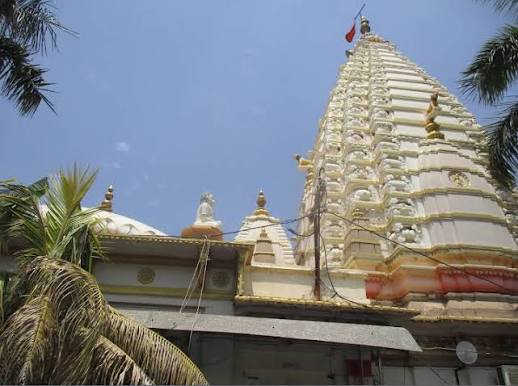
Agar – Where Malwa's Heritage, Sacred Temples and Timeless Traditions Come Together
Agar is a historic town in the Malwa region of Madhya Pradesh and the administrative headquarters of Agar Malwa district. Located along the Ujjain–Kota route, Agar combines old temples, historic water bodies, traditional markets, religious traditions and the distinctive culture of Malwa.
The town and its surrounding area offer a quieter travel experience compared with the major tourist centres of Madhya Pradesh. Visitors can explore Baijnath Mahadev Temple, Moti Sagar Pond, Maa Tulja Bhavani Temple, Kewada Swami Bhairavnath Temple and several other religious and heritage attractions. The wider district also includes the famous Baglamukhi Mata Temple at Nalkheda. citeturn0search0turn0search2
History
Agar and the surrounding Malwa region have a long history extending from prehistoric settlements to the medieval and princely-state periods. Archaeological remains found in the region indicate that human activity here dates back thousands of years. The area also became strategically important during the Parmar period. citeturn0search1
Early History
The wider Agar Malwa region contains archaeological evidence associated with ancient settlements and prehistoric activity. Historical remains from different periods demonstrate the long continuity of settlement in the area. citeturn0search1
Parmar Period
During the Parmar period, the region held strategic importance within the wider Malwa landscape. Archaeological remains and sculptures from this period contribute to Agar's historical significance. citeturn0search1
Medieval Malwa
Agar was connected with the political and cultural developments of medieval Malwa. The wider region around Mandu, Ujjain and other important centres influenced the development of settlements in the area.
Mughal Period
During the Mughal period, Malwa was an important political and cultural region. The pleasant climate of parts of the area also made it attractive as a seasonal retreat. citeturn0search1
Scindia Period
Agar later came under the influence of the Scindia state. Historic administrative buildings and remnants associated with this period remain part of the town's heritage. citeturn0search1
Formation of Agar Malwa District
Agar was separated from Shajapur district and became the headquarters of the newly created Agar Malwa district on 16 August 2013. The district is now part of the Ujjain division of Madhya Pradesh. citeturn0search0turn0search5
Geography
Agar is situated in the Malwa region of Madhya Pradesh. The district lies along the important Ujjain–Kota road and contains agricultural landscapes, ponds, rivers, low hills and rural settlements.
Malwa Plateau
Agar forms part of the Malwa cultural and geographical region, known for its fertile agricultural landscape, black soil and relatively open plateau terrain.
Banganga River
The Banganga River is associated with the famous Baijnath Mahadev Temple near Agar and contributes to the area's religious and natural landscape. citeturn0search3
Lakhundar River
The Lakhundar River flows near Nalkheda and forms an important part of the landscape around the famous Baglamukhi Mata Temple. citeturn0search9
Moti Sagar Pond
Moti Sagar, also known as the Big Pond, is one of Agar's notable water bodies. Its large expanse and historical associations make it both a scenic and heritage attraction. citeturn0search3
Ratna Sagar
Ratna Sagar, also known locally as Ratodia Talab, is another important water body associated with Agar and contributes to the town's landscape.
Agricultural Landscape
Agriculture is an important part of life in the Agar Malwa region. The surrounding countryside contains cultivated fields and villages that reflect the agricultural character of the Malwa plateau.
Climate
Agar has a typical central Indian climate, with hot summers, a monsoon season bringing greenery and rainfall, and cooler winters. Winter is generally more comfortable for sightseeing and exploring outdoor attractions.
Culture and Traditions
Agar's culture reflects the broader traditions of Malwa, combining Hindu religious practices, village customs, folk traditions, seasonal festivals, local food and agricultural life.
Malwa Culture
The town's cultural identity is closely connected with the traditions of the Malwa region. Religious gatherings, local fairs, village celebrations and traditional food remain important parts of everyday life.
Temple Traditions
Temples play a central role in the cultural life of Agar. Religious sites such as Baijnath Mahadev and Maa Tulja Bhavani attract devotees throughout the year.
Local Fairs
Religious fairs bring together devotees, traders, performers and local communities. These events provide an opportunity to experience traditional food, handicrafts, music and regional customs.
Folk Music
Traditional Malwa folk music is performed during religious events, festivals, weddings and village gatherings. Music forms an important part of the region's oral cultural traditions.
Folk Dance
Malwa's folk traditions include group performances and dances associated with festivals and community celebrations. Performances can vary between villages and occasions.
Traditional Clothing
Traditional clothing in the region reflects the wider dress traditions of Madhya Pradesh, with colourful saris, traditional men's clothing, turbans and locally used textiles appearing especially during festivals.
Local Markets
Agar's markets serve both the town and surrounding villages. They offer everyday goods, traditional food products, clothing and items used during religious festivals.
Architecture
Agar's architectural identity is dominated by temples, traditional religious structures, historic water-related structures and remnants associated with earlier administrative periods.
Baijnath Mahadev Temple
Baijnath Mahadev Temple is one of Agar Malwa's most important landmarks. The district administration describes it as a major religious and tourist site located on the Susner Road and near the Banganga River. citeturn0search4
Baglamukhi Mata Temple
The Baglamukhi Mata Temple at Nalkheda is an important religious destination in the wider Agar Malwa district. The temple stands beside the Lakhundar River and attracts devotees from different parts of India. citeturn0search9
Maa Tulja Bhavani Temple
Maa Tulja Bhavani Temple is an ancient shrine situated in a natural cave close to Agar. Its setting gives the temple a distinctive character compared with conventional urban shrines. citeturn0search3
Kewada Swami Bhairavnath Temple
This temple is situated near Moti Sagar Pond. The shrine and its distinctive idol are associated with local religious traditions and attract devotees from surrounding areas. citeturn0search3
Traditional Religious Structures
Several smaller temples and shrines around Agar demonstrate the long-standing importance of religious architecture in the town and surrounding villages.
Famous Places
Baijnath Mahadev Temple
Baijnath Mahadev Temple is one of the best-known attractions in Agar Malwa. It is situated on the Ujjain–Kota road and is an important Shiva temple visited by pilgrims and travellers. The district administration records its construction as beginning in 1528 and being completed in 1536. citeturn0search4
Maa Baglamukhi Temple, Nalkheda
Located in Nalkheda on the banks of the Lakhundar River, this temple is one of the most prominent religious attractions of Agar Malwa. It is particularly associated with the worship of Baglamukhi Mata and attracts devotees seeking spiritual and religious experiences. citeturn0search9
Moti Sagar Pond
Moti Sagar is one of Agar's most recognizable landmarks. The large historic pond provides an open scenic space within the town and has several religious and cultural associations. citeturn0search3
Maa Tulja Bhavani Temple
The temple is located in a natural cave close to Agar town. Its unusual setting and religious significance make it an interesting stop for visitors exploring the town's spiritual heritage. citeturn0search3
Kewada Swami Bhairavnath Temple
Located near Moti Sagar Pond, the temple is associated with local traditions surrounding Bhairavnath. Its distinctive setting beside the pond makes it worth including on a local sightseeing route. citeturn0search3
Someshwar Mahadev Temple
Someshwar Mahadev Temple is located in the rural area of Agar Malwa and is associated with local traditions connected with the Mahabharata period. It provides visitors with an opportunity to explore the religious heritage beyond the main town. citeturn0search3
Pachetti Mata Temple
Pachetti Mata Temple is an important shrine surrounded by a forested landscape. Its setting combines religious importance with a quieter natural environment. citeturn0search3
Chausath Yogini Mata Temple
This ancient temple is located near Suigaon on the Nalkheda road. Its forest surroundings and religious significance make it an interesting destination for visitors interested in lesser-known heritage sites. citeturn0search2
Manshapurn Ganapati Temple, Chipiya
Located around 8 kilometres from Agar on the Badod Road, this Ganapati temple sits near a hill and a large gaushala. The natural surroundings make it both a religious and scenic attraction. citeturn0search3
Balaji Piplya Kheda
Balaji Piplya Kheda is another religious attraction listed among the tourism destinations of Agar Malwa district. It can be included in a wider local temple circuit. citeturn0search0
Famous Dishes
Agar's food culture is closely connected with the wider Malwa cuisine of Madhya Pradesh. Local meals commonly include wheat, pulses, vegetables, spices and dairy products, while street food reflects the broader food traditions of central India.
Dal Bafla
Dal Bafla is one of Madhya Pradesh's best-known traditional meals. Baked wheat balls are served with dal, ghee and accompaniments, making it a filling regional speciality.
Poha
Poha is a popular breakfast across Madhya Pradesh. Flattened rice is cooked with onions, spices and other ingredients and is often served with sev and lemon.
Jalebi
Jalebi is a popular sweet found in local markets and food stalls. Crisp fried spirals soaked in sugar syrup make it a common breakfast or dessert accompaniment.
Malpua
Malpua is a traditional sweet pancake prepared from flour and other ingredients and served with syrup or dairy-based accompaniments. It is especially popular during festive occasions.
Bhutte Ka Kees
Bhutte Ka Kees is a Madhya Pradesh speciality made from grated corn cooked with milk, spices and other ingredients. It is particularly associated with the food culture of the Malwa region.
Sabudana Khichdi
Sabudana khichdi is prepared using tapioca pearls, peanuts and spices. It is widely eaten during fasting periods and is also popular as a light meal.
Sev
Sev is a crisp snack made from gram flour and is widely used in Malwa cuisine. It is commonly added to snacks and regional dishes for extra texture and flavour.
Malwa Namkeen
Namkeen varieties are popular throughout the region and are commonly purchased from local markets as snacks or souvenirs.
Local Sweets
Traditional sweets are commonly prepared during festivals and religious celebrations. Local sweet shops offer jalebi, laddoo, peda and other familiar Indian sweets.
Famous Personalities
Agria Bhil
Local historical traditions associate the early foundation of Agar with King Agria Bhil. Madhya Pradesh Tourism describes Agar's history as dating back to the period associated with his foundation of the town. citeturn0search7
Parmar Rulers
The Parmar rulers are strongly connected with the historical development of the wider Malwa region. Their period left archaeological and cultural influences that remain important to the history of Agar Malwa. citeturn0search1
Local Religious Leaders
Religious teachers, temple priests and local spiritual figures have played an important role in preserving the traditions surrounding Agar's temples and religious festivals.
Local Artisans
Craft workers, cooks, musicians and artisans contribute to preserving the region's traditional food, cultural practices and festival traditions.
Festivals
Shahi Sawari
Shahi Sawari is one of the important religious events associated with Agar. It is held during August, with the royal procession of Baijnath Mahadev forming a major part of the celebration. The event reflects the strong connection between the town's religious traditions and public cultural life. citeturn0search13
Maha Shivratri
Maha Shivratri is celebrated with special devotion at Shiva temples throughout Agar and the surrounding region. Baijnath Mahadev and other Shiva shrines become important centres of worship.
Navratri
Navratri is celebrated at temples dedicated to different forms of the Goddess. Devotees visit shrines, participate in prayers and attend religious gatherings.
Diwali
Diwali is celebrated with homes and shops decorated with lamps, religious ceremonies, sweets and family gatherings. Markets become particularly lively around the festival.
Holi
Holi is celebrated across Agar with colours, music, food and community gatherings. The festival brings together people from different parts of the town and surrounding villages.
Navratri at Baglamukhi Temple
Navratri is particularly significant at the Baglamukhi Mata Temple in Nalkheda, where devotees gather for prayers and religious observances.
Things to Do
Visit Baijnath Mahadev Temple
Explore one of Agar Malwa's most important religious landmarks and learn about its historical connection with the town.
Explore Moti Sagar Pond
Spend time around the historic pond and combine the visit with nearby religious sites such as Kewada Swami Bhairavnath Temple.
Visit Maa Tulja Bhavani Temple
Explore the natural cave shrine and experience one of Agar's distinctive religious attractions.
Visit Baglamukhi Temple
Travel to Nalkheda and visit the famous Baglamukhi Mata Temple beside the Lakhundar River.
Explore Local Temples
Create a local temple trail covering Someshwar Mahadev, Pachetti Mata, Chausath Yogini and other smaller shrines around Agar Malwa.
Try Malwa Cuisine
Sample regional dishes such as dal bafla, poha, bhutte ka kees, jalebi and local namkeen.
Explore Local Markets
Walk through the town markets to experience everyday life, purchase snacks and discover products used by local communities.
Attend a Festival
Plan a visit around Shahi Sawari, Shivratri or another major local celebration to experience Agar's religious traditions and community life.
Photography
Photographers can explore temple architecture, Moti Sagar Pond, rural landscapes, traditional markets and festival processions.
Village Exploration
Explore the countryside surrounding Agar to see agricultural fields, traditional settlements and everyday Malwa village life.
Where to Eat, Shop, and Stay
Where to Eat in Agar
Agar town has local restaurants, food stalls and sweet shops where visitors can find everyday North Indian and Malwa-style food. Local markets are useful for breakfast items, snacks and sweets.
Street Food
Poha, jalebi, samosa, kachori and namkeen are among the convenient local foods travellers can try while exploring the town.
Where to Shop
Local markets are suitable for purchasing snacks, sweets, clothing, household goods, religious items and everyday products.
Religious Shopping
Areas around major temples offer religious souvenirs, prayer materials, devotional items and festival-related products.
Local Food Products
Malwa-style namkeen, sweets and packaged snacks can make simple food souvenirs from Agar.
Budget Stays
Budget hotels and guesthouses are available in and around Agar. They are suitable for travellers making short visits to the town and nearby temples.
Mid-Range Stays
Travellers looking for greater comfort can choose established hotels and guesthouses in Agar or consider accommodation in larger nearby cities when planning a wider Malwa itinerary.
Luxury Stays
Agar itself has limited luxury accommodation compared with major Madhya Pradesh tourist centres. Travellers seeking upscale hotels can consider staying in Ujjain or Indore and visiting Agar as part of a regional trip.
What is Agar Famous For?
Agar is famous for its Baijnath Mahadev Temple, Moti Sagar Pond, Maa Tulja Bhavani Temple, Kewada Swami Bhairavnath Temple and the religious heritage of Agar Malwa. The wider district is particularly known for the Baglamukhi Mata Temple at Nalkheda. citeturn0search0turn0search2
The region is also known for its Malwa culture, traditional food, historic settlements, local religious festivals and the annual Shahi Sawari associated with Baijnath Mahadev. citeturn0search13
Best Time to Visit
October to February
Winter is generally the most comfortable season for exploring Agar. Pleasant daytime temperatures make temple visits, sightseeing and local exploration easier.
March to June
Spring and early summer can be suitable for sightseeing, although temperatures gradually become hot as summer progresses.
July to September
The monsoon brings rainfall and greener surroundings to the Malwa landscape. Visitors should keep weather conditions in mind when planning road journeys.
August for Shahi Sawari
August is particularly interesting for travellers who want to experience Agar's religious traditions because the Shahi Sawari of Baijnath Mahadev is celebrated during this period. citeturn0search13
Best Time for Temple Tourism
October to March is generally comfortable for visiting Agar's temples and surrounding attractions, while festival periods provide a more lively cultural experience.
How to Reach
Agar by Air
The nearest major airport is Devi Ahilyabai Holkar International Airport in Indore. The district administration identifies Indore as the nearest major airport for attractions around Agar. citeturn0search4
Agar by Train
Ujjain is one of the nearest major railway stations for reaching Agar and has rail connections with several major Indian cities. citeturn0search4
Agar by Road
Agar is well connected by road and lies along the Ujjain–Kota route. Road connections are available from Ujjain, Indore, Bhopal and Kota, making buses and taxis practical options. citeturn0search4
Travelling Around Agar
Auto-rickshaws, taxis and local road transport can be used within Agar. A private vehicle or hired taxi is more convenient when visiting several temples and rural attractions outside the town.
Nearby Places
Ujjain
Ujjain is one of Madhya Pradesh's most important pilgrimage and heritage cities, famous for Mahakaleshwar Temple, the Kumbh-related Simhastha tradition and the Shipra River.
Indore
Indore is a major commercial and cultural centre of Madhya Pradesh known for its food, markets, Rajwada Palace and Lal Bagh Palace.
Nalkheda
Nalkheda is an important nearby destination within Agar Malwa district and is particularly famous for the Baglamukhi Mata Temple on the Lakhundar River. citeturn0search9
Susner
Susner is a historic town in Agar Malwa district with religious sites and connections to the wider heritage of the region.
Kota
Kota in Rajasthan is accessible by road and can be combined with Agar as part of a wider Malwa and southeastern Rajasthan itinerary.
Shajapur
Shajapur is historically connected with Agar because the present Agar Malwa district was created from part of the former Shajapur district.
Mandu
Mandu is farther away but can be included in a wider Malwa heritage trip because of its remarkable Afghan-style architecture, forts and historic monuments.
Omkareshwar
Omkareshwar is one of India's important Shiva pilgrimage destinations and can be combined with other religious attractions across Madhya Pradesh during a longer trip.
Best Duration for a Trip
1 Day
One day is enough for a focused visit to Agar covering Baijnath Mahadev Temple, Moti Sagar Pond and several nearby temples.
2 Days
Two days allow visitors to explore Agar more comfortably and include Maa Tulja Bhavani, Kewada Swami and other nearby attractions.
3 Days
Three days are suitable for exploring Agar and adding Nalkheda and the Baglamukhi Mata Temple to the itinerary.
4 to 5 Days
Four to five days are ideal for combining Agar with nearby destinations such as Ujjain, Shajapur or other parts of the Malwa region.
Travel Tips
Plan Around the Weather
Summer temperatures can become high, so outdoor sightseeing is more comfortable during mornings and evenings.
Carry Water
Carry drinking water when visiting temples and rural attractions, particularly during the warmer months.
Dress Respectfully
Many attractions in Agar are religious sites. Wear appropriate clothing and follow temple rules regarding footwear, photography and entry.
Respect Religious Practices
Ask before photographing rituals, priests or devotees, particularly during major festivals and ceremonies.
Book During Festivals
Accommodation and local transport can become busier during major religious events. Plan ahead if visiting during Shahi Sawari or important festival periods.
Carry Cash
Cash remains useful when visiting smaller shops, rural temples and local markets where digital payment facilities may not always be available.
Use Local Transport Carefully
For attractions outside the main town, confirm the return transport before leaving, particularly when visiting rural or less frequently travelled areas.
Protect Heritage Sites
Do not scratch, write on or otherwise damage temple walls, sculptures, historic buildings or other heritage structures.
Keep the Area Clean
Avoid littering around temples, ponds, villages and natural areas. Carry waste with you when proper disposal facilities are unavailable.
Why Visit Agar?
Agar is worth visiting for travellers who want to experience a lesser-known side of Madhya Pradesh. Instead of large tourist complexes, the town offers a more intimate combination of historic temples, religious traditions, local markets and everyday Malwa life.
The surrounding district adds further variety through destinations such as Nalkheda, where the Baglamukhi Mata Temple attracts pilgrims from across the country. Moti Sagar, forest-side temples and rural landscapes provide additional opportunities for exploration. citeturn0search0turn0search2
Agar is especially interesting for travellers who enjoy heritage and spiritual tourism. Its temples, festivals and traditional culture provide a direct connection with the historical and religious traditions of the Malwa region.
Conclusion
Agar is a quiet but culturally significant destination in Madhya Pradesh where history, spirituality and Malwa traditions come together. Its ancient temples, historic water bodies, religious festivals and surrounding countryside offer visitors an experience different from the state's better-known tourist cities.
From the revered Baijnath Mahadev Temple and peaceful Moti Sagar Pond to Maa Tulja Bhavani, Kewada Swami and the famous Baglamukhi Mata Temple of Nalkheda, Agar Malwa offers plenty to discover for travellers interested in culture and heritage.
For those looking to explore beyond the usual Madhya Pradesh tourist circuit, Agar provides an authentic introduction to the temples, traditions, food and everyday cultural life of the Malwa region.
"Travel is the only thing you buy that makes you richer."