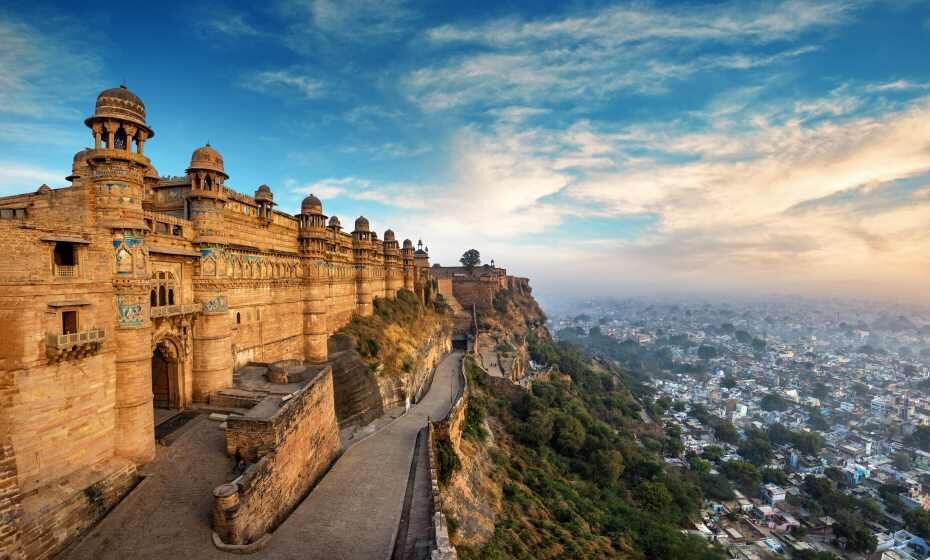
Burhanpur – The Historic Mughal Gateway on the Banks of the Tapti
Burhanpur is a historic city in southern Madhya Pradesh, known for its Mughal heritage, magnificent forts, mosques, royal monuments, Sufi shrines, the Tapti River and traditional textile culture. Once an important centre on the route connecting northern India with the Deccan, Burhanpur has witnessed the rule of the Faruqi dynasty, Mughals, Marathas and the British.
The city is especially fascinating for travellers interested in history and architecture. From Shahi Qila and Asirgarh Fort to Jama Masjid, Black Mosque and the historic monument associated with Mumtaz Mahal's final days, Burhanpur offers a rich collection of heritage sites. Its traditional food, religious culture and connection with the Tapti River add another dimension to the travel experience.
History
Burhanpur has a long and strategically important history because of its location near the Tapti River and the route between northern India and the Deccan.
Foundation of Burhanpur
Burhanpur was founded in the medieval period by Nasir Khan of the Faruqi dynasty. The city was named after the Sufi saint Sheikh Burhanuddin.
Faruqi Dynasty
The Faruqi rulers made Burhanpur the capital of the Khandesh region. During their rule, the city developed important forts, mosques, markets and religious institutions.
Burhanpur Under the Mughals
Burhanpur became an important Mughal administrative and military centre after the Mughal conquest of Khandesh. Its location made it a major base for Mughal campaigns towards the Deccan.
Shah Jahan's Connection
Emperor Shah Jahan spent significant periods in Burhanpur during Mughal campaigns in the Deccan. The city contains several monuments associated with his reign.
Mumtaz Mahal
Mumtaz Mahal, the wife of Shah Jahan, died in Burhanpur in 1631 while giving birth to her fourteenth child. Her body was temporarily buried at Ahukhana before being transferred to Agra, where the Taj Mahal was later built.
Mughal-Deccan Conflicts
Burhanpur played an important role in Mughal campaigns against the Deccan kingdoms and later became closely connected with the expanding Maratha power.
Maratha Period
After the decline of Mughal power, Burhanpur came under Maratha influence. The Holkars and other Maratha powers played important roles in the region's later political history.
British Period
Burhanpur eventually became part of the territories administered under British influence. Its historic importance gradually changed as modern transport and administrative centres developed elsewhere.
Modern Burhanpur
After independence, Burhanpur became part of Madhya Pradesh and developed as an important commercial and cultural centre in the state's southern region.
Geography
Burhanpur is situated in southern Madhya Pradesh on the banks of the Tapti River. Its location near the Satpura ranges gives the surrounding region a mixture of river valleys, plains and hills.
Tapti River
The Tapti is one of India's major west-flowing rivers and is central to Burhanpur's geography. The river has supported agriculture, settlements and trade throughout the city's history.
Satpura Range
The Satpura hills lie to the north of the region and form an important natural backdrop to Burhanpur.
Black Soil
The surrounding agricultural areas contain fertile black soil suitable for crops such as cotton and other agricultural produce.
Agricultural Landscape
Agriculture is an important part of the local economy. Cotton, bananas and other crops are cultivated in the wider Burhanpur region.
Climate
Burhanpur has hot summers, a monsoon season and relatively mild winters. The winter months are generally the most comfortable for sightseeing.
Culture and Traditions
Burhanpur has a distinctive cultural identity shaped by Hindu, Muslim, Maratha, Mughal and local traditions.
Hindi and Marathi Influence
Hindi is widely spoken in the city, while the region's proximity to Maharashtra has also created strong Marathi cultural and linguistic influences.
Sufi Traditions
Sufi traditions have played an important role in Burhanpur's history. Several dargahs and religious sites attract devotees from different parts of India.
Religious Harmony
Hindu and Muslim religious traditions coexist across the city. Temples, mosques and Sufi shrines form an important part of Burhanpur's cultural landscape.
Textile Culture
Burhanpur has a long association with textile production and trade. Cotton-related industries and traditional weaving remain important parts of the local economy.
Traditional Markets
The city's markets sell textiles, clothing, traditional food, religious items and locally produced goods. The old markets also retain elements of Burhanpur's historic trading culture.
Folk Traditions
Folk songs, devotional music and traditional performances are commonly associated with festivals, religious occasions and community celebrations.
Traditional Clothing
Traditional Indian clothing is widely worn during festivals and weddings, while local textile shops offer sarees, dress materials and other garments.
Architecture
Burhanpur has an impressive architectural heritage that includes Faruqi, Mughal, Indo-Islamic and Maratha influences.
Shahi Qila
Shahi Qila is one of Burhanpur's most important monuments. The historic fort complex contains palaces, courtyards and other structures associated with the Faruqi and Mughal periods.
Asirgarh Fort
Asirgarh Fort is a massive hill fort located near Burhanpur and was historically known as an important gateway to the Deccan. Its strategic position made it one of the most significant fortifications in the region.
Jama Masjid
Burhanpur's Jama Masjid is an important example of medieval Islamic architecture. Its large prayer hall, arches and inscriptions reflect the city's historic importance.
Black Mosque
The Black Mosque is another historic religious structure associated with Burhanpur's medieval architectural heritage.
Ahukhana
Ahukhana is a historic garden complex associated with Mumtaz Mahal. It is particularly significant because her body was temporarily kept here after her death before being moved to Agra.
Dargah Architecture
Burhanpur's Sufi shrines feature domes, courtyards and traditional Islamic decorative elements and remain active places of worship.
Water Management Architecture
Burhanpur is also famous for its historic underground water-supply system known as Khuni Bhandara and related water structures, demonstrating sophisticated engineering for its time.
Famous Places
Shahi Qila
Shahi Qila is a major heritage attraction in Burhanpur. The complex contains historic royal structures and provides insight into the city's Faruqi and Mughal past.
Asirgarh Fort
Located on a hill outside Burhanpur, Asirgarh Fort commands a strategic position and offers impressive views of the surrounding landscape. It is one of the most important forts in southern Madhya Pradesh.
Jama Masjid
The historic Jama Masjid is located in the heart of Burhanpur and is known for its impressive medieval architecture and historical inscriptions.
Ahukhana
Ahukhana is a historically important monument associated with Mumtaz Mahal and Shah Jahan. Its connection with the Mughal royal family makes it a special stop for history enthusiasts.
Dargah-e-Hakimi
Dargah-e-Hakimi is an important religious and pilgrimage centre associated with the Dawoodi Bohra community. The complex is known for its peaceful surroundings and well-maintained architecture.
Black Mosque
The Black Mosque is a historic mosque that reflects the architectural traditions of medieval Burhanpur.
Guru Singh Sabha
The Sikh religious presence in Burhanpur reflects the city's diverse spiritual history and its position on historic travel routes.
Swami Narayan Temple
Religious sites across Burhanpur demonstrate the city's diverse Hindu traditions and continue to attract local devotees.
Khuni Bhandara
Khuni Bhandara is an underground water-supply system created during the medieval period. It demonstrates the advanced water-management techniques used in historic Burhanpur.
Tapti River
The Tapti River provides scenic views and is closely connected with the city's history and everyday life.
Rajwada
Historic structures associated with later Maratha influence can be found in the city and surrounding region, reflecting Burhanpur's political transition after the Mughal period.
Famous Dishes
Burhanpur's cuisine reflects its location between Madhya Pradesh and Maharashtra and its long Mughal and Deccan connections.
Burhanpur Jalebi
Jalebi is a popular sweet in Burhanpur and is commonly enjoyed during breakfast, festivals and celebrations.
Burhanpuri Sev
Sev and other namkeen varieties are popular local snacks and are commonly sold in markets and sweet shops.
Poha
Poha is a common breakfast throughout Madhya Pradesh and is widely available in Burhanpur with sev, onions and lemon.
Kachori
Kachori is a popular market snack prepared with a crisp exterior and spiced filling.
Samosa
Samosas are widely available in local food stalls and restaurants and are commonly served with chutneys.
Biryani
Burhanpur's historic Mughal and Deccan connections have influenced its rice-based dishes, including fragrant biryani preparations.
Kebabs
Traditional meat kebabs reflect the city's Mughal and Muslim culinary heritage and are available in several local eateries.
Dal Bafla
Dal bafla is a popular Madhya Pradesh speciality made with baked wheat-based pieces served with dal and ghee.
Bhutte Ka Kees
Bhutte ka kees is a traditional Madhya Pradesh dish made from grated corn cooked with spices and milk. It is a popular regional vegetarian preparation.
Milk Sweets
Local sweet shops offer traditional milk-based sweets and festive desserts that are popular during celebrations.
Famous Personalities
Nasir Khan Faruqi
Nasir Khan was the founder of the Faruqi dynasty's rule in Khandesh and established Burhanpur as an important centre in the region.
Shah Jahan
Mughal Emperor Shah Jahan had a strong historical connection with Burhanpur through his Deccan campaigns and his time spent in the city.
Mumtaz Mahal
Mumtaz Mahal died in Burhanpur in 1631. Her temporary burial at Ahukhana connects the city directly with one of India's most famous historical stories surrounding the Taj Mahal.
Abdur Rahim Khan-i-Khanan
The Mughal nobleman and poet Abdur Rahim Khan-i-Khanan was associated with the Mughal campaigns in the Deccan and spent time in the wider region.
Guru Nanak
Burhanpur has connections with Sikh history and traditions associated with Guru Nanak's travels, contributing to the city's diverse religious heritage.
Local Sufi Saints
Several Sufi saints and religious scholars are associated with Burhanpur. Their shrines continue to attract pilgrims and remain important parts of the city's spiritual culture.
Festivals
Diwali
Diwali is celebrated with lamps, decorations, prayers, sweets and family gatherings throughout Burhanpur.
Holi
Holi brings colour, music, food and community celebrations to neighbourhoods across the city.
Eid-ul-Fitr
Eid-ul-Fitr is celebrated with prayers, family gatherings, new clothes and traditional food after the completion of Ramadan.
Eid-ul-Adha
Eid-ul-Adha is marked by prayers, family gatherings and traditional meals across Muslim communities in Burhanpur.
Urs at Dargahs
Urs celebrations at important Sufi shrines attract devotees and include prayers, devotional music and religious gatherings.
Ram Navami
Ram Navami is celebrated through temple visits, devotional programmes and religious processions.
Janmashtami
Janmashtami is observed with prayers, devotional singing, temple decorations and celebrations associated with Lord Krishna.
Ganesh Chaturthi
Ganesh Chaturthi brings decorated idols, prayers, cultural programmes and community gatherings to Burhanpur.
Navratri
Navratri is celebrated with fasting, temple visits, devotional activities and cultural programmes.
Dussehra
Dussehra marks the victory of good over evil through religious ceremonies, community events and cultural celebrations.
Things to Do
Explore Shahi Qila
Walk through the historic palace and fort complex and learn about Burhanpur's Faruqi and Mughal history.
Visit Asirgarh Fort
Explore one of the most strategically important forts in central India and enjoy views from its hilltop location.
Visit Ahukhana
Discover the historic garden complex connected with Mumtaz Mahal and the Mughal royal family.
Explore Jama Masjid
Admire the architecture and historical inscriptions of one of Burhanpur's most important medieval mosques.
Visit Dargah-e-Hakimi
Experience the peaceful atmosphere of this important pilgrimage complex and learn about its religious significance.
Discover Khuni Bhandara
Learn about Burhanpur's historic underground water system and the engineering techniques used to supply water to the medieval city.
Walk Along the Tapti
Spend time near the Tapti River and observe the landscapes that helped shape the city's history.
Explore Local Markets
Visit traditional markets to discover textiles, clothing, jewellery, snacks, sweets and everyday products.
Try Burhanpuri Food
Sample local snacks, sweets, biryani and other dishes influenced by Madhya Pradesh, Mughal and Deccan culinary traditions.
Take a Heritage Walk
A heritage walk through the old city can reveal historic mosques, markets, palaces and religious sites that are easy to miss when travelling only by car.
Where to Eat, Shop, and Stay
Old City Food Areas
The old city is a good place to discover traditional snacks, sweets, kebabs and other local dishes.
Local Sweet Shops
Burhanpur's sweet shops offer jalebi, milk sweets, namkeen and other traditional snacks that are popular with residents and visitors.
Textile Markets
Burhanpur has a long textile tradition, and local markets offer sarees, dress materials, cotton fabrics and other garments.
Traditional Shopping
Visitors can explore markets for handicrafts, religious items, jewellery, textiles, spices and local food products.
Budget Stays
Burhanpur has budget hotels and guesthouses suitable for travellers making short heritage trips.
Mid-Range Stays
Several comfortable hotels are available around the main city and commercial areas, making it easy to access restaurants and attractions.
Premium Stays
Accommodation options are more limited than in major Madhya Pradesh tourism centres, but travellers can find comfortable higher-end hotels for short stays.
Staying Near the Heritage Area
Staying closer to central Burhanpur is convenient for travellers who want easier access to Shahi Qila, Jama Masjid, markets and other historic attractions.
What is Burhanpur Famous For?
Burhanpur is famous for its Mughal history, Shahi Qila, Asirgarh Fort, Jama Masjid, Ahukhana, Dargah-e-Hakimi, historic underground water system and Tapti River.
The city is especially famous for its connection with Shah Jahan and Mumtaz Mahal. Mumtaz Mahal died in Burhanpur before her remains were eventually taken to Agra.
Burhanpur is also known for its textile traditions, traditional food, Sufi heritage and its historical role as a gateway between northern India and the Deccan.
Best Time to Visit
October to February
Winter is generally the best season for visiting Burhanpur. The weather is more comfortable for exploring forts, mosques and outdoor heritage sites.
March to May
Summer temperatures can become high. If visiting during this period, plan outdoor sightseeing for early morning or evening.
July to September
The monsoon brings greenery to the surrounding landscape and can make the countryside more attractive, although rain may affect outdoor travel plans.
Festival Season
Travellers interested in religious and cultural experiences can consider visiting during major Hindu festivals, Eid or important Urs celebrations.
How to Reach
Burhanpur by Air
Burhanpur does not have a major commercial airport. Devi Ahilyabai Holkar International Airport in Indore is one of the major nearby airport options, after which travellers can continue by road or train.
Burhanpur by Train
Burhanpur has its own railway station on an important railway route connecting northern and southern parts of India. Rail travel is one of the convenient ways to reach the city.
Burhanpur by Road
Burhanpur is connected by road with Khandwa, Jalgaon, Indore, Maharashtra and other parts of Madhya Pradesh.
Travelling Around Burhanpur
Auto-rickshaws, taxis and local transport are available for city travel. A private vehicle or hired taxi is more convenient for visiting Asirgarh Fort and attractions outside the main city.
Nearby Places
Khandwa
Khandwa is located north of Burhanpur and is known for its religious sites, cultural traditions and connection with famous singer Kishore Kumar.
Omkareshwar
Omkareshwar is a major Hindu pilgrimage destination on the Narmada River and is famous for the Omkareshwar Jyotirlinga temple.
Maheshwar
Maheshwar is a historic town on the Narmada known for Ahilyabai Holkar's palace, riverside ghats and traditional Maheshwari textiles.
Indore
Indore is Madhya Pradesh's major commercial city and is famous for Rajwada Palace, markets and a strong street-food culture.
Mandu
Mandu is a spectacular historic city known for Afghan-style architecture, palaces, mosques, lakes and romantic legends associated with Baz Bahadur and Rani Roopmati.
Maheshwar Fort
The fort and riverside heritage of Maheshwar make it an excellent addition to a southern Madhya Pradesh heritage itinerary.
Jalgaon
Jalgaon in Maharashtra lies relatively close to Burhanpur and can be included in a wider journey through the Khandesh region.
Satpura Landscape
The Satpura region offers forests, hills and wildlife experiences and provides a contrast to Burhanpur's historic urban landscape.
Best Duration for a Trip
1 Day
One day is enough to visit the major attractions in and around Burhanpur, including Shahi Qila, Jama Masjid and selected historic sites.
2 Days
Two days allow travellers to explore Burhanpur's heritage more comfortably and include Asirgarh Fort, Ahukhana and Dargah-e-Hakimi.
3 Days
Three days are suitable for combining Burhanpur with nearby historical attractions and enjoying the city's food and markets.
4 to 5 Days
Four to five days allow visitors to combine Burhanpur with Khandwa, Omkareshwar, Maheshwar or Mandu.
Travel Tips
Visit Forts During Comfortable Hours
Asirgarh Fort involves walking and uneven terrain, so mornings and cooler months are preferable.
Carry Water
Keep drinking water with you, especially during the summer months and while visiting outdoor monuments.
Dress Respectfully
Many of Burhanpur's attractions are religious sites. Wear modest clothing and follow local customs.
Respect Dargahs
Follow the rules of individual shrines regarding footwear, photography, clothing and access to religious areas.
Wear Comfortable Shoes
Heritage sites and forts can involve considerable walking, so comfortable footwear is recommended.
Try Local Food Carefully
Burhanpur has a strong street-food culture. Choose busy, clean eateries when trying local dishes.
Carry Cash
Cash can be useful in smaller markets, food stalls and rural areas even though digital payments are widely used.
Check Monument Timings
Opening hours and access arrangements can vary, so check current information before visiting protected monuments.
Respect Heritage Sites
Do not climb restricted structures, damage monuments, carve names into walls or leave litter at historical sites.
Why Visit Burhanpur?
Burhanpur is worth visiting because it offers a rare opportunity to explore the Faruqi, Mughal, Maratha and Sufi heritage of southern Madhya Pradesh in one destination.
The city's connection with Shah Jahan and Mumtaz Mahal gives it a unique place in Indian history, while monuments such as Shahi Qila and Asirgarh Fort demonstrate its strategic importance.
Its Tapti River setting, historic water-management system, religious diversity, textile traditions and local food make Burhanpur different from many other destinations in Madhya Pradesh.
Conclusion
Burhanpur is a remarkable heritage city where the history of the Faruqi rulers, Mughals, Marathas and Sufi traditions can still be experienced through its monuments, mosques, forts and religious sites.
From exploring Shahi Qila and Asirgarh Fort to discovering the story of Mumtaz Mahal, visiting historic mosques, tasting local food and experiencing the culture around the Tapti River, Burhanpur offers a memorable journey through southern Madhya Pradesh.
For travellers interested in history, Mughal architecture, forts, religious heritage, food, textiles and lesser-known destinations, Burhanpur is a fascinating addition to a Madhya Pradesh travel itinerary.
"Travel is the only thing you buy that makes you richer."