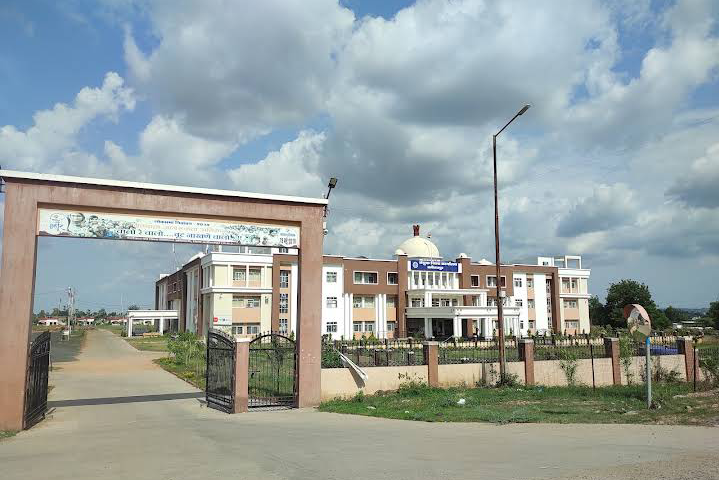
Alirajpur – Where Tribal Traditions Meet the Forested Hills of Western Madhya Pradesh
Alirajpur is a culturally distinctive destination in western Madhya Pradesh, known for its strong tribal heritage, forested hills, colourful festivals, traditional markets and rural landscapes. The district lies close to the Gujarat and Maharashtra borders and offers travellers an opportunity to experience a quieter and less commercial side of Madhya Pradesh.
The region is particularly associated with the Bhil and Bhilala communities, whose traditions, festivals, crafts, music and village life form an important part of Alirajpur's identity. The famous Bhagoria festival, traditional weekly markets, local handicrafts and surrounding natural landscapes make Alirajpur an interesting destination for cultural and nature-based travel.
History
Alirajpur has a history closely connected with the tribal communities of the western Malwa and Nimar region. The area later developed into the princely state of Alirajpur, which was ruled by local Rajput rulers while retaining a strong tribal cultural character.
Early History
The hills and forests of present-day Alirajpur have been home to tribal communities for centuries. Their settlements, agricultural practices and religious traditions developed closely around the surrounding forests and rivers.
Bhil and Bhilala Heritage
The Bhil and Bhilala communities have played a central role in shaping the cultural identity of the region. Their traditional knowledge, festivals, agricultural practices and art remain visible throughout the district.
Alirajpur Princely State
Alirajpur was historically a princely state in the Central India region. The ruling family administered the state while much of its population continued to live in rural and tribal communities.
British Period
During British rule, Alirajpur remained a princely state under British paramountcy. Its geographical position among hills and forests made it distinct from the major urban centres of central India.
After Independence
After Indian independence, Alirajpur became part of Madhya Pradesh. The present Alirajpur district was created in 2008 after being separated from Jhabua district.
Geography
Alirajpur is situated in the southwestern part of Madhya Pradesh. The district is characterized by hills, forests, valleys, rivers and scattered rural settlements.
Vindhyan and Satpura Landscape
The region contains rugged hill landscapes and forested terrain that create a distinctive environment compared with the flatter agricultural areas of central Madhya Pradesh.
Narmada Region
The wider area around Alirajpur is connected with the Narmada valley. The river and its tributaries have historically supported settlements and agriculture in the region.
Forests
Forests are an important geographical feature of Alirajpur. Teak and other dry deciduous vegetation can be found across the district, supporting a variety of birds and wildlife.
Hilly Terrain
Many parts of Alirajpur contain rolling hills and narrow valleys. The terrain provides scenic views and creates opportunities for nature walks and rural exploration.
Rivers and Streams
Seasonal streams and rivers flow through the district, becoming particularly important during the monsoon. Water bodies and river valleys also contribute to the region's agricultural and natural landscape.
Climate
Alirajpur experiences hot summers, a monsoon season with significant rainfall and comparatively pleasant winters. Winter is generally the most comfortable season for sightseeing and outdoor exploration.
Culture and Traditions
Alirajpur is one of Madhya Pradesh's important centres of tribal culture. The everyday life of its communities is closely connected with agriculture, forests, traditional beliefs, music, dance and village gatherings.
Bhil Culture
The Bhil community has a long cultural history in western India. Traditional songs, dances, agricultural customs and religious practices remain important parts of community life in Alirajpur.
Bhilala Culture
Bhilala communities have their own distinctive traditions while sharing several cultural influences with neighbouring tribal communities. Their festivals, clothing, music and village customs contribute to the diversity of Alirajpur.
Traditional Dance
Tribal dances are performed during festivals, weddings and community celebrations. Group dancing accompanied by traditional musical instruments creates a lively atmosphere during major events.
Folk Music
Traditional music is an important part of tribal life. Songs often tell stories about nature, community life, love, agriculture and local traditions.
Traditional Clothing
Colourful clothing, traditional jewellery and distinctive accessories are commonly seen during festivals and fairs. Traditional dress becomes particularly visible during Bhagoria celebrations.
Tribal Art
Local artistic traditions include decorative designs, paintings, beadwork, textiles and handmade objects. Art is often connected with cultural identity and everyday community life.
Weekly Markets
Weekly haats are important social and commercial spaces in rural Alirajpur. Farmers, artisans and villagers gather to sell agricultural products, forest produce, clothing, handicrafts and household goods.
Forest-Based Traditions
Forest resources have historically played an important role in the lives of local communities. Traditional knowledge includes the use of seasonal fruits, plants, wood and other forest products.
Architecture
Alirajpur's architectural character is different from the large palace and fort cities of Madhya Pradesh. Its heritage is more strongly connected with temples, princely-state structures, village houses and traditional community spaces.
Alirajpur Palace Heritage
The former princely-state heritage of Alirajpur is reflected in historic structures associated with the ruling family. These buildings provide a glimpse into the administrative history of the former state.
Traditional Tribal Houses
Traditional houses in rural areas often use locally available materials and are adapted to the climate and landscape. Their design reflects the practical needs of farming and village life.
Village Temples
Small temples and shrines can be found throughout the district. Many are closely connected with local religious traditions and community celebrations.
Traditional Community Spaces
Village gathering spaces and weekly markets are important elements of rural architecture and social life, providing places where communities meet, trade and celebrate.
Famous Places
Alirajpur Town
The district headquarters is a useful starting point for exploring the region. Visitors can experience local markets, food, tribal culture and access routes to surrounding villages and natural attractions.
Bhagoria Festival Grounds
During the Bhagoria season, villages and market centres across Alirajpur become vibrant gathering places. Traditional music, dancing, colourful clothing and local markets create a unique cultural experience.
Katthiwada
Katthiwada is known for its rural landscapes, tribal culture and traditional agricultural environment. It provides an opportunity to experience the quieter side of Alirajpur district.
Sondwa
Sondwa is a predominantly rural area where visitors can experience tribal traditions, agricultural landscapes and village life away from major urban centres.
Jobat
Jobat is an important town in the district with historical and cultural connections to the surrounding tribal region. It can be included in a wider exploration of Alirajpur.
Chandrashekhar Azad Nagar
Chandrashekhar Azad Nagar, historically known as Bhabra, is associated with freedom fighter Chandrashekhar Azad and is one of the historically important places in the wider region.
Narmada Valley
The Narmada landscape around the district offers scenic valleys, agricultural areas and rural settlements. Travellers interested in nature and photography can explore the countryside around the river region.
Local Tribal Villages
Villages around Alirajpur offer opportunities to observe traditional houses, farming, crafts and everyday tribal life. Visitors should explore respectfully and avoid treating communities as tourist attractions.
Forest Areas
The forested surroundings of Alirajpur are suitable for nature observation, photography and peaceful drives through the countryside.
Famous Dishes
Alirajpur's food culture combines tribal traditions with the broader cuisine of Madhya Pradesh. Local meals often use maize, wheat, pulses, vegetables, forest produce and seasonal ingredients.
Maize Roti
Maize-based rotis are traditionally associated with rural and tribal food traditions across western Madhya Pradesh. They are commonly eaten with vegetables, chutneys or dal.
Dal Bafla
Dal Bafla is a popular Madhya Pradesh speciality made from baked wheat-based dough served with dal and generous amounts of ghee.
Poha
Poha is one of the most common breakfast foods in Madhya Pradesh. Flattened rice is cooked with onions, spices and other ingredients and is often served with sev and lemon.
Bhutte Ka Kees
Bhutte Ka Kees is a Malwa speciality made from grated corn cooked with milk and spices. It is a good choice for visitors wanting to try a regional vegetarian dish.
Sabudana Khichdi
Sabudana khichdi is prepared from tapioca pearls, peanuts and spices and is particularly popular during fasting periods.
Mahua-Based Traditional Foods
Mahua has cultural importance among several tribal communities in central India. Its flowers have traditionally been used in food and other local preparations.
Forest Produce
Seasonal fruits, roots, leafy vegetables and other forest products contribute to traditional diets in rural communities. Availability varies according to the season.
Local Chutneys
Fresh chutneys made from chillies, herbs, vegetables and locally available ingredients are commonly used to add flavour to traditional meals.
Famous Personalities
Chandrashekhar Azad
Chandrashekhar Azad has a strong historical connection with Bhabra, now known as Chandrashekhar Azad Nagar. The freedom fighter spent part of his childhood in the area, making the place an important part of his early life.
Alirajpur Rulers
The rulers of the former Alirajpur princely state played an important role in the political history of the region. Their legacy remains part of the area's historical identity.
Tribal Community Leaders
Traditional community leaders have historically played important roles in maintaining social customs, resolving local matters and organizing community events.
Local Artists and Performers
Folk singers, dancers, artisans and craftspeople contribute to preserving Alirajpur's tribal cultural traditions and passing them between generations.
Festivals
Bhagoria
Bhagoria is Alirajpur's most famous cultural festival. It is traditionally celebrated before Holi and is associated particularly with Bhil and Bhilala communities. Villages and markets become colourful gathering places filled with traditional dress, music, dancing and celebrations.
Holi
Holi is celebrated throughout Alirajpur, with tribal communities adding their own local traditions, music and dances to the festival.
Diwali
Diwali is celebrated with lamps, prayers, sweets and family gatherings. Local communities combine the festival with regional customs and religious practices.
Navratri
Navratri is celebrated through temple visits, prayers and community gatherings. Religious traditions can vary between villages and communities.
Tribal Fairs
Local fairs bring together villagers, traders, artisans and performers. They provide an opportunity to experience traditional products, music, dance and food.
Harvest Celebrations
Agricultural cycles influence many local celebrations. Harvest-related gatherings provide opportunities for communities to come together through food, music and traditional activities.
Things to Do
Experience Bhagoria
Plan a visit during the Bhagoria season to experience one of the most distinctive cultural celebrations of western Madhya Pradesh.
Visit Tribal Markets
Explore weekly haats to see local agricultural products, traditional clothing, handicrafts, forest produce and everyday goods.
Explore Local Villages
With appropriate local guidance, explore rural villages to understand traditional houses, farming practices, crafts and everyday life.
Try Local Food
Sample regional dishes such as maize roti, dal bafla, poha and other locally prepared foods.
Explore Forest Landscapes
Travel through the forested hills surrounding Alirajpur for scenic drives, photography and nature observation.
Visit Chandrashekhar Azad Nagar
Explore the historical connection between the region and freedom fighter Chandrashekhar Azad.
Photography
Alirajpur offers opportunities to photograph traditional clothing, markets, rural landscapes, forests, festivals and architecture.
Bird Watching
The district's forests and agricultural landscapes can support a variety of birds. Early mornings are generally better for observing local birdlife.
Nature Walks
Short walks around rural and forested areas can provide a peaceful way to experience the landscape and observe local plants and wildlife.
Buy Tribal Handicrafts
Look for locally made textiles, jewellery, decorative objects and other handmade products at weekly markets and cultural fairs.
Where to Eat, Shop, and Stay
Where to Eat in Alirajpur
Alirajpur town has small restaurants and local eateries serving North Indian, Madhya Pradesh and everyday vegetarian food. Local markets are useful for snacks and breakfast foods.
Street Food
Poha, jalebi, samosa, kachori, sev and other common Madhya Pradesh snacks can be found in town markets and food stalls.
Local Tribal Food
Traditional tribal food is more likely to be experienced through local communities, village events and selected cultural programmes than standard urban restaurants.
Where to Shop
Local markets are the best places to experience everyday commerce and find traditional clothing, jewellery, food products and household items.
Tribal Handicrafts
Traditional jewellery, textiles, beadwork and handmade decorative products can be found during fairs and in local markets.
Forest Products
Seasonal forest produce and locally collected products may be available in rural haats. Visitors should purchase responsibly and avoid products made from protected wildlife or plants.
Budget Stays
Basic hotels, guesthouses and lodges are available in Alirajpur town. These are suitable for travellers making short cultural or business visits.
Mid-Range Stays
Travellers looking for additional comfort can choose established hotels in Alirajpur or larger nearby towns depending on their itinerary.
Luxury Stays
Alirajpur has limited luxury accommodation. Travellers seeking upscale properties may prefer to stay in larger cities and explore Alirajpur as part of a wider Madhya Pradesh journey.
What is Alirajpur Famous For?
Alirajpur is best known for its Bhil and Bhilala tribal culture, Bhagoria festival, colourful weekly markets, traditional music and dance, forested landscapes and rural heritage.
The region is also historically connected with Chandrashekhar Azad through Bhabra, now officially known as Chandrashekhar Azad Nagar.
Its greatest attraction is the opportunity to experience a living cultural landscape where tribal traditions, agriculture, forests, festivals and village communities remain closely connected.
Best Time to Visit
October to February
Winter is generally the most comfortable season for exploring Alirajpur. Cooler temperatures make it easier to visit markets, villages and outdoor attractions.
March
March is particularly interesting for cultural travellers because Bhagoria celebrations traditionally take place around this period before Holi. Exact dates vary each year.
March to May
Summer becomes hot, especially during the afternoon. Early morning and evening are better for outdoor activities.
June to September
The monsoon brings rainfall and greener landscapes. Forest areas become particularly scenic, although heavy rain can affect rural roads and travel plans.
Best Time for Cultural Tourism
February and March are especially attractive for visitors interested in tribal festivals and Bhagoria, while October to February is more comfortable for general sightseeing.
How to Reach
Alirajpur by Air
The nearest major airport options are in larger cities of Madhya Pradesh and neighbouring Gujarat. Indore is a practical airport for many travellers, followed by a road journey to Alirajpur.
Alirajpur by Train
Alirajpur's railway connectivity is more limited than major Madhya Pradesh cities. Travellers can use nearby railway stations depending on their starting point and continue by road.
Alirajpur by Road
Road travel is one of the most practical ways to reach Alirajpur. The district is connected with Jhabua, Dhar, Barwani and neighbouring Gujarat through regional roads.
Travelling Around Alirajpur
Local buses, shared vehicles and taxis are available for travel between major towns. A private vehicle or hired taxi is more convenient for visiting rural areas and multiple attractions in one day.
Nearby Places
Chandrashekhar Azad Nagar
Formerly known as Bhabra, this town is associated with the childhood of freedom fighter Chandrashekhar Azad and is an important historical destination.
Jhabua
Jhabua is another important centre of tribal culture in western Madhya Pradesh and can be combined with Alirajpur for a wider cultural journey.
Dhar
Dhar is a historic city in Madhya Pradesh known for its forts, monuments and connections with the history of the Malwa region.
Barwani
Barwani lies east of Alirajpur and is known for its Narmada landscapes, hills, temples and tribal cultural traditions.
Rajpipla
Rajpipla in Gujarat can be considered as part of a wider western India journey, particularly for travellers interested in tribal landscapes and the Narmada region.
Kevadia
The Statue of Unity region in Gujarat is a major modern tourism destination and can be included in a longer road itinerary from western Madhya Pradesh.
Indore
Indore is the nearest major urban tourism hub for many travellers and is famous for its food, markets, Rajwada and other heritage attractions.
Ujjain
Ujjain is one of Madhya Pradesh's most important pilgrimage destinations and can be combined with Alirajpur during a longer state-wide itinerary.
Best Duration for a Trip
1 Day
One day is suitable for exploring Alirajpur town, visiting local markets and experiencing the basic cultural character of the district.
2 Days
Two days allow visitors to explore the town and add nearby rural or historical attractions.
3 Days
Three days are recommended for travellers who want to combine Alirajpur with Chandrashekhar Azad Nagar and surrounding cultural destinations.
4 to 5 Days
Four to five days provide enough time to explore Alirajpur at a slower pace and combine it with Jhabua, Barwani or other destinations in western Madhya Pradesh.
Travel Tips
Respect Tribal Communities
Alirajpur is home to living tribal communities rather than a cultural museum. Ask permission before photographing people, homes, ceremonies or private activities.
Travel with Local Guidance
Local guides can help visitors understand cultural traditions and reach rural destinations respectfully and safely.
Carry Cash
Digital payments may be available in towns, but cash is useful in weekly haats, villages and remote areas.
Check Transport
Public transport can be less frequent in remote areas. Confirm return transport before travelling deep into rural or forested areas.
Dress Comfortably
Light cotton clothing is useful in summer, while a light jacket can be useful during winter mornings and evenings.
Stay Hydrated
Carry sufficient drinking water when travelling during the warmer months, particularly when exploring rural areas.
Respect Religious Places
Follow local customs when visiting temples and other sacred places. Ask before photographing rituals or religious ceremonies.
Be Careful in Forest Areas
Do not enter restricted forest areas without permission or local guidance. Avoid disturbing wildlife and maintain a safe distance from animals.
Protect the Environment
Avoid plastic waste and littering in forests, villages, rivers and other natural areas. Carry your waste until you find an appropriate disposal facility.
Plan Festival Visits Early
Bhagoria attracts large crowds and creates increased demand for transport and accommodation. Plan your trip in advance if visiting during the festival season.
Why Visit Alirajpur?
Alirajpur is worth visiting because it provides a rare opportunity to experience the living tribal culture of western Madhya Pradesh. Its identity is shaped less by large monuments and more by people, traditions, festivals, markets, forests and rural landscapes.
The Bhagoria festival is particularly distinctive, bringing together music, dance, traditional clothing, community celebrations and local markets. Visiting during this period can provide a memorable cultural experience when approached respectfully.
Beyond festivals, the surrounding forests, hills and villages make Alirajpur appealing to travellers interested in nature, photography, rural tourism and lesser-known destinations.
Conclusion
Alirajpur offers a different perspective on Madhya Pradesh. Instead of focusing mainly on large forts and monuments, the district allows travellers to discover the living traditions of Bhil and Bhilala communities, colourful festivals, rural markets and forested landscapes.
From experiencing Bhagoria and exploring traditional haats to visiting Chandrashekhar Azad Nagar and travelling through the hills and villages of the region, Alirajpur offers an authentic cultural journey through western Madhya Pradesh.
For travellers looking for a destination away from crowded tourist circuits, Alirajpur is a place where tribal heritage, nature, festivals and everyday village life come together.
"Travel is the only thing you buy that makes you richer."