Where Tigers Roam Beneath Ancient Forts
Umaria is a fascinating destination in eastern Madhya Pradesh where wildlife, ancient history and tribal culture come together. The district is best known for Bandhavgarh National Park, its historic hilltop fort, rich forests and remarkable concentration of wildlife. Beyond Bandhavgarh, Umaria offers temples, traditional fairs, scenic landscapes and the cultural heritage of the Vindhyan region.
History of Umaria
Umaria has a long historical association with the former South Rewa region and the Bandhavgarh Kingdom. Bandhavgarh Fort was once the capital of the Bandhavgarh kingdom before the Baghela rulers shifted their capital to Rewa.
The forests around Bandhavgarh were historically protected as royal hunting grounds of the former Rewa rulers. This protection later contributed to the area's development as an important wildlife conservation landscape.
Umaria also has a significant coal-mining history. Coal mining in the region began in the late 19th century, contributing to the economic development of the district.
Geography of Umaria
Umaria lies in the northeastern part of Madhya Pradesh and forms part of the broader Vindhyan and Central Highlands landscape. The district covers around 4,548 square kilometres and has extensive forest cover. :chatgpt-content-reference{index="1"}
The landscape includes forested hills, grasslands, streams and rocky terrain. Around 42% of the district's area is covered by forests, making forests one of the defining features of Umaria. :chatgpt-content-reference{index="2"}
Culture and Traditions of Umaria
Umaria has a strong tribal and rural cultural identity. Local communities maintain traditional customs, folk practices, religious traditions and close connections with the surrounding forests.
Hindi is widely spoken, while local dialects and tribal traditions add to the cultural diversity of the district. Religious fairs, temple celebrations and community gatherings remain important parts of local life.
Architecture of Umaria
The architectural heritage of Umaria is strongly connected with Bandhavgarh Fort and its ancient caves, temples and sculptures. The fort area contains historic remains, inscriptions, carvings and religious sculptures.
Local temples such as the Sagara Temple, Jwalamukhi Temple and Mariwal Temple also display traditional stone craftsmanship, with some carvings showing influences similar to the architectural style of Khajuraho.
Famous Places in Umaria
Bandhavgarh National Park
Bandhavgarh National Park is the most famous attraction in Umaria and has earned a worldwide reputation for its tiger population. The park contains forests, grasslands, streams and marshes and supports tigers, leopards, sloth bears, sambar, chital, nilgai, chinkara and many other species. More than 250 bird species have also been recorded in the park. :chatgpt-content-reference{index="3"}
Bandhavgarh Fort
Bandhavgarh Fort is an ancient hilltop fort of major archaeological and historical importance. According to local tradition, Lord Rama gave the fort to his brother Lakshmana, giving rise to the name Bandhavgarh, meaning the brother's fort.
The fort area contains ancient caves with inscriptions, carvings and paintings, as well as the famous reclining Vishnu sculpture known as Shesh Shaiya. :chatgpt-content-reference{index="4"}
Shesh Shaiya
Shesh Shaiya is a large monolithic representation of Lord Vishnu reclining on the seven-hooded serpent Sheshnag. It is located within the Bandhavgarh Fort area and is one of the most distinctive heritage features of the region.
Chandia Khas
Chandia Khas is located around 21 km from Umaria and is known for its historic temples. The Kalika Temple and an old temple dedicated to Lord Rama and Janaki are among the important religious sites here.
Pali-Birsinghpur
Pali-Birsinghpur is known for the Birasini Devi Temple near the railway station. The area also has old Jain images preserved in some Hindu temples and hosts annual fairs during Navratri. :chatgpt-content-reference{index="5"}
Jwalamukhi Temple
Jwalamukhi Temple is an important religious site near Umaria town. It is one of the temples that contributes to the town's local spiritual and cultural heritage.
Sagara Temple
Sagara Temple is an old Shiva shrine located near the Umaria railway station. Its main entrance features attractive stone sculptures with architectural influences associated with the Khajuraho style.
Mariwal Temple
Mariwal Temple is another historic temple located a short distance from Umaria. Its stone carvings and traditional architectural details make it an interesting stop for heritage enthusiasts.
Famous Dishes of Umaria
Poha
Poha is a popular breakfast across Madhya Pradesh and is commonly served with onions, coriander, lemon and sev.
Dal Bafla
Dal Bafla is a traditional Madhya Pradesh speciality made from baked wheat dumplings served with dal and ghee.
Sabudana Khichdi
Sabudana Khichdi is commonly enjoyed during fasting periods and is prepared using tapioca pearls, peanuts, potatoes and mild spices.
Jalebi
Jalebi is a popular sweet found in local markets and is commonly enjoyed with breakfast or tea.
Famous Personalities Associated with Umaria
Maharaja Martand Singh of Rewa
Maharaja Martand Singh played an important role in the history of Bandhavgarh's wildlife conservation. He was instrumental in encouraging the protection of the area's forests and wildlife, which eventually became part of the modern conservation landscape.
Dharamdas
Dharamdas, one of the prominent disciples of Sant Kabir, is traditionally associated with Bandhavgarh. His connection is remembered through the Kabir Panthi traditions and annual gatherings in the region. :chatgpt-content-reference{index="6"}
Festivals of Umaria
Navratri
Navratri is celebrated across Umaria with prayers, temple visits and community gatherings. The Birasini Devi Temple at Pali is particularly associated with Navratri celebrations.
Mahashivratri
Mahashivratri is celebrated at Shiva temples across the district, including important shrines around Umaria and Chandia.
Kabir Panthi Mela
The Kabir Panthi Mela at Bandhavgarh is held in December and is associated with the tradition of Sant Kabir and his disciple Dharamdas, who is traditionally linked with Bandhavgarh. :chatgpt-content-reference{index="7"}
Local Religious Fairs
Religious fairs are organised at temples across the district, bringing together devotees, local communities, traditional markets and cultural activities.
Things to Do in Umaria
- Go on a wildlife safari in Bandhavgarh National Park.
- Explore the historic Bandhavgarh Fort.
- See the remarkable Shesh Shaiya sculpture.
- Explore the ancient caves and carvings around Bandhavgarh.
- Visit Jwalamukhi Temple and Sagara Temple.
- Explore the temples of Chandia Khas.
- Visit Birasini Devi Temple at Pali-Birsinghpur.
- Experience local fairs and tribal cultural traditions.
- Enjoy birdwatching and nature photography around the forest landscape.
Where to Eat, Shop, and Stay in Umaria
Where to Eat
Umaria town and nearby tourist areas have local restaurants and food stalls serving North Indian and Madhya Pradesh-style meals. Visitors can easily find poha, kachori, samosa, jalebi and dal bafla.
Where to Shop
Local markets offer everyday products, traditional clothing, religious items, snacks and small souvenirs. Visitors can also look for locally produced handicrafts and traditional products in rural areas.
Where to Stay
Hotels and guest houses are available in Umaria town, while visitors exploring Bandhavgarh can stay around Tala and the national park area. Forest accommodation and tourism properties are also available subject to rules and availability. :chatgpt-content-reference{index="8"}
What is Umaria Famous For?
Umaria is famous for Bandhavgarh National Park, Bandhavgarh Fort, Shesh Shaiya, its tiger-rich forests, ancient caves, tribal heritage and historic temples. The district combines wildlife and archaeology in a way that makes it one of eastern Madhya Pradesh's most distinctive destinations.
Best Time to Visit Umaria
The best period for a wildlife-focused trip is generally the cooler months between October and March, while the broader Bandhavgarh tourism season extends into the warmer months. The district administration states that Bandhavgarh is open to tourists from October to June. :chatgpt-content-reference{index="9"}
For a comfortable sightseeing experience, winter is particularly suitable for combining wildlife activities with temple and heritage visits.
How to Reach Umaria
By Air
Jabalpur Airport is the nearest major airport listed for Bandhavgarh and the Umaria region. The district also has a helipad at Umaria. :chatgpt-content-reference{index="10"}
By Train
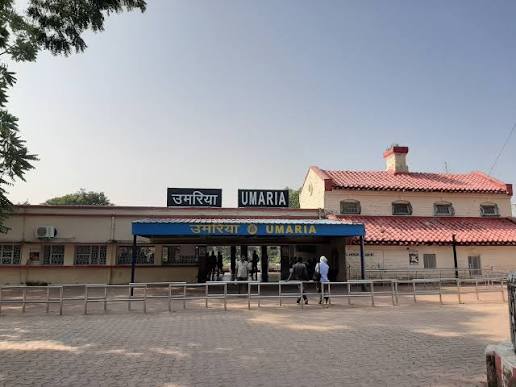
Umaria Railway Station is an important rail connection on the Katni-Bilaspur section. Trains also connect the region through nearby railway stations such as Katni and Jabalpur. :chatgpt-content-reference{index="11"}
By Road
Umaria is connected by road with Katni, Rewa, Shahdol and Jabalpur. Regular road transport makes it possible to reach Umaria and continue towards Bandhavgarh and other attractions. :chatgpt-content-reference{index="12"}
Nearby Places to Visit
Shahdol
Shahdol is located near Umaria and is known for ancient temples, forests, tribal culture and the wider heritage of eastern Madhya Pradesh.
Katni
Katni is an important railway and transport centre near Umaria and can be included in a longer itinerary through the Vindhyan region.
Rewa
Rewa is known for royal heritage, waterfalls, white tiger history and archaeological attractions and makes a natural addition to a Bandhavgarh journey.
Mandla
Mandla offers forest landscapes, rivers and access to Kanha's wider wildlife region, making it suitable for travellers planning a longer wildlife circuit.
Best Duration for a Trip to Umaria
A 2-day trip is suitable for a Bandhavgarh safari along with major nearby attractions. A 3-day itinerary is better if you want to explore the fort area, temples, local heritage and surrounding landscapes at a relaxed pace.
Travel Tips for Umaria
- Book your Bandhavgarh safari in advance, especially during peak travel periods.
- Carry valid identification and follow all park entry requirements.
- Follow the instructions of your guide and park authorities during wildlife safaris.
- Do not feed animals or disturb wildlife.
- Carry binoculars if you enjoy birdwatching.
- Wear comfortable footwear for temples, caves and heritage areas.
- Carry water, sunscreen and insect protection for outdoor activities.
- Respect local religious customs when visiting temples and fairs.
Why Visit Umaria?
Umaria is ideal for travellers who want wildlife and history in the same journey. The district combines the famous tiger habitat of Bandhavgarh with ancient caves, a historic hill fort, temples, tribal traditions and scenic forests.
Its relatively quiet town atmosphere also makes it a useful base for exploring one of Madhya Pradesh's most celebrated wildlife regions.
Conclusion
Umaria is a remarkable destination where the wilderness of Bandhavgarh meets centuries of history and local culture. From tiger safaris and Bandhavgarh Fort to Shesh Shaiya, ancient caves, temples and tribal traditions, Umaria offers a memorable journey through the natural and cultural heritage of eastern Madhya Pradesh.
"Travel is the only thing you buy that makes you richer."