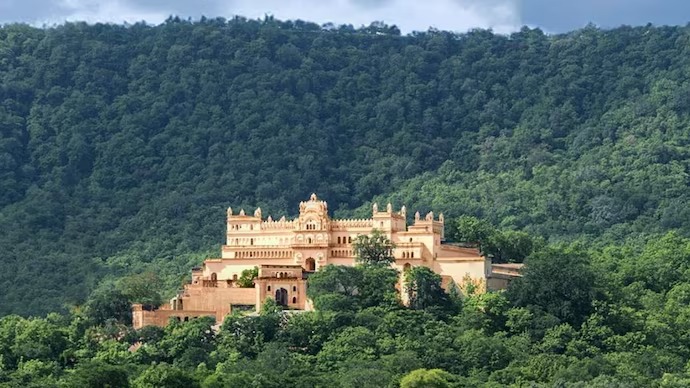
Where Malwa Heritage Meets Forests and Sacred Hills
Rajgarh, located in western Madhya Pradesh, is a destination where historic towns, ancient temples, forested hills, lakes and wildlife come together. The district is particularly known for the picturesque town of Narsinghgarh, Chidikho Wildlife Sanctuary, Jalpamata Temple and a collection of religious and historic sites spread across the Malwa landscape.
History of Rajgarh
Rajgarh has a long history connected with the Rajgarh princely state, local Rajput traditions and the Bhil communities of the region. The historic settlement developed around palaces, temples and fortified structures that reflected the political importance of the area.
The district contains several old settlements, including Narsinghgarh, Kotra, Biaora, Talen and Suthalia, each preserving elements of the region's historical and religious heritage.
Geography of Rajgarh
Rajgarh is situated in the western part of Madhya Pradesh and shares its boundaries with Rajasthan as well as the districts of Shajapur, Sehore and Bhopal.
The district forms part of the Malwa Plateau and features hills, forests, agricultural plains, rivers and reservoirs. Important rivers include the Kalisindh, Newaj, Parwati and Ajnar, while Chidikho and several dams add to the region's scenic character.
Culture and Traditions of Rajgarh
Rajgarh's culture reflects the traditions of Malwa and the neighbouring Rajasthan region. Local communities celebrate Hindu festivals, religious fairs and traditional events throughout the year.
The district also has a strong connection with traditional temple culture, folk customs and rural life. Religious gatherings at temples such as Jalpamata, Kapileshwar Mahadev and Shrinathji remain important parts of the local cultural landscape.
Architecture of Rajgarh
Rajgarh's architectural heritage includes historic palaces, temples, forts, dargahs and traditional religious structures. The monuments reveal the influence of Rajput, Malwa and regional architectural traditions.
Rajgarh Palace
The historic Rajgarh Palace is associated with the former Rajgarh princely state. The old settlement and palace complex preserve an important part of the district's royal history.
Narsinghgarh Fort and Palace
Narsinghgarh Fort and Palace form the historic centre of Narsinghgarh town. The town was founded in 1681 by Dewan Parasram and developed around a beautiful lake that reflects the historic fort and palace.
Shrinathji Temple
The grand Shrinathji Temple in Rajgarh stands on the banks of the Newaj River amid surrounding hills. The temple was constructed over several decades beginning in the late 19th century and is known for its impressive architecture and tall shikhara.
Shyamji Sanka Temple
The historic Shyamji Sanka Temple near the Parwati River was built in the 16th–17th century in memory of King Sangram Singh. Its walls feature paintings influenced by Malwi and Rajasthani traditions.
Famous Places to Visit in Rajgarh
Narsinghgarh
Narsinghgarh is one of the district's most attractive historic towns. Its old fort, palace, lakes, temples and surrounding hills create a picturesque landscape, especially during the cooler months.
Chidikho Wildlife Sanctuary
Chidikho Wildlife Sanctuary is one of Rajgarh's most notable natural attractions. Established in 1978, the sanctuary is known for its lake, forested landscape and wildlife. Visitors may encounter species such as chital, sambar, nilgai, wild boar and numerous bird species.
Chidikho Lake
Chidikho Lake lies at the centre of the sanctuary and is one of its major attractions. The surrounding forest, hills and water body create a peaceful setting and also attract migratory birds.
Jalpamata Temple
Jalpamata Temple is located on a hill about 4 km from Rajgarh town. Surrounded by forest, the hilltop temple provides panoramic views of the town and attracts large numbers of devotees during Navratri.
Kapileshwar Mahadev Temple
Kapileshwar Mahadev Temple is situated in the middle of the Kalisindh River near Sarangpur. The centuries-old temple is known for its unusual riverside setting, religious significance and annual fair held around Kartik Purnima.
Mohanpura Dam
Mohanpura Dam is a major irrigation project on the Newaj River near Rajgarh. The reservoir and surrounding landscape offer scenic views and represent the importance of water infrastructure in the region.
Kundalia Dam
Kundalia Dam is a major irrigation project constructed on the Kalisindh River between Rajgarh and Agar-Malwa districts. The reservoir creates an attractive landscape for visitors interested in nature and large-scale water projects.
Dargah Shareef
Dargah Shareef in Rajgarh is associated with Hazrat Syed Qurban Ali Shah Badakhshani. The annual Urs attracts visitors from different communities and reflects the district's diverse religious traditions.
Khoiry Mahadev Temple
Khoiry Mahadev Temple is located close to Rajgarh and is surrounded by greenery and natural scenery. The temple becomes particularly active during Mahashivratri and is also known as a local picnic destination.
Bheswamata Temple
Bheswamata, or Bijasan Mata Temple, near Sarangpur is an important religious destination. The temple attracts pilgrims during Navratri and a fair is held during the full moon of the month of Magh.
Famous Dishes of Rajgarh
Poha
Poha is a popular breakfast throughout Madhya Pradesh and is commonly served in Rajgarh with onions, peanuts, sev and regional spices.
Dal Bafla
Dal Bafla is a traditional Malwa and Madhya Pradesh dish prepared with baked wheat-based bafla, dal and ghee.
Kachori
Kachori is a popular snack available at local markets and eateries, often served with chutneys and spicy accompaniments.
Jalebi
Jalebi is a traditional sweet commonly enjoyed during festivals, fairs and local celebrations.
Famous Personalities and Historical Figures
Rajgarh Royal Family
The rulers and administrators of the former Rajgarh princely state played an important role in shaping the area's palaces, temples and historic settlements.
Sangram Singh
King Sangram Singh, also known as Shyam Singh, is associated with the history of the Shyamji Sanka Temple. The temple was constructed in his memory by his wife Bhagyawati.
Festivals of Rajgarh
Navratri
Navratri is one of the most important festivals in Rajgarh, particularly at Jalpamata Temple and Bheswamata Temple. Large numbers of devotees visit these shrines during the festival.
Mahashivratri
Mahashivratri is celebrated at Shiva temples throughout the district, including Khoiry Mahadev and other important shrines.
Kartik Purnima Fair
A major seven-day fair is held at Kapileshwar Mahadev Temple around Kartik Purnima. Devotees gather at the riverside temple for religious ceremonies and traditional activities.
Shyamji Ka Mela
Shyamji Ka Mela is held every year during the month of Magh at Sanka near the Parwati River. The fair is connected with the historic Shyamji Temple.
Janmashtami
Janmashtami is celebrated with religious ceremonies and cultural activities, particularly at the historic Shrinathji Temple in Rajgarh.
Things to Do in Rajgarh
- Explore the historic town and palace of Narsinghgarh.
- Visit Chidikho Wildlife Sanctuary and its scenic lake.
- Enjoy birdwatching around Chidikho Lake.
- Visit the hilltop Jalpamata Temple.
- Explore the riverside Kapileshwar Mahadev Temple.
- Admire the architecture of Shrinathji Temple.
- Visit Shyamji Sanka Temple.
- Enjoy the landscapes around Mohanpura Dam.
- Explore Kundalia Dam and its surrounding scenery.
- Experience local fairs and traditional Malwa culture.
Where to Eat, Shop, and Stay in Rajgarh
Where to Eat
Rajgarh and Narsinghgarh have local restaurants, eateries and food stalls offering poha, kachori, samosa, dal bafla, jalebi and other regional snacks.
Where to Shop
Local markets offer traditional clothing, religious items, handicrafts, regional products and everyday goods. Temple areas and local fairs are also useful places to find traditional souvenirs.
Where to Stay
Rajgarh and Narsinghgarh offer hotels, guesthouses and basic accommodation. Travellers exploring Chidikho can also look for nature-oriented accommodation around the sanctuary, depending on availability.
What is Rajgarh Famous For?
Rajgarh is famous for Narsinghgarh, Chidikho Wildlife Sanctuary, Jalpamata Temple, Shrinathji Temple, Kapileshwar Mahadev Temple, Mohanpura Dam and its historic Malwa heritage. The district is particularly attractive for travellers interested in combining temples, historic towns, wildlife and scenic landscapes.
Best Time to Visit Rajgarh
The best time to visit Rajgarh is generally from October to March, when the weather is more comfortable for exploring temples, historic sites, forests and lakes.
The cooler months are particularly suitable for visiting Chidikho Wildlife Sanctuary, while the monsoon season can make the surrounding hills, forests and water bodies especially scenic.
How to Reach Rajgarh
By Air
The nearest major airport is Raja Bhoj Airport in Bhopal. Bhopal provides wider domestic air connectivity and can be used as the starting point for a road journey to Rajgarh.
By Train
Biaora Railway Station is an important nearby railway point and provides access to Rajgarh and Narsinghgarh by road.
By Road
Rajgarh is connected by road with Bhopal, Indore, Shajapur, Sehore and Rajasthan. Narsinghgarh and other tourist attractions can also be reached by road from Rajgarh and Biaora.
Nearby Places to Visit
Bhopal
Bhopal, the capital of Madhya Pradesh, is a major nearby destination known for its lakes, museums, historic monuments and cultural attractions.
Shajapur
Shajapur lies to the north of Rajgarh and offers temples, traditional markets and access to the wider Malwa region.
Ujjain
Ujjain is a major pilgrimage city of Madhya Pradesh known for Mahakaleshwar Temple, the Shipra River and its ancient religious heritage.
Indore
Indore is a major urban centre of Madhya Pradesh and can be combined with Rajgarh for a wider Malwa itinerary.
Rajasthan Border Region
Rajgarh's location close to Rajasthan makes it possible to combine the district with destinations across the neighbouring state for a broader Malwa-Rajasthan journey.
Best Duration for a Trip to Rajgarh
A 2 to 3-day trip is suitable for exploring Rajgarh, Narsinghgarh and the major temples. Travellers who want to include Chidikho Wildlife Sanctuary, dams and Sarangpur attractions should consider 3 to 4 days.
Travel Tips for Rajgarh
- Carry comfortable footwear for visiting hilltop temples and historic sites.
- Carry drinking water and sun protection during outdoor sightseeing.
- Follow wildlife regulations inside Chidikho Wildlife Sanctuary.
- Respect religious customs at temples and dargahs.
- Keep forests, lakes and natural areas clean.
- Check local conditions before visiting remote forest attractions.
- Plan additional travel time because attractions are spread across the district.
- Consider visiting during winter for more comfortable sightseeing.
Why Visit Rajgarh?
Rajgarh is ideal for travellers looking for an offbeat Madhya Pradesh destination combining history, spirituality and nature. The old town of Narsinghgarh, forested Chidikho landscape, hilltop temples and riverside shrines provide a varied travel experience.
The district's location in the Malwa region near Rajasthan also gives it a distinctive cultural character, making it suitable for travellers interested in exploring destinations beyond Madhya Pradesh's major tourist circuits.
Conclusion
Rajgarh offers a quieter journey through the heritage and landscapes of western Madhya Pradesh. From the historic surroundings of Narsinghgarh and the scenic Chidikho Wildlife Sanctuary to Jalpamata Temple, Kapileshwar Mahadev and the grand Shrinathji Temple, the district combines culture, spirituality and nature. For travellers seeking an offbeat destination with historic towns, peaceful lakes, temples and forested landscapes, Rajgarh provides an engaging glimpse into the diverse character of Malwa.
"Travel is the only thing you buy that makes you richer."