Jhabua – Where Tribal Traditions, Colorful Fairs and Ancient Art Come Alive
Jhabua is a culturally distinctive destination in western Madhya Pradesh, best known for its rich Bhil tribal heritage, colorful Bhagoria festival, Pithora paintings, traditional crafts and undulating landscapes. The town serves as the administrative headquarters of Jhabua district.
Located between the Mahi and Narmada river regions, Jhabua offers travelers an opportunity to experience a side of Madhya Pradesh shaped by community traditions, folk music, indigenous art, village markets and seasonal celebrations.
History of Jhabua
Jhabua has a long history associated with regional tribal communities and the former Jhabua princely state. The princely state was a guaranteed chiefship under the Bhoplwar Agency during British rule and was situated in the mountainous western edge of the Malwa region.
After India's independence, the last ruler of Jhabua signed the accession to the Indian Union on 15 June 1948. Jhabua subsequently became part of Madhya Bharat and was incorporated into Madhya Pradesh in 1956.
Formation of Modern Jhabua District
The modern district has undergone administrative changes over time. In May 2008, the district was divided and Alirajpur became a separate district. Present-day Jhabua includes areas such as Jhabua, Meghnagar, Ranapur, Rama, Thandla and Petlawad.
Geography of Jhabua
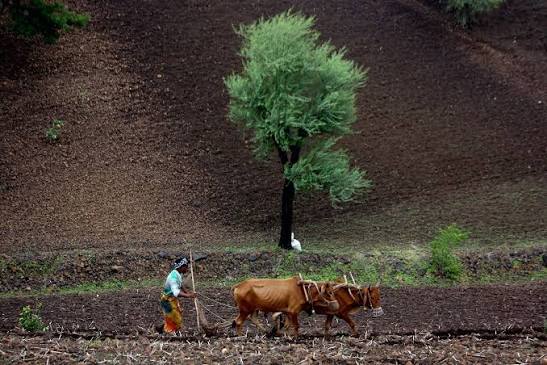
Jhabua lies in the western part of Madhya Pradesh and shares boundaries with parts of Gujarat, Rajasthan and neighbouring Madhya Pradesh districts. The landscape is predominantly hilly and undulating.
The district lies within a region influenced by the Mahi and Narmada river systems. Agriculture and forests have historically played an important role in the livelihoods of local communities.
Hills, Fields and Forests
The combination of low hills, agricultural fields and forest patches gives Jhabua a distinctly rural landscape, particularly outside the main town.
Culture and Traditions of Jhabua
Jhabua is particularly significant for its tribal culture. The district is home to communities including the Bhil, Bhilala and Pateliya, with Bhils forming the predominant tribal population.
Community Living
Traditional community participation remains an important part of local social life. The district administration highlights Halma, a tradition of collective community effort in which villagers come together to help a family or address a shared challenge.
Matavan Tradition
Matavan refers to a village forest area associated with the village deity. Such areas traditionally serve as community-protected forests, reflecting local practices of environmental conservation.
Music and Dance
Traditional Bhili music and dance are important elements of Jhabua's cultural identity. Bamboo flutes, maandal drums and group dancing are commonly associated with local celebrations and community gatherings.
Architecture of Jhabua
Jhabua's built heritage includes princely-era structures, temples and traditional village homes. Its architecture is closely connected with the region's history and cultural traditions.
Rajwada Palace
Rajwada Palace is one of Jhabua town's important historic landmarks. The structure reflects the town's association with the former princely state and its rulers.
Traditional Tribal Homes
Traditional homes and village spaces provide another expression of local culture. Walls, decorations and household objects may feature distinctive tribal artwork and handmade elements.
Pithora Art
Pithora painting is one of the region's most distinctive artistic traditions. These colorful ritual wall paintings are closely connected with Bhil and related tribal communities and often depict horses, people, animals and symbolic elements.
Famous Places to Visit in Jhabua
Rajwada Palace
Rajwada Palace is a historic attraction in Jhabua town associated with the region's former royal rulers. It is an important stop for visitors interested in the town's princely history.
Hanuman Tekri Temple
Hanuman Tekri Temple is situated on elevated ground within Jhabua city and is both a religious attraction and a viewpoint over the surrounding area.
Devjhiri
Devjhiri is located around 8 km northeast of Jhabua near the Sunar River. It is known for an ancient Lord Shiva temple and a perennial spring that has been developed into a kund. A religious gathering is associated with Baisakh Purnima.
Hathipawa
Hathipawa is one of the scenic and cultural attractions associated with Jhabua and is included among the district's tourism destinations.
Jhabua's Tribal Villages
Exploring villages around Jhabua can provide a closer look at traditional homes, agricultural life, tribal crafts, folk music and local community traditions.
Famous Dishes of Jhabua
Jhabua's cuisine is strongly connected with locally grown ingredients, particularly maize, along with traditional preparations associated with tribal communities.
Dal Paniya
Dal Paniya is one of Jhabua's best-known traditional food combinations. Paniya is a corn-flour bread traditionally roasted between leaves, while dal provides the accompanying preparation. The dish is particularly associated with festivals and auspicious occasions.
Paniya
Paniya is a traditional bread prepared from maize flour and cooked using traditional methods. It reflects the importance of maize in the local food culture.
Kadaknath
Kadaknath is a distinctive black-feathered chicken breed associated with the tribal regions of western Madhya Pradesh. It is valued locally for its characteristic taste and is prepared in traditional dishes.
Mahua-Based Preparations
Mahua trees are naturally found in the region and have long been connected with local tribal food and cultural practices.
Famous Personalities and Historical Associations of Jhabua
Jhabua Nayak
Local historical traditions associate the name of Jhabua with Jhabua Nayak, a historical ruler connected with the town's early identity. The district's tourism pages preserve this association in their account of Rajwada and Jhabua's history.
The Holkar and Rajput Era
Jhabua's history also reflects the changing political landscape of western Malwa, including the influence of regional Rajput rulers and later princely-state administration.
Festivals of Jhabua
Bhagoria
Bhagoria is Jhabua's most famous cultural festival and one of Madhya Pradesh's best-known tribal celebrations. It takes place through a series of traditional haat markets before Holi and combines music, dance, colorful clothing, community gatherings and local food.
Traditional instruments such as dhol, maandal and flute accompany folk performances, while men and women participate in the celebrations wearing colorful traditional clothing and silver jewellery.
Bhagoria Haat
The Bhagoria Haat is more than a festival venue. It is a traditional marketplace where commerce, social interaction, food, music and celebration come together.
Devjhiri Fair
A religious gathering is held at Devjhiri around Baisakh Purnima, generally falling in April, in connection with its ancient Shiva temple and perennial spring.
Things to Do in Jhabua
- Experience the vibrant atmosphere of a Bhagoria Haat.
- Explore the historic Rajwada Palace.
- Visit Hanuman Tekri Temple.
- Explore the ancient Shiva temple and spring at Devjhiri.
- Discover traditional Pithora paintings and tribal crafts.
- Explore local village markets and handmade products.
- Try traditional dishes such as Dal Paniya.
- Experience Bhili music, dance and traditional instruments.
- Explore the hilly countryside and rural landscapes around Jhabua.
Where to Eat, Shop, and Stay in Jhabua
Where to Eat
Local eateries and markets are the best places to experience Jhabua's traditional food. Travelers should look for maize-based preparations, Dal Paniya and regional snacks.
Where to Shop
Jhabua is particularly interesting for travelers looking for tribal handicrafts, bamboo products, traditional jewellery, dolls, decorative items and Pithora-inspired artwork. Local haats provide a more authentic shopping experience.
Where to Stay
Jhabua town is the most practical base for exploring the district. Travelers planning to visit rural attractions should arrange transport in advance and allow additional time for travel between villages and attractions.
What is Jhabua Famous For?
Jhabua is famous for its Bhil tribal culture, Bhagoria festival, Pithora paintings, traditional handicrafts, Dal Paniya, Kadaknath and colorful haat markets.
Its cultural traditions are the main reason to visit rather than conventional monument-based tourism. Jhabua provides a valuable opportunity to experience the living traditions of western Madhya Pradesh.
Best Time to Visit Jhabua
The best time to visit Jhabua is generally from October to March, when temperatures are more comfortable for exploring the town, villages and outdoor attractions.
For travelers specifically interested in tribal culture, the period around Bhagoria before Holi offers the most vibrant cultural experience. The festival is generally held during the period leading up to Holi, with different haats taking place across the region.
How to Reach Jhabua
By Air
The nearest major airport is Devi Ahilyabai Holkar Airport in Indore. Jhabua is roughly 150 km from Indore by road.
By Train
Meghnagar Railway Station is the nearest convenient railway station, located approximately 15 km from Jhabua. Meghnagar lies on the Delhi–Mumbai railway route.
By Road
Jhabua has regular road connectivity with Indore and other towns of western Madhya Pradesh. The Indore–Ahmedabad highway corridor makes road travel an important way of reaching the district.
Nearby Places to Explore
Meghnagar
Meghnagar is an important nearby town and railway point for travelers visiting Jhabua.
Thandla
Thandla is one of the important towns within Jhabua district and can be included in a wider exploration of the region's rural and cultural landscape.
Ranapur
Ranapur is another culturally significant area of Jhabua district and is associated with Bhagoria celebrations and traditional tribal life.
Western Madhya Pradesh Tribal Belt
Travelers with additional time can extend their journey toward Alirajpur, Dhar and other western Madhya Pradesh destinations to experience the broader tribal and cultural landscape of the region.
Best Duration for a Jhabua Trip
2 days are suitable for exploring Jhabua town, Rajwada, Hanuman Tekri, Devjhiri and local markets.
A 3-day trip is better for travelers who want to explore surrounding villages, tribal crafts and additional cultural attractions at a relaxed pace.
If visiting during Bhagoria, allow additional time because the festival takes place across different haat locations and is best experienced without rushing.
Travel Tips for Jhabua
- Respect local customs when visiting tribal villages and religious sites.
- Ask permission before photographing people, homes or traditional ceremonies.
- Try locally made crafts and food to support community-based tourism.
- Carry cash when visiting rural markets and village haats.
- Wear comfortable footwear for exploring hilly and rural areas.
- During Bhagoria, expect large crowds at popular haat locations.
- Plan rural excursions with reliable local transport.
- Avoid treating tribal traditions merely as tourist spectacles; observe respectfully and follow local guidance.
- Keep natural and village environments clean.
Why Visit Jhabua?
Jhabua is an ideal destination for travelers interested in living tribal culture rather than conventional sightseeing alone. Its festivals, paintings, music, food, crafts and community traditions provide a cultural experience that is difficult to find in larger cities.
The combination of Bhagoria, Pithora art, Bhil heritage, historic Rajwada, village haats and scenic countryside gives Jhabua a distinctive identity within Madhya Pradesh tourism.
Conclusion
Jhabua is one of Madhya Pradesh's most culturally distinctive destinations. The district's Bhil and Bhilala heritage, vibrant Bhagoria celebrations, Pithora paintings, traditional crafts and local cuisine make it particularly rewarding for travelers who want to explore India's indigenous cultural traditions.
From the historic Rajwada and Hanuman Tekri to the ancient spring and temple at Devjhiri, Jhabua offers a quieter and more authentic travel experience in western Madhya Pradesh.
"Travel is the only thing you buy that makes you richer."