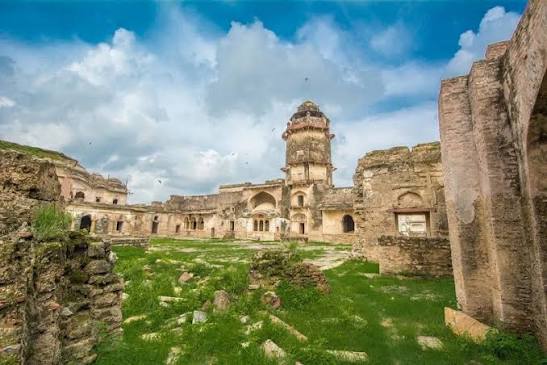
Bhind – Where Chambal Landscapes Meet the Historic Heart of Madhya Pradesh
Bhind is a historic district in northern Madhya Pradesh, known for its Chambal landscape, ancient temples, forts, ravines, rural traditions and rich Bundelkhand-Chambal heritage. Located close to the borders of Uttar Pradesh and Rajasthan, Bhind has a distinctive cultural identity shaped by centuries of regional kingdoms, religious traditions and life around the Chambal and Sind rivers.
The district offers travellers an interesting combination of history, spirituality, nature and countryside. From ancient temples and historic forts to river landscapes and the dramatic ravines of the Chambal region, Bhind provides a quieter way to explore northern Madhya Pradesh.
History
Bhind has a long history connected with the ancient cultural regions of northern Madhya Pradesh. Its location between the Chambal and Sind river systems made the area important for settlements, agriculture, trade and regional politics.
Ancient History
The wider Chambal region has been inhabited since ancient times. Archaeological remains and old temples indicate the presence of established settlements and religious centres over many centuries.
Guhisar and Local Traditions
Local historical traditions connect parts of Bhind with ancient Hindu religious stories and regional kingdoms. These traditions continue to influence the identity of temples and pilgrimage sites across the district.
Medieval Period
During the medieval period, Bhind and surrounding areas experienced the influence of several Rajput and regional ruling houses. Forts, temples and old settlements reflect the political changes of the period.
Tomar Influence
The wider Gwalior-Chambal region was strongly influenced by the Tomar rulers, whose architectural and political legacy can still be seen in nearby historical centres.
Maratha Period
The region later came under Maratha influence, particularly through the Scindia rulers of Gwalior. This period shaped administration and political relationships across the Chambal area.
British Period
During British rule, Bhind formed part of the wider political and administrative landscape surrounding Gwalior and central India. Roads, administrative centres and trade routes developed further during this period.
Post-Independence Development
After Indian independence, Bhind became part of Madhya Pradesh and developed as an important agricultural and administrative district in the Chambal region.
Geography
Bhind is situated in northern Madhya Pradesh and has a landscape of agricultural plains, river valleys, ravines and dry deciduous vegetation.
Chambal River
The Chambal is one of the most important geographical features of the region. Its distinctive ravines and river ecosystem give Bhind a landscape that is very different from the forested and mountainous parts of Madhya Pradesh.
Sind River
The Sind River flows through the wider region and supports agriculture and settlements. Its surrounding countryside adds to the district's riverine character.
Chambal Ravines
The deeply eroded ravines around the Chambal are among the region's most distinctive natural features. These formations were created over long periods by river erosion and seasonal water flow.
Agricultural Plains
Agriculture is an important part of Bhind's economy. The relatively level areas are used for cultivating wheat, mustard, pulses and other crops suited to the local climate.
Climate
Bhind experiences hot summers, a monsoon season and comparatively cool winters. Winter is generally the most comfortable period for sightseeing and outdoor exploration.
Culture and Traditions
Bhind's culture reflects the traditions of the Chambal region and neighbouring Bundelkhand and Uttar Pradesh.
Hindi and Local Dialects
Hindi is widely spoken throughout Bhind. Local speech also reflects the linguistic influence of the Chambal and Bundelkhand regions.
Rural Lifestyle
Village life remains closely connected with agriculture, livestock, seasonal festivals and weekly markets. Farming traditions continue to shape the social and economic life of the district.
Folk Music
Traditional songs are performed during weddings, festivals, religious ceremonies and community gatherings. Folk music often reflects stories of local heroes, devotion and rural life.
Folk Dance
Traditional dances are performed during celebrations and festivals. Group performances accompanied by drums and folk instruments are an important part of rural celebrations.
Traditional Clothing
Traditional clothing is particularly visible during religious festivals, weddings and fairs. Colourful garments and traditional jewellery add to the character of local celebrations.
Local Fairs
Religious fairs and village haats provide important opportunities for communities to meet, trade agricultural goods, purchase household products and participate in cultural activities.
Religious Traditions
Hindu temples and religious sites are deeply connected with local life. Festivals often bring together entire communities for prayers, processions and celebrations.
Architecture
Bhind's architectural heritage includes ancient temples, forts, religious structures and traditional buildings associated with the Chambal region.
Ater Fort
Ater Fort is one of the most important historical monuments associated with Bhind. Built near the Chambal region, the fort reflects the military architecture and political history of the area.
Chambal-Side Temples
Temples and shrines around the river landscape demonstrate the religious importance of the Chambal region.
Ancient Temples
Several temples in Bhind district feature traditional Hindu architectural elements and are important centres of local worship.
Traditional Houses
Older homes in villages and towns often use locally available materials and practical layouts suited to the hot climate of northern Madhya Pradesh.
Historic Fort Structures
Old fortifications and regional structures reflect the strategic importance of the Chambal area and its historic kingdoms.
Famous Places
Ater Fort
Ater Fort is one of Bhind's most significant historical attractions. The fort stands near the Chambal region and provides an insight into the area's medieval political and military history.
Gohad Fort
Gohad Fort is a historic fort associated with the Jat rulers of Gohad. Its architecture and historical setting make it an interesting destination for travellers interested in central Indian history.
Gohad
Gohad is a historic town with important connections to the Jat rulers and the political history of the Chambal region.
Van Khandeshwar Temple
Van Khandeshwar Temple is an important Shiva temple in Bhind and attracts devotees throughout the year, particularly during Maha Shivratri.
Gauri Sarovar
Gauri Sarovar is a historic water body in Bhind associated with local religious traditions. The surrounding area is used for religious and community activities.
Chambal River
The Chambal River offers some of the district's most distinctive natural scenery, including ravines, open landscapes and riverine habitats.
Chambal Ravines
The dramatic ravines provide a striking landscape for photography and nature exploration. Visitors should explore remote areas with local guidance and follow safety advice.
National Chambal Sanctuary
The National Chambal Sanctuary protects important river wildlife and is particularly known for the endangered gharial, freshwater turtles and river dolphins. Parts of the sanctuary extend across Madhya Pradesh, Uttar Pradesh and Rajasthan.
Gohad Temples
Gohad and surrounding villages contain several historic temples and religious structures that reflect the area's long cultural history.
Local Markets
Bhind's markets provide an opportunity to experience everyday life in the Chambal region and find traditional snacks, clothing, agricultural products and household goods.
Famous Dishes
Bhind's food culture is influenced by traditional Madhya Pradesh, Bundelkhand and northern Indian cuisine. Wheat, pulses, vegetables and seasonal ingredients are common.
Dal Bafla
Dal Bafla is a popular Madhya Pradesh speciality made from baked wheat-based pieces served with dal and ghee. It is a hearty traditional meal.
Poha
Poha is a common breakfast in Bhind and throughout Madhya Pradesh. It is made from flattened rice cooked with onions, spices and other ingredients.
Kachori
Kachori is a popular snack found in local markets. Its crisp exterior and spiced filling make it a common breakfast or tea-time food.
Samosa
Samosas are widely available in Bhind's markets and roadside food shops and are usually served with chutney.
Jalebi
Jalebi is a popular sweet made from fried batter soaked in sugar syrup. It is commonly enjoyed during festivals and celebrations.
Besan Snacks
Gram-flour based snacks are common in the region and include different varieties of pakoras, sev and namkeen.
Makki Ki Roti
Maize-based rotis form part of traditional rural food culture and can be served with vegetables, dal or chutney.
Seasonal Rural Dishes
Village households often prepare dishes using seasonal vegetables, grains and pulses. These simple preparations reflect the agricultural character of the region.
Famous Personalities
Rani Lakshmibai
Rani Lakshmibai is strongly associated with the wider Gwalior-Chambal region through the events of the 1857 uprising and the final phase of her life. Her legacy remains important across northern Madhya Pradesh.
Local Rulers of Gohad
The Jat rulers of Gohad played an important role in the history of the region. Their political legacy is reflected in Gohad Fort and surrounding historical sites.
Local Freedom Fighters
People from Bhind and the wider Chambal region participated in India's freedom movement. Their contributions form part of the district's modern historical heritage.
Local Folk Heroes
The Chambal region has a strong oral storytelling tradition in which local heroes, warriors and community figures are remembered through folk stories and songs.
Festivals
Holi
Holi is celebrated with colours, music, sweets and community gatherings. Rural celebrations often include traditional songs and local customs.
Diwali
Diwali is celebrated with lamps, prayers, sweets, decorated homes and family gatherings throughout Bhind.
Navratri
Navratri is marked by temple visits, devotional activities, fasting and community celebrations.
Maha Shivratri
Maha Shivratri is particularly important at Shiva temples such as Van Khandeshwar. Devotees gather for prayers, offerings and religious ceremonies.
Ram Navami
Ram Navami is celebrated with religious ceremonies, devotional programmes and temple visits.
Janmashtami
Janmashtami celebrates the birth of Lord Krishna with prayers, devotional singing, decorations and religious gatherings.
Dussehra
Dussehra is celebrated with religious programmes, processions and community events. Cultural performances may accompany local celebrations.
Local Religious Fairs
Temples and pilgrimage sites across the district host local fairs during important religious occasions. These gatherings combine worship, food stalls, markets and community activities.
Things to Do
Explore Ater Fort
Walk around the historic fort and learn about the political and military history of the Chambal region.
Visit Gohad Fort
Explore the fort and surrounding historic town to understand the legacy of the Gohad rulers.
Visit Van Khandeshwar Temple
Experience one of Bhind's important religious sites and observe local traditions, particularly during Maha Shivratri.
Explore the Chambal Landscape
Travel through the countryside around the Chambal to see its distinctive ravines, fields and river landscapes.
Wildlife Watching
The National Chambal Sanctuary provides opportunities to observe river wildlife such as gharials, freshwater turtles and birds, subject to sanctuary rules and seasonal conditions.
Bird Watching
The Chambal river ecosystem attracts numerous resident and migratory birds. Early morning is generally a good time for bird observation.
Photography
The ravines, river, forts, temples and rural landscapes offer diverse opportunities for landscape, architecture and cultural photography.
Explore Local Markets
Visit local markets and weekly haats to experience everyday life and discover regional snacks, agricultural goods and traditional products.
Try Local Food
Sample poha, kachori, samosa, jalebi, dal bafla and other regional snacks during your visit.
Where to Eat, Shop, and Stay
Where to Eat in Bhind
Bhind town has local restaurants, sweet shops and small eateries serving North Indian and Madhya Pradesh-style food.
Street Food
Poha, kachori, samosa, jalebi, pakoras and namkeen are commonly available around busy markets.
Where to Shop
Local markets are suitable for purchasing clothing, household products, sweets, snacks, agricultural goods and everyday items.
Traditional Products
Travellers can look for regional handicrafts and locally produced goods at village fairs and markets. Availability varies by season.
Budget Stays
Bhind town has budget hotels and guesthouses suitable for short visits and travellers looking for simple accommodation.
Mid-Range Stays
Travellers seeking greater comfort can choose established hotels in Bhind or nearby Gwalior depending on their itinerary.
Luxury Stays
Luxury accommodation is limited within Bhind. Travellers looking for premium hotels can consider Gwalior, which is a larger nearby tourism and accommodation centre.
What is Bhind Famous For?
Bhind is famous for its Chambal ravines, Ater Fort, Gohad Fort, ancient temples, Gauri Sarovar, river landscapes and proximity to the National Chambal Sanctuary.
The district is also known for its strong connection with the historical and cultural traditions of the Chambal region.
Its combination of forts, temples, ravines and river wildlife makes Bhind particularly interesting for travellers who enjoy history, nature and lesser-known destinations.
Best Time to Visit
October to February
Winter is generally the best season for visiting Bhind. The weather is comfortable for sightseeing, heritage exploration and outdoor activities.
March to May
Summer can be very hot. Travellers should plan outdoor sightseeing for mornings or evenings and carry sufficient drinking water.
July to September
The monsoon brings greenery to the countryside and can make the landscape around the Chambal more attractive. However, heavy rainfall can affect roads and river activities.
Winter for Wildlife
Winter can be particularly suitable for bird watching and wildlife experiences around the Chambal because migratory birds may be present during this season.
How to Reach
Bhind by Air
Bhind does not have a major commercial airport. Gwalior Airport is one of the practical nearby airport options, followed by road travel to Bhind.
Bhind by Train
Bhind has railway connectivity with the regional rail network. Travellers can use trains connecting the district with Gwalior and other parts of northern Madhya Pradesh.
Bhind by Road
Bhind is connected by road with Gwalior, Morena, Etawah and other cities of Madhya Pradesh and neighbouring Uttar Pradesh.
Travelling Around Bhind
Auto-rickshaws and local transport are available in towns. For visiting forts, temples, villages and remote Chambal landscapes, a hired taxi or private vehicle is more convenient.
Nearby Places
Gwalior
Gwalior is one of the most important heritage cities near Bhind and is famous for its massive hill fort, palaces, temples, museums and musical heritage.
Morena
Morena is located near Bhind and is known for its temples, historical monuments and access to the Chambal landscape.
National Chambal Sanctuary
The sanctuary protects one of India's important river ecosystems and is particularly known for gharials, river dolphins, turtles and diverse birdlife.
Mitawali
Mitawali is famous for the Chausath Yogini Temple, a circular hilltop temple with distinctive architecture and historical importance.
Padavali
Padavali is known for its historic temple architecture and intricately carved stonework, making it an interesting destination for heritage enthusiasts.
Bateshwar
Bateshwar is a historic complex containing numerous ancient temples and is an important archaeological and religious destination in the wider Chambal region.
Etawah
Etawah in neighbouring Uttar Pradesh is another nearby destination with access to the Chambal and Yamuna river landscapes and the National Chambal Sanctuary.
Datia
Datia is a historic town in Madhya Pradesh known for its palace, temples and Bundelkhand cultural heritage.
Best Duration for a Trip
1 Day
One day is enough for exploring Bhind town, selected temples and nearby historical attractions.
2 Days
Two days allow visitors to combine Bhind with Ater, Gohad and other nearby heritage locations.
3 Days
Three days are suitable for exploring Bhind's historical sites and adding a Chambal wildlife or nature experience.
4 to 5 Days
Four to five days allow travellers to combine Bhind with Gwalior, Morena, Bateshwar, Padavali and Mitawali.
Travel Tips
Carry Sun Protection
Summers can be extremely hot, so carry water, sunscreen, sunglasses and a hat.
Wear Comfortable Shoes
Historic forts, temples and natural attractions may require walking over uneven ground. Comfortable footwear is recommended.
Respect Religious Places
Dress appropriately and follow local customs when visiting temples and religious sites.
Follow Sanctuary Rules
When visiting the National Chambal Sanctuary, follow official rules and instructions regarding boating, wildlife observation, photography and restricted areas.
Do Not Disturb Wildlife
Keep a safe distance from animals and birds and avoid loud noises or attempts to feed wildlife.
Be Careful Near Rivers
River currents and ravines can be dangerous. Avoid entering unfamiliar water and follow local safety advice.
Carry Cash
Cash can be useful in smaller shops, rural markets and villages where digital payment facilities may not always be available.
Travel During Daylight
For remote rural and ravine areas, travelling during daylight is preferable and local guidance can be valuable.
Keep the Chambal Clean
Avoid plastic waste and other litter near rivers, temples, wildlife areas and rural landscapes.
Why Visit Bhind?
Bhind is worth visiting for travellers who want to explore the historic Chambal region beyond the major tourist cities.
The combination of Ater Fort, Gohad's historical heritage, ancient temples, Chambal ravines and river wildlife creates a varied travel experience.
Its location near Gwalior, Morena, Uttar Pradesh and Rajasthan also makes Bhind a useful stop on a wider north-central India road trip.
Conclusion
Bhind offers a fascinating combination of history, spirituality and nature. Its forts and temples tell stories of the region's past, while the Chambal River and its dramatic ravines create one of northern Madhya Pradesh's most distinctive landscapes.
From exploring Ater Fort and Gohad to visiting temples, experiencing local food and observing wildlife around the Chambal, visitors can discover a side of Madhya Pradesh that is both historic and less explored.
For travellers interested in Chambal heritage, forts, temples, river landscapes, wildlife and rural culture, Bhind is a destination worth adding to a Madhya Pradesh itinerary.
"Travel is the only thing you buy that makes you richer."