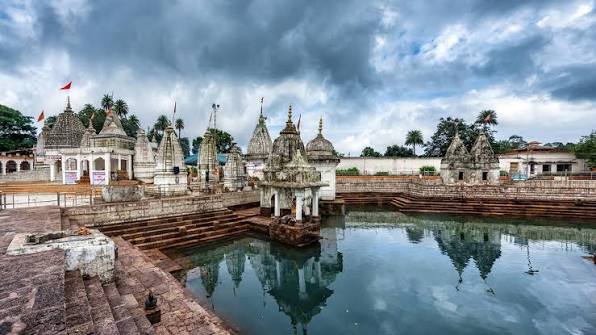
Anuppur – Where Sacred Rivers, Forests and the Eastern Hills of Madhya Pradesh Meet
Anuppur is a scenic district in eastern Madhya Pradesh known for its forests, hills, waterfalls, temples and tribal traditions. The district is especially important because the famous pilgrimage town of Amarkantak, associated with the origin of the Narmada River, lies within its boundaries.
From the sacred landscapes around Amarkantak to the forests of the Maikal ranges, Anuppur offers a combination of spiritual tourism, nature, wildlife, local culture and rural experiences. Waterfalls such as Kapildhara and Dugdha Dhara, ancient temples, forest trails and tribal traditions make the district an interesting destination for travellers looking beyond the major tourist cities of Madhya Pradesh.
History
Anuppur has a long history shaped by the ancient cultural traditions of the Maikal region, tribal communities, religious centres and the wider history of eastern Madhya Pradesh.
Ancient Heritage
The region around Amarkantak has been an important religious centre for centuries. Its location among the Maikal hills and its association with the Narmada River gave it considerable spiritual importance.
Amarkantak and Religious History
Amarkantak developed as an important pilgrimage centre because it is traditionally regarded as the source of the Narmada River. Temples, shrines, kunds and religious establishments developed around this sacred landscape.
Kalachuri Influence
The Kalachuri rulers left important architectural remains in the Amarkantak region. The ancient temples associated with the Kalachuri period demonstrate the historical importance of the area.
Tribal Heritage
Tribal communities have lived in the forests and hills of the region for generations. Their traditions, agriculture, festivals and relationship with the surrounding forests remain an important part of Anuppur's cultural identity.
Colonial Period
During the colonial period, the wider eastern Madhya Pradesh region was connected with princely states, forest administration and expanding transport networks. Forest resources and mineral-rich areas became increasingly important to the regional economy.
Formation of Anuppur District
Anuppur was separated from Shahdol district and became an independent district on 15 August 2003. The creation of the district provided a separate administrative identity to this important forest and mineral-rich region.
Geography
Anuppur lies in eastern Madhya Pradesh and forms part of the Maikal and eastern highland landscape. Its geography includes forests, hills, valleys, rivers, waterfalls and agricultural settlements.
Maikal Hills
The Maikal hills form one of the most important geographical features of the region. Their forested slopes and valleys provide Anuppur with a scenic landscape and support diverse plant and animal life.
Narmada River
The Narmada River originates at Amarkantak, making the district particularly significant in the geography and religious traditions of central India.
Son River
The Son River also has its source in the Amarkantak region. The presence of the sources of major rivers makes the area geographically and culturally important.
Forests
Large areas of Anuppur are covered by forests. Sal and other deciduous trees form an important part of the local vegetation and provide habitat for birds and wildlife.
Waterfalls
The hilly terrain creates several waterfalls, particularly around Amarkantak. During and after the monsoon, these waterfalls become especially scenic.
Rivers and Streams
Numerous streams flow through the district's hills and forests. Seasonal watercourses become more prominent during the monsoon and contribute to the area's greenery.
Climate
Anuppur has hot summers, a monsoon season with substantial rainfall and cooler winters. Winter is generally the most comfortable season for sightseeing, while the monsoon is attractive for waterfalls and green landscapes.
Culture and Traditions
Anuppur's culture combines the religious traditions of Amarkantak with the customs of tribal and rural communities living across the district.
Tribal Culture
Communities including the Gond and Baiga have cultural connections with the wider region. Their traditional knowledge, agriculture, music, festivals and relationship with forests contribute to the cultural diversity of Anuppur.
Folk Music
Traditional songs are performed during festivals, weddings, religious events and community gatherings. Many songs reflect village life, nature, farming and local traditions.
Folk Dance
Folk and tribal dances are performed during celebrations and festivals. Group performances accompanied by traditional instruments are an important part of community gatherings.
Traditional Clothing
Traditional clothing varies between communities. Colourful garments and traditional jewellery become particularly prominent during festivals and cultural celebrations.
Religious Traditions
Amarkantak's religious identity has a major influence on the district. Pilgrims visit temples, sacred ponds and the source of the Narmada throughout the year.
Weekly Markets
Rural haats provide important spaces for buying and selling agricultural products, vegetables, forest produce, clothing, household goods and locally made items.
Forest-Based Traditions
Forest resources have traditionally played an important role in the lives of local communities. Seasonal fruits, medicinal plants, leaves and other forest products are part of traditional knowledge and rural livelihoods.
Architecture
Anuppur's architectural heritage is particularly visible around Amarkantak, where ancient temples and religious structures stand among the hills and forests.
Ancient Temples of Amarkantak
Amarkantak contains several historic temples representing different periods of Indian religious architecture. The temple complex demonstrates the long-standing importance of the town as a pilgrimage centre.
Kalachuri Temples
The Kalachuri-era temples at Amarkantak are among the most important architectural remains in the region. Their stone construction and historic sculptures provide insight into medieval temple architecture.
Narmada Udgam Temple
The Narmada Udgam Temple complex marks the sacred source of the Narmada River. The temple and surrounding kund are central to the religious identity of Amarkantak.
Ancient Stone Architecture
Stone temples and sculptures around Amarkantak demonstrate the influence of different periods of central Indian temple architecture.
Traditional Village Houses
Rural houses in the district often use locally available materials and practical designs suited to the local climate and agricultural lifestyle.
Famous Places
Amarkantak
Amarkantak is the most famous destination in Anuppur district. It is a major Hindu pilgrimage centre and is traditionally regarded as the origin of the Narmada River. The surrounding hills, temples and forests also make it an important nature destination.
Narmada Udgam
Narmada Udgam is the sacred source of the Narmada River at Amarkantak. Devotees visit the temple and kund to offer prayers and participate in religious rituals.
Kapildhara Waterfall
Kapildhara is one of the most famous waterfalls near Amarkantak. The Narmada descends dramatically over a rocky cliff, creating an impressive sight, especially during the monsoon and immediately afterward.
Dugdha Dhara Waterfall
Dugdha Dhara is another scenic waterfall near Amarkantak. Its name refers to the white appearance of the falling water, which resembles milk.
Sonmuda
Sonmuda is an important viewpoint near Amarkantak associated with the origin of the Son River. The location provides panoramic views of the surrounding hills and forests.
Ancient Temples of Kalachuri Period
The historic temples associated with the Kalachuri period are important attractions for visitors interested in archaeology, architecture and central Indian history.
Shri Yantra Mandir
Shri Yantra Mandir is a distinctive modern religious structure in Amarkantak. Its unusual geometric design makes it visually different from the older temples of the area.
Mai Ki Bagiya
Mai Ki Bagiya is a naturally beautiful area near Amarkantak associated with local religious traditions. Its greenery and peaceful environment make it a popular stop for pilgrims and nature-loving visitors.
Kabir Chabutra
Kabir Chabutra is associated with the traditions surrounding Saint Kabir and is regarded as a spiritually significant place in the Amarkantak region.
Jwaleshwar Mahadev
Jwaleshwar Mahadev is a significant Shiva temple in the Amarkantak area and is included in the religious circuit of the region.
Pushprajgarh
Pushprajgarh is one of the administrative areas of Anuppur district and contains forested landscapes, rural communities and lesser-known natural attractions.
Famous Dishes
Anuppur's food combines the wider cuisine of Madhya Pradesh with traditional rural and tribal preparations. Maize, wheat, rice, pulses, vegetables and seasonal forest produce are important ingredients.
Dal Bafla
Dal Bafla is a traditional Madhya Pradesh dish consisting of baked wheat-based balls served with dal and ghee. It is one of the best-known regional foods visitors can try.
Poha
Poha is a popular breakfast throughout Madhya Pradesh. Flattened rice is cooked with onions and spices and commonly served with sev and lemon.
Bhutte Ka Kees
Bhutte Ka Kees is prepared from grated corn cooked with milk and spices. It is especially associated with the cuisine of central and western Madhya Pradesh.
Maize Roti
Maize roti is a traditional rural food that is particularly relevant to communities in central Indian agricultural and tribal regions. It can be served with vegetables, dal or chutney.
Sabudana Khichdi
Sabudana khichdi is made from tapioca pearls, peanuts and spices. It is particularly popular during religious fasting but is also enjoyed as a regular snack or meal.
Jalebi
Jalebi is widely available in local markets and sweet shops. Its crisp texture and syrupy sweetness make it a popular breakfast accompaniment and dessert.
Kachori
Kachori is a popular Indian snack available in many Madhya Pradesh towns. Local shops commonly serve it with chutney or spicy curry.
Local Forest Produce
Traditional rural diets can include seasonal fruits, leafy vegetables, roots and other locally available forest products. Availability changes with the season.
Local Chutneys
Fresh chutneys prepared from chillies, herbs, vegetables and local ingredients are commonly served with traditional meals.
Famous Personalities
Adi Shankaracharya
Amarkantak is strongly associated with the religious traditions surrounding Adi Shankaracharya. The town's spiritual heritage includes traditions connecting the area with his pilgrimage and religious activities.
Kabir
Local traditions associate parts of the Amarkantak region with Saint Kabir. Kabir Chabutra is connected with these spiritual traditions and attracts visitors interested in the history of Bhakti traditions.
Kalachuri Rulers
The Kalachuri rulers are historically connected with the ancient temple architecture of Amarkantak. Their patronage contributed to the development of several important structures in the region.
Tribal Community Leaders
Traditional leaders and elders have played an important role in preserving the customs, social practices and cultural knowledge of communities across Anuppur.
Festivals
Narmada Jayanti
Narmada Jayanti is one of the most significant religious celebrations in Amarkantak. Devotees gather around the Narmada Udgam area for prayers, rituals and religious programmes celebrating the sacred river.
Shivratri
Maha Shivratri is celebrated with particular devotion at the Shiva temples of Amarkantak. Pilgrims visit temples, observe fasts and participate in night-long religious activities.
Navratri
Navratri is celebrated at temples throughout the district with prayers, devotional programmes and community gatherings.
Diwali
Diwali is celebrated with lamps, prayers, sweets and family gatherings. Religious places around Amarkantak become especially lively during the festival period.
Holi
Holi is celebrated across Anuppur with colours, music and community gatherings. Local tribal communities may incorporate traditional songs and dances into the celebrations.
Tribal Festivals
Tribal communities celebrate a variety of local festivals connected with agriculture, nature, community life and religious beliefs. The exact traditions vary between communities and villages.
Things to Do
Visit Narmada Udgam
Visit the sacred source of the Narmada and explore the surrounding temple complex at Amarkantak.
See Kapildhara Falls
Travel through the forested landscape to Kapildhara and enjoy the waterfall, particularly during and after the monsoon.
Visit Dugdha Dhara
Explore another beautiful waterfall near Amarkantak and combine it with the nearby natural attractions.
Explore Sonmuda
Visit Sonmuda for views of the hills and forests around the source region of the Son River.
Explore Ancient Temples
Walk through the historic temples of Amarkantak to appreciate their architecture, sculptures and religious significance.
Visit Shri Yantra Mandir
See the distinctive design of this modern temple and compare it with the ancient temple architecture nearby.
Nature Photography
The forests, waterfalls, hills, viewpoints and river landscapes of Anuppur offer excellent opportunities for nature and landscape photography.
Bird Watching
The district's forests and agricultural areas support numerous bird species. Early mornings are particularly suitable for bird observation.
Try Local Food
Sample poha, dal bafla, maize-based dishes, kachori and local sweets while exploring town markets.
Explore Tribal Culture
Visit local haats and cultural events to learn about traditional clothing, crafts, food, music and village life.
Enjoy a Monsoon Drive
Road journeys through the forested hills become especially scenic during the rainy season when waterfalls and streams are active.
Where to Eat, Shop, and Stay
Where to Eat in Anuppur
Anuppur town and Amarkantak have local restaurants and eateries serving North Indian and Madhya Pradesh-style food. Amarkantak also has simple vegetarian food options suitable for pilgrims.
Food Around Amarkantak
Restaurants and small eateries around the pilgrimage area serve poha, dal, roti, sabzi, snacks and sweets. Vegetarian food is especially common near temples.
Street Food
Poha, jalebi, samosa, kachori and other common Indian snacks are easy choices when exploring local markets.
Where to Shop
Markets around Amarkantak sell religious souvenirs, पूजा materials, handicrafts, clothing, local snacks and other items used by pilgrims.
Religious Souvenirs
Visitors can purchase small religious items, images, prayer materials and souvenirs connected with the Narmada and Amarkantak pilgrimage tradition.
Tribal Products
Local fairs and markets may offer handmade jewellery, textiles, decorative items and other traditional products. Purchase directly from artisans where possible.
Budget Stays
Amarkantak has budget hotels, dharamshalas, guesthouses and simple accommodation options suitable for pilgrims and backpackers.
Mid-Range Stays
Travellers looking for additional comfort can choose established hotels and resorts around Amarkantak or Anuppur depending on their itinerary.
Luxury Stays
Luxury accommodation is limited within the district compared with major tourism cities. Travellers looking for premium hotels can plan accommodation in larger nearby cities while making day trips into the region.
What is Anuppur Famous For?
Anuppur is most famous for Amarkantak, the origin of the Narmada River, Kapildhara Waterfall, Dugdha Dhara, ancient temples, Maikal forests and tribal culture.
The district is particularly important for spiritual tourism because Amarkantak is one of central India's major pilgrimage destinations. Its landscape is also significant because the origins of both the Narmada and Son rivers are associated with the Amarkantak region.
Anuppur is also known for its forests, waterfalls, rural landscapes, wildlife and cultural traditions of eastern Madhya Pradesh.
Best Time to Visit
October to February
Winter is generally the best season for sightseeing in Anuppur. The weather is more comfortable for visiting temples, waterfalls and outdoor attractions.
March to May
Summer can be hot during the afternoon, but mornings and evenings remain suitable for sightseeing. Visitors should carry sufficient drinking water.
June to September
The monsoon transforms the landscape with fresh greenery and active waterfalls. Kapildhara and Dugdha Dhara are particularly attractive during this period, although heavy rain can affect road conditions.
Festival Season
Visitors interested in religious traditions can plan around Narmada Jayanti, Maha Shivratri and other major festivals celebrated at Amarkantak.
How to Reach
Anuppur by Air
The nearest practical major airport options are located in larger cities of Madhya Pradesh and neighbouring regions. Jabalpur is one of the useful airport options for travellers approaching Anuppur by road or rail.
Anuppur by Train
Anuppur Junction is an important railway station in eastern Madhya Pradesh and provides rail connectivity with several cities in the region. Rail travel is one of the practical ways to reach the district.
Anuppur by Road
Anuppur is connected by road with Shahdol, Amarkantak, Dindori, Umaria and other nearby districts. Buses, taxis and private vehicles can be used for regional travel.
Reaching Amarkantak
Amarkantak is connected by road with Anuppur, Shahdol, Pendra Road and other nearby towns. A taxi or private vehicle is convenient for exploring the waterfalls and temples around the pilgrimage town.
Travelling Around Anuppur
Local buses and shared vehicles connect major towns, while taxis and private vehicles are more convenient for visiting waterfalls, viewpoints, temples and rural attractions.
Nearby Places
Shahdol
Shahdol is an important nearby city with strong connections to the tribal and forest culture of eastern Madhya Pradesh. It can easily be combined with Anuppur in a regional itinerary.
Amarkantak
Amarkantak is the most important nearby destination within the district and deserves at least a full day for temples, waterfalls and viewpoints.
Dindori
Dindori is another forested and tribal region of eastern Madhya Pradesh, known for its rural landscapes, forests and cultural traditions.
Umaria
Umaria is known for Bandhavgarh National Park and is a popular destination for travellers interested in wildlife and tiger safaris.
Bandhavgarh National Park
Bandhavgarh is one of Madhya Pradesh's best-known wildlife destinations. Its forests, wildlife and historic fort make it a strong addition to a longer trip through eastern Madhya Pradesh.
Jabalpur
Jabalpur is a major city and tourism hub known for Bhedaghat, the Marble Rocks and the Dhuandhar Falls on the Narmada.
Pachmarhi
Pachmarhi is farther away but can be included in a longer Madhya Pradesh nature itinerary for its hills, waterfalls and forests.
Best Duration for a Trip
1 Day
One day is suitable for a focused Amarkantak visit covering Narmada Udgam, the main temples and nearby viewpoints.
2 Days
Two days allow travellers to explore Amarkantak's temples, Kapildhara, Dugdha Dhara and Sonmuda at a more relaxed pace.
3 Days
Three days are recommended for exploring Amarkantak and adding other attractions around Anuppur district.
4 to 5 Days
Four to five days are ideal for combining Anuppur with Shahdol, Dindori, Jabalpur or Umaria and creating a wider eastern Madhya Pradesh itinerary.
Travel Tips
Carry Comfortable Footwear
Many attractions involve walking around temples, hills, waterfalls and forest paths. Comfortable footwear is useful.
Carry Water
Carry drinking water when visiting waterfalls and forest areas, especially during summer.
Respect Religious Customs
Remove footwear where required and follow local rules when visiting temples and sacred places.
Be Careful Near Waterfalls
Waterfalls become powerful during the monsoon. Stay behind safety barriers and avoid entering fast-flowing water.
Use Local Guides
Local guides can be useful when exploring lesser-known forest routes, cultural sites and rural areas.
Plan Festival Visits
Accommodation and roads around Amarkantak can become busy during major religious festivals. Advance planning is recommended.
Carry Cash
Cash can be useful in rural markets and smaller establishments where card or digital payment facilities may be limited.
Respect Local Communities
Ask permission before photographing people, homes, ceremonies and private community activities.
Protect Forests
Do not litter, disturb wildlife, collect plants or enter restricted forest areas without permission.
Check Weather Conditions
Monsoon travel can involve slippery paths and difficult rural roads. Check local conditions before visiting waterfalls and remote attractions.
Why Visit Anuppur?
Anuppur is worth visiting because it combines several types of tourism in one region. Pilgrims can explore the sacred landscape of Amarkantak, nature lovers can visit waterfalls and forests, history enthusiasts can explore ancient temples, and cultural travellers can learn about the traditions of tribal communities.
The district also provides an opportunity to experience the eastern highlands of Madhya Pradesh, where rivers, forests and hills create a landscape very different from the state's major urban centres.
For travellers who enjoy peaceful destinations, spiritual journeys, waterfalls, forests and cultural experiences, Anuppur offers an authentic and varied travel experience.
Conclusion
Anuppur is one of the most distinctive destinations in eastern Madhya Pradesh. Its identity is closely connected with the sacred landscape of Amarkantak, the origin of the Narmada, the forests of the Maikal hills and the cultural traditions of local communities.
From the peaceful Narmada Udgam and ancient temples to the dramatic Kapildhara and Dugdha Dhara waterfalls, the district offers a mixture of spirituality, history and nature.
For travellers looking beyond Madhya Pradesh's most famous cities, Anuppur provides a memorable journey through sacred rivers, forested hills, waterfalls, ancient temples and living cultural traditions.
"Travel is the only thing you buy that makes you richer."