Explore Madhya Pradesh
Discover Madhya Pradesh
Cities of Madhya Pradesh
Agar
Alirajpur
Anuppur
Ashok Nagar
Balaghat
Barwani
Betul
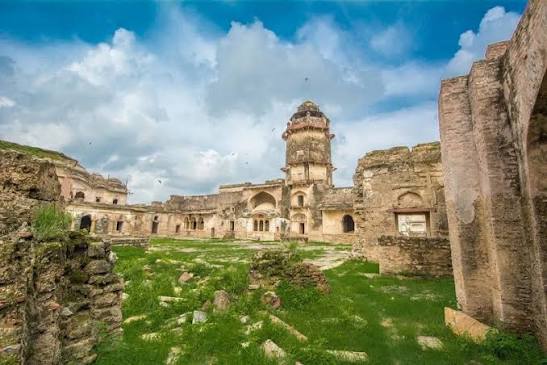
Bhind
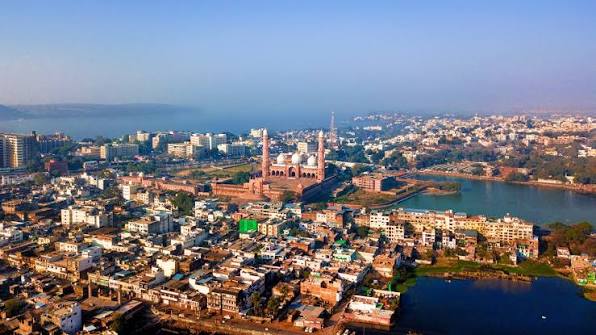
Bhopal
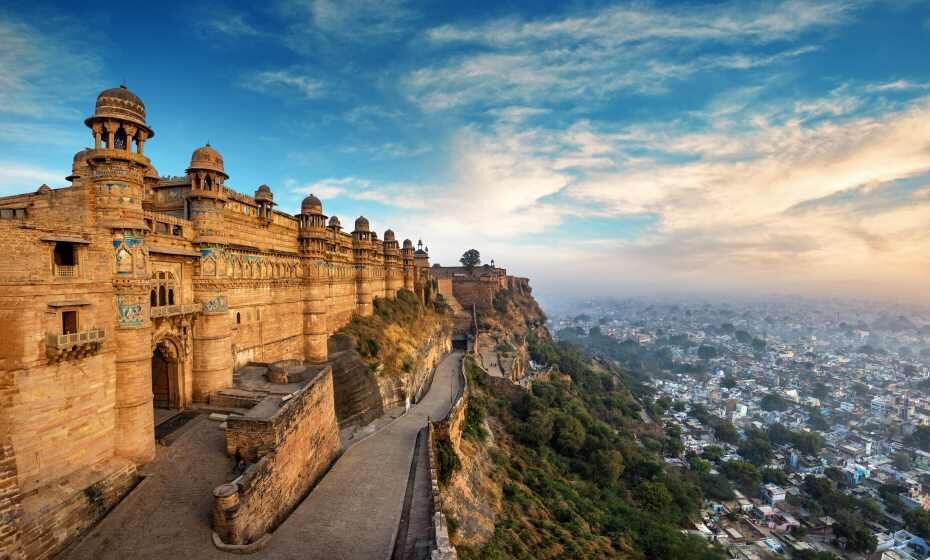
Burhanpur
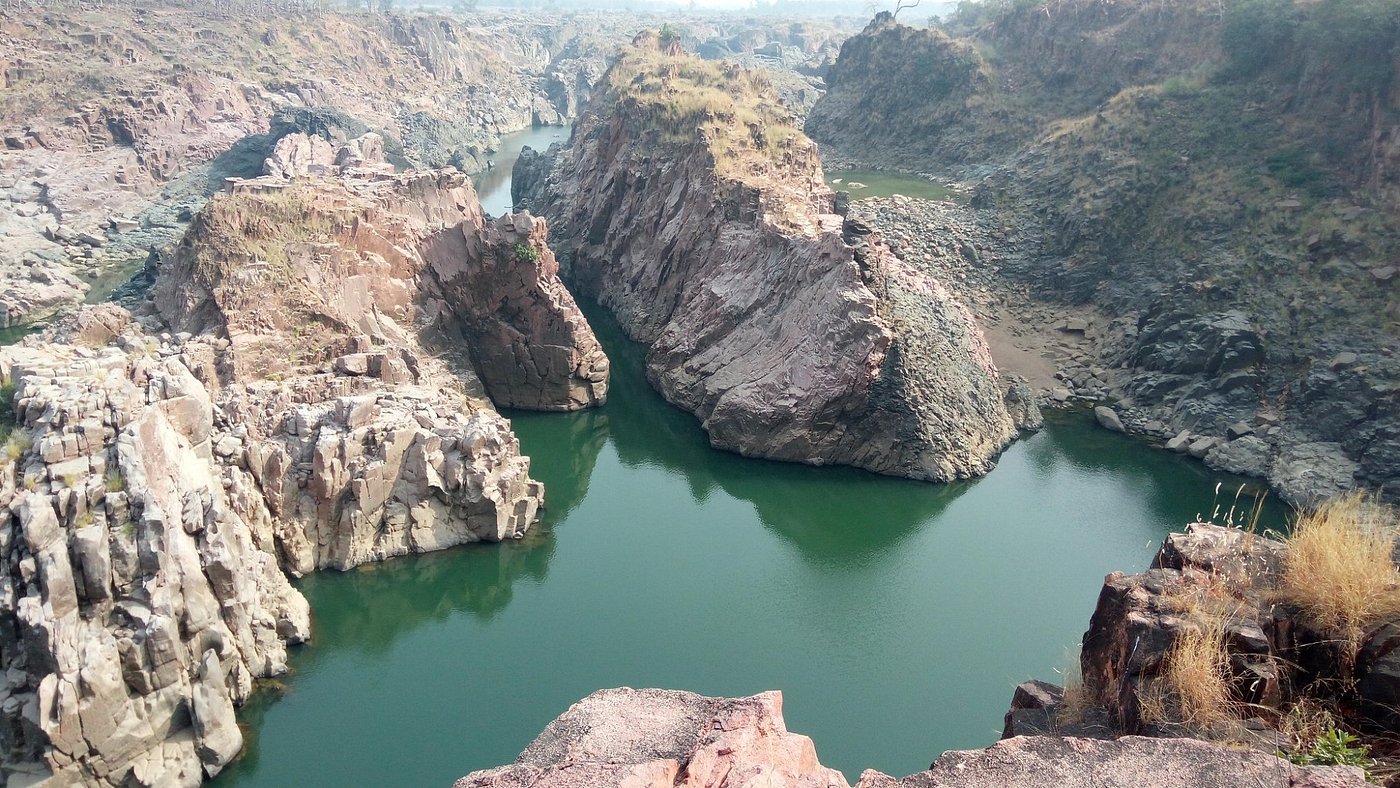
Chhatarpur
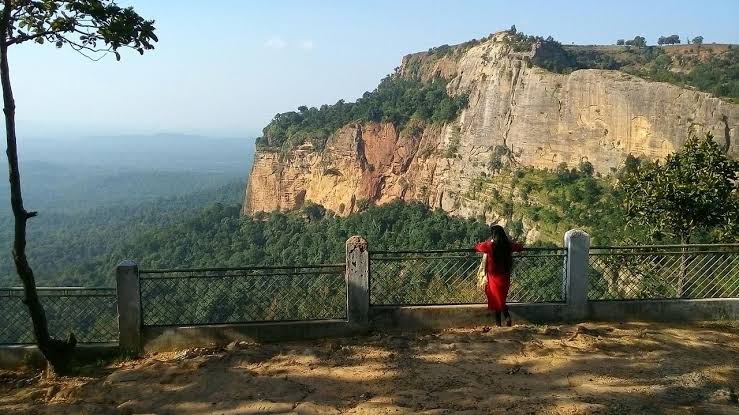
Chhindwara
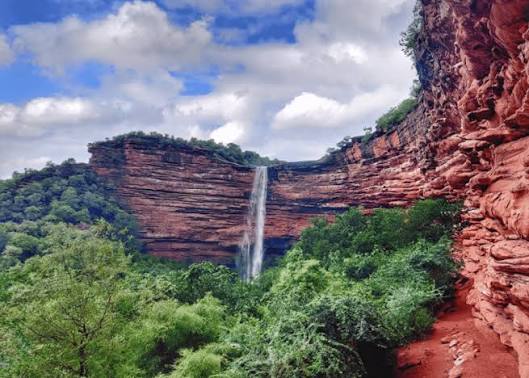
Damoh
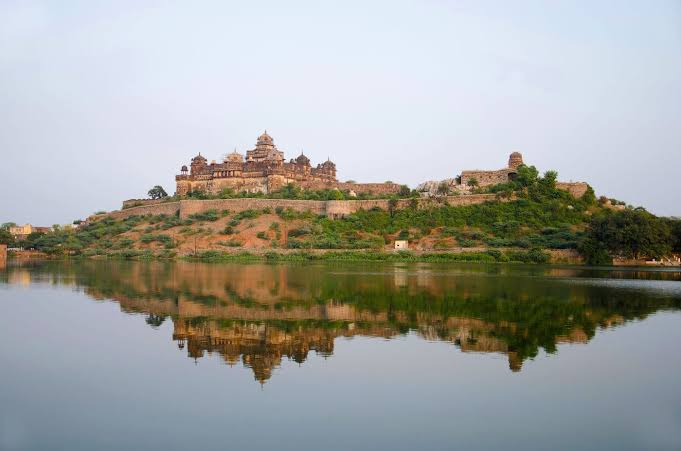
Datia
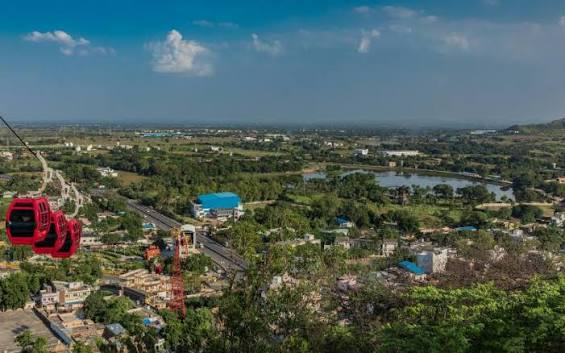
Dewas
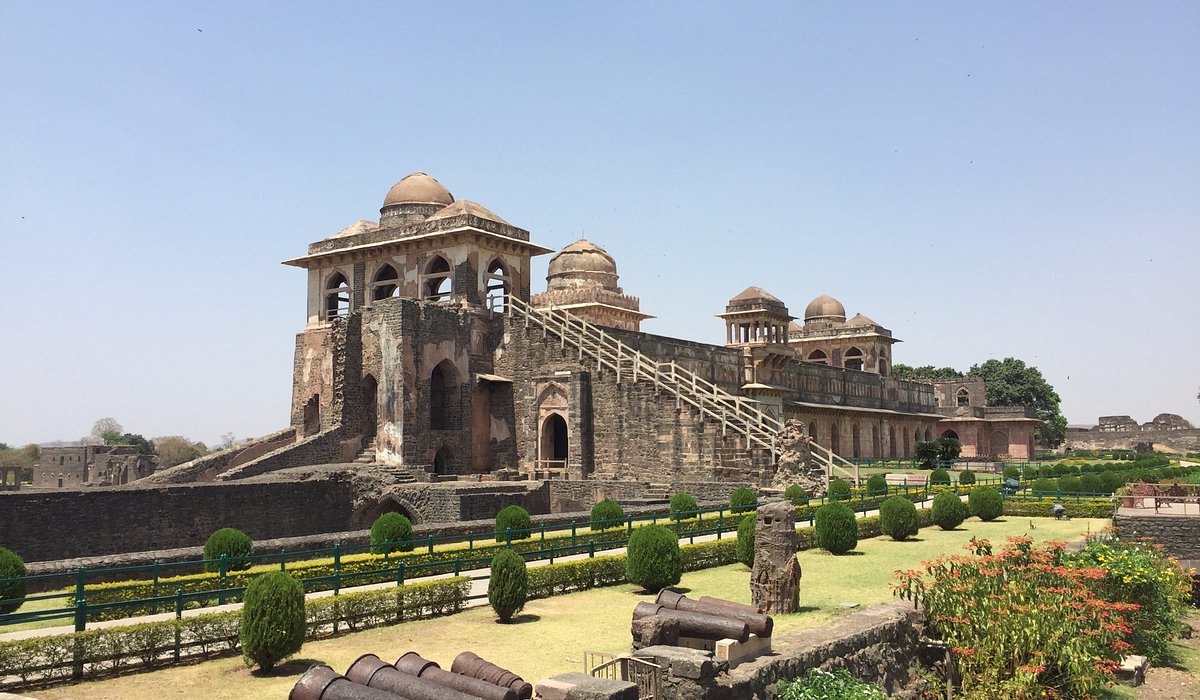
Dhar
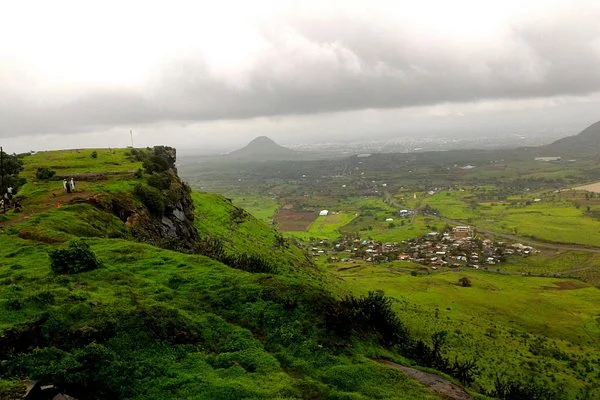
Dindori
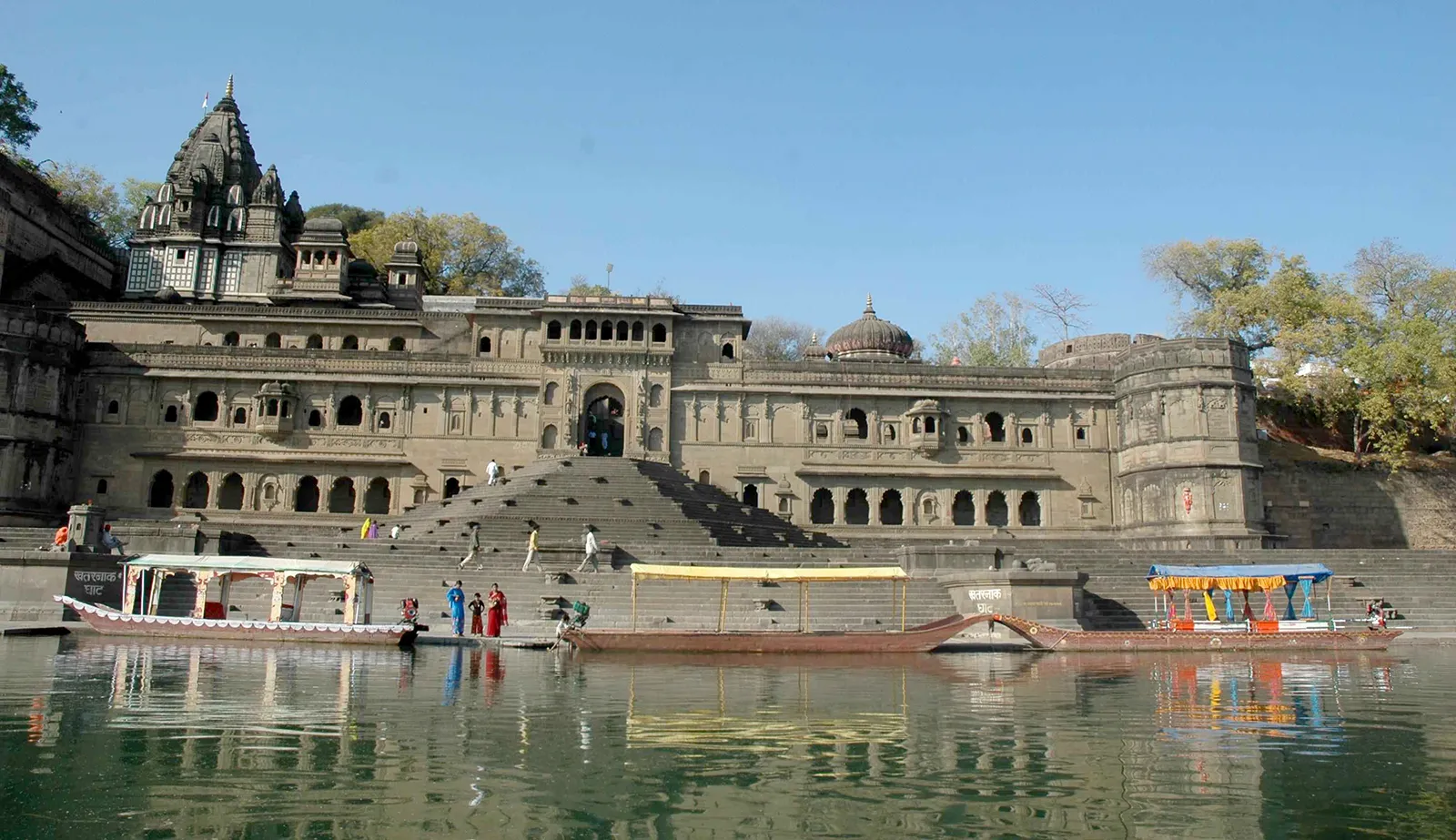
Guna
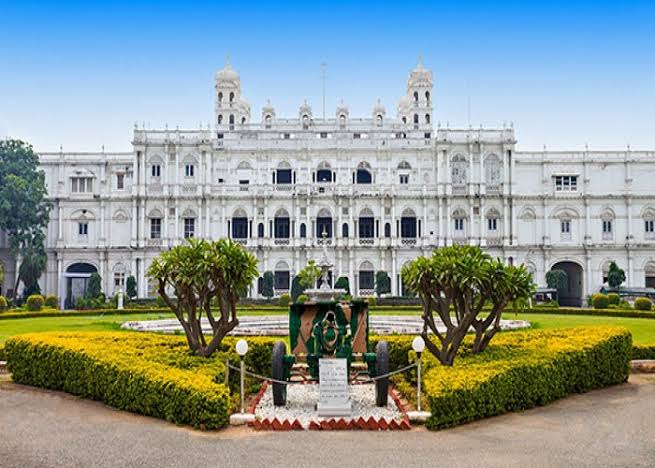
Gwalior
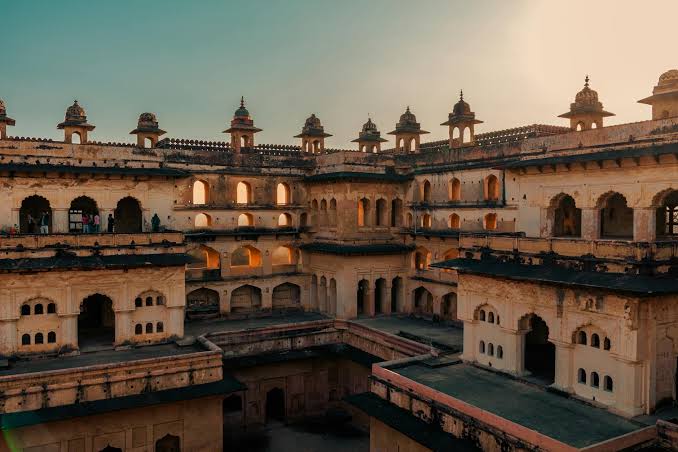
Harda
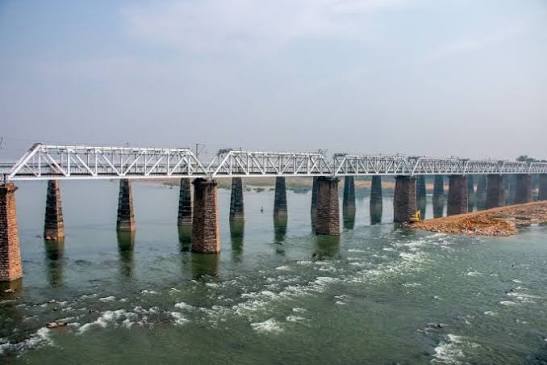
Hoshangabad
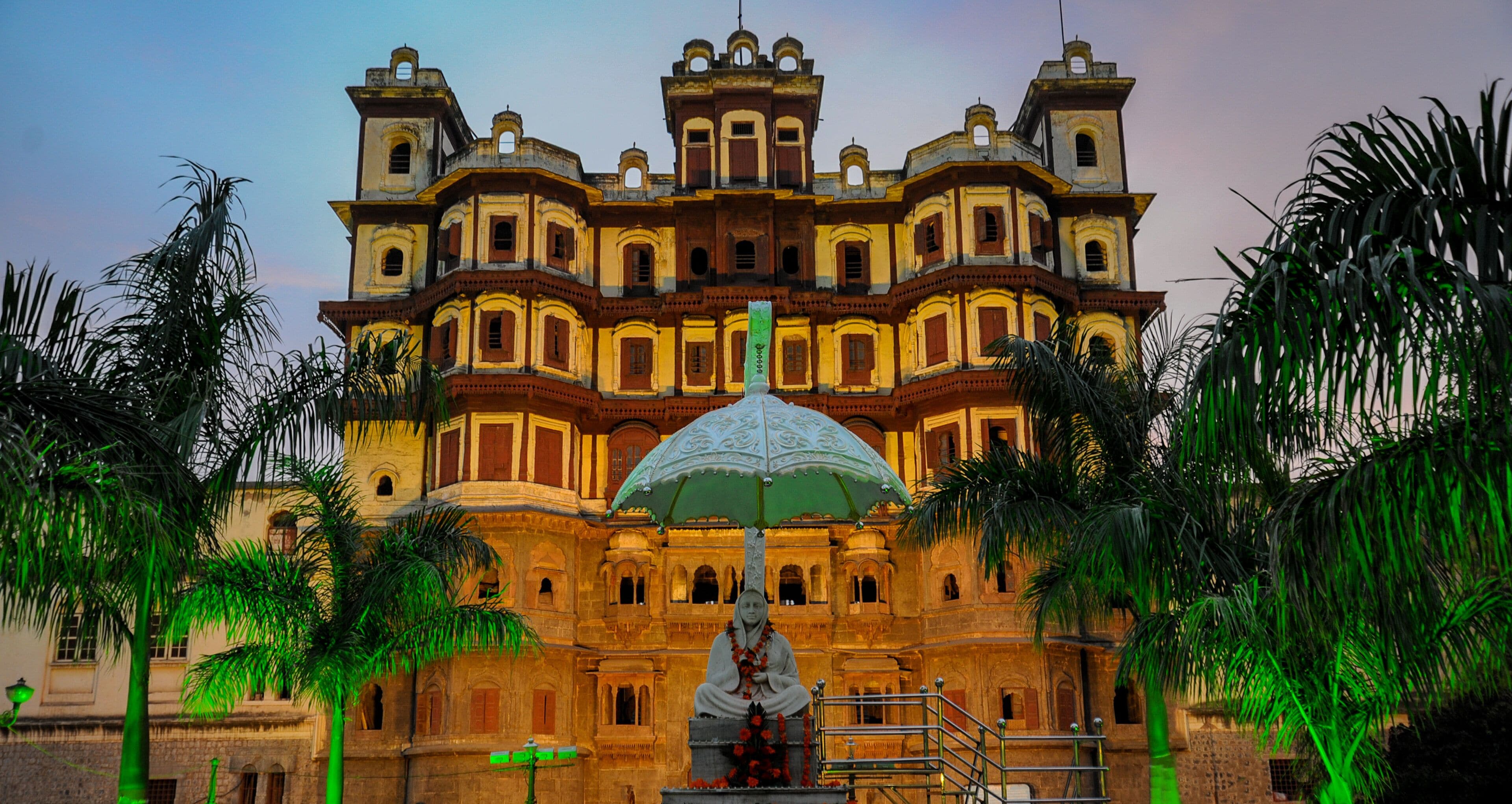
Indore
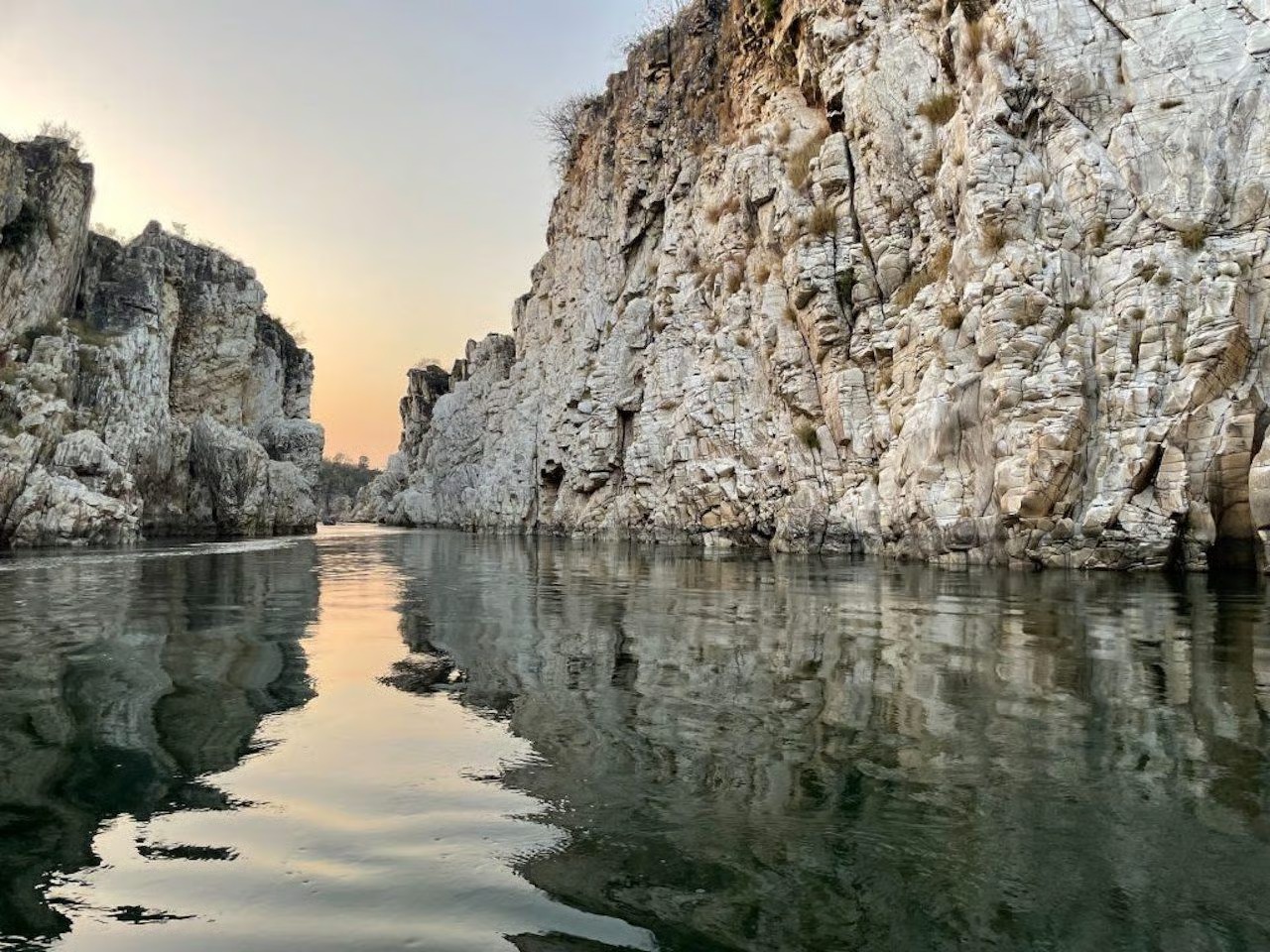
Jabalpur
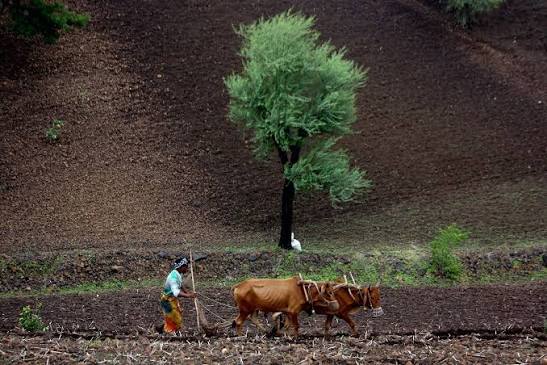
Jhabua
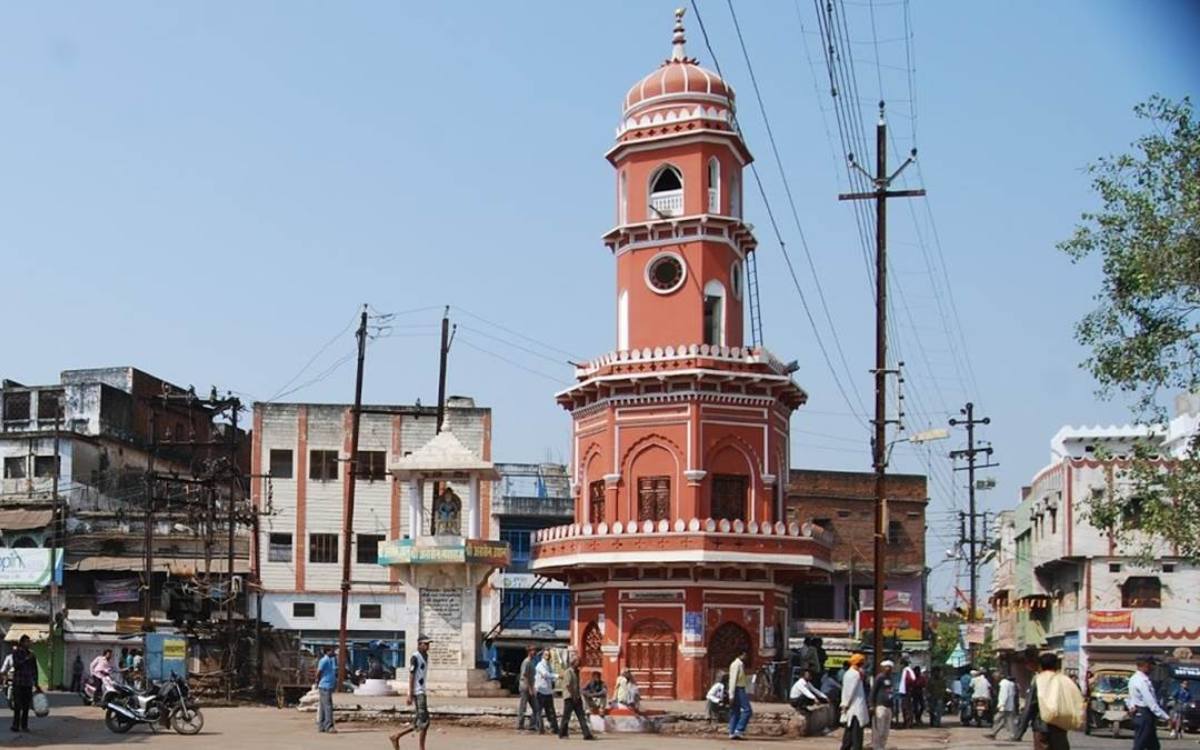
Katni
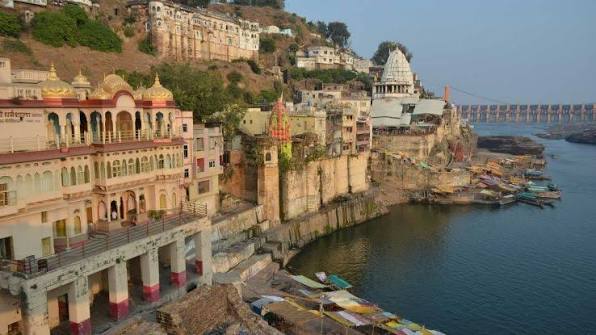
Khandwa (East Nimar)
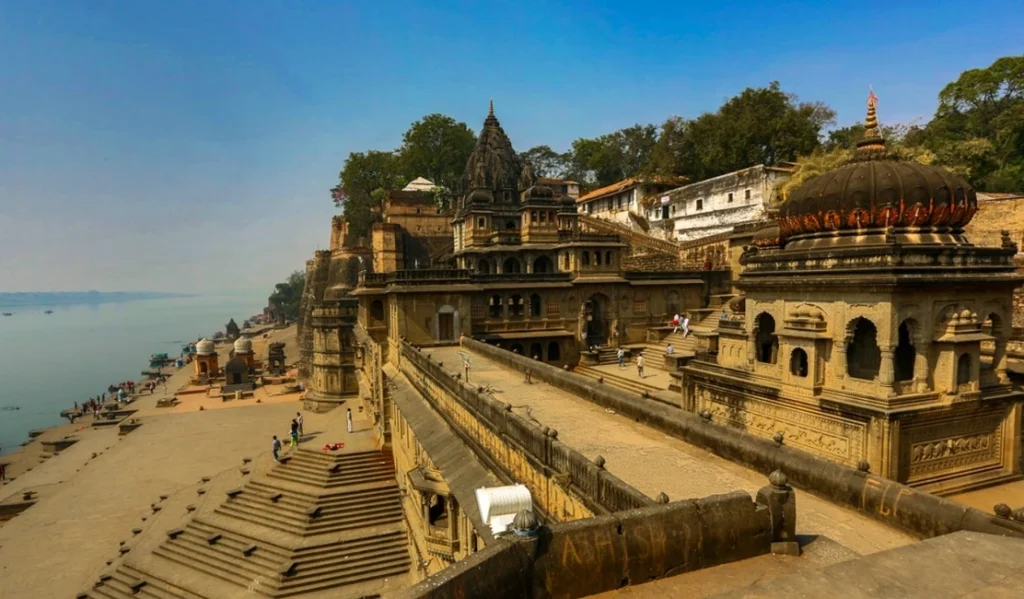
Khargone (West Nimar)
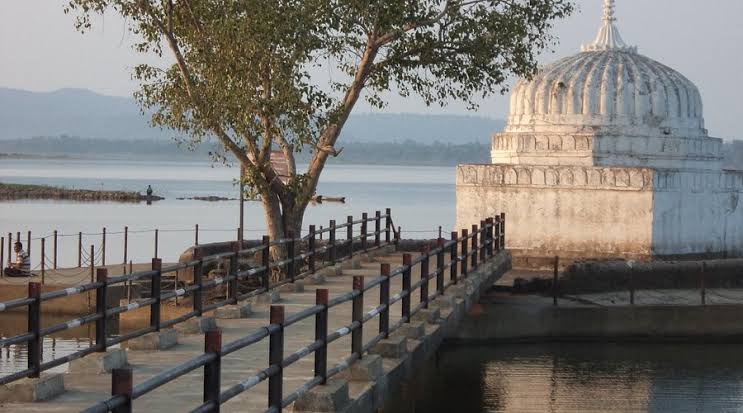
Mandla
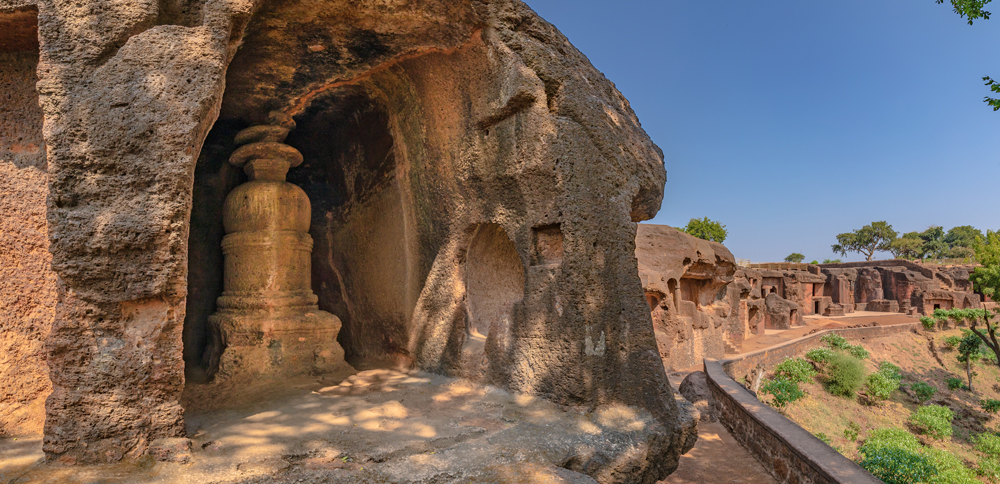
Mandsaur
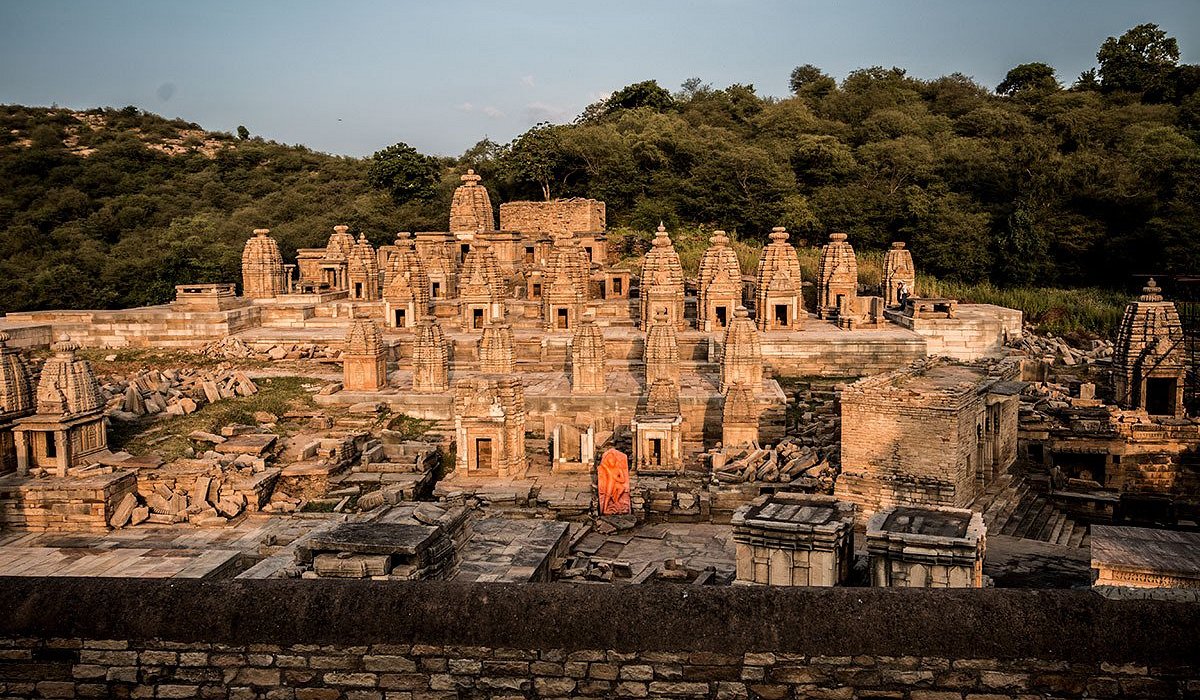
Morena
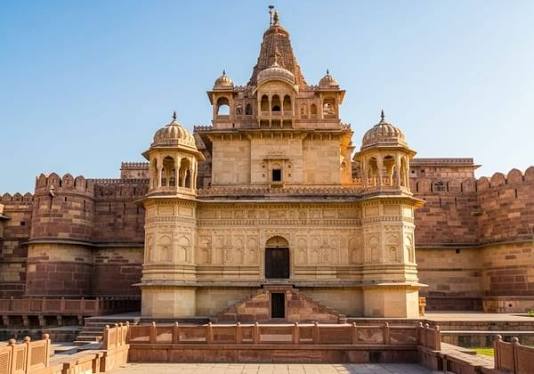
Narsinghpur
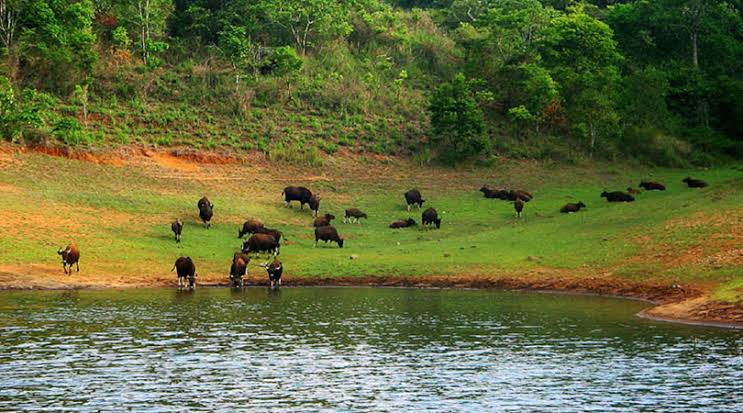
Neemuch
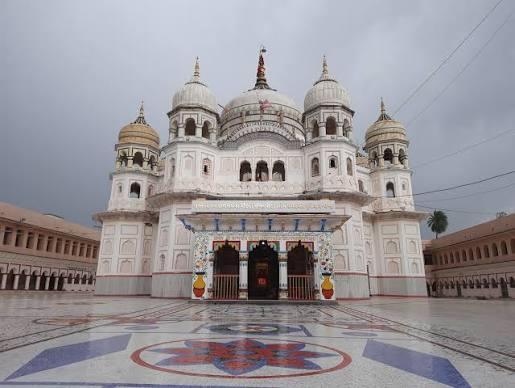
Panna
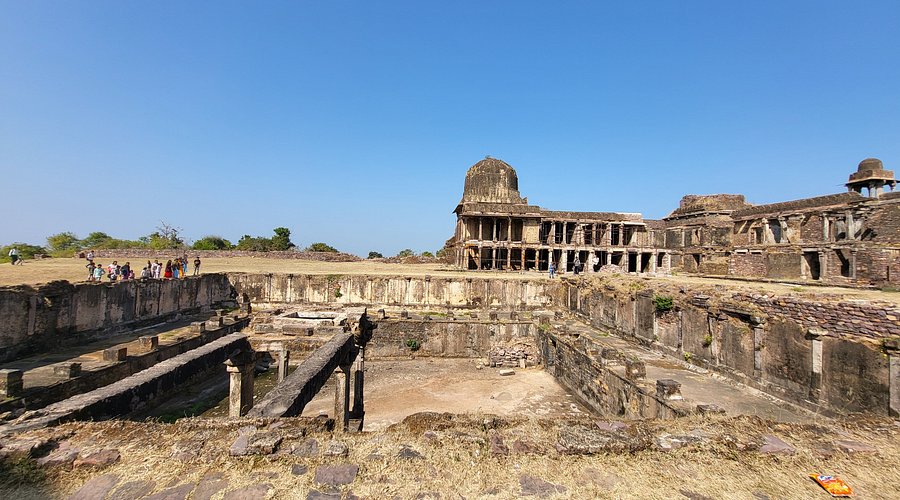
Raisen
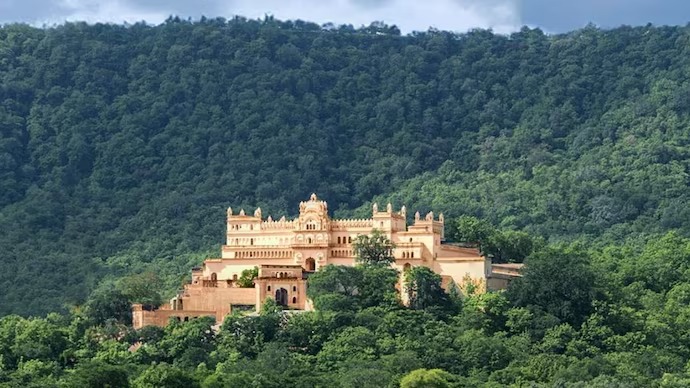
Rajgarh
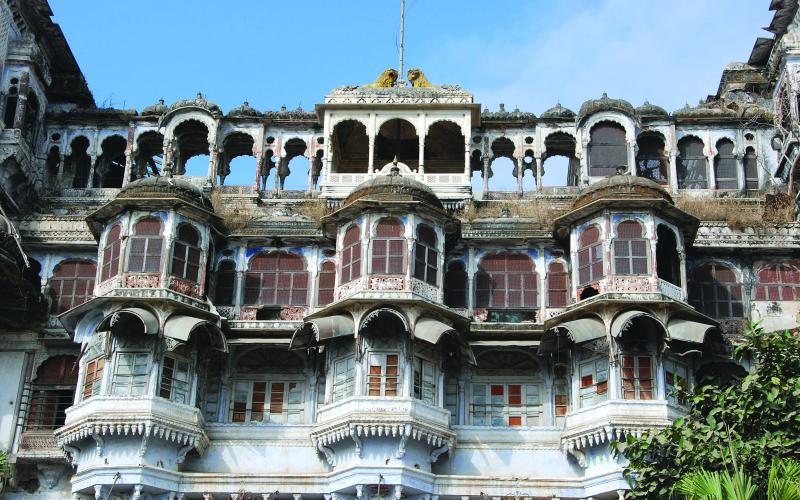
Ratlam
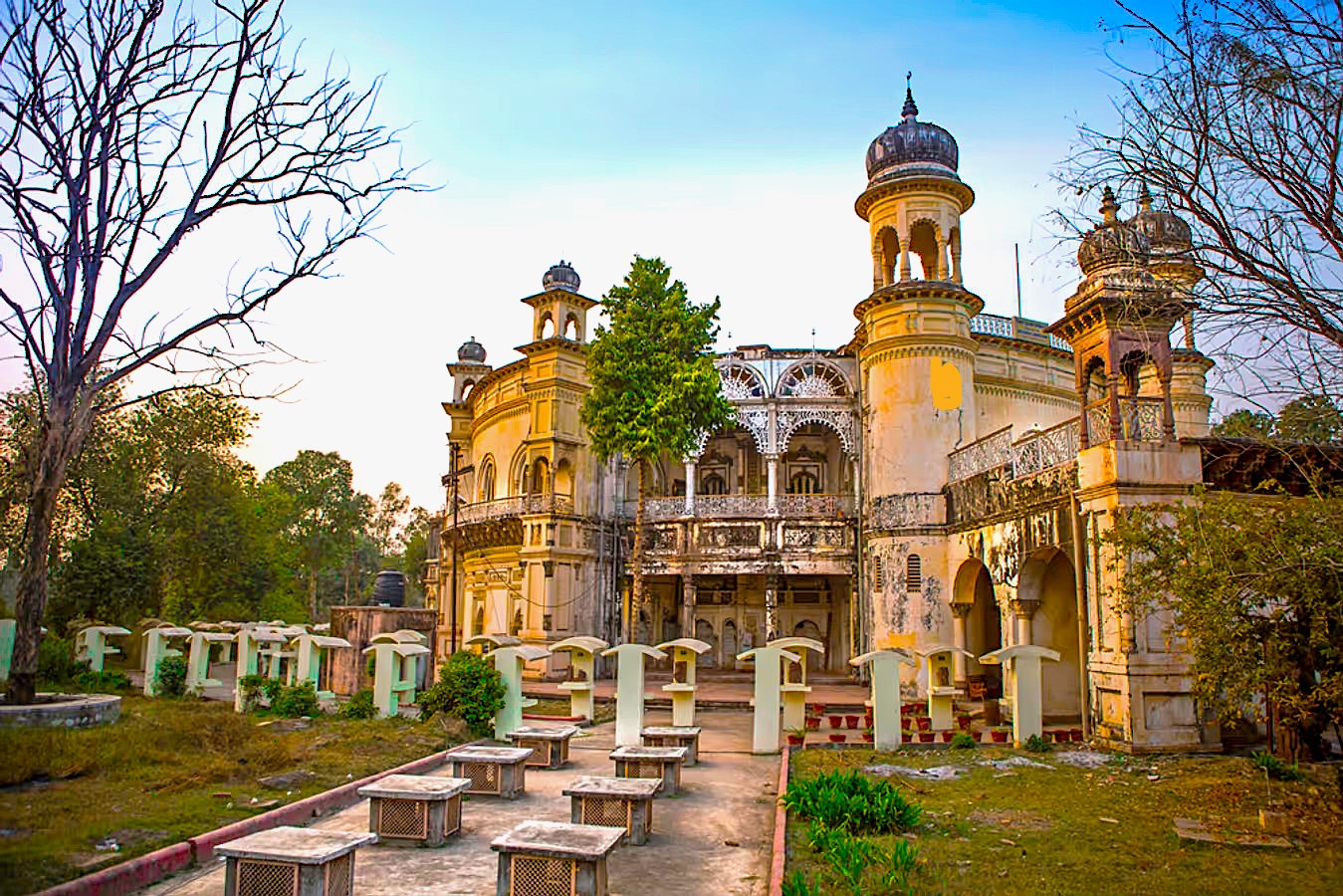
Rewa
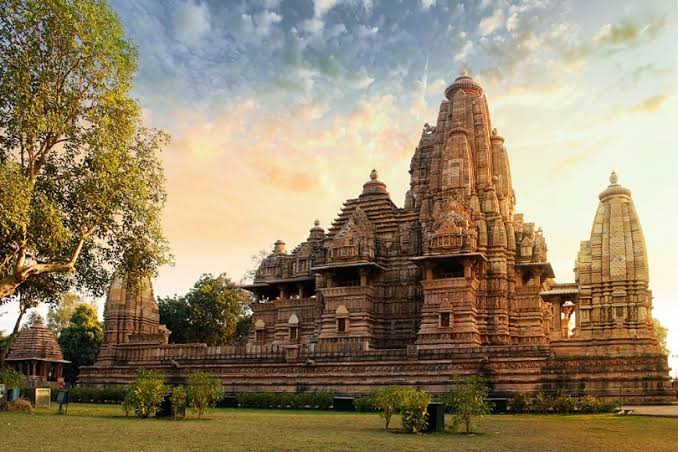
Sagar
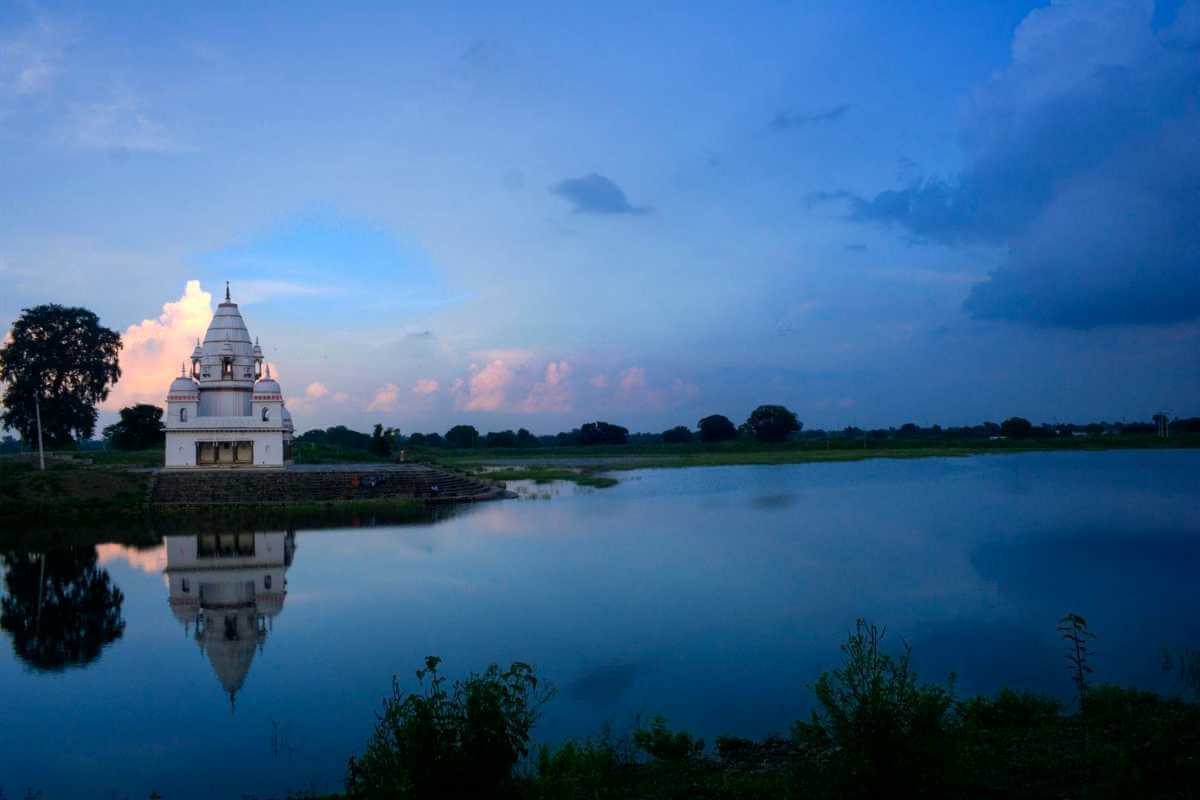
Satna
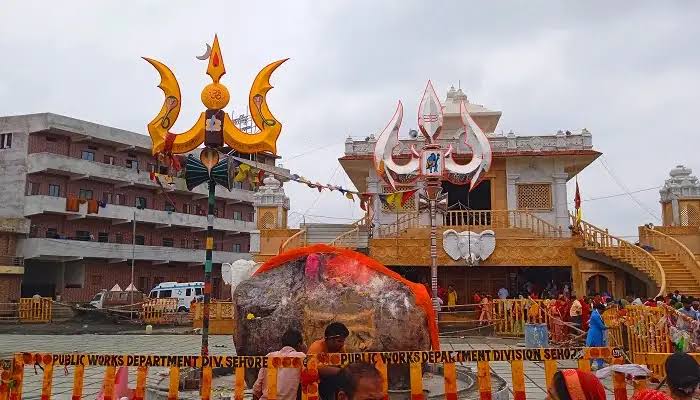
Sehore
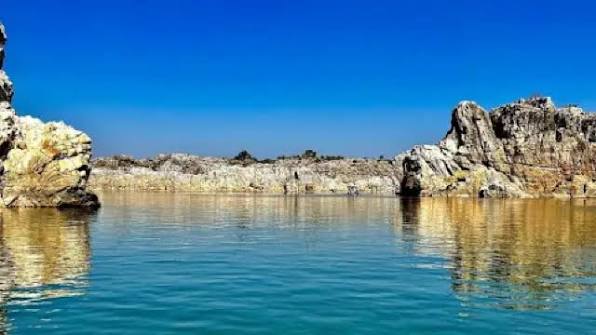
Seoni
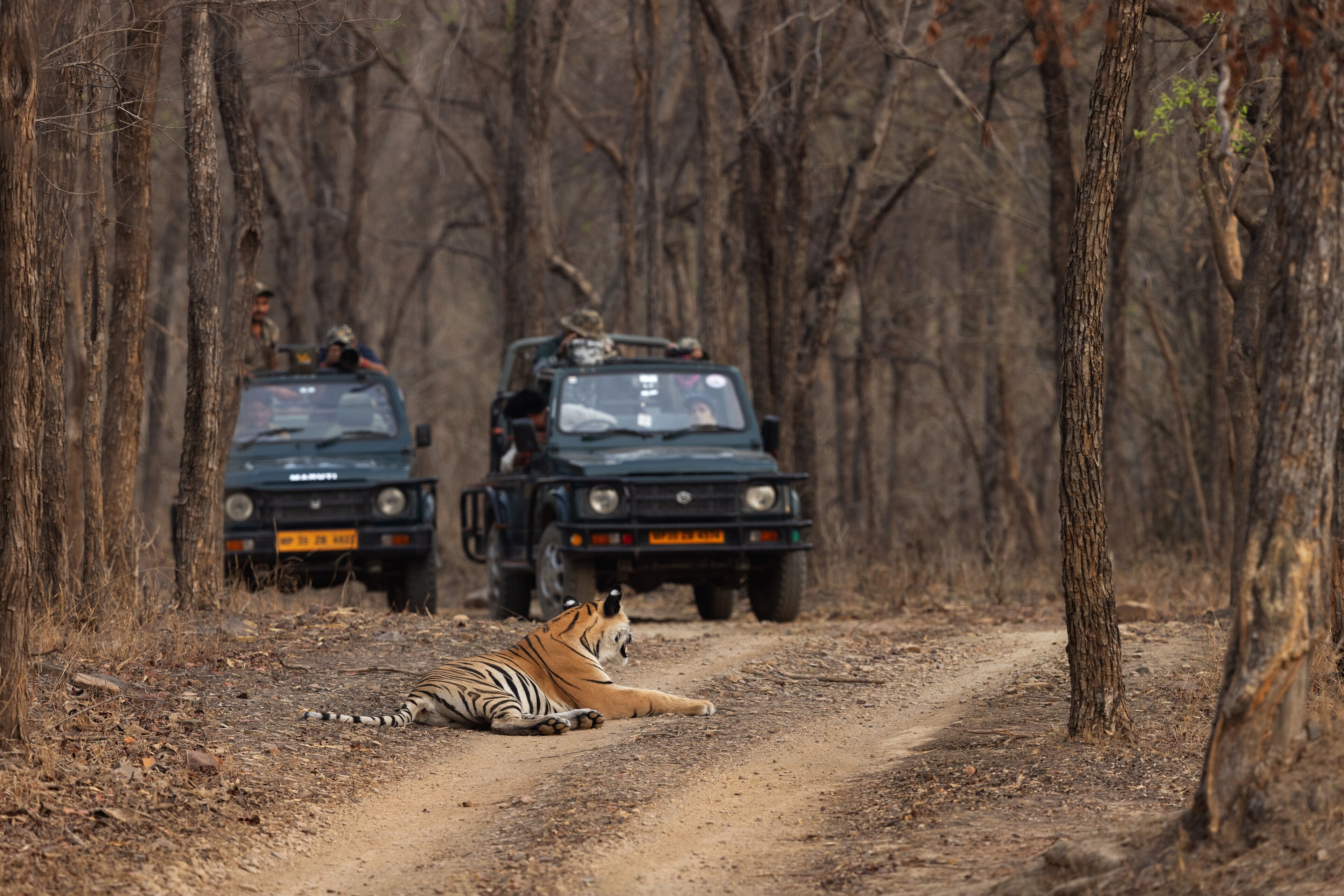
Shahdol
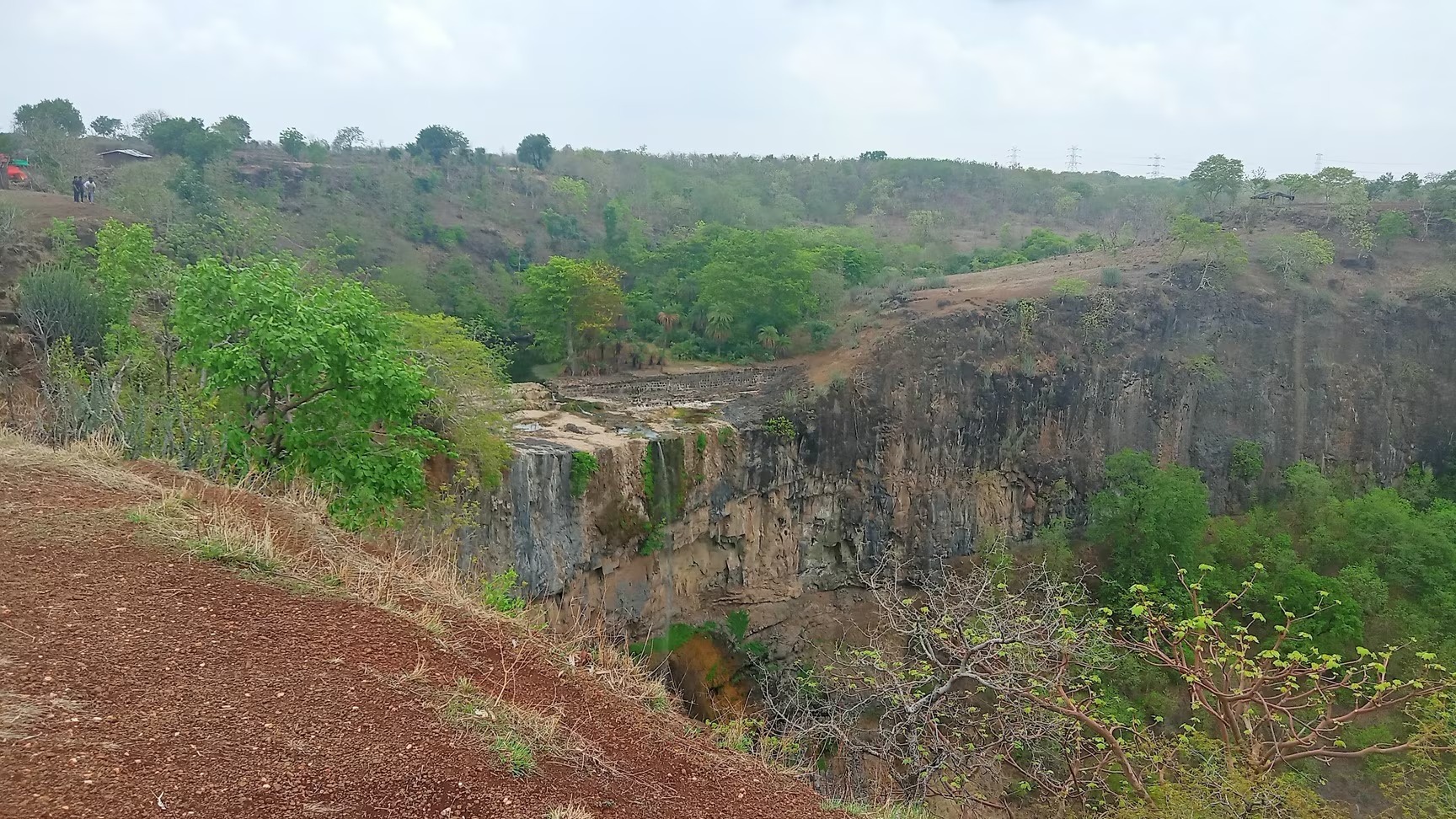
Shajapur
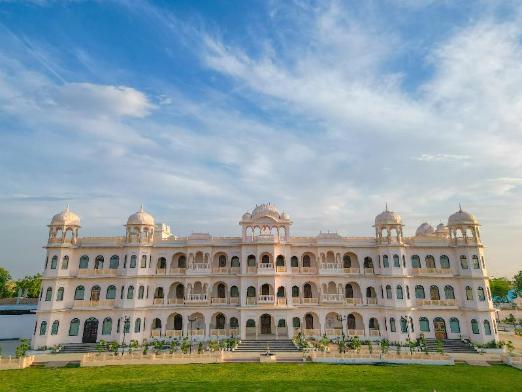
Sheopur
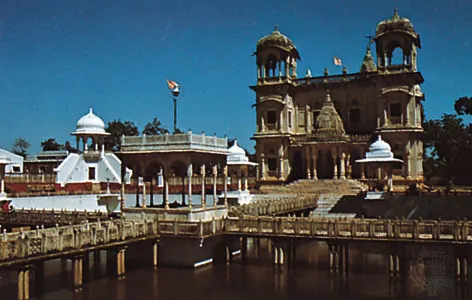
Shivpuri
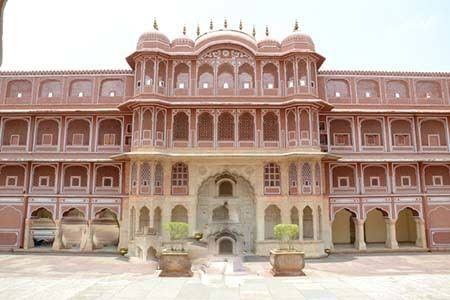
Sidhi
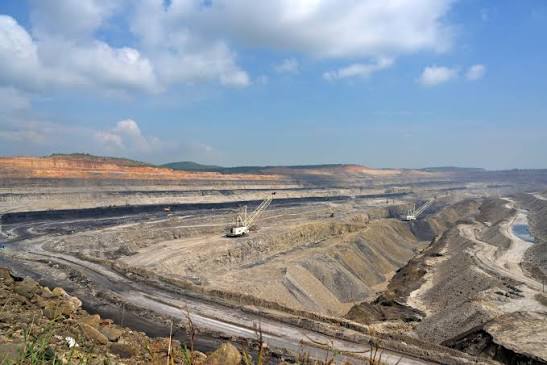
Singrauli
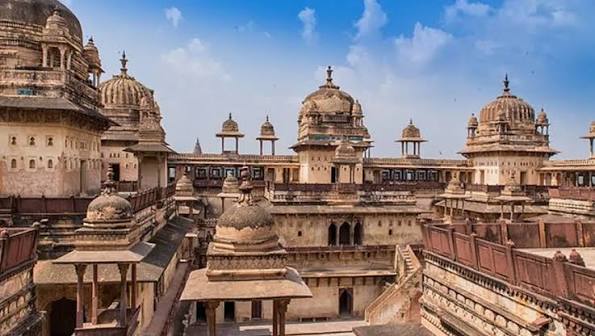
Tikamgarh
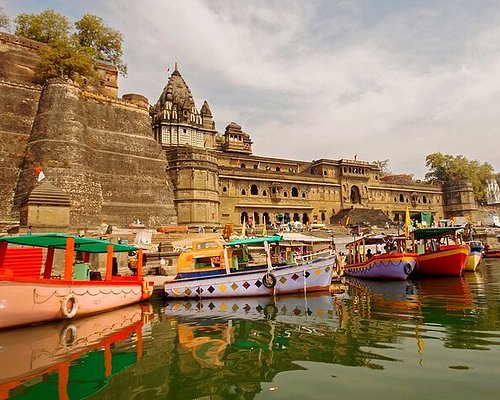
Ujjain
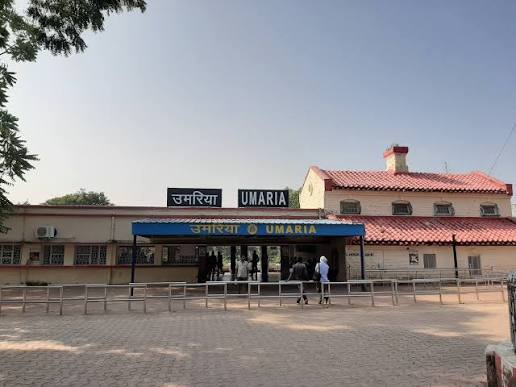
Umaria
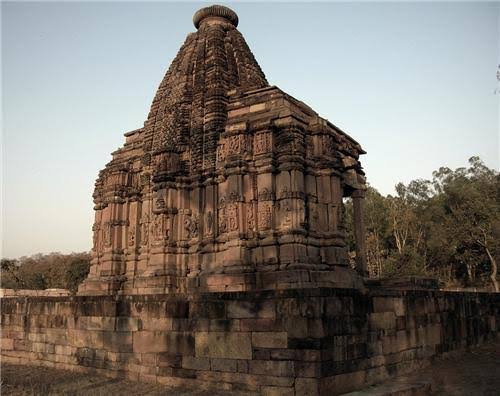
Vidisha
Madhya Pradesh – The Heart of India Where History, Wildlife and Culture Come Alive
Madhya Pradesh is one of India's most diverse travel destinations, located in the heart of the country. Known as the Heart of India, the state brings together ancient temples, historic forts, royal palaces, UNESCO World Heritage Sites, forests, rivers, wildlife, tribal traditions and vibrant festivals.
From the magnificent temples of Khajuraho and the ancient Buddhist monuments of Sanchi to the spiritual city of Ujjain, the royal heritage of Orchha and Gwalior, the forests of Kanha and Bandhavgarh and the hill landscapes of Pachmarhi, Madhya Pradesh offers experiences for history lovers, pilgrims, wildlife enthusiasts, adventure travellers, photographers and families.
History of Madhya Pradesh
Madhya Pradesh has been an important centre of Indian civilisation for thousands of years. Its central location connected northern, western, southern and eastern parts of the Indian subcontinent, making the region important for trade, politics, religion and culture.
Ancient Madhya Pradesh
The region has archaeological evidence of some of the earliest human settlements in central India. Ancient caves, rock paintings, settlements and monuments reveal a long history of human activity.
Avanti and Ujjain
Ancient Ujjain was the capital of the powerful Avanti kingdom and became an important centre of trade, learning, astronomy and religion.
Mauryan Empire
The Mauryan Empire brought large parts of the region under its influence. Emperor Ashoka played an important role in spreading Buddhism, and his association with central India can still be seen through historic Buddhist monuments.
Gupta Period
The Gupta period contributed significantly to art, architecture, literature, science and religious traditions across central India.
Chandela Dynasty
The Chandela rulers created the extraordinary temples of Khajuraho. Their architectural and sculptural traditions remain one of the greatest cultural achievements of medieval India.
Paramara Dynasty
The Paramara rulers played an important role in the history of Malwa. King Bhoja, one of the most celebrated rulers of the dynasty, is remembered for his contributions to literature, learning and architecture.
Gond Kingdoms
Gond rulers established powerful kingdoms across parts of central India. Their legacy remains visible in forts, tribal traditions, art and cultural practices across Madhya Pradesh.
Rajput and Bundela Heritage
Bundela rulers shaped the history and architecture of regions such as Orchha, Datia and parts of Bundelkhand.
Maratha Period
Maratha powers such as the Holkars, Scindias and Pawars became influential across different parts of Madhya Pradesh during the eighteenth century.
Holkar Heritage
The Holkar rulers developed important centres such as Indore and Maheshwar. Ahilyabai Holkar is particularly remembered for her administration, temple restoration and contributions to Indian pilgrimage centres.
Scindia Heritage
The Scindia dynasty played a major role in the history of Gwalior. The city's palaces, forts and royal institutions reflect this period.
British Period
During British rule, different parts of present-day Madhya Pradesh were administered through princely states and British-controlled territories. Several modern towns and transport networks developed during this period.
Formation of Madhya Pradesh
Madhya Pradesh was reorganised after Indian independence and eventually took its present form in 1956. Bhopal became the state capital, while cities such as Indore, Gwalior, Jabalpur and Ujjain developed as major regional centres.
Geography of Madhya Pradesh
Madhya Pradesh covers a large area in central India and contains a remarkable variety of landscapes including plateaus, hills, forests, rivers, valleys, agricultural plains and waterfalls.
Central Indian Location
The state shares borders with Uttar Pradesh, Chhattisgarh, Maharashtra, Gujarat and Rajasthan, giving it strong cultural connections with several parts of India.
Vindhya Range
The Vindhya hills influence the landscape of northern and central Madhya Pradesh and are closely connected with the state's geography and history.
Satpura Range
The Satpura range creates some of the state's most scenic landscapes, including the hill station of Pachmarhi and extensive forest areas.
Narmada River
The Narmada is one of India's most important rivers and flows westward across Madhya Pradesh. Cities and pilgrimage centres such as Maheshwar and Omkareshwar are closely connected with the river.
Chambal River
The Chambal flows through northern Madhya Pradesh and is known for its distinctive ravines and river ecosystem.
Betwa River
The Betwa River flows through the Bundelkhand region and provides the beautiful landscape surrounding historic Orchha.
Ken River
The Ken River is an important natural feature of Bundelkhand and flows through landscapes associated with Panna and Chhatarpur.
Forests
Madhya Pradesh has extensive forest areas that support tigers, leopards, sloth bears, deer, wild dogs, crocodiles, gharials and hundreds of bird species.
Agricultural Landscape
Agriculture is an important part of the state's economy. Wheat, soybean, pulses, rice, maize, cotton and other crops are cultivated in different regions.
Climate
Madhya Pradesh generally experiences hot summers, a monsoon season and cooler winters. Weather varies between regions, with hill destinations such as Pachmarhi offering comparatively cooler conditions.
Culture and Traditions
Madhya Pradesh has a rich cultural identity shaped by Malwa, Bundelkhand, Baghelkhand, Nimar, Gond and Bhil traditions.
Malwa Culture
Malwa is known for its distinctive language, food, folk music, festivals, architecture and traditions. Cities such as Indore, Ujjain, Dewas and Ratlam reflect this cultural identity.
Bundelkhand Culture
Bundelkhand is known for heroic folk traditions, temples, forts, folk songs, traditional stories and strong regional customs.
Nimar Culture
The Nimar region along the Narmada has distinctive traditions, festivals, food and folk performances.
Tribal Culture
Madhya Pradesh is home to several tribal communities, including Gond, Bhil, Bharia, Korku and Baiga communities. Their traditions, art, music, dance and relationship with forests form an important part of the state's cultural heritage.
Gond Art
Gond art is one of the best-known tribal art traditions of central India. Nature, animals, trees and traditional stories are commonly represented through distinctive patterns and colourful designs.
Folk Music
Folk music is an important part of village life and is performed during festivals, weddings, religious ceremonies and community gatherings.
Folk Dance
Different regions of Madhya Pradesh have their own folk dances and performance traditions, often accompanied by drums and traditional instruments.
Traditional Clothing
Traditional clothing varies across communities and regions. Sarees, dhotis, turbans and colourful tribal clothing can be seen during festivals and cultural events.
Handicrafts
The state is known for handloom textiles, tribal artwork, bamboo products, metal crafts, pottery, woodwork and traditional decorative items.
Architecture of Madhya Pradesh
Madhya Pradesh has an extraordinary architectural heritage covering ancient Buddhist monuments, Hindu and Jain temples, forts, palaces, mosques, stepwells, cenotaphs and colonial buildings.
Khajuraho Temples
The Khajuraho temples are among India's greatest examples of medieval temple architecture. Their detailed sculptures and soaring temple towers represent the artistic achievements of the Chandela period.
Sanchi Stupa
Sanchi is famous for its ancient Buddhist stupas, gateways and monasteries. The Great Stupa is one of India's most important surviving Buddhist monuments.
Gwalior Fort
Gwalior Fort stands dramatically above the city and contains temples, palaces and historic structures representing several periods of Indian history.
Orchha Architecture
Orchha is famous for Bundela architecture, including palaces, temples and cenotaphs located beside the Betwa River.
Mandu Architecture
Mandu contains magnificent medieval structures including palaces, mosques, gateways, tombs and water structures built during the Malwa Sultanate period.
Maheshwar Architecture
Maheshwar combines riverside ghats, temples and the historic Ahilya Fort, creating one of the most beautiful heritage landscapes along the Narmada.
Islamic Architecture
Historic cities such as Bhopal, Mandu, Burhanpur and several towns across Malwa contain mosques, tombs and other examples of Indo-Islamic architecture.
Famous Places in Madhya Pradesh
Khajuraho
Khajuraho is internationally famous for its UNESCO World Heritage temples and extraordinary medieval sculptures. It is one of India's most important architectural destinations.
Sanchi
Sanchi is a major Buddhist heritage destination famous for the Great Stupa, ancient gateways, monasteries and archaeological remains.
Ujjain
Ujjain is one of India's most important pilgrimage cities and is famous for Mahakaleshwar Jyotirlinga, the Kshipra River and the Kumbh Mela tradition.
Gwalior
Gwalior is known for its massive hilltop fort, royal palaces, temples, museums and strong musical heritage.
Orchha
Orchha is a historic Bundela town famous for its palaces, temples, cenotaphs and beautiful Betwa River landscape.
Mandu
Mandu is a spectacular historic city filled with palaces, mosques, gateways, lakes and monuments associated with the Malwa Sultanate.
Maheshwar
Maheshwar is famous for Ahilya Fort, Narmada ghats, ancient temples and its renowned Maheshwari handloom tradition.
Omkareshwar
Omkareshwar is an important Shiva pilgrimage centre on the Narmada and is home to one of the twelve Jyotirlingas.
Pachmarhi
Pachmarhi is a beautiful hill station in the Satpura range known for forests, waterfalls, caves, viewpoints and temples.
AmarKantak
Amarkantak is a major pilgrimage destination and the source region of the Narmada River. Its forests, temples and natural surroundings make it particularly attractive to spiritual and nature travellers.
Bhopal
Bhopal, the state capital, is known for its lakes, museums, mosques, cultural institutions and access to nearby Sanchi and Bhimbetka.
Indore
Indore is the state's largest commercial city and is famous for Rajwada, Lal Bagh Palace, Sarafa Bazaar, Chappan Dukan and its street-food culture.
Burhanpur
Burhanpur is famous for Mughal heritage, Shahi Qila, Asirgarh Fort, historic mosques, Sufi traditions and its connection with Mumtaz Mahal.
Jabalpur
Jabalpur is known for the Narmada River, Marble Rocks at Bhedaghat and the spectacular Dhuandhar Falls.
Wildlife and National Parks
Madhya Pradesh is one of India's leading wildlife destinations and is particularly famous for its tiger reserves and large forest landscapes.
Kanha National Park
Kanha is one of India's most famous national parks and is known for its tiger population, sal forests, grasslands, barasingha and diverse wildlife.
Bandhavgarh National Park
Bandhavgarh is famous for its tiger sightings and historic fort landscape. The reserve offers exciting wildlife safari experiences.
Pench National Park
Pench is known for forests, tigers, leopards, deer and birdlife and is closely associated with the landscapes that inspired aspects of The Jungle Book.
Panna National Park
Panna combines wildlife with the scenic Ken River landscape. The region is known for tigers, waterfalls, forests and nearby Khajuraho attractions.
Satpura National Park
Satpura offers a different wildlife experience with forests, hills, rivers and opportunities for jeep safaris, walking experiences and other nature activities.
Madhav National Park
Madhav National Park near Shivpuri contains forests, lakes and diverse wildlife and is closely connected with the area's former royal heritage.
National Chambal Sanctuary
The Chambal landscape is known for gharials, river dolphins, crocodiles and migratory and resident bird species.
Famous Dishes
Madhya Pradesh has a diverse food culture influenced by Malwa, Bundelkhand, Nimar, tribal traditions and neighbouring regions.
Poha
Poha is one of the most popular breakfasts in Madhya Pradesh and is commonly served with sev, onions, coriander and lemon.
Jalebi
Jalebi is a favourite sweet and is often enjoyed alongside poha, tea or during festivals.
Dal Bafla
Dal bafla is a traditional Madhya Pradesh speciality made with baked wheat-based pieces served with dal, ghee and chutneys.
Bhutte Ka Kees
Bhutte ka kees is prepared from grated corn cooked with milk and spices and is especially associated with Malwa cuisine.
Sabudana Khichdi
Sabudana khichdi is prepared with tapioca pearls, peanuts and spices and is particularly popular during fasting periods.
Indori Sev
Sev is an essential part of Indore's food culture and is used in several popular snacks and street-food preparations.
Indori Poha
Indori poha is especially popular for its combination of soft poha, sev, onions, coriander, lemon and regional seasonings.
Dal Paniya
Dal paniya is a traditional regional preparation associated with parts of western Madhya Pradesh and is enjoyed as a hearty local meal.
Bundeli Cuisine
Bundeli cuisine uses locally available grains, pulses, vegetables and spices and reflects the traditional rural lifestyle of Bundelkhand.
Malwa Cuisine
Malwa cuisine is known for spicy snacks, wheat-based dishes, dairy products and popular street foods.
Tribal Cuisine
Traditional tribal communities use locally available grains, forest products, vegetables and seasonal ingredients to create distinctive regional dishes.
Famous Personalities
Rani Ahilyabai Holkar
Rani Ahilyabai Holkar was one of the most respected rulers of Malwa and is remembered for her administration, public works and restoration of temples and pilgrimage sites across India.
Raja Bhoja
Raja Bhoja of the Paramara dynasty is remembered as a scholar-king associated with Dhar and the Malwa region. His contributions to literature, science and architecture remain part of Madhya Pradesh's heritage.
Maharaja Chhatrasal
Maharaja Chhatrasal was a major Bundela ruler who established a powerful kingdom in Bundelkhand and became one of the region's most celebrated historical figures.
Rani Durgavati
Rani Durgavati was a celebrated Gond queen remembered for her courage and resistance. Her legacy remains deeply connected with central Indian history.
Tansen
Tansen was one of the greatest figures in Indian classical music and was associated with the court of Akbar. Gwalior remains strongly connected with his musical legacy.
Kalidasa
Kalidasa is one of India's greatest classical Sanskrit poets and playwrights. Ujjain and the Malwa region are traditionally associated with important aspects of his life and literary legacy.
Makhanlal Chaturvedi
Makhanlal Chaturvedi was a renowned Hindi poet, writer and freedom movement figure associated with Madhya Pradesh.
Kishore Kumar
Kishore Kumar was one of India's most beloved singers and entertainers. He was born in Khandwa and remains strongly associated with the city.
Harivansh Rai Bachchan
Harivansh Rai Bachchan was a celebrated Hindi poet whose literary legacy is remembered across the Hindi-speaking world and central India.
Festivals of Madhya Pradesh
Khajuraho Dance Festival
The Khajuraho Dance Festival brings leading Indian classical dance traditions to the historic temple setting of Khajuraho and is one of the state's most important cultural events.
Simhastha Kumbh Mela
Ujjain hosts the Simhastha Kumbh Mela, one of India's largest religious gatherings. Pilgrims gather along the Kshipra River for sacred bathing and religious ceremonies.
Bhagoria Festival
Bhagoria is a vibrant tribal festival celebrated in parts of western Madhya Pradesh. It features traditional music, dance, colourful clothing and community gatherings.
Tansen Samaroh
The Tansen Samaroh in Gwalior celebrates Indian classical music and honours the legacy of the legendary musician Tansen.
Holi
Holi is celebrated throughout Madhya Pradesh with colours, music, sweets, community gatherings and regional traditions.
Diwali
Diwali is celebrated with lamps, decorations, prayers, sweets, shopping and family gatherings across the state.
Navratri
Navratri is celebrated with fasting, temple visits, devotional music, cultural programmes and community events.
Mahashivratri
Mahashivratri is especially significant at temples such as Mahakaleshwar in Ujjain and Omkareshwar, attracting large numbers of devotees.
Ganesh Chaturthi
Ganesh Chaturthi is celebrated with decorated idols, prayers, cultural programmes and processions.
Dussehra
Dussehra is celebrated across the state with religious ceremonies, cultural events and community gatherings.
Navakhani and Harvest Traditions
Several tribal and rural communities celebrate harvest-related traditions to mark the arrival of new crops and express gratitude for agricultural abundance.
Things to Do in Madhya Pradesh
Explore UNESCO World Heritage Sites
Visit Khajuraho, Sanchi and Bhimbetka to experience some of India's most important archaeological and cultural heritage.
Go on a Wildlife Safari
Explore tiger reserves such as Kanha, Bandhavgarh, Pench, Panna and Satpura for opportunities to experience central India's wildlife.
Visit Ancient Temples
Explore Mahakaleshwar in Ujjain, Omkareshwar, Khajuraho and hundreds of historic temples spread across the state.
Explore Forts and Palaces
Discover Gwalior Fort, Orchha, Mandu, Datia, Chanderi and other historic sites that reveal the royal heritage of central India.
Explore Tribal Culture
Visit tribal museums, cultural centres and authorised community experiences to learn about Gond, Bhil, Baiga, Bharia and other indigenous traditions.
Enjoy Hill Landscapes
Travel to Pachmarhi and other Satpura destinations for forests, waterfalls, caves, viewpoints and peaceful mountain experiences.
Visit Narmada Ghats
Experience the spiritual atmosphere of Narmada-side destinations such as Maheshwar and Omkareshwar.
Explore Local Markets
Shop for textiles, handicrafts, tribal art, jewellery, traditional clothing, souvenirs and local food products.
Try Street Food
Experience famous dishes such as poha, jalebi, sev, dal bafla, bhutte ka kees and other regional specialities.
Photography
Madhya Pradesh offers extraordinary opportunities for photography through its temples, forts, forests, rivers, wildlife, villages and cultural festivals.
Birdwatching
The state's wetlands, rivers and forests support a large variety of resident and migratory birds.
Adventure Activities
Depending on the destination, visitors can enjoy trekking, hiking, river experiences, cycling, camping and nature walks.
Where to Eat, Shop, and Stay
Indore Food Streets
Indore is one of the state's best destinations for food lovers, particularly around Sarafa Bazaar and Chappan Dukan.
Bhopal Markets
Bhopal offers traditional shopping areas with textiles, handicrafts, jewellery, handicrafts and local food.
Maheshwari Textiles
Maheshwar is famous for Maheshwari sarees and handloom textiles, making it an excellent destination for traditional shopping.
Chanderi Textiles
Chanderi is internationally known for its delicate handwoven fabrics and traditional sarees.
Tribal Handicrafts
Authorised handicraft centres and cultural markets offer Gond artwork, bamboo products, metal crafts and other traditional products.
Budget Accommodation
Major cities and tourist destinations offer budget hotels, guesthouses and homestays suitable for backpackers, pilgrims and families.
Mid-Range Accommodation
Popular tourist destinations such as Bhopal, Indore, Khajuraho, Gwalior and Ujjain offer comfortable mid-range hotels.
Luxury Accommodation
Luxury hotels, heritage properties and resorts are available in major tourist destinations, particularly around wildlife reserves and heritage cities.
Wildlife Resorts
Kanha, Bandhavgarh, Pench, Panna and Satpura have a variety of forest lodges, safari resorts and nature-focused accommodation.
What is Madhya Pradesh Famous For?
Madhya Pradesh is famous for its Khajuraho temples, Sanchi Stupa, Bhimbetka rock shelters, Mahakaleshwar Jyotirlinga, Omkareshwar, Gwalior Fort, Orchha, Mandu, national parks and tiger reserves.
The state is also famous for its Malwa, Bundelkhand and tribal cultures, traditional handicrafts, Maheshwari and Chanderi textiles and diverse regional cuisine.
Its forests and wildlife are another major attraction, with Madhya Pradesh widely recognised for its tiger reserves and rich biodiversity.
Best Time to Visit Madhya Pradesh
October to February
Winter is generally the best season for exploring Madhya Pradesh. The cooler weather is ideal for heritage sightseeing, temple visits, wildlife safaris and outdoor activities.
March to May
Summer can be hot, but it is an excellent season for wildlife safaris because animals are more likely to gather around water sources.
July to September
The monsoon transforms the state's forests, hills and countryside into lush green landscapes. Waterfalls and rivers can become particularly scenic.
Festival Season
Travellers interested in cultural experiences can plan visits around events such as the Khajuraho Dance Festival, Tansen Samaroh, Bhagoria and major religious festivals.
How to Reach Madhya Pradesh
Madhya Pradesh by Air
Madhya Pradesh has several airports, with major air connections through Indore, Bhopal, Jabalpur, Gwalior and Khajuraho. Indore is one of the state's major aviation hubs.
Madhya Pradesh by Train
The state has an extensive railway network connecting major cities such as Bhopal, Indore, Jabalpur, Gwalior, Ujjain, Ratlam and Katni with different parts of India.
Madhya Pradesh by Road
Madhya Pradesh has an extensive road network connecting its cities and tourist destinations with neighbouring states including Maharashtra, Rajasthan, Gujarat, Uttar Pradesh and Chhattisgarh.
Travelling Within the State
Trains, buses, taxis and private vehicles can be used to travel between destinations. A private vehicle or hired taxi is particularly useful for multi-destination heritage and wildlife itineraries.
Nearby States and Travel Connections
Rajasthan
Rajasthan borders Madhya Pradesh and offers a natural extension to a central Indian heritage itinerary with forts, palaces and desert landscapes.
Uttar Pradesh
Uttar Pradesh shares a long border with Madhya Pradesh and provides easy access to destinations such as Jhansi, Agra and the wider Bundelkhand region.
Maharashtra
Maharashtra lies south of Madhya Pradesh and can be combined with destinations such as Burhanpur, Nagpur and the Satpura region.
Gujarat
Western Madhya Pradesh connects naturally with Gujarat through Malwa and Narmada-region travel routes.
Chhattisgarh
Eastern Madhya Pradesh connects with Chhattisgarh through forest, tribal and central Indian cultural landscapes.
Best Duration for a Madhya Pradesh Trip
3 to 4 Days
A short trip can focus on one region, such as Bhopal and Sanchi, Indore and Ujjain, or Khajuraho and Panna.
5 to 7 Days
A week allows travellers to combine several major destinations such as Bhopal, Sanchi, Ujjain, Indore or Khajuraho.
8 to 10 Days
Eight to ten days are suitable for combining heritage, spirituality and wildlife in a multi-city itinerary.
10 to 15 Days
A longer journey allows travellers to experience several regions of the state, including Malwa, Bundelkhand, central India and Satpura.
Travel Tips
Plan According to Region
Madhya Pradesh is a large state, so avoid trying to cover every destination in a single short trip. Choose destinations based on your interests and travel time.
Book Wildlife Safaris Early
Safari permits and popular wildlife lodges can become busy during peak season. Advance planning is recommended.
Carry Water
Keep drinking water with you during outdoor sightseeing, temple visits, fort explorations and wildlife excursions.
Dress According to the Season
Light clothing is useful during summer, while warm layers are recommended during winter mornings and evenings.
Dress Respectfully at Religious Sites
Many destinations in Madhya Pradesh are active pilgrimage centres. Modest clothing and respectful behaviour are recommended.
Wear Comfortable Shoes
Historic monuments, temple complexes, forts and nature destinations often involve considerable walking.
Follow Wildlife Rules
Maintain a safe distance from animals, avoid loud noises and follow all instructions from forest officials and safari guides.
Respect Tribal Communities
When visiting tribal regions, respect local customs and ask permission before photographing people or participating in cultural activities.
Try Local Food
Every region has its own culinary identity. Try local dishes from trusted and hygienic restaurants and food stalls.
Check Monument Timings
Opening hours, entry rules and seasonal access can vary between monuments, temples, museums and protected areas.
Protect Heritage
Do not touch delicate sculptures, write on monuments, climb restricted structures or leave litter at historical sites.
Why Visit Madhya Pradesh?
Madhya Pradesh is worth visiting because it offers an exceptional combination of history, architecture, spirituality, wildlife, nature, culture, food and adventure.
Few destinations in India offer such a wide variety of experiences within one state. Visitors can explore ancient Buddhist monuments in Sanchi, medieval temples in Khajuraho, royal forts in Gwalior, Mughal heritage in Burhanpur, Bundela architecture in Orchha, spiritual centres in Ujjain and Omkareshwar and tiger habitats in Kanha and Bandhavgarh.
The state's diverse regional cultures also allow travellers to experience Malwa, Bundelkhand, Nimar and tribal traditions, making every part of Madhya Pradesh different.
Conclusion
Madhya Pradesh truly deserves its name as the Heart of India. Its ancient monuments, magnificent temples, royal palaces, sacred rivers, dense forests, wildlife reserves, tribal traditions and vibrant food culture create an extraordinary travel experience.
Whether you are interested in history, pilgrimage, architecture, wildlife, nature, adventure, photography, food, festivals or cultural exploration, Madhya Pradesh offers destinations and experiences to match almost every kind of traveller.
From the timeless temples of Khajuraho and Sanchi to the forests of Kanha and the sacred waters of the Narmada, exploring Madhya Pradesh is a journey through the history, culture and natural beauty of central India.