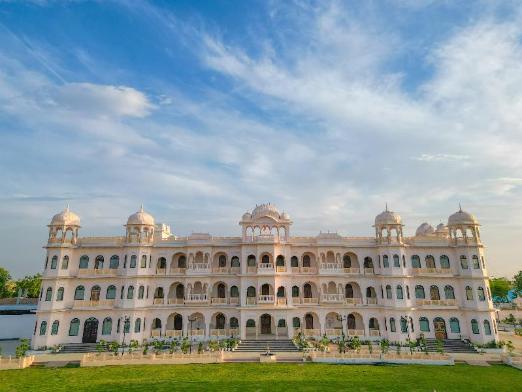
Where Cheetahs Roam Through the Wild Landscapes of Chambal
Sheopur is a fascinating destination in northern Madhya Pradesh known for its wildlife, historic forts, tribal culture and river landscapes. The district is best known for Kuno National Park, which has become internationally recognised through India's cheetah reintroduction programme. Beyond wildlife, Sheopur offers historic architecture, sacred river confluences, traditional woodcarving and the cultural heritage of the Sahariya community.
A Historic Town of Forts, Kingdoms and Forest Communities
Sheopur has a long history shaped by regional kingdoms and its strategic location near the Chambal region. The historic Sheopur Fort stands at the confluence of the Sip and Kalwal rivers and reflects the architectural traditions of the former rulers of the region.
Other historic sites such as Baroda Fort and Manpur Fort preserve the area's connections with Rajput and Gaur rulers. The district's history is also closely connected with forest communities, particularly the Sahariya tribe, whose traditions remain an important part of Sheopur's cultural identity. :chatgpt-content-reference{index="1"}
A Landscape of Forests, Rivers and Vindhyan Hills
Sheopur lies in the northern part of Madhya Pradesh and contains a varied landscape of forests, river valleys, rocky terrain and agricultural areas. The district's natural character is strongly influenced by the Vindhyan landscape and the Chambal river system.
The Kuno River, a tributary of the Chambal, flows through the region and gives Kuno National Park its name. The meeting of the Sip, Chambal and Banas rivers at Triveni Sangam is another important geographical and religious feature of the district. :chatgpt-content-reference{index="2"}
Sahariya Heritage and the Cultural Traditions of Sheopur
Sheopur has a distinctive tribal cultural identity, particularly through the Sahariya community. Traditional knowledge, folk customs, music, crafts and forest-based lifestyles remain important elements of the region's cultural heritage.
The district is also known for its woodcarving tradition. Beautifully carved wooden ceilings, doors and doorframes are among the traditional crafts that reflect the artistic character of Sheopur. :chatgpt-content-reference{index="3"}
Historic Forts and Traditional Craftsmanship
Sheopur Fort
Sheopur Fort is one of the district's most important heritage landmarks. Built near the confluence of the Sip and Kalwal rivers, the fort is noted for its stone craftsmanship. The complex includes the remains of Gujari Mahal, Narasimha Mahal and Darbar Hall, along with historic chhatris. An archaeological museum collection associated with the fort contains around 425 sculptures. :chatgpt-content-reference{index="4"}
Baroda Fort
Baroda Fort is a historic fort associated with the Khichi rulers and later the Gaur rulers of Sheopur. Its remains provide an insight into the political history of the region. :chatgpt-content-reference{index="5"}
Manpur Fort
Located around 45 km from Sheopur, Manpur Fort was built by Raja Mansingh and later came under the control of the Gaur rulers. It is an interesting destination for travellers exploring the district's lesser-known heritage. :chatgpt-content-reference{index="6"}
Famous Places to Visit in Sheopur
Kuno National Park
Kuno National Park is Sheopur's most famous attraction. Spread across about 344.686 square kilometres, the park lies in the northern Vindhyan landscape and is named after the Kuno River. It is internationally recognised for India's cheetah reintroduction programme, which brought cheetahs from Africa to the park beginning in 2022. :chatgpt-content-reference{index="7"}
Sheopur Fort
The historic Sheopur Fort is located at the meeting point of the Sip and Kalwal rivers. Its stone architecture, palace remains, chhatris and archaeological collection make it one of the best places to experience the city's heritage. :chatgpt-content-reference{index="8"}
Triveni Sangam
Triveni Sangam is a sacred confluence where the Sip, Chambal and Banas rivers meet. Located around 40 km from Sheopur, the site is an important centre of religious faith as well as a scenic riverside destination. :chatgpt-content-reference{index="9"}
Sahariya Museum
The Sahariya Museum in Sheopur Fort was established to preserve and showcase the culture of the Sahariya tribal community. It provides visitors with an opportunity to understand the traditional lifestyle and cultural heritage of one of the region's important communities. :chatgpt-content-reference{index="10"}
Dob Kund
Dob Kund is a village around 25 km from the district headquarters where the remains of two ancient temples have been discovered. The site is suitable for travellers interested in lesser-known archaeological and historical attractions. :chatgpt-content-reference{index="11"}
Baroda Fort
Baroda Fort is a historic attraction connected with the Khichi and Gaur rulers. It offers an opportunity to explore the lesser-known fortified heritage of Sheopur district.
Manpur Fort
Manpur Fort is situated around 45 km from Sheopur and is associated with Raja Mansingh. Its historic remains make it a worthwhile excursion for heritage enthusiasts.
Kaketa Reservoir
Kaketa Reservoir is one of the notable water bodies of the district. Its surrounding landscape provides a quieter natural experience away from the main urban areas. The district administration lists Kaketa among Sheopur's notable attractions. :chatgpt-content-reference{index="12"}
Pandit Ghat
Pandit Ghat is a riverside location associated with the district's local cultural and religious landscape. It provides another opportunity to experience Sheopur's connection with its rivers.
Famous Dishes of Sheopur
Dal Bafla
Dal Bafla is a traditional Madhya Pradesh meal made with baked wheat-based bafla, dal and ghee. It is a hearty dish commonly associated with the broader food culture of central India.
Poha and Jalebi
Poha with jalebi is a popular breakfast combination throughout Madhya Pradesh and is commonly available at local eateries and food stalls in Sheopur.
Local Tribal Cuisine
Traditional communities in Sheopur use locally available grains, vegetables and forest produce in their everyday food. Regional tribal cuisine provides an interesting reflection of the area's relationship with its forests and natural resources.
Famous Personalities and Cultural Associations
Sahariya Community
The Sahariya community is one of the most important cultural groups associated with Sheopur. Their traditional knowledge, crafts, folk customs and forest-based lifestyle form an important part of the district's cultural heritage.
Regional Rulers
Historic rulers associated with the Gaur and Khichi traditions contributed to the fortified heritage of Sheopur. Their influence can still be seen in sites such as Sheopur Fort, Baroda Fort and Manpur Fort.
Festivals and Cultural Celebrations
Navratri
Navratri is celebrated with religious ceremonies, temple visits and community gatherings across Sheopur and its surrounding villages.
Diwali
Diwali is celebrated throughout the district with lamps, decorations, prayers, family gatherings and festive markets.
Holi
Holi is celebrated with colours, music and community gatherings. Traditional folk practices and tribal customs add a distinctive regional character to the celebrations.
Local Tribal Fairs
Local fairs and community gatherings provide opportunities to experience the folk music, crafts and traditions of the tribal communities of Sheopur. These events form an important part of the cultural life of the district.
Things to Do in Sheopur
- Explore the wildlife and landscapes of Kuno National Park.
- Learn about India's cheetah reintroduction programme.
- Visit the historic Sheopur Fort.
- Explore the Sahariya Museum.
- Visit the sacred Triveni Sangam.
- Discover the ancient remains at Dob Kund.
- Explore Baroda Fort and Manpur Fort.
- Enjoy the scenery around Kaketa Reservoir.
- Explore traditional Sahariya culture and woodcarving.
- Try traditional Madhya Pradesh and local regional cuisine.
Where to Eat, Shop, and Stay in Sheopur
Where to Eat
Sheopur has local restaurants and food stalls serving vegetarian North Indian and Madhya Pradesh-style cuisine. Visitors can explore local markets for poha, jalebi, samosa, kachori and other popular snacks.
Where to Shop
Local markets offer traditional clothing, religious items, handicrafts, sweets and regional products. Sheopur's woodcarving tradition is particularly interesting for visitors looking for locally distinctive crafts. :chatgpt-content-reference{index="13"}
Where to Stay
Visitors can find hotels and local accommodation in Sheopur. For travellers visiting Kuno, accommodation options also include forest and tourism facilities around the park, depending on current availability. The district lists Kuno Rest House among its accommodation options. :chatgpt-content-reference{index="14"}
What is Sheopur Famous For?
Sheopur is best known for Kuno National Park and India's cheetah reintroduction programme. The district is also famous for its historic Sheopur Fort, Sahariya tribal heritage, traditional woodcarving, river landscapes and lesser-known forts and archaeological sites.
The combination of wildlife, tribal culture, historic architecture and Chambal-region landscapes makes Sheopur one of the most distinctive destinations in northern Madhya Pradesh. :chatgpt-content-reference{index="15"}
Best Time to Visit Sheopur
The best time to visit Sheopur is generally from October to March, when the weather is more comfortable for sightseeing, heritage exploration and outdoor activities.
Wildlife enthusiasts planning a visit to Kuno National Park should check the current park opening dates, safari rules and permitted zones before travelling, as access can vary by season and park management requirements.
How to Reach Sheopur
By Air
Jaipur Airport is listed by the district administration as a nearby major airport, approximately 203 km from Sheopur. Gwalior Airport is another option, located approximately 210 km away. :chatgpt-content-reference{index="16"}
By Train
The nearest major railway connection listed by the district administration is Sawai Madhopur in Rajasthan, around 65 km from Sheopur. From there, visitors can continue by taxi or bus. :chatgpt-content-reference{index="17"}
By Road
Sheopur is connected by road with Gwalior, Morena, Shivpuri, Kota and Jaipur. Regular bus services and taxis make road travel a practical way to reach the city and surrounding attractions. :chatgpt-content-reference{index="18"}
Nearby Places to Visit from Sheopur
Kuno National Park
Kuno National Park is the primary destination to combine with a Sheopur trip. Wildlife, forests and the cheetah conservation programme make it the district's standout attraction.
Sawai Madhopur
Sawai Madhopur in Rajasthan is an important nearby transport and tourism centre. It is also associated with Ranthambore National Park, making it useful for travellers planning a wider wildlife itinerary.
Shivpuri
Shivpuri is a nearby Madhya Pradesh destination known for its royal heritage, lakes, forests and Madhav National Park.
Morena
Morena can be included in a wider heritage itinerary and is known for the Bateshwar group of temples, Mitavali, Padavali and the landscapes around the Chambal region.
Gwalior
Gwalior is a major nearby heritage destination famous for Gwalior Fort, Jai Vilas Palace, historic temples and its association with Indian classical music.
Best Duration for a Sheopur Trip
A 2-day trip is suitable for exploring Sheopur Fort, the Sahariya Museum and selected nearby attractions.
A 3-day itinerary is better for combining the city with Kuno National Park and allowing enough time for a wildlife experience.
Wildlife enthusiasts can plan 3 to 4 days if they want multiple safari experiences and a slower exploration of Kuno and the surrounding countryside.
Travel Tips for Sheopur
- Check the latest Kuno National Park safari and visitor rules before travelling.
- Book wildlife safaris and accommodation in advance during peak travel periods.
- Follow all forest regulations and maintain a safe distance from wildlife.
- Carry comfortable footwear for forts, archaeological sites and outdoor attractions.
- Carry drinking water when travelling to remote areas.
- Take extra care around rivers and water bodies during the monsoon.
- Respect Sahariya communities and their cultural traditions.
- Do not litter or disturb the natural environment inside protected areas.
- Allow additional travel time because many attractions are spread across the district.
Why Visit Sheopur?
Sheopur is an excellent destination for travellers interested in wildlife, conservation, tribal culture, history and offbeat landscapes. Its biggest attraction, Kuno National Park, gives the region international importance through India's cheetah conservation efforts.
At the same time, the city itself offers a quieter cultural experience through Sheopur Fort, the Sahariya Museum, traditional woodcarving and historic settlements. The combination makes Sheopur particularly different from the better-known tourist destinations of Madhya Pradesh.
Conclusion
Sheopur is a fascinating destination where wildlife conservation, historic architecture, tribal heritage and river landscapes come together. From the forests of Kuno National Park and its cheetah story to the stone craftsmanship of Sheopur Fort and the cultural traditions of the Sahariya community, the district offers a memorable travel experience.
Whether you are visiting for wildlife, exploring lesser-known forts or discovering the cultural heritage of northern Madhya Pradesh, Sheopur provides an authentic and rewarding destination away from the state's busiest tourist circuits.
"Travel is the only thing you buy that makes you richer."