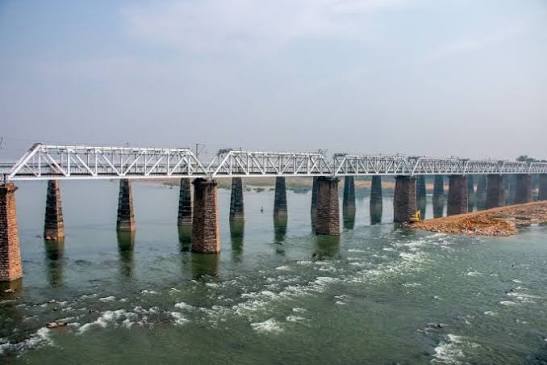
Hoshangabad – Where the Narmada Flows Through History, Faith and Satpura Landscapes
Hoshangabad, officially known as Narmadapuram, is a picturesque city on the southern bank of the Narmada River in Madhya Pradesh. The city is best known for its riverside ghats, spiritual atmosphere, historic heritage and proximity to the forests and landscapes of the Satpura region.
From the grand Sethani Ghat and ancient rock paintings of Adamgarh to nearby Tawa Dam, Madai and Pachmarhi, the region offers a combination of river heritage, nature, history and pilgrimage experiences.
History of Hoshangabad
The city has historically been associated with the name Hoshangabad, while it is now officially called Narmadapuram. The district administration states that the earlier name was associated with Hoshang Shah, the first ruler of Malwa.
The region later became part of the Nerbudda Division of the Central Provinces and Berar. After Indian independence, it became part of Madhya Bharat and subsequently Madhya Pradesh.
Hoshangabad and the Narmada
The Narmada has played a central role in the city's history and identity. Its ghats have traditionally served as places for religious activities, gatherings and cultural celebrations.
Changing Identity
The city and district are now officially known as Narmadapuram, reflecting the area's close cultural and geographical relationship with the Narmada River.
Geography of Hoshangabad
Narmadapuram is situated on the southern bank of the Narmada River. The river forms the northern boundary of the wider district, while the landscape gradually connects with the Satpura ranges toward the south.
The city lies at an elevation of around 278 metres, while the wider district contains river valleys, agricultural land, forests and hill landscapes.
Narmada and Satpura Landscape
The combination of the Narmada River in the north and the Satpura landscape in the surrounding region gives Hoshangabad a distinctive geographical character.
Culture and Traditions of Hoshangabad
Hoshangabad's cultural identity is strongly connected with the Narmada River. Religious traditions, riverside rituals, temple visits and local fairs are an important part of life in the city.
Narmada Jayanti
Narmada Jayanti is one of the major celebrations in the city. Sethani Ghat becomes especially lively during the celebrations, with large gatherings and lamps being floated on the river.
Riverside Religious Traditions
Sethani Ghat and other riverfront areas are used for prayers, religious ceremonies and spiritual gatherings. Hindu saints and religious groups also hold discourses and devotional programmes around the ghats.
Architecture of Hoshangabad
The architectural character of Hoshangabad is closely linked to its riverfront heritage, historic structures and religious sites.
Sethani Ghat
Sethani Ghat is a major architectural landmark of the city. Built in the 19th century through the contribution of Jankibai Sethani, the large riverside ghat was created to make access to the Narmada easier for devotees.
Riverfront Heritage
The broad steps and open riverfront of Sethani Ghat create one of the most recognisable visual landscapes of Narmadapuram.
Adamgarh Rock Shelters
The hills of Adamgarh contain ancient rock paintings that provide an important glimpse into prehistoric human activity in the region.
Famous Places to Visit in Hoshangabad
Sethani Ghat
Sethani Ghat is the city's most prominent attraction. The 19th-century ghat stands on the Narmada and is known for its historic, scenic and religious importance.
Adamgarh Rock Paintings
The Adamgarh Hills near Narmadapuram contain ancient rock paintings created by prehistoric communities. These paintings have survived for thousands of years and make Adamgarh an important archaeological attraction.
Bandrabhan
Bandrabhan is a scenic riverside location associated with the meeting of the Narmada and Tawa rivers. It is particularly attractive for visitors interested in river landscapes and religious traditions.
Tawa Dam
Tawa Dam stands on the Tawa River and has created the expansive Tawa Reservoir. The reservoir is surrounded by greenery and is especially scenic during the monsoon.
Madai
Madai is a gateway to the Satpura forest landscape and is associated with the Satpura Tiger Reserve. The area is suited to wildlife experiences, forest excursions and nature-based tourism.
Pachmarhi
Known as Satpura ki Rani, Pachmarhi is a hill station famous for waterfalls, forests, caves, temples and scenic viewpoints. It is one of the major attractions within the wider Narmadapuram district.
Famous Dishes of Hoshangabad
The local food culture reflects the broader flavours of central Madhya Pradesh, with simple vegetarian meals, snacks and traditional Malwa-style dishes commonly available.
Poha and Jalebi
Poha with jalebi is a popular Madhya Pradesh breakfast combination and is easy to find at local eateries.
Dal Bafla
Dal bafla is a hearty regional meal made with baked wheat-based bafla, dal, ghee and traditional accompaniments.
Samosa and Kachori
Local snack shops commonly serve samosa, kachori and other savoury snacks, making them convenient choices for a quick meal while exploring the city.
Traditional Rural Food
Villages and rural communities around the district also maintain food traditions based on locally available grains, pulses, vegetables and seasonal ingredients.
Famous Personalities and Historical Associations
Hoshang Shah
The city's historic name is associated with Hoshang Shah, an important ruler of the Malwa region.
Jankibai Sethani
Jankibai Sethani is remembered for her contribution to the construction of Sethani Ghat in the 19th century. Her contribution gave the city's most famous riverfront landmark its name.
Festivals of Hoshangabad
Narmada Jayanti
Narmada Jayanti is among the most important celebrations in the city. Large numbers of devotees gather at Sethani Ghat, where religious ceremonies and lamp-floating traditions create a memorable riverfront atmosphere.
Mahashivratri
Temples across the Narmadapuram region observe Mahashivratri with prayers, devotional programmes and gatherings.
Other Religious Celebrations
Diwali, Holi, Navratri and other Hindu festivals are celebrated throughout the city and surrounding villages with local customs and community gatherings.
Things to Do in Hoshangabad
- Watch the Narmada River from Sethani Ghat.
- Experience the spiritual atmosphere of the city's riverside ghats.
- Explore the ancient Adamgarh rock paintings.
- Visit Bandrabhan and enjoy the surrounding river landscape.
- Take a trip to Tawa Dam and Tawa Reservoir.
- Explore the forest landscapes around Madai.
- Plan a longer excursion to Pachmarhi.
- Try traditional Madhya Pradesh snacks and local food.
- Visit during Narmada Jayanti to experience the city's major riverside celebration.
Where to Eat, Shop, and Stay in Hoshangabad
Where to Eat
Local restaurants and food stalls around the main market areas are good places to try poha, jalebi, samosa, kachori and other Madhya Pradesh favourites.
Where to Shop
Hoshangabad's local markets are suitable for everyday shopping, regional snacks, household products and locally made items. Visitors can also explore markets for traditional religious goods associated with Narmada pilgrimage.
Where to Stay
Hoshangabad/Narmadapuram town works well as a base for exploring the Narmada ghats and nearby attractions. For nature-focused trips, accommodation options are also available around Tawa and Pachmarhi. The district administration lists MPT Tawa Resort and several Madhya Pradesh Tourism properties in Pachmarhi among its accommodation options.
What is Hoshangabad Famous For?
Hoshangabad is famous for the Narmada River, Sethani Ghat, Narmada Jayanti celebrations, Adamgarh rock paintings and its proximity to Tawa, Madai and Pachmarhi.
The city's strongest identity comes from its riverfront heritage, while the wider district adds forests, wildlife, reservoirs and Satpura landscapes to the travel experience.
Best Time to Visit Hoshangabad
The best time to explore Hoshangabad is generally from October to March, when the weather is more comfortable for sightseeing and outdoor activities.
The monsoon season can be particularly attractive for Tawa Reservoir and surrounding greenery, although visitors should check local weather and road conditions before planning outdoor excursions.
How to Reach Hoshangabad
By Train
Narmadapuram Railway Station provides rail connectivity to the city through the wider railway network. The nearby Itarsi Junction is an important railway hub and provides additional connectivity.
By Road
Narmadapuram is connected by road with Bhopal and Itarsi. Road travel is also convenient for visiting Tawa and other attractions around the district.
By Air
The nearest major airport is Raja Bhoj Airport in Bhopal. The district administration places Bhopal around 70 km from Narmadapuram.
Nearby Places to Explore
Tawa
Tawa is known for its large reservoir, greenery and scenic surroundings. Tawa Dam is around 25 km from Narmadapuram Railway Station according to the district administration.
Madai
Madai provides access to the Satpura forest landscape and is an excellent choice for travelers interested in wildlife and nature.
Pachmarhi
Pachmarhi is a major hill-station destination within the district. It offers waterfalls, caves, temples, viewpoints and forest landscapes. The district administration lists it at around 110 km from Narmadapuram by road.
Satpura Tiger Reserve
The Satpura Tiger Reserve is one of the region's major wildlife destinations, offering a chance to experience the forests and biodiversity of the Satpura landscape.
Best Duration for a Hoshangabad Trip
2 days are suitable for exploring Narmadapuram city, Sethani Ghat, Adamgarh and nearby riverside attractions.
A 3 to 4-day trip is better if you want to combine the city with Tawa, Madai or other nature destinations.
For a broader Satpura itinerary including Pachmarhi, plan additional days rather than rushing through the region.
Travel Tips for Hoshangabad
- Visit Sethani Ghat around sunrise or sunset for a pleasant riverside experience.
- Carry comfortable footwear when visiting ghats and archaeological sites.
- Check local conditions before visiting forests, waterfalls or reservoir areas.
- Respect religious customs around the Narmada and temple areas.
- Avoid littering near the river and natural attractions.
- Keep extra time if you plan to combine Hoshangabad with Tawa, Madai or Pachmarhi.
- Winter is generally more comfortable for extensive sightseeing.
Why Visit Hoshangabad?
Hoshangabad is ideal for travelers who want a destination combining riverfront spirituality, history, archaeology and nature. The city itself can be explored at a relaxed pace, while the surrounding Narmadapuram region opens the door to reservoirs, forests, wildlife and hill landscapes.
Its location between the Narmada River and the Satpura region makes it particularly attractive for travelers who want to experience a less crowded side of Madhya Pradesh.
Conclusion
Hoshangabad, officially Narmadapuram, is a destination where the Narmada River forms the heart of the landscape and local culture. From the historic Sethani Ghat and Adamgarh rock paintings to the forests of Madai, waters of Tawa and hills of Pachmarhi, the region offers a diverse travel experience.
For travelers exploring Madhya Pradesh tourism, Hoshangabad is an excellent stop for discovering the state's riverside heritage, spiritual traditions and Satpura landscapes.
"Travel is the only thing you buy that makes you richer."