Gwalior – The Fort City of Royal Grandeur, Ancient Temples and Classical Music
Gwalior is one of the most historic cities in Madhya Pradesh, famous for its magnificent hilltop fort, royal palaces, ancient temples, museums and deep connection with Indian classical music. Rising around the dramatic Gwalior Fort, the city brings together centuries of Rajput, Tomar, Mughal, Maratha, Scindia and colonial history.
Gwalior is also celebrated as an important centre of Hindustani classical music. The city is closely associated with the legendary musician Tansen and the renowned Gwalior gharana. From exploring historic monuments and royal residences to tasting local sweets and experiencing music festivals, Gwalior offers a rich combination of heritage, culture, architecture and local traditions.
History
Gwalior has a long and fascinating history shaped by powerful dynasties, military conflicts, religious traditions and royal patronage.
Early History
The region around Gwalior has been inhabited for centuries and contains archaeological and religious remains from different periods of Indian history.
Legend of Gwalipa
According to tradition, the city takes its name from the sage Gwalipa, who is associated with the origin of the historic settlement and the story of its fort.
Gwalior Fort
The massive hilltop fort has been the centre of Gwalior's political and military history for centuries. Its strategic position made it one of the most important fortresses of central India.
Tomar Dynasty
The Tomar rulers played a major role in Gwalior's history, particularly during the fifteenth century. Raja Man Singh Tomar transformed Gwalior into an important centre of architecture, art and music.
Man Mandir Palace
Raja Man Singh Tomar commissioned the magnificent Man Mandir Palace within Gwalior Fort. Its colourful decorative tiles and distinctive architecture remain among the fort's major attractions.
Mughal Period
Gwalior came under Mughal control at different stages of its history. The fort continued to be strategically important and was used by several ruling powers.
Maratha and Scindia Rule
The Scindia dynasty became one of the most influential ruling families in Gwalior. Their period shaped the city's later political, architectural and cultural identity.
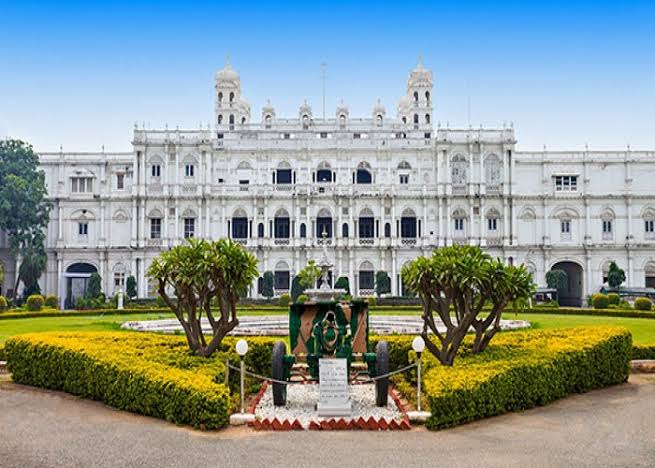
Jai Vilas Palace
The Scindia rulers built the grand Jai Vilas Palace in the nineteenth century, combining European architectural influences with Indian royal traditions.
British Period
Gwalior State maintained its princely status under British paramountcy. The city became an important political and administrative centre in central India.
Revolt of 1857
Gwalior played an important role during the uprising of 1857. The city's fort and surrounding region became part of the military conflict involving several major historical figures.
Modern Gwalior
After Indian independence, Gwalior became part of Madhya Pradesh and developed into an important educational, commercial, cultural and tourism centre.
Geography
Gwalior is located in northern Madhya Pradesh within the broader cultural landscape of the Gwalior-Chambal region.
Gwalior Plateau
The city is surrounded by relatively dry plains and rocky elevated terrain typical of northern Madhya Pradesh.
Gwalior Fort Hill
The sandstone hill supporting Gwalior Fort dominates the city skyline and provides the defining geographical feature of Gwalior.
Chambal Region
Gwalior lies close to the Chambal region, which is known for ravines, rivers and distinctive dry landscapes.
Rivers and Water Bodies
Several seasonal streams and water bodies occur around the wider Gwalior region, while historic reservoirs and lakes have supported settlements for centuries.
Climate
Gwalior experiences hot summers, a monsoon season and cooler winters. Winter is generally the most comfortable season for sightseeing.
Natural Landscape
The surrounding countryside consists largely of agricultural land, dry vegetation, rocky terrain and scattered forest areas.
Culture and Traditions
Gwalior's cultural identity is strongly influenced by royal traditions, Hindu and Jain heritage, Bundelkhand and northern Indian culture and classical music.
Gwalior Gharana
The Gwalior gharana is one of the oldest and most influential traditions of Hindustani classical vocal music. The city continues to hold an important place in India's musical heritage.
Tansen's Legacy
The legendary musician Tansen is one of Gwalior's most celebrated cultural figures. His tomb and annual music festival continue to connect the city with classical music.
Folk Traditions
Beyond classical music, Gwalior and the surrounding region have traditions of folk songs, dances and storytelling performed during festivals, weddings and community gatherings.
Local Language
Hindi is widely spoken in Gwalior, while Bundeli, Braj and other regional linguistic influences can be heard across the surrounding area.
Traditional Clothing
Traditional Indian clothing such as sarees, kurtas, dhotis and turbans can be seen during festivals, religious ceremonies and cultural events.
Religious Traditions
Temples, Jain monuments, mosques and other religious structures demonstrate the diverse spiritual history of the city.
Handicrafts
Local markets offer textiles, decorative products, traditional artwork, handicrafts, jewellery and souvenirs associated with Madhya Pradesh and northern India.
Royal Culture
The legacy of the Scindia rulers remains visible in palaces, museums, cultural institutions and historic neighbourhoods throughout Gwalior.
Architecture
Gwalior is one of Madhya Pradesh's richest architectural destinations, featuring forts, palaces, temples, rock-cut monuments, tombs, museums and colonial-era buildings.
Gwalior Fort
Gwalior Fort is the city's defining architectural landmark. Its massive walls, gateways, palaces, temples and rock-cut sculptures reflect several centuries of Indian history.
Man Mandir Palace
Man Mandir Palace is one of the most distinctive structures within the fort, known for its colourful tile decorations, carved details and imposing exterior.
Gujari Mahal
Gujari Mahal was built by Raja Man Singh Tomar for Queen Mrignayani. It now houses an archaeological museum containing sculptures and historical objects.
Sas Bahu Temples
The Sas Bahu Temples, also known as the Sahastrabahu temples, are famous for their intricate carvings and impressive medieval temple architecture.
Teli Ka Mandir
Teli Ka Mandir is an unusual temple within Gwalior Fort that combines architectural influences and features a tall, distinctive tower.
Jai Vilas Palace
Jai Vilas Palace is an enormous nineteenth-century royal residence built by the Scindia family. Its European-inspired interiors and royal collections make it one of Gwalior's major attractions.
Sun Temple
Gwalior's Sun Temple is inspired by the famous Konark tradition and features architectural elements dedicated to the Sun God.
Scindia Chhatris
The Scindia Chhatris are elegant memorial structures associated with the Scindia royal family and showcase a mixture of Hindu and Indo-Islamic architectural influences.
Gopachal Parvat
Gopachal Parvat contains a remarkable collection of Jain rock-cut sculptures carved into the sandstone cliffs below Gwalior Fort.
Famous Places
Gwalior Fort
Gwalior Fort is the city's most famous attraction. Visitors can explore palaces, temples, historic gates, museums and dramatic views from the fort hill.
Man Mandir Palace
The palace is one of the finest surviving examples of Tomar-era architecture and is particularly notable for its colourful exterior decorations.
Gujari Mahal Archaeological Museum
The museum contains sculptures, inscriptions and archaeological objects from Gwalior and surrounding regions.
Teli Ka Mandir
Teli Ka Mandir is one of the fort's most distinctive structures, combining a tall temple tower with unusual architectural details.
Sas Bahu Temple
The temple complex is known for intricate carvings, detailed pillars and impressive medieval architecture.
Gopachal Parvat
Gopachal Parvat contains enormous Jain sculptures carved directly into the sandstone hillside and is one of Gwalior's most unusual heritage attractions.
Jai Vilas Palace
Jai Vilas Palace provides a glimpse into the lifestyle of the Scindia royal family through grand rooms, furniture, artworks and historic collections.
Scindia Museum
The museum within Jai Vilas Palace contains royal collections including furniture, decorative objects, paintings and historical artefacts.
Tansen's Tomb
Tansen's Tomb is an important cultural landmark for music lovers and is associated with one of the greatest figures in Indian classical music.
Mohammed Ghaus Tomb
The tomb of Mohammed Ghaus is a beautiful example of Mughal-era architecture and is located near Tansen's tomb.
Sun Temple
The Sun Temple is a modern but architecturally impressive religious landmark dedicated to the Sun God.
Phool Bagh
Phool Bagh is a historic landscaped area associated with Gwalior's royal period and provides a pleasant open space within the city.
Sarod Ghar
Sarod Ghar is a museum dedicated to Indian classical music and musical instruments, providing insight into Gwalior's musical heritage.
Gwalior Zoo
The zoo provides a family-friendly attraction and offers visitors an opportunity to learn about different animal species.
Italian Garden
The Italian Garden is a landscaped recreational area associated with the city's royal heritage and provides a peaceful place for visitors.
Famous Dishes
Gwalior's food reflects the flavours of Madhya Pradesh, Bundelkhand and northern India, with popular snacks, sweets, vegetarian meals and street food.
Poha
Poha is a popular breakfast in Gwalior and throughout Madhya Pradesh. It is commonly served with onions, coriander, lemon and sev.
Jalebi
Jalebi is a favourite local sweet and is often enjoyed alongside breakfast or during festivals.
Bedai
Bedai is a popular fried bread served with spicy potato curry and is commonly enjoyed as a breakfast or snack in northern Madhya Pradesh.
Kachori
Kachori is a popular savoury snack filled with spiced lentils or other ingredients and served with chutneys.
Samosa
Samosas are widely available across Gwalior's markets and are commonly served with mint and tamarind chutneys.
Dal Bafla
Dal bafla is a traditional Madhya Pradesh speciality made from baked wheat-based pieces served with dal and ghee.
Bhutte Ka Kees
Bhutte ka kees is prepared with grated corn, milk and spices and is a popular vegetarian speciality of central India.
Gajak
Gajak is a traditional sweet made primarily from sesame seeds or peanuts and jaggery or sugar. It is particularly popular during winter.
Gwalior Sweets
Local sweet shops offer peda, barfi, jalebi, laddoo and other traditional preparations that are popular during celebrations and festivals.
Malai Ghewar
Ghewar is a traditional North Indian sweet that can be found in Gwalior during festive seasons and special occasions.
Famous Personalities
Tansen
Tansen was one of the greatest musicians in Indian classical music and a celebrated member of Emperor Akbar's court. His association with Gwalior remains one of the city's strongest cultural identities.
Raja Man Singh Tomar
Raja Man Singh Tomar was a major Tomar ruler of Gwalior who contributed significantly to the city's architecture, music and cultural development.
Rani Mrignayani
Rani Mrignayani is remembered as the queen for whom Raja Man Singh Tomar built Gujari Mahal. Her story is closely associated with Gwalior's royal heritage.
Maharaja Jivajirao Scindia
Maharaja Jivajirao Scindia was the last ruling Maharaja of Gwalior State and played an important role in the city's princely history.
Madhavrao Scindia
Madhavrao Scindia was a prominent political leader and member of the Scindia family, which has a long historical connection with Gwalior.
Vijaya Raje Scindia
Vijaya Raje Scindia was a prominent political figure and member of the Scindia royal family of Gwalior.
Amjad Ali Khan
Amjad Ali Khan is a renowned sarod player associated with the Senia Bangash tradition and has a strong connection with Gwalior's wider classical music heritage.
Gwalior Gharana Musicians
Many celebrated vocalists and musicians have contributed to the Gwalior gharana, one of the foundational traditions of Hindustani classical vocal music.
Festivals
Tansen Samaroh
The Tansen Samaroh is one of Gwalior's most important cultural events. Renowned classical musicians gather to perform and celebrate the legacy of Tansen.
Gwalior Trade Fair
The Gwalior Trade Fair is a major annual event featuring shopping, local products, food, entertainment and commercial exhibitions.
Holi
Holi is celebrated throughout Gwalior with colours, music, sweets, family gatherings and community events.
Diwali
Diwali transforms the city with lamps, decorations, prayers, sweets and festive shopping.
Navratri
Navratri is celebrated through temple visits, devotional programmes, fasting, cultural events and community gatherings.
Dussehra
Dussehra is marked by religious ceremonies, cultural programmes and celebrations symbolising the victory of good over evil.
Mahashivratri
Devotees visit Shiva temples across Gwalior during Mahashivratri for prayers, fasting and religious ceremonies.
Janmashtami
Janmashtami is celebrated with temple decorations, devotional music, prayers and cultural programmes dedicated to Lord Krishna.
Ganesh Chaturthi
Ganesh Chaturthi is celebrated with decorated idols, prayers, cultural activities and community gatherings.
Eid
Eid is celebrated by Muslim communities with prayers, family gatherings, traditional food and community activities.
Things to Do
Explore Gwalior Fort
Spend several hours exploring the fort's palaces, temples, gates, museums and rock-cut sculptures.
Visit Jai Vilas Palace
Explore the royal rooms and collections of the Scindia family and learn about Gwalior's princely history.
Discover Jain Sculptures
Visit Gopachal Parvat to see the extraordinary Jain sculptures carved into the sandstone cliffs.
Explore Historic Temples
Visit Teli Ka Mandir, Sas Bahu Temple, Sun Temple and other religious landmarks to experience Gwalior's architectural diversity.
Experience Classical Music
Attend classical music performances and, if possible, plan your visit around the Tansen Samaroh.
Visit Tansen's Tomb
Explore the peaceful memorial complex associated with Tansen and the musical history of Gwalior.
Explore Museums
Visit Gujari Mahal Archaeological Museum and the museum at Jai Vilas Palace to discover archaeological and royal collections.
Try Local Food
Sample poha, jalebi, bedai, kachori, samosa, dal bafla and Gwalior's famous winter sweet gajak.
Explore Local Markets
Walk through Gwalior's markets for traditional sweets, clothing, handicrafts, jewellery, textiles and souvenirs.
Photography
Gwalior offers excellent photography opportunities through its fort, palaces, temples, rock-cut sculptures, markets and surrounding landscapes.
Heritage Walk
A guided heritage walk can help visitors understand the stories of the Tomars, Mughals, Marathas and Scindias and their influence on the city.
Attend Cultural Events
Music festivals, fairs and cultural programmes provide opportunities to experience Gwalior beyond its monuments.
Where to Eat, Shop, and Stay
Sarafa Bazaar
Sarafa and nearby market areas offer traditional snacks, sweets and everyday shopping and become especially lively during the evening.
Maharaj Bada
Maharaj Bada is one of Gwalior's major commercial areas, surrounded by shops, markets, food outlets and historic buildings.
Patankar Bazaar
Patankar Bazaar is popular with visitors looking for handicrafts, textiles, souvenirs and traditional products.
Local Sweet Shops
Gwalior's sweet shops are excellent places to try jalebi, gajak, peda, barfi and other traditional sweets.
Street Food
Local markets and food streets offer poha, bedai, kachori, samosa and other popular snacks.
Budget Accommodation
Gwalior has numerous budget hotels, guesthouses and lodges around the railway station, city centre and major commercial areas.
Mid-Range Accommodation
Comfortable mid-range hotels are available around central Gwalior and provide convenient access to major attractions.
Luxury Accommodation
Premium hotels are available in Gwalior for travellers looking for higher levels of comfort and facilities.
Heritage Experience
Travellers interested in royal history can choose accommodation or experiences connected with the city's heritage where available.
What is Gwalior Famous For?
Gwalior is famous for the Gwalior Fort, Man Mandir Palace, Jai Vilas Palace, Sas Bahu Temple, Teli Ka Mandir, Gopachal Parvat and its connection with Tansen and Hindustani classical music.
The city is also known for the Gwalior gharana, Scindia royal heritage, traditional sweets, Gajak, local markets and historic architecture.
Its combination of monumental architecture and classical music makes Gwalior one of the most culturally significant destinations in Madhya Pradesh.
Best Time to Visit
October to February
Winter is generally the best time to visit Gwalior. The cooler weather is comfortable for exploring the fort, palaces, temples and markets.
March to May
Summer can be extremely hot, particularly in the afternoon. Early morning and evening are better for outdoor sightseeing.
July to September
The monsoon brings some greenery to the surrounding landscape and can make the city's historic architecture more scenic, although rain may affect outdoor plans.
Music Festival Season
Music lovers can plan their trip around the Tansen Samaroh to experience Gwalior's classical music heritage through live performances.
How to Reach
Gwalior by Air
Gwalior Airport provides air connectivity to the city. Travellers can also use major airports in nearby cities when planning a wider Madhya Pradesh itinerary.
Gwalior by Train
Gwalior is an important railway station on the main north-south railway corridor and has train connections with major cities across India.
Gwalior by Road
Gwalior is well connected by road with Agra, Delhi, Jhansi, Shivpuri, Morena and other cities of Madhya Pradesh and neighbouring states.
From Delhi
Gwalior is relatively accessible from Delhi by both train and road, making it a convenient heritage destination for travellers from the National Capital Region.
Travelling Around Gwalior
Auto-rickshaws, taxis and app-based transport can be useful for city sightseeing. Private vehicles are convenient when combining Gwalior with nearby destinations.
Nearby Places
Orchha
Orchha is a historic Bundela town known for palaces, temples, cenotaphs and beautiful views along the Betwa River.
Shivpuri
Shivpuri is known for royal heritage, forests, lakes and Madhav National Park.
Morena
Morena is known for ancient temples, archaeological sites and its location within the Chambal region.
Mitawali
Mitawali is famous for the circular Chausath Yogini Temple and its unusual hilltop architecture.
Padavali
Padavali contains an ancient temple complex with richly carved sculptures and is often combined with Mitawali and Bateshwar.
Bateshwar Temples
The Bateshwar group contains numerous sandstone temples spread across a historic archaeological landscape.
Jhansi
Jhansi in neighbouring Uttar Pradesh is famous for its fort and its association with Rani Lakshmibai and the history of the 1857 uprising.
Datia
Datia is known for its magnificent seven-storey palace, temples and Bundela architectural heritage.
Agra
Agra is an important nearby heritage destination famous for the Taj Mahal, Agra Fort and Mughal architecture.
Chanderi
Chanderi is famous for historic monuments, forts, temples and its renowned handwoven textiles.
Best Duration for a Trip
1 Day
One day can cover the main attractions of Gwalior Fort and selected city landmarks, although the schedule will be relatively busy.
2 Days
Two days are ideal for exploring Gwalior Fort, Jai Vilas Palace, museums, temples, Tansen's Tomb and local markets comfortably.
3 Days
Three days allow visitors to explore Gwalior at a relaxed pace and include nearby heritage sites such as Mitawali and Padavali.
4 to 5 Days
A longer itinerary can combine Gwalior with Shivpuri, Datia, Orchha or other destinations across the Bundelkhand and Chambal regions.
Travel Tips
Start Fort Visits Early
Gwalior Fort is extensive and involves walking. Starting early helps avoid the strongest afternoon heat.
Wear Comfortable Shoes
Comfortable footwear is recommended because exploring the fort, temples and archaeological sites involves considerable walking.
Carry Water
Keep drinking water with you during monument visits, particularly during warmer months.
Protect Yourself from the Sun
During summer, carry sunglasses, sunscreen and a hat for outdoor sightseeing.
Check Monument Timings
Opening hours and entry arrangements can vary between monuments and museums. Check current information before visiting.
Hire a Heritage Guide
A knowledgeable guide can make Gwalior Fort much more interesting by explaining the stories, rulers, architecture and battles connected with the site.
Respect Religious Sites
Dress appropriately and follow local customs when visiting temples, Jain monuments and other religious places.
Plan Around Music Festivals
If you want to attend the Tansen Samaroh or another major cultural event, book accommodation and travel arrangements in advance.
Carry Cash
Digital payments are common, but cash can still be useful for small shops, local food stalls and markets.
Try Local Sweets
Gwalior is a good destination for travellers who enjoy traditional Indian sweets. Gajak is particularly popular during winter.
Respect Heritage
Do not touch delicate sculptures, write on monuments, climb restricted structures or leave litter at historical sites.
Why Visit Gwalior?
Gwalior is worth visiting because it combines royal history, magnificent architecture, ancient temples and one of India's most important classical music traditions.
The city provides an opportunity to experience several layers of Indian history in a relatively compact area, from the Tomar-era Gwalior Fort and medieval Jain sculptures to Scindia palaces and museums.
For travellers interested in history, architecture, music, culture, food, photography and heritage tourism, Gwalior is one of the most rewarding destinations in Madhya Pradesh.
Conclusion
Gwalior is a city where forts, palaces, temples, music and royal traditions come together to create a remarkable cultural experience.
From the imposing Gwalior Fort and elegant Jai Vilas Palace to the musical legacy of Tansen and the intricate Jain sculptures of Gopachal Parvat, the city offers centuries of history to discover.
Whether you are exploring its monuments, attending a classical music performance, tasting local sweets or wandering through its historic markets, Gwalior provides a memorable journey through the heritage of Madhya Pradesh and central India.
"Travel is the only thing you buy that makes you richer."