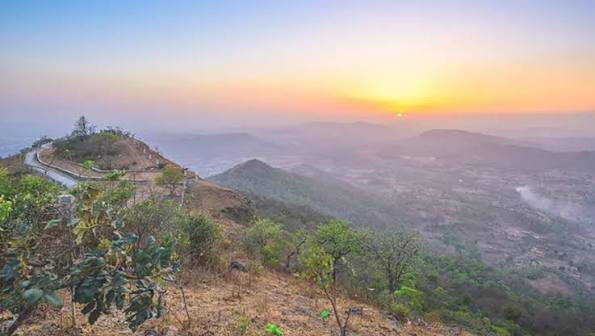
Balaghat – Where Dense Forests, Wildlife and Tribal Traditions Shape Madhya Pradesh
Balaghat is a beautiful district in southeastern Madhya Pradesh known for its extensive forests, wildlife, rivers, tribal traditions and mineral resources. Surrounded by the Satpura and Maikal hill landscapes, the district offers a peaceful combination of nature, rural life and cultural heritage.
Balaghat is particularly important for wildlife tourism because parts of the famous Kanha Tiger Reserve lie in the wider Balaghat region. The district is also associated with the Wainganga River, dense sal and teak forests, Gond and other tribal communities, traditional festivals and a rich agricultural and forest-based lifestyle.
History
Balaghat has a long history influenced by tribal kingdoms, regional rulers, Gond traditions, Maratha administration and British-era developments. Its forests and location between central Indian regions have played an important role in its development.
Ancient History
The forests and hills of Balaghat have supported human settlements for centuries. Tribal communities developed close relationships with the surrounding forests, rivers and agricultural land.
Gond Heritage
The Gond community has a deep historical and cultural connection with the wider region. Traditional systems of agriculture, forest use, village organisation and religious practices remain important parts of local heritage.
Maratha Influence
During the later medieval and early modern period, parts of the region came under Maratha influence. Administrative and political changes connected Balaghat more closely with neighbouring parts of central India.
British Period
During British rule, forests and mineral resources became increasingly important to the regional economy. Administrative systems and transport networks were gradually developed.
Mining History
Balaghat is particularly known for its mineral resources, especially manganese. Mining became an important economic activity and contributed to the development of several settlements in the district.
Formation of Balaghat District
The modern district developed through administrative changes during the colonial and post-independence periods. Balaghat is now one of the important forest-rich districts of southeastern Madhya Pradesh.
Geography
Balaghat is located in southeastern Madhya Pradesh near the borders with Maharashtra and Chhattisgarh. Its geography includes forested hills, rivers, agricultural plains and wildlife habitats.
Satpura and Maikal Landscapes
The district contains parts of the wider Satpura-Maikal landscape. Hills and forested valleys create a scenic environment and support diverse wildlife.
Wainganga River
The Wainganga is one of the major rivers associated with the region. It supports agriculture, local ecosystems and communities across southeastern Madhya Pradesh.
Forests
Large parts of Balaghat are covered by deciduous forests containing sal, teak and other native vegetation. These forests are among the district's most important natural resources.
Wildlife Habitat
The forest landscape provides habitat for tigers, leopards, deer, wild boar, gaur, sloth bears, birds and many smaller animals.
Agricultural Land
Rice is an important crop in the district, particularly in areas with suitable rainfall and irrigation. Agriculture remains an important part of rural life.
Climate
Balaghat has hot summers, a monsoon season with substantial rainfall and cooler winters. Winter is generally the most comfortable period for tourism and outdoor activities.
Culture and Traditions
Balaghat's culture is strongly influenced by tribal communities, rural agriculture, forests and the traditions of central India.
Gond Culture
Gond traditions form an important part of Balaghat's cultural identity. Community festivals, traditional songs, dances, art and nature-based beliefs remain significant.
Tribal Communities
Different tribal communities live across the district and maintain distinctive traditions related to food, clothing, agriculture, festivals and village life.
Folk Music
Traditional songs are performed during weddings, festivals, harvest celebrations and religious occasions. Music often reflects village life, nature and local legends.
Folk Dance
Group dances accompanied by traditional instruments are common during festivals and community gatherings. Tribal dances can vary between communities and occasions.
Traditional Clothing
Traditional clothing and jewellery are especially visible during festivals, weddings and cultural events. Designs and styles vary among local communities.
Gond Art
The wider Gond cultural region is famous for its distinctive artistic traditions. Nature, animals, plants and stories often appear as important themes in Gond-inspired art.
Village Markets
Weekly haats provide an important meeting place for villagers. Agricultural products, forest produce, food, clothing, household items and local crafts are commonly traded.
Architecture
Balaghat's architectural identity is less dominated by large palace complexes and more closely connected with temples, traditional homes, rural structures and religious sites.
Local Temples
Temples dedicated to Shiva, Hanuman, Durga and other Hindu deities are found throughout the district. Many become important gathering places during festivals.
Traditional Village Houses
Rural houses often use locally available materials and practical designs suited to the climate and agricultural lifestyle.
Temple Architecture
Small and medium-sized temples across Balaghat display regional central Indian architectural influences. Some sites contain traditional sculptures and religious artwork.
Colonial-Era Structures
Older administrative buildings and structures in parts of the district reflect the changes introduced during the colonial period.
Forest and Rural Architecture
Traditional settlements often reflect the relationship between homes, farmland, forests and community spaces, creating a distinctive rural landscape.
Famous Places
Kanha Tiger Reserve
Kanha is one of India's most famous tiger reserves and lies partly within the wider Balaghat region. Its sal forests, grasslands and wildlife make it a major destination for safari tourism.
Kanha National Park
Kanha National Park is known for tigers, barasingha, leopards, gaur, deer and rich birdlife. Safaris provide opportunities to explore the forest under regulated tourism arrangements.
Wainganga River
The Wainganga River is an important natural feature of the region. Its surrounding landscapes provide scenic locations and support agriculture and wildlife habitats.
Lanji Fort
Lanji Fort is a historic fortification in Balaghat district associated with the region's medieval history. Its remains provide an interesting destination for visitors interested in local heritage.
Lanji
Lanji is a historic town known for its fort and religious traditions. It provides a quieter heritage experience away from the major tourism centres.
Gangulpara
Gangulpara is known for its natural surroundings and waterfall landscape. It becomes particularly attractive during the monsoon when water flows through the rocky terrain.
Dhuti Dam
Dhuti Dam is a local water resource surrounded by rural landscapes. It can be a peaceful stop for visitors interested in nature and countryside views.
Gidli Ghogra Waterfall
Gidli Ghogra is a scenic waterfall destination associated with the forested landscapes of the district. The monsoon season is generally the best time to see the waterfall in stronger flow.
Shankarghat
Shankarghat is a religious and natural destination associated with the local landscape and riverine environment.
Ram Temple, Balaghat
Local temples dedicated to Lord Rama and other Hindu deities attract devotees throughout the year and become particularly active during religious festivals.
Local Forest Areas
The forested parts of Balaghat offer opportunities for nature observation, photography and exploration where access is permitted.
Famous Dishes
Balaghat's cuisine combines Madhya Pradesh traditions with influences from neighbouring Maharashtra and Chhattisgarh. Rice, wheat, pulses, vegetables and locally available ingredients are important parts of the local diet.
Poha
Poha is a popular breakfast throughout Madhya Pradesh. Flattened rice is cooked with onions, spices and other ingredients and often served with sev and lemon.
Dal Bafla
Dal Bafla is a traditional Madhya Pradesh meal made from baked wheat-based pieces served with dal and generous amounts of ghee.
Rice Dishes
Rice is particularly important in Balaghat because of the district's agricultural environment. Local households prepare a variety of rice-based meals and accompaniments.
Bhutte Ka Kees
Bhutte Ka Kees is a central Indian corn preparation made by cooking grated corn with milk and spices. It is a popular regional speciality.
Kachori
Kachori is a common snack available at local markets and tea stalls. It is usually served with chutney or a spicy accompaniment.
Samosa
Samosa is widely available in Balaghat and is a convenient snack while exploring local markets and town areas.
Jalebi
Jalebi is a popular sweet made from fried batter soaked in sugar syrup. It is commonly enjoyed during breakfast, festivals and celebrations.
Mahua-Based Traditional Foods
Mahua has cultural and traditional importance among several tribal communities of central India. Its flowers may be used in traditional preparations, although practices vary between communities.
Forest Produce
Seasonal fruits, leafy vegetables, roots and other forest products have traditionally formed part of rural and tribal food systems. Availability depends on the season.
Famous Personalities
Rani Durgavati
The wider Gond region of central India is strongly associated with Rani Durgavati, the famous Gond queen who ruled Garha-Katanga. Her legacy remains important to Gond cultural history across parts of Madhya Pradesh.
Gond Community Leaders
Traditional community leaders and elders have played an important role in preserving the customs, oral traditions and social practices of tribal communities in Balaghat.
Local Freedom Fighters
People from the region participated in movements and local resistance during India's struggle for independence. Their stories form part of the district's modern historical heritage.
Forest and Conservation Workers
Forest officers, conservationists and local communities have contributed to protecting the forests and wildlife habitats that make Balaghat significant for nature tourism.
Festivals
Hareli
Hareli is an important traditional festival in parts of central India, particularly among agricultural and tribal communities. It celebrates farming, nature and rural life.
Navratri
Navratri is celebrated with temple visits, devotional programmes, fasting, music and community gatherings.
Diwali
Diwali is celebrated with lamps, prayers, sweets and family gatherings. Markets and homes are decorated throughout the district.
Holi
Holi brings together families and communities for colour celebrations, music, traditional food and social gatherings.
Maha Shivratri
Shiva temples across Balaghat attract devotees during Maha Shivratri. Religious ceremonies and local fairs may accompany the celebration.
Polas
Pola is associated with agricultural communities and celebrates the importance of cattle in farming life. Traditional decorations, rituals and community activities are part of the occasion in areas where it is observed.
Tribal Festivals
Local tribal communities celebrate festivals connected with harvests, nature, ancestors, village deities and seasonal changes. These celebrations often include traditional music and dance.
Things to Do
Go on a Wildlife Safari
Explore the forests of Kanha through authorised safari routes and look for tigers, barasingha, gaur, deer, wild dogs and birds.
Explore Kanha's Forests
The sal forests and open meadows of the Kanha landscape are among the most beautiful natural environments in central India.
Visit Lanji Fort
Explore the remains of Lanji Fort and learn about the historical importance of the region.
Visit Waterfalls
Explore Gangulpara and other seasonal waterfalls during the monsoon when the surrounding forests are at their greenest.
Nature Photography
Balaghat's forests, rivers, hills, wildlife and rural landscapes offer excellent opportunities for nature and landscape photography.
Bird Watching
The forest and wetland environments support numerous bird species. Early mornings are generally the best time for bird observation.
Experience Tribal Culture
Where culturally appropriate and permitted, visitors can learn about local tribal traditions, crafts, food, music and village life.
Explore Local Markets
Visit weekly haats to experience local food, agricultural products, forest produce and traditional goods.
Try Local Food
Sample poha, dal bafla, kachori, jalebi and rice-based regional dishes in local markets and restaurants.
Enjoy a Monsoon Drive
The countryside becomes particularly scenic during the rainy season, with green forests, streams and waterfalls creating beautiful road-trip landscapes.
Where to Eat, Shop, and Stay
Where to Eat in Balaghat
Balaghat town has restaurants, local eateries and street-food stalls serving North Indian and Madhya Pradesh-style meals.
Food Around Kanha
Hotels, resorts and local eateries near Kanha generally offer Indian vegetarian and non-vegetarian meals, depending on the property.
Street Food
Poha, samosa, kachori, jalebi, pakoras and local namkeen are easy options when exploring town markets.
Where to Shop
Local markets are useful for purchasing everyday goods, regional snacks, textiles, handicrafts and products made from locally available materials.
Tribal Handicrafts
Traditional crafts and decorative products may be available through local markets, fairs and cultural centres. Buying directly from artisans can help support local livelihoods.
Forest Products
Seasonal forest products such as mahua, tendu leaves and other non-timber forest products are important to local communities, although collection and sale are subject to local rules.
Budget Stays
Balaghat town has budget hotels and guesthouses suitable for travellers looking for affordable accommodation.
Mid-Range Stays
Travellers visiting Kanha can choose comfortable hotels, lodges and resorts in the surrounding tourism areas.
Luxury Stays
Luxury accommodation is more readily available around Kanha Tiger Reserve than in Balaghat town. Wildlife resorts offer a more immersive forest experience.
What is Balaghat Famous For?
Balaghat is famous for its dense forests, Kanha Tiger Reserve, wildlife, Wainganga River, tribal culture, manganese resources, waterfalls and rice-producing agricultural landscapes.
The district is especially important for wildlife tourism because the Kanha landscape provides habitat for tigers, barasingha, gaur, leopards and many other species.
Balaghat is also known for its Gond and other tribal cultural traditions, forest-based livelihoods and the natural beauty of southeastern Madhya Pradesh.
Best Time to Visit
October to February
Winter is generally the best period for visiting Balaghat and exploring its outdoor attractions. Temperatures are more comfortable for sightseeing and wildlife tourism.
March to May
Summer can be hot, but it is an interesting period for wildlife enthusiasts because animals may be easier to spot around water sources. Visitors should follow all safari rules and carry adequate water.
June to September
The monsoon brings fresh greenery, flowing streams and active waterfalls. However, some wildlife tourism activities and forest routes may be restricted during this season.
Wildlife Safari Season
For Kanha-related tourism, travellers should check the current reserve opening schedule, safari zones and permit availability before planning their trip.
How to Reach
Balaghat by Air
Balaghat does not have a major commercial airport. Travellers can use airports such as Jabalpur or Nagpur and continue to Balaghat by road or rail.
Balaghat by Train
Balaghat has railway connectivity with important cities in Madhya Pradesh and neighbouring regions. Rail travel can be a practical option for reaching the district.
Balaghat by Road
Balaghat is connected by road with Jabalpur, Seoni, Gondia, Mandla, Nagpur and other nearby cities. Buses, taxis and private vehicles are available for regional travel.
Reaching Kanha
Different gates of Kanha Tiger Reserve can be approached from Balaghat, Mandla and neighbouring areas. The most convenient route depends on the safari gate mentioned on the visitor's permit.
Travelling Around Balaghat
Auto-rickshaws, buses and taxis are available in towns. A private vehicle or hired taxi is more convenient for visiting remote waterfalls, forests and heritage sites.
Nearby Places
Kanha Tiger Reserve
Kanha is the major wildlife attraction of the region and is known for tigers, barasingha, gaur, leopards and beautiful sal forests.
Mandla
Mandla is surrounded by forests and lies along the Narmada River. It is a useful destination for travellers exploring central India's tribal and natural landscapes.
Seoni
Seoni is associated with the forests of the Satpura region and is another useful base for exploring wildlife destinations in central India.
Pench Tiger Reserve
Pench is another major tiger reserve located in the Satpura landscape and is a strong choice for travellers planning a longer central Indian wildlife itinerary.
Jabalpur
Jabalpur is a major tourism centre known for Bhedaghat, the Marble Rocks and Dhuandhar Falls on the Narmada River.
Nagpur
Nagpur in Maharashtra is a major nearby urban centre and transport hub. It can be used as an entry point for exploring Balaghat and the surrounding wildlife destinations.
Amarkantak
Amarkantak is a major pilgrimage and nature destination farther west, famous as the source of the Narmada River and for its waterfalls and temples.
Best Duration for a Trip
1 Day
One day is suitable for exploring Balaghat town and selected nearby attractions.
2 Days
Two days allow visitors to combine Balaghat with Lanji or nearby natural attractions.
3 Days
Three days are suitable for a Balaghat and Kanha-focused trip with time for a wildlife safari and local sightseeing.
4 to 5 Days
Four to five days are ideal for combining Kanha with Balaghat, Mandla or other nearby wildlife and nature destinations.
Travel Tips
Book Wildlife Safaris Early
Kanha safaris can have limited availability, particularly during peak travel periods. Reserve permits and accommodation in advance.
Follow Safari Rules
Do not feed animals, make loud noises, leave vehicles or attempt to approach wildlife during a safari.
Carry Binoculars
Binoculars are useful for spotting birds and distant wildlife in forest and grassland areas.
Wear Comfortable Clothing
Neutral, comfortable clothing is practical for forest excursions. Carry a light jacket during winter mornings.
Carry Water
Keep sufficient drinking water with you during long road journeys and outdoor excursions.
Be Careful During Monsoon
Waterfalls and streams can become dangerous during heavy rainfall. Avoid entering fast-moving water and follow local safety instructions.
Respect Tribal Communities
Ask permission before photographing people, homes, ceremonies or cultural activities.
Do Not Disturb Wildlife
Never attempt to approach, chase or feed wild animals. Maintain a safe distance and follow forest department regulations.
Carry Cash
Cash may be useful in smaller markets and rural areas where digital payment facilities are not always reliable.
Protect the Forest
Do not litter, collect plants, remove natural objects or enter restricted forest areas.
Why Visit Balaghat?
Balaghat is worth visiting because it offers a combination of wildlife, forests, tribal culture, rivers and rural landscapes that is difficult to experience in the larger cities of Madhya Pradesh.
The district provides access to the famous Kanha landscape while also offering lesser-known attractions such as Lanji Fort, waterfalls, village markets and forested countryside.
For travellers interested in wildlife photography, nature, tribal heritage, forest tourism, adventure and peaceful rural destinations, Balaghat offers an authentic experience in southeastern Madhya Pradesh.
Conclusion
Balaghat is a destination where nature and culture remain closely connected. Its dense forests, rivers, wildlife habitats and tribal traditions give the district a distinctive character within Madhya Pradesh.
From exploring the Kanha landscape and watching wildlife to visiting historic Lanji, discovering local food and experiencing traditional village culture, Balaghat offers a wide range of experiences for travellers.
For anyone looking to explore the forests, wildlife, rivers and cultural heritage of southeastern Madhya Pradesh, Balaghat is a rewarding destination to include in a central Indian travel itinerary.
"Travel is the only thing you buy that makes you richer."