Dhar – The Historic Heart of Malwa Where Forts, Art and Ancient Heritage Meet
Dhar is a historic city in Madhya Pradesh and an important cultural centre of the Malwa region. Surrounded by a landscape of plateaus, forests and agricultural fields, Dhar is known for its ancient history, royal heritage, temples, archaeological sites and connection with the celebrated Paramara ruler Raja Bhoja.
The wider Dhar region is especially famous for Mandu, the magnificent medieval heritage city located nearby. With historic palaces, mosques, gateways, temples, lakes and dramatic landscapes, the region offers a fascinating combination of history, architecture, spirituality, culture, food and nature.
History
Dhar has played an important role in the history of central India for more than a thousand years. Its history includes the rise of the Paramara dynasty, the Malwa Sultanate, Mughal influence, Maratha rule and the princely period.
Ancient Dhar
The Dhar region has a long history of settlement and contains archaeological remains reflecting the development of central Indian civilisation.
Paramara Dynasty
Dhar became the capital of the powerful Paramara dynasty, which ruled much of the Malwa region during the medieval period.
Raja Bhoja
Raja Bhoja was the most celebrated Paramara ruler associated with Dhar. He was known as a scholar-king with interests in literature, philosophy, architecture, science and education.
Bhoja's Legacy
Raja Bhoja's influence can still be seen in the cultural identity of Dhar and the wider Malwa region. His reputation as a patron of learning has made Dhar an important destination for history and heritage enthusiasts.
Malwa Sultanate
After the decline of the Paramaras, the region came under different ruling powers and eventually became an important part of the Malwa Sultanate.
Mandu and the Malwa Sultanate
Mandu developed into a magnificent medieval capital under the Malwa Sultans. Its palaces, mosques, tombs and gateways represent one of the most impressive architectural chapters in the region's history.
Mughal Period
The Malwa region later came under Mughal influence, connecting Dhar and surrounding areas with the larger political history of northern and central India.
Maratha Period
Maratha powers became influential in Malwa during the eighteenth century. Dhar subsequently developed connections with the Maratha political landscape.
Dhar Princely State
Dhar became a princely state under British paramountcy. The ruling family and local administration contributed to the development of the modern town.
Modern Dhar
After Indian independence, Dhar became part of Madhya Pradesh and developed as an important administrative and cultural centre of the Malwa region.
Geography
Dhar is located in the Malwa region of western Madhya Pradesh. The district contains plateaus, hills, agricultural landscapes, forests and historic settlements.
Malwa Plateau
The city lies within the broader Malwa landscape, characterised by fertile black-soil regions, rolling terrain and agricultural fields.
Vindhyan Landscape
The southern and western parts of the district connect with the Vindhyan and associated hill landscapes, creating scenic terrain around historic Mandu.
Mandu Plateau
Mandu stands on a dramatic plateau surrounded by valleys and steep edges. This natural setting contributed to its importance as a fortified medieval settlement.
Rivers and Water Bodies
Several rivers and seasonal streams drain the district, while historic lakes and reservoirs around Mandu demonstrate the region's traditional water-management practices.
Forests
Parts of the Dhar district contain dry deciduous forests that support birds, mammals and other wildlife adapted to the Malwa environment.
Agriculture
Agriculture is an important part of local life, with crops such as soybean, wheat, maize, pulses and other regional produce cultivated across the district.
Climate
Dhar experiences hot summers, a monsoon season and comparatively pleasant winters. Winter is generally the most comfortable season for heritage sightseeing.
Culture and Traditions
Dhar's cultural identity is shaped by Malwa traditions, Hindu and Islamic heritage, tribal communities, folk music, regional cuisine and centuries of interaction between different cultures.
Malwa Culture
Malwa culture is reflected in the region's language, food, clothing, music, festivals, architecture and traditional lifestyle.
Local Language
Hindi is widely spoken, while Malwi and other regional dialects are used in everyday communication in different parts of the district.
Folk Music
Traditional folk songs are performed during festivals, weddings, religious events and community gatherings.
Folk Dance
Malwa has a variety of traditional dances and performance traditions that are commonly associated with festivals and social celebrations.
Tribal Traditions
Tribal communities in and around Dhar preserve distinctive traditions involving music, dance, clothing, agricultural customs and relationships with forests and local landscapes.
Traditional Clothing
Traditional clothing varies between communities and occasions. Colourful garments, turbans, sarees and traditional jewellery can be seen during festivals and ceremonies.
Handicrafts
Local crafts include textiles, traditional artwork, metalwork, pottery, woodwork and decorative products influenced by the wider Malwa culture.
Religious Traditions
Temples, shrines, mosques and historic religious structures reflect the diverse religious heritage that developed in Dhar and the surrounding Malwa region.
Architecture
Dhar and its surrounding region contain a remarkable mixture of Paramara-era monuments, medieval Islamic architecture, forts, temples, mosques, palaces and traditional buildings.
Dhar Fort
Dhar Fort is an important historic landmark of the city. Its strategic position and surviving structures reflect Dhar's military and political importance.
Bhojshala
Bhojshala is an important historical and archaeological site associated with Dhar's medieval past and the legacy of Raja Bhoja.
Lath Masjid
Lath Masjid is a historic mosque in Dhar known for its distinctive architecture and historical importance.
Kamal Maula Mosque
Kamal Maula Mosque is a significant historical structure within Dhar and forms part of the city's rich medieval architectural heritage.
Mandu Architecture
Mandu is famous for its grand medieval architecture, including palaces, mosques, tombs, gateways, pavilions and water structures built across its dramatic plateau.
Jahaz Mahal
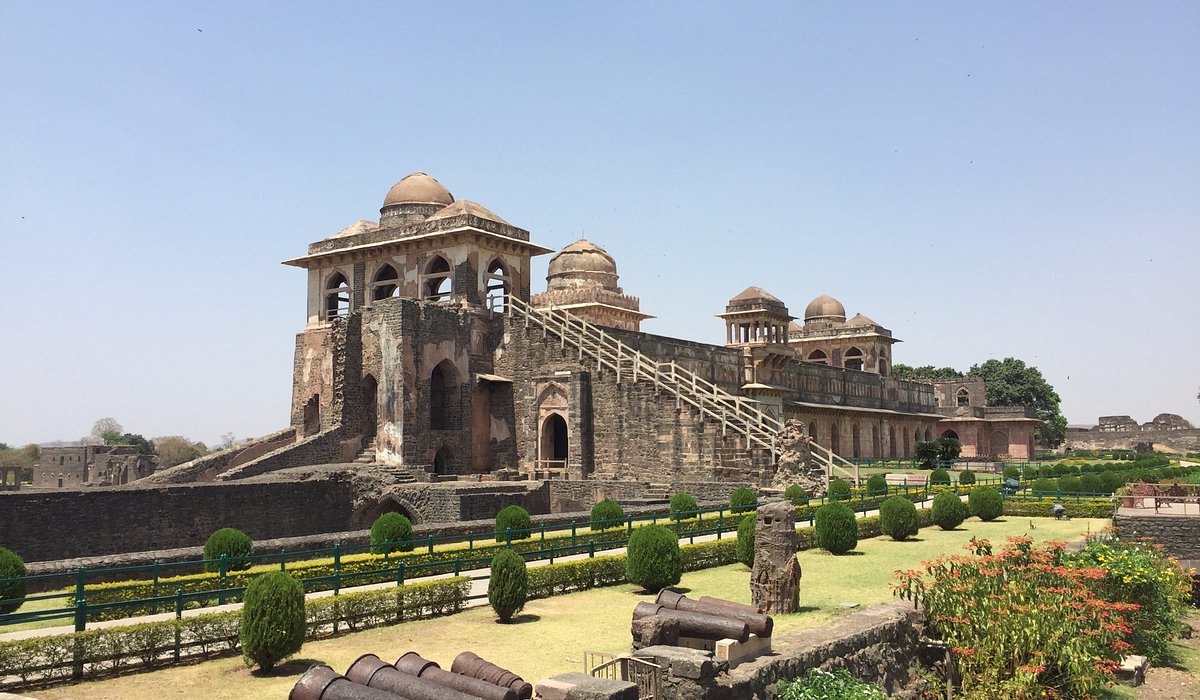
Jahaz Mahal is one of Mandu's most recognisable monuments. The palace appears to float between two water bodies and is a remarkable example of medieval architectural design.
Hindola Mahal
Hindola Mahal is known for its massive sloping walls and distinctive architectural form, making it one of Mandu's most memorable monuments.
Hoshang Shah's Tomb
Hoshang Shah's Tomb is an elegant marble monument and an important example of early Afghan architecture in India.
Jami Masjid
Mandu's Jami Masjid is a grand medieval mosque inspired by architectural traditions associated with the Islamic world and the Malwa Sultanate.
Rani Roopmati Pavilion
Rani Roopmati Pavilion is dramatically positioned on the edge of the Mandu plateau and is famous for its panoramic views of the surrounding landscape.
Famous Places
Dhar Fort
Dhar Fort is one of the city's most important historic landmarks. Visitors interested in medieval and princely history can explore its surviving architectural remains.
Bhojshala
Bhojshala is an important historical site connected with Dhar's Paramara-era heritage and the legacy of Raja Bhoja.
Kamal Maula Mosque
Kamal Maula Mosque is a historic religious structure located in the Bhojshala complex and is significant to Dhar's medieval architectural history.
Lath Masjid
Lath Masjid is a historic mosque known for its distinctive stone architecture and connection with the medieval history of Dhar.
Raja Bhoj's Legacy Sites
Several historical and archaeological locations around Dhar are connected with the cultural and intellectual legacy of Raja Bhoja.
Mandu
Mandu is the biggest tourism attraction in the Dhar district. The historic city contains palaces, mosques, tombs, temples, lakes and scenic viewpoints spread across a dramatic plateau.
Jahaz Mahal
Jahaz Mahal is one of Mandu's most photographed monuments and is particularly beautiful when surrounded by water and greenery during the monsoon.
Hindola Mahal
Hindola Mahal is famous for its unusual sloping walls and impressive stone construction.
Hoshang Shah's Tomb
The tomb is admired for its white marble construction and is considered an important monument in Mandu's architectural heritage.
Jami Masjid, Mandu
The grand mosque forms an important part of Mandu's historic architectural complex and reflects the influence of Afghan and Malwa architectural traditions.
Rani Roopmati Pavilion
The pavilion offers spectacular views over the Narmada valley and surrounding countryside and is associated with the legendary story of Rani Roopmati and Baz Bahadur.
Baz Bahadur's Palace
Baz Bahadur's Palace is a beautiful historic structure featuring courtyards, halls and arches and represents the cultural atmosphere of medieval Mandu.
Rewa Kund
Rewa Kund is a historic water structure in Mandu associated with the story of Rani Roopmati and the region's medieval heritage.
Nilkanth Temple
Nilkanth Temple is a peaceful religious site surrounded by the scenic landscape of Mandu and reflects the area's layered Hindu and Islamic history.
Sagar Talao
Sagar Talao is one of Mandu's historic water bodies and contributes to the picturesque character of the heritage city.
Bagh Caves
The Bagh Caves, located in the wider Dhar region, are famous for ancient Buddhist paintings and rock-cut architecture and provide insight into India's early artistic traditions.
Bagh
Bagh is a historic area known for its caves, traditional printing heritage and scenic surroundings.
Famous Dishes
Dhar's food reflects the flavours of Malwa cuisine, with spicy snacks, wheat-based meals, pulses, dairy products and traditional sweets.
Poha
Poha is one of the most popular breakfast dishes in Madhya Pradesh and is commonly served with onions, coriander, sev and lemon.
Jalebi
Jalebi is a popular sweet enjoyed with breakfast, tea and during festivals.
Dal Bafla
Dal bafla is a traditional Madhya Pradesh speciality made with baked wheat-based pieces served with dal, ghee and chutneys.
Bhutte Ka Kees
Bhutte ka kees is prepared from grated corn cooked with milk and spices and is strongly associated with Malwa cuisine.
Sabudana Khichdi
Sabudana khichdi is made with tapioca pearls, peanuts and spices and is particularly popular during fasting periods.
Kachori
Kachori is a popular savoury snack filled with a spiced mixture and commonly served with chutneys.
Samosa
Samosas are widely available in local markets and are a favourite snack with tea and chutneys.
Malpua
Malpua is a traditional sweet pancake-style dessert that is enjoyed during festivals and special occasions.
Malwa Thali
A Malwa-style thali can include several vegetarian dishes, pulses, breads, vegetables, chutneys and sweets, providing a good introduction to regional flavours.
Local Sweets
Sweet shops around Dhar offer traditional sweets such as barfi, peda, jalebi and other milk- and sugar-based preparations.
Famous Personalities
Raja Bhoja
Raja Bhoja was the celebrated Paramara ruler of Malwa and is strongly associated with Dhar. He was known as a scholar-king and patron of literature, science, philosophy and architecture.
Hoshang Shah
Hoshang Shah was an important ruler of the Malwa Sultanate and is closely associated with the development of Mandu's medieval architecture.
Mahmud Khilji
Mahmud Khilji was one of the important rulers of the Malwa Sultanate and contributed to the development of Mandu as a major political and cultural centre.
Baz Bahadur
Baz Bahadur was the last independent ruler of the Malwa Sultanate and is remembered in Mandu through his palace and the famous story connecting him with Rani Roopmati.
Rani Roopmati
Rani Roopmati is a legendary figure associated with Mandu. Her story, music and connection with Baz Bahadur have become an important part of Mandu's cultural heritage.
Raja Bhoja's Scholars
Dhar's Paramara period was associated with scholars, poets and intellectuals who contributed to the development of Sanskrit literature and knowledge traditions.
Festivals
Malwa Utsav
Malwa Utsav celebrates the cultural heritage of the Malwa region through folk music, dance, handicrafts, food and traditional performances.
Navratri
Navratri is celebrated with prayers, temple visits, devotional programmes and community gatherings throughout Dhar.
Diwali
Diwali is celebrated with lamps, decorations, prayers, sweets, shopping and family gatherings across the city and surrounding villages.
Holi
Holi is celebrated with colours, music, sweets and community gatherings and forms an important part of the local festive calendar.
Mahashivratri
Mahashivratri is observed at Shiva temples throughout Dhar and the wider Malwa region with prayers, fasting and religious ceremonies.
Janmashtami
Janmashtami is celebrated through temple decorations, devotional songs, prayers and cultural programmes dedicated to Lord Krishna.
Ram Navami
Ram Navami is marked by religious ceremonies, temple visits and devotional gatherings.
Dussehra
Dussehra is celebrated with religious programmes, cultural events and community gatherings marking the victory of good over evil.
Eid
Eid is celebrated by Muslim communities in Dhar with prayers, family gatherings, traditional food and community activities.
Local Fairs
Religious fairs and seasonal gatherings are organised around temples and villages across the district and provide opportunities to experience local music, food, crafts and traditions.
Things to Do
Explore Dhar Fort
Discover the city's historic fort and learn about Dhar's role in the political history of Malwa.
Visit Bhojshala
Explore the historic site and learn about Dhar's Paramara-era heritage and the intellectual legacy associated with Raja Bhoja.
Explore Mandu
Spend a full day exploring Mandu's palaces, mosques, tombs, temples, lakes and scenic viewpoints.
Visit Jahaz Mahal
Walk around one of Mandu's most famous monuments and enjoy the surrounding water bodies and landscape.
Watch the Sunset at Rani Roopmati Pavilion
The pavilion provides spectacular views across the valley and is one of the best places around Mandu for landscape photography and sunset views.
Explore Bagh Caves
Visit the ancient rock-cut caves and learn about their Buddhist heritage and historic paintings.
Explore Malwa Cuisine
Try poha, jalebi, dal bafla, bhutte ka kees, kachori and other regional specialities.
Shop for Local Crafts
Look for textiles, handicrafts, traditional artwork, metal products and regional souvenirs in local markets.
Photography
Dhar and Mandu offer excellent photography opportunities through historic monuments, stone architecture, lakes, valleys, forests and rural landscapes.
Heritage Walks
A guided heritage walk can help visitors understand the stories, architecture and historical importance of Dhar and Mandu.
Nature Exploration
The countryside around Dhar and the plateau landscapes of Mandu provide opportunities for scenic drives, nature walks and outdoor photography.
Where to Eat, Shop, and Stay
Dhar Local Markets
Dhar's local markets are useful for everyday shopping, traditional snacks, sweets, clothing and regional products.
Mandu Market
The market around Mandu's tourist area offers snacks, souvenirs, handicrafts, textiles and locally made products.
Malwa Food
Local restaurants and food stalls are good places to try poha, jalebi, dal bafla, kachori and other Malwa specialities.
Bagh Printing
Traditional Bagh printing is one of the region's notable craft traditions. Visitors interested in textiles can look for authentic hand-printed fabrics and products.
Budget Accommodation
Dhar and Mandu have budget hotels, guesthouses and simple accommodation suitable for travellers exploring the region.
Mid-Range Accommodation
Comfortable hotels and tourist accommodation are available in Dhar and around Mandu for families and independent travellers.
Heritage Stay
Mandu offers opportunities to stay near historic monuments, allowing visitors to experience the atmosphere of the medieval heritage town after the main sightseeing hours.
Nearby City Stays
Travellers looking for a wider selection of hotels can also use Indore as a base for exploring Dhar and Mandu on a longer itinerary.
What is Dhar Famous For?
Dhar is famous for its Paramara heritage, Raja Bhoja, Dhar Fort, Bhojshala, medieval architecture, Malwa culture and its proximity to the historic city of Mandu.
The wider Dhar district is also known for the Jahaz Mahal, Hindola Mahal, Rani Roopmati Pavilion, Hoshang Shah's Tomb, Bagh Caves and Bagh printing tradition.
Dhar is an excellent destination for travellers interested in history, architecture, archaeology, culture, spirituality, food, photography and heritage tourism.
Best Time to Visit
October to February
Winter is generally the best season to explore Dhar and Mandu. The cooler weather is comfortable for visiting forts, monuments, temples and outdoor heritage sites.
March to May
Summer can become hot, particularly during the afternoon. Early mornings and evenings are better for sightseeing.
July to September
Monsoon transforms Mandu into a particularly scenic destination. The plateau becomes greener and historic lakes and water bodies add to the beauty of the monuments.
Festival Season
Travellers interested in regional culture can plan around Malwa cultural events and major Hindu and Muslim festivals.
How to Reach
Dhar by Air
The nearest major airport is Devi Ahilyabai Holkar Airport in Indore, which provides convenient air access for travellers visiting Dhar and Mandu.
Dhar by Train
Dhar does not have the same level of railway connectivity as major cities such as Indore. Travellers commonly use nearby railway stations and continue by road.
Dhar by Road
Dhar is well connected by road with Indore, Mhow, Ratlam, Jhabua and other cities of western Madhya Pradesh.
Mandu from Dhar
Mandu is located within Dhar district and can be reached by road from Dhar. Taxis and private vehicles are convenient for exploring the monuments spread across the plateau.
Travelling Around Dhar
Local transport is available within the city, while taxis and private vehicles are more convenient for visiting Mandu, Bagh and other attractions across the district.
Nearby Places
Mandu
Mandu is the most important nearby destination and is famous for its medieval palaces, mosques, tombs, temples, lakes and romantic heritage landscapes.
Indore
Indore is a major city known for Rajwada, Lal Bagh Palace, Sarafa Bazaar, Chappan Dukan and its famous street-food culture.
Maheshwar
Maheshwar is a beautiful Narmada-side heritage town known for Ahilya Fort, temples, ghats and Maheshwari handloom textiles.
Omkareshwar
Omkareshwar is an important Shiva pilgrimage centre on the Narmada and one of India's twelve Jyotirlinga sites.
Ujjain
Ujjain is one of India's most important pilgrimage cities and is famous for Mahakaleshwar Jyotirlinga, the Kshipra River and its religious traditions.
Bagh
Bagh is known for ancient Buddhist caves and the traditional Bagh printing craft.
Mhow
Mhow is a historic cantonment town near Indore and provides access to the surrounding Malwa landscape.
Ratlam
Ratlam is a major city of western Madhya Pradesh known for its food culture, especially regional snacks and sweets.
Chittorgarh
Chittorgarh in neighbouring Rajasthan can be combined with longer western India heritage itineraries and is famous for its massive historic fort.
Best Duration for a Trip
1 Day
One day is enough for a focused visit to Dhar's principal historical sites or a quick Dhar-Mandu excursion.
2 Days
Two days allow travellers to explore Dhar and spend substantial time visiting the major monuments of Mandu.
3 Days
Three days provide enough time to explore Dhar, Mandu and Bagh Caves without rushing.
4 to 5 Days
A longer itinerary can combine Dhar and Mandu with Maheshwar, Omkareshwar and Indore.
Travel Tips
Visit Mandu Early
Start monument sightseeing early, particularly during warmer months, to avoid the strongest afternoon heat.
Wear Comfortable Shoes
Mandu's monuments are spread across a large area and exploring them involves walking, so comfortable footwear is recommended.
Carry Water
Keep drinking water with you while exploring forts, palaces, temples and outdoor heritage sites.
Carry Sun Protection
During summer, sunglasses, sunscreen and a hat can make outdoor sightseeing more comfortable.
Check Monument Timings
Opening hours and entry arrangements can vary between monuments and protected sites. Check current timings before travelling.
Respect Religious Sites
Dress appropriately and follow local rules when visiting temples, mosques and other religious places.
Use a Local Guide
A knowledgeable heritage guide can make a visit to Dhar and Mandu much more informative by explaining the history, architecture and stories associated with the monuments.
Visit During Monsoon Carefully
Mandu becomes particularly green during the monsoon, but rain can make roads and walking surfaces slippery. Plan outdoor visits accordingly.
Respect Heritage
Do not touch delicate structures, write on monuments, climb restricted areas or leave litter at historical sites.
Carry Cash
Digital payments are common in larger establishments, but cash can still be useful for smaller shops, local stalls and rural areas.
Why Visit Dhar?
Dhar is worth visiting because it provides a window into the political, intellectual and architectural history of Malwa.
The city's association with Raja Bhoja and the Paramara dynasty makes it particularly interesting for history enthusiasts, while nearby Mandu offers an extraordinary collection of medieval monuments surrounded by dramatic landscapes.
Dhar is also an excellent destination for travellers who want to combine heritage, architecture, archaeology, food, culture and nature in a single journey.
Conclusion
Dhar is a fascinating destination where Paramara history, Malwa culture, medieval architecture and scenic landscapes come together.
From the legacy of Raja Bhoja and the historic structures of Dhar to the magnificent palaces and monuments of Mandu, the region offers an unforgettable journey through central India's past.
For travellers interested in history, forts, temples, archaeology, architecture, local food, festivals, photography and cultural experiences, Dhar is an important destination to include in a Madhya Pradesh travel itinerary.
"Travel is the only thing you buy that makes you richer."