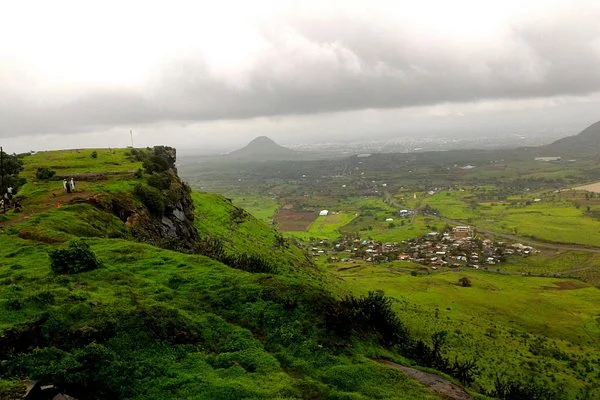
Dindori – Where the Narmada, Forests and Ancient Tribal Traditions Come Together
Dindori is a beautiful and culturally rich district of Madhya Pradesh, located in the eastern part of the state. Known for its forests, rivers, waterfalls, tribal communities and peaceful rural landscapes, Dindori offers a different side of Madhya Pradesh away from the state's major urban and heritage destinations.
The region is particularly known for its strong connection with Baiga and Gond traditions, the Narmada River, traditional agriculture, forests and local handicrafts. Travellers interested in tribal culture, nature, photography, village life and offbeat destinations can discover a quieter and more authentic side of central India here.
History
Dindori's history is closely connected with the wider history of central India's tribal kingdoms, forest communities and the Gond rulers who controlled large parts of the region.
Ancient Heritage
The forests and river valleys around Dindori have supported human communities for centuries. Traditional knowledge, agriculture, forest use and cultural practices have developed around the natural environment.
Gond Heritage
The Gond communities have played an important role in the cultural history of the region. Their traditions, stories, art and relationship with forests remain an important part of Dindori's identity.
Baiga Heritage
Dindori is particularly associated with the Baiga community, one of the prominent tribal communities of central India. Baiga traditions include distinctive customs, dances, artwork, agricultural practices and deep knowledge of the forest environment.
Gond Kingdoms
Large parts of central India were historically influenced by Gond rulers. The wider region around Dindori formed part of the cultural and political landscape of Gondwana.
Maratha Influence
Maratha powers became influential across central India during the eighteenth century, bringing parts of the region into a wider political network.
British Period
During British rule, the region was administered as part of the wider central Indian territories. Forests and natural resources became increasingly important to colonial administration.
Modern Dindori
Dindori became a separate district of Madhya Pradesh in 1998 after being separated from Mandla. Since then, it has developed as an important administrative centre for the surrounding tribal and rural areas.
Geography
Dindori is located in eastern Madhya Pradesh and is characterised by forests, hills, plateaus, rivers, agricultural fields and rural landscapes.
Narmada River
The Narmada is one of the most important geographical features of Dindori. The river and its tributaries shape the landscape and support agriculture and communities across the region.
Forest Landscape
Dindori has extensive forest areas containing a variety of trees, plants and wildlife. Forests are also deeply connected with the traditional lifestyles of local tribal communities.
Satpura and Maikal Landscape
The district lies within the broader central Indian highland landscape associated with the Maikal hills and surrounding forested terrain.
Hills and Plateaus
Rolling hills, elevated plateaus and valleys create scenic landscapes throughout the district, particularly around forest and river areas.
Rivers and Streams
Besides the Narmada, numerous smaller rivers and seasonal streams flow through the district and contribute to its agricultural and ecological landscape.
Waterfalls
During and after the monsoon, streams and seasonal waterfalls become particularly attractive, creating opportunities for nature photography and local excursions.
Climate
Dindori experiences hot summers, a monsoon season and relatively pleasant winters. The landscape becomes particularly green during the rainy season.
Culture and Traditions
Dindori has a strong tribal cultural identity, with Baiga, Gond and other communities contributing to its traditions, music, dance, art, food and everyday lifestyle.
Baiga Culture
Baiga culture is deeply connected with forests and traditional knowledge. Community customs, folk stories, agricultural practices and celebrations remain important parts of local life.
Gond Culture
Gond traditions are reflected through folk stories, music, dance, artwork, festivals and traditional community practices.
Local Languages
Hindi is widely understood, while local tribal languages and regional dialects are spoken within different communities.
Traditional Clothing
Traditional clothing varies between communities and occasions. Colourful garments, jewellery and distinctive accessories are especially visible during festivals and cultural celebrations.
Tribal Music
Music plays an important role in community gatherings, festivals, weddings and religious occasions. Traditional drums and other local instruments accompany many performances.
Tribal Dance
Folk dances are performed during festivals, weddings and community celebrations, often involving groups of dancers accompanied by traditional music.
Gond Art
Gond artistic traditions use lines, dots, patterns and representations of animals, trees, birds and stories from nature and community life.
Baiga Tattoo Traditions
Traditional tattooing has historically been an important cultural practice among Baiga women. The designs can represent identity, beauty, community and traditional beliefs.
Forest Knowledge
Traditional communities possess extensive knowledge of local plants, seasonal forest products, medicinal traditions and sustainable ways of interacting with the natural environment.
Village Life
Rural life in Dindori remains closely connected with farming, livestock, forests, local markets, community gatherings and seasonal festivals.
Architecture
Dindori does not have the large palace and fort complexes found in some other Madhya Pradesh destinations. Its architectural character is more closely associated with rural settlements, tribal homes, temples and community structures.
Traditional Tribal Houses
Traditional homes use locally available materials and are adapted to the climate and lifestyle of the region.
Village Architecture
Village settlements often feature simple houses, courtyards, agricultural spaces and structures connected with livestock and farming.
Rural Temples
Small temples and shrines can be found across villages and towns, reflecting the spiritual traditions of local communities.
Temple Architecture
Religious structures across the region combine wider Hindu traditions with local architectural styles and community customs.
Tribal Decorative Art
Traditional wall decorations and artistic motifs provide an important expression of local culture and often draw inspiration from nature, animals and religious beliefs.
Famous Places
Dindori Town
Dindori town is the administrative centre of the district and provides access to surrounding villages, forests, markets and cultural attractions.
Narmada River
The Narmada landscape is one of the district's most important natural attractions, offering peaceful river views and opportunities for photography and nature exploration.
Ghughwa Fossil Park
Ghughwa Fossil Park is one of the most interesting attractions in the region, known for fossilised plant remains that provide evidence of ancient vegetation and prehistoric environments.
Fossil Heritage
The fossil-bearing areas around Dindori provide an unusual opportunity to learn about the geological and biological history of central India.
Baiga Villages
Selected villages provide opportunities to understand Baiga traditions, local crafts, agriculture and everyday life when visited respectfully and through appropriate community-based experiences.
Gond Cultural Areas
Different parts of the district preserve Gond traditions through art, music, festivals and community practices.
Forest Areas
Dindori's forests provide peaceful landscapes for nature lovers and photographers and support diverse plant and animal life.
Village Markets
Local markets provide an opportunity to see regional agricultural produce, forest products, handicrafts, traditional clothing and everyday rural commerce.
Riverside Landscapes
The rivers and streams of Dindori become particularly scenic during and after the monsoon season.
Local Temples
Temples and shrines throughout the district provide insight into the religious practices and community traditions of rural Madhya Pradesh.
Famous Dishes
Dindori's food culture is influenced by tribal traditions, forest produce, agricultural ingredients and the wider cuisine of Madhya Pradesh.
Poha
Poha is a popular breakfast across Madhya Pradesh and is commonly served with onions, coriander, lemon and sev.
Dal Bafla
Dal bafla is a traditional Madhya Pradesh dish made from baked wheat-based pieces served with dal, ghee and chutneys.
Sabudana Khichdi
Sabudana khichdi is prepared with tapioca pearls, peanuts and spices and is especially popular during fasting periods.
Bhutte Ka Kees
Bhutte ka kees is made from grated corn cooked with milk and spices and is a well-known speciality of central Madhya Pradesh.
Jalebi
Jalebi is a popular sweet enjoyed during breakfast, festivals and special occasions.
Mahua-Based Traditional Foods
Mahua flowers have traditionally been important to several tribal communities of central India and are used in different traditional food and cultural practices.
Forest Produce
Traditional communities make use of a variety of seasonal forest products, including fruits, seeds, leaves and edible plants.
Millet-Based Foods
Millets and other traditional grains have historically been important in tribal and rural diets and are used in simple, filling local preparations.
Local Pulses and Vegetables
Locally grown pulses and seasonal vegetables form an important part of everyday meals in rural areas.
Tribal Food Traditions
Traditional tribal cuisine varies between communities and often uses seasonal ingredients collected or cultivated locally.
Famous Personalities
Rani Durgavati
Rani Durgavati was a celebrated Gond queen whose legacy is strongly connected with the wider Gondwana region of central India. She is remembered for her courage and resistance.
Gond Cultural Artists
Artists from Gond communities have helped bring central India's tribal art traditions to national and international audiences.
Baiga Cultural Practitioners
Traditional Baiga storytellers, artists, musicians and community elders play an important role in preserving the region's cultural knowledge.
Local Folk Artists
Dindori's folk musicians, dancers, artisans and storytellers help preserve traditional cultural practices through festivals and community events.
Festivals
Holi
Holi is celebrated across Dindori with colours, music, traditional food and community gatherings. Tribal communities may incorporate their own local customs into the celebrations.
Diwali
Diwali is celebrated with lamps, prayers, decorations, sweets and family gatherings throughout the district.
Navratri
Navratri is marked by temple visits, devotional activities, fasting, music and community celebrations.
Dussehra
Dussehra is celebrated with religious ceremonies and community events and holds an important place in the regional festive calendar.
Mahashivratri
Devotees visit Shiva temples and participate in prayers and religious gatherings during Mahashivratri.
Janmashtami
Janmashtami is celebrated with devotional songs, temple decorations, prayers and cultural programmes.
Tribal Festivals
Baiga and Gond communities celebrate several traditional festivals connected with agriculture, nature, seasonal changes, religious beliefs and community life.
Harvest Celebrations
Harvest-related celebrations express gratitude for crops and nature and provide opportunities for traditional music, dance and community gatherings.
Local Fairs
Village fairs associated with temples and seasonal events bring together local communities and often include food stalls, handicrafts, music and traditional activities.
Things to Do
Explore Tribal Culture
Learn about Baiga and Gond traditions through responsible cultural experiences, local museums, authorised guides and community-based activities.
Visit Ghughwa Fossil Park
Explore the fossil remains and learn about the ancient natural history of the region.
Explore Forest Landscapes
Enjoy scenic drives, nature walks and photography in suitable forest areas while following local and environmental regulations.
Enjoy Narmada Landscapes
Spend time near the river, photograph the surrounding scenery and experience the peaceful atmosphere of the Narmada valley.
Village Visits
Responsible village visits can provide insight into traditional houses, agriculture, crafts, food and everyday rural life.
Birdwatching
Dindori's forests, fields and water bodies provide habitats for a variety of resident and seasonal bird species.
Nature Photography
The district's forests, hills, rivers, villages, wildlife and changing monsoon landscapes offer excellent opportunities for photography.
Waterfall Exploration
During the monsoon season, seasonal waterfalls and streams become more active and create attractive nature destinations.
Local Food Exploration
Try regional Madhya Pradesh dishes and discover traditional ingredients associated with tribal and rural cuisine.
Shop for Tribal Art
Look for authentic Gond artwork, locally produced crafts and traditional products through authorised sellers and cultural centres.
Experience Local Markets
Rural markets offer an interesting glimpse into local agriculture, forest produce, handicrafts and everyday community life.
Temple Visits
Visit local temples and shrines to understand the religious traditions and community life of the district.
Where to Eat, Shop, and Stay
Dindori Local Markets
The town's markets are useful for everyday food, snacks, clothing, household products and locally produced goods.
Local Food Stalls
Small eateries and food stalls provide opportunities to try popular Madhya Pradesh snacks and simple regional meals.
Tribal Handicrafts
Visitors can look for authentic tribal artwork, traditional crafts and locally produced items through authorised markets and cultural organisations.
Gond Art
Gond paintings and related artistic products make distinctive souvenirs and provide a connection to the region's cultural heritage.
Forest Products
Local markets may offer legally collected and processed forest products and agricultural goods. Visitors should purchase only products sold through authorised channels.
Budget Accommodation
Dindori town offers simple hotels and guesthouses suitable for travellers looking for economical accommodation.
Mid-Range Accommodation
Travellers can find comfortable hotels and accommodation in Dindori and larger nearby towns, depending on their itinerary.
Nature Stays
For travellers interested in forests and rural landscapes, selected nature-oriented accommodation and homestay options can provide a quieter experience.
Homestays
Where legitimate community-based homestays are available, they can offer an opportunity to experience local food and rural life more closely.
What is Dindori Famous For?
Dindori is famous for its Baiga and Gond tribal culture, forests, Narmada landscapes, Ghughwa Fossil Park, traditional art, rural life and natural beauty.
The district is particularly interesting for travellers looking beyond conventional tourist destinations and wanting to explore tribal traditions, biodiversity, archaeology, nature and local communities.
Dindori is also known for its connection with the wider Gondwana region and the traditional knowledge of communities that have lived closely with the forests for generations.
Best Time to Visit
October to February
Winter is generally the most comfortable season for exploring Dindori. The weather is pleasant for sightseeing, village visits, nature walks and outdoor activities.
March to May
Summer can be hot, particularly during the afternoon. Early morning and evening are more comfortable for outdoor exploration.
July to September
The monsoon brings greenery to the forests and countryside. Rivers, streams and seasonal waterfalls become particularly scenic, although heavy rain can affect road travel.
Festival Season
Travellers interested in tribal culture can plan their journey around local fairs and traditional festivals, while respecting community customs and event access arrangements.
How to Reach
Dindori by Air
Dindori does not have a major commercial airport. Travellers can use airports in larger cities of Madhya Pradesh and continue the journey by road.
Dindori by Train
Dindori has limited direct railway connectivity. Travellers generally use railway stations in nearby cities and continue to Dindori by road.
Dindori by Road
Road travel is one of the most practical ways to reach Dindori. The district is connected with Mandla, Shahdol, Jabalpur and other parts of eastern Madhya Pradesh.
From Jabalpur
Jabalpur is an important nearby transport hub and can be used as a convenient starting point for a road journey towards Dindori.
Travelling Around Dindori
Private vehicles and hired taxis are useful for exploring attractions spread across rural and forested parts of the district. Local transport options may be more limited outside the main town.
Nearby Places
Mandla
Mandla is a historic town surrounded by the Narmada River and is known for temples, forts, natural landscapes and its connection with the Gond heritage of central India.
Amarkantak
Amarkantak is an important pilgrimage and nature destination associated with the origin of the Narmada River and surrounded by forested hills.
Kanha National Park
Kanha is one of India's most famous wildlife destinations and is known for tigers, barasingha, sal forests and diverse wildlife.
Jabalpur
Jabalpur is a major city and transport hub famous for Bhedaghat, Marble Rocks and Dhuandhar Falls on the Narmada.
Shahdol
Shahdol is located in eastern Madhya Pradesh and provides access to forested landscapes and tribal cultural regions.
Mandla Fort
The historic fort area around Mandla provides insight into the region's Gond and later political history.
Pachmarhi
Pachmarhi is a popular hill station in the Satpura range known for forests, waterfalls, caves and scenic viewpoints.
Bandhavgarh
Bandhavgarh is a major tiger destination known for wildlife safaris and the historic fort landscape within the wider region.
Best Duration for a Trip
1 Day
One day is suitable for a focused visit to Dindori town, local markets and selected nearby attractions.
2 Days
Two days allow travellers to combine local sightseeing with a nature, fossil or cultural experience.
3 Days
Three days provide more time to explore the surrounding countryside, tribal cultural experiences, natural attractions and local villages.
4 to 5 Days
A longer trip can combine Dindori with Mandla, Amarkantak or wildlife destinations such as Kanha.
Travel Tips
Respect Tribal Communities
Always respect local customs and traditions. Ask permission before photographing people, homes, ceremonies or cultural activities.
Use Responsible Cultural Tourism
Choose legitimate local guides and community-based experiences that respect local traditions and provide fair benefits to communities.
Do Not Remove Forest Products
Do not collect plants, flowers, fossils, wildlife or other natural materials from protected or restricted areas.
Protect the Environment
Carry your waste with you, avoid unnecessary plastic and help keep forests, rivers and villages clean.
Carry Cash
Digital payments may not be available everywhere, particularly in remote rural areas, so carrying sufficient cash is advisable.
Carry Drinking Water
Keep adequate drinking water with you during long road journeys and outdoor activities.
Wear Comfortable Clothing
Light and breathable clothing is useful during summer, while a light jacket can be useful during cooler winter mornings and evenings.
Wear Comfortable Shoes
Good footwear is recommended for nature walks, village exploration and visits to uneven outdoor sites.
Check Weather Conditions
Monsoon rain can affect rural roads and outdoor attractions. Check local conditions before travelling during heavy rainfall.
Travel with Local Guidance
For remote forest and rural areas, travelling with a knowledgeable local guide can make the experience safer and more informative.
Respect Religious Sites
Dress appropriately and follow local customs when visiting temples, shrines and religious gatherings.
Wildlife Safety
Do not approach wild animals or enter restricted forest areas. Follow instructions from forest officials and local authorities.
Why Visit Dindori?
Dindori is worth visiting because it offers an opportunity to experience a quieter and more culturally distinctive side of Madhya Pradesh.
Unlike destinations centred mainly around large monuments and urban attractions, Dindori's appeal lies in its forests, rivers, tribal communities, traditional knowledge, natural landscapes and rural way of life.
The district is particularly rewarding for travellers interested in tribal culture, nature, archaeology, photography, wildlife, offbeat travel and responsible community experiences.
Conclusion
Dindori is a destination where the Narmada River, forest landscapes, tribal traditions and ancient natural heritage create a distinctive central Indian travel experience.
From Baiga and Gond cultural traditions to Ghughwa's fossil heritage and the peaceful landscapes of the Narmada region, Dindori offers travellers the chance to discover a less-explored part of Madhya Pradesh.
For anyone seeking nature, tribal culture, local food, photography, rural experiences and offbeat destinations, Dindori provides a meaningful journey into the cultural and natural heart of central India.
"Travel is the only thing you buy that makes you richer."