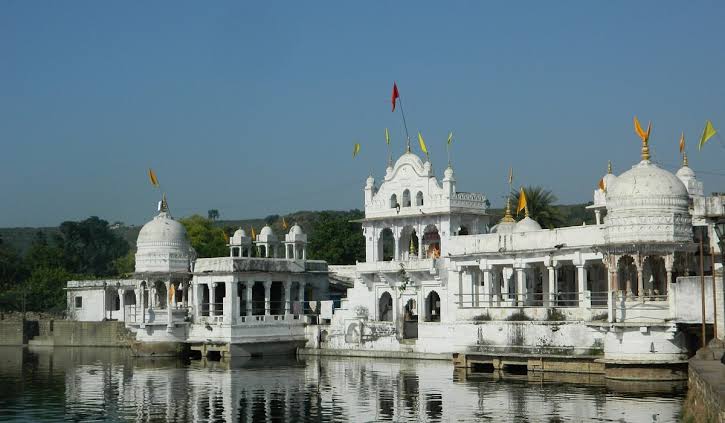
Ashoknagar – Where Historic Chanderi, Ancient Temples and Malwa's Rural Landscapes Come Together
Ashoknagar is a historic district in northern Madhya Pradesh known for its ancient settlements, temples, forts, handloom traditions, rural landscapes and the remarkable heritage town of Chanderi. Located between the historic regions of Malwa and Bundelkhand, the district offers a fascinating mixture of architecture, religion, crafts and countryside.
The biggest attraction of the district is Chanderi, a historic town surrounded by hills and known for its forts, monuments, temples and famous Chanderi sarees. Beyond Chanderi, Ashoknagar also offers religious sites, forests, lakes, traditional villages and a quieter side of Madhya Pradesh that is well suited to heritage and cultural tourism.
History
Ashoknagar has a long and varied history shaped by ancient kingdoms, Rajput rulers, Delhi Sultanate and Mughal influences, regional kingdoms and later princely-state administration.
Ancient History
The wider Ashoknagar region contains archaeological and religious remains showing that settlements existed here for centuries. Its location between major historical regions made it an important route for movement, trade and political activity.
Chanderi's Early History
Chanderi is one of the oldest and most historically significant towns in the district. Its strategic position among hills and trade routes helped it develop as an important settlement.
Rajput Period
Chanderi came under the control of different Rajput rulers during its long history. Fortifications and temples from various periods reflect the town's importance as a regional centre.
Delhi Sultanate
Chanderi later came under the influence of the Delhi Sultanate. Its strategic location made it valuable to rulers seeking control over central Indian routes.
Mughal Period
The Mughal Empire incorporated Chanderi into its political sphere. The town continued to be important because of its location and textile traditions.
Bundela Influence
Later periods saw Bundela influence in the region. The architecture and cultural traditions of Chanderi demonstrate the interaction between different political and artistic traditions.
Scindia and Princely-State Period
The region eventually came under the influence of the Scindia state. Chanderi and surrounding areas remained connected with the political history of central India until independence.
Formation of Ashoknagar District
Ashoknagar became a separate district of Madhya Pradesh in 2003 after being separated from Guna district. The creation of the district gave the region a distinct administrative identity.
Geography
Ashoknagar lies in northern Madhya Pradesh and has a landscape of rolling hills, agricultural plains, forests, rivers and historic settlements.
Bundelkhand and Malwa Influence
The district sits near the cultural transition between Bundelkhand and Malwa. This location has influenced its language, architecture, food and traditions.
Hills Around Chanderi
Chanderi is surrounded by hills that contribute to its dramatic historic landscape. The elevated terrain also helped ancient rulers establish defensive structures.
Forests
Parts of the district contain dry deciduous forests and rural woodland. These areas support birds, small mammals and other forms of local wildlife.
Agricultural Land
Agriculture is an important part of everyday life around Ashoknagar. Fields surrounding villages produce crops suited to the regional climate and soil.
Rivers and Water Bodies
Seasonal streams, rivers, ponds and reservoirs form part of the district's landscape and support agriculture and local communities.
Climate
Ashoknagar experiences hot summers, a monsoon season and relatively cool winters. Winter is generally the most comfortable season for sightseeing and heritage exploration.
Culture and Traditions
Ashoknagar's culture reflects the meeting of Malwa and Bundelkhand traditions. Religious customs, handloom weaving, folk music, village fairs and agricultural life all contribute to the district's identity.
Bundelkhandi and Malwi Influences
Local language and customs reflect the district's geographical position between two important cultural regions of Madhya Pradesh.
Chanderi Handloom Tradition
Chanderi is internationally recognised for its handwoven textiles. Chanderi weavers produce lightweight sarees and fabrics using traditional weaving techniques passed between generations.
Traditional Weaving
Weaving is more than a commercial activity in Chanderi; it forms an important part of the town's cultural heritage. Traditional designs, motifs and delicate fabrics are closely associated with the identity of the town.
Folk Music
Folk songs are performed during weddings, religious celebrations, festivals and community gatherings. Local music reflects village life, devotion and seasonal traditions.
Folk Dance
Traditional dances are performed during festivals and community celebrations. Performances can vary according to the community and occasion.
Traditional Clothing
Colourful traditional clothing is particularly visible during religious festivals and local celebrations. Chanderi textiles are an important part of the region's clothing heritage.
Village Fairs
Local fairs combine religious activities with markets, food stalls, entertainment and traditional products. They provide visitors with an opportunity to experience everyday rural culture.
Architecture
Ashoknagar's most remarkable architecture is concentrated around Chanderi, where forts, palaces, mosques, temples, gateways and traditional houses reflect several centuries of history.
Chanderi Fort
Chanderi Fort stands on a hill overlooking the historic town. Its strategic location, massive walls and gateways demonstrate the military importance of Chanderi.
Koshak Mahal
Koshak Mahal is an impressive historic monument near Chanderi. Its distinctive multi-storeyed design and stone construction make it one of the most recognisable examples of the town's architectural heritage.
Kati Ghati Gateway
Kati Ghati is a remarkable rock-cut gateway associated with Chanderi. The enormous opening carved through the hill demonstrates the engineering and strategic importance of the historic town.
Jama Masjid
The Jama Masjid of Chanderi reflects the Islamic architectural influence that became part of the town's history during the medieval period.
Chanderi Jain Temples
Several Jain temples and religious structures around Chanderi demonstrate the town's long history as a centre of religious and commercial activity.
Badal Mahal Gate
Badal Mahal Gate is one of Chanderi's notable historic gateways. Its elegant design provides a glimpse into the architectural character of medieval Chanderi.
Traditional Chanderi Houses
Old residential areas contain traditional houses, narrow lanes and historic buildings that contribute to the character of the town.
Famous Places
Chanderi
Chanderi is the district's most famous destination and one of Madhya Pradesh's important heritage towns. Visitors can explore forts, palaces, temples, mosques, gateways, old streets and traditional weaving communities.
Chanderi Fort
The fort provides panoramic views over Chanderi and the surrounding landscape. Its walls, gates and historic structures make it essential for anyone interested in the town's history.
Koshak Mahal
Koshak Mahal is a striking stone monument associated with Chanderi's medieval history. Its unusual architecture makes it one of the most photographed heritage structures in the region.
Kati Ghati
Kati Ghati is an enormous rock-cut gateway through a hill. It is one of the most distinctive engineering features around Chanderi and is worth visiting for both history and photography.
Badal Mahal Gate
Badal Mahal Gate is a beautiful historic gateway that once formed part of Chanderi's fortified urban landscape.
Jama Masjid, Chanderi
The Jama Masjid represents the Islamic architectural heritage of medieval Chanderi and adds another layer to the town's multicultural history.
Chanderi Jain Temples
The Jain temples of Chanderi are important religious and architectural sites. Their sculptures and traditional designs attract visitors interested in religion and heritage.
Shri Jageshwari Temple
Jageshwari Temple is one of the religious sites associated with Chanderi and attracts devotees from the surrounding region.
Raja Mahal
Historic palace structures in Chanderi reflect the political importance of the town and the lifestyle of its former rulers.
Shehzadi Ka Rauza
Shehzadi Ka Rauza is an important historic monument in Chanderi associated with the town's medieval architectural heritage.
Parameshwar Tal
Parameshwar Tal is a historic water body in Chanderi and forms part of the town's heritage landscape.
Chanderi Museum
Museums and heritage displays around Chanderi help visitors understand the town's archaeological remains, textiles, architecture and cultural history.
Famous Dishes
Ashoknagar's food reflects the wider cuisine of Madhya Pradesh and Bundelkhand, with wheat, pulses, vegetables, spices and dairy products forming the foundation of many local meals.
Dal Bafla
Dal Bafla is a popular Madhya Pradesh speciality consisting of baked wheat-based pieces served with dal and ghee. It is a filling traditional meal worth trying while exploring the region.
Poha
Poha is a popular breakfast made from flattened rice, onions, spices and other ingredients. It is commonly served with sev and lemon.
Bhutte Ka Kees
Bhutte Ka Kees is a central Indian speciality made from grated corn cooked with milk and spices. It is particularly associated with the cuisine of Madhya Pradesh.
Kachori
Kachori is a common local snack found in markets and food stalls. It is generally served with chutney or a spicy accompaniment.
Samosa
Samosas are widely available throughout Ashoknagar and Chanderi and make an easy snack while exploring local markets.
Jalebi
Jalebi is a popular sweet served at breakfast and during festivals. The crisp fried spirals are soaked in sugar syrup before serving.
Malpua
Malpua is a traditional sweet pancake associated with festive and special occasions. It is usually served with syrup or dairy-based accompaniments.
Bundelkhandi Food
Traditional Bundelkhand-influenced meals can include coarse grains, pulses, vegetables, rotis and spicy chutneys, reflecting the agricultural character of the region.
Local Namkeen
Namkeen is a popular snack throughout Madhya Pradesh and can be purchased from local shops and markets as a simple food souvenir.
Famous Personalities
Baiju Bawra
Chanderi has strong associations with the legendary musician Baiju Bawra in local traditions. Stories surrounding his musical talent form part of the cultural folklore of the town.
Medieval Rulers of Chanderi
Several rulers and regional dynasties influenced Chanderi over the centuries. Their patronage contributed to the town's forts, temples, mosques and other historic structures.
Chanderi Weavers
The weavers of Chanderi are among the most important cultural contributors to the district. Their skill in producing delicate handwoven textiles has given the town national and international recognition.
Local Artisans
Craft workers, textile designers, metal workers and traditional artists contribute to preserving the region's cultural heritage and supporting local livelihoods.
Festivals
Chanderi Festival
Cultural events and tourism programmes in Chanderi showcase the town's heritage, textiles, traditional arts, music and local crafts. These events provide visitors with a deeper understanding of Chanderi's cultural identity.
Diwali
Diwali is celebrated throughout Ashoknagar with lamps, prayers, sweets, family gatherings and decorated homes. Historic areas of Chanderi become particularly atmospheric during the festival.
Holi
Holi is celebrated with colours, music, food and community gatherings. Local traditions reflect both Bundelkhand and wider Madhya Pradesh culture.
Navratri
Navratri is celebrated through temple visits, devotional programmes, fasting and community gatherings.
Mahashivratri
Shiva temples around Ashoknagar and Chanderi attract devotees during Mahashivratri. Religious ceremonies and fairs may accompany the festival.
Janmashtami
Janmashtami is celebrated with prayers, devotional singing and temple programmes dedicated to Lord Krishna.
Local Religious Fairs
Fairs connected with temples and religious occasions bring together villagers, traders, artisans and visitors and often feature local food and traditional products.
Things to Do
Explore Chanderi Fort
Walk through the historic fort and enjoy views of Chanderi and the surrounding hills.
Visit Koshak Mahal
Explore the unusual architecture of Koshak Mahal and learn about the medieval history of Chanderi.
See Kati Ghati
Visit the enormous rock-cut gateway and appreciate the engineering involved in carving the passage through the hill.
Walk Through Old Chanderi
Explore narrow lanes, traditional houses, historic gateways and religious buildings to experience the atmosphere of the old town.
Discover Chanderi Sarees
Visit weaving communities and local shops to learn about the production of Chanderi textiles and purchase authentic handwoven products.
Visit Jain Temples
Explore the historic Jain temples and their architectural details while respecting the religious nature of the sites.
Try Local Food
Sample poha, dal bafla, kachori, jalebi and other regional foods in local markets.
Photography
Chanderi's forts, gateways, temples, old houses, hills and weaving traditions offer excellent opportunities for architectural and cultural photography.
Explore Rural Landscapes
Travel outside the main towns to experience agricultural fields, villages and the countryside surrounding Ashoknagar.
Shop for Handlooms
Purchase Chanderi sarees, dupattas, fabrics and other handwoven products directly from trusted local sellers.
Where to Eat, Shop, and Stay
Where to Eat in Ashoknagar
Ashoknagar town has local restaurants and food stalls serving North Indian and Madhya Pradesh-style meals. Local markets are convenient for breakfast and snacks.
Where to Eat in Chanderi
Chanderi has small restaurants, local eateries and simple food establishments. Vegetarian food is widely available, particularly around religious and heritage areas.
Street Food
Poha, jalebi, samosa, kachori, sev and local sweets are convenient options for travellers exploring the markets.
Where to Shop
Chanderi is the best place in the district for shopping, particularly for handwoven textiles, sarees, dupattas, scarves and traditional fabrics.
Chanderi Sarees
Chanderi sarees are the district's most famous shopping product. Look for authentic handwoven products and ask sellers about the fabric, weaving method and origin.
Handloom Fabrics
Visitors can also purchase Chanderi fabric for clothing, home décor and custom tailoring.
Local Handicrafts
Traditional decorative items and locally produced crafts may be available in heritage markets and during cultural events.
Budget Stays
Budget hotels, guesthouses and simple accommodation are available in Ashoknagar and Chanderi. These are suitable for short heritage trips.
Mid-Range Stays
Travellers seeking more comfort can choose established hotels and heritage-style accommodation in and around Chanderi.
Luxury Stays
Luxury accommodation is limited compared with major Madhya Pradesh tourism centres. Travellers looking for premium facilities can consider staying in nearby larger cities and making Chanderi a heritage excursion.
What is Ashoknagar Famous For?
Ashoknagar is best known for historic Chanderi, Chanderi Fort, Koshak Mahal, Kati Ghati, ancient temples, medieval architecture and Chanderi handloom textiles.
Chanderi sarees are particularly important to the district's identity. Their delicate fabrics, traditional weaving techniques and distinctive designs have made Chanderi one of India's most recognised handloom centres.
The district is also known for its mixture of Bundelkhand and Malwa cultural influences, historic monuments, religious traditions and peaceful rural landscapes.
Best Time to Visit
October to February
Winter is generally the best time to explore Ashoknagar and Chanderi. Comfortable temperatures make heritage walks, fort visits and photography more enjoyable.
March to May
Summer can become hot, especially during afternoons. Sightseeing is more comfortable during the morning and evening.
July to September
The monsoon brings greenery to the surrounding countryside and can create a beautiful atmosphere around Chanderi's hills and water bodies.
Festival Season
Travellers interested in local culture can plan visits around major religious festivals or cultural events in Chanderi.
Best Time for Heritage Tourism
October to March is generally the most comfortable period for exploring forts, temples, markets and historic neighbourhoods.
How to Reach
Ashoknagar by Air
The district does not have a major commercial airport. Travellers can use airports at Bhopal, Gwalior or other nearby major cities and continue by road or rail.
Ashoknagar by Train
Ashoknagar has railway connectivity and lies on important regional rail routes. Trains connect the town with several cities in Madhya Pradesh and northern India.
Ashoknagar by Road
Ashoknagar and Chanderi are connected by road with Guna, Shivpuri, Gwalior, Bhopal and other nearby cities. Buses, taxis and private vehicles are practical options.
Reaching Chanderi
Chanderi is best reached by road from nearby railway stations and cities. A taxi or private vehicle is convenient for exploring the historic town and surrounding monuments.
Travelling Around Ashoknagar
Local buses, auto-rickshaws and taxis can be used in towns. A private vehicle or hired taxi is more convenient for visiting multiple heritage attractions around Chanderi.
Nearby Places
Chanderi
Chanderi is the most important tourism destination in the district and should be included in almost every Ashoknagar itinerary.
Guna
Guna is a nearby city with road and rail connections and can serve as a convenient transit point for exploring Ashoknagar district.
Shivpuri
Shivpuri is known for its forests, lakes, palaces and Madhav National Park. It is a good addition for travellers interested in nature and wildlife.
Gwalior
Gwalior is one of Madhya Pradesh's major heritage destinations, famous for Gwalior Fort, palaces, temples and its musical traditions.
Orchha
Orchha in Madhya Pradesh is famous for its Bundela palaces, temples, cenotaphs and medieval architecture. It can be combined with Chanderi for a broader Bundelkhand heritage trip.
Datia
Datia is known for the magnificent Datia Palace and its religious and architectural heritage, making it another strong destination for history enthusiasts.
Bhopal
Bhopal is the capital of Madhya Pradesh and offers museums, lakes, heritage buildings and access to several nearby archaeological destinations.
Sanchi
Sanchi is famous for its ancient Buddhist stupas and is an important UNESCO World Heritage destination in Madhya Pradesh.
Best Duration for a Trip
1 Day
One day is enough for a focused Chanderi heritage trip covering the fort, Koshak Mahal, Kati Ghati and selected temples.
2 Days
Two days allow travellers to explore Chanderi at a relaxed pace and spend time discovering its handloom traditions and local markets.
3 Days
Three days are suitable for combining Chanderi with Ashoknagar town and nearby rural or religious attractions.
4 to 5 Days
Four to five days are ideal for combining Ashoknagar with Guna, Shivpuri or other heritage destinations in northern Madhya Pradesh.
Travel Tips
Start Heritage Visits Early
Begin fort and monument visits in the morning, particularly during warmer months when afternoon temperatures can become uncomfortable.
Wear Comfortable Shoes
Chanderi's heritage attractions can involve walking over uneven stone surfaces, slopes and steps. Comfortable footwear is recommended.
Respect Religious Sites
Dress appropriately and follow local rules when entering temples, mosques and other religious places.
Ask Before Photographing People
Always ask permission before photographing artisans, weavers, villagers or religious ceremonies.
Buy Authentic Handlooms
When purchasing Chanderi textiles, ask sellers about the weaving process and product origin. Buying directly from recognised local weavers can support traditional craftsmanship.
Carry Cash
Cash can still be useful in smaller shops, rural markets and local transport services.
Stay Hydrated
Carry water when exploring forts, monuments and rural attractions, especially during summer.
Check Monument Timings
Opening hours and entry arrangements can vary between monuments. Confirm timings before planning a tightly scheduled itinerary.
Protect Heritage
Do not write on walls, touch fragile sculptures unnecessarily or damage historic structures.
Keep Markets and Monuments Clean
Avoid littering in heritage areas, temples, lakes, forests and village surroundings.
Why Visit Ashoknagar?
Ashoknagar is worth visiting because it brings together several aspects of Madhya Pradesh's heritage in one relatively quiet region. Its greatest attraction, Chanderi, offers an impressive combination of forts, temples, mosques, gateways, handlooms and historic neighbourhoods.
The district is especially appealing to travellers interested in heritage tourism, architecture, textiles, photography, local food and cultural experiences. Chanderi's handloom tradition adds another dimension that distinguishes the district from many other historical destinations.
For travellers who want to explore beyond the major tourist centres, Ashoknagar offers a chance to experience the history and living traditions of northern Madhya Pradesh at a slower pace.
Conclusion
Ashoknagar is a fascinating destination where centuries of history meet living cultural traditions. The district's identity is closely connected with Chanderi's forts, temples, medieval monuments and world-famous handloom heritage.
From exploring Chanderi Fort and Koshak Mahal to walking through old streets, discovering traditional weaving and tasting local Madhya Pradesh food, visitors can experience both the historical and everyday sides of the region.
For anyone interested in Indian history, architecture, handloom textiles, religious heritage and authentic regional culture, Ashoknagar is a rewarding destination to include in a Madhya Pradesh travel itinerary.
"Travel is the only thing you buy that makes you richer."