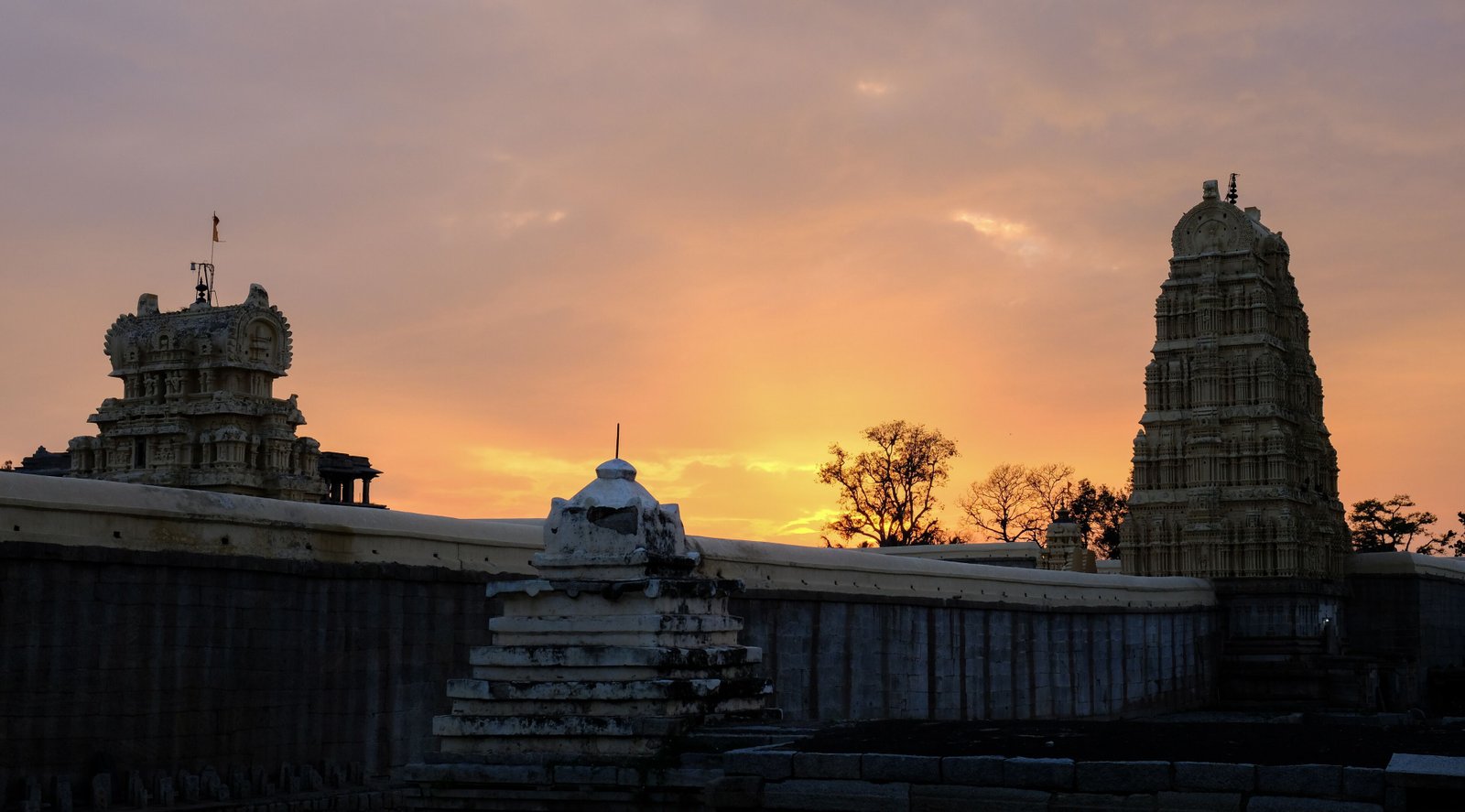
Ballari, Karnataka: A Complete Travel Guide
Ballari, formerly known as Bellary, is a historically rich district in eastern Karnataka where ancient kingdoms, dramatic rocky landscapes, temples, forts, wildlife and industrial heritage come together. The district has played an important role in the history of the Deccan and is closely associated with the great Vijayanagara Empire, the historic city of Hampi, and several important medieval forts and temples.
Ballari is particularly famous for its connection with Hampi, one of India's most celebrated archaeological destinations and a UNESCO World Heritage Site. The ruins of the Vijayanagara capital, spread around the Tungabhadra River, provide a remarkable glimpse into one of the most prosperous medieval kingdoms of South India.
Beyond Hampi, Ballari offers many other experiences. Visitors can explore the historic Ballari Fort, encounter wildlife at the Daroji Sloth Bear Sanctuary, discover the forested hills of Sandur, visit ancient temples and experience the distinctive food and cultural traditions of North Karnataka.
| Quick Fact | Details |
|---|---|
| State | Karnataka |
| District Headquarters | Ballari |
| Region | North-Eastern Karnataka |
| Major River | Tungabhadra |
| Famous Heritage Site | Hampi |
| Major Fort | Ballari Fort |
| Major Wildlife Destination | Daroji Sloth Bear Sanctuary |
| Important Hill Region | Sandur Hills |
| Primary Language | Kannada |
1. Introduction
Ballari is one of Karnataka's most fascinating destinations for travellers interested in history, architecture, wildlife and cultural exploration. The district occupies an important position in the eastern part of the state and has historically served as a meeting point between Karnataka and the neighbouring regions of Andhra Pradesh.
The district's landscape is characterised by rocky hills, dry plains, river valleys and forested areas. The Tungabhadra River is especially important to the region, supporting agriculture and forming part of the landscape around the historic Hampi region.
Ballari's greatest historical importance comes from the Vijayanagara Empire. Hampi, the former imperial capital, preserves temples, palaces, markets, gateways, fortifications and other structures that reveal the wealth and sophistication of the medieval Deccan.
However, Ballari is much more than Hampi. The district headquarters has its own impressive fort, while Sandur and Gudekote offer opportunities to explore hills, forests and wildlife. Together, these attractions make Ballari a destination suitable for both heritage trips and broader Karnataka road trips.
2. History of Ballari
Ancient and Early History
The Ballari region has a very long history of human settlement. Archaeological discoveries around places such as Sanganakallu-Kupgal provide evidence of prehistoric habitation and Neolithic communities.
The region later came under the influence of several South Indian dynasties. Its strategic location between the Deccan plateau and the southern peninsula made it an important territory for successive kingdoms.
Chalukyan Influence
Ballari and surrounding areas were influenced by the Chalukyas of Badami and later by the Western Chalukyas. Historic inscriptions from different parts of the district record the importance of settlements such as Kurugodu.
Hoysala and Other Medieval Powers
The region also came under the influence of the Hoysalas. Historical inscriptions mention Ballare, the older form associated with the present name Ballari, among places conquered during the campaigns of Hoysala ruler Vishnuvardhana.
Vijayanagara Empire
The most important chapter in Ballari's history is undoubtedly the rise of the Vijayanagara Empire.
Founded in the 14th century, Vijayanagara developed Hampi into a magnificent imperial capital. The city grew into one of the most important political, commercial and cultural centres of medieval South India.
Foreign travellers who visited Vijayanagara during the 15th and 16th centuries described the city's extraordinary wealth, markets, monuments and scale.
Hampi became famous for its massive temples, royal enclosures, bazaars, water systems, stone chariots, elephant stables and elaborate sculptures.
After the Fall of Vijayanagara
The Battle of Talikota in 1565 marked a turning point. Vijayanagara suffered a devastating defeat, and Hampi was subsequently abandoned as the imperial capital.
The Ballari region subsequently came under the control of various local chiefs, the Deccan Sultanates, the Marathas, Mysore rulers and other political powers.
Ballari Fort and Haider Ali
The historic Ballari Fort was associated with the local Paleyagar rulers before coming under the control of Haider Ali in the 18th century.
Haider Ali renovated and strengthened the fort, creating the upper and lower fortification systems that can still be seen today.
British Period
After the defeat of Tipu Sultan, Ballari eventually came under the control of the East India Company in 1800. The town developed as an important administrative and military centre during the British period.
Modern Ballari
After independence, Ballari became part of the reorganised state of Mysore and later Karnataka.
The district's modern economy developed around agriculture, cotton, mining and industries. Its abundant iron ore resources contributed significantly to the growth of the mining and steel industries, earning Ballari a reputation as an important industrial centre.
3. Geography and Climate
Geographical Location
Ballari lies in eastern Karnataka and has historically been positioned between Karnataka and the neighbouring areas of Andhra Pradesh.
The district is characterised by dry plains, rocky hills, river valleys and isolated forested landscapes. The Sandur region is particularly notable for its hills and greenery.
Major River
The Tungabhadra River is the most important river associated with Ballari. It plays an important role in the region's agriculture and is closely connected with the cultural and historical landscape around Hampi.
Rocky Landscape
One of Ballari's most distinctive geographical features is its dramatic rocky terrain. Large granite formations and isolated hills can be seen around Ballari, Hampi and neighbouring areas.
This landscape is an important part of the visual character of the district and contributes to the unique appearance of its historical monuments.
Climate
Ballari generally experiences a hot and dry climate. Summers can be particularly intense, while the monsoon brings periodic rainfall and slightly greener landscapes.
| Season | General Conditions |
|---|---|
| Summer | Very hot and dry, especially during April and May |
| Monsoon | Warm with periodic rainfall and greener surroundings |
| Winter | Comparatively pleasant and suitable for sightseeing |
4. Culture and Traditions
Ballari's culture reflects its position between Karnataka and Andhra Pradesh. Kannada is the principal language, while the region has historically experienced cultural influences from neighbouring Telugu-speaking areas.
North Karnataka Culture
Traditional North Karnataka customs can be seen in local food, village festivals, religious celebrations, folk traditions and everyday life.
Religious Traditions
Temples dedicated to Shiva, Hanuman, Durga and other deities are spread across the district. Many villages hold annual jatre or temple fairs that bring together local communities.
Hampi's Cultural Heritage
Hampi represents one of the most important cultural legacies of medieval Karnataka. The region continues to celebrate traditional religious and cultural events connected with the historic temples.
Folk Traditions
Folk music, dance, storytelling and village theatre traditions remain important components of the wider cultural landscape of the Ballari region.
5. Architecture of Ballari
Ballari is an exceptional destination for travellers interested in South Indian architecture. Its monuments represent several historical periods, from early medieval temples to the monumental architecture of Vijayanagara.
Vijayanagara Architecture
Hampi contains some of the finest examples of Vijayanagara architecture, characterised by monumental gateways, ornate pillars, large temple courtyards, stone chariots, sculptural details and massive granite structures.
Ballari Fort Architecture
Ballari Fort combines the characteristics of a hill fort and defensive military architecture.
The fort consists broadly of an Upper Fort and a Lower Fort. The Upper Fort includes a citadel, temple, barracks and water-storage structures, while the Lower Fort contains defensive walls, bastions and gateways.
Temple Architecture
Historic temples around Kurugodu, Sandur and other parts of the district demonstrate the influence of Chalukyan, Vijayanagara and later architectural traditions.
6. Famous Places and Tourist Places in Ballari
1. Hampi
Hampi is the most famous destination associated with Ballari's wider historical region and one of India's greatest archaeological landscapes.
Once the capital of the Vijayanagara Empire, Hampi contains an extraordinary collection of temples, royal structures, markets, fortifications, water systems and monuments.
Important attractions include:
- Virupaksha Temple
- Vittala Temple
- Stone Chariot
- Ugra Narasimha
- Badavilinga Temple
- Lotus Mahal
- Elephant Stables
- Queen's Bath
- Royal Enclosure
- Hazara Rama Temple
- Hemakuta Hill
- Achyutaraya Temple
Hampi is recognised as a UNESCO World Heritage Site and is one of Karnataka's most important international tourism destinations.
2. Ballari Fort
Ballari Fort stands dramatically on Ballari Gudda, also known as Fort Hill, overlooking the city.
The fort is traditionally associated with the Paleyagar chief Hanumappa Nayaka and was later renovated and strengthened by Haider Ali.
The fort is divided into upper and lower sections and offers impressive views of Ballari city and the surrounding rocky landscape.
3. Daroji Sloth Bear Sanctuary
Daroji Sloth Bear Sanctuary is one of Ballari's most important wildlife attractions.
Established specifically for the conservation of the Indian sloth bear, the sanctuary covers approximately 82.7 square kilometres and supports a variety of wildlife species.
Besides sloth bears, visitors may encounter:
- Leopards
- Hyenas
- Wild boars
- Pangolins
- Porcupines
- Jackals
- Peafowl
- Various species of birds
Wildlife viewing is particularly suitable during the evening, when sloth bears are more active.
4. Gudekote Sloth Bear Sanctuary
Gudekote Sloth Bear Sanctuary is another important wildlife destination in Ballari district.
The sanctuary extends across the Kudligi and Sandur regions and covers approximately 167.59 square kilometres.
In addition to wildlife, the area contains prehistoric rock paintings, natural caves, ancient temples and other archaeological features.
5. Sandur
Sandur is a scenic town surrounded by hills and forests. Historically, it was the capital of the small Sandur princely state ruled by the Ghorpade family.
The town is known for its natural surroundings, temples, mineral resources and connections with the wider heritage of the Ballari region.
6. Kumaraswamy Temple, Sandur
The Kumaraswamy Temple is situated near Sandur in the Krauncha Giri area. Dedicated to Lord Kumaraswamy, the temple is an important religious attraction surrounded by rocky hills and greenery.
The combination of temple architecture and the surrounding landscape makes it a popular destination for visitors exploring Sandur.
7. Tungabhadra Dam
The Tungabhadra Dam is an important multipurpose reservoir and one of the major attractions near the Hampi-Hosapete region.
The dam, gardens and reservoir provide opportunities for sightseeing and photography. During suitable conditions, the illuminated dam gates create an attractive evening spectacle.
8. Kurugodu
Kurugodu is an important historic settlement in Ballari district. Its history stretches back to the Chalukyan period, and the area contains historic fortifications and temples.
The town is particularly interesting for travellers who want to explore destinations beyond the major Hampi tourist circuit.
9. Ramanadurga
Ramanadurga is a hill destination associated with the Sandur region. Its elevated position provides panoramic views over the surrounding landscape.
The area is also connected with local traditions surrounding Kumara Rama and the historic landscape of the region.
10. Sanganakallu-Kupgal
Sanganakallu-Kupgal is an important prehistoric archaeological landscape. Evidence from the area helps researchers understand early human settlements and Neolithic culture in southern India.
For travellers interested in archaeology and prehistoric history, it represents a fascinating but less-commercialised side of Ballari.
7. Famous Dishes and Local Food
Ballari's cuisine reflects the food traditions of North Karnataka and neighbouring Andhra-influenced regions. The cuisine is generally hearty, spicy and closely connected with locally available grains, pulses and vegetables.
Jolada Rotti
Jolada rotti is one of the most characteristic foods of North Karnataka. The jowar-based flatbread is commonly served with vegetable curries, chutneys and spicy accompaniments.
Ennegayi
Ennegayi is a popular stuffed brinjal preparation made with a spicy ground masala. It is traditionally enjoyed with jolada rotti or other local breads.
North Karnataka Thali
A traditional North Karnataka meal may include rotti, vegetable curries, dal-based preparations, chutneys, curd and other regional accompaniments.
Mandakki
Mandakki, or puffed rice, is widely used in Karnataka's northern regions. It is commonly prepared into spicy snacks and breakfast dishes.
Mirchi Bajji
Spicy chilli fritters are popular as a snack across the region and are particularly enjoyable during evening food stops.
Traditional Sweets
Travellers can also explore regional sweets and snacks influenced by the broader North Karnataka culinary tradition.
| Food | What to Expect |
|---|---|
| Jolada Rotti | Traditional jowar flatbread |
| Ennegayi | Spicy stuffed brinjal curry |
| Mandakki | Puffed-rice based local snack |
| Mirchi Bajji | Spicy chilli fritter |
| North Karnataka Thali | Complete traditional regional meal |
8. Famous Personalities and Historical Figures Associated with Ballari
Krishnadevaraya
Krishnadevaraya, one of the greatest rulers of the Vijayanagara Empire, is strongly associated with the monuments and cultural development of Hampi.
During his reign, the Vijayanagara Empire reached one of its most prosperous periods, and numerous monuments and temples were constructed or expanded.
Kumara Rama
Kumara Rama is a legendary medieval hero associated with the Kampili region of the Ballari area. Local traditions remember him for his resistance against invading forces.
Several places around the region preserve stories and traditions connected with his life and sacrifice.
Hanumappa Nayaka
Hanumappa Nayaka, a Paleyagar chief, is traditionally associated with the early construction and strengthening of Ballari Fort.
His family and successors played an important role in the political history of the Ballari region before the rise of Haider Ali.
Alluru Seetharama Raju
Although primarily associated with the neighbouring Telugu-speaking region, Alluri Seetharama Raju is remembered across the wider Karnataka-Andhra cultural region for his role in India's freedom struggle.
Because Ballari historically served as a cultural meeting point between Karnataka and Andhra regions, figures from both traditions have influenced the wider cultural landscape.
9. Festivals of Ballari
Hampi Utsav
The Hampi Utsav, also known as Vijaya Utsav, is one of the most important cultural celebrations associated with the Hampi region.
The festival showcases classical and folk performances, music, dance, cultural programmes and the heritage of the Vijayanagara Empire.
Virupaksha Temple Festival
The annual festival associated with the Virupaksha Temple in Hampi is an important religious celebration. The traditional chariot festival attracts devotees and visitors.
Local Jatre
Temple fairs or jatre are an important part of village life throughout Ballari district. These celebrations commonly combine religious rituals, fairs, food stalls and cultural activities.
Traditional Religious Festivals
Festivals dedicated to Shiva, Hanuman, Durga and other deities are celebrated across the district with local customs and community participation.
10. Things to Do in Ballari
- Explore the magnificent ruins of Hampi.
- Visit the Virupaksha Temple.
- See the famous Stone Chariot at Vittala Temple.
- Climb or explore the historic Ballari Fort.
- Enjoy panoramic views from Ballari Gudda.
- Go wildlife watching at Daroji Sloth Bear Sanctuary.
- Explore Gudekote Sloth Bear Sanctuary.
- Visit Sandur and its surrounding hills.
- Visit Kumaraswamy Temple near Sandur.
- Explore the Tungabhadra Dam and reservoir.
- Discover historic temples and fortifications around Kurugodu.
- Explore prehistoric heritage around Sanganakallu-Kupgal.
- Try authentic North Karnataka food.
- Attend Hampi Utsav if travelling during the festival period.
- Enjoy photography among the granite hills and historic monuments.
11. Where to Eat, Shop, and Stay in Ballari
Where to Eat
Ballari city has restaurants and local eateries offering South Indian, North Indian, Karnataka and Andhra-influenced dishes.
Travellers should try local establishments serving jolada rotti, ennegayi, North Karnataka meals, mandakki and spicy snacks.
Hampi and the surrounding tourist areas also offer restaurants and cafés catering to visitors from different parts of India and abroad.
What to Shop For
- Traditional Karnataka handicrafts
- Local textiles
- Handmade souvenirs
- Hampi-inspired decorative items
- Traditional religious souvenirs
- Regional food products
Where to Stay
Ballari city offers accommodation suitable for travellers visiting the district headquarters and nearby attractions.
For a Hampi-focused trip, staying in Hampi or Hosapete is often more convenient because of the proximity to the major monuments.
Travellers visiting Daroji, Sandur and other rural attractions can also use Ballari or Hosapete as convenient bases depending on their itinerary.
12. What Is Ballari Famous For?
| Known For | Why It Is Important |
|---|---|
| Hampi | Historic capital of the Vijayanagara Empire and UNESCO World Heritage Site |
| Ballari Fort | Historic hill fort associated with the Paleyagars and Haider Ali |
| Daroji Sloth Bear Sanctuary | Major conservation area for Indian sloth bears |
| Gudekote | Wildlife, prehistoric rock art and natural landscapes |
| Sandur | Hills, forests, temples and historic princely-state heritage |
| Tungabhadra | Important river shaping the region's agriculture and heritage landscape |
| Iron Ore | Important mineral resource behind Ballari's industrial identity |
| Cotton | Important agricultural and industrial product of the region |
| North Karnataka Cuisine | Distinctive regional food based on jowar, pulses and spicy preparations |
13. Best Time to Visit Ballari
The best time to visit Ballari is generally from October to February, when the weather is comparatively comfortable for sightseeing and outdoor activities.
October to February
This is the most comfortable season for exploring Hampi, Ballari Fort, Sandur and other outdoor attractions. The cooler weather is especially helpful when walking through the large archaeological areas of Hampi.
March to May
Summer can be extremely hot. Daytime sightseeing can become uncomfortable, especially at exposed heritage sites such as Hampi and Ballari Fort.
If travelling during summer, start sightseeing early in the morning and resume outdoor activities later in the afternoon.
June to September
The monsoon brings rainfall and can make the rocky landscape greener. The weather may be more comfortable than peak summer, although occasional rain can affect outdoor sightseeing.
| Season | Travel Experience |
|---|---|
| October – February | Best overall season for sightseeing |
| March – May | Very hot; plan sightseeing carefully |
| June – September | Monsoon; greener landscapes and occasional rain |
14. How to Reach Ballari
By Air
Ballari is served by the Jindal Vijayanagar Airport near Toranagallu, which provides air connectivity to selected cities.
For wider flight options, travellers can also consider airports at Hubballi and other major cities in Karnataka depending on their starting point.
By Train
Ballari Railway Station is an important railway station in the region and provides connectivity with several major cities.
For travellers visiting Hampi, Hosapete Junction is another important railway gateway to the heritage region.
By Road
Ballari has good road connectivity with major cities of Karnataka and neighbouring Andhra Pradesh.
Road travel is particularly useful for tourists because several attractions, including Hampi, Daroji, Sandur and other heritage locations, are spread across the wider region.
| Mode | Recommended Gateway |
|---|---|
| Air | Jindal Vijayanagar Airport |
| Rail | Ballari / Hosapete |
| Road | Ballari, Hosapete and major Karnataka highways |
15. Nearby Places to Visit
Ballari's location makes it an excellent base for exploring several important destinations in Karnataka and the surrounding region.
- Hampi: The magnificent archaeological remains of the Vijayanagara Empire.
- Anegundi: A historic settlement across the Tungabhadra River, associated with the older cultural landscape of the Hampi region.
- Hosapete: An important gateway to Hampi and home to the Tungabhadra Dam.
- Koppal: Known for ancient forts, temples and archaeological heritage.
- Gadag: A historic district with important temples and architectural monuments.
- Vijayanagara: The wider region surrounding the Hampi heritage landscape.
- Chitradurga: Famous for the spectacular Chitradurga Fort and its rocky hill landscape.
- Vijayapura: Known for Gol Gumbaz and the architectural heritage of the Adil Shahi period.
16. Best Duration for a Ballari Trip
A 3-day trip is a good starting point for exploring Ballari and its most important attractions. Travellers who want to explore Hampi thoroughly along with wildlife and Sandur should consider 4 to 5 days.
2-Day Heritage Trip
| Day | Suggested Plan |
|---|---|
| Day 1 | Hampi – Virupaksha Temple, Hemakuta Hill, Ugra Narasimha, Royal Enclosure and major monuments |
| Day 2 | Vittala Temple, Stone Chariot, Lotus Mahal, Elephant Stables and surrounding heritage sites |
3-Day Ballari Trip
| Day | Suggested Plan |
|---|---|
| Day 1 | Hampi heritage circuit |
| Day 2 | Ballari Fort and Ballari city sightseeing |
| Day 3 | Daroji Sloth Bear Sanctuary and Sandur region |
4–5 Day Experience
A longer trip allows visitors to combine Hampi, Ballari Fort, Daroji, Sandur, Gudekote, Tungabhadra Dam and other nearby destinations without rushing.
17. Travel Tips for Ballari
- Visit Hampi during the cooler months whenever possible.
- Start outdoor sightseeing early in the morning because the region can become very hot during the day.
- Carry sufficient drinking water while exploring large archaeological areas.
- Wear comfortable walking shoes because Hampi requires considerable walking.
- Carry sunscreen, sunglasses and a hat, particularly outside the winter season.
- Respect the heritage status of Hampi and never climb or damage monuments.
- Allow plenty of time for Hampi instead of trying to cover everything in a few hours.
- For wildlife trips, follow sanctuary rules and maintain a safe distance from animals.
- Evening visits to Daroji can provide better opportunities for observing sloth bears.
- Try traditional North Karnataka food during your stay.
- Keep extra time for travelling between attractions because the district covers a large area.
- Carry appropriate clothing for religious sites.
- Check festival schedules before planning a trip around Hampi Utsav or major temple festivals.
- Do not disturb wildlife or attempt to feed animals.
18. Why Visit Ballari?
Ballari is one of the most rewarding destinations in Karnataka for travellers who want to combine history, architecture, wildlife, spirituality and dramatic landscapes in one journey.
The district's strongest attraction is the extraordinary heritage of Hampi. Walking through its ancient streets, temples, markets and royal structures provides an opportunity to experience the remains of one of medieval India's most powerful empires.
But Ballari's appeal does not end with Hampi. The imposing Ballari Fort tells another chapter of the region's military history, while Daroji and Gudekote introduce travellers to the wildlife and natural heritage of the dry Deccan landscape.
The Sandur hills offer a completely different atmosphere, with forests, temples and elevated viewpoints. The Tungabhadra River and reservoir further enrich the region's geographical and cultural character.
Ballari is especially worth visiting if you enjoy:
- Ancient Indian history
- Vijayanagara architecture
- UNESCO World Heritage Sites
- Historic forts
- Temple architecture
- Wildlife and birdwatching
- Rocky landscapes
- Photography
- North Karnataka cuisine
- Road trips
19. Conclusion
Ballari is a destination where the ancient and modern sides of Karnataka meet. Its historical importance stretches from prehistoric settlements and early Deccan kingdoms to the magnificent Vijayanagara Empire and the military history of the later Deccan period.
The heritage landscape of Hampi remains the district's greatest attraction, offering an unforgettable journey through temples, royal structures, markets, fortifications and monumental architecture. Yet travellers who explore beyond Hampi will discover another side of Ballari through Ballari Fort, Daroji Sloth Bear Sanctuary, Gudekote, Sandur and the Tungabhadra region.
The district's dry rocky landscape, traditional North Karnataka cuisine, religious festivals and cultural connections with neighbouring Andhra Pradesh further add to its character.
For travellers planning a Karnataka heritage circuit, Ballari should not be treated merely as a gateway to Hampi. It deserves to be explored as a destination in its own right—a place where history, architecture, wildlife, spirituality, culture and the dramatic landscapes of the Deccan come together.
"Travel is the only thing you buy that makes you richer."