Explore Karnataka
Discover Karnataka
Cities of Karnataka
Bagalkot
Ballari
Bangalore Rural
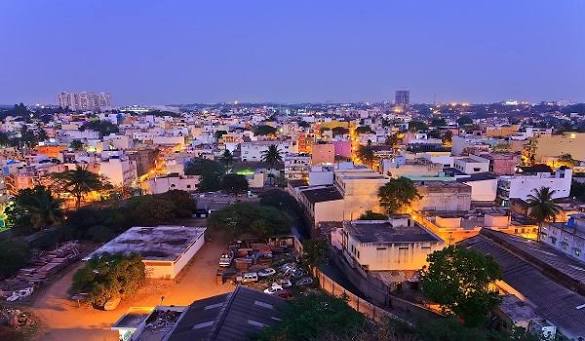
Bangalore Urban
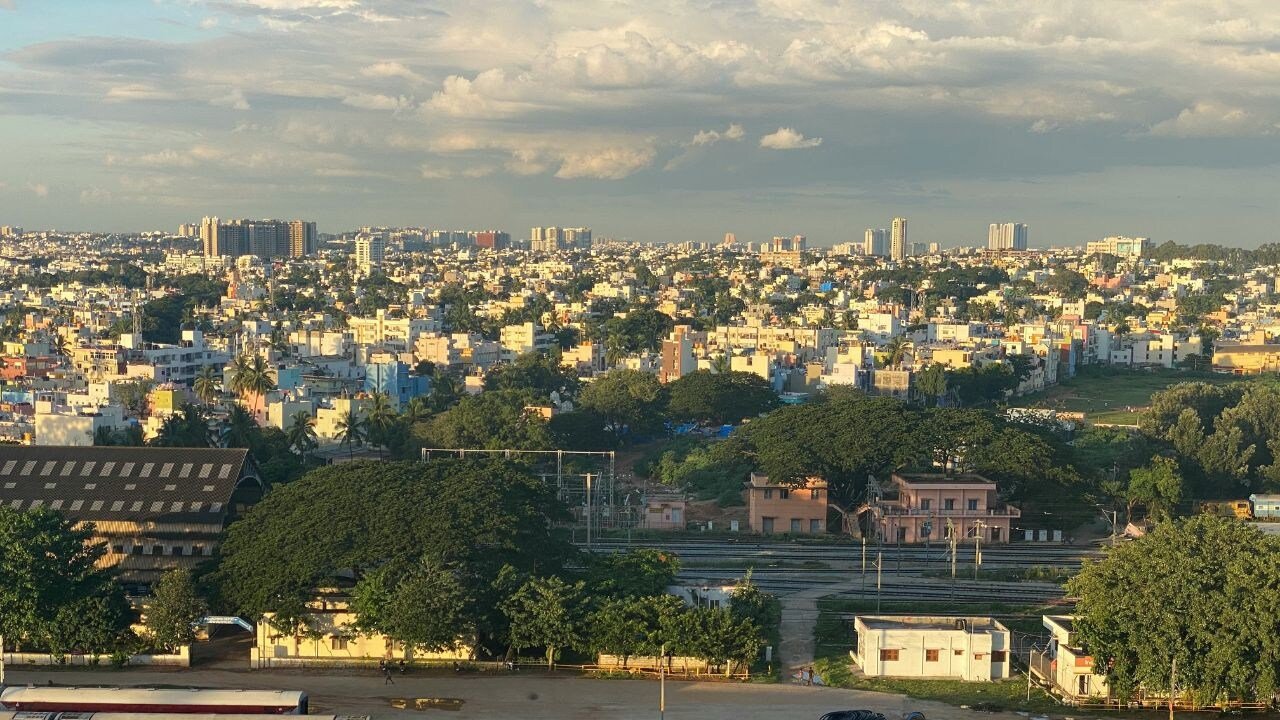
Belagavi
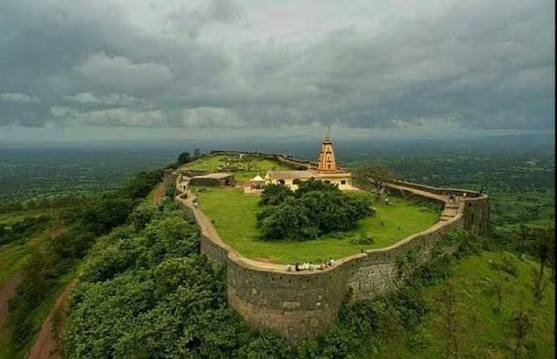
Belgaum
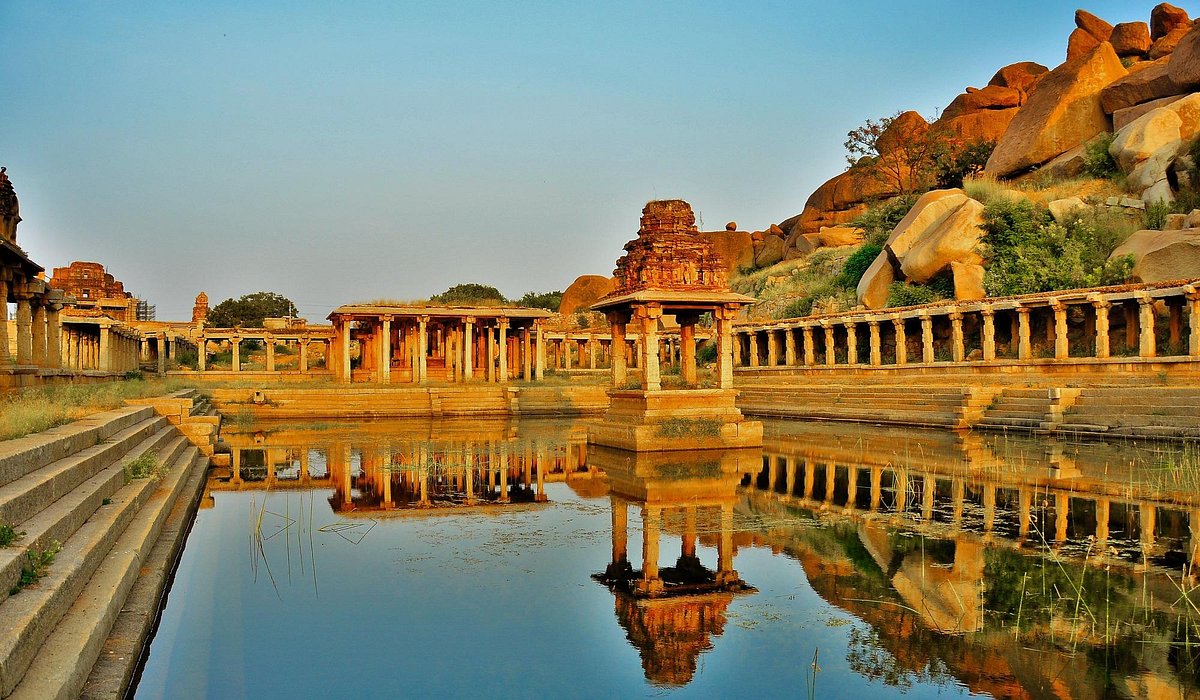
Bellary
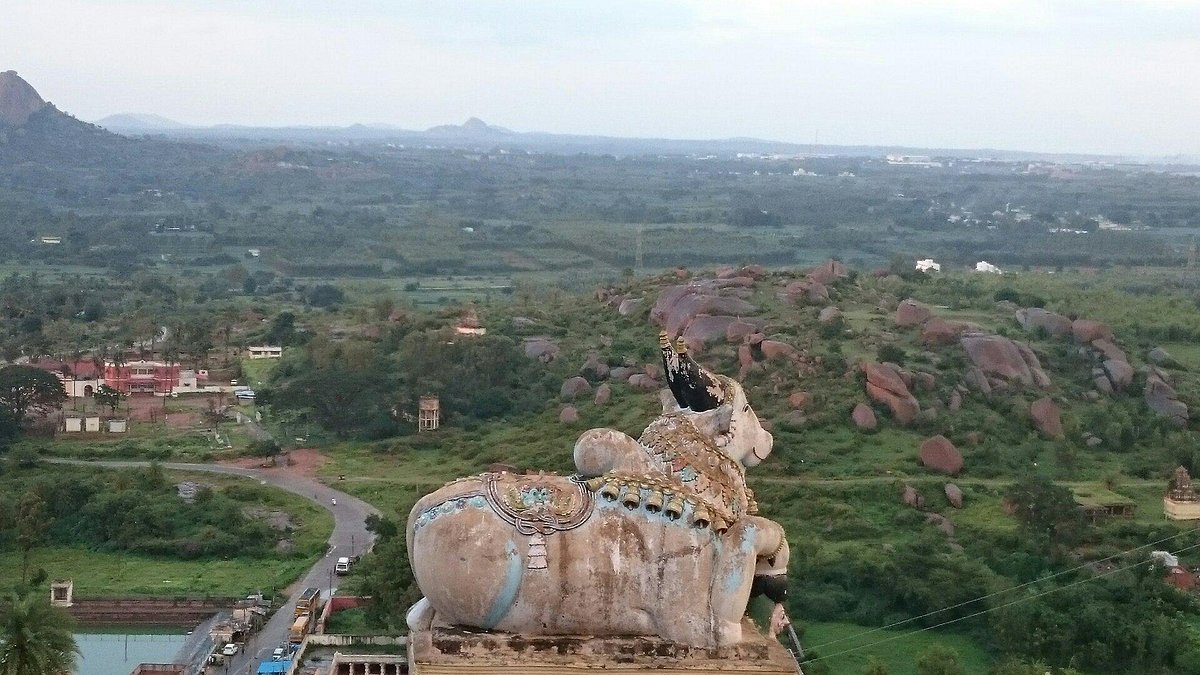
Bengaluru Rural
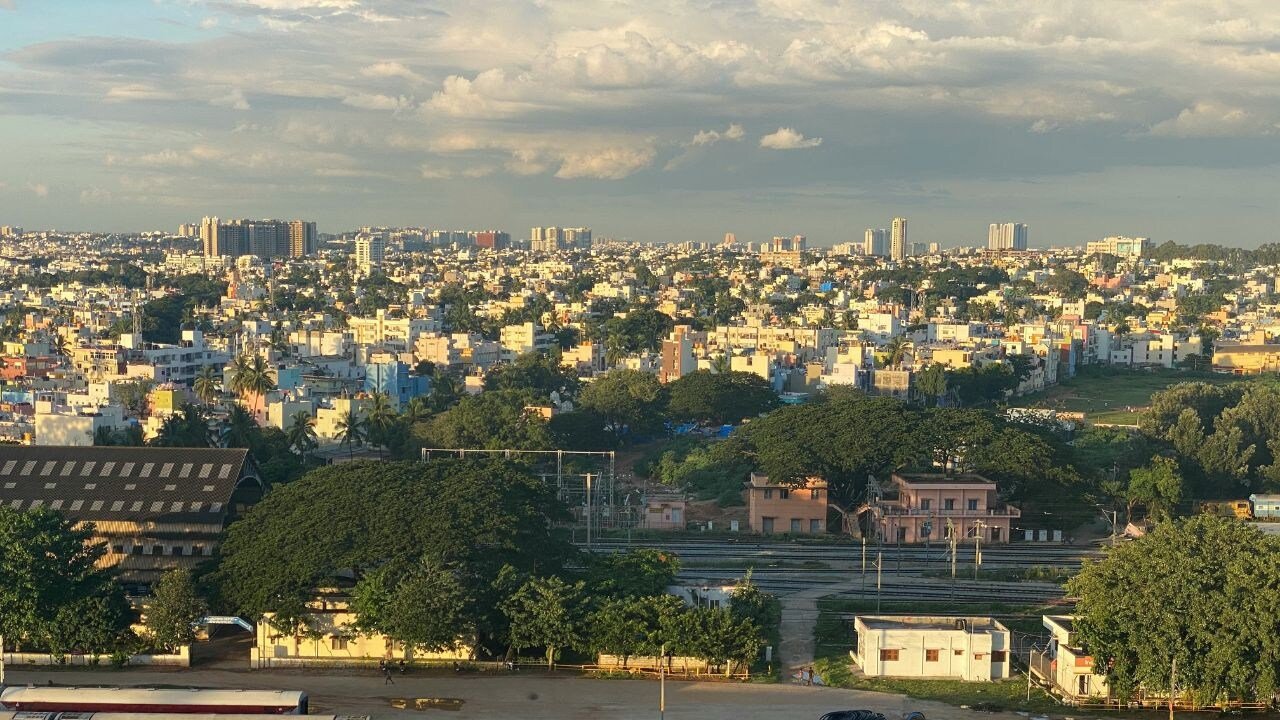
Bengaluru Urban
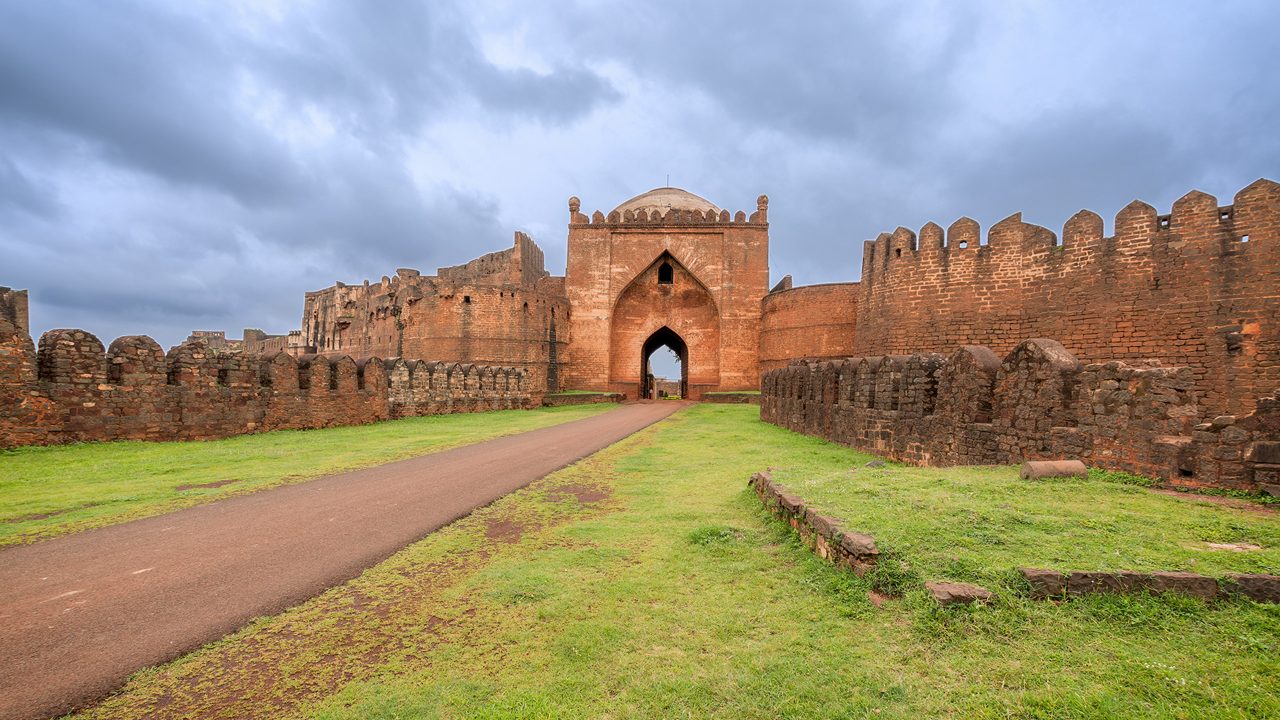
Bidar
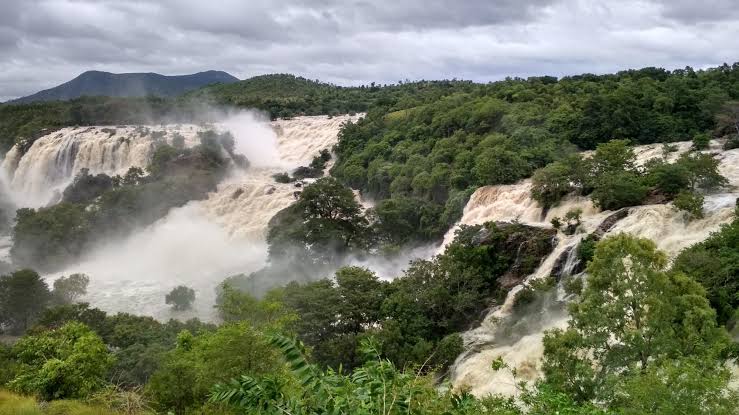
Chamarajanagar
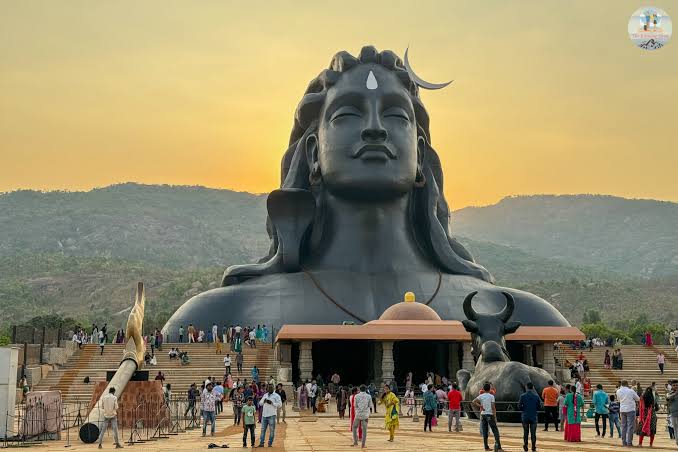
Chikkaballapur
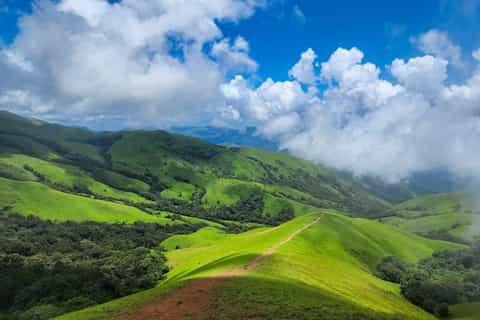
Chikkamagaluru
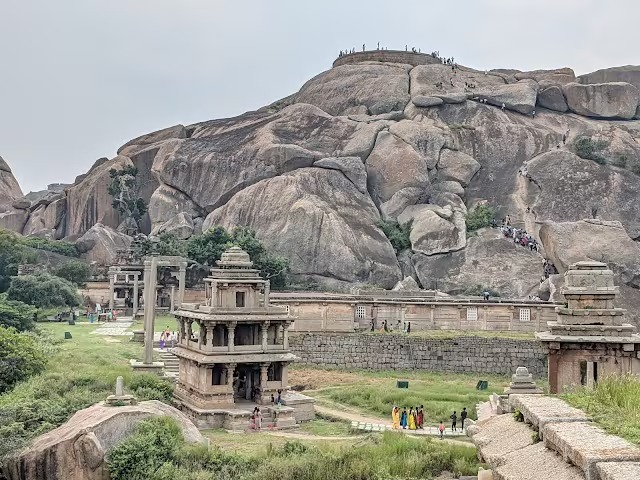
Chitradurga
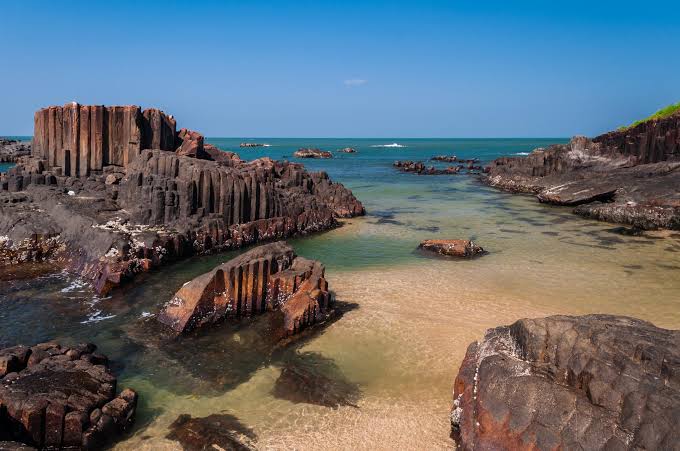
Dakshina Kannada
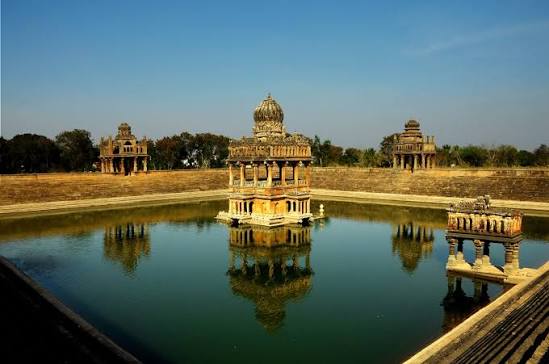
Davanagere
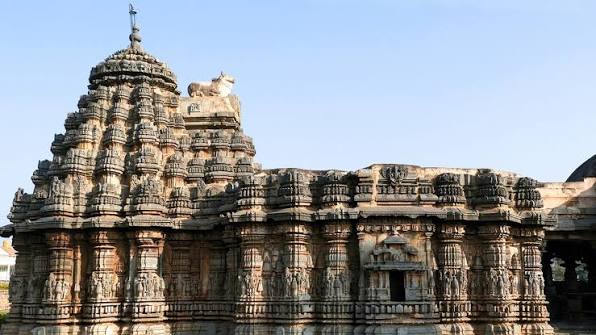
Dharwad
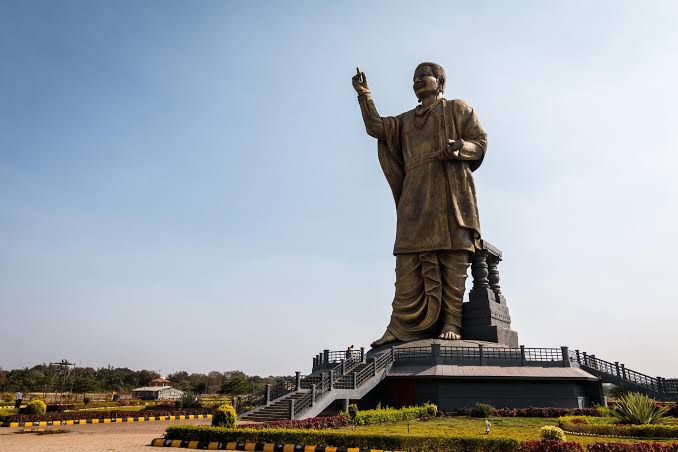
Gadag
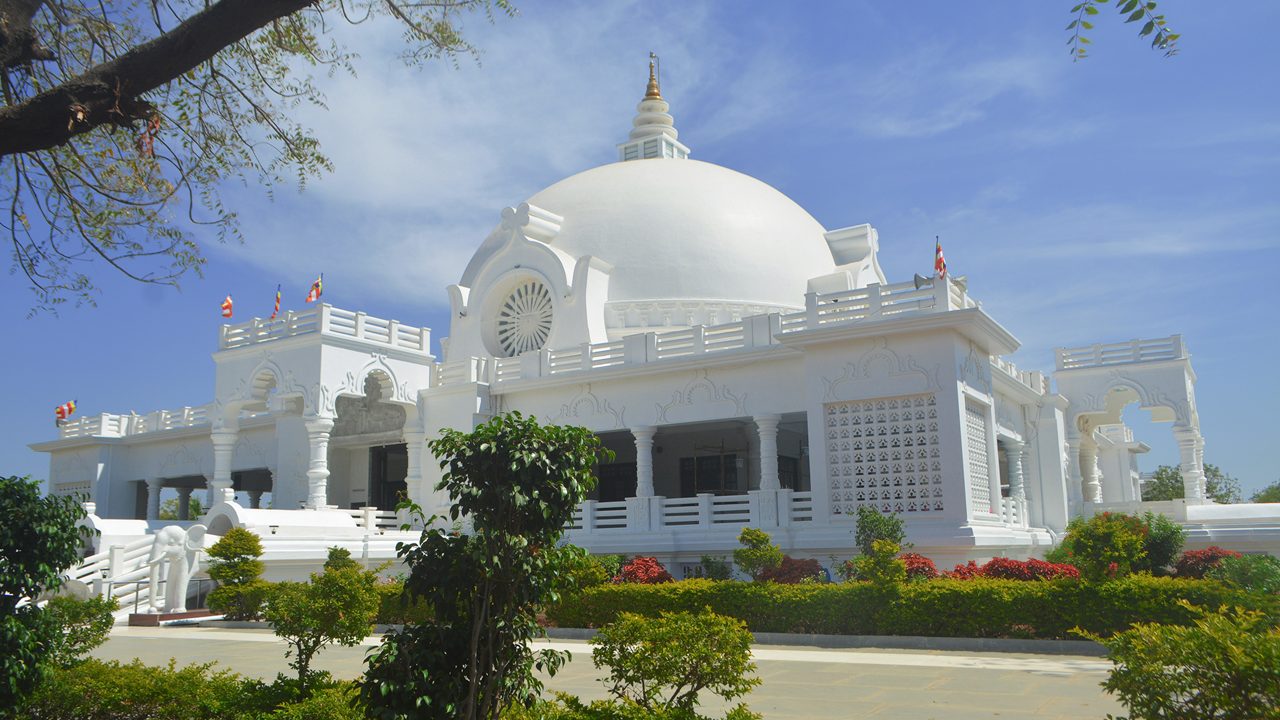
Gulbarga
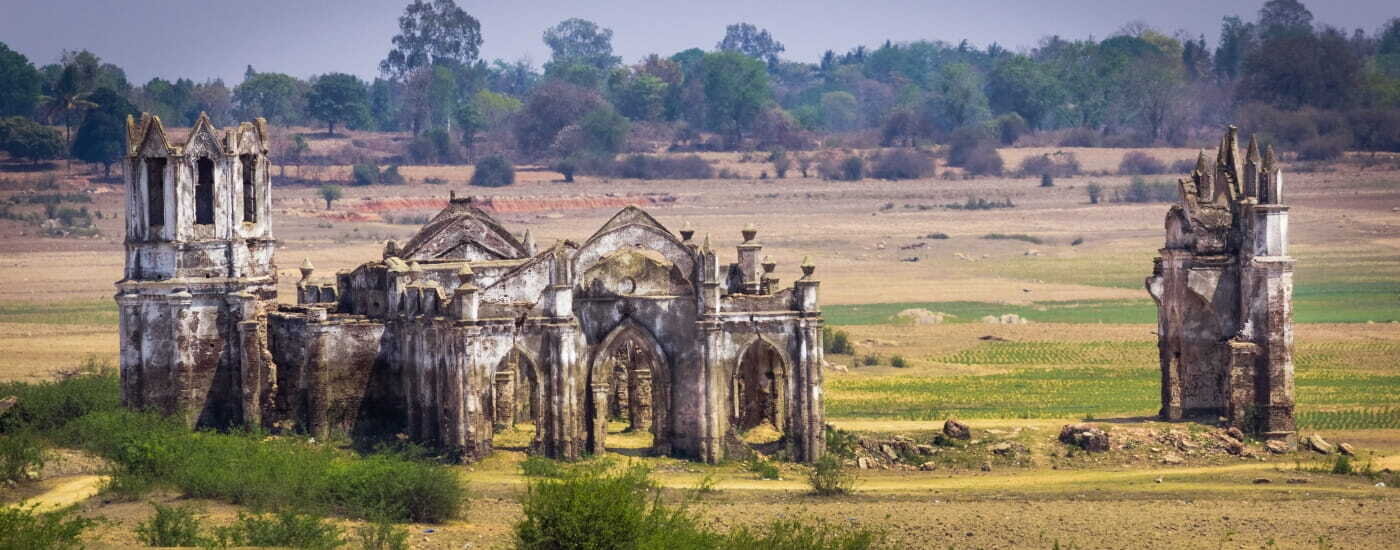
Hassan
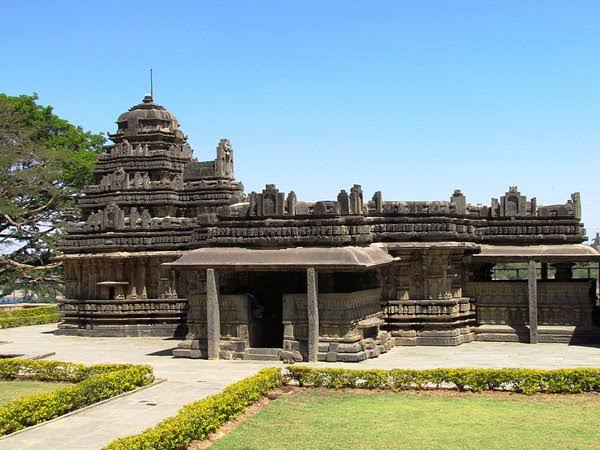
Haveri district
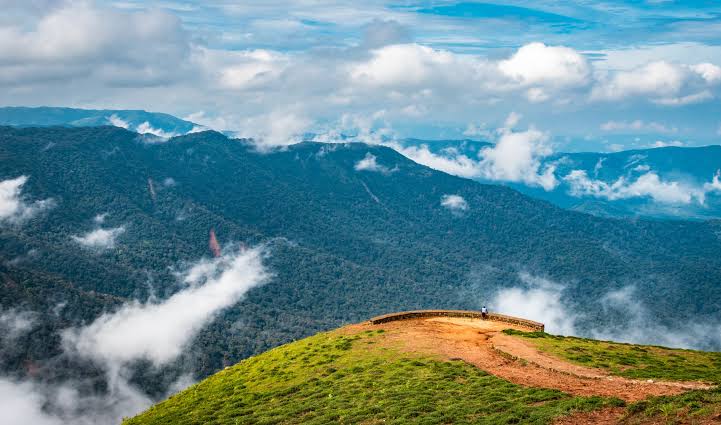
Kodagu
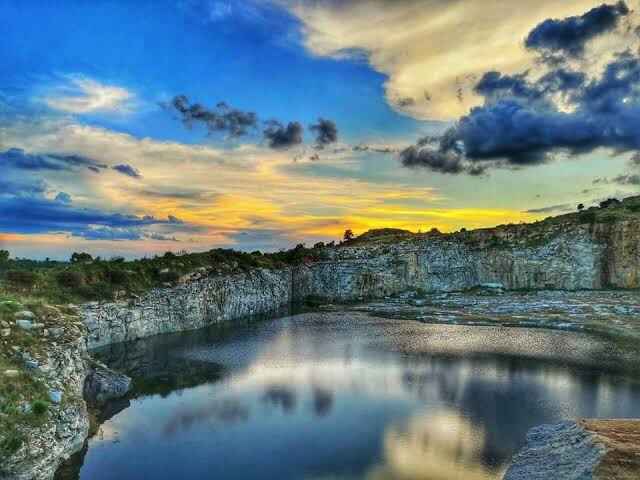
Kolar
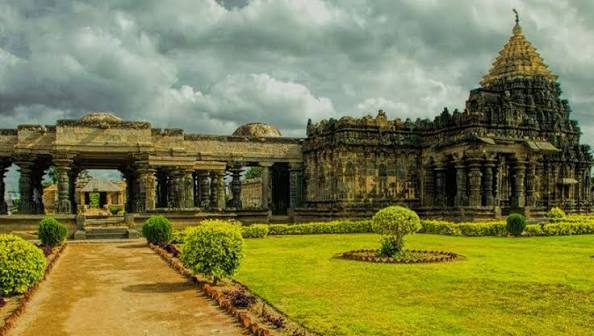
Koppal
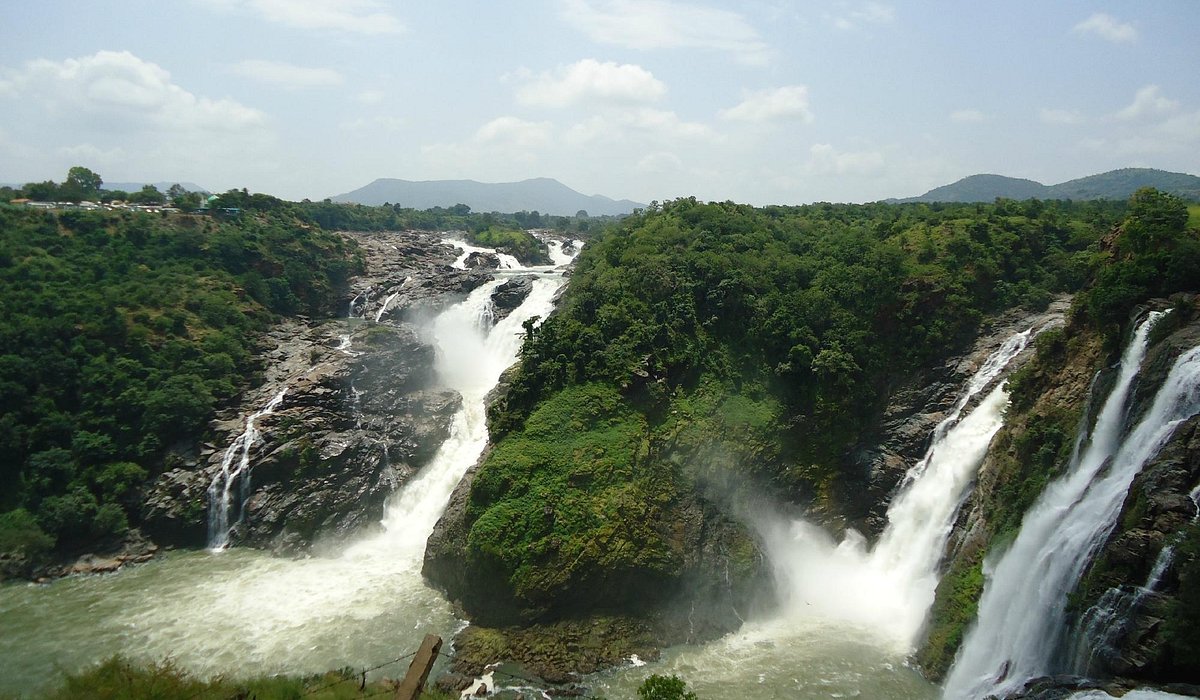
Mandya
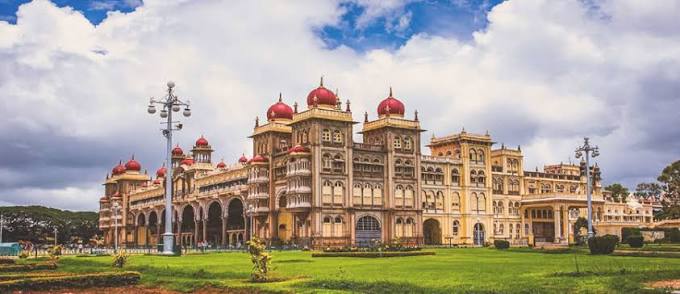
Mysore
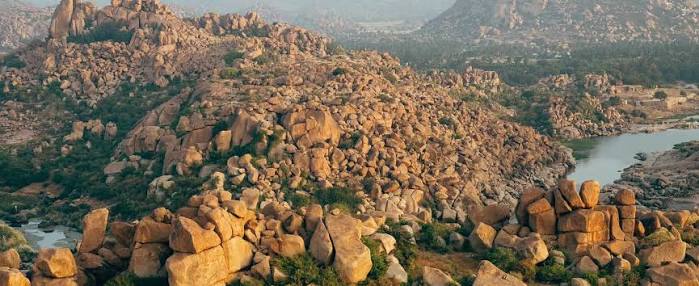
Raichur
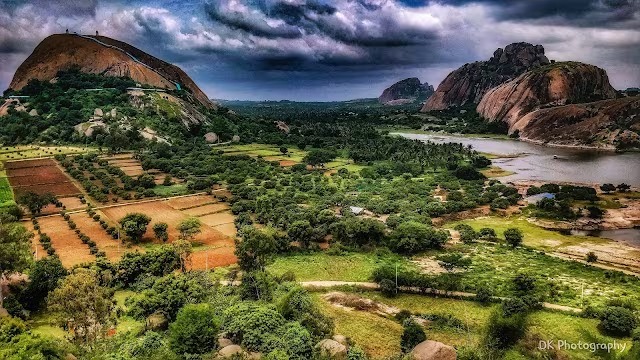
Ramanagara
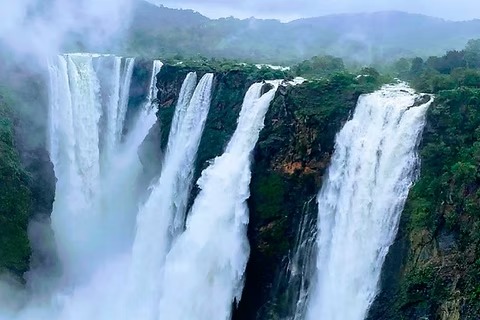
Shimoga
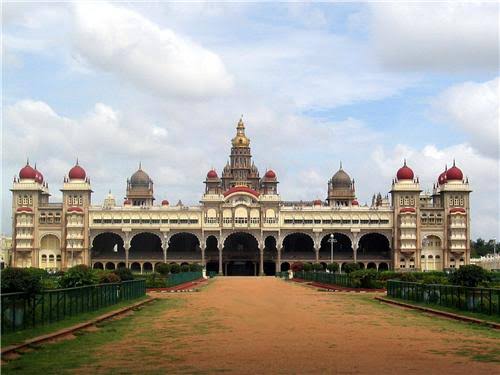
Tumkur
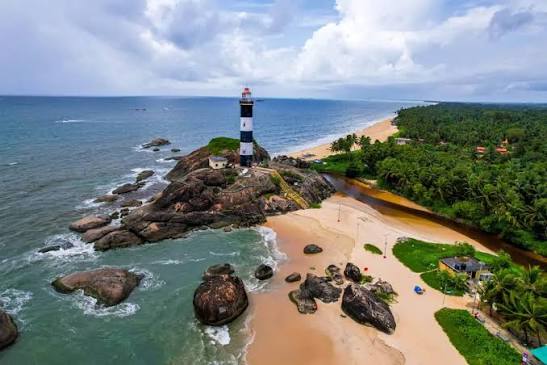
Udupi
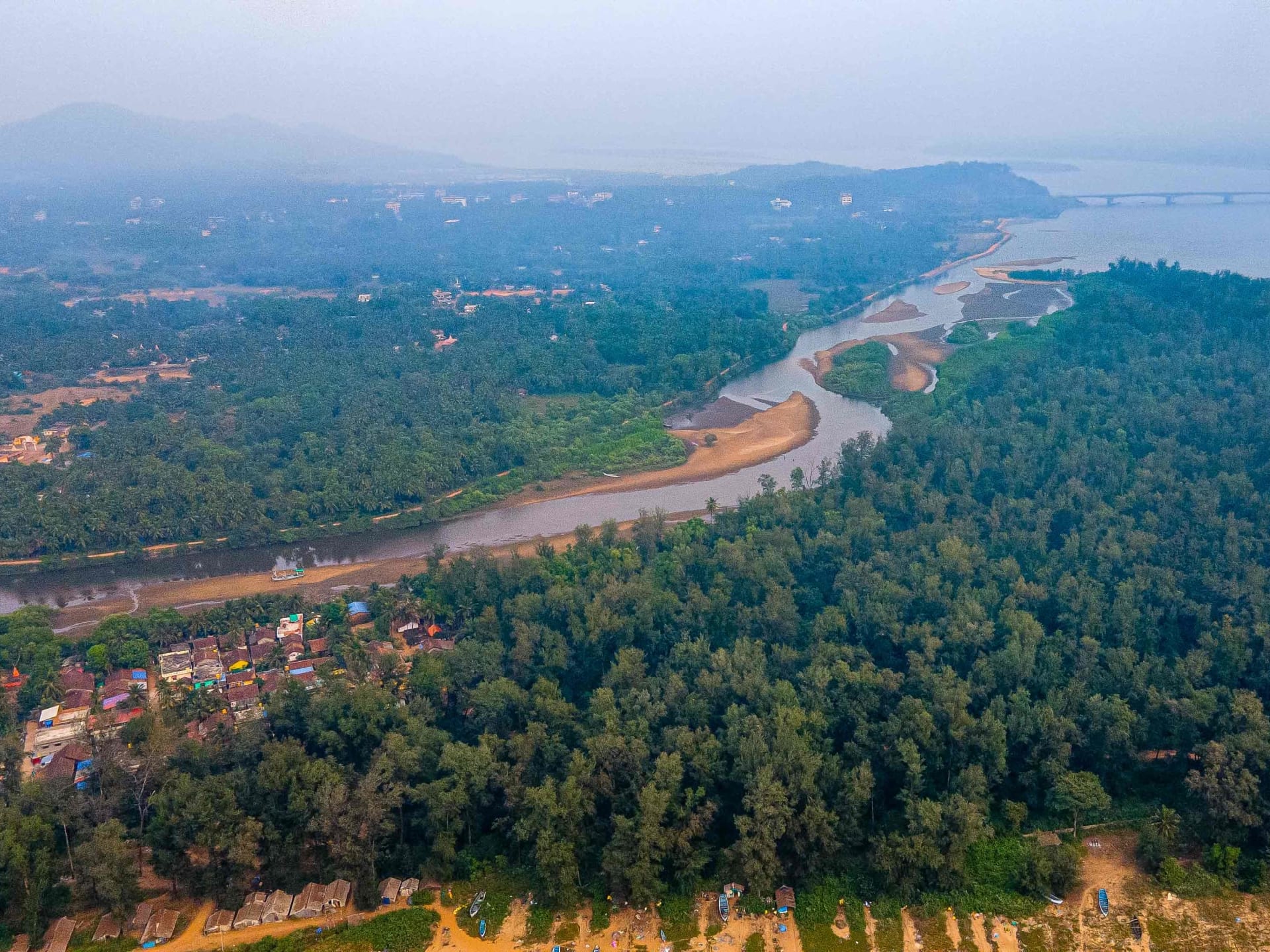
Uttara Kannada
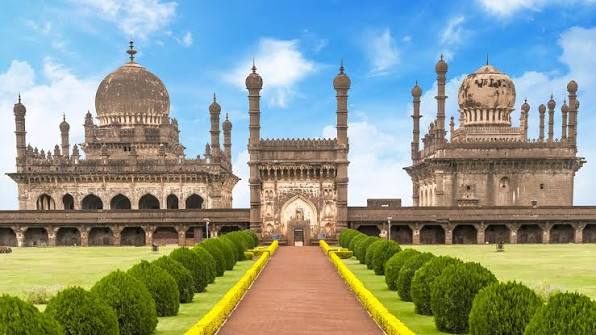
Vijayapura
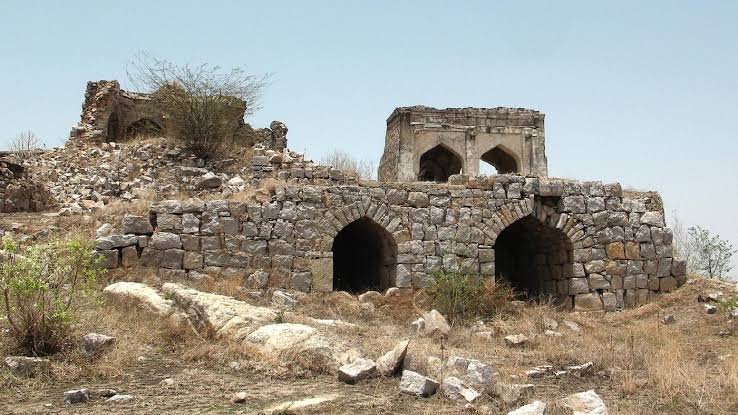
Yadgir
Karnataka – One State, Many Worlds
Karnataka is a fascinating destination in southern India where ancient temples, royal palaces, mist-covered hills, dense forests, vibrant cities, peaceful beaches and rich culinary traditions come together. From the historic ruins of Hampi and the magnificent Mysuru Palace to the coffee plantations of Coorg and Chikkamagaluru, Karnataka offers a remarkable variety of travel experiences.
The state is equally known for its heritage and modern identity. Bengaluru is one of India's major technology and business centres, while destinations such as Badami, Aihole, Pattadakal, Belur and Halebeedu preserve centuries of South Indian architectural history. Along the western side, the Western Ghats, forests, waterfalls and the Arabian Sea create a completely different landscape.
Karnataka Tourism describes the state through the memorable idea of "One State, Many Worlds"—an apt description of its extraordinary combination of heritage, nature, culture, food, wildlife, spirituality and modern urban life.
Why Is Karnataka Famous and Why Should You Visit?
Karnataka is famous for its extraordinary combination of historical monuments, natural landscapes, cultural traditions, wildlife, cuisine and modern cities. It is one of those destinations where a single trip can include ancient temples, wildlife safaris, hill stations, beaches and vibrant urban experiences.
- UNESCO World Heritage Sites: Hampi and the important Chalukyan and Hoysala heritage sites showcase Karnataka's exceptional architectural legacy.
- Royal heritage: Mysuru is famous for its palace, Dasara celebrations and royal traditions.
- Hill stations: Coorg, Chikkamagaluru, Agumbe and other Western Ghats destinations offer forests, plantations, waterfalls and mountain scenery.
- Beaches: Gokarna, Udupi, Malpe, Murudeshwar and other coastal destinations offer beaches, temples and coastal culture.
- Wildlife: Karnataka has forests and protected areas where visitors can experience elephants, tigers, leopards, birds and other wildlife.
- Food: From Mysore Pak and Mysore Masala Dosa to ragi mudde, coastal seafood and Kodava dishes, Karnataka has a diverse culinary identity.
- Culture: Yakshagana, Mysuru Dasara, Karaga and numerous local traditions make Karnataka culturally vibrant.
- Bengaluru: The capital combines technology, business, food, nightlife, gardens, art and a cosmopolitan lifestyle.
History of Karnataka
Karnataka has one of the richest historical landscapes in India. The region has been ruled by several powerful dynasties, each leaving behind monuments, inscriptions, temples, artistic traditions and cultural influences.
Early History
The history of Karnataka goes back to ancient times. Various settlements, kingdoms and cultural centres developed across the Deccan region. The area became an important centre of trade, religion, literature and political power.
Kadambas and Western Gangas
The Kadamba dynasty, associated with Banavasi, played an important role in the early history of Karnataka. The Western Ganga dynasty also contributed significantly to the development of religion, art and architecture in southern Karnataka.
Chalukyas
The Chalukyas of Badami established an important kingdom in northern Karnataka. Badami, Aihole and Pattadakal became major centres of temple architecture and experimentation in architectural styles.
Aihole is particularly important for understanding the evolution of temple architecture, while Pattadakal represents a remarkable combination of northern and southern Indian architectural traditions.
Rashtrakutas and Western Chalukyas
The Rashtrakutas and later Western Chalukyas strengthened Karnataka's position as a major political and cultural region of the Deccan. Their period contributed significantly to literature, sculpture, temple construction and religious institutions.
Hoysala Empire
The Hoysala dynasty created some of Karnataka's most celebrated temples. Belur and Halebeedu are particularly famous for their detailed stone carvings, sculptural panels and distinctive architectural style.
Vijayanagara Empire
One of the most important chapters in Karnataka's history is the rise of the Vijayanagara Empire. Hampi became its magnificent capital and developed into a major centre of trade, politics, religion, art and culture.
Today, the ruins of Hampi include temples, markets, royal structures, water systems and monuments spread across a dramatic boulder-filled landscape. Hampi was declared a UNESCO World Heritage Site in 1986.
Wodeyars of Mysuru
The Wodeyar dynasty played a major role in shaping Mysuru's royal identity. Mysuru became associated with palaces, music, art, education and the spectacular celebration of Dasara.
Colonial Period and Modern Karnataka
Parts of present-day Karnataka came under different political administrations during the colonial period. Bengaluru and other cities gradually developed modern administrative, educational and commercial institutions.
After Indian independence, Kannada-speaking regions were reorganised, eventually forming the state of Mysore. The state was renamed Karnataka in 1973.
Geography and Climate of Karnataka
Karnataka occupies a large part of the southern Deccan Peninsula. Its landscape changes dramatically from the dry interior plateau to the forested Western Ghats and the Arabian Sea coastline.
Major Geographical Regions
- Coastal Karnataka: A narrow coastal belt along the Arabian Sea, known for beaches, temples, seafood and coastal culture.
- Western Ghats: A mountainous and forested region containing coffee plantations, waterfalls, wildlife habitats and hill stations.
- Malnad: The lush, high-rainfall region associated with forests, plantations, rivers and waterfalls.
- Deccan Plateau: Much of interior Karnataka consists of elevated plateau landscapes with agricultural areas, historic towns and semi-arid regions.
- North Karnataka: Known for historic monuments, distinctive cuisine, forts, temples and broad dry landscapes.
Karnataka's geographical diversity is one of the main reasons the state can offer such different travel experiences within the same state. Karnataka Tourism highlights its combination of hills, forests, waterfalls, beaches, wildlife and heritage landscapes.
Climate
Karnataka experiences a tropical climate, but temperatures and rainfall vary significantly between regions.
| Region | Typical Climate | Travel Character |
|---|---|---|
| Coastal Karnataka | Warm and humid with heavy monsoon rainfall | Beaches, temples and coastal cuisine |
| Western Ghats | Cooler and much wetter | Hill stations, forests, waterfalls and plantations |
| South Karnataka | Generally moderate to warm | Palaces, hills, wildlife and heritage |
| North Karnataka | Hotter and comparatively dry | Heritage sites, forts and temple architecture |
Culture and Traditions of Karnataka
Karnataka's culture has developed through centuries of interaction between different kingdoms, communities, religions, languages and regional traditions.
Kannada Language and Literature
Kannada is the principal language of Karnataka and has a long literary tradition. Kannada literature includes poetry, philosophy, religious writing, drama and modern literature.
Yakshagana
Yakshagana is one of the most recognizable traditional performance forms of coastal Karnataka. It combines dance, music, elaborate costumes, expressive movements and storytelling, often drawing from Hindu epics and mythology.
Traditional Communities
Karnataka is home to diverse communities with distinctive traditions. The Kodava community of Kodagu, coastal communities, pastoral groups and communities across North and South Karnataka contribute to the state's cultural diversity.
Handicrafts and Traditional Arts
- Mysuru paintings
- Sandalwood carving
- Ilkal sarees
- Mysore silk
- Channapatna wooden toys
- Bidriware
- Kasuti embroidery
- Traditional metal and wood crafts
Architecture of Karnataka
Karnataka is one of India's most important destinations for architectural and archaeological tourism. Different dynasties experimented with temple plans, sculptures, pillars, gateways, inscriptions and decorative details.
Chalukyan Architecture
The temples of Badami, Aihole and Pattadakal demonstrate the development of early Deccan temple architecture. Pattadakal is especially notable for the blending of architectural traditions from northern and southern India.
Hoysala Architecture
Belur and Halebeedu are celebrated for intricate carvings, detailed sculptures and highly decorated temple surfaces. The temples represent one of the finest expressions of medieval South Indian stone craftsmanship.
Vijayanagara Architecture
Hampi represents the architectural grandeur of the Vijayanagara Empire. Monumental temples, bazaars, royal structures, stone chariots and elaborate gateways create an enormous open heritage landscape.
Mysuru Palace
Mysuru Palace represents the grandeur of the former Mysuru royal family. Its interiors, decorative elements and illuminated exterior make it one of Karnataka's most recognizable landmarks.
Famous Places to Visit in Karnataka
1. Bengaluru
The capital city of Karnataka is India's major technology and startup hub. Beyond technology, Bengaluru offers gardens, historic buildings, museums, restaurants, shopping areas and a vibrant contemporary culture.
Places to explore: Vidhana Soudha, Lalbagh Botanical Garden, Cubbon Park, Bengaluru Palace, ISKCON Temple, Bangalore Fort and local food streets.
2. Mysuru
Mysuru is famous for its royal heritage, palace architecture, traditional culture and Dasara celebrations. It is often regarded as one of Karnataka's most culturally significant destinations.
Highlights: Mysuru Palace, Chamundeshwari Temple, Devaraja Market, Karanji Lake and St. Philomena's Church.
3. Hampi
Hampi is one of Karnataka's most important heritage destinations and a UNESCO World Heritage Site. The ruins of the Vijayanagara capital stretch across a dramatic landscape beside the Tungabhadra River.
Major attractions: Virupaksha Temple, Vijaya Vittala Temple, Stone Chariot, Lotus Mahal, Hampi Bazaar, Royal Enclosure and Achyutaraya Temple.
4. Coorg
Also known as Kodagu, Coorg is famous for coffee plantations, misty hills, forests and Kodava culture. It is a popular destination for nature lovers and travellers seeking a peaceful hill escape.
5. Chikkamagaluru
Chikkamagaluru is known for coffee plantations, mountain landscapes, waterfalls and trekking opportunities. The region is particularly attractive during the cooler months.
6. Gokarna
Gokarna combines beaches with an important temple tradition. Beaches such as Om Beach and Kudle Beach have made the destination popular among travellers looking for a quieter coastal experience.
7. Udupi
Udupi is famous for the Sri Krishna Temple, vegetarian cuisine and its location near the Arabian Sea. Nearby coastal destinations provide opportunities for beach and nature experiences.
8. Badami
Badami is famous for its spectacular rock-cut cave temples carved into red sandstone cliffs. It forms an important heritage circuit with Aihole and Pattadakal.
9. Aihole
Aihole is an important centre for the study of early Indian temple architecture. Its collection of temples demonstrates experimentation in architectural forms during the Chalukyan period.
10. Pattadakal
Pattadakal is a UNESCO World Heritage Site known for its 7th- and 8th-century temples and the fusion of northern and southern Indian architectural traditions.
11. Belur
Belur is famous for the Chennakeshava Temple and the extraordinary sculptural work associated with Hoysala architecture.
12. Halebeedu
Halebeedu was an important Hoysala centre and is renowned for the Hoysaleswara Temple, which features highly detailed stone carvings.
13. Shivamogga
Shivamogga serves as a gateway to several natural attractions of the Malnad region. Waterfalls, forests and nearby hill landscapes make it a useful base for exploring central Karnataka.
14. Jog Falls
Jog Falls is one of Karnataka's best-known waterfalls. Located in the Western Ghats region, it becomes particularly impressive during and after the monsoon.
15. Murudeshwar
Murudeshwar is known for its enormous Shiva statue, temple complex and Arabian Sea setting. The combination of spirituality and coastal scenery makes it a popular destination.
16. Dandeli
Dandeli is known for forests, river landscapes, wildlife and adventure activities. It is particularly popular for rafting and nature-based experiences.
17. Kabini
Kabini is a major wildlife destination associated with forests, river landscapes and safari experiences. It is especially known for opportunities to observe elephants and other wildlife.
18. Bandipur
Bandipur is one of Karnataka's important wildlife destinations and forms part of the larger Nilgiri landscape. Visitors can experience forest safaris and diverse wildlife.
19. Nagarhole
Nagarhole National Park is known for its forests, rivers, wildlife and safari experiences. It is an important habitat within the Western Ghats and Nilgiri landscape.
20. Agumbe
Agumbe is a lush Western Ghats destination known for heavy rainfall, forests, sunsets, biodiversity and trekking opportunities.
Famous Dishes of Karnataka
Karnataka's cuisine changes dramatically from region to region. Coastal Karnataka is known for seafood and coconut-based dishes, while South Karnataka is famous for breakfast foods and sweets. North Karnataka has its own spicy and hearty culinary traditions, and Kodagu has distinctive meat-based cuisine.
Mysore Masala Dosa
A crisp dosa spread with spicy chutney and served with chutney and sambar, the Mysore-style version has become one of Karnataka's best-known dishes.
Ragi Mudde
Ragi mudde is a traditional staple made from finger millet flour. It is commonly served with saaru, sambar or meat-based gravies.
Bisibele Bath
A comforting rice-and-lentil preparation cooked with vegetables and a distinctive spice blend.
Vangi Bath
A flavourful rice dish prepared with brinjal and a special spice mixture.
Mysore Pak
Mysore Pak is one of Karnataka's most famous sweets. It is traditionally made using gram flour, ghee and sugar.
Neer Dosa
A thin and soft rice-based dosa particularly associated with coastal Karnataka.
Udupi Cuisine
Udupi cuisine is known for vegetarian dishes, dosas, idlis, sambar, rasam and a wide variety of coconut- and spice-based preparations.
Kodava Cuisine
Kodagu is known for distinctive meat preparations, rice-based dishes and traditional flavours influenced by the region's geography and culture.
Coastal Seafood
Coastal Karnataka offers a wide variety of fish and seafood preparations, often cooked with coconut, spices and regional masalas.
Famous Personalities from Karnataka
Sir M. Visvesvaraya
Sir Mokshagundam Visvesvaraya was a renowned engineer, statesman and administrator. His contributions to engineering and public infrastructure remain an important part of Karnataka's modern legacy.
Kuvempu
Kuvempu, one of Kannada's most celebrated literary figures, made major contributions to Kannada literature and poetry.
Dr. B. R. Ambedkar and Karnataka
Dr. B. R. Ambedkar's intellectual and social legacy has a significant place in Karnataka's public and educational history, including institutions and memorials associated with his work and ideas.
Girish Karnad
Girish Karnad was a celebrated playwright, actor and filmmaker whose work contributed significantly to Indian theatre and cinema.
Rahul Dravid
Rahul Dravid, born in Indore and raised in Bengaluru, became one of India's most respected international cricketers and is strongly associated with Karnataka's cricket culture.
Gangubai Hangal
Gangubai Hangal was a legendary Hindustani classical vocalist from Karnataka and one of the prominent musical personalities associated with the Kirana tradition.
Bhimsen Joshi
Bhimsen Joshi was one of India's most celebrated Hindustani classical vocalists and had strong connections with Karnataka's musical heritage.
Famous Festivals of Karnataka
Mysuru Dasara
Mysuru Dasara is one of Karnataka's most famous festivals. The celebration is associated with the Mysuru royal tradition and is known for grand processions, cultural programmes and illuminated heritage sites.
Bengaluru Karaga
Bengaluru Karaga is an important traditional festival of Bengaluru, featuring religious rituals, processions and longstanding local traditions.
Hampi Utsav
Hampi Utsav celebrates the heritage and cultural traditions associated with Hampi and the Vijayanagara legacy.
Ugadi
Ugadi marks the traditional New Year in Karnataka and is celebrated with religious rituals, special food and family gatherings.
Ganesh Chaturthi
Ganesh Chaturthi is celebrated widely throughout Karnataka with decorated idols, prayers, cultural programmes and community celebrations.
Vara Mahalakshmi Festival
This festival is especially significant among many communities in Karnataka and is associated with worship of Goddess Lakshmi.
Things to Do in Karnataka
- Explore the UNESCO heritage ruins of Hampi.
- Visit the magnificent Mysuru Palace.
- Explore the Chalukyan heritage circuit of Badami, Aihole and Pattadakal.
- Admire the Hoysala temples at Belur and Halebeedu.
- Enjoy coffee plantation experiences in Coorg and Chikkamagaluru.
- Go on wildlife safaris in Bandipur, Nagarhole and Kabini.
- Try river rafting and adventure activities in Dandeli.
- Relax on beaches around Gokarna, Udupi and the coastal belt.
- Experience Yakshagana in coastal Karnataka.
- Enjoy trekking in the Western Ghats.
- Explore waterfalls during and after the monsoon.
- Try traditional Karnataka cuisine.
- Explore Bengaluru's food, shopping, art and technology culture.
- Experience Mysuru Dasara if travelling during the festival season.
Where to Eat, Shop and Stay in Karnataka
Where to Eat
Karnataka offers everything from traditional local eateries to premium restaurants and modern cafés.
- Bengaluru: South Indian breakfast, cafés, international cuisine and modern restaurants.
- Mysuru: Mysore Masala Dosa, Mysore Pak and traditional vegetarian food.
- Udupi: Traditional vegetarian Udupi cuisine.
- Mangaluru: Coastal seafood and Mangalorean cuisine.
- Coorg: Kodava cuisine and plantation-style meals.
- North Karnataka: Ragi-based dishes, jolada rotti and regional curries.
Where to Shop
- Mysore silk sarees
- Sandalwood products
- Mysuru paintings
- Channapatna toys
- Ilkal sarees
- Traditional handicrafts
- Coorg coffee
- Regional spices
- Local food products
Where to Stay
Karnataka offers accommodation for different budgets and travel styles, including hotels, resorts, homestays, heritage properties, eco-stays and government-recognized tourism accommodation. Karnataka Tourism also provides information about recognized homestays and accommodation options.
What Is Karnataka Famous For?
Karnataka is particularly famous for its combination of heritage, nature, culture and modern urban life.
- Hampi and Vijayanagara heritage
- Mysuru Palace and Mysuru Dasara
- Badami, Aihole and Pattadakal
- Hoysala temples of Belur and Halebeedu
- Bengaluru's technology industry
- Coorg coffee plantations
- Western Ghats landscapes
- Wildlife reserves and national parks
- Arabian Sea beaches
- Yakshagana
- Karnataka cuisine
- Mysore Pak and Mysore Masala Dosa
- Traditional handicrafts and silk
Best Time to Visit Karnataka
The best time to visit Karnataka depends greatly on the region and the type of experience you want. The state has coastal areas, Western Ghats, plateau regions, wildlife destinations and heritage cities, so there is no single season that is ideal for every destination.
| Season | Months | Suitable For |
|---|---|---|
| Winter | October – February | Heritage tours, cities, beaches, wildlife and hill stations |
| Summer | March – May | Hill stations, waterfalls and selected wildlife destinations |
| Monsoon | June – September | Western Ghats, waterfalls, greenery and monsoon landscapes |
For a first broad Karnataka trip, October to February is generally convenient because temperatures are more comfortable across many popular destinations. However, Western Ghats destinations can be especially scenic during the monsoon, while coastal travel requires consideration of heavy rainfall and sea conditions. Karnataka Tourism similarly recommends planning according to the season and region.
How to Reach Karnataka
By Air
Karnataka has several operational airports serving different regions of the state. Kempegowda International Airport in Bengaluru is the principal international gateway, while Mangaluru International Airport serves the coastal region. Hubballi and other airports provide additional domestic connectivity.
By Train
Karnataka is well connected to major Indian cities by railway. Bengaluru, Mysuru, Mangaluru, Hubballi, Ballari, Shivamogga and other cities serve as important railway points.
By Road
Karnataka has an extensive road network connecting it with neighbouring states including Maharashtra, Goa, Telangana, Andhra Pradesh, Tamil Nadu and Kerala.
State transport buses, private buses, taxis and rental vehicles make road travel between major tourist destinations relatively convenient.
Local Transportation
- Government and private buses
- Taxis and app-based cabs
- Rental cars
- Rental motorcycles and scooters in selected destinations
- Autorickshaws
- Bengaluru Metro
- Local trains in selected areas
Nearby States and Places to Combine with Karnataka
Goa
The beaches and heritage of Goa can be combined with North or Coastal Karnataka, particularly around the Uttara Kannada region.
Kerala
Southern Karnataka can be combined with Kerala for a journey covering forests, hill stations, backwaters and coastal destinations.
Tamil Nadu
South Karnataka connects naturally with Tamil Nadu, making it possible to combine destinations such as Mysuru with Ooty, Coonoor or other Tamil Nadu attractions.
Andhra Pradesh and Telangana
Eastern and northeastern parts of Karnataka provide road connections towards Andhra Pradesh and Telangana, making multi-state heritage and cultural journeys possible.
Maharashtra
North Karnataka can be combined with southern Maharashtra for heritage, religious and road-trip itineraries.
Best Duration for a Karnataka Trip
| Duration | Suggested Experience |
|---|---|
| 3–4 Days | Bengaluru and Mysuru or a focused Hampi trip |
| 5–7 Days | Mysuru + Coorg + Bengaluru or Hampi + Badami + Pattadakal |
| 8–10 Days | Heritage + hill stations + selected coastal destinations |
| 10–14 Days | A broader Karnataka circuit covering heritage, nature and coast |
| 15+ Days | A detailed state-wide journey covering multiple regions |
Because Karnataka is geographically large and its major attractions are spread across different regions, trying to cover the entire state in a short trip can result in substantial travel time. A regional itinerary is often more practical.
Travel Tips for Karnataka
- Plan according to region: Karnataka's climate changes considerably between the coast, Western Ghats and interior plateau.
- Check monsoon conditions: Heavy rain can affect roads, waterfalls and outdoor activities in the Western Ghats and coastal areas.
- Book ahead: Popular destinations can become busy during festivals, holidays and peak travel seasons.
- Carry comfortable footwear: Heritage sites often involve considerable walking.
- Dress respectfully: Follow local customs when visiting temples and religious places.
- Carry suitable clothing: Hill stations can be cooler, while coastal and interior areas can be warm.
- Wildlife rules matter: Follow safari timings, park rules and instructions from forest officials.
- Be careful near waterfalls: Monsoon conditions can make rocks and water currents dangerous.
- Keep drinking water with you: Use safe drinking-water sources while travelling.
- Respect local culture: Photography, drone use and access to restricted areas may be subject to local rules.
- Try regional food: Karnataka's cuisine changes dramatically from district to district.
- Allow travel time: Distances between tourist destinations can be significant.
Why Visit Karnataka?
Karnataka is ideal for travellers who want variety rather than a single type of holiday. A journey through the state can move from the technology-driven streets of Bengaluru to the royal atmosphere of Mysuru, the ancient stones of Hampi, the coffee plantations of Coorg, the forests of the Western Ghats and the beaches of the Arabian Sea.
History lovers can explore centuries-old temples and ruins. Nature lovers can discover forests, waterfalls and mountains. Wildlife enthusiasts can visit national parks and safari destinations. Food lovers can travel from Udupi cuisine to coastal seafood, Kodava dishes and North Karnataka specialties.
The state also offers a rare combination of ancient heritage and modern life. Bengaluru represents India's contemporary technology economy, while Hampi, Pattadakal, Badami, Belur and Halebeedu preserve architectural traditions developed centuries ago.
For travellers looking for a destination with multiple experiences in one state, Karnataka offers an exceptionally diverse journey.
Conclusion
Karnataka is a destination where history, nature, culture, food and modernity exist side by side. From the monumental heritage of Hampi and the Chalukyan temples of Badami, Aihole and Pattadakal to the royal elegance of Mysuru, the green hills of Coorg and Chikkamagaluru, the wildlife of the Western Ghats and the beaches of the Karnataka coast, every region offers a different story.
Its diverse traditions, distinctive cuisine, festivals, architecture and landscapes make Karnataka much more than a single tourist destination. It is a collection of many travel experiences connected within one state.
Karnataka truly lives up to its identity: One State, Many Worlds.