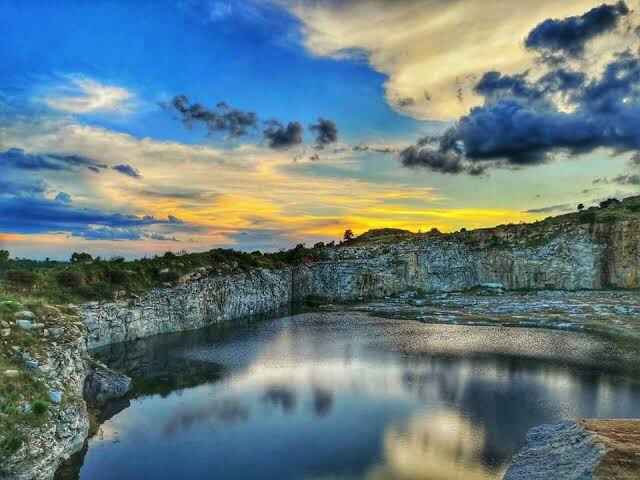
Kolar: The Land of Gold, Silk, Milk and Ancient Temples
Kolar is one of the historically significant districts of Karnataka, located in the eastern part of the state. Known for its ancient temples, gold-mining heritage, silk production, dairy farming, mangoes and distinctive cultural traditions, Kolar offers travellers a fascinating combination of history, spirituality, agriculture and adventure.
The district headquarters is Kolar city, which has a history stretching back many centuries. Kolar was historically known by names such as Kolala, Kuvalala and Kolahalapura and was once an important centre of the Western Ganga dynasty.
Kolar is particularly famous for the historic Kolar Gold Fields (KGF), which became one of India's most important gold-mining regions. Although mining operations have ended, the legacy of KGF remains an important part of the district's identity.
The district is also known for its ancient temples, including Kolaramma Temple, Someshwara Temple, Kurudumale Ganesha Temple, Virupakshi Temple and Kotilingeshwara Temple. For adventure lovers, Anthargange provides opportunities for trekking, rock climbing and cave exploration.
| Quick Information | Details |
|---|---|
| State | Karnataka |
| District Headquarters | Kolar |
| Region | Eastern Karnataka |
| Popular Identity | Land of Silk, Milk, Mangoes and Gold |
| Famous For | Kolar Gold Fields, ancient temples, silk, milk, mangoes and agriculture |
| Major Attraction | Kotilingeshwara Temple |
| Adventure Destination | Anthargange |
| Best Time to Visit | October to February |
1. Introduction
Kolar is a destination where Karnataka's ancient history and modern agricultural identity come together. Located close to Bengaluru, the district is easily accessible and makes an interesting destination for travellers looking for historical monuments, temples, rural landscapes and short adventure trips.
The district has played an important role in the history of southern India. The Western Gangas made Kolar an important centre and later the Cholas, Hoysalas and Vijayanagara rulers also left their influence on the region.
Over time, Kolar developed another major identity through gold mining. The Kolar Gold Fields became internationally known for their deep underground mines and remained an important mining centre for more than a century.
Today, Kolar's economy and identity are strongly connected with agriculture, horticulture, dairy farming and sericulture. The district is particularly associated with silk, milk and mangoes.
For travellers, Kolar offers an unusual mix of ancient temples, mining heritage, rocky landscapes, agricultural villages and religious destinations.
2. Why Is Kolar Famous and Why Should You Visit?
Kolar Gold Fields
The Kolar Gold Fields, popularly known as KGF, are perhaps the most recognisable part of Kolar's modern history. The region was once one of India's major gold-mining centres. Mining eventually ended, but the old mining settlements and industrial heritage remain an important part of the region's story.
Ancient Temples
Kolar has numerous temples representing different periods of South Indian architecture. Kolaramma Temple and Someshwara Temple in Kolar city are particularly important historical landmarks.
Kotilingeshwara Temple
The Kotilingeshwara Temple at Kammasandra is famous for its enormous Shiva Linga and the large number of smaller Shiva Lingas spread throughout the temple complex.
Anthargange
Anthargange is one of the district's most popular adventure destinations. Its rocky terrain, caves, natural spring and hilltop views make it attractive to trekkers and outdoor enthusiasts.
Silk Production
Kolar has a strong connection with sericulture and silk production. Mulberry cultivation and silk-related activities form an important part of the rural economy.
Milk Production
Dairy farming is another important part of Kolar's agricultural economy. The district is widely associated with milk production.
Mangoes and Horticulture
Kolar is also an important horticultural region, particularly known for mangoes, vegetables and other fruit crops.
Convenient Location
Because of its proximity to Bengaluru and its good road and railway connectivity, Kolar can be explored as a weekend trip or a short cultural and heritage getaway.
3. History of Kolar
Ancient Kolar
Kolar has a long recorded history and was known by several names including Kolala, Kuvalala and Kolahalapura. The district administration records that Kolar's history goes back to ancient times and that it was an important centre of the Western Ganga dynasty.
Western Ganga Dynasty
The Western Gangas made Kolar an important political centre. The region was known as Kuvalala and the Gangas controlled a large territory in southern India.
Chola Period
The Cholas later took control of Kolar. Historical records indicate that the Cholas annexed Kolar in 1004 AD and retained control until the 12th century.
Hoysala and Vijayanagara Influence
Later periods saw the influence of the Hoysalas and Vijayanagara rulers. Several temples and architectural structures in and around Kolar reflect the artistic traditions of these periods.
Kolar Gold Fields
The discovery and systematic development of gold mining transformed the history of Kolar. The Kolar Gold Fields became an important mining centre during the colonial period.
Mining continued for more than a century before the operations were eventually closed because of declining production and increasing costs.
Modern Kolar
Modern Kolar is primarily known for agriculture, horticulture, dairy farming, sericulture and tourism. The district continues to preserve its historical and cultural heritage while developing as an important agricultural region.
4. Geography and Climate
Location
Kolar is located in the eastern part of Karnataka and is the easternmost district of the state. It shares boundaries with Bengaluru Rural and Chikkaballapur in Karnataka, while Andhra Pradesh and Tamil Nadu lie towards its eastern and southern sides.
Landscape
The district has a predominantly dry landscape with hills, rocky outcrops, valleys, gently sloping lands and agricultural areas. The terrain around Anthargange is particularly known for its large granite boulders and rocky formations.
Climate
Kolar experiences a relatively dry climate compared with the wetter regions of western Karnataka. Summers can be hot, while the monsoon brings seasonal rainfall. Winters are generally more comfortable for sightseeing.
| Season | Approximate Period | General Conditions |
|---|---|---|
| Summer | March to May | Hot and dry, especially during the afternoon |
| Monsoon | June to September | Seasonal rainfall and greener surroundings |
| Post-Monsoon | October to November | Pleasant conditions with refreshed landscapes |
| Winter | December to February | Cooler and comfortable for sightseeing |
5. Culture and Traditions
Kannada Heritage
Kannada is the principal language of the district, while Telugu, Tamil and other languages are also spoken in different communities.
Silk Culture
Sericulture has played an important role in the rural economy of Kolar. Mulberry cultivation and silk production have contributed to the district's identity as a land of silk.
Agricultural Traditions
Agriculture remains an important part of life in Kolar. Ragi, groundnut, pulses, vegetables and horticultural crops are cultivated across the district.
Temple Traditions
Religious traditions are deeply connected with the social and cultural life of Kolar. Major temples attract devotees throughout the year and become especially lively during annual festivals.
Rural Lifestyle
The villages surrounding Kolar provide visitors with an opportunity to experience traditional agricultural life, local markets and regional food traditions.
6. Architecture and Heritage
Kolaramma Temple
The Kolaramma Temple is one of Kolar's most important historical temples. It is associated with the Western Ganga and Chola periods and is a significant example of traditional South Indian temple architecture.
The temple is dedicated to Kolaramma, a form of the goddess associated with the city's religious identity.
Someshwara Temple
The Someshwara Temple in Kolar is an impressive example of Dravidian and Vijayanagara architectural traditions. The temple complex includes beautifully carved pillars, mandapas, a large entrance structure and a temple tank.
Virupakshi Temple
The Virupakshi Temple near Mulbagal is another important historical temple. The structure is associated with Vijayanagara-era architectural traditions and features detailed stone carvings.
Kurudumale Temple
Kurudumale is famous for its large Ganesha idol and historic temple complex. The area is an important pilgrimage destination near Mulbagal.
KGF Heritage
The old mining settlements of Kolar Gold Fields represent a different side of the district's heritage. Historic buildings, old mining infrastructure and colonial-era influences remain associated with the region.
7. Famous Places to Visit in Kolar
1. Kolaramma Temple
Located in Kolar city, the Kolaramma Temple is one of the district's most important religious and historical attractions. Its architecture reflects the artistic traditions of the Ganga and Chola periods.
2. Someshwara Temple
The Someshwara Temple is known for its Dravidian architecture, stone carvings, mandapas and historic significance. It is an excellent destination for travellers interested in South Indian temple architecture.
3. Anthargange
Anthargange is a rocky hill destination near Kolar known for trekking, caves, boulder formations and a perennial natural spring associated with the local temple.
The hill provides panoramic views of the surrounding countryside and is particularly popular with adventure enthusiasts.
4. Kotilingeshwara Temple
Located at Kammasandra, the Kotilingeshwara Temple is famous for its gigantic Shiva Linga and the numerous smaller Lingas installed across the temple complex.
5. Kolar Gold Fields
KGF is an important destination for travellers interested in industrial and colonial history. The old mining region provides insight into the gold-mining legacy that shaped modern Kolar.
6. Kurudumale
Kurudumale is known for its historic Ganesha temple and large stone idol. The destination is located near Mulbagal and is visited by devotees throughout the year.
7. Mulbagal
Mulbagal is a historic town in eastern Kolar and is home to several temples and religious attractions. Its name is traditionally connected with the idea of the eastern gateway or entrance.
8. Virupakshi Temple
Located near Mulbagal, the Virupakshi Temple is known for its historic architecture, stone carvings and religious importance.
9. Avani
Avani is a historically and mythologically significant village known for the Ramalingeshwara group of temples and its rocky hill landscape.
10. Kotilingeshwara
The enormous Shiva Linga and the vast number of smaller Lingas make Kotilingeshwara one of the most visually distinctive pilgrimage destinations in the district.
11. Budikote
Budikote is a historic village in Kolar district known for its old fort and its association with Hyder Ali, the father of Tipu Sultan.
12. Bangaru Tirupati
Bangaru Tirupati is a popular religious destination associated with Lord Venkateshwara and attracts pilgrims looking for a quieter alternative to larger temple destinations.
13. Bethamangala
Bethamangala is known for its reservoir and surrounding landscape. It can be a peaceful stop for travellers interested in nature and rural scenery.
8. Famous Dishes and Food of Kolar
Ragi Mudde
Ragi Mudde is one of the traditional staple foods of Karnataka and is particularly popular in rural areas. It is usually served with sambar, saaru or other spicy accompaniments.
Ragi Rotti
Ragi Rotti is a traditional millet-based flatbread prepared using ragi flour. It is often served with chutney, curry or vegetables.
Bisibele Bath
Bisibele Bath is a popular Karnataka rice preparation made with rice, lentils, vegetables and spices.
Akki Rotti
Akki Rotti is a rice-flour flatbread commonly enjoyed with chutneys and vegetable curries.
Local Mango Preparations
Because Kolar is an important mango-growing region, mango-based preparations and seasonal fruit products are an important part of the local food culture.
Traditional South Indian Breakfast
Visitors can also enjoy traditional breakfast dishes such as idli, dosa, vada, upma and other South Indian specialities in local eateries.
Filter Coffee
A cup of traditional South Indian filter coffee is a simple but enjoyable way to finish a local meal or sightseeing break.
9. Famous Personalities Associated with Kolar
Hyder Ali
Hyder Ali, the father of Tipu Sultan and the ruler of the Kingdom of Mysore, is traditionally associated with Budikote in Kolar district, which is recognised as his birthplace.
Tipu Sultan
Although Tipu Sultan was born in Devanahalli, his historical connection with the broader region is significant through his family and the history of Mysore.
Kolar's Literary and Cultural Contributors
Kolar has also contributed to Karnataka's literary, cultural and social history through scholars, artists, agricultural communities and local cultural traditions.
10. Festivals of Kolar
Kolaramma Jatre
The Kolaramma Jatre is one of the important traditional festivals associated with Kolar city. The festival brings together religious rituals, local traditions, devotees and cultural activities.
Karaga Festival
The traditional Karaga celebrations form an important part of the cultural traditions of the region. The festival is associated with devotion, community participation and folk traditions.
Mahashivaratri
Mahashivaratri is celebrated with great devotion at Shiva temples throughout Kolar, including Someshwara, Kotilingeshwara and Virupakshi temples.
Rathotsava
Several temples in Kolar district conduct annual Rathotsava celebrations featuring decorated temple chariots, processions, religious ceremonies and cultural performances.
Ugadi
Ugadi, the Kannada New Year, is celebrated across the district with traditional food, family gatherings and religious rituals.
Deepavali
Deepavali is widely celebrated throughout Kolar with traditional prayers, lamps, sweets and family celebrations.
11. Things to Do in Kolar
Trek at Anthargange
Anthargange is one of the best places in Kolar for trekking. The rocky landscape and natural caves provide an adventurous experience.
Explore Natural Caves
The rocky formations at Anthargange have created natural caves that attract visitors interested in exploration and adventure.
Visit Ancient Temples
Explore the Kolaramma, Someshwara, Virupakshi and Kurudumale temples to experience the architectural heritage of the region.
Explore KGF Heritage
Learn about the history of gold mining by exploring the old settlements and heritage landscape associated with Kolar Gold Fields.
Visit Kotilingeshwara
Experience the enormous Shiva Linga and the distinctive temple complex at Kammasandra.
Explore Rural Kolar
Take a drive through the countryside to see farms, mango orchards, silk-related agricultural activities and traditional villages.
Try Local Food
Enjoy traditional Karnataka dishes such as ragi mudde, ragi rotti, dosa, idli and other local preparations.
Photography
Kolar offers several photography opportunities, particularly around temples, rocky hills, agricultural landscapes, old mining areas and rural villages.
12. Where to Eat, Shop and Stay
Where to Eat
Kolar city, Mulbagal and other major towns have local restaurants and eateries serving Karnataka and South Indian cuisine.
- Traditional South Indian restaurants
- Local vegetarian eateries
- Family restaurants
- Breakfast and tiffin centres
- Roadside food outlets
- Local sweet shops
What to Eat
- Ragi Mudde
- Ragi Rotti
- Akki Rotti
- Bisibele Bath
- South Indian breakfast
- Local mango products
- Filter coffee
Where to Stay
Kolar city is the most convenient base for travellers exploring the district.
- Budget hotels
- Mid-range hotels
- Family accommodations
- Guest houses
- Resorts and stays near nature destinations
What to Shop
Visitors can look for products connected with Kolar's agricultural and traditional identity.
- Silk products
- Local mango products
- Fresh fruits and vegetables
- Traditional handicrafts
- Local food products
- Religious souvenirs
13. What Is Kolar Famous For?
| Feature | Why It Is Famous |
|---|---|
| Kolar Gold Fields | Historic gold-mining region with more than a century of mining heritage |
| Kolaramma Temple | Ancient temple associated with Ganga and Chola architectural traditions |
| Someshwara Temple | Important example of South Indian and Vijayanagara architecture |
| Kotilingeshwara Temple | Famous for its enormous Shiva Linga and numerous smaller Lingas |
| Anthargange | Popular destination for trekking, caves and rocky landscapes |
| Silk | Important sericulture and silk-producing region |
| Milk | Major dairy-producing district |
| Mangoes | Important horticultural crop of the district |
| Kurudumale | Historic temple destination famous for its large Ganesha idol |
| Virupakshi Temple | Historic temple near Mulbagal with detailed architecture |
14. Best Time to Visit Kolar
The most comfortable period to explore Kolar is generally October to February. The weather is more suitable for temple visits, trekking, sightseeing and outdoor activities during these months.
October to November
The post-monsoon period offers relatively pleasant weather and greener surroundings. It is a good period for sightseeing and outdoor exploration.
December to February
Winter provides comfortable conditions for visiting temples, exploring KGF and trekking at Anthargange.
March to May
Summer can become hot, particularly during the afternoon. Travellers planning outdoor activities should preferably begin early in the morning.
June to September
The monsoon brings seasonal rainfall and can make rocky landscapes greener. However, rain may affect trekking and outdoor activities.
| Travel Experience | Recommended Period |
|---|---|
| General Sightseeing | October to February |
| Temple Visits | October to March |
| Anthargange Trekking | October to February |
| KGF Heritage Exploration | October to February |
| Photography | October to February |
15. How to Reach Kolar
By Air
The nearest major airport is Kempegowda International Airport, Bengaluru. The airport is approximately 67 km from Kolar town according to the district administration, although the actual travel distance can vary depending on the destination within Kolar district.
By Train
Kolar is connected to the railway network, with railway stations including Kolar and Bangarapet. Other stations serve different parts of the district.
By Road
Road travel is one of the easiest ways to reach Kolar. NH 75 connects Bengaluru, Kolar and Mulbagal and continues towards Andhra Pradesh and Tamil Nadu.
Kolar is well connected by buses, taxis and private vehicles from Bengaluru and other nearby cities.
| Mode | Travel Information |
|---|---|
| Air | Kempegowda International Airport, Bengaluru |
| Train | Kolar, Bangarapet and other railway stations in the district |
| Road | NH 75 provides major road connectivity |
16. Nearby Places to Visit
Bengaluru
Kolar's proximity to Bengaluru makes it easy to combine the district with a city holiday covering Bengaluru's parks, palaces, museums and cultural attractions.
Chikkaballapur
Chikkaballapur is located to the north of Kolar and is known for its hills, vineyards, temples and outdoor experiences.
Devanahalli
Devanahalli is known for its historic fort and its connection with the early life of Tipu Sultan.
Andhra Pradesh Border Region
The eastern side of Kolar connects naturally with destinations in Andhra Pradesh, making it possible to combine a Kolar trip with nearby temple and cultural destinations.
Tamil Nadu Border Region
The southern part of the district is also connected by road to destinations in northern Tamil Nadu.
17. Best Duration for a Kolar Trip
One-Day Trip
Kolar can be explored as a day trip from Bengaluru.
Morning: Start with Anthargange and explore the hill and caves.
Afternoon: Visit Kolaramma Temple and Someshwara Temple.
Evening: Visit Kotilingeshwara Temple or return towards Bengaluru.
Two-Day Trip
A two-day trip allows a more relaxed exploration of Kolar and KGF.
Day 1: Anthargange, Kolaramma Temple, Someshwara Temple and local sightseeing.
Day 2: Kolar Gold Fields, Kotilingeshwara Temple, Kurudumale and nearby attractions.
Three-Day Trip
With three days, travellers can include Kolar, KGF, Mulbagal, Kurudumale, Avani, Virupakshi and other surrounding destinations without rushing.
18. Travel Tips for Kolar
- October to February is generally comfortable for outdoor sightseeing.
- Carry sufficient drinking water, especially when visiting Anthargange.
- Wear comfortable shoes for trekking and cave exploration.
- Start the Anthargange trek early in the morning to avoid strong afternoon heat.
- Follow local safety instructions while entering caves.
- Do not attempt risky climbs on unstable rocks.
- Carry sun protection during summer.
- Dress respectfully when visiting temples.
- Follow temple rules regarding photography and entry.
- Keep the temple premises and natural attractions clean.
- Do not damage historical structures or inscriptions.
- Respect local traditions and religious practices.
- Carry rain protection during the monsoon.
- Check local conditions before planning adventure activities.
- Plan sufficient time if visiting several temples across different towns.
- Try local Karnataka food during your visit.
- Buy local agricultural and silk products from reliable sellers.
- Keep the countryside and heritage sites free from plastic waste.
- Use extra caution while travelling on rural roads after dark.
- Respect the historical significance of Kolar Gold Fields and avoid entering restricted mining areas.
19. Why Visit Kolar?
Kolar is a destination for travellers who enjoy discovering places where history, religion, agriculture, mining heritage and adventure come together.
The district offers a different experience from Karnataka's famous hill stations and coastal destinations. Instead of one dominant attraction, Kolar provides a collection of experiences spread across its towns, villages and historic landscapes.
Kolar is particularly worth visiting for:
- The fascinating history of Kolar Gold Fields
- Ancient temples and South Indian architecture
- Anthargange trekking and caves
- The enormous Shiva Linga at Kotilingeshwara
- Kolaramma Temple and its historical significance
- Someshwara Temple and Vijayanagara-era architecture
- Silk and sericulture traditions
- Mango orchards and horticulture
- Traditional Karnataka food
- Easy accessibility from Bengaluru
For history lovers, pilgrims, adventure enthusiasts, photographers and travellers looking for a short escape from Bengaluru, Kolar offers plenty of experiences to explore.
20. Conclusion
Kolar is a district where the story of Karnataka can be experienced through ancient temples, royal dynasties, gold mines, agriculture, silk, milk and living traditions.
From the historic Kolaramma Temple and magnificent Someshwara Temple to the rocky landscapes of Anthargange and the extraordinary scale of Kotilingeshwara Temple, the district offers a diverse range of attractions.
The legacy of Kolar Gold Fields adds another fascinating dimension to the region. Although the gold mines are no longer operational, their history continues to shape the identity of Kolar.
At the same time, the district remains deeply connected with agriculture, horticulture, dairy farming and sericulture. Its reputation as the land of silk, milk, mangoes and gold reflects the diverse economic and cultural character of the region.
Whether you are planning a one-day trip from Bengaluru, a temple tour, an adventure at Anthargange or a deeper journey through Karnataka's history, Kolar offers a memorable combination of heritage, spirituality, nature and local culture.
"Travel is the only thing you buy that makes you richer."