Raichur, Karnataka: A Complete Travel Guide
1. Introduction
Raichur is one of the historically significant districts of northern Karnataka, located in the Deccan region between the Krishna and Tungabhadra rivers. With ancient archaeological sites, imposing forts, Ashokan inscriptions, temples, pilgrimage centres and a long association with agriculture and gold mining, Raichur offers a fascinating combination of history, culture and rural landscapes.
The district is particularly important for understanding the history of the Deccan. Raichur has been ruled by several major dynasties and kingdoms, and its strategic location between two major rivers made it a contested territory for centuries.
The most famous historical landmark is Raichur Fort, while the Maski Ashoka Inscription provides an extraordinary connection to the Mauryan period. The district is also home to the historic Hutti Gold Mines, one of the region's most distinctive industrial and geological attractions.
For travellers, Raichur offers a different experience from Karnataka's better-known southern destinations. Its attractions are particularly appealing to history lovers, pilgrims, architecture enthusiasts, photographers and travellers interested in North Karnataka's traditional culture.
2. History
Raichur has one of the most layered histories in Karnataka. Archaeological evidence from the region includes traces of Paleolithic, Neolithic and Megalithic cultures. The district has also yielded inscriptions and historical records belonging to several dynasties that ruled the Deccan.
Ancient History
Stone tools, hand axes and cleavers discovered in the region provide evidence of very early human activity. The history of gold mining around Raichur also extends deep into antiquity, with the district administration associating the region's gold with ancient trade networks.
Before the 3rd century BCE, the region formed part of the Mauryan sphere of influence. The Maski Ashoka Inscription is one of the most important archaeological records in the district.
Maski and Emperor Ashoka
The Maski inscription dates to the 3rd century BCE and is written in Brahmi script. Its importance comes from the fact that it explicitly uses the name “Ashoka”, helping establish that the ruler referred to in other edicts as Devanampriya Priyadarshi was indeed Emperor Ashoka.
Satavahanas and Later Dynasties
After the Mauryas, the region came under the Satavahanas, followed by several dynasties that exercised control over different parts of the Deccan. The history of Raichur subsequently became connected with the Chalukyas, Kakatiyas, Yadavas, Bahmanis, Vijayanagara Empire and the Adil Shahi rulers.
Raichur Fort
The historic Raichur Fort is traditionally dated to 1294 CE, when it was built under Kakatiya rule. A remarkable monolithic inscription associated with the fort records its construction and is carved on a large stone slab.
The Battle of Raichur
Raichur became especially famous during the reign of Krishnadevaraya of the Vijayanagara Empire. In 1520, the Vijayanagara Empire fought the Bijapur Sultanate in the celebrated Battle of Raichur.
The victory of Krishnadevaraya became one of the most important military achievements of the Vijayanagara period and further established Raichur's importance in Deccan history.
Hyderabad and Modern Period
Raichur subsequently passed through different political administrations and eventually became associated with the Hyderabad State under the Nizam. After Indian independence and the reorganization of states, Raichur became part of Karnataka.
3. Geography and Climate
Raichur lies in the northern part of Karnataka and is geographically characterized by the broad plains of the Deccan Plateau. The district is particularly notable for its location between the Krishna and Tungabhadra rivers.
The district's river systems support agriculture and have played an important role in the settlement and historical development of the region.
Major Rivers
- Krishna River
- Tungabhadra River
- Bhima River and associated regional river systems
Landscape
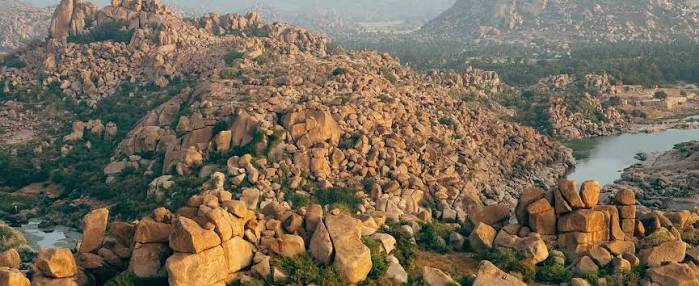
Much of Raichur consists of open agricultural plains, rocky outcrops and dry Deccan landscapes. Irrigated areas around the major rivers provide a contrasting green landscape, particularly during and after the monsoon.
Climate
Raichur experiences a generally hot and semi-arid climate. Summers can be particularly warm, while the monsoon brings rainfall and a noticeable transformation of the landscape.
| Season | General Travel Experience |
|---|---|
| October–February | More comfortable for sightseeing and outdoor exploration |
| March–May | Hot summers; early morning and evening sightseeing is preferable |
| June–September | Monsoon greenery and better conditions around seasonal waterfalls |
4. Culture and Traditions
Raichur's culture reflects the traditions of North Karnataka and the wider Deccan. Kannada is widely spoken, while the region's historical connections with neighbouring Telangana and other Deccan territories have also influenced local culture.
North Karnataka Traditions
Traditional rural life remains closely connected with agriculture. Farming communities, village fairs, temple festivals and local markets contribute to the district's cultural character.
Religious Diversity
Raichur contains Hindu temples, Islamic monuments and historical structures reflecting the different dynasties and communities that shaped the Deccan. The district's epigraphic record includes inscriptions in languages such as Sanskrit, Prakrit, Kannada, Arabic and Persian.
Temple and Village Festivals
Annual temple fairs, religious processions and local festivals are important parts of life in many towns and villages. Pilgrimage centres such as Kuruvapura, Naradagadde and Devasugur attract visitors from Karnataka and neighbouring states.
5. Architecture
Raichur's architecture reflects the political history of the Deccan, with forts, temples, mosques, inscriptions and traditional structures spread across the district.
Raichur Fort Architecture
Raichur Fort is the most important architectural landmark of the district. Its massive defensive walls, gateways, bastions and inscriptions demonstrate the strategic importance of the city.
The fort complex also contains architectural elements associated with different periods of Deccan history, including Hindu and Islamic influences.
Mudgal Fort
Mudgal Fort is another important historical structure. Mudgal has a long history associated with the Yadavas, Kakatiyas, Bahmanis and later Deccan powers. The fort uses the natural hillock and surrounding terrain as part of its defensive design.
Jaladurga Fort
Jaladurga Fort is situated near the Krishna River and is believed to have origins associated with the Kakatiya period. Its elevated position and river surroundings give it a distinctive landscape and architectural setting.
Religious Architecture
Temples such as Sugureshwara Temple, the temples of Kuruvapura and the religious structures around Naradagadde demonstrate the continuing spiritual traditions of the district.
6. Famous Places / Tourist Places
Raichur's tourist attractions are dominated by historical monuments, pilgrimage centres and distinctive natural landscapes.
Raichur Fort
Raichur Fort is the district's signature historical attraction. Located in Raichur city, the fort has witnessed the rise and fall of several major Deccan powers.
The fort is especially important for travellers interested in the history of the Vijayanagara Empire and the famous Battle of Raichur.
Maski Ashoka Inscription
Maski is one of the most historically important archaeological sites in the district. The Ashokan rock inscription here is particularly significant because it contains the ruler's name, Ashoka, in Brahmi script.
Hutti Gold Mines
Hutti Gold Mines are among Raichur's most distinctive attractions. Gold mining in the region has a very long history, with documented mining activity extending back to ancient periods. Today, Hutti remains an important gold-producing centre.
The gold-mining tradition adds an unusual industrial and geological dimension to a Raichur travel itinerary.
Mudgal Fort
Mudgal Fort is an important heritage destination in Lingasugur taluk. The town has a long history and the fort remains one of its major landmarks.
Jaladurga Fort
Jaladurga is a scenic historical fort located near the Krishna River. Its elevated position offers views of the surrounding river landscape and makes it especially attractive to photographers and history enthusiasts.
Naradagadde
Naradagadde is an island destination associated with religious traditions surrounding Sage Narada. The island is surrounded by the Krishna River and contains a temple visited by pilgrims.
Kuruvapura
Kuruvapura, also known as Kuruvapur, is a major pilgrimage centre associated with Sri Sripada Srivallabha, regarded in the Datta tradition as an incarnation of Lord Dattatreya.
The sacred site lies on an island in the Krishna River. Visitors generally cross the river using a traditional small boat or coracle, making the journey part of the pilgrimage experience.
Sugureshwara Temple
Sugureshwara Temple at Devasugur is an important religious destination in the district and is included among Raichur's officially listed tourist attractions.
Panchamukhi Ganadhal
Panchamukhi Ganadhal is a pilgrimage destination associated with Sri Anjaneya Swamy and the religious traditions connected with Sri Raghavendra Swamy. It attracts devotees from Karnataka and neighbouring states.
Kalluru Sri Mahalakshmi Temple
Kalluru is known for the Sri Mahalakshmi Devi Temple, which attracts devotees seeking the blessings of Dakshina Mahalakshmi. The village also contains other old religious structures.
Maliyabad Stone Elephant
Maliyabad near Raichur is known for its large stone elephant sculptures, which provide an interesting glimpse into the region's historic artistic traditions.
Gundalabanda Falls
Gundalabanda Falls is a seasonal natural attraction associated with rocky terrain near Gurugunta. Water flows over the rocky cliffs and collects in a large pool below, creating a scenic monsoon landscape.
500-Year-Old Baobab Tree
Devadurga is home to a remarkable baobab tree believed to be around 500 years old. The district administration describes it as a rare botanical landmark and an unusual natural attraction in South India.
7. Famous Dishes / Local Food
Raichur's food culture belongs to the broader North Karnataka culinary tradition, which is known for earthy flavours, generous use of spices, jowar, pulses, peanuts, chillies and locally grown vegetables.
Jolada Rotti
Jolada Rotti, prepared from jowar or sorghum flour, is one of the defining foods of North Karnataka. It is commonly served with spicy curries, chutneys and vegetable preparations.
Ennegayi
Yennegai or stuffed brinjal curry is a popular accompaniment to jolada rotti. Small brinjals are filled with a spiced masala and cooked until tender.
Other Foods to Try
- Jolada rotti
- Badnekayi yennegai
- Shenga chutney
- Ranjaka
- Jhunka
- Menthya palya
- Green gram-based curries
- North Karnataka-style thali
- Shenga unde or peanut ladoo
- Traditional buttermilk and majjige saaru
Visitors looking for authentic local food can explore traditional khanavali-style eateries, where North Karnataka meals are commonly served.
8. Famous Personalities
Raichur's historical identity is more strongly associated with rulers, saints and historical figures than with modern celebrity culture.
Krishnadevaraya
Krishnadevaraya, the celebrated ruler of the Vijayanagara Empire, is one of the most important historical figures connected with Raichur. His victory in the 1520 Battle of Raichur became a major event in Vijayanagara history.
Rudramadevi
Rudramadevi, the Kakatiya queen, is associated with the construction of the Raichur Fort in 1294 CE. The inscription connected with the fort records its construction under her rule.
Emperor Ashoka
Emperor Ashoka is historically associated with the district through the Maski inscription. The inscription provides important evidence of Mauryan influence in southern India.
Sri Sripada Srivallabha
Sri Sripada Srivallabha is an important spiritual figure in the Datta tradition and is closely associated with Kuruvapura, where he is traditionally believed to have lived and performed spiritual activities.
9. Festivals
Raichur's festivals are largely connected with temples, religious traditions, village communities and North Karnataka's cultural calendar.
Dasara and Temple Festivals
Several temples across the district conduct annual festivals featuring processions, religious ceremonies, fairs and cultural activities.
Amba Devi Festival
The Amba Math area in Somalapura is known for a long-standing Dasara celebration. The local tradition is associated with a ten-day festival and attracts devotees to the temple.
Religious Festivals
- Dasara
- Ugadi
- Deepavali
- Hanuman Jayanti
- Rathotsava and temple fairs
- Dattatreya-related celebrations at Kuruvapura
- Annual festivals at local village temples
10. Things to Do
Raichur is particularly rewarding for travellers who enjoy history, archaeology, religious tourism and less-commercialized destinations.
- Explore the massive Raichur Fort.
- Learn about the Battle of Raichur and Vijayanagara history.
- Visit the Maski Ashoka Inscription.
- Explore the historic Mudgal Fort.
- Visit Jaladurga Fort and enjoy its river landscape.
- Experience the pilgrimage journey to Kuruvapura.
- Visit Naradagadde.
- Explore Hutti Gold Mines and learn about the region's mining heritage.
- Visit Maliyabad and its historic stone elephant.
- See the ancient baobab tree at Devadurga.
- Visit Sugureshwara Temple.
- Explore Panchamukhi Ganadhal.
- Enjoy the North Karnataka food tradition.
- Visit Gundalabanda Falls during the suitable season.
- Photograph the Krishna and Tungabhadra landscapes.
11. Where to Eat, Shop, and Stay
Where to Eat
Raichur city has restaurants serving South Indian, North Karnataka and general Indian cuisine. For an authentic regional experience, travellers should look for traditional eateries serving jolada rotti, yennegai, chutney powders and North Karnataka thalis.
Where to Shop
Local markets in Raichur are suitable for purchasing everyday goods, regional food products, spices, agricultural produce, traditional snacks and locally made items.
Travellers interested in the region's agricultural identity can also explore local markets for grains, pulses, groundnuts and other farm products.
Where to Stay
Raichur city is the most convenient base for exploring the central attractions of the district. Budget and mid-range accommodation options are available in the city.
| Area | Best For |
|---|---|
| Raichur City | Fort, markets, temples and central sightseeing |
| Lingasugur | Mudgal Fort and Hutti Gold Mines circuit |
| Devadurga | Baobab tree and nearby heritage attractions |
| Manvi / nearby areas | Religious and rural exploration |
For pilgrimage destinations such as Kuruvapura, it is advisable to confirm accommodation and transportation arrangements in advance.
12. What Is Raichur Famous For?
Raichur is famous for its historic forts, the Battle of Raichur, Maski's Ashokan inscription, Hutti Gold Mines, Krishna–Tungabhadra river landscapes, pilgrimage centres and North Karnataka cuisine.
Major Things Raichur Is Known For
- Raichur Fort: A major medieval fort with a long Deccan history.
- Battle of Raichur: The famous 1520 conflict involving Krishnadevaraya and the Bijapur Sultanate.
- Maski Ashoka Inscription: An important Mauryan-period archaeological record.
- Hutti Gold Mines: A historic and still-important gold mining centre.
- Krishna and Tungabhadra Rivers: Important geographical and agricultural features.
- Mudgal Fort: Significant historical fortification in Lingasugur taluk.
- Kuruvapura: Major Dattatreya pilgrimage centre.
- North Karnataka Cuisine: Particularly jolada rotti, yennegai and spicy regional accompaniments.
- Agriculture: The district has a strong agricultural economy and is known for its irrigated plains.
13. Best Time to Visit
The best time to visit Raichur is generally from October to February, when temperatures are more comfortable for exploring forts, temples and outdoor attractions.
| Period | Travel Experience |
|---|---|
| October–November | Post-monsoon landscapes and more comfortable weather |
| December–February | Best period for heritage and outdoor sightseeing |
| March–May | Hot; early morning sightseeing recommended |
| June–September | Monsoon greenery and seasonal waterfalls |
If you want to visit Gundalabanda Falls or enjoy greener river landscapes, the monsoon and post-monsoon period can be attractive, but visitors should take care around slippery rocks and strong water flow.
14. How to Reach
By Air
The nearest major airport listed by the Raichur district administration is Rajiv Gandhi International Airport, Hyderabad, approximately 190 kilometres away.
By Train
Raichur is an important railway junction with connections towards Bengaluru, Hyderabad, Mumbai, New Delhi and Guntakal. This makes rail travel one of the most convenient ways to reach the district.
By Road
Raichur is connected by road with Bengaluru, Hyderabad, Kalaburagi, Yadgir, Ballari and other cities of Karnataka and neighbouring Telangana. State transport and private buses connect Raichur with several surrounding destinations.
Local Transport
Within Raichur city, auto-rickshaws and taxis are available. For visiting forts, archaeological sites and rural destinations spread across the district, a private vehicle or hired taxi is generally more convenient.
15. Nearby Places to Visit
Raichur is surrounded by several destinations that can be included in a longer North Karnataka travel itinerary.
- Mantralayam: Major pilgrimage destination across the Karnataka–Andhra Pradesh border region.
- Yadgir: Historic district with forts and temples.
- Kalaburagi: Important Deccan heritage destination with forts, tombs and religious sites.
- Koppal: Known for Anegundi, temples and the wider Vijayanagara heritage landscape.
- Ballari: Historic destination with Ballari Fort and access to Hampi.
- Vijayapura: Famous for Gol Gumbaz and Adil Shahi architecture.
- Hampi: UNESCO World Heritage destination associated with the Vijayanagara Empire.
- Bidar: Historic Deccan city known for Bidar Fort and Bahmani heritage.
16. Best Duration for a Trip
A 2-day trip is suitable for exploring the main attractions around Raichur city, while three days allow travellers to include some of the district's more distant historical and religious destinations.
1-Day Trip
A one-day itinerary can focus on Raichur Fort, Maliyabad, local temples and the city markets.
2-Day Trip
- Day 1: Raichur Fort → Maliyabad → local temples → city market
- Day 2: Maski → selected heritage sites or Mudgal circuit
3-Day Trip
A three-day itinerary can include Raichur city, Maski, Mudgal, Hutti Gold Mines and selected pilgrimage destinations such as Naradagadde or Kuruvapura.
Extended Trip
For a longer North Karnataka road trip, Raichur can be combined with Yadgir, Kalaburagi, Koppal, Ballari, Hampi, Vijayapura or Bidar.
17. Travel Tips
- Plan outdoor sightseeing during the cooler months whenever possible.
- Start fort and archaeological-site visits early during summer.
- Carry sufficient drinking water, especially when travelling to remote attractions.
- Wear comfortable footwear when exploring forts and rocky landscapes.
- Respect local customs at temples and pilgrimage centres.
- Confirm river-crossing arrangements before visiting island destinations such as Kuruvapura.
- Take additional care around rivers and waterfalls during the monsoon.
- Do not climb unsafe sections of old fort structures.
- Keep sufficient fuel and basic supplies when travelling through remote rural areas.
- Try traditional North Karnataka food at reputable local eateries.
- Carry sun protection during the hotter months.
- Allow additional travel time when combining several distant attractions in one day.
18. Why Visit Raichur?
Raichur is ideal for travellers who want to explore a less-commercialized side of Karnataka and discover the deeper history of the Deccan.
The district's greatest strength is its historical diversity. Within the same region, travellers can encounter an ancient Ashokan inscription, a medieval Kakatiya fort, a battlefield associated with Krishnadevaraya, historic Islamic architecture, centuries-old pilgrimage traditions and one of India's distinctive gold-mining regions.
Its river landscapes provide a natural backdrop to this heritage, while the food culture introduces visitors to the distinctive flavours of North Karnataka.
Top Reasons to Visit Raichur
- Explore the historic Raichur Fort.
- Learn about the famous Battle of Raichur.
- See the Maski Ashokan inscription.
- Discover the history of Hutti Gold Mines.
- Explore Mudgal and Jaladurga forts.
- Visit the sacred island of Kuruvapura.
- Explore Naradagadde and other pilgrimage sites.
- Enjoy the Krishna and Tungabhadra river landscapes.
- Discover traditional North Karnataka cuisine.
- Experience a quieter and historically rich side of Karnataka.
19. Conclusion
Raichur is a destination where ancient archaeology, medieval warfare, religious traditions, agriculture and the distinctive landscapes of the Deccan come together. Its history stretches from prehistoric settlements and the Mauryan period to the great kingdoms that competed for control of the Raichur Doab.
The Raichur Fort remains the district's most recognizable historical landmark, while the Maski Ashoka Inscription provides a remarkable connection to ancient Indian history. The legacy of the Vijayanagara Empire is reflected in the story of the Battle of Raichur, while Hutti adds a unique industrial and geological dimension to the region.
Beyond history, destinations such as Kuruvapura, Naradagadde, Sugureshwara Temple and Panchamukhi Ganadhal make Raichur an important pilgrimage destination. The Krishna and Tungabhadra rivers add natural beauty, while North Karnataka cuisine gives travellers another reason to explore the district.
Raichur is a rewarding destination for anyone interested in Karnataka's Deccan heritage, ancient inscriptions, historic forts, pilgrimage traditions and authentic North Karnataka culture.
"Travel is the only thing you buy that makes you richer."