Mysuru, Karnataka: A Complete Travel Guide
1. Introduction
Mysuru, formerly known as Mysore, is one of the most celebrated cultural and heritage destinations in Karnataka. Located at the foothills of the Chamundi Hills, the city is renowned for its magnificent palaces, historic temples, traditional markets, gardens, museums, royal heritage and vibrant festivals.
Often described as the City of Palaces and widely recognized as the Cultural Capital of Karnataka, Mysuru offers a distinctive combination of royal history and modern urban life. The legacy of the Wodeyar dynasty can be seen throughout the city in its palaces, public buildings, gardens, markets, temples and cultural institutions.
The magnificent Mysuru Palace is the city's most iconic landmark, while Chamundi Hill, Mysuru Zoo, Jaganmohan Palace, St. Philomena's Cathedral, Karanji Lake, the Railway Museum and Devaraja Market are among the other important attractions.
Mysuru is also an excellent base for exploring the wider region. Destinations such as Srirangapatna, Ranganathittu Bird Sanctuary, Brindavan Gardens, Nanjangud, Somanathapura and the forests around the southern part of the district can be included in longer itineraries.
2. History
Mysuru has a long and fascinating history shaped by ancient kingdoms, the Vijayanagara Empire, the Wodeyar dynasty, Hyder Ali, Tipu Sultan and later the British period.
Ancient Origins
The name Mysuru is traditionally associated with Mahishasura, the buffalo-headed demon of Hindu mythology. According to the legend, Goddess Chamundeshwari defeated Mahishasura on Chamundi Hill, giving the region its traditional association with the name Mahishuru.
The district administration also records references to names such as Mahishapura, Mahisurapura and Mahishasurapura in historical sources and inscriptions.
Ganga, Chola and Hoysala Periods
The region was ruled by the Western Ganga dynasty until around the 10th century. The Cholas and later the Hoysalas also exercised control over parts of the region.
Historical inscriptions found around Mysuru provide evidence of the importance of the region during these medieval periods.
Vijayanagara Influence
After the Hoysalas, the region came under the influence of the Vijayanagara Empire. The Mysuru Yadu dynasty emerged as an important ruling house during this period.
The Wodeyar Dynasty
The Wodeyars became the defining royal dynasty of Mysuru. In 1399, Yadu Raya is traditionally associated with the establishment of Wodeyar rule in Mysuru.
Over the following centuries, the Wodeyars developed Mysuru into an important political and cultural centre. Their patronage of architecture, music, literature, painting and traditional arts played a major role in creating the distinctive cultural identity associated with the city.
Hyder Ali and Tipu Sultan
During the 18th century, Hyder Ali and his son Tipu Sultan became the dominant powers in the Mysuru kingdom. Srirangapatna served as the capital during this period and became a major military and administrative centre.
Mysuru Under Krishnaraja Wadiyar IV
The reign of Krishnaraja Wadiyar IV was particularly important for the development of modern Mysuru. The city expanded with planned roads, parks, public buildings and other civic infrastructure.
This period helped establish the elegant urban character for which Mysuru remains famous today.
Modern Mysuru
After Indian independence, Mysuru continued to develop as an important cultural, educational and commercial centre. In 1973, the former state of Mysore was renamed Karnataka, while the city retained its traditional name Mysore, officially changed to Mysuru in 2014.
3. Geography and Climate
Mysuru lies in the southern part of Karnataka on the Deccan Plateau. The city is situated at an elevation of roughly 770 metres above sea level and lies about 140 kilometres from Bengaluru.
The wider Mysuru district consists of an undulating plateau with hills, forests, rivers, lakes and agricultural areas. The district shares boundaries with Mandya, Kodagu and Chamarajanagar and is connected to several important destinations in southern Karnataka.
Major Rivers and Water Bodies
- Cauvery River
- Kabini River
- Nugu River
- Karanji Lake
- Kukkarahalli Lake
- Krishna Raja Sagara reservoir in the wider Mysuru region
Climate
Mysuru enjoys a relatively moderate climate compared with many other parts of Karnataka. Summers are warm but generally manageable, while winters are pleasant and suitable for sightseeing.
The district receives much of its rainfall during the southwest monsoon between June and September.
| Season | General Experience |
|---|---|
| Summer | Warm afternoons and comparatively pleasant mornings and evenings |
| Monsoon | Green landscapes and occasional heavy showers |
| Winter | Cool and comfortable weather, ideal for sightseeing |
4. Culture and Traditions
Mysuru has a distinctive cultural identity developed through centuries of royal patronage. Music, dance, painting, literature, handicrafts, religious traditions and festivals continue to shape the city's character.
Mysuru Style
The city developed a recognizable Mysuru style in areas such as painting, architecture, music and literature. The Wodeyar rulers and their court supported artists, musicians, scholars and craftsmen.
Mysuru Dasara
The most important cultural celebration of Mysuru is the Mysuru Dasara. The ten-day festival is associated with the worship of Goddess Chamundeshwari and commemorates the triumph of good over evil.
The celebration includes palace illumination, cultural programmes, processions, traditional performances, exhibitions, sporting events and the famous Jumbo Savari.
Traditional Arts and Crafts
Mysuru is known for traditional crafts and products including sandalwood carving, rosewood inlay work, Mysuru paintings, incense products and silk sarees.
5. Architecture
Mysuru is one of Karnataka's most important architectural destinations. Its buildings reflect several architectural traditions, including Indo-Saracenic, Hindu, Gothic, European and traditional South Indian styles.
Mysuru Palace
The Mysuru Palace, also known as Amba Vilas Palace, is the city's most famous architectural landmark. The present palace was completed in the early 20th century and incorporates Indo-Saracenic elements along with influences from Hindu, Islamic, Rajput and Gothic architecture.
Jaganmohan Palace
Jaganmohan Palace was built in 1861 during the reign of Krishnaraja Wadiyar III. Today it is associated with art, culture and exhibitions and contains a notable collection of traditional Mysuru paintings.
Lalitha Mahal Palace
Lalitha Mahal Palace was constructed in 1921 near the foothills of Chamundi Hills. Its European-inspired architecture gives it a distinctive appearance among Mysuru's royal buildings.
St. Philomena's Cathedral
St. Philomena's Cathedral is an impressive Neo-Gothic church and one of Mysuru's best-known religious landmarks. Its tall twin towers and Gothic architectural details make it an important part of the city's architectural landscape.
Other Heritage Buildings
- Jayalakshmi Vilas Palace
- Cheluvamba Palace
- Chittaranjan Palace
- Mysuru Railway Station heritage structures
- Mysuru Town Hall
- Devaraja Market
6. Famous Places / Tourist Places
Mysuru offers an extensive collection of historical, cultural, religious and natural attractions.
Mysuru Palace
Mysuru Palace is the city's defining attraction and one of India's best-known royal residences. Visitors can explore its grand halls, courtyards, decorative ceilings, royal objects and richly ornamented interiors.
The palace becomes particularly spectacular during Mysuru Dasara when the entire complex is illuminated and surrounded by cultural celebrations.
Chamundi Hill
Chamundi Hill rises above Mysuru and is home to the famous Chamundeshwari Temple. The hill is closely associated with the legend of Goddess Chamundeshwari defeating Mahishasura.
The hill also provides panoramic views over Mysuru and features the famous Nandi statue along the approach to the temple.
Mysuru Zoo
Sri Chamarajendra Zoological Gardens, popularly known as Mysuru Zoo, was established in the late 19th century. It is one of the city's most popular family attractions and houses a wide variety of animal and bird species.
Jaganmohan Palace
Jaganmohan Palace is an important heritage building and art centre. Its collection of Mysuru-style paintings makes it especially interesting for visitors interested in Karnataka's artistic traditions.
St. Philomena's Cathedral
This magnificent church is known for its Neo-Gothic architecture, stained-glass windows and imposing twin towers.
Karanji Lake Nature Park
Karanji Lake is a peaceful urban nature destination at the base of Chamundi Hills. The area is popular for walking, birdwatching and enjoying a break from the busy city.
Kukkarahalli Lake
Kukkarahalli Lake is another important urban water body surrounded by greenery. It is particularly popular with morning walkers, nature lovers and birdwatchers.
Mysuru Railway Museum
The Railway Museum presents the history of the Indian Railways in the Mysuru region. Historical locomotives, coaches, railway equipment and other exhibits make it an interesting attraction for families and railway enthusiasts.
Devaraja Market
Devaraja Market is one of the traditional commercial centres of Mysuru. The market is known for flowers, fruits, vegetables, spices, incense products and other local goods.
Sand Sculpture Museum
The Mysuru Sand Sculpture Museum presents large-scale sculptures created entirely from sand. The exhibits cover themes ranging from Indian culture and mythology to wildlife and contemporary subjects.
Lalitha Mahal Palace
The former royal guesthouse stands against the backdrop of Chamundi Hills and is one of the city's most recognizable heritage buildings.
Brindavan Gardens
Located beside the Krishna Raja Sagara Dam, Brindavan Gardens is famous for its landscaped terraces, fountains and evening illumination. The gardens are a popular addition to a Mysuru–Mandya itinerary.
Ranganathittu Bird Sanctuary
Located along the Cauvery River near Srirangapatna, Ranganathittu is one of the region's most important birdwatching destinations. Boat rides provide opportunities to observe waterbirds and other wildlife.
Nanjangud
Nanjangud lies on the banks of the Kapila or Kabini River and is famous for the historic Srikanteshwara or Nanjundeshwara Temple.
Somanathapura
Somanathapura is renowned for its intricately carved Hoysala temple architecture. The Keshava Temple is particularly notable for its detailed stone sculptures and ornamental design.
Himavad Gopalaswamy Betta
Located toward the southern part of the wider Mysuru region, Himavad Gopalaswamy Betta is a scenic hill destination surrounded by forest landscapes. The hilltop temple and misty surroundings make it a popular nature excursion.
7. Famous Dishes / Local Food
Mysuru is an important destination for South Indian cuisine and has developed several foods and sweets that are strongly associated with the city.
Mysuru Pak
Mysuru Pak is the city's most famous sweet. Traditionally prepared using gram flour, ghee and sugar, it is known for its rich texture and distinctive flavour.
Mysuru Masala Dosa
Mysuru-style masala dosa is a popular variation of the classic South Indian dosa. It is typically crisp on the outside, soft inside and served with chutney and sambar.
Other Foods to Try
- Idli and vada
- Masala dosa
- Rava idli
- Kesari bath
- Bisibele bath
- Vangi bath
- Ragi mudde
- Traditional Karnataka thali
- Filter coffee
Local Products
Visitors can also explore Mysuru's famous sandalwood products, incense, traditional sweets, silk sarees and other regional speciality products.
8. Famous Personalities
Mysuru's history is closely connected with rulers, scholars, artists, musicians and social reformers who contributed to the cultural development of Karnataka.
Krishnaraja Wadiyar IV
Krishnaraja Wadiyar IV was one of the most influential rulers in modern Mysuru's history. His reign is associated with the development of education, culture, infrastructure, public institutions and urban planning.
Tipu Sultan
Tipu Sultan played a major role in the history of the Mysuru kingdom. His capital at Srirangapatna is closely connected with the history of the Mysuru region.
Sir M. Visvesvaraya
Sir M. Visvesvaraya had a significant association with the development of the Mysuru State and served as its Diwan from 1912 to 1918. His work contributed to industrial, educational and infrastructural development.
R. K. Narayan
The celebrated Indian author R. K. Narayan had a deep association with Mysuru, where he spent much of his life. His fictional town Malgudi was inspired in part by the landscapes and atmosphere of South India.
Other Cultural Figures
Mysuru has also been associated with numerous musicians, painters, writers, scholars and traditional artists who contributed to the development of the distinctive Mysuru cultural tradition.
9. Festivals
Mysuru Dasara
Mysuru Dasara is the city's signature festival and one of Karnataka's most prominent cultural celebrations. The ten-day festival culminates in the grand procession of Goddess Chamundeshwari.
The illuminated Mysuru Palace, cultural programmes, exhibitions, traditional performances, wrestling, music events and the grand procession transform the city during the festival period.
Vairamudi Festival
The Vairamudi celebrations at nearby Melukote attract large numbers of devotees and form an important part of the region's Vaishnavite religious traditions.
Other Celebrations
- Ugadi
- Deepavali
- Ganesh Chaturthi
- Karaga and local temple festivals
- Traditional music and cultural festivals
- Religious celebrations at Chamundeshwari Temple
10. Things to Do
Mysuru offers activities for history lovers, families, photographers, food enthusiasts, pilgrims and nature lovers.
- Explore the grand interiors of Mysuru Palace.
- Visit Chamundeshwari Temple on Chamundi Hill.
- Watch the cityscape from Chamundi Hill viewpoints.
- Spend time at Mysuru Zoo.
- Explore Mysuru's traditional markets.
- Visit Jaganmohan Palace and its art collections.
- Admire St. Philomena's Cathedral.
- Visit the Railway Museum.
- Walk around Karanji Lake.
- Explore the traditional architecture of the city.
- Shop for Mysuru silk and sandalwood products.
- Taste authentic Mysuru Pak.
- Visit Brindavan Gardens in the evening.
- Take a birdwatching trip to Ranganathittu.
- Explore nearby Srirangapatna.
- Visit Nanjangud and its historic temple.
- Explore Hoysala architecture at Somanathapura.
- Experience Mysuru Dasara if travelling during the festival season.
11. Where to Eat, Shop, and Stay
Where to Eat
Mysuru has a wide range of restaurants, cafés, traditional vegetarian eateries and modern dining establishments. The city is particularly suitable for travellers who enjoy South Indian breakfast, traditional Karnataka meals, sweets and filter coffee.
Where to Shop
Mysuru is one of Karnataka's best destinations for traditional shopping.
- Mysuru silk sarees
- Sandalwood products
- Rosewood inlay items
- Mysuru paintings
- Incense and agarbatti
- Mysuru Pak and traditional sweets
- Handicrafts
- Spices and local food products
Devaraja Market is particularly useful for experiencing the traditional commercial atmosphere of the city.
Where to Stay
Mysuru offers accommodation across almost every category, from budget hotels and guesthouses to heritage properties and premium hotels.
| Area | Best For |
|---|---|
| Mysuru City Centre | Palace, markets and major attractions |
| Near Railway Station | Rail travellers and short stays |
| Chamundi Hill Area | Peaceful surroundings and heritage stays |
| Ring Road / Outer Mysuru | Road travellers and larger properties |
| Srirangapatna | Heritage-focused trips outside the city |
12. What Is Mysuru Famous For?
Mysuru is famous for its royal heritage, palaces, Mysuru Dasara, Chamundi Hills, Mysuru silk, sandalwood products, Mysuru Pak, traditional paintings, temples and distinctive cultural traditions.
Major Things Mysuru Is Known For
- Mysuru Palace: The city's most iconic royal landmark.
- Mysuru Dasara: A major ten-day cultural and religious festival.
- Chamundi Hill: Historic hill and pilgrimage destination.
- Mysuru Silk: Traditional silk sarees associated with the city.
- Mysuru Pak: Famous ghee-based sweet.
- Sandalwood: Traditional sandalwood products and crafts.
- Mysuru Paintings: Distinctive traditional South Indian painting style.
- Royal Heritage: Palaces, gardens, museums and heritage buildings.
- Yoga: Mysuru has become an internationally recognized centre for yoga practice and learning.
- Culture: Music, literature, dance, crafts and traditional festivals.
13. Best Time to Visit
Mysuru can be visited throughout the year, but the period from October to March is particularly comfortable for sightseeing and outdoor activities.
| Period | Travel Experience |
|---|---|
| October–November | Festive atmosphere, pleasant weather and Mysuru Dasara period |
| December–February | Cool and comfortable for sightseeing |
| March–May | Warm afternoons but manageable mornings and evenings |
| June–September | Green landscapes and monsoon showers |
If your main purpose is to experience Mysuru Dasara, plan the trip around the officially announced festival dates and book accommodation well in advance because demand becomes very high.
14. How to Reach
By Road
Mysuru is well connected by road to Bengaluru, Mandya, Hassan, Kodagu, Chamarajanagar and other parts of Karnataka.
The Bengaluru–Mysuru route is one of the most convenient ways to reach the city, making Mysuru a popular weekend destination from Bengaluru.
By Train
Mysuru Junction is an important railway station with connections to Bengaluru and several other cities. Rail travel is one of the convenient ways to reach the city from different parts of Karnataka and South India.
By Air
Mysuru Airport at Mandakalli serves the city and surrounding region. Travellers can also use Kempegowda International Airport in Bengaluru when a wider choice of flights is required.
Local Transport
Local transportation includes city buses, auto-rickshaws, taxis and private vehicles. Rental cars and cabs are useful when combining city attractions with destinations outside Mysuru.
15. Nearby Places to Visit
Mysuru is surrounded by numerous heritage, religious, wildlife and nature destinations.
- Srirangapatna: Historic island town associated with Tipu Sultan and the Wodeyars.
- Ranganathittu Bird Sanctuary: Important birding destination on the Cauvery.
- Brindavan Gardens: Famous landscaped gardens near KRS Dam.
- Melukote: Historic Sri Vaishnava pilgrimage centre.
- Nanjangud: Important temple town on the Kabini River.
- Somanathapura: Famous for Hoysala architecture.
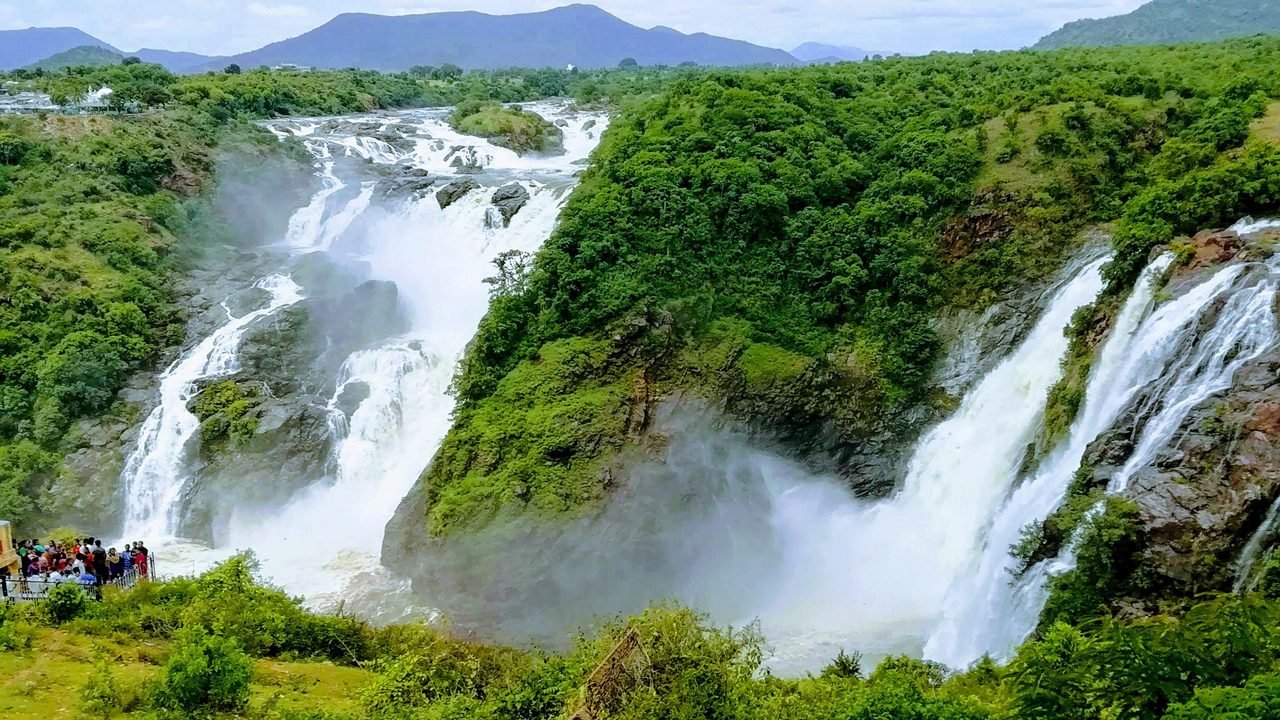
- Shivanasamudra: Scenic Cauvery waterfall destination.
- Talakadu: Historic settlement on the Cauvery known for its temples and distinctive sandy landscape.
- Kabini: Wildlife and forest destination in the broader Mysuru region.
- Bandipur: Major wildlife destination accessible from the southern side of the district.
- Himavad Gopalaswamy Betta: Scenic hill and temple destination.
- Coorg: Mountain and coffee-growing destination west of Mysuru.
16. Best Duration for a Trip
A minimum of 2 days is recommended for experiencing the major attractions of Mysuru city. Travellers interested in nearby destinations should consider three to four days.
1-Day Mysuru Trip
A one-day visit can cover Mysuru Palace, Devaraja Market, St. Philomena's Cathedral, Chamundi Hill and one or two additional attractions.
2-Day Mysuru Trip
- Day 1: Mysuru Palace → Jaganmohan Palace → Devaraja Market → St. Philomena's Cathedral → local food and shopping
- Day 2: Chamundi Hill → Mysuru Zoo → Karanji Lake → Railway Museum → evening city exploration
3-Day Mysuru Trip
A third day can be used for Srirangapatna, Ranganathittu Bird Sanctuary, KRS Dam and Brindavan Gardens.
4-Day Extended Trip
For a longer journey, add Melukote, Nanjangud, Somanathapura or another nearby heritage and nature destination.
17. Travel Tips
- Start sightseeing early to avoid crowds at major attractions.
- Keep additional time for Mysuru Palace because the complex can take several hours to explore.
- Wear comfortable footwear when visiting Chamundi Hill and large heritage complexes.
- Dress respectfully when visiting temples and religious sites.
- Book accommodation early during Mysuru Dasara and major holidays.
- Try Mysuru Pak from a reputed local sweet shop.
- Explore Devaraja Market during daytime for the best traditional market experience.
- Carry water and sun protection during summer sightseeing.
- Maintain silence and follow instructions while visiting bird sanctuaries.
- Do not feed animals or birds at protected wildlife locations.
- Plan separate time for attractions outside the city because road travel can add significantly to the itinerary.
- Keep some time for shopping if you want to purchase Mysuru silk, sandalwood products or traditional handicrafts.
18. Why Visit Mysuru?
Mysuru is one of those destinations where history, culture and everyday life exist side by side. The city does not depend on a single attraction; instead, its appeal comes from the combination of royal architecture, temples, markets, museums, gardens, cuisine and festivals.
The city is particularly rewarding for travellers interested in India's royal heritage. The Mysuru Palace and surrounding heritage buildings offer a glimpse into the world of the Wodeyar rulers, while Chamundi Hill preserves the city's strong religious traditions.
Beyond the city centre, Mysuru opens into a region filled with rivers, wildlife habitats, historic towns and ancient temples. This makes it an excellent starting point for exploring southern Karnataka.
Top Reasons to Visit Mysuru
- Explore the magnificent Mysuru Palace.
- Experience the grandeur of Mysuru Dasara.
- Visit the historic Chamundeshwari Temple.
- Discover royal palaces and heritage buildings.
- Explore traditional markets and handicrafts.
- Enjoy authentic Mysuru cuisine and sweets.
- Visit museums and cultural institutions.
- Explore Ranganathittu and other nearby nature destinations.
- Combine the trip with Srirangapatna, Melukote and Nanjangud.
- Experience one of Karnataka's most distinctive cultural cities.
19. Conclusion
Mysuru is a destination that beautifully represents the royal, cultural and artistic heritage of Karnataka. Its grand palaces, historic temples, traditional markets, museums, gardens and festivals create a travel experience that is both enriching and memorable.
The city's strongest attraction is undoubtedly its royal legacy, but Mysuru offers much more than palaces. Chamundi Hill adds a spiritual dimension, Devaraja Market provides an authentic local experience, Mysuru Zoo and Karanji Lake appeal to families and nature lovers, while the surrounding region offers destinations such as Srirangapatna, Ranganathittu, Melukote and Somanathapura.
From the illuminated Mysuru Palace during Dasara to a quiet morning at Chamundi Hill, from a plate of traditional South Indian breakfast to a box of Mysuru Pak, the city offers countless ways to experience Karnataka's heritage.
Mysuru is not simply a city to visit; it is a place to experience Karnataka's history, culture, architecture, food and traditions in one unforgettable journey.
"Travel is the only thing you buy that makes you richer."