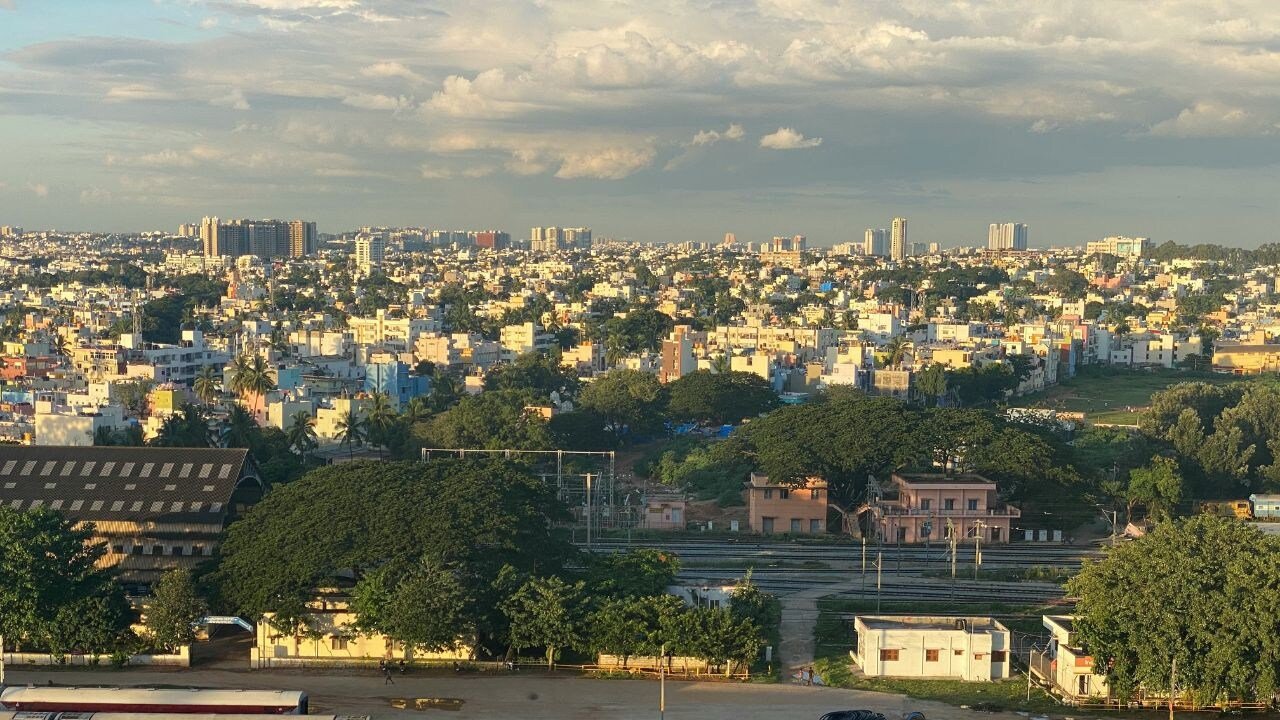
Belagavi, Karnataka: A Complete Travel Guide
Belagavi, formerly known as Belgaum, is one of the most historically and culturally significant districts of Karnataka. Located in the north-western part of the state near the borders of Maharashtra and Goa, Belagavi sits in a fascinating cultural transition zone where Kannada, Marathi and other regional influences have blended over centuries.
The district is known for its historic forts, ancient temples, waterfalls, green landscapes, freedom-fighter heritage, traditional sweets, handloom traditions and diverse cultural identity. The city of Belagavi itself combines an old historic town, a British-era Cantonment, modern commercial areas and important educational and industrial institutions.
Among the district's best-known attractions are Belagavi Fort, Kittur Fort, Gokak Falls, Saundatti Yellamma Temple, Kamala Basti, Rajhansgad Yellur Fort, Godachinmalki Falls and Rakaskop.
Belagavi is also strongly associated with Kittur Rani Chennamma, one of the earliest Indian women to lead an armed resistance against British rule. The district also has an important place in India's freedom movement because Belagavi hosted the 39th session of the Indian National Congress in 1924, presided over by Mahatma Gandhi.
| Quick Fact | Details |
|---|---|
| State | Karnataka |
| District Headquarters | Belagavi |
| Former Name | Belgaum |
| Historical Name | Venugrama / Velugrama |
| Region | North-West Karnataka |
| Major Rivers | Krishna, Ghataprabha, Malaprabha and Markandeya |
| Major Heritage Sites | Belagavi Fort and Kittur Fort |
| Major Waterfall | Gokak Falls |
| Famous Pilgrimage Site | Saundatti Yellamma Temple |
| Famous Sweet | Belagavi Kunda |
| Primary Languages | Kannada, Marathi and other regional languages |
1. Introduction
Belagavi is a destination where history, nature and culture come together in a particularly distinctive way. Located close to both Maharashtra and Goa, the district has developed a cultural character that is different from many other parts of Karnataka.
The city of Belagavi is surrounded by greenery and lies within the broader landscape of the Western Ghats and the Malenadu region. The district contains forests, valleys, rocky landscapes, rivers and waterfalls, making it attractive not only to heritage travellers but also to nature lovers.
Its historical attractions are equally impressive. Belagavi Fort preserves centuries of political and architectural history, while Kittur Fort tells the story of Rani Chennamma's resistance against the British. Saundatti's Yellamma Temple is one of the region's important pilgrimage centres, and Gokak Falls provides one of the district's most spectacular natural sights.
Belagavi is therefore an excellent destination for travellers interested in heritage tourism, religious tourism, nature, photography, local cuisine, freedom-movement history and weekend road trips.
2. History of Belagavi
Ancient History
Belagavi is one of the oldest historically documented regions of Karnataka. The district's official history traces its antiquity to around the 2nd century CE.
The city was historically known as Venugrama or Velugrama, generally interpreted as the "Bamboo Village", reflecting the presence of bamboo in the region.
Early Dynasties
The Belagavi region came under the influence of several important South Indian and Deccan dynasties over the centuries.
Among the major powers associated with the region were the Rashtrakutas, Chalukyas, Rattas, Yadavas, Vijayanagara rulers and the Adil Shahi rulers.
The Ratta Period
The Ratta rulers made Belagavi an important political centre during the medieval period. The historic Belagavi Fort is traditionally associated with the Rattas and is believed to have been built in the 12th century.
The fort was subsequently modified and expanded by successive rulers, which explains the mixture of architectural traditions found within its walls.
Bahmani and Adil Shahi Influence
Belagavi later became part of the political sphere of the Bahmani Sultanate and subsequently the Adil Shahi rulers of Bijapur.
This period introduced additional Islamic architectural influences into the region. The Safa Masjid within Belagavi Fort is an important example of this architectural legacy.
Maratha and Mysore Influence
Because of its strategic location, Belagavi was contested by several regional powers. The region experienced the influence of the Marathas and the Kingdom of Mysore before eventually coming under British control.
Kittur Rani Chennamma
One of the most important chapters in Belagavi's history is associated with Rani Kittur Chennamma.
In 1824, Rani Chennamma led an armed resistance against the British East India Company from Kittur. Her rebellion took place decades before the uprising of 1857 and has made her one of Karnataka's most celebrated historical figures.
The remains of Kittur Fort and the museum dedicated to her preserve this important chapter of Karnataka's resistance history.
Belagavi and India's Freedom Movement
Belagavi also occupies an important place in India's national freedom movement.
The city hosted the 39th session of the Indian National Congress in December 1924, presided over by Mahatma Gandhi. This was the only session of the Congress that Gandhi presided over.
The event became an important part of Belagavi's modern political history.
Post-Independence Belagavi
After independence, Belagavi became part of the reorganised state of Mysore, which was later renamed Karnataka.
Its location near Maharashtra and Goa has continued to give the district economic and cultural importance. Today, Belagavi is an important centre for education, manufacturing, agriculture, commerce and tourism.
3. Geography and Climate
Geographical Location
Belagavi occupies a strategically important position in north-western Karnataka. It lies close to the borders of Maharashtra and Goa, making it an important connecting region between the Deccan plateau and the Western Ghats.
The district contains a mixture of plateau landscapes, valleys, agricultural plains, forests and hill ranges.
Western Ghats and Malenadu Influence
The western portions of Belagavi receive stronger Western Ghats and Malenadu influence. These areas are greener and have more forested landscapes than the drier eastern portions of the district.
This geographical diversity is one reason Belagavi can offer both agricultural landscapes and lush hill-country scenery.
Major Rivers
Several important rivers and river systems are associated with Belagavi district.
- Krishna River
- Ghataprabha River
- Malaprabha River
- Markandeya River
The Ghataprabha is particularly important for tourism because it creates the spectacular Gokak Falls.
Climate
Belagavi's climate varies across the district. The western and higher areas tend to be cooler and wetter, while the eastern areas are comparatively drier.
Belagavi city itself is known for a relatively pleasant climate compared with many hotter parts of northern Karnataka.
| Season | General Conditions |
|---|---|
| Summer | Warm to hot, with relatively comfortable conditions in higher areas |
| Monsoon | Rainy and particularly green in western Belagavi |
| Winter | Cool and pleasant, especially in the mornings and evenings |
4. Culture and Traditions
Belagavi's culture is one of the most distinctive in Karnataka because the district lies at the meeting point of Karnataka, Maharashtra and Goa.
Kannada Heritage
Kannada remains an important part of the district's cultural identity. Traditional Kannada literature, music, theatre, temple traditions and festivals are widely practised.
Marathi Influence
The district's proximity to Maharashtra has resulted in strong Marathi cultural and linguistic influences, particularly in northern and north-western parts of the district.
Goan and Western Coastal Influence
The western connection towards Goa has also contributed to the district's food, trade and cultural exchanges.
Religious Diversity
Belagavi contains Hindu temples, Jain basadis, mosques and churches, reflecting the many communities that have lived and interacted in the region over centuries.
Belagavi Fort is perhaps the strongest physical representation of this cultural coexistence, with temples and Islamic monuments located within the historic fort complex.
Handloom and Weaving
Traditional cotton and silk weaving has long been part of Belagavi's economic and cultural life. The district's textile traditions remain important in several towns and villages.
Folk Culture
Folk performances, traditional music, village fairs and religious processions form an important part of rural cultural life.
5. Architecture of Belagavi
Belagavi's architecture reflects the district's long political history and its position between different cultural regions.
Belagavi Fort
The historic Belagavi Fort demonstrates a combination of medieval Deccan architectural traditions. The fort includes temples, mosques, gateways, defensive walls and other structures from different periods.
Kamala Basti
Kamala Basti is one of the most important Jain monuments inside Belagavi Fort. It was built in the Late Chalukyan style around 1204 and is dedicated to Neminatha.
The beautifully carved lotus on the ceiling of its Mukhamantapa is one of the architectural highlights.
Safa Masjid
Safa Masjid is one of the historic mosques within Belagavi Fort. Its minarets, arches and domes demonstrate Deccan and Indo-Islamic architectural influences.
Kittur Palace
The palace within Kittur Fort represents a distinctive Peshwa-Islamic architectural style. The original palace was a large multi-storeyed structure containing royal, administrative and residential spaces.
Temple Architecture
Temples throughout Belagavi district display a range of Chalukyan, Rashtrakuta, later Hindu and regional architectural influences.
6. Famous Places and Tourist Places in Belagavi
1. Belagavi Fort
Belagavi Fort is the most important historical attraction in the district headquarters.
The fort is believed to have originated in the 12th century under the Ratta rulers and was subsequently renovated by different dynasties.
Inside the fort complex, visitors can see religious and architectural structures representing different periods.
Important features include:
- Fortification walls
- Historic gateways
- Kamala Basti
- Safa Masjid
- Ganapati shrine
- Durga shrine
- Historic inscriptions
2. Kamala Basti
Kamala Basti is a beautiful Jain monument inside Belagavi Fort. Constructed in the Late Chalukyan style, the monument is dedicated to Lord Neminatha.
The intricately carved Mukhamantapa and lotus ceiling make it an important architectural attraction.
3. Kittur Fort and Palace
Kittur Fort is one of Karnataka's most important freedom-struggle heritage sites.
The fort is closely associated with Rani Kittur Chennamma, who led the armed rebellion against the British in 1824.
The complex contains the ruins of the palace, fortifications, a museum, watchtowers and other historical structures.
4. Kittur Archaeological Museum
The museum at Kittur preserves weapons, sculptures, inscriptions, paintings and other objects associated with the history of the fort and surrounding region.
It provides visitors with additional context about Rani Chennamma, the Kittur kingdom and the region's earlier history.
5. Gokak Falls
Gokak Falls is one of the most spectacular natural attractions of Belagavi district.
The Ghataprabha River plunges approximately 52 metres over a sandstone cliff, creating a broad horseshoe-shaped waterfall surrounded by a dramatic rocky gorge.
The waterfall is popularly compared with Niagara because of its shape and visual appearance and is often called the "Niagara of Karnataka."
A historic hanging bridge across the gorge provides an elevated viewpoint, while the surrounding temples and old hydroelectric infrastructure add a historical dimension to the landscape.
6. Godachinmalki Falls
Also known as Markandeya Falls, Godachinmalki Falls is located in a rugged valley near Gokak.
The Markandeya River makes two successive drops, creating a scenic waterfall surrounded by rocky terrain and vegetation.
The final approach involves walking through a forested and uneven route, making the destination particularly attractive to travellers who enjoy short hikes.
7. Saundatti Yellamma Temple
The Yellamma Temple at Saundatti is one of the district's most important pilgrimage destinations.
Dedicated to Goddess Renuka, also known as Yellamma, the temple stands on a hill historically known as Siddhachal Parvat.
The temple's architecture incorporates Chalukyan and Rashtrakuta influences, while the complex contains shrines dedicated to several other deities.
Large numbers of devotees visit the temple during its major annual jatras.
8. Navilutirtha
Navilutirtha is a scenic location near Saundatti situated in a low valley between two hills.
The reservoir and surrounding landscape make it a peaceful stop for travellers exploring the Saundatti-Yellamma region.
9. Rajhansgad Yellur Fort
Rajhansgad, also known as Yellur Fort, is located on a hill near Belagavi.
The fort offers panoramic views of the surrounding countryside and Belagavi city. Its elevated position makes it particularly attractive for photography and short hikes.
10. Kapileshwara Temple
Kapileshwara Temple is one of the old temples of Belagavi city and is traditionally regarded as an important Shiva shrine.
The temple is associated with the spiritual heritage of the city and attracts devotees throughout the year.
11. Rakaskop
Rakaskop is located around 16 kilometres from Belagavi and is associated with a reservoir built across the Markandeya River.
The reservoir plays an important role in supplying drinking water to Belagavi city while also providing a scenic countryside environment.
12. Jamboti
Jamboti lies in the greener western part of the district and is associated with forests, hills and waterfalls.
The area is particularly attractive during and after the monsoon when the surrounding landscape becomes lush and vibrant.
13. Bhutaramanahatti
Kittur Rani Chennamma Nisargadhama at Bhutaramanahatti is an important wildlife and recreational attraction near Belagavi.
The area provides visitors with an opportunity to experience wildlife and nature without travelling deep into the Western Ghats.
14. Sogal
Sogal is known for its historic and religious significance, including the Someshwara Temple. The surrounding landscape also provides an opportunity to explore lesser-known cultural destinations in the district.
15. Suvarna Soudha
Suvarna Soudha is a major modern landmark of Belagavi.
The building functions as an important venue for the Karnataka legislature's sessions and reflects Belagavi's significance as an important administrative centre of the state.
7. Famous Dishes and Local Food
Belagavi's food culture reflects its location between Karnataka, Maharashtra and Goa. The district is particularly famous for traditional sweets, North Karnataka dishes and a mixture of regional culinary influences.
Belagavi Kunda
Belagavi Kunda is the district's signature sweet and one of the most famous food products of the city.
It is traditionally prepared using milk or khova, sugar, cardamom and dry fruits. The milk is slowly reduced until it becomes thick and concentrated before sugar and other ingredients are incorporated.
Belagavi is well known for its numerous sweet shops producing Kunda, and visitors commonly carry it home as a local food souvenir.
Karadantu
Karadantu is another traditional sweet associated with northern Karnataka and is available in Belagavi and surrounding areas.
North Karnataka Meals
Traditional North Karnataka meals often include jowar-based breads, spicy curries, chutneys, vegetables and lentil preparations.
Jolada Rotti
Jolada rotti is a traditional sorghum flatbread commonly served with vegetable curries, ennegayi, chutneys and spicy accompaniments.
Ennegayi
Ennegayi is a stuffed brinjal preparation made with a rich and spicy masala. It is one of the classic accompaniments to jolada rotti.
Belagavi-Style Biryani
Belagavi also has a strong biryani culture influenced by the culinary traditions of northern Karnataka and neighbouring regions. Local establishments may offer distinctive regional preparations.
Gokak Toys
Although not a food item, Gokak wooden toys deserve mention among the district's traditional products. These handcrafted wooden objects are made in the Gokak region and include figures of animals, birds, fruits and other forms.
| Food / Product | Why It Is Famous |
|---|---|
| Belagavi Kunda | Signature milk-based sweet of Belagavi |
| Karadantu | Traditional North Karnataka sweet |
| Jolada Rotti | Classic North Karnataka flatbread |
| Ennegayi | Spicy stuffed brinjal preparation |
| Local Biryani | Regional rice dish influenced by Deccan cuisine |
| Gokak Wooden Toys | Traditional handcrafted products |
8. Famous Personalities and Historical Figures Associated with Belagavi
Rani Kittur Chennamma
Rani Kittur Chennamma is the most famous historical personality associated with Belagavi district.
She was the queen of Kittur and led an armed rebellion against the British East India Company in 1824. Her resistance occurred decades before the 1857 uprising and made her a lasting symbol of courage and resistance.
Her legacy is preserved at Kittur through the fort, museum, memorials and annual Kittur Utsav.
Sangolli Rayanna
Sangolli Rayanna was a prominent military leader associated with Rani Chennamma and the Kittur resistance.
He continued resistance against British authority after the fall of Kittur and remains an important figure in Karnataka's freedom-movement memory.
Mahatma Gandhi
Mahatma Gandhi has a significant historical connection with Belagavi because he presided over the 39th session of the Indian National Congress held in the city in 1924.
The session became a major landmark in Belagavi's freedom-struggle history.
Gangubai Hangal
Gangubai Hangal, the celebrated Hindustani classical vocalist, had a strong connection with the wider northern Karnataka cultural region. Her contribution to Indian classical music remains an important part of Karnataka's artistic heritage.
Dr. B. D. Jatti
Basappa Danappa Jatti, who served as the fifth Vice-President and briefly as Acting President of India, was born in Karnataka and had strong political connections with the region.
9. Festivals of Belagavi
Kittur Utsav
Kittur Utsav is one of Belagavi district's most important cultural festivals. It commemorates the courage and resistance of Rani Kittur Chennamma.
The festival usually includes folk performances, music, theatre, cultural programmes, exhibitions, local food and heritage activities around Kittur Fort.
Saundatti Yellamma Jatra
The annual religious celebrations at Saundatti Yellamma Temple attract large numbers of devotees from Karnataka and neighbouring states.
The temple's major jatras form an important part of the religious and cultural calendar of the region.
Ganesh Chaturthi
Ganesh Chaturthi is celebrated widely throughout Belagavi with decorated idols, prayers, processions and community gatherings.
Ugadi
Ugadi, the Kannada New Year, is celebrated with traditional rituals, festive food and family gatherings.
Deepavali
Deepavali is observed throughout the district with lamps, prayers, decorations, sweets and community celebrations.
Local Jatre and Temple Festivals
Numerous villages and temple towns throughout Belagavi conduct annual jatres featuring religious ceremonies, fairs, traditional music, food stalls and cultural performances.
10. Things to Do in Belagavi
- Explore the historic Belagavi Fort.
- Visit Kamala Basti inside the fort complex.
- See the historic Safa Masjid.
- Explore Kittur Fort and Palace.
- Visit the Kittur Archaeological Museum.
- Learn about Rani Kittur Chennamma's resistance.
- Visit the Saundatti Yellamma Temple.
- Enjoy the scenic landscape around Navilutirtha.
- Visit the spectacular Gokak Falls.
- Walk across the historic hanging bridge at Gokak Falls.
- Visit Godachinmalki Falls.
- Explore the greener Jamboti region.
- Visit Rajhansgad Yellur Fort.
- Explore Rakaskop and its reservoir landscape.
- Visit Kapileshwara Temple.
- Explore Bhutaramanahatti and its wildlife attractions.
- Try authentic Belagavi Kunda.
- Buy traditional Gokak wooden toys.
- Explore local textile and handloom traditions.
- Attend Kittur Utsav when visiting during the festival season.
11. Where to Eat, Shop, and Stay in Belagavi
Where to Eat
Belagavi city offers a wide range of restaurants and traditional eateries serving Karnataka, North Indian, Maharashtrian and other regional cuisines.
For a local food experience, travellers should try Belagavi Kunda, jolada rotti, ennegayi, traditional North Karnataka meals and regional biryani.
Gokak and Saundatti also have local eateries where travellers can stop while exploring the surrounding attractions.
What to Shop For
- Belagavi Kunda
- Karadantu
- Traditional sweets
- Gokak wooden toys
- Cotton textiles
- Silk products
- Traditional Karnataka handicrafts
- Religious souvenirs
- Locally produced food items
Where to Stay
Belagavi city is the most convenient base for exploring the district. The city offers accommodation ranging from budget hotels and business hotels to more comfortable premium properties.
Travellers planning a heritage-focused trip can stay in Belagavi and make day trips to Gokak, Kittur, Saundatti and nearby attractions.
For a quieter nature-oriented experience, accommodation options around the western part of the district and nearby hill regions can also be considered depending on availability.
12. What Is Belagavi Famous For?
| Known For | Why It Is Important |
|---|---|
| Belagavi Fort | Historic fort combining Hindu, Jain and Islamic architectural heritage |
| Kittur Rani Chennamma | Historic queen who led the 1824 resistance against the British |
| Kittur Fort | Major heritage site associated with the Kittur rebellion |
| Gokak Falls | Spectacular 52-metre waterfall on the Ghataprabha River |
| Saundatti Yellamma Temple | Important pilgrimage centre dedicated to Goddess Yellamma |
| Kamala Basti | Beautiful Late Chalukyan Jain monument |
| Belagavi Kunda | Signature milk-based sweet of the city |
| Gokak Toys | Traditional wooden toy-making craft |
| Freedom Movement | Hosted the 1924 Indian National Congress session presided over by Gandhi |
| Western Ghats | Green landscapes, forests, valleys and waterfalls |
13. Best Time to Visit Belagavi
Belagavi can be visited throughout much of the year, but the best period depends on the type of experience you want.
October to February
This is generally the most comfortable season for heritage sightseeing, temple visits, fort exploration and city tours.
The cooler weather makes it easier to explore Belagavi Fort, Kittur Fort and Rajhansgad Yellur Fort.
June to September
The monsoon is particularly attractive for travellers interested in waterfalls and greenery.
Gokak Falls and Godachinmalki Falls become much more impressive when the rivers carry substantial monsoon water. The western parts of the district also become exceptionally green.
March to May
Summer can be warm, particularly during the afternoon. Travellers should plan outdoor sightseeing during the morning and late afternoon.
| Season | Best For |
|---|---|
| October – February | Best overall season for heritage and sightseeing |
| June – September | Best for waterfalls and greenery |
| March – May | Suitable with careful planning around the afternoon heat |
14. How to Reach Belagavi
By Air
Belagavi Airport, located at Sambra, is the district's main airport. It provides domestic connectivity and is situated only a short distance from Belagavi city.
The airport is particularly convenient for travellers arriving from Bengaluru and other connected Indian cities.
By Train
Belagavi Railway Station is an important railway station on the South Western Railway network.
The city has rail connections with major destinations including Bengaluru, Mumbai, Pune, Hyderabad, Delhi and other cities.
By Road
Belagavi is exceptionally well connected by road because of its position along the major Pune–Bengaluru highway corridor.
Regular buses and private vehicles connect Belagavi with Bengaluru, Pune, Mumbai, Goa, Hubballi-Dharwad and other cities.
| Mode | Main Gateway |
|---|---|
| Air | Belagavi Airport, Sambra |
| Rail | Belagavi Railway Station |
| Road | Pune–Bengaluru highway and regional road network |
Getting Around the District
Belagavi city can be explored using local buses, auto-rickshaws and taxis. For attractions such as Gokak Falls, Kittur Fort, Saundatti and Godachinmalki Falls, hiring a car or taxi is generally more convenient.
15. Nearby Places to Visit
Belagavi's location near the Karnataka-Maharashtra-Goa transition zone makes it an excellent base for exploring several destinations outside the district as well.
- Goa: Famous for beaches, Portuguese heritage, churches and coastal cuisine.
- Dharwad: Known for its cultural heritage, music traditions and educational institutions.
- Hubballi: A major commercial and transportation centre of northern Karnataka.
- Badami: Famous for Chalukyan cave temples and sandstone architecture.
- Aihole: An important archaeological site known for early Indian temple architecture.
- Pattadakal: UNESCO World Heritage Site famous for Chalukyan temples.
- Vijayapura: Known for Gol Gumbaz and Deccan Sultanate architecture.
- Dandeli: A major Western Ghats destination known for forests, wildlife and adventure activities.
- Chikmagalur: A scenic hill destination famous for coffee plantations and Western Ghats landscapes.
16. Best Duration for a Belagavi Trip
A 2-day trip is sufficient for the main attractions around Belagavi city, while 3 to 4 days is better for exploring Kittur, Gokak, Saundatti and the district's waterfalls and natural areas.
1-Day Belagavi City Circuit
| Time | Suggested Plan |
|---|---|
| Morning | Belagavi Fort and Kamala Basti |
| Late Morning | Safa Masjid and nearby heritage attractions |
| Afternoon | Kapileshwara Temple and city sightseeing |
| Evening | Local market, food and Belagavi Kunda shopping |
2-Day Heritage and Nature Trip
| Day | Suggested Plan |
|---|---|
| Day 1 | Belagavi Fort, Kamala Basti, Kapileshwara Temple, Rajhansgad Yellur Fort |
| Day 2 | Gokak Falls and Godachinmalki Falls |
3-Day Trip
| Day | Suggested Plan |
|---|---|
| Day 1 | Belagavi city heritage circuit |
| Day 2 | Gokak Falls, Godachinmalki Falls and surrounding attractions |
| Day 3 | Kittur Fort, Kittur Museum and Saundatti Yellamma Temple |
4-Day Extended Experience
Four days allow travellers to explore Belagavi at a relaxed pace and add Jamboti, Rakaskop, Navilutirtha, Bhutaramanahatti and other lesser-known attractions.
17. Travel Tips for Belagavi
- October to February is a comfortable period for heritage sightseeing.
- Visit Gokak Falls during or soon after the monsoon for the strongest water flow.
- Be cautious around waterfalls, rocky cliffs and strong river currents.
- Swimming near Gokak Falls should be avoided because of the strong current and rocky terrain.
- Wear comfortable footwear while exploring forts and uneven heritage sites.
- Carry drinking water during fort visits and rural excursions.
- Carry rain protection if travelling during the monsoon.
- Respect religious customs at Saundatti Yellamma Temple and other temples.
- Allow sufficient time for Kittur Fort and its museum if you are interested in history.
- Try authentic Belagavi Kunda before leaving the city.
- Look for traditional Gokak wooden toys as local souvenirs.
- Hire a car or taxi if you want to cover multiple attractions outside Belagavi city in one day.
- Check local conditions before visiting waterfalls during heavy monsoon rainfall.
- Carry sun protection during summer.
- Respect protected monuments and avoid touching or climbing historic structures.
- During Kittur Utsav and major temple festivals, expect larger crowds and plan accommodation in advance.
18. Why Visit Belagavi?
Belagavi is one of the most rewarding destinations in Karnataka for travellers who want a combination of history, nature, spirituality and local culture.
The district's greatest strength is its variety. Within one journey, visitors can explore the medieval Belagavi Fort, study Jain architecture at Kamala Basti, learn about India's early resistance movements at Kittur Fort, witness the power of Gokak Falls and experience the spiritual atmosphere of Saundatti Yellamma Temple.
The district's geographical position also gives it a distinctive cultural character. Kannada traditions blend with Marathi influences and connections with Goa, creating a diverse regional identity that can be experienced through language, food, festivals and everyday life.
Belagavi is especially worth visiting if you enjoy:
- Historic forts
- Freedom movement history
- Temple architecture
- Jain heritage
- Waterfalls
- Western Ghats landscapes
- Photography
- Religious tourism
- North Karnataka cuisine
- Traditional sweets
- Handloom and handicrafts
- Weekend road trips
19. Conclusion
Belagavi is a district where Karnataka's history and natural beauty come together in an unusually diverse landscape. From ancient forts and Jain monuments to waterfalls, temples, forests and traditional markets, the district offers experiences for many different kinds of travellers.
The legacy of Rani Kittur Chennamma gives Belagavi a powerful connection with India's freedom struggle, while the 1924 Indian National Congress session led by Mahatma Gandhi adds another important chapter to its national history.
The architectural heritage of Belagavi Fort and Kamala Basti, the spectacular scenery of Gokak Falls and Godachinmalki Falls, and the spiritual importance of Saundatti Yellamma Temple make the district particularly attractive to heritage and cultural travellers.
Food adds another memorable dimension to the journey. A trip to Belagavi is incomplete without tasting its famous Belagavi Kunda, exploring North Karnataka cuisine and discovering traditional products such as Gokak wooden toys.
For travellers exploring Karnataka, Belagavi deserves more than a quick stopover. It is a destination where forts tell stories of kingdoms, monuments preserve religious traditions, waterfalls reveal the power of the Western Ghats, and local food reflects centuries of cultural exchange.
Belagavi is ultimately a district of heritage, courage, culture and natural beauty—a place that offers a distinctive travel experience at the crossroads of Karnataka, Maharashtra and Goa.
"Travel is the only thing you buy that makes you richer."