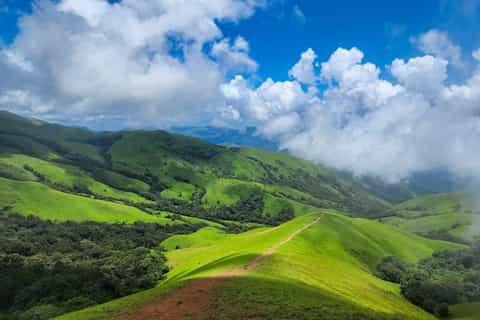
Chikkamagaluru, Karnataka: A Complete Travel Guide
Chikkamagaluru is one of the most beautiful hill districts of Karnataka, famous for its mist-covered mountains, lush coffee plantations, waterfalls, forests, ancient temples and peaceful valleys. Located in the Western Ghats, the district is widely known as the coffee land of Karnataka and is closely associated with the history of coffee cultivation in India.
From the towering Mullayanagiri Peak and scenic Baba Budangiri Hills to the forests of Kudremukh, the waterfalls of Hebbe Falls and Jhari Falls, and the spiritual centres of Sringeri and Horanadu, Chikkamagaluru offers an extraordinary combination of nature, adventure, history and spirituality.
The district is particularly popular among trekkers, nature lovers, photographers, bikers, coffee enthusiasts and travellers looking for a peaceful escape from busy city life.
| Quick Information | Details |
|---|---|
| State | Karnataka |
| Region | Malnad / Western Ghats |
| District Headquarters | Chikkamagaluru |
| Area | Approximately 7,202 sq. km |
| Major Identity | Coffee, Hills, Waterfalls and Western Ghats |
| Highest Peak | Mullayanagiri |
| Highest Peak Elevation | 1,930 metres |
| Famous Hill Regions | Mullayanagiri, Baba Budangiri, Kemmangundi and Kudremukh |
| Famous Religious Centres | Sringeri and Horanadu |
| Best Time to Visit | September to March |
1. Introduction
Chikkamagaluru is a scenic district situated in the Western Ghats of Karnataka. Its landscape is characterised by mountains, dense forests, coffee estates, streams, waterfalls and fertile valleys.
The district has a unique combination of natural and cultural attractions. Travellers can spend a morning trekking through the mountains, explore a coffee plantation in the afternoon and visit an ancient temple or pilgrimage centre in the evening.
Chikkamagaluru is especially famous for its coffee culture. The hills around Baba Budangiri are associated with the introduction of coffee cultivation to India in the 17th century, and coffee plantations continue to form an important part of the region's landscape and economy.
The district is also home to Mullayanagiri, the highest peak in Karnataka at approximately 1,930 metres, making Chikkamagaluru an important destination for trekking and mountain tourism.
2. History
Early History
The Chikkamagaluru region has a long history influenced by several South Indian dynasties and religious traditions. The surrounding areas have been connected with the Kadambas, Gangas, Hoysalas, Vijayanagara rulers and later the Mysore Kingdom.
The region's strategic location within the Western Ghats also made its mountain passes and settlements important throughout history.
Hoysala Influence
The Hoysala period left an important architectural and cultural legacy in the wider Chikkamagaluru region. Several historic temples around Belavadi, Angadi and other parts of the district demonstrate the artistic traditions associated with medieval Karnataka.
Sringeri and Spiritual History
Sringeri is one of the most important spiritual centres in South India and has a history closely connected with Adi Shankaracharya. The Sringeri Sharada Peetha is traditionally regarded as one of the four principal monasteries established by Adi Shankaracharya.
The temple town developed on the banks of the Tunga River and became an important centre of Advaita Vedanta and Hindu learning.
Arrival of Coffee
One of the most important chapters in the history of Chikkamagaluru is its association with coffee.
According to the widely accepted local tradition, the Sufi saint Baba Budan brought coffee beans from Yemen to the hills of the region during the 17th century. Coffee cultivation subsequently developed across the hills and eventually became an important plantation crop in Karnataka.
The Baba Budangiri region is therefore closely associated with the early history of coffee cultivation in India.
Mysore Kingdom
During the period of the Mysore Kingdom, several hill regions of Chikkamagaluru became popular for their cool climate and scenic surroundings. Kemmangundi, for example, became associated with Krishnaraja Wodeyar IV and was used as a summer retreat.
Modern Chikkamagaluru
After independence, Chikkamagaluru developed as an important agricultural, plantation and tourism region. Coffee estates, forest areas and hill stations gradually became major attractions for visitors from Karnataka and other parts of India.
Today, tourism forms an important part of the district's identity alongside agriculture, coffee cultivation and plantation activities.
3. Geography and Climate
Geography
Chikkamagaluru lies largely within the Western Ghats and Malnad region of Karnataka. The district contains high mountains, valleys, evergreen forests, coffee plantations, rivers and numerous streams.
The western parts of the district are greener and receive heavier rainfall, while the eastern areas gradually transition towards the drier Maidan region of Karnataka.
Mountain Landscape
The district contains several important mountain ranges and peaks, including:
- Mullayanagiri
- Baba Budangiri
- Kudremukh
- Kemmangundi
- Deviramma Hills
- Ballalarayana Durga
Climate
Chikkamagaluru has a varied climate because of differences in elevation and rainfall. The hill regions remain considerably cooler than the plains, while the Western Ghats receive substantial rainfall during the monsoon.
| Season | Approximate Period | Weather |
|---|---|---|
| Summer | March to May | Warm in lower areas and pleasant in higher elevations |
| Monsoon | June to August | Heavy rainfall, mist and lush greenery |
| Post-Monsoon | September to November | Green landscapes and pleasant weather |
| Winter | December to February | Cool mornings and comfortable sightseeing conditions |
4. Culture and Traditions
Chikkamagaluru's culture is strongly influenced by the traditions of the Malnad region. Agriculture, coffee cultivation, temple traditions, folk culture and village life form an important part of the district's identity.
Kannada Culture
Kannada is the principal language of the district. Local traditions, festivals, temple celebrations and cultural events reflect the broader heritage of Karnataka.
Malnad Culture
The forested mountains and high rainfall of the Malnad region have influenced local architecture, food, agriculture and lifestyle.
Coffee Estate Culture
Coffee is much more than an agricultural product in Chikkamagaluru. Coffee estates have shaped the landscape, economy and tourism culture of the district.
Visitors can experience plantation walks, coffee processing, estate stays and traditional Malnad cuisine at several properties around the district.
Religious Traditions
Sringeri, Horanadu, Kalasa and several other religious centres attract devotees throughout the year. The district is also known for traditions associated with Baba Budangiri and Dattatreya Peetha.
Folk Traditions
Local festivals, temple fairs, traditional music and village celebrations remain important elements of rural life in Chikkamagaluru.
5. Architecture
Chikkamagaluru has a rich architectural heritage ranging from ancient temples to medieval Hoysala monuments and later religious structures.
Hoysala Architecture
The temples at Belavadi are among the most important examples of Hoysala architectural traditions in the district.
Veera Narayana Temple, Belavadi
The Veera Narayana Temple at Belavadi is an important Hoysala monument. The temple is dedicated to Vishnu and is known for its detailed stone carvings, sculptures, pillars and distinctive architectural planning.
Vidyashankara Temple, Sringeri
The Vidyashankara Temple at Sringeri is one of the district's most remarkable religious monuments. Built in the 14th century, it combines elements of Dravidian and other South Indian architectural traditions.
Sharadamba Temple
The Sharadamba Temple at Sringeri is dedicated to Goddess Sharada and forms the spiritual centre of the Sringeri Sharada Peetha.
Horanadu Annapoorneshwari Temple
The Sri Annapoorneshwari Temple at Horanadu is one of the most important pilgrimage destinations in the district. It is surrounded by evergreen hills and attracts devotees throughout the year.
Temple Architecture of the Region
Across Chikkamagaluru, visitors can find temples reflecting Hoysala, Dravidian and regional architectural traditions. Many are located in scenic rural settings surrounded by forests, hills and agricultural land.
6. Famous Places / Tourist Places
Mullayanagiri
Mullayanagiri is the highest peak in Karnataka, rising to approximately 1,930 metres above sea level.
The peak belongs to the Baba Budangiri hill range and is one of the most popular trekking and sightseeing destinations in the state.
A small temple dedicated to Mullappa Swamy is located near the summit. The surrounding landscape offers spectacular views of the Western Ghats and Chikkamagaluru's valleys.
The combination of winding mountain roads, grasslands, mist and panoramic viewpoints makes Mullayanagiri one of the signature attractions of the district.
Baba Budangiri
Baba Budangiri, also known historically as part of the Chandra Drona mountain range, is one of the most important destinations in Chikkamagaluru.
The hills are associated with the Sufi saint Baba Budan and the early history of coffee cultivation in India.
The region is also associated with the Dattatreya Peetha, a sacred site that has significance for both Hindu and Muslim communities.
Manikyadhara Falls
Manikyadhara Falls is located in the Baba Budangiri region. The waterfall is surrounded by hills and is also considered spiritually significant.
The waterfall and surrounding viewpoints make this an excellent stop while exploring Baba Budangiri.
Kemmangundi
Kemmangundi is a scenic hill station located in the Baba Budangiri range. It stands at approximately 1,434 metres and is surrounded by forests, mountain streams and lush vegetation.
The hill station became associated with Krishnaraja Wodeyar IV, who used the region as a summer retreat.
Z Point
Z Point near Kemmangundi is a popular viewpoint offering spectacular views of the surrounding valleys, forests and Shola grasslands.
The short walk to the viewpoint makes it a popular destination for nature lovers and photographers.
Kudremukh
Kudremukh is one of the most spectacular mountain landscapes in the Western Ghats. The name Kudremukh means “horse face” in Kannada, referring to the distinctive shape of the mountain.
The Kudremukh region is known for rolling grasslands, dense forests, streams and deep valleys. The area forms part of the biodiversity-rich Western Ghats.
Kudremukh National Park
Kudremukh National Park is an important protected area of the Western Ghats and supports rich biodiversity.
The park is known for its forests, grasslands, streams and wildlife habitats. Trekking and nature experiences are subject to forest department rules and local permissions.
Hebbe Falls
Hebbe Falls is one of the most famous waterfalls around Chikkamagaluru. The waterfall is located amid forests and coffee estates and is reached through a route that offers a strong sense of adventure.
The waterfall is divided into two sections and drops through a scenic forested landscape.
Jhari Falls
Jhari Falls, also known as Buttermilk Falls, is a popular waterfall surrounded by coffee plantations and forested hills.
The waterfall is especially attractive during and after the monsoon when water flow increases and the surrounding landscape becomes lush green.
Kalhatti Falls
Kalhatti Falls is located near Kemmangundi and is surrounded by the scenic landscape of the Western Ghats.
The waterfall is also associated with the Veerabhadreshwara Temple, making the location a combination of nature and spirituality.
Hirekolale Lake
Hirekolale Lake is a scenic reservoir located close to Chikkamagaluru town. The lake is surrounded by hills and coffee plantations and is especially attractive during sunrise and sunset.
Sringeri
Sringeri is one of the most important pilgrimage centres in Karnataka. Located on the banks of the Tunga River, the town is home to the Sringeri Sharada Peetha.
The Sharadamba Temple and Vidyashankara Temple are among its most important attractions.
Horanadu
Horanadu is a famous pilgrimage destination surrounded by evergreen hills. The town is home to the Sri Annapoorneshwari Temple, dedicated to Goddess Annapoorneshwari.
The temple attracts devotees throughout the year and is known for providing food and accommodation facilities to pilgrims.
Kalasa
Kalasa is a temple town situated amid the Western Ghats. The region is known for its scenic surroundings and religious significance and serves as an important base for exploring nearby attractions.
Belavadi
Belavadi is famous for the Veera Narayana Temple, an outstanding example of Hoysala architecture.
The village provides an opportunity to combine heritage exploration with a peaceful rural landscape.
Angadi
Angadi is historically associated with the early Hoysala region. Several Jain basadis and temples are found in the surrounding area.
Deviramma Betta
Deviramma Betta is one of the prominent hills in the Baba Budangiri region. The hill is associated with the deity Deviramma and is especially important during the annual festival period.
Ballalarayana Durga
Ballalarayana Durga is a scenic hill fort destination surrounded by the Western Ghats. The trek provides panoramic views of the surrounding mountains and valleys.
Muthyala Madagu
Muthyala Madagu is a scenic natural attraction known for its rocky landscape, greenery and seasonal water flow.
7. Famous Dishes / Local Food
The cuisine of Chikkamagaluru reflects the flavours of the Malnad region. Rice, ragi, coconut, spices, vegetables and locally available ingredients are widely used.
Popular Foods to Try
- Kadubu: A traditional steamed or cooked preparation found in different regional variations.
- Akki Rotti: Rice-based flatbread commonly served with chutney or curry.
- Ragi Mudde: A nutritious finger-millet preparation traditionally eaten with saaru or curry.
- Neer Dosa: A soft, thin rice crepe popular across the Malnad and coastal Karnataka regions.
- Pathrode: A traditional preparation made using colocasia leaves and spiced rice-lentil paste.
- Malnad-style Vegetable Curries: Local vegetables cooked with coconut and spices.
- Chicken and Fish Preparations: Non-vegetarian dishes are also found in local Malnad cuisine.
- Filter Coffee: A must-try beverage given the district's strong coffee-growing heritage.
Malnad Cuisine
Traditional Malnad food is known for the use of coconut, spices, seasonal vegetables and locally sourced ingredients. Many homestays and coffee estates serve traditional regional meals to visitors.
Chikkamagaluru Coffee
Coffee is an essential part of the culinary and tourism identity of the district. Visitors can enjoy freshly brewed coffee at local cafés, plantation stays and estate homestays.
8. Famous Personalities
Baba Budan
Baba Budan is the most famous personality associated with the coffee history of Chikkamagaluru. The Sufi saint is traditionally credited with bringing coffee beans from Yemen to India during the 17th century.
The hills where the coffee story developed subsequently became known as Baba Budangiri.
Adi Shankaracharya
Adi Shankaracharya is strongly associated with the spiritual history of Sringeri. According to the traditional account of the Sringeri Sharada Peetha, he established the monastery at Sringeri as one of the four principal Advaita centres.
Krishnaraja Wodeyar IV
The Mysore ruler Krishnaraja Wodeyar IV is associated with Kemmangundi, which he used as a summer retreat.
Hoysala Rulers
The Hoysala rulers left an important architectural legacy in the region. The temples of Belavadi and surrounding areas preserve examples of Hoysala artistic traditions.
Local Saints and Spiritual Figures
Several spiritual teachers, saints and religious personalities have been associated with Sringeri, Horanadu, Baba Budangiri and other pilgrimage centres across the district.
9. Festivals
Ugadi
Ugadi, the Kannada New Year, is celebrated throughout Chikkamagaluru with traditional food, prayers, family gatherings and cultural activities.
Deepavali
Deepavali is celebrated across the district with lamps, prayers, sweets and community gatherings.
Navaratri and Dasara
Navaratri and Dasara are celebrated at temples and communities throughout the district with religious ceremonies and cultural programmes.
Mahashivaratri
Mahashivaratri is particularly important at Shiva temples across the hill regions, including temples around Mullayanagiri and other parts of Chikkamagaluru.
Dattatreya Jayanti
Dattatreya Jayanti is observed at Dattatreya Peetha in the Baba Budangiri region and forms an important part of the area's religious traditions.
Urs at Baba Budangiri
The Baba Budangiri region has an important Sufi tradition and hosts religious observances associated with the saint Baba Budan.
Horanadu Temple Festivals
Religious festivals and special occasions at the Annapoorneshwari Temple attract large numbers of devotees.
Sringeri Festivals
Sringeri hosts several important religious festivals connected with the Sharadamba Temple and the Sringeri Sharada Peetha.
Deviramma Festival
The annual Deviramma festival is one of the distinctive local religious traditions of the Chikkamagaluru hill region. Large numbers of devotees traditionally undertake the climb to the hill during the festival period.
10. Things to Do
Trek to Mullayanagiri
Climb the steps and trail leading to the summit of Mullayanagiri and enjoy panoramic views of the surrounding Western Ghats.
Explore Coffee Plantations
Take a plantation tour to learn about coffee cultivation, harvesting, processing and roasting.
Visit a Coffee Estate
Staying in a coffee estate or plantation homestay is one of the best ways to experience the landscape and lifestyle of Chikkamagaluru.
Explore Waterfalls
Visit Hebbe Falls, Jhari Falls, Manikyadhara Falls and Kalhatti Falls, particularly during the monsoon and post-monsoon seasons when water flow is stronger.
Go Trekking
Chikkamagaluru offers several trekking routes, including trails around Mullayanagiri, Kudremukh, Ballalarayana Durga and other Western Ghats hills.
Visit Sringeri
Explore the Sharadamba Temple, Vidyashankara Temple and the banks of the Tunga River.
Visit Horanadu
Pay a visit to the Annapoorneshwari Temple and enjoy the surrounding evergreen mountain landscape.
Explore Hoysala Heritage
Visit Belavadi and other heritage locations to discover the architectural legacy of medieval Karnataka.
Photography
Chikkamagaluru is ideal for landscape photography. Mountains, clouds, coffee plantations, waterfalls, forests and temples provide countless photographic opportunities.
Birdwatching and Nature Walks
The forests and plantation landscapes support diverse birdlife and provide opportunities for nature walks and birdwatching.
Scenic Drives
The winding roads through coffee estates and mountain ranges make Chikkamagaluru an attractive destination for road trips and motorcycle rides.
11. Where to Eat, Shop, and Stay
Where to Eat
Chikkamagaluru town has restaurants, cafés, bakeries and local eateries serving Karnataka, South Indian and Malnad cuisine.
- South Indian breakfast centres
- Traditional Karnataka restaurants
- Malnad cuisine restaurants
- Coffee cafés
- Local bakeries
- Restaurants near major tourist routes
Where to Stay
Chikkamagaluru offers a wide range of accommodation options, from budget hotels and comfortable city properties to luxury resorts, coffee estate stays and homestays.
Travellers who want to experience plantation life can choose a homestay or resort located within or near a coffee estate.
Popular Stay Areas
- Chikkamagaluru town
- Mullayanagiri region
- Baba Budangiri region
- Kemmangundi
- Kalasa
- Sringeri
- Horanadu
- Coffee plantation areas
Where to Shop
Visitors can purchase locally produced coffee and other regional products from Chikkamagaluru.
- Fresh coffee beans
- Roasted coffee
- Ground coffee
- Local spices
- Pepper
- Cardamom
- Honey
- Local food products
- Traditional handicrafts
12. What Is Chikkamagaluru Famous For?
Chikkamagaluru is famous for its coffee plantations, mountains, waterfalls, trekking trails, wildlife and spiritual centres.
| Feature | Why It Is Famous |
|---|---|
| Coffee | One of India's most important coffee-growing regions and closely associated with the early history of coffee cultivation in India |
| Mullayanagiri | Highest peak in Karnataka |
| Baba Budangiri | Historic hills associated with coffee and religious traditions |
| Kudremukh | Scenic Western Ghats mountain region and national park |
| Kemmangundi | Historic hill station surrounded by forests and mountains |
| Hebbe Falls | Major waterfall surrounded by forest and plantation landscapes |
| Sringeri | Important Hindu pilgrimage and Advaita Vedanta centre |
| Horanadu | Famous Annapoorneshwari pilgrimage centre |
| Belavadi | Important Hoysala architectural heritage |
| Western Ghats | Rich forests, biodiversity, mountains and scenic landscapes |
13. Best Time to Visit
The best time to visit Chikkamagaluru depends on the type of experience you want. For comfortable sightseeing, trekking and coffee estate exploration, the period from September to March is generally suitable.
September to November
The post-monsoon season is one of the most beautiful periods in Chikkamagaluru. The hills remain lush green, waterfalls are active and the air is fresh.
December to February
Winter provides cool mornings, comfortable daytime temperatures and good conditions for sightseeing, trekking and plantation tours.
March to May
The lower regions become warmer, but the higher elevations remain comparatively pleasant. Early mornings and evenings are suitable for outdoor activities.
June to August
The monsoon transforms Chikkamagaluru into a spectacular green landscape. Waterfalls become more powerful and mist covers the hills.
However, heavy rain can make trekking trails slippery and may affect road conditions. Visitors should check local weather and access conditions before travelling to remote areas.
| Activity | Recommended Period |
|---|---|
| Coffee Plantation Visit | September to March |
| Trekking | September to February |
| Waterfalls | June to November |
| Temple Visits | Throughout the Year |
| Road Trips | September to March |
| Photography | Post-Monsoon and Winter |
14. How to Reach
By Air
Chikkamagaluru does not have a major commercial airport of its own. Travellers generally use nearby airports and continue the journey by road.
Kempegowda International Airport, Bengaluru is one of the major airport options for travellers arriving from distant parts of India and abroad.
Mangaluru International Airport is another useful option for travellers approaching the western side of the district.
By Train
Chikkamagaluru has railway connectivity and can be reached by rail from Bengaluru and other connected cities. Travellers can use local taxis and buses to reach the hill stations and tourist attractions.
By Road
Road travel is one of the most convenient ways to explore Chikkamagaluru because many attractions are located in different parts of the district.
The district has road connectivity with Bengaluru, Hassan, Mangaluru, Shivamogga and other parts of Karnataka.
| Mode | Best For |
|---|---|
| Air | Long-distance travellers |
| Train | Travellers from Bengaluru and connected cities |
| Road | Best option for exploring the district |
15. Nearby Places to Visit
Belur
Belur is famous for the magnificent Chennakeshava Temple, one of Karnataka's finest examples of Hoysala architecture.
Halebidu
Halebidu is another major Hoysala heritage destination known for the Hoysaleswara Temple and extraordinary stone sculptures.
Hassan
Hassan is an important gateway to several Hoysala heritage sites and can easily be combined with a Chikkamagaluru trip.
Udupi
Udupi lies to the west and offers a combination of temple heritage, coastal culture and cuisine.
Mangaluru
Mangaluru is an important coastal city and can be combined with a Chikkamagaluru road trip through the Western Ghats.
Shivamogga
Shivamogga is located towards the north and provides access to several waterfalls, forests and Western Ghats attractions.
Sakleshpur
Sakleshpur is another scenic hill destination in Karnataka, known for coffee plantations, green hills, trekking routes and railway bridges.
16. Best Duration for a Trip
Chikkamagaluru deserves at least 2 to 3 days for a comfortable trip. A longer stay is recommended if you want to explore Kudremukh, Sringeri, Horanadu and the plantation regions.
| Duration | Suggested Plan |
|---|---|
| 1 Day | Mullayanagiri + Baba Budangiri + Manikyadhara Falls |
| 2 Days | Mullayanagiri + Baba Budangiri + Waterfalls + Coffee Estate |
| 3 Days | Hills + Waterfalls + Coffee Plantation + Sringeri or Horanadu |
| 4–5 Days | Chikkamagaluru + Kudremukh + Kemmangundi + Sringeri + Horanadu |
| 5–7 Days | Complete Western Ghats and heritage circuit with nearby destinations |
Suggested 3-Day Itinerary
Day 1: Start early with Mullayanagiri. Visit Seethalayyanagiri, Baba Budangiri and Manikyadhara Falls. Spend the evening enjoying the mountain views and return to Chikkamagaluru.
Day 2: Explore a coffee plantation and enjoy a plantation walk. Later visit Jhari Falls or another nearby waterfall. Spend the evening around Chikkamagaluru town and enjoy freshly brewed local coffee.
Day 3: Travel towards Sringeri or Horanadu. Visit the major temples and enjoy the scenic Western Ghats landscape. If travelling towards Kemmangundi, include Z Point and nearby attractions depending on available time.
17. Travel Tips
- Start early when visiting Mullayanagiri and other popular hill attractions.
- Weekends and holidays can be crowded around Mullayanagiri and Baba Budangiri.
- Carry a light jacket because hilltop temperatures can be considerably cooler.
- Wear proper trekking shoes for mountain trails.
- Carry sufficient drinking water during trekking.
- Check weather conditions before visiting waterfalls and remote forest areas.
- Follow forest department rules in protected areas such as Kudremukh.
- Do not enter restricted forest zones without permission.
- Avoid littering in the hills, forests and coffee estates.
- Respect religious traditions at temples and pilgrimage centres.
- Dress appropriately when visiting religious places.
- Book plantation stays in advance during weekends and holiday periods.
- Carry cash for small local shops and rural eateries.
- Do not attempt difficult treks without checking current trail conditions.
- During monsoon, allow extra travel time because rain can affect mountain roads.
- Keep a power bank or extra phone battery when exploring remote areas.
- Follow local instructions around waterfalls and steep viewpoints.
18. Why Visit Chikkamagaluru?
For Coffee Lovers
Chikkamagaluru offers one of India's most distinctive coffee experiences, from plantation walks and estate stays to freshly brewed coffee and opportunities to learn about cultivation and processing.
For Nature Lovers
The combination of mountains, forests, coffee plantations, valleys, rivers and waterfalls makes Chikkamagaluru an excellent destination for nature lovers.
For Adventure Lovers
Mullayanagiri, Kudremukh, Ballalarayana Durga and other mountain areas offer trekking and hiking opportunities.
For Photography Lovers
Misty mountains, dramatic clouds, waterfalls, coffee estates, forest trails and ancient temples create excellent photography opportunities.
For Spiritual Travellers
Sringeri, Horanadu, Kalasa, Baba Budangiri and numerous temples provide a diverse spiritual experience.
For History and Architecture Lovers
Hoysala temples, ancient pilgrimage centres and historic hill regions provide plenty of opportunities to explore Karnataka's architectural and cultural heritage.
For Road Trip Lovers
The winding roads through coffee estates and Western Ghats landscapes make Chikkamagaluru one of Karnataka's most attractive road-trip destinations.
For Weekend Travellers
Its accessibility from Bengaluru and other major Karnataka cities makes Chikkamagaluru an excellent choice for a short escape as well as a longer Western Ghats journey.
19. Conclusion
Chikkamagaluru is one of Karnataka's most diverse travel destinations, bringing together mountains, coffee plantations, waterfalls, forests, temples and centuries of history.
The district's identity is deeply connected with coffee, particularly the Baba Budangiri region and the tradition surrounding the introduction of coffee cultivation to India. At the same time, Mullayanagiri gives Chikkamagaluru its reputation as a premier mountain destination, while Kudremukh showcases the extraordinary natural wealth of the Western Ghats.
The spiritual centres of Sringeri and Horanadu add another dimension to the district, while Belavadi and other heritage locations reveal the architectural legacy of Karnataka.
Whether you are looking for a peaceful coffee estate stay, an adventurous trek, a scenic road trip, a spiritual journey or a nature-filled holiday, Chikkamagaluru offers something for almost every kind of traveller.
Chikkamagaluru is not just a hill destination—it is a complete Western Ghats experience where coffee, mountains, waterfalls, forests, heritage and spirituality come together.
"Travel is the only thing you buy that makes you richer."