Dharwad, Karnataka: A Complete Travel Guide
Dharwad is one of the most culturally significant districts of Karnataka, known for its rich traditions of music, literature, education, art, heritage and cuisine. Located in the north-western part of Karnataka, Dharwad has developed a distinctive identity as an academic and cultural centre while its twin city, Hubballi, is recognised as an important commercial and industrial hub.
The region has been influenced by several major dynasties and kingdoms, including the Chalukyas, Rashtrakutas, Vijayanagara rulers, Adil Shahis, Mysore Kingdom and the Peshwas. This long history has left behind a fascinating collection of temples, religious institutions, cultural traditions and historic landmarks.
Dharwad is particularly famous for its contribution to Hindustani classical music and Kannada literature. The district has been associated with celebrated personalities such as D. R. Bendre, Gangubai Hangal, Mallikarjun Mansur, Kumar Gandharva, Bhimsen Joshi and Basavaraj Rajguru.
Food is another important part of Dharwad's identity. The world-famous Dharwad Pedha, which has received a Geographical Indication tag, is one of the most popular culinary specialties associated with the region.
| Quick Information | Details |
|---|---|
| State | Karnataka |
| Region | North-Western Karnataka |
| District Headquarters | Dharwad |
| Major Urban Centre | Hubballi-Dharwad |
| Talukas | Dharwad, Hubli, Kalghatgi, Navalgund and Kundgol |
| Famous For | Music, literature, education, Dharwad Pedha and heritage |
| Major Heritage Sites | Chandramouleshwara Temple, Amruteshwara Temple and Shambulingeshwara Temple |
| Popular Attractions | Sadhankeri Park, Nrupatunga Betta, Siddharoodha Math and historic temples |
| Famous Food | Dharwad Pedha, Jolada Rotti, Holige and Mandgi |
| Famous Art Forms | Hindustani Classical Music, Kannada Literature and Kasuti Embroidery |
| Best Time to Visit | October to February |
1. Introduction
Dharwad is a beautiful district in northern Karnataka that offers a unique combination of history, education, music, literature, spirituality and traditional culture.
The district is especially famous for its cultural contribution to Karnataka. For generations, Dharwad has been home to poets, writers, musicians, artists and scholars. This cultural atmosphere has earned the region a special place on the artistic map of Karnataka.
Dharwad and Hubballi together form the important Hubballi-Dharwad twin-city region. While Hubballi is known more for commerce, business and industry, Dharwad has traditionally been associated with education, music, literature and culture.
For travellers, Dharwad offers a different experience from Karnataka's coastal and hill destinations. Instead of beaches or dense forests, visitors can explore historic temples, peaceful lakes, cultural institutions, traditional markets, music heritage and the relaxed atmosphere of an old academic town.
2. History
Ancient History
Historical studies indicate that human settlements existed in the Dharwad region from very early periods, including the Paleolithic age. Several locations in the district contain archaeological and historical remains.
The strategic geographical position of Dharwad between the western mountain regions and the Deccan plains helped the area develop as an important settlement and travel route.
Chalukya and Rashtrakuta Period
Dharwad came under the influence of several powerful Deccan dynasties, including the Badami Chalukyas, Kalyana Chalukyas and Rashtrakutas.
The architectural heritage of the region reflects the influence of these medieval kingdoms, particularly through its temples and stone architecture.
Vijayanagara Period
The region was also connected with the powerful Vijayanagara Empire, which played an important role in the political and cultural history of southern India.
The period contributed to the development of temple architecture, trade routes and cultural traditions across northern Karnataka.
Adil Shahi and Deccan Sultanate Influence
Later, parts of the region came under the influence of the Adil Shahi rulers of Bijapur and other Deccan powers. This period added another layer to the region's historical and architectural identity.
Mysore and Peshwa Influence
The region subsequently experienced the influence of the Mysore Kingdom and the Peshwas of Pune.
The Peshwa period also contributed to the spread of Marathi influence in parts of the region during the early nineteenth century.
British Period
During British rule, Dharwad became an important administrative and educational centre. Its role in education contributed significantly to the growth of Kannada language and literature in the region.
Formation of the Modern District
In 1830, the southern Maratha territories were reorganised under British administration, and Dharwad became an important collectorate.
Over time, the boundaries of the district changed. Parts of the historic district were later separated to form districts such as Gadag and Haveri.
Hubballi-Dharwad Twin City
In 1962, the towns of Hubballi and Dharwad were amalgamated to form the Hubballi-Dharwad Municipal Corporation.
The two cities developed complementary identities, with Dharwad becoming particularly known for education and culture and Hubballi developing as an important commercial and industrial centre.
3. Geography and Climate
Geographical Location
Dharwad district is located in the western sector of the northern half of Karnataka.
The district is surrounded by Belagavi in the north, Gadag in the east, Haveri in the south and Uttara Kannada towards the west.
Natural Regions
The district can broadly be divided into three geographical regions:
- Malnad region
- Semi-Malnad region
- Maidan region
This geographical diversity creates variations in rainfall, vegetation, agriculture and landscape across the district.
Elevation
Dharwad lies at an elevation of approximately 800 metres above sea level, contributing to its relatively moderate climate compared with many other parts of northern Karnataka.
Soil and Agriculture
The district has both black and red soil. Black soil supports crops such as cotton, wheat, ragi, jowar and oilseeds, while red soil is suitable for crops such as paddy.
Dharwad is also associated with Dharwad Cotton Hybrid, channa, soybean, groundnut, paddy, jowar, mangoes and guavas.
Climate
Dharwad generally experiences a tropical climate with warm summers, a monsoon season and pleasant winters.
| Season | Approximate Period | General Conditions |
|---|---|---|
| Summer | March to May | Warm to hot with sunny afternoons |
| Monsoon | June to September | Rainfall and greener surroundings |
| Post-Monsoon | October to November | Comfortable weather and fresh landscapes |
| Winter | December to February | Cooler and pleasant for sightseeing |
4. Culture and Traditions
Dharwad occupies a special position in the cultural history of Karnataka. Music, literature, theatre, art, education and religious traditions have all contributed to the identity of the district.
Kannada Literature
Dharwad has produced and inspired several important Kannada writers and poets. The district is strongly associated with Dr. D. R. Bendre, one of the most celebrated Kannada poets and a recipient of the Jnanpith Award.
Hindustani Classical Music
Dharwad is widely recognised as an important centre of Hindustani classical music in Karnataka.
The district has been associated with celebrated musicians including:
- Gangubai Hangal
- Mallikarjun Mansur
- Kumar Gandharva
- Pandit Bhimsen Joshi
- Basavaraj Rajguru
- Sangeeta Katti
Guru-Shishya Tradition
The Dr. Gangubai Hangal Gurukul was established in Dharwad in memory of the legendary Hindustani classical singer Gangubai Hangal.
The institution follows the traditional guru-shishya approach and aims to provide professional training to talented young musicians.
Religious Traditions
Dharwad has a diverse religious heritage. Hinduism, Islam, Jainism and Christianity have all contributed to the cultural landscape of the district.
Important religious institutions include Siddharoodha Math, Murugha Math, Moorsavira Math and several historic temples and churches.
Kasuti Embroidery
The wider Hubballi-Dharwad region is also associated with Kasuti embroidery, a traditional Karnataka embroidery style known for its intricate patterns and detailed handwork.
5. Architecture and Heritage
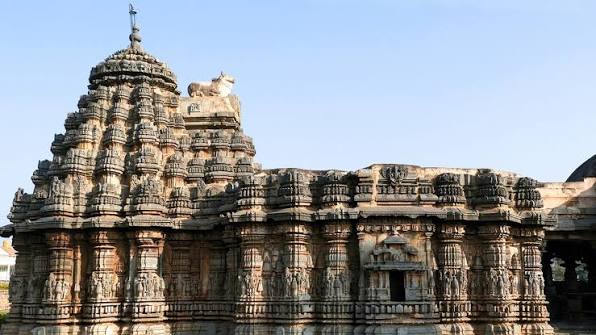
Chandramouleshwara Temple, Unkal
The Chandramouleshwara Temple at Unkal is one of the most important historic temples associated with the Dharwad region.
The temple is a remarkable example of Chalukyan architecture and is believed to be around 900 years old.
Its detailed stonework and medieval architectural features make it an important destination for history and architecture enthusiasts.
Amruteshwara Temple, Navalgund
The Amruteshwara Temple at Annigeri, in the Navalgund area, is an important example of Kalyana Chalukyan architecture.
The temple was constructed around 1050 CE and is known for its large stone structure, carved pillars and traditional architectural design.
Shambulingeshwara Temple, Kundgol
Kundgol is home to the ancient Shambulingeshwara Temple along with several other historic temples.
The temple complex represents the long-standing religious and architectural traditions of northern Karnataka.
Tamboor Basavanna Temple
The Tamboor Basavanna Temple at Kalghatagi is an important pilgrimage centre associated with the Lingayat tradition.
The annual Tamboor Jatre attracts devotees from different parts of Karnataka.
Siddharoodha Math
Siddharoodha Math in Hubballi is one of the important spiritual landmarks of the region.
The Math is associated with the revered saint Siddharoodha Swami and attracts devotees seeking spiritual guidance and blessings.
Murugha Math
Murugha Math in Dharwad is another important religious institution and forms part of the city's long spiritual and cultural heritage.
6. Famous Places / Tourist Places
Sadhankeri Park
Sadhankeri Park is one of the most peaceful recreational destinations in Dharwad.
The park surrounds a beautiful lake that was closely associated with the life and inspiration of poet D. R. Bendre. Visitors can enjoy boating, gardens, children's recreational facilities and musical fountain programmes.
Nrupatunga Betta
Nrupatunga Betta is a popular hillock and recreational destination in Hubballi.
The hill provides a pleasant viewpoint over the surrounding urban landscape and has been developed with pathways, lighting and visitor facilities.
Siddharoodha Math
Siddharoodha Math is one of the most prominent spiritual destinations in Hubballi-Dharwad.
The Math is associated with Siddharoodha Swami, a spiritual teacher remembered for his teachings on equality, spirituality and simple living.
Chandramouleshwara Temple
The historic Chandramouleshwara Temple at Unkal is a major attraction for visitors interested in Chalukyan architecture and medieval temple design.
Shambulingeshwara Temple, Kundgol
Kundgol is an important heritage destination containing ancient temples and traditional religious architecture.
Tamboor Basavanna Temple
The Tamboor Basavanna Temple is an important religious destination in Kalghatagi and attracts pilgrims, particularly during its annual festival.
Amruteshwara Temple, Navalgund
The Amruteshwara Temple is a major heritage attraction associated with the Kalyana Chalukyan period.
Garag
Garag, located near Dharwad, is known for its association with the production of Indian National Flags using khadi.
The village has a long association with khadi and national flag manufacturing and represents an important part of the region's social and craft heritage.
Navalgund
Navalgund is known for its traditional weaving heritage, historic temples and the famous Navalgund Dhurrie.
Hubballi
Hubballi is the commercial and industrial counterpart of Dharwad. The twin-city relationship between the two urban centres makes Hubballi an important part of any Dharwad travel itinerary.
7. Famous Dishes / Local Food
Dharwad's cuisine reflects the food traditions of northern Karnataka. The region is especially known for its signature sweet and traditional millet-based meals.
Dharwad Pedha
Dharwad Pedha is the most famous culinary specialty of the district.
The sweet is prepared using milk, sugar and traditional preparation techniques. Its history in Dharwad goes back roughly 175 years and it has received a Geographical Indication tag.
The history of Dharwad Pedha is associated with the Thakur family, which migrated to Dharwad from the Unnao region of present-day Uttar Pradesh. Ram Ratan Singh Thakur began preparing and selling pedhas, and the sweet gradually became associated with Dharwad.
Jolada Rotti
Jolada Rotti is a traditional North Karnataka flatbread prepared from jowar flour.
It is commonly served with lentils, vegetables, chutneys and spicy side dishes.
Ennegayi
Ennegayi is a popular North Karnataka preparation made using stuffed brinjals cooked with spices. It is commonly served with jowar rotti.
Holige
Holige is a traditional sweet flatbread prepared with a sweet filling. It is particularly popular during festivals and family celebrations.
Mandgi
Mandgi is another traditional preparation associated with the food culture of northern Karnataka.
Kadabu
Kadabu is a traditional Karnataka dish available in different sweet and savoury forms depending on local preparation traditions.
Local Fruits
Dharwad is also known for agricultural products including mangoes and guavas. Local orchards contribute to the region's agricultural identity.
8. Famous Personalities
Dr. D. R. Bendre
Dattatreya Ramachandra Bendre, popularly known as D. R. Bendre, was one of the most important Kannada poets of the twentieth century.
He was awarded the Jnanpith Award for his contribution to Kannada literature and is deeply associated with Dharwad's literary heritage.
Gangubai Hangal
Gangubai Hangal was one of India's celebrated Hindustani classical vocalists. She became an important symbol of Dharwad's musical tradition.
The Dr. Gangubai Hangal Gurukul in Dharwad was established in her memory to support the training of young musicians.
Mallikarjun Mansur
Mallikarjun Mansur was a renowned Hindustani classical vocalist associated with the rich musical tradition of Karnataka and Dharwad.
Kumar Gandharva
Kumar Gandharva was an influential Hindustani classical vocalist whose musical journey is closely connected with the cultural history of the Dharwad region.
Pandit Bhimsen Joshi
Pandit Bhimsen Joshi, one of India's most celebrated Hindustani classical vocalists, also had strong connections with the musical tradition of northern Karnataka.
Basavaraj Rajguru
Basavaraj Rajguru was another distinguished Hindustani classical vocalist associated with the Dharwad musical tradition.
Alur Venkata Rao
Alur Venkata Rao was an important figure in the movement for the unification of Karnataka and is associated with the cultural and political history of the region.
Halbhavi
The district is also associated with the well-known artist Halbhavi, contributing to Dharwad's reputation as a centre for visual arts.
9. Festivals
Ganesha Chaturthi
Ganesha Chaturthi is widely celebrated across Dharwad with religious ceremonies, cultural programmes and community celebrations.
Navaratri and Dasara
Navaratri and Dasara are celebrated with temple rituals, cultural programmes and traditional festivities.
Deepavali
Deepavali is celebrated throughout the district with lamps, prayers, sweets and family gatherings.
Ugadi
Ugadi, the Kannada New Year, is an important cultural festival marked by traditional food, prayers and family celebrations.
Maha Shivaratri
Maha Shivaratri is observed at Shiva temples across the district with special prayers and devotional activities.
Tamboor Jatre
The annual Tamboor Jatre at the Basavanna Temple is an important religious gathering and attracts devotees from different parts of Karnataka.
Music and Cultural Events
Because of Dharwad's strong musical heritage, the region regularly hosts classical music programmes, cultural gatherings and events celebrating Karnataka's literary and artistic traditions.
10. Things to Do in Dharwad
Explore Sadhankeri Park
Spend a peaceful morning or evening at Sadhankeri Park, enjoy the lake and explore the gardens associated with the memory of D. R. Bendre.
Visit Nrupatunga Betta
Climb Nrupatunga Betta and enjoy panoramic views of the surrounding Hubballi landscape.
Explore Historic Temples
Visit Chandramouleshwara Temple, Shambulingeshwara Temple and Amruteshwara Temple to experience the architectural heritage of northern Karnataka.
Visit Siddharoodha Math
Explore Siddharoodha Math and learn about the spiritual heritage associated with Siddharoodha Swami.
Try Dharwad Pedha
No visit to Dharwad is complete without tasting the famous Dharwad Pedha from a traditional local sweet shop.
Experience North Karnataka Cuisine
Try Jolada Rotti, Ennegayi, Holige, Mandgi and other traditional dishes.
Explore Garag
Visit Garag to learn about its traditional khadi and national flag-making heritage.
Explore Navalgund
Discover the historic temples and traditional weaving heritage of Navalgund.
Attend a Classical Music Programme
If your visit coincides with a musical event, attending a Hindustani classical music performance is an excellent way to experience Dharwad's cultural identity.
Explore Local Markets
Spend some time exploring local markets for sweets, textiles, traditional products and everyday Karnataka handicrafts.
11. Where to Eat, Shop and Stay
Where to Eat
Dharwad and Hubballi offer a wide variety of restaurants and traditional eateries.
- Traditional North Karnataka restaurants
- South Indian vegetarian restaurants
- Local sweet shops
- Family restaurants
- Modern cafés
- Street food stalls
Must-Try Foods
- Dharwad Pedha
- Jolada Rotti
- Ennegayi
- Holige
- Mandgi
- Kadabu
- Traditional North Karnataka meals
Where to Stay
Visitors can find accommodation options in both Dharwad and Hubballi.
- Business hotels
- Budget hotels
- Family hotels
- Guesthouses
- Service apartments
- Luxury accommodation
Where to Shop
Dharwad and Hubballi provide several shopping opportunities for visitors interested in traditional products and local specialties.
- Dharwad Pedha
- Kasuti embroidery products
- Traditional textiles
- Navalgund Dhurries
- North Karnataka handicrafts
- Local food products
12. What Is Dharwad Famous For?
| Feature | Why It Is Famous |
|---|---|
| Dharwad Pedha | Traditional milk-based sweet with GI recognition |
| Hindustani Classical Music | Home and cultural centre associated with several legendary musicians |
| Kannada Literature | Strong association with D. R. Bendre and other literary figures |
| Education | Important academic centre with major educational institutions |
| Chandramouleshwara Temple | Historic Chalukyan architectural monument |
| Sadhankeri Park | Scenic lake park associated with poet D. R. Bendre |
| Nrupatunga Betta | Popular hilltop recreational destination |
| Siddharoodha Math | Important spiritual centre in Hubballi |
| Navalgund Dhurrie | Traditional handwoven floor covering |
| Kasuti Embroidery | Traditional Karnataka embroidery heritage |
| Garag | Known for khadi national flag manufacturing |
13. Best Time to Visit Dharwad
The best time to explore Dharwad is generally between October and February, when the weather is comparatively pleasant and comfortable for sightseeing.
October to November
The post-monsoon period brings fresh greenery and comfortable temperatures. It is a good time for visiting parks, temples and nearby attractions.
December to February
Winter is particularly suitable for sightseeing and exploring Dharwad and Hubballi. The pleasant climate makes it easier to spend time outdoors.
March to May
Summer can become warm, especially during the afternoon. Visitors planning outdoor activities should prefer morning and evening hours.
June to September
The monsoon season brings rainfall and greener landscapes. It can be an attractive period for visitors who enjoy rain and countryside scenery, although outdoor travel may require flexibility.
| Activity | Recommended Period |
|---|---|
| City Sightseeing | October to February |
| Temple Visits | October to February |
| Music and Cultural Exploration | Year-round |
| Nature and Parks | October to February |
| Photography | Post-Monsoon to Winter |
| Road Trips | October to February |
14. How to Reach Dharwad
By Air
The nearest airport is Hubballi Airport, which serves the Hubballi-Dharwad region and is approximately 20 kilometres from Dharwad.
Another option for some travellers is Belagavi Airport, depending on the route and flight availability.
By Train
Dharwad Railway Station is an important railway station under the South Western Railway zone.
The station has rail connections to major cities including Hubballi, Bengaluru, Belagavi, Mumbai, Pune, Gadag, Bagalkot and other parts of Karnataka and India.
By Road
Dharwad is well connected by road with Bengaluru, Belagavi, Hubballi, Gadag, Haveri and other major towns of Karnataka.
The city is conveniently located along major north-south transportation routes, making it suitable for road trips across northern Karnataka.
| Mode | Travel Advantage |
|---|---|
| Air | Hubballi Airport provides convenient regional connectivity |
| Train | Strong railway connections to major cities |
| Road | Well connected with major Karnataka cities and towns |
15. Nearby Places to Visit
Hubballi
Hubballi is the commercial and industrial twin city of Dharwad. Visitors can explore its markets, temples, religious institutions and urban attractions.
Belagavi
Belagavi lies towards the north and is known for its forts, temples, colonial-era heritage and scenic surroundings.
Gadag
Gadag lies east of Dharwad and is famous for historic temples and medieval architectural heritage.
Haveri
Haveri lies south of Dharwad and offers access to historic temples and the cultural landscapes of central Karnataka.
Uttara Kannada
The western side of Dharwad provides access towards Uttara Kannada, where travellers can explore forests, waterfalls, beaches and Western Ghats landscapes.
Navalgund
Navalgund is a nearby heritage destination famous for its temples and traditional weaving traditions.
Kundgol
Kundgol is known for historic temples and its association with the Hindustani classical music tradition.
16. Best Duration for a Dharwad Trip
A 2-day trip is suitable for exploring the major attractions of Dharwad and Hubballi. Travellers interested in heritage, music and nearby towns can extend their stay to three or four days.
| Duration | Suggested Plan |
|---|---|
| 1 Day | Dharwad city, Sadhankeri Park, local food and Dharwad Pedha |
| 2 Days | Dharwad + Hubballi + major temples and cultural attractions |
| 3 Days | Dharwad + Hubballi + Navalgund + Kundgol |
| 4 Days | Extended heritage and cultural exploration around the district |
| 5 Days | Dharwad + surrounding districts and Western Karnataka attractions |
Suggested 3-Day Itinerary
Day 1: Start with Dharwad city. Visit Sadhankeri Park, explore local markets, taste traditional North Karnataka food and buy authentic Dharwad Pedha.
Day 2: Explore Hubballi and visit Siddharoodha Math and Nrupatunga Betta. Continue to Unkal to see the historic Chandramouleshwara Temple.
Day 3: Explore the heritage of Navalgund or Kundgol and visit historic temples. If available, attend a local music or cultural programme before concluding the trip.
17. Travel Tips
- Try authentic Dharwad Pedha from a reputed traditional sweet shop.
- Explore both Dharwad and Hubballi because the two cities offer different experiences.
- Visit historic temples during the morning or evening for a more comfortable experience.
- Wear comfortable footwear while exploring heritage sites.
- Dress respectfully when visiting temples and religious institutions.
- Follow photography rules inside temples and religious places.
- Carry drinking water during longer sightseeing trips.
- Carry sunscreen and sunglasses during summer.
- Keep rain protection available during the monsoon.
- Try traditional North Karnataka dishes such as Jolada Rotti and Ennegayi.
- Visit Sadhankeri Park during the evening if you want to enjoy the lake and recreational atmosphere.
- Plan additional time if visiting several historic temples outside Dharwad city.
- Keep some cash available for small local shops and traditional eateries.
- Respect local traditions during religious festivals and jatres.
- Do not litter around lakes, parks, temples or heritage monuments.
- Avoid touching or damaging historic carvings and stone structures.
- Check local weather conditions before planning longer road trips.
- Music lovers should check local cultural programmes during their visit.
18. Why Visit Dharwad?
For Music Lovers
Dharwad is one of Karnataka's most important centres of Hindustani classical music. Its association with legendary musicians gives the region a unique musical identity.
For Literature Lovers
The district has a remarkable literary heritage, particularly through the works and legacy of D. R. Bendre and other Kannada writers.
For History Lovers
Centuries of dynastic rule have left behind temples, monuments and religious institutions representing different periods of Karnataka's history.
For Architecture Lovers
Chandramouleshwara Temple, Amruteshwara Temple and Shambulingeshwara Temple provide excellent examples of historic Deccan temple architecture.
For Food Lovers
Dharwad Pedha alone makes the district an interesting destination for food enthusiasts, while traditional North Karnataka cuisine adds further variety.
For Culture Lovers
Music, literature, handicrafts, embroidery, religious traditions and festivals make Dharwad one of the culturally distinctive regions of Karnataka.
For Nature Lovers
Sadhankeri Lake, Nrupatunga Betta and the greener western areas of the district offer opportunities to enjoy nature and scenic landscapes.
For Heritage Travellers
The district provides access to several historic temples and traditional settlements, making it suitable for travellers interested in Karnataka's architectural history.
For Educational Tourism
Dharwad has long been recognised as an academic centre and is home to important educational institutions, giving the city a distinctive student and intellectual atmosphere.
19. Conclusion
Dharwad is much more than an administrative district in northern Karnataka. It is a place where music, literature, education, history, architecture and traditional cuisine come together.
The district's long historical journey through the Chalukya, Rashtrakuta, Vijayanagara, Adil Shahi, Mysore and Peshwa periods has created a fascinating cultural landscape.
For architecture enthusiasts, places such as Chandramouleshwara Temple, Amruteshwara Temple and Shambulingeshwara Temple reveal the artistic traditions of medieval Karnataka.
For culture lovers, the legacy of D. R. Bendre, Gangubai Hangal, Mallikarjun Mansur, Kumar Gandharva, Bhimsen Joshi and other celebrated personalities demonstrates Dharwad's enormous contribution to Indian music and literature.
For food lovers, the famous Dharwad Pedha, along with Jolada Rotti and other North Karnataka specialties, provides an authentic taste of the region.
The peaceful atmosphere of Sadhankeri Park, the views from Nrupatunga Betta, the spiritual importance of Siddharoodha Math and the traditional heritage of places such as Garag and Navalgund further enrich the travel experience.
Whether you are interested in history, music, literature, architecture, spirituality, food or simply want to experience the cultural side of Karnataka, Dharwad offers a memorable journey through the heart of the state's northern cultural heritage.
Dharwad is a city of music, learning and quiet charm, where Karnataka's artistic traditions and historical heritage continue to live alongside modern education and urban life.
"Travel is the only thing you buy that makes you richer."