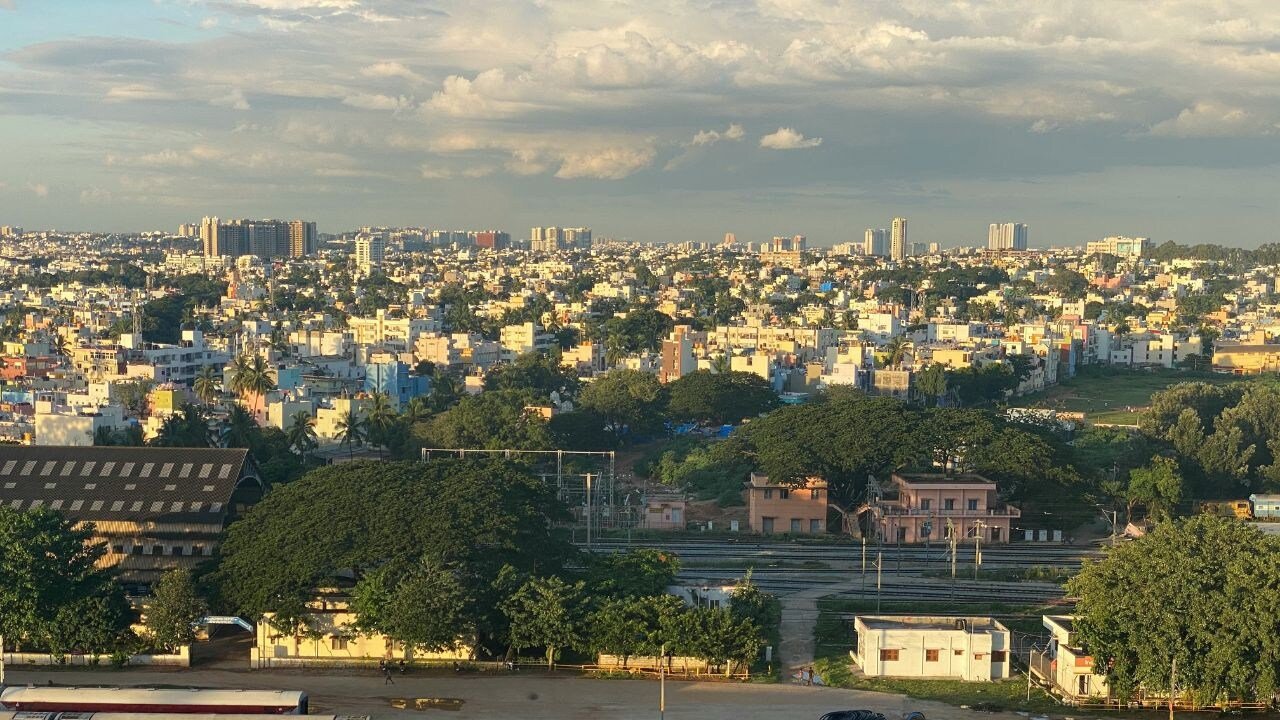
Bengaluru Urban, Karnataka: A Complete Travel Guide
Bengaluru Urban, widely known as Bengaluru, is the capital district of Karnataka and one of India's most dynamic cities. Often called the "Silicon Valley of India", Bengaluru is renowned for its technology industry, pleasant climate, gardens, historic landmarks, palaces, museums, cultural institutions, restaurants, shopping districts and vibrant urban lifestyle.
While Bengaluru is globally recognised as a technology and startup hub, the city has a much older and more diverse identity. Its history includes the rule of the Ganga, Chola, Hoysala, Vijayanagara and Mysore kingdoms, followed by British influence and rapid development after independence.
Today, Bengaluru offers an unusual combination of historic neighbourhoods and modern business districts. Visitors can explore the magnificent Bengaluru Palace, walk through Lalbagh Botanical Garden, admire Vidhana Soudha, visit Tipu Sultan's Summer Palace, explore museums and art galleries, experience traditional markets such as KR Market, and enjoy the city's famous cafés, restaurants and nightlife.
| Quick Fact | Details |
|---|---|
| State | Karnataka |
| District | Bengaluru Urban |
| District Headquarters | Bengaluru |
| State Capital | Bengaluru |
| Region | Southern Karnataka |
| Primary Language | Kannada |
| Major Rivers | Vrishabhavathi, Arkavathi and other local water systems |
| Major Identity | Technology, gardens, heritage and urban culture |
| Popular Name | Silicon Valley of India |
1. Introduction
Bengaluru Urban is the heart of Karnataka's modern economy and one of India's most internationally recognised cities. It is home to technology companies, startups, research institutions, universities, cultural organisations, shopping districts and a diverse population from across the country.
Despite its modern identity, Bengaluru has a fascinating historical core. The old city areas around Chickpet, Avenue Road, KR Market and the fort region preserve traces of the city's earlier commercial and political life.
The city is also famous for its greenery. Lalbagh Botanical Garden and Cubbon Park are among its most important green spaces, while numerous tree-lined neighbourhoods have contributed to Bengaluru's historic reputation as a "Garden City".
For travellers, Bengaluru provides an excellent combination of heritage, nature, food, shopping, art, technology and entertainment.
2. History of Bengaluru Urban
Early History
The Bengaluru region has been inhabited for centuries. Archaeological and inscriptional evidence indicates that settlements existed in the area long before the development of the modern city.
The region came under the influence of several South Indian dynasties, including the Western Gangas, Cholas and Hoysalas.
Chola Period
During the Chola period, the area came under Chola influence and several settlements and temples developed in the region.
The influence of the Cholas can still be seen in some of the city's older temples and historical traditions.
Kempegowda and the Foundation of Bengaluru
The most important chapter in Bengaluru's early urban history began in the 16th century with Kempegowda I, a local chieftain under the Vijayanagara Empire.
Kempegowda is traditionally credited with establishing the foundations of the fortified settlement that developed into modern Bengaluru.
The original settlement included a mud fort and a network of markets and neighbourhoods. The famous Chickpet area developed as an important commercial centre.
Vijayanagara Influence
Bengaluru developed under the broader political influence of the Vijayanagara Empire. The city's strategic position helped it become an increasingly important settlement in the Deccan.
Mysore Kingdom
In the following centuries, Bengaluru came under the control of the Mysore Kingdom. Haider Ali and later Tipu Sultan played important roles in the city's development.
Tipu Sultan's Summer Palace, fortifications and other historic structures preserve this chapter of Bengaluru's history.
British Period
After the defeat of Tipu Sultan in 1799, Bengaluru increasingly came under British influence.
The British developed the Bangalore Cantonment as a major military and administrative settlement. This created a distinctive urban division between the older native city and the Cantonment area.
Neighbourhoods such as Shivajinagar, Richmond Town, Fraser Town and Cantonment developed significantly during this period.
Development After Independence
Following independence, Bengaluru developed into one of India's major industrial, educational and scientific centres.
Institutions such as the Indian Institute of Science, public-sector industries and research organisations contributed to its transformation into a major knowledge economy.
The Rise of India's Technology Capital
From the late 20th century onward, Bengaluru experienced extraordinary growth in information technology.
Areas such as Electronic City, Whitefield, Koramangala, Indiranagar, Outer Ring Road and Manyata Tech Park became major technology and business hubs.
This transformation gave Bengaluru its global reputation as India's Silicon Valley and one of Asia's major technology centres.
3. Geography and Climate
Geographical Setting
Bengaluru is located on the Deccan Plateau at a relatively high elevation. Its elevated position is one of the major reasons for its comparatively moderate climate compared with many other Indian metropolitan cities.
The city consists of gently undulating terrain, rocky outcrops, lakes and urbanised valleys. Much of the original natural landscape has been transformed by rapid urban development.
Lakes and Water Systems
Bengaluru historically had an extensive network of interconnected lakes and tanks. Many of these water bodies were constructed or expanded over centuries to support the city's water needs.
Important lakes and wetlands include:
- Ulsoor Lake
- Hebbal Lake
- Bellandur Lake
- Agara Lake
- Kaikondrahalli Lake
- Jakkur Lake
Climate
Bengaluru is famous for its relatively pleasant climate. The city's elevation and location on the plateau contribute to cooler temperatures than many other major Indian cities.
| Season | General Conditions |
|---|---|
| Summer | Warm but generally more moderate than many inland cities |
| Monsoon | Rainy with cooler temperatures and greener surroundings |
| Winter | Cool and pleasant, especially mornings and evenings |
4. Culture and Traditions
Bengaluru's culture is a blend of traditional Kannada heritage and modern cosmopolitan influences. The city attracts people from virtually every part of India, making it one of the country's most culturally diverse metropolitan centres.
Kannada Heritage
Kannada remains an important part of the city's cultural identity. Traditional literature, theatre, music, festivals and religious customs continue to thrive alongside modern urban culture.
Cosmopolitan Culture
Bengaluru's technology industry and educational institutions have attracted residents from across India and abroad. As a result, the city has restaurants, cultural communities and events representing many different regions and traditions.
Music and Performing Arts
Bengaluru has a strong classical and contemporary music scene. Carnatic music, Hindustani music, Western music, independent bands and live performances can all be experienced across the city.
Theatre and Literature
The city has a long-standing theatre tradition and is home to numerous theatre groups, cultural organisations, bookstores and literary events.
Traditional Markets
Markets such as KR Market and Chickpet provide a very different cultural experience from Bengaluru's modern shopping malls. They showcase the city's traditional commercial life through flowers, textiles, jewellery, food products and household goods.
5. Architecture of Bengaluru Urban
Bengaluru's architecture reflects several centuries of political and cultural change.
Traditional South Indian Architecture
Historic temples throughout the city display Dravidian architectural elements, ornate gateways, stone pillars and traditional temple courtyards.
Indo-Islamic Architecture
Structures associated with Tipu Sultan's period demonstrate a combination of Islamic architectural elements and local South Indian traditions.
Colonial Architecture
The Cantonment area contains numerous buildings influenced by British colonial architecture, including churches, administrative buildings, military structures and heritage residences.
Neo-Dravidian Architecture
Vidhana Soudha is one of Bengaluru's most recognisable buildings. Its monumental architecture combines elements of traditional Indian design with modern government-building requirements.
Modern Architecture
Contemporary Bengaluru is dominated by glass-and-steel office towers, technology campuses, shopping centres and high-rise residential buildings, particularly in areas such as Whitefield and along the Outer Ring Road.
6. Famous Places and Tourist Places in Bengaluru Urban
1. Vidhana Soudha
Vidhana Soudha is one of the most iconic landmarks of Bengaluru and houses the Karnataka state legislature and secretariat.
The massive building is famous for its Neo-Dravidian architectural style, grand staircase, imposing columns and distinctive domes.
Although it primarily functions as a government building, its exterior is an essential part of any Bengaluru sightseeing itinerary.
2. Bengaluru Palace
Bengaluru Palace is one of the city's most impressive historic landmarks.
Inspired partly by Windsor Castle, the palace features Tudor-style architecture, fortified towers, wooden interiors, ornate carvings and expansive grounds.
The palace also hosts cultural events, concerts and exhibitions.
3. Tipu Sultan's Summer Palace
Tipu Sultan's Summer Palace is an important historical monument located in the old Bengaluru area.
The palace is constructed primarily from wood, stone, mortar and plaster and demonstrates the architectural style associated with the late 18th-century Mysore Kingdom.
4. Bangalore Fort
The historic Bangalore Fort represents the early fortified settlement of Bengaluru. The original fort associated with Kempegowda was later expanded and strengthened under successive rulers.
The existing stone fort is particularly associated with the period of Haider Ali and Tipu Sultan.
5. Lalbagh Botanical Garden
Lalbagh Botanical Garden is one of Bengaluru's most famous attractions and one of India's historic botanical gardens.
Established in the 18th century under Haider Ali and developed further under Tipu Sultan and later rulers, Lalbagh contains extensive plant collections, landscaped gardens, historic trees, walking paths and a famous glasshouse.
The annual flower shows held at Lalbagh attract large numbers of visitors.
6. Cubbon Park
Cubbon Park is another major green space in central Bengaluru.
The large urban park contains mature trees, walking paths, lawns and several important government and cultural buildings.
It is particularly popular for morning walks, leisurely strolls, photography and escaping the city's traffic.
7. ISKCON Temple Bengaluru
The ISKCON Temple at Rajajinagar is one of Bengaluru's major religious and cultural attractions.
The temple complex combines traditional devotional elements with a modern architectural approach and attracts devotees as well as tourists.
8. Bull Temple
The Dodda Ganapathi Temple and nearby Basavanagudi Bull Temple are important religious landmarks in one of Bengaluru's oldest neighbourhoods.
The Bull Temple is particularly famous for its large monolithic Nandi statue.
9. Ulsoor Lake
Ulsoor Lake is one of Bengaluru's historic lakes and provides an urban waterfront experience in the heart of the city.
The lake is associated with boating and recreational activities and is surrounded by the historic Cantonment area.
10. Government Museum
The Government Museum, Bengaluru is one of India's oldest museums and houses archaeological artefacts, sculptures, coins and historical objects from Karnataka and other parts of India.
11. Visvesvaraya Industrial and Technological Museum
The Visvesvaraya Industrial and Technological Museum is one of Bengaluru's most popular educational attractions.
Its exhibits focus on science, engineering, technology and industrial development and make it particularly suitable for families and students.
12. Karnataka Chitrakala Parishath
Karnataka Chitrakala Parishath is an important centre for visual arts in Bengaluru. It hosts exhibitions, cultural programmes and activities connected with Indian art.
13. National Gallery of Modern Art
The National Gallery of Modern Art in Bengaluru houses an important collection of modern Indian art and regularly hosts exhibitions and cultural programmes.
14. Bangalore Aquarium
The Bengaluru Aquarium, officially known as the Government Aquarium, is located near Cubbon Park and is a popular attraction for families.
15. Bannerghatta Biological Park
Bannerghatta Biological Park is located on the southern outskirts of Bengaluru and offers wildlife experiences close to the city.
The park includes a zoo, safari facilities, butterfly park and conservation-oriented attractions.
16. Commercial Street
Commercial Street is one of Bengaluru's most popular shopping destinations. The area is known for clothing, footwear, accessories, jewellery, street food and affordable shopping.
17. Chickpet
Chickpet is one of Bengaluru's oldest commercial neighbourhoods and remains particularly famous for textiles, sarees, jewellery and traditional shopping.
18. KR Market
KR Market, or Krishna Rajendra Market, is one of the city's busiest traditional markets.
It is particularly famous for flowers, vegetables, fruits and wholesale trade. The colourful flower market is also a favourite location for photographers.
19. Jawaharlal Nehru Planetarium
The Jawaharlal Nehru Planetarium is a popular educational attraction where visitors can learn about astronomy and space through shows, exhibitions and science programmes.
20. Bangalore International Centre
The Bangalore International Centre is a contemporary cultural institution that hosts discussions, lectures, exhibitions, performances and other public programmes.
7. Famous Dishes and Local Food
Bengaluru is one of the best places in Karnataka to experience both traditional Kannada cuisine and modern Indian and international food culture.
Masala Dosa
Masala dosa is one of the city's most iconic breakfast dishes. A crisp dosa is served with potato masala, chutney and sambar.
Idli and Vada
Soft idlis and crispy vadas served with sambar and chutneys remain among the most popular traditional breakfast options in Bengaluru.
Benne Dosa
Benne dosa is a buttery, crisp and flavourful dosa style that has become particularly popular across Karnataka.
Ragi Mudde
Ragi mudde is a traditional Karnataka dish made from finger millet flour. It is generally served with saaru or other spicy accompaniments.
Bisi Bele Bath
Bisi bele bath is a classic Karnataka preparation combining rice, lentils, vegetables, tamarind and spices.
Vada Pav and Street Food
Bengaluru's cosmopolitan food scene means that visitors can also find popular street foods from across India, including chaats, rolls, sandwiches and regional snacks.
South Indian Filter Coffee
Traditional filter coffee is deeply connected with Bengaluru's café culture. From old-style darshinis to modern speciality coffee shops, the city offers countless ways to enjoy coffee.
Modern Food Culture
Bengaluru is also famous for its contemporary restaurant scene, including craft bakeries, speciality coffee shops, microbreweries, international cuisine and innovative Indian restaurants.
| Food | Category |
|---|---|
| Masala Dosa | Traditional South Indian breakfast |
| Idli-Vada | Classic breakfast |
| Benne Dosa | Butter-rich Karnataka dosa |
| Ragi Mudde | Traditional Karnataka main dish |
| Bisi Bele Bath | Rice and lentil dish |
| Filter Coffee | Traditional beverage |
8. Famous Personalities and Historical Figures Associated with Bengaluru Urban
Kempegowda I
Kempegowda I is regarded as the founder of Bengaluru. He established the fortified settlement that became the foundation of the modern city during the 16th century.
His legacy remains visible in Bengaluru through monuments, neighbourhood names and annual cultural commemorations.
Haider Ali
Haider Ali played an important role in the development of Bengaluru during the 18th century. He strengthened the city's fortifications and initiated the development of Lalbagh.
Tipu Sultan
Tipu Sultan continued the development of Bengaluru during his reign. The city contains several monuments associated with him, particularly the Summer Palace and Bangalore Fort.
Sir M. Visvesvaraya
Sir M. Visvesvaraya was one of India's most celebrated engineers and statesmen. Although his birthplace is in present-day Chikkaballapur district, his professional legacy is deeply connected with Karnataka and Bengaluru.
The Visvesvaraya Industrial and Technological Museum in Bengaluru commemorates his contribution to engineering and scientific development.
Dr. C. V. Raman
Sir C. V. Raman, India's Nobel Prize-winning physicist, had a major association with Bengaluru through the Indian Institute of Science and the Raman Research Institute.
His scientific legacy remains an important part of Bengaluru's identity as a centre of research and education.
Vikram Sarabhai
Vikram Sarabhai played a major role in India's space programme. Bengaluru's scientific institutions and later development as a centre for aerospace and space research are part of the broader scientific ecosystem that he helped shape nationally.
9. Festivals of Bengaluru Urban
Karaga
Bengaluru Karaga is one of the city's oldest and most distinctive traditional festivals. It is associated with the historic Dharmaraya Swamy Temple and has deep roots in Bengaluru's cultural heritage.
The festival features a traditional procession through the old city and attracts large crowds.
Ugadi
Ugadi, the Kannada New Year, is celebrated throughout Bengaluru with traditional rituals, festive food and cultural programmes.
Ganesh Chaturthi
Ganesh Chaturthi is celebrated across the city with decorated idols, cultural events and community celebrations.
Deepavali
Deepavali transforms Bengaluru with lamps, decorations, shopping and festive gatherings.
Dasara
Dasara is celebrated throughout the city with religious ceremonies, cultural programmes and public events.
Hampi and Karnataka Cultural Events
Bengaluru also hosts numerous cultural festivals, music concerts, theatre events, literary programmes and art exhibitions throughout the year.
10. Things to Do in Bengaluru Urban
- Explore the historic Bengaluru Palace.
- Visit Tipu Sultan's Summer Palace.
- Walk around the historic Bangalore Fort.
- Explore Lalbagh Botanical Garden.
- Spend a morning in Cubbon Park.
- Admire the architecture of Vidhana Soudha.
- Visit the Bull Temple and Dodda Ganapathi Temple.
- Experience the atmosphere of KR Market.
- Shop for textiles and jewellery in Chickpet.
- Explore Commercial Street.
- Visit the Government Museum.
- Explore the Visvesvaraya Industrial and Technological Museum.
- Visit the National Gallery of Modern Art.
- Watch an astronomy show at the Jawaharlal Nehru Planetarium.
- Explore Bannerghatta Biological Park.
- Enjoy traditional South Indian breakfast.
- Explore Bengaluru's speciality coffee culture.
- Attend live music and theatre performances.
- Explore Bengaluru's modern restaurant scene.
- Experience the Bengaluru Karaga festival when visiting during the festival period.
11. Where to Eat, Shop, and Stay in Bengaluru Urban
Where to Eat
Bengaluru is one of India's best cities for food lovers. Traditional eateries coexist with modern restaurants, speciality cafés, bakeries and international cuisine.
For traditional Karnataka food, travellers can explore areas such as Basavanagudi, Malleswaram, Jayanagar and VV Puram.
For modern dining and café culture, areas such as Indiranagar, Koramangala, Church Street and Richmond Road offer a wide variety of choices.
What to Shop For
- Mysore silk and Karnataka textiles
- Sarees and traditional clothing
- Jewellery
- Handicrafts
- Sandalwood products
- Traditional sweets
- Books and art products
- Modern fashion and lifestyle products
- Speciality coffee
Popular Shopping Areas
| Area | Known For |
|---|---|
| Chickpet | Sarees, textiles and jewellery |
| KR Market | Flowers, vegetables, fruits and traditional market experience |
| Commercial Street | Fashion, footwear and accessories |
| Brigade Road | Fashion, restaurants and entertainment |
| Church Street | Books, cafés, restaurants and lifestyle shopping |
| UB City | Premium shopping and dining |
Where to Stay
Bengaluru has accommodation for almost every type of traveller, from budget hotels and hostels to luxury hotels and serviced apartments.
MG Road, Church Street and Brigade Road are convenient for central sightseeing and nightlife.
Indiranagar and Koramangala are popular with younger travellers because of their restaurants, cafés, entertainment and nightlife.
Whitefield and Outer Ring Road are convenient for business travellers visiting technology parks.
Near Kempegowda International Airport is suitable for travellers with early flights or short airport stays.
12. What Is Bengaluru Urban Famous For?
| Known For | Why It Is Important |
|---|---|
| Technology Industry | One of India's largest IT and technology ecosystems |
| Startup Culture | Major Indian centre for startups, entrepreneurship and innovation |
| Lalbagh | Historic botanical garden and major green attraction |
| Cubbon Park | Large historic urban park in central Bengaluru |
| Vidhana Soudha | Iconic Karnataka government building |
| Bengaluru Palace | Historic palace with distinctive Tudor-inspired architecture |
| Tipu Sultan's Heritage | Fort and Summer Palace associated with the Mysore Kingdom |
| Food Culture | Traditional Karnataka cuisine combined with a cosmopolitan restaurant scene |
| Education and Research | Home to major scientific, educational and research institutions |
| Nightlife | One of India's major urban entertainment destinations |
13. Best Time to Visit Bengaluru Urban
Bengaluru can be visited throughout the year, but October to February is generally considered the most comfortable period for sightseeing and outdoor activities.
October to February
The weather is generally pleasant, making this an excellent period for visiting Lalbagh, Cubbon Park, palaces, museums and other outdoor attractions.
March to May
Summer is warmer, but Bengaluru's elevated location means conditions are often more manageable than in many other Indian cities. Afternoons can still become hot.
June to September
The monsoon season brings rainfall and greener surroundings. The city's parks and gardens can look particularly attractive after rain, although traffic can become slower during heavy showers.
| Season | Travel Experience |
|---|---|
| October – February | Best overall season for sightseeing |
| March – May | Warm; mornings and evenings are more comfortable |
| June – September | Monsoon; greener parks with periodic rainfall |
14. How to Reach Bengaluru Urban
By Air
Kempegowda International Airport is Bengaluru's major airport and one of India's busiest aviation hubs.
The airport has extensive domestic and international connectivity and is located in the northern part of the metropolitan region.
By Train
Bengaluru is one of South India's major railway hubs.
KSR Bengaluru City Railway Station is the city's principal railway station, while Sir M. Visvesvaraya Terminal provides additional rail services.
Regular trains connect Bengaluru with major cities across Karnataka and India.
By Road
Bengaluru has extensive road connectivity with major cities throughout southern and central India.
Major road routes connect the city with Mysuru, Chennai, Hyderabad, Mumbai, Pune, Mangaluru and other important destinations.
| Mode | Main Gateway |
|---|---|
| Air | Kempegowda International Airport |
| Rail | KSR Bengaluru City Railway Station and Sir M. Visvesvaraya Terminal |
| Road | Major national highways and intercity bus networks |
Getting Around Bengaluru
Bengaluru has an extensive public transport network including Namma Metro, BMTC buses, app-based taxis and auto-rickshaws.
The Metro is particularly useful for avoiding road traffic on routes covered by the network.
15. Nearby Places to Visit
Bengaluru's location makes it an excellent base for exploring many destinations across Karnataka.
- Nandi Hills: A popular hill destination known for sunrise views and historic surroundings.
- Devanahalli: Famous for Devanahalli Fort and its connection with Tipu Sultan.
- Ramanagara: Known for rocky hills, trekking and traditional silk production.
- Shivagange: A hill and pilgrimage destination with temples and trekking trails.
- Kanakapura: Known for countryside landscapes, rivers and outdoor activities.
- Chikkaballapur: A nearby district with hills, temples and scenic landscapes.
- Mysuru: Famous for Mysore Palace, heritage architecture and Dasara celebrations.
- Hassan: A gateway to Belur and Halebidu's magnificent Hoysala temples.
- Coorg: A scenic hill destination famous for coffee plantations and forests.
16. Best Duration for a Bengaluru Urban Trip
A 2 to 3-day trip is suitable for experiencing Bengaluru's major attractions. Travellers interested in food, shopping, museums, nightlife and neighbourhood exploration can easily spend 4 to 5 days.
1-Day Bengaluru Highlights
| Time | Suggested Plan |
|---|---|
| Morning | Lalbagh Botanical Garden |
| Late Morning | Tipu Sultan's Summer Palace and Bangalore Fort |
| Afternoon | Vidhana Soudha and Cubbon Park |
| Evening | Church Street, MG Road or Brigade Road |
2-Day Bengaluru Trip
| Day | Suggested Plan |
|---|---|
| Day 1 | Lalbagh, Tipu Sultan's Summer Palace, Bangalore Fort, Vidhana Soudha and Cubbon Park |
| Day 2 | Bengaluru Palace, museums, ISKCON Temple, shopping and evening food exploration |
3-Day Bengaluru Trip
| Day | Suggested Plan |
|---|---|
| Day 1 | Central Bengaluru heritage circuit |
| Day 2 | Bengaluru Palace, museums, art galleries and shopping |
| Day 3 | Bannerghatta Biological Park or a nearby day-trip destination |
17. Travel Tips for Bengaluru Urban
- Plan sightseeing according to traffic conditions because Bengaluru traffic can significantly increase travel time.
- Use the Metro whenever your destination is conveniently connected to the network.
- Start sightseeing early, particularly when visiting Lalbagh and other popular attractions.
- Keep some flexibility in your itinerary because road traffic can be unpredictable.
- Carry a light jacket or umbrella during the monsoon.
- Wear comfortable footwear for exploring markets, parks and heritage areas.
- Try traditional Karnataka breakfast at a local eatery.
- Explore both the historic old city and the modern technology districts to understand Bengaluru's contrasting identities.
- Visit KR Market in the morning if you want to experience its famous flower and wholesale markets.
- Keep separate time for shopping if visiting Chickpet or Commercial Street.
- Respect photography restrictions at museums and heritage buildings.
- Book accommodation according to your itinerary because Bengaluru is geographically spread out.
- For business travel, staying near your workplace can save considerable commuting time.
- For leisure trips, central neighbourhoods can make sightseeing more convenient.
- Carry water and stay hydrated, particularly during warmer months.
18. Why Visit Bengaluru Urban?
Bengaluru Urban is one of India's most diverse travel destinations because it combines centuries of history with one of the country's most advanced modern urban economies.
A traveller can begin the day exploring the gardens of Lalbagh, walk through the historic surroundings of Tipu Sultan's Summer Palace, admire the monumental architecture of Vidhana Soudha, visit a museum in the afternoon and finish the evening at a modern restaurant or café.
The city's contrast is its greatest strength. Historic markets such as Chickpet and KR Market exist alongside modern shopping centres and technology districts. Traditional temples coexist with contemporary art galleries and cultural institutions.
Bengaluru is especially worth visiting if you enjoy:
- Urban travel
- Historic monuments
- Palaces and forts
- Botanical gardens
- Museums and science centres
- Art and culture
- Shopping
- Street food and restaurants
- Speciality coffee
- Nightlife and live entertainment
- Technology and startup culture
19. Conclusion
Bengaluru Urban is much more than India's technology capital. Beneath its modern skyline lies a city with centuries of history, traditional neighbourhoods, historic temples, royal connections, colonial architecture and a remarkable green heritage.
The story of Bengaluru stretches from Kempegowda's fortified settlement to the era of Haider Ali and Tipu Sultan, from the British Cantonment to the city's emergence as a global centre for technology, research and innovation.
Landmarks such as Bengaluru Palace, Tipu Sultan's Summer Palace, Bangalore Fort, Vidhana Soudha, Lalbagh and Cubbon Park reveal different chapters of the city's past, while its restaurants, cafés, shopping districts, technology parks, art spaces and nightlife demonstrate its modern personality.
Whether you are visiting for history, business, food, shopping, culture, technology or simply a weekend city break, Bengaluru offers an experience that is constantly changing while remaining deeply connected to its Karnataka roots.
Bengaluru Urban is ultimately a city of contrasts—where old markets meet modern startups, historic palaces stand alongside glass towers, traditional Kannada culture meets global influences, and green parks provide breathing space within one of India's busiest metropolitan regions.
"Travel is the only thing you buy that makes you richer."