Haveri, Karnataka: A Complete Travel Guide
Haveri is a culturally rich district in central Karnataka, known for its historic temples, distinctive North Karnataka traditions, agricultural landscapes, wildlife, handicrafts and famous Byadagi chilli. Located between the major cities of Hubballi-Dharwad and Shivamogga, Haveri offers travellers an interesting combination of history, spirituality, rural culture and nature.
The district has a long association with the Chalukyas, Hoysalas, Vijayanagara rulers and other important dynasties of Karnataka. Its temples showcase the architectural traditions that developed across northern Karnataka, while destinations such as Ranebennur and Bankapura provide opportunities to experience the region's wildlife.
Haveri is also strongly connected with Kannada literature and music. The district has produced or been associated with several notable personalities, including Kanakadasa, one of Karnataka's most celebrated poet-saints.
| Quick Information | Details |
|---|---|
| State | Karnataka |
| Region | Central / North Karnataka |
| District Headquarters | Haveri |
| Famous For | Byadagi chilli, historic temples, Kannada culture and wildlife |
| Major Heritage Centres | Haveri, Hangal, Chaudayyadanapura and Savanur |
| Major Nature Destinations | Ranebennur Blackbuck Sanctuary and Bankapura Peacock Sanctuary |
| Famous Temple | Siddheshwara Temple, Haveri |
| Famous Food Product | Byadagi Chilli |
| Major River | Varada River |
| Best Time to Visit | October to February |
1. Introduction
Haveri is a fascinating destination for travellers who want to explore the lesser-known historical and cultural treasures of Karnataka. While the district may not receive the same level of international attention as Bengaluru, Mysuru or Hampi, it contains numerous temples, monuments, wildlife habitats and traditional communities that reflect the rich heritage of Karnataka.
The district headquarters, Haveri town, serves as an important commercial and administrative centre. Around the town are several historic settlements with temples dating back to different periods of Karnataka's history.
Haveri is particularly important for its connection with the architectural traditions of northern Karnataka. The region witnessed the influence of the Chalukyas, Hoysalas and Vijayanagara Empire, resulting in a fascinating collection of temples and sculptures.
The district also has a strong agricultural identity. Byadagi, located in Haveri district, is famous for its distinctive red chilli variety, which is widely known for its deep colour and comparatively mild heat.
For nature lovers, the Ranebennur Blackbuck Sanctuary and Bankapura Peacock Sanctuary provide opportunities to experience Karnataka's wildlife away from the state's more famous national parks.
2. Why Is Haveri Famous and Why Should You Visit?
Byadagi Chilli
Haveri district is closely associated with Byadagi chilli, one of Karnataka's most famous agricultural products. It is valued particularly for its bright red colour and distinctive flavour and is widely used in Indian cuisine.
Historic Temples
The district contains several important temples representing the architectural traditions of medieval Karnataka. The Siddheshwara Temple at Haveri and the Tarakeshwara Temple at Hangal are among the notable examples.
Ranebennur Blackbuck Sanctuary
The Ranebennur region is known for its population of blackbucks and provides an opportunity to observe wildlife in a relatively open grassland environment.
Bankapura Peacock Sanctuary
Bankapura is known for its peacock sanctuary, making it an interesting destination for bird lovers and wildlife enthusiasts.
Kannada Literary Heritage
Haveri has strong associations with Kannada literature, devotional traditions and folk culture. The district and surrounding region have contributed significantly to Karnataka's literary and cultural history.
North Karnataka Culture
Visitors can experience the distinctive food, festivals, folk traditions and rural lifestyle of North Karnataka throughout the district.
Offbeat Heritage Experiences
Haveri is particularly attractive for travellers interested in exploring historical sites beyond Karnataka's most heavily visited destinations.
3. History
Ancient and Early Medieval Period
The region around present-day Haveri has been inhabited and culturally active for centuries. Its location in the Deccan made it part of several important political and cultural developments in Karnataka.
Chalukya Influence
The Chalukyas of Badami and later the Kalyani Chalukyas played a major role in shaping the architecture and cultural traditions of northern Karnataka.
Many temples in and around Haveri reflect architectural features that developed during the Chalukyan period.
Hoysala Period
The Hoysala dynasty also exercised influence over parts of Karnataka. Their distinctive sculptural traditions contributed to the evolution of temple architecture in the region.
Vijayanagara Empire
Haveri and its surrounding areas later became part of the extensive Vijayanagara Empire, which controlled large parts of southern India.
The Vijayanagara period strengthened the importance of several religious and commercial centres in Karnataka.
Post-Vijayanagara Period
After the decline of Vijayanagara, different regional powers controlled parts of northern Karnataka. The region experienced political changes involving the Adil Shahi rulers, Marathas and later the Kingdom of Mysore and British administration.
Modern Haveri
Haveri became a separate district of Karnataka in 1997, after being carved out of the former Dharwad district.
Since then, the district has developed as an important agricultural and commercial region while continuing to preserve its historical and cultural heritage.
4. Geography and Climate
Geographical Location
Haveri is situated in the central part of Karnataka and forms a transition between the northern plains and the greener regions towards the Western Ghats.
The district is surrounded by several important Karnataka districts:
- North: Dharwad and Gadag
- East: Vijayanagara and Davanagere
- South: Shivamogga
- West: Uttara Kannada
Landscape
The landscape consists largely of agricultural plains, gently rolling terrain, scrublands and pockets of forest.
The western part of the district becomes greener as it approaches the Western Ghats, while the eastern and central areas have a more dry and semi-arid appearance.
Rivers
The Varada River is one of the important rivers associated with the district. It flows through parts of the region and eventually joins the Tungabhadra River system.
Other streams and seasonal water bodies contribute to agriculture and local ecosystems.
Climate
Haveri generally experiences a tropical climate with hot summers, a monsoon season and relatively pleasant winters.
| Season | Approximate Period | General Conditions |
|---|---|---|
| Summer | March to May | Hot and generally dry |
| Monsoon | June to September | Rainfall with greener landscapes |
| Post-Monsoon | October to November | Pleasant with improved greenery |
| Winter | December to February | Cooler and comfortable for sightseeing |
5. Best Time to Visit Haveri
The best overall period to visit Haveri is generally from October to February, when temperatures are more comfortable for temple visits, sightseeing and wildlife excursions.
October to November
The landscape becomes greener after the monsoon and the weather is suitable for exploring temples, towns and natural attractions.
December to February
Winter provides some of the most comfortable conditions for sightseeing. It is particularly suitable for exploring heritage monuments and visiting wildlife areas.
March to May
Summer can be hot, especially during the afternoon. Travellers visiting during this period should plan outdoor activities for the early morning or evening.
June to September
The monsoon brings rainfall and greener surroundings. However, outdoor activities and road journeys may be affected by heavy rain in some areas.
| Travel Experience | Recommended Period |
|---|---|
| Temple and Heritage Tour | October to March |
| Wildlife Visit | October to February |
| Photography | October to February |
| Village and Rural Exploration | October to February |
| Monsoon Landscapes | June to September |
6. Famous Places to Visit in Haveri
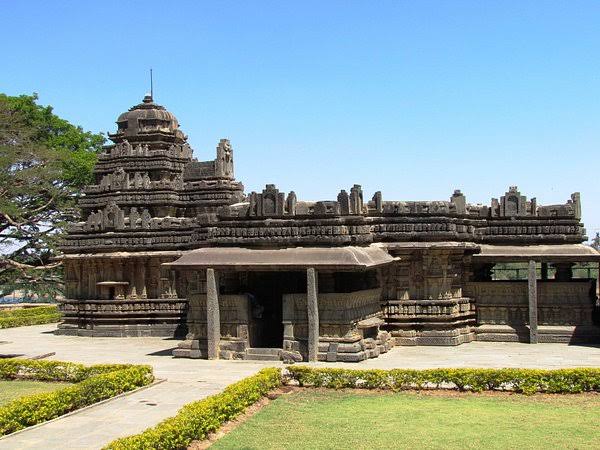
Siddheshwara Temple, Haveri
The Siddheshwara Temple in Haveri is one of the district's most important historical monuments.
The temple is associated with the medieval architectural traditions of Karnataka and is known for its stone construction and sculptural details.
The temple complex provides an excellent introduction to the architectural heritage of Haveri town.
Tarakeshwara Temple, Hangal
The Tarakeshwara Temple at Hangal is one of the most remarkable historic temples in the district.
Hangal was an important centre during the rule of the Kalyani Chalukyas, and the temple reflects the architectural sophistication of the period.
The large domed structure and intricate stonework make it a significant destination for architecture enthusiasts.
Ranebennur Blackbuck Sanctuary
The Ranebennur Blackbuck Sanctuary was established to protect blackbucks and other wildlife in the region.
The sanctuary consists largely of grassland and scrub habitats, making it particularly different from Karnataka's dense forest reserves.
Visitors may encounter blackbucks and several species of birds depending on the season.
Bankapura Peacock Sanctuary
The Bankapura Peacock Sanctuary is a protected area associated with the Indian peafowl.
The sanctuary is located around the historic Bankapura Fort region and provides an interesting combination of wildlife and heritage.
Bankapura Fort
Bankapura Fort is a historic fortification associated with the medieval history of Karnataka.
The fort and surrounding area reflect the strategic importance of Bankapura in earlier periods.
Chaudayyadanapura
Chaudayyadanapura is an important religious and historical site situated along the Varada River.
The area is associated with the Mukteshwara Temple, an important example of medieval Karnataka architecture.
Mukteshwara Temple
The Mukteshwara Temple at Chaudayyadanapura is known for its architectural and sculptural heritage.
The temple's location near the Varada River adds to the peaceful atmosphere of the site.
Hangal
Hangal is an important historic town in Haveri district and was once associated with the Kalyani Chalukyas.
The town contains several historical structures and is particularly known for the Tarakeshwara Temple.
Byadagi
Byadagi is internationally known for its distinctive chilli variety.
The Byadagi chilli is valued for its deep red colour and is an important agricultural product of Karnataka.
Savanur
Savanur is a historic town known for its cultural heritage, old buildings and the distinctive Karadi Kallu or elephant-shaped stone structures found in the area.
Karadi Kallu
The unusual stone formations around Savanur are locally associated with elephants because of their shape and appearance.
They represent one of the more unusual geological and cultural attractions in the district.
Rattihalli
Rattihalli is another historic settlement in Haveri district with temples and architectural remains reflecting the region's long history.
Galageshwara Temple
The Galageshwara Temple in Galaganath is an important historic temple situated near the confluence of the Varada and Tungabhadra river systems.
The temple is associated with the architectural traditions of medieval Karnataka.
7. Famous Personalities Associated with Haveri
Kanakadasa
Kanakadasa was a celebrated Kannada poet, philosopher and devotional saint. He belonged to the Bhakti tradition and composed numerous devotional works in Kannada.
His contribution to Kannada literature and devotional music continues to be celebrated across Karnataka.
G. P. Rajaratnam
G. P. Rajaratnam was an important Kannada writer and poet known for his contribution to Kannada literature.
Gudleppa Hallikeri
Gudleppa Hallikeri was an important freedom fighter, social reformer and political figure from Karnataka. He played a significant role in public life during the period surrounding India's independence.
Haveri Literary Tradition
The Haveri region has contributed to Karnataka's broader literary and cultural traditions through poets, writers, scholars and devotional figures.
8. Famous Food of Haveri
Haveri's cuisine reflects the traditional flavours of North Karnataka. Food in the region often features millet, jowar, pulses, vegetables, groundnuts, chillies and locally available ingredients.
Byadagi Chilli
The most famous food-related product of Haveri is undoubtedly the Byadagi chilli.
Unlike extremely hot chilli varieties, Byadagi chilli is particularly valued for its colour, aroma and relatively moderate heat. It is widely used to add colour and flavour to Indian dishes.
Jolada Rotti
Jolada Rotti, made from jowar flour, is one of the most important staples of North Karnataka cuisine.
It is commonly served with spicy curries, vegetables, chutneys and pulses.
Ennegayi
Ennegayi is a traditional stuffed brinjal preparation cooked with spices and oil. It is a popular accompaniment to Jolada Rotti.
Yennegai with Jowar Rotti
The combination of stuffed brinjal curry and jowar rotti is one of the classic meal combinations of northern Karnataka.
Shenga Chutney
Shenga Chutney, prepared using roasted groundnuts and spices, is another popular accompaniment in North Karnataka cuisine.
Ragi Mudde
Ragi Mudde is a traditional millet-based preparation commonly eaten with spicy gravies and vegetable curries.
North Karnataka Meals
Traditional meals may include jowar rotti, vegetable curries, dal preparations, chutneys, pickles, curd and seasonal vegetables.
9. Festivals and Cultural Celebrations
Ugadi
Ugadi, the Kannada New Year, is celebrated throughout Haveri with traditional rituals, festive meals and family gatherings.
Deepavali
Deepavali is celebrated with lamps, prayers, sweets and community activities throughout the district.
Ganesh Chaturthi
Ganesh Chaturthi is celebrated with religious ceremonies, decorated idols, cultural programmes and community gatherings.
Navaratri and Dasara
Navaratri and Dasara are celebrated with temple rituals, cultural activities and traditional performances.
Temple Festivals
Many villages and historic temple towns organise annual jatre celebrations. These festivals can include processions, devotional performances, fairs, traditional food stalls and cultural programmes.
Kanakadasa Jayanti
Kanakadasa Jayanti is particularly significant in the region because of the poet-saint's association with Karnataka's Bhakti and literary traditions.
Rathotsava
Several temples across Haveri district conduct annual Rathotsava or chariot festivals, bringing together religious ceremonies and local community traditions.
10. Culture and Traditions
North Karnataka Heritage
Haveri preserves many of the cultural traditions associated with northern Karnataka, including distinctive food, folk music, village festivals and traditional clothing.
Folk Performances
Traditional folk forms such as Dollu Kunitha, Veeragase and other regional performance traditions are associated with religious and cultural celebrations.
Jatre Tradition
Village jatres are an important part of local culture. They often combine religious rituals with fairs, food stalls, music and community gatherings.
Agricultural Lifestyle
Agriculture remains an important part of life across the district. Crops such as chillies, cotton, maize, jowar and other agricultural products contribute to the regional economy.
Byadagi Chilli Culture
The cultivation and trade of Byadagi chilli have become an important part of the economic and cultural identity of the region.
Kannada Language and Literature
Kannada is central to the cultural identity of Haveri. The district's association with literary and devotional figures has strengthened its contribution to Karnataka's literary heritage.
11. Architecture and Heritage
Haveri is an important destination for travellers interested in medieval Karnataka architecture.
Chalukyan Architecture
The influence of the Kalyani Chalukyas can be seen in several temples across the district. Their architectural style developed through experimentation with plans, pillars, domes and sculptural decoration.
Hoysala Influence
Some monuments in the region also demonstrate the continuing evolution of Karnataka's temple architecture during the Hoysala period.
Vijayanagara Influence
The Vijayanagara period also left its influence on religious architecture and cultural institutions in the region.
| Heritage Site | Major Significance |
|---|---|
| Siddheshwara Temple, Haveri | Important historic temple showcasing medieval Karnataka architecture |
| Tarakeshwara Temple, Hangal | Major Chalukyan-era architectural monument |
| Mukteshwara Temple, Chaudayyadanapura | Historic temple associated with the Varada River region |
| Galageshwara Temple, Galaganath | Important medieval temple near a major river confluence |
| Bankapura Fort | Historic fortification reflecting the strategic importance of Bankapura |
| Savanur Heritage | Historic town known for old structures and distinctive stone formations |
12. What Is Haveri Most Famous For?
| Feature | Why It Is Famous |
|---|---|
| Byadagi Chilli | Famous chilli variety known for its colour, aroma and distinctive flavour |
| Siddheshwara Temple | Important historic temple in Haveri town |
| Tarakeshwara Temple | Major Chalukyan heritage monument at Hangal |
| Ranebennur Blackbuck Sanctuary | Protected habitat for blackbuck and other wildlife |
| Bankapura Peacock Sanctuary | Protected area known for Indian peafowl |
| Chaudayyadanapura | Historic religious centre on the Varada River |
| Galaganath | Historic temple site associated with medieval Karnataka architecture |
| Savanur | Historic town known for cultural heritage and unusual stone formations |
| Kannada Heritage | Strong connection with literature, devotional traditions and folk culture |
13. Things to Do in Haveri
Explore Siddheshwara Temple
Visit the Siddheshwara Temple in Haveri and observe its historic architecture, stonework and religious traditions.
Explore Hangal
Travel to Hangal to see the magnificent Tarakeshwara Temple and explore the town's historical importance.
Visit Ranebennur Blackbuck Sanctuary
Explore the sanctuary's grassland environment and look for blackbucks and different bird species.
Visit Bankapura Peacock Sanctuary
Spend time exploring the sanctuary and surrounding historic area while observing Indian peafowl.
Explore Bankapura Fort
Discover the historic fort and learn about the strategic importance of Bankapura in Karnataka's past.
Visit Chaudayyadanapura
Explore the Mukteshwara Temple and enjoy the peaceful surroundings near the Varada River.
Explore Galaganath
Visit the Galageshwara Temple and experience another example of Karnataka's medieval temple heritage.
Discover Savanur
Explore Savanur's historic surroundings and see the distinctive stone formations associated with the town.
Experience Local Food
Try traditional North Karnataka dishes such as Jolada Rotti, Ennegayi, Shenga Chutney and other local preparations.
Buy Byadagi Chilli
Visitors interested in local agricultural products can explore the region's famous Byadagi chilli and related food products.
Photography
Haveri offers opportunities for architectural, rural, wildlife and landscape photography.
14. Where to Eat, Shop and Stay
Where to Eat
Haveri town and other major settlements offer restaurants serving traditional Karnataka food as well as popular South Indian and North Indian dishes.
- Traditional Karnataka restaurants
- North Karnataka-style eateries
- Vegetarian restaurants
- Local family restaurants
- Small roadside eateries
- Tea and snack shops
Must-Try Foods
- Jolada Rotti
- Ennegayi
- Shenga Chutney
- Ragi Mudde
- North Karnataka Thali
- Local chilli-based preparations
- Traditional sweets and snacks
Where to Stay
Accommodation is available mainly in Haveri town and other larger towns. Travellers can choose from different categories depending on their budget and itinerary.
- Budget hotels
- Mid-range hotels
- Family hotels
- Guesthouses
- Accommodation near major towns
Where to Shop
Local markets are useful places to explore the everyday culture and agricultural products of Haveri.
- Byadagi chilli
- Spices
- Local snacks
- Traditional food products
- Handicrafts
- Religious souvenirs
15. How to Reach Haveri
By Air
Haveri does not have a major commercial airport. The nearest convenient airport depends on the traveller's route. Hubballi Airport is one of the practical options for reaching the district by air, followed by road travel.
By Train
Haveri has a railway station on an important railway route connecting several major cities of Karnataka and other parts of India.
Rail travel is a convenient option for visitors travelling from Bengaluru, Hubballi-Dharwad and other major cities.
By Road
Haveri is well connected by road and is situated close to important routes linking central and northern Karnataka.
| Mode | Travel Information |
|---|---|
| Air | Hubballi Airport is a practical nearby airport option |
| Train | Haveri railway station provides connectivity with major cities |
| Road | Well connected with Hubballi, Dharwad, Davanagere, Shivamogga and other Karnataka cities |
16. Nearby Places to Visit from Haveri
Hubballi-Dharwad
Hubballi-Dharwad is one of the major urban centres of Karnataka and offers shopping, cultural attractions, educational institutions and transport connections.
Gadag
Gadag is known for its historic temples, literature and the architectural heritage of northern Karnataka.
Davanagere
Davanagere lies towards the south-east and is particularly famous for its distinctive local food culture, including the popular Davanagere benne dosa.
Shivamogga
Shivamogga lies towards the south and provides access to greener landscapes, rivers, forests and Western Ghats destinations.
Uttara Kannada
The neighbouring Uttara Kannada district offers access to forests, waterfalls, hills and the Karnataka coast.
Hangal
Hangal is one of the most important nearby heritage destinations and can be combined with other Haveri temple sites.
Bankapura
Bankapura is suitable for travellers interested in combining wildlife with historic architecture.
17. Suggested Haveri Travel Itinerary
One-Day Haveri Heritage Trip
Morning: Begin with the Siddheshwara Temple in Haveri.
Late Morning: Travel towards Hangal and explore the Tarakeshwara Temple.
Afternoon: Enjoy a traditional North Karnataka lunch.
Evening: Explore the local area and return to Haveri.
Two-Day Heritage and Wildlife Trip
Day 1: Haveri, Hangal and Chaudayyadanapura.
Day 2: Bankapura, Peacock Sanctuary and Ranebennur Blackbuck Sanctuary.
Three-Day Haveri Exploration
Day 1: Explore Haveri town and Siddheshwara Temple.
Day 2: Visit Hangal, Tarakeshwara Temple, Chaudayyadanapura and Galaganath.
Day 3: Explore Bankapura, the Peacock Sanctuary and Ranebennur region.
Four-Day Heritage and Culture Trip
Day 1: Haveri town and local heritage.
Day 2: Hangal and its historic temples.
Day 3: Chaudayyadanapura, Galaganath and Savanur.
Day 4: Bankapura and Ranebennur wildlife areas.
18. Travel Tips for Haveri
- October to February is generally a comfortable period for sightseeing.
- Start outdoor activities early in the morning during the warmer months.
- Carry sufficient drinking water during temple and wildlife excursions.
- Wear comfortable footwear when exploring historic temple complexes.
- Dress respectfully when visiting temples and religious sites.
- Follow photography rules at religious and heritage monuments.
- Do not touch, climb or damage ancient sculptures and monuments.
- Carry sun protection during summer.
- Carry rain protection during the monsoon season.
- Wildlife sightings are never guaranteed at sanctuaries.
- Follow the instructions of forest officials and sanctuary staff.
- Maintain silence and avoid disturbing animals while visiting wildlife areas.
- Use designated routes and viewing areas inside protected areas.
- Try traditional North Karnataka cuisine during your visit.
- Buy local agricultural products such as Byadagi chilli from reliable sellers.
- Carry insect repellent when visiting grassland or forest areas.
- Plan additional travel time when combining multiple heritage sites.
- Respect local traditions during village festivals and temple celebrations.
- Keep heritage sites and natural areas clean and avoid littering.
19. Conclusion
Haveri is a destination that reveals a quieter but equally fascinating side of Karnataka. From historic temples and medieval architecture to wildlife sanctuaries, agricultural landscapes and traditional cuisine, the district offers a wide variety of experiences.
The magnificent Siddheshwara Temple, Tarakeshwara Temple, Mukteshwara Temple and Galageshwara Temple demonstrate the architectural richness of the region and its connection with the great dynasties of Karnataka.
For nature lovers, the Ranebennur Blackbuck Sanctuary and Bankapura Peacock Sanctuary provide opportunities to explore the district's wildlife and grassland ecosystems.
Haveri's identity is also closely connected with agriculture. The famous Byadagi chilli has become one of the district's best-known products, while traditional foods such as Jolada Rotti, Ennegayi and Shenga Chutney showcase the distinctive flavours of North Karnataka.
The district's association with Kannada literature, devotional traditions, folk culture and village festivals adds another important dimension to the travel experience.
Whether you are interested in history, architecture, wildlife, spirituality, food, photography or rural Karnataka, Haveri offers plenty to discover.
Haveri is a destination where medieval temples, North Karnataka traditions, agricultural heritage and wildlife come together to create an authentic Karnataka travel experience.
"Travel is the only thing you buy that makes you richer."