Kodagu: Where Coffee, Misty Hills and Kodava Heritage Meet
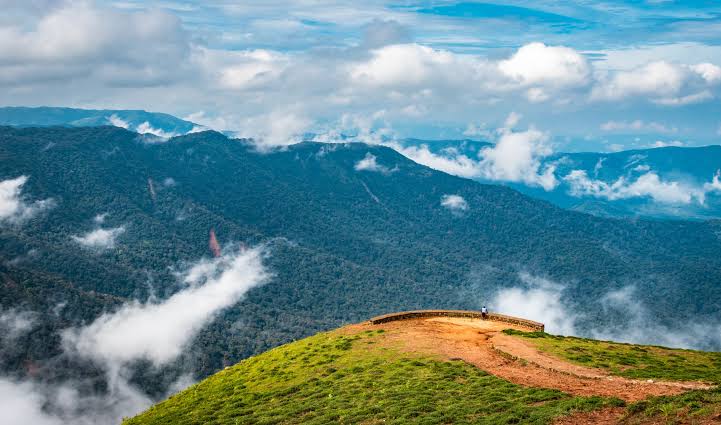
Kodagu, popularly known as Coorg, is one of Karnataka's most celebrated hill destinations. Located in the Western Ghats, the district is known for its mist-covered mountains, lush forests, coffee plantations, waterfalls, wildlife, rivers and distinctive Kodava culture.
With Madikeri as its district headquarters, Kodagu offers a beautiful combination of nature, adventure, spirituality, food and cultural experiences. The district is particularly famous for its coffee plantations and is also closely associated with the origin of the Cauvery River at Talacauvery. :contentReference[oaicite:0]{index=0}
Kodagu is also home to important natural areas including Nagarhole National Park and the Brahmagiri, Talakaveri and Pushpagiri Wildlife Sanctuaries. Its hills and forests make it an excellent destination for trekking, wildlife experiences, photography and peaceful getaways. :contentReference[oaicite:1]{index=1}
| Quick Information | Details |
|---|---|
| State | Karnataka |
| Popular Name | Coorg |
| District Headquarters | Madikeri |
| Region | Western Ghats |
| Area | About 4,102 sq. km |
| Famous For | Coffee plantations, hills, waterfalls, wildlife and Kodava culture |
| Major River | Cauvery |
| Highest Peak | Tadiandamol |
| Major Hill Range | Western Ghats |
| Best Time to Visit | October to March |
1. Introduction
Kodagu is a land of green mountains, fragrant coffee estates, dense forests and traditional villages. Often called Coorg, this beautiful district occupies an important part of the Western Ghats in southwestern Karnataka.
The region is particularly attractive because its natural landscape is closely connected with everyday life. Coffee plantations cover large parts of the hills, while paddy fields occupy many of the valleys. Pepper vines, forests and streams add to the distinctive character of the countryside. :contentReference[oaicite:2]{index=2}
Madikeri, the district headquarters, is the main base for exploring Kodagu. From here, travellers can visit waterfalls, viewpoints, temples, forts, coffee estates and other attractions.
Kodagu is also culturally different from many other parts of Karnataka. The Kodava community has its own traditions, festivals, clothing, cuisine and cultural practices, making a visit to the region more than simply a hill-station experience.
Whether you are looking for a romantic getaway, a family holiday, a nature trip, a trekking adventure or a cultural journey, Kodagu offers a wide variety of experiences in one destination.
2. Why Is Kodagu Famous and Why Should You Visit?
Coffee Plantations
Kodagu is internationally known for its coffee production. Coffee plantations spread across the hills create one of the most recognisable landscapes of the district. Coffee is also an important part of the local economy. :contentReference[oaicite:3]{index=3}
Misty Western Ghats
The hills of Kodagu are covered with forests and plantations, often surrounded by mist during cooler and rainy periods. The combination of mountains, greenery and clouds makes the region particularly attractive to photographers.
Waterfalls
Kodagu has several beautiful waterfalls. Abbey Falls near Madikeri is among the most popular and accessible attractions in the district. :contentReference[oaicite:4]{index=4}
Origin of the Cauvery River
Talacauvery on the Brahmagiri Hills is traditionally regarded as the birthplace and source of the Cauvery River. It is also an important pilgrimage destination. :contentReference[oaicite:5]{index=5}
Kodava Culture
Kodagu is home to the Kodava community, whose traditions, festivals, food, music and dances contribute greatly to the cultural identity of the district.
Wildlife
The district and its surrounding landscape are rich in biodiversity, with wildlife sanctuaries and protected areas including Nagarhole National Park and the Brahmagiri, Talakaveri and Pushpagiri Wildlife Sanctuaries. :contentReference[oaicite:6]{index=6}
Adventure and Trekking
The hills of Kodagu provide opportunities for trekking, hiking, camping, river activities and other outdoor experiences.
Peaceful Getaways
Compared with busy urban destinations, Kodagu offers a slower travel experience surrounded by plantations, forests and mountain landscapes.
3. History
Early History
Kodagu has a long history shaped by its location in the Western Ghats. The mountainous landscape helped the region maintain a distinct cultural identity over centuries.
Haleri Dynasty
One of the most important chapters in Kodagu's history was the rise of the Haleri dynasty. The dynasty ruled Kodagu for several generations and established Madikeri as an important administrative centre.
Madikeri and the Kodagu Kingdom
Madikeri developed as the political centre of the region. The rulers constructed forts, palaces and other structures that continue to form part of Kodagu's historical heritage.
British Period
Kodagu came under British control in the 19th century. The region's climate and agricultural potential contributed to the development of coffee plantations during the colonial period.
Coffee eventually became one of the defining agricultural products of Kodagu and remains an important part of the district's economy today.
Modern Kodagu
After Indian independence, Kodagu became part of the Indian Union and was later incorporated into Karnataka. Today, agriculture, coffee plantations, forestry and tourism are important parts of the district's economy. :contentReference[oaicite:7]{index=7}
4. Geography and Climate
Location
Kodagu is located on the eastern slopes of the Western Ghats in southwestern Karnataka. It shares boundaries with Dakshina Kannada and Hassan to the north and northwest, Mysuru to the east, and districts of Kerala including Kannur and Wayanad towards the southwest and south. :contentReference[oaicite:8]{index=8}
Landscape
The district is predominantly hilly and covered by forests, plantations and agricultural land. The elevation generally begins around 900 metres above sea level and rises significantly in the higher mountain areas.
Tadiandamol
Tadiandamol is the highest peak in Kodagu and rises to around 1,750 metres above sea level. It is one of the popular destinations for trekking and mountain views. :contentReference[oaicite:9]{index=9}
Cauvery River
The Cauvery is the most important river associated with Kodagu. It originates at Talacauvery in the Brahmagiri Hills and flows through the region before continuing across southern India. :contentReference[oaicite:10]{index=10}
Climate
Kodagu has a cooler and wetter climate compared with much of the interior Karnataka plateau. The district receives substantial rainfall during the monsoon, while winter brings cooler temperatures.
| Season | Approximate Period | General Conditions |
|---|---|---|
| Summer | March to May | Mild to warm, generally pleasant compared with many parts of Karnataka |
| Monsoon | June to September | Heavy rainfall, misty hills and lush greenery |
| Post-Monsoon | October to November | Green landscapes and pleasant conditions |
| Winter | December to February | Cool mornings and pleasant days |
5. Culture and Traditions
Kodava Culture
The Kodava community is one of the most distinctive cultural groups associated with Kodagu. The community has its own traditional customs, festivals, food, clothing and social traditions.
Kodava Language
Kodava language is traditionally spoken by the Kodava community. Kannada and other languages are also widely used throughout the district. :contentReference[oaicite:11]{index=11}
Traditional Clothing
Kodava traditional clothing is particularly recognisable. Women traditionally wear the distinctive Kodava-style sari, while men may wear traditional attire associated with ceremonial and cultural occasions.
Traditional Dance
Kodagu has several traditional dances and folk performances. Ummattat is one of the well-known traditional Kodava dances and forms an important part of the region's cultural heritage.
Community Traditions
Family traditions, agricultural customs, festivals and community gatherings remain important parts of cultural life in Kodagu.
Warrior Heritage
Kodagu has a strong historical association with military service and has produced many soldiers and military personalities. This warrior heritage is an important part of the region's cultural identity.
6. Architecture
Madikeri Fort
Madikeri Fort is one of the most important historical landmarks in the district headquarters. The fort has undergone changes over different periods and reflects the political history of Madikeri.
Raja's Seat
Raja's Seat is a famous viewpoint in Madikeri. Historically associated with the rulers of Kodagu, the location offers beautiful views of the surrounding valleys and hills.
Omkareshwara Temple
The Omkareshwara Temple in Madikeri is an important religious and architectural landmark. Its design reflects a combination of architectural influences.
Raja's Tomb
The Gaddige or Raja's Tomb is a historic monument associated with the Kodagu royal family. Its location and architecture make it an interesting stop for visitors exploring Madikeri's history.
Nalknad Palace
Nalknad Palace is another important historical structure associated with the Kodagu royal tradition. It provides insight into the region's royal history and traditional architecture.
7. Famous Places to Visit in Kodagu
Madikeri
Madikeri is the administrative headquarters and the main tourism centre of Kodagu. It is an excellent base for exploring forts, viewpoints, temples, waterfalls and nearby coffee plantations.
Abbey Falls
Abbey Falls is one of Kodagu's most popular waterfalls. The Cauvery River drops over rocky terrain surrounded by greenery and coffee plantations, creating a scenic attraction close to Madikeri. :contentReference[oaicite:12]{index=12}
Raja's Seat
Raja's Seat is a popular viewpoint in Madikeri, especially around sunrise and sunset. The location provides views over the surrounding valleys and hills.
Madikeri Fort
The historic fort is one of the best places to learn about the political history of Madikeri and the former Kodagu kingdom.
Omkareshwara Temple
Located in central Madikeri, this historic temple is dedicated to Lord Shiva and is an important spiritual attraction.
Talacauvery
Talacauvery is located in the Brahmagiri Hills and is traditionally regarded as the origin of the Cauvery River. It is both a scenic mountain destination and a major pilgrimage site. :contentReference[oaicite:13]{index=13}
Bhagamandala
Bhagamandala is known for the sacred confluence of the Cauvery, Kannike and the traditionally believed subterranean Sujyoti rivers. The area is an important pilgrimage destination.
Mandalpatti
Mandalpatti is a popular hill viewpoint known for its sweeping views of the Western Ghats. Jeep rides are commonly used to reach the viewpoint.
Dubare Elephant Camp
Dubare Elephant Camp is located along the Cauvery River and is known for experiences centred around elephants and the surrounding forest landscape.
Kaveri Nisargadhama
Kaveri Nisargadhama is a scenic riverside destination near Kushalnagar, surrounded by greenery and bamboo vegetation.
Harangi Dam
Harangi Dam is a popular attraction near Kushalnagar. The reservoir and surrounding landscape make it a pleasant stop during a Kodagu road trip.
Golden Temple
The Namdroling Monastery, popularly known as the Golden Temple, is located at Bylakuppe near Kushalnagar. It is an important Tibetan Buddhist centre and is known for its large statues and colourful monastery architecture.
Nagarhole National Park
Nagarhole National Park is one of the major wildlife destinations associated with the wider Kodagu region. It is known for forests and wildlife including elephants, deer and other species. :contentReference[oaicite:14]{index=14}
Pushpagiri Wildlife Sanctuary
Pushpagiri is an important protected forest area in the Western Ghats and is particularly attractive to nature lovers and trekking enthusiasts.
Brahmagiri Wildlife Sanctuary
The Brahmagiri landscape is known for its forests, hills and biodiversity and is connected with the wider mountain ecosystem of Kodagu and neighbouring Kerala.
8. Famous Dishes of Kodagu
Pandi Curry
Pandi Curry is perhaps the most famous dish associated with Kodava cuisine. It is a richly spiced pork preparation traditionally served with rice-based accompaniments.
Kadambuttu
Kadambuttu is a steamed rice dumpling and a traditional accompaniment to Kodava dishes, especially rich curries.
Noolputtu
Noolputtu is a rice-noodle preparation traditionally made from rice flour. It is often served with curries and is an important part of Kodava cuisine.
Akki Rotti
Akki Rotti is a popular rice-based flatbread found across Karnataka and is also enjoyed in Kodagu with local curries and accompaniments.
Bamboo Shoot Curry
Bamboo shoots are used in several traditional preparations in Kodagu. Their distinctive flavour makes them an interesting local food experience.
Coorg-Style Chicken Curry
Spicy chicken preparations made with local spices are commonly associated with Kodagu's cuisine and are popular among visitors.
Local Pork Preparations
Pork has a special place in traditional Kodava cuisine, with several preparations combining meat with local spices and herbs.
Coorg Coffee
No food journey through Kodagu is complete without trying locally grown Coorg coffee. Coffee is one of the defining products of the district and an important part of its identity. :contentReference[oaicite:15]{index=15}
9. Famous Personalities Associated with Kodagu
Field Marshal K. M. Cariappa
Field Marshal K. M. Cariappa, India's first Field Marshal, was born in Kodagu. He is remembered for his distinguished military career and his role in the early years of independent India's armed forces.
General K. S. Thimayya
General K. S. Thimayya was another prominent military leader associated with Kodagu. He served as Chief of Army Staff and remains an important figure in India's military history.
Dr. Rani Machaiah
Dr. Rani Machaiah is a renowned Kodagu folk artist and Padma Shri awardee known for promoting traditional Kodava folk arts, particularly Ummattat. :contentReference[oaicite:16]{index=16}
Deepa Bhasthi
Deepa Bhasthi, a literary translator from Kodagu, has gained international recognition for her work in Kannada and English and has been associated with the International Booker Prize-winning translation of Tomb of Sand. :contentReference[oaicite:17]{index=17}
10. Festivals
Huthri
Huthri is the traditional harvest festival of the Kodava community. It celebrates the new rice harvest and is generally observed around November or December. Traditional rituals, prayers and the ceremonial cutting of new paddy form an important part of the celebration. :contentReference[oaicite:18]{index=18}
Kailpodh
Kailpodh is one of the important traditional festivals of the Kodava community. It is associated with the agricultural cycle and is traditionally celebrated after major farming activities.
Puthari
Puthari, closely associated with the new rice harvest, is an important traditional celebration in Kodagu and reflects the deep connection between the Kodava community and agriculture.
Madikeri Dasara
Madikeri Dasara is one of the most colourful festivals in the district. The celebrations include decorated temple cars, processions and cultural activities. :contentReference[oaicite:19]{index=19}
Cauvery Sankramana
Cauvery Sankramana is an important religious festival associated with the Cauvery River and Talacauvery. Pilgrims visit the region for rituals connected with the sacred river.
Kannada and National Festivals
Festivals such as Ugadi, Deepavali, Ganesh Chaturthi and other major Indian celebrations are also observed across Kodagu.
11. Things to Do in Kodagu
Explore Coffee Plantations
Take a guided plantation walk to learn about coffee cultivation, processing and the agricultural landscape of Kodagu.
Visit Abbey Falls
Walk through the plantation surroundings and enjoy the waterfall viewpoint at Abbey Falls. Swimming or entering the waterfall is not permitted at the attraction. :contentReference[oaicite:20]{index=20}
Watch the Sunset at Raja's Seat
Raja's Seat is an ideal place to enjoy the evening landscape around Madikeri.
Go Trekking
Treks around Tadiandamol, Brahmagiri and other hill areas offer opportunities to experience the Western Ghats more closely.
Visit Talacauvery
Travel through the hills and coffee plantations to Talacauvery and experience one of Karnataka's most important river-origin pilgrimage sites.
Explore Wildlife
Wildlife enthusiasts can explore protected areas and plan safaris or nature experiences where permitted.
Enjoy River Activities
Selected areas around the Cauvery offer rafting, kayaking and other river-based experiences depending on seasonal and local conditions.
Experience Kodava Culture
Attend a local cultural event, explore traditional food or visit during a Kodava festival to experience the region's unique heritage.
Visit Monasteries
A visit to the Namdroling Monastery at Bylakuppe provides a completely different cultural experience within a Kodagu itinerary.
Enjoy a Coffee Experience
Taste freshly brewed local coffee and, where available, visit plantations or coffee-processing facilities.
12. Where to Eat, Shop, and Stay
Where to Eat
Madikeri, Kushalnagar and Virajpet offer a range of restaurants serving local Kodava food, South Indian dishes and popular Indian cuisine.
- Traditional Kodava restaurants
- Local family restaurants
- South Indian eateries
- Café and coffee shops
- Resort restaurants
- Local snack shops
What to Eat
- Pandi Curry
- Kadambuttu
- Noolputtu
- Bamboo Shoot Curry
- Coorg-style chicken curry
- Local coffee
Where to Stay
Kodagu offers accommodation for different budgets and travel styles.
- Budget hotels in Madikeri and nearby towns
- Mid-range hotels and resorts
- Premium coffee-estate stays
- Homestays
- Luxury resorts
- Nature and plantation stays
For first-time visitors, Madikeri is one of the most convenient bases because many major attractions can be reached from the town.
Where to Shop
Kodagu is particularly known for products connected with its agricultural and cultural identity.
- Locally grown coffee
- Cardamom and spices
- Pepper
- Homemade chocolates
- Honey
- Traditional food products
- Handmade souvenirs
13. What Is Kodagu Famous For?
| Feature | Why It Is Famous |
|---|---|
| Coffee | One of India's important coffee-growing regions |
| Western Ghats | Mountain landscapes, forests and biodiversity |
| Cauvery River | Originates at Talacauvery in Kodagu |
| Abbey Falls | Popular waterfall near Madikeri |
| Kodava Culture | Distinctive traditions, festivals, cuisine and clothing |
| Nagarhole National Park | Important wildlife destination |
| Madikeri | District headquarters and major tourism centre |
| Talacauvery | Sacred source of the Cauvery River |
| Pandi Curry | Signature dish of Kodava cuisine |
| Huthri | Traditional Kodava harvest festival |
14. Best Time to Visit Kodagu
The best overall period to visit Kodagu is generally October to March, when the weather is comfortable for sightseeing, trekking and exploring plantations. Karnataka Tourism also identifies October to March as a favourable travel period for Coorg. :contentReference[oaicite:21]{index=21}
October to November
The post-monsoon landscape is green and fresh, while the weather becomes more comfortable. Waterfalls can still be impressive during this period.
December to February
Winter is pleasant and suitable for sightseeing, trekking, plantation visits and outdoor activities.
March to May
The weather is warmer, but Kodagu remains comparatively pleasant compared with many other destinations in Karnataka. This period can be suitable for plantation stays and relaxed holidays.
June to September
The monsoon transforms Kodagu into a lush green landscape. Waterfalls become more active and the hills often remain covered in mist. However, heavy rainfall can affect road conditions and outdoor activities, so travellers should plan accordingly.
| Travel Experience | Recommended Period |
|---|---|
| General Sightseeing | October to March |
| Trekking | October to February |
| Waterfalls | June to December |
| Coffee Plantation Experience | October to February |
| Wildlife Experience | October to May |
| Monsoon Photography | June to September |
15. How to Reach Kodagu
By Air
Kodagu does not have a major commercial airport of its own. Travellers generally use airports in nearby cities such as Mangaluru, Mysuru or Kannur and continue to Kodagu by road.
For travellers heading towards Madikeri, Mangaluru and Kannur can be useful air gateways depending on the route and flight availability.
By Train
Kodagu does not have a major railway station. Travellers commonly use railway stations such as Mysuru, Hassan or Mangaluru and continue the journey by road.
By Road
Road travel is one of the most convenient ways to explore Kodagu. Madikeri has road connectivity with Bengaluru, Mysuru, Mangaluru, Hassan and other cities.
Travellers can use buses, taxis or private vehicles. Road travel also allows visitors to enjoy the changing landscapes of the Western Ghats.
| Mode | Travel Information |
|---|---|
| Air | Use nearby airports such as Mangaluru, Mysuru or Kannur |
| Train | Use nearby railway stations such as Mysuru, Hassan or Mangaluru |
| Road | Good road connectivity with major cities of Karnataka and neighbouring Kerala |
16. Nearby Places to Visit
Mysuru
Mysuru is one of Karnataka's most popular cultural destinations and can be combined with a Kodagu trip for palaces, markets and heritage attractions.
Wayanad
Wayanad in Kerala shares the Western Ghats landscape and offers forests, waterfalls, viewpoints and wildlife experiences.
Kannur
Kannur offers a different travel experience with beaches, forts and the traditional culture of northern Kerala.
Hassan
Hassan is an important gateway to several historic temples and heritage destinations of Karnataka.
Chikkamagaluru
Another famous coffee-growing destination, Chikkamagaluru offers hills, plantations, waterfalls and trekking opportunities.
Madikeri and Kushalnagar Circuit
Travellers with limited time can create a compact Kodagu itinerary covering Madikeri, Kushalnagar, Abbey Falls, Raja's Seat, Dubare and nearby attractions.
17. Best Duration for a Trip to Kodagu
2-Day Trip
A 2-day trip can cover the major attractions around Madikeri.
Day 1: Madikeri Fort, Omkareshwara Temple, Raja's Seat and local markets.
Day 2: Abbey Falls, coffee plantation experience and nearby attractions.
3-Day Trip
A 3-day itinerary allows travellers to include Madikeri, Abbey Falls, Mandalpatti, Talacauvery and Bhagamandala.
4 to 5-Day Trip
A 4 to 5-day trip is more comfortable for visitors who want to explore Kodagu at a slower pace and include Dubare, Nisargadhama, Bylakuppe, wildlife areas or trekking destinations.
Longer Western Ghats Journey
Kodagu can also be combined with Mysuru, Chikkamagaluru, Wayanad or Kannur for a longer Western Ghats road trip.
18. Travel Tips for Kodagu
- Carry comfortable footwear because many attractions involve walking on uneven or sloping terrain.
- Carry a light jacket or warm clothing, especially during winter mornings and evenings.
- Keep rain protection with you during the monsoon and post-monsoon periods.
- Check local weather and road conditions before travelling to hill and forest areas.
- Book accommodation in advance during weekends, holidays and festival periods.
- Keep sufficient cash when travelling to remote areas where digital payment facilities may be limited.
- Start early for popular attractions to enjoy better weather and avoid peak crowds.
- Follow local rules while visiting wildlife sanctuaries and national parks.
- Do not feed wild animals or attempt to approach them.
- Follow designated trails while trekking and avoid entering restricted forest areas.
- Take extra care while driving on winding mountain roads during heavy rain.
- Respect local Kodava traditions and customs.
- Ask permission before photographing people, private homes or cultural ceremonies.
- Dress appropriately when visiting temples and other religious places.
- Do not enter restricted areas around waterfalls or attempt dangerous swimming.
- At Abbey Falls, visitors are not permitted to bathe or swim in the waterfall area. :contentReference[oaicite:22]{index=22}
- Try authentic Kodava cuisine rather than limiting your food experience to standard restaurant dishes.
- Buy locally produced coffee and spices from reliable sellers.
- Keep the hills, forests, waterfalls and plantations clean and avoid littering.
- Keep your itinerary flexible during the monsoon because rainfall can affect travel time.
19. Why Visit Kodagu?
Kodagu is worth visiting because it offers a rare combination of mountains, forests, coffee plantations, waterfalls, wildlife, spirituality and living cultural traditions.
It is especially attractive for travellers who want to slow down and experience nature rather than simply move from one urban attraction to another.
Kodagu is particularly worth visiting for:
- Beautiful Western Ghats landscapes
- Famous coffee plantations
- Abbey Falls and other waterfalls
- Talacauvery and the origin of the Cauvery River
- Unique Kodava culture and traditions
- Traditional Kodava cuisine
- Nagarhole National Park and wildlife experiences
- Trekking and adventure activities
- Madikeri's historical attractions
- Peaceful coffee-estate and homestay experiences
For couples, families, solo travellers, photographers, nature lovers and adventure enthusiasts, Kodagu provides many different ways to experience the Western Ghats.
20. Conclusion
Kodagu is much more than a popular hill station. It is a region where coffee plantations, misty mountains, dense forests, rivers, wildlife and a distinctive cultural heritage come together.
From the historic streets of Madikeri and the scenic beauty of Raja's Seat to the roaring waters of Abbey Falls and the sacred landscape of Talacauvery, every part of Kodagu offers a different travel experience.
The district's coffee estates provide an insight into its agricultural identity, while traditional festivals such as Huthri, Kailpodh and Madikeri Dasara showcase its cultural richness.
For food lovers, dishes such as Pandi Curry, Kadambuttu and Noolputtu offer an opportunity to experience the distinctive flavours of Kodava cuisine.
Whether you visit for a peaceful weekend, a coffee-estate stay, a trekking adventure, a wildlife experience or a cultural journey, Kodagu offers an unforgettable introduction to the natural and cultural beauty of Karnataka's Western Ghats.
"Travel is the only thing you buy that makes you richer."