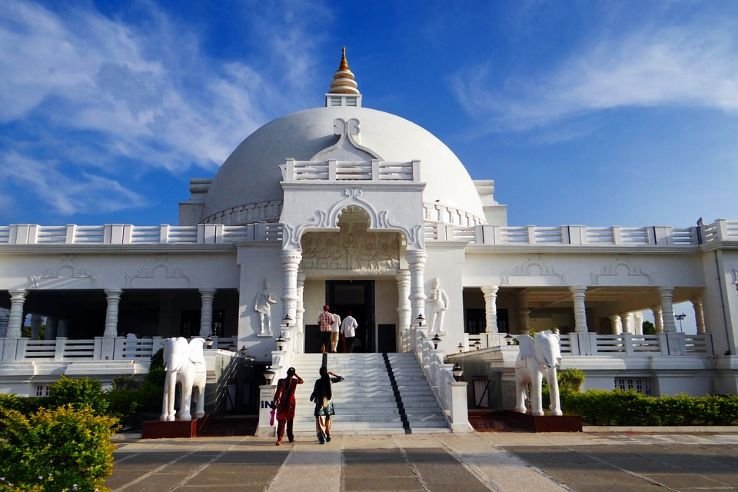
Kalaburagi, Karnataka: A Complete Travel Guide
Kalaburagi, formerly known as Gulbarga, is one of the historically significant districts of northern Karnataka. Located in the culturally rich Deccan region, Kalaburagi is known for its magnificent medieval architecture, Islamic heritage, ancient temples, unique cuisine, educational institutions and distinctive North Karnataka culture.
The district has witnessed the rule of several important dynasties and was particularly significant during the period of the Bahmani Sultanate, whose first capital was Gulbarga. The impressive Gulbarga Fort and the Jama Masjid inside it remain among the most important historical attractions of the district.
Kalaburagi is also famous for the Sharana-Basava tradition, the revered Sharana Basaveshwara Temple, Buddhist heritage at Sannati, and its distinctive food culture. The district is an excellent destination for travellers interested in history, architecture, spirituality, archaeology and authentic North Karnataka experiences.
| Quick Information | Details |
|---|---|
| State | Karnataka |
| Region | North Karnataka / Deccan Plateau |
| District Headquarters | Kalaburagi |
| Former Name | Gulbarga |
| Famous For | Gulbarga Fort, Bahmani heritage, Sharana Basaveshwara Temple, Sannati and North Karnataka cuisine |
| Major Historical Dynasty | Bahmani Sultanate |
| Major River | Bhima River |
| Famous Food | Tahari, Jolada Rotti, North Karnataka dishes and Kalaburagi-style preparations |
| Important Heritage Site | Gulbarga Fort and Jama Masjid |
| Important Religious Site | Sharane Basaveshwara Temple |
| Best Time to Visit | October to February |
1. Introduction
Kalaburagi is a fascinating destination in northern Karnataka where centuries of history, religious traditions and Deccan culture come together. The city of Kalaburagi, formerly called Gulbarga, has played an important role in the political and cultural history of the Deccan.
The district became particularly prominent during the Bahmani Sultanate. Gulbarga served as the first capital of the Bahmani kingdom before the capital was shifted to Bidar. The monuments constructed during this period form an important part of Karnataka's Indo-Islamic architectural heritage.
Beyond its Islamic monuments, Kalaburagi also has deep connections with Hindu devotional traditions. The Sharane Basaveshwara Temple is one of the most important spiritual centres in the district and attracts devotees throughout the year.
The district also contains important archaeological remains. Sannati, located on the banks of the Bhima River, is particularly significant for its Buddhist and Satavahana-period archaeological discoveries.
For travellers, Kalaburagi offers a different experience from the greener hill and coastal destinations of Karnataka. Its dry Deccan landscapes, impressive forts, historic mosques, temples, archaeological sites and traditional cuisine make it a distinctive destination.
2. Why Is Kalaburagi Famous and Why Should You Visit?
Bahmani Heritage
Kalaburagi was the first capital of the Bahmani Sultanate, making it one of the most important historical centres of medieval Deccan history.
Gulbarga Fort
The massive Gulbarga Fort is one of the district's most famous landmarks. Its imposing walls, gateways, bastions and historic structures demonstrate the military importance of the city.
Jama Masjid
The Jama Masjid inside Gulbarga Fort is an extraordinary example of medieval Indo-Islamic architecture. Its design has distinctive architectural features that make it different from many other mosques in India.
Sharane Basaveshwara Temple
The Sharane Basaveshwara Temple is one of the most important religious centres of Kalaburagi and is closely associated with the spiritual legacy of Sharana Basaveshwara.
Sannati Archaeological Site
Sannati is an important archaeological destination associated with Buddhist remains and the ancient history of the Deccan.
Deccan Culture
Kalaburagi offers visitors an opportunity to experience the distinctive language, food, traditions and lifestyle of northern Karnataka.
Unique Cuisine
The region is known for hearty North Karnataka food, including jowar-based dishes, spicy curries and local rice preparations.
Historical Diversity
Kalaburagi's heritage includes Hindu, Buddhist and Islamic traditions, making the district particularly interesting for travellers who enjoy exploring layered history.
3. History
Ancient Period
The region around present-day Kalaburagi has been inhabited for centuries and formed part of several major kingdoms that controlled the Deccan plateau.
Archaeological evidence from places such as Sannati demonstrates the importance of the region during ancient periods.
Satavahana Influence
The wider region was connected with the Satavahana period, and archaeological discoveries at Sannati have provided valuable evidence about ancient Buddhist and Deccan culture.
Chalukyas and Rashtrakutas
Parts of the northern Karnataka region were controlled by major Deccan dynasties including the Chalukyas and Rashtrakutas.
The region's strategic position made it important to successive kingdoms competing for control over the Deccan.
Yadava and Other Deccan Powers
Before the emergence of the Bahmani Sultanate, the area came under the influence of different regional powers that shaped the political history of northern Karnataka.
Bahmani Sultanate
The most significant chapter in Kalaburagi's medieval history began in the 14th century with the establishment of the Bahmani Sultanate.
Gulbarga became the first capital of the Bahmani kingdom. During this period, the city developed into an important political, military and cultural centre.
The Gulbarga Fort and Jama Masjid are among the most visible reminders of this period.
Shift of Capital to Bidar
The Bahmani capital was later shifted from Gulbarga to Bidar. Despite losing its status as the capital, Gulbarga continued to remain an important regional centre.
Post-Bahmani Period
After the decline of the Bahmani Sultanate, the Deccan became divided among several successor states. The region experienced the influence of the Deccan Sultanates, followed by the Marathas, Nizam of Hyderabad and eventually British-era political administration.
Modern Kalaburagi
After Indian independence, the region became part of the state of Mysore, which was later renamed Karnataka.
The city and district officially adopted the name Kalaburagi, replacing the colonial-era name Gulbarga.
4. Geography and Climate
Geographical Location
Kalaburagi is located in the northern part of Karnataka on the Deccan Plateau.
The district is surrounded by other important districts of Karnataka and lies relatively close to the Telangana and Maharashtra regions, making it an important cultural and commercial transition zone.
Landscape
The landscape is predominantly characterised by dry plains, rocky terrain, agricultural fields and scattered vegetation.
The district's geography is typical of the northern Deccan, with a comparatively dry climate for much of the year.
Bhima River
The Bhima River is one of the major rivers associated with Kalaburagi district. It plays an important role in the region's agriculture and ecology.
Climate
Kalaburagi experiences a predominantly hot and semi-arid climate. Summers can be intense, while winters are relatively cooler and more comfortable for sightseeing.
| Season | Approximate Period | General Conditions |
|---|---|---|
| Summer | March to May | Very hot and generally dry |
| Monsoon | June to September | Rainfall with comparatively greener surroundings |
| Post-Monsoon | October to November | More comfortable weather |
| Winter | December to February | Cooler and generally pleasant for sightseeing |
5. Best Time to Visit Kalaburagi
The best overall period to visit Kalaburagi is generally October to February. During these months, temperatures are more suitable for exploring forts, temples, archaeological sites and other outdoor attractions.
October to November
The post-monsoon period offers more comfortable conditions, and the landscape may appear greener than during the peak summer months.
December to February
Winter is generally the most comfortable season for sightseeing. It is particularly suitable for exploring the Gulbarga Fort, temples and archaeological destinations.
March to May
Summer temperatures can become very high. Travellers visiting during this period should schedule outdoor sightseeing during the morning and evening and avoid prolonged exposure during the afternoon.
June to September
The monsoon brings rainfall and some relief from the summer heat. Travellers interested in seeing the landscape after rainfall may consider this period, although outdoor plans should account for changing weather.
| Travel Experience | Recommended Period |
|---|---|
| Fort and Heritage Tour | October to March |
| Temple Visit | October to February |
| Archaeological Exploration | October to February |
| Photography | October to February |
| Rural Exploration | October to February |
| Monsoon Landscape | June to September |
6. Famous Places to Visit in Kalaburagi
Gulbarga Fort
The Gulbarga Fort is the most prominent historical landmark in Kalaburagi city.
The fort was significantly developed during the medieval period and became particularly important under the Bahmani Sultanate. Its enormous walls, defensive structures, gateways and bastions demonstrate the military importance of Gulbarga.
The fort complex is an essential stop for anyone interested in the history of the Deccan.
Jama Masjid, Gulbarga Fort
The Jama Masjid inside the fort is one of Kalaburagi's most remarkable architectural attractions.
The mosque is known for its large domed roof, numerous arches and distinctive enclosed design. Its architecture reflects the development of Islamic architectural traditions in the medieval Deccan.
Sharane Basaveshwara Temple
The Sharane Basaveshwara Temple is one of the most important religious destinations in Kalaburagi.
The temple is associated with Sharana Basaveshwara, a revered spiritual figure whose teachings and charitable traditions continue to influence the region.
The annual Sharane Basaveshwara Jatra attracts large numbers of devotees and is an important cultural event in the city.
Sannati
Sannati is one of the most important archaeological sites in Kalaburagi district.
The site is located near the Bhima River and has produced important archaeological remains associated with ancient Buddhist traditions and the Satavahana period.
Sannati is particularly valuable for travellers interested in archaeology, ancient Indian history and Buddhist heritage.
Chandrala Parameshwari Temple
The Chandrala Parameshwari Temple is located in the Sannati region and is an important religious site.
The temple and surrounding archaeological landscape make Sannati a destination where ancient history and living religious traditions can be experienced together.
Buddhist Remains of Sannati
The archaeological discoveries around Sannati include remains associated with Buddhist traditions. The site has contributed significantly to understanding the historical development of Buddhism in the Deccan.
Sharana Basaveshwara Lake
The area around Sharana Basaveshwara Temple includes a lake that contributes to the spiritual and scenic character of the temple surroundings.
Khajuri
Khajuri is another location in the district associated with religious and local heritage. Such smaller destinations can be included in a wider exploration of Kalaburagi's rural cultural landscape.
Famous Historic Structures of Kalaburagi
Beyond the major attractions, Kalaburagi city and surrounding settlements contain old structures, religious sites and remnants that reflect the region's long association with Deccan history.
7. Famous Personalities Associated with Kalaburagi
Sharane Basaveshwara
Sharane Basaveshwara is one of the most revered spiritual figures associated with Kalaburagi.
He is remembered for his spiritual teachings, charitable activities and service-oriented traditions. The Sharane Basaveshwara Temple continues to preserve his legacy.
Abdul Qadir Bedil
The broader cultural history of the Deccan Sultanates and northern Deccan is connected with numerous scholars, poets and religious figures. Kalaburagi's Bahmani heritage placed the city within an important intellectual and cultural network.
Bahmani-era Scholars and Sufi Tradition
Kalaburagi became an important centre of Islamic scholarship and Sufi traditions during the medieval period. The city's historical association with Sufi culture remains an important part of its heritage.
Regional Literary Figures
The Kalaburagi region has also contributed to Kannada literature, education and public life through writers, scholars and social figures.
8. Famous Food of Kalaburagi
Kalaburagi's cuisine reflects the strong culinary identity of North Karnataka. The food is often hearty, spicy and based on locally available grains, pulses and vegetables.
Tahari
Tahari is a popular rice-based preparation associated with the culinary traditions of the region.
It is generally prepared with rice, vegetables, spices and other ingredients and is enjoyed as a complete meal.
Jolada Rotti
Jolada Rotti, prepared from jowar flour, is one of the signature staples of North Karnataka.
It is traditionally served with spicy curries, vegetables, chutneys and pulses.
Ennegayi
Ennegayi is a spicy stuffed brinjal preparation and one of the classic accompaniments for Jolada Rotti.
Shenga Chutney
Shenga Chutney, prepared using roasted groundnuts and spices, is another popular North Karnataka accompaniment.
Ragi Mudde
Ragi Mudde is a traditional millet-based preparation that is commonly served with spicy gravies and vegetable curries.
North Karnataka Thali
A traditional North Karnataka meal can include Jolada Rotti, vegetables, dal, chutney, pickle, curd and spicy regional preparations.
Local Snacks
Visitors can also explore locally prepared savoury snacks and sweets available in markets and small eateries around the district.
9. Festivals and Cultural Celebrations
Sharane Basaveshwara Jatra
The Sharane Basaveshwara Jatra is one of the most important cultural and religious celebrations in Kalaburagi.
The annual festival brings together devotees and visitors for religious ceremonies, processions and community activities.
Ugadi
Ugadi, the Kannada New Year, is celebrated with traditional rituals, special food, prayers and family gatherings.
Deepavali
Deepavali is celebrated throughout the district with lamps, prayers, sweets and family celebrations.
Ganesh Chaturthi
Ganesh Chaturthi is marked by religious ceremonies, decorated idols, cultural activities and community gatherings.
Navaratri and Dasara
Navaratri and Dasara are celebrated through temple rituals, cultural programmes and religious gatherings.
Ramzan and Eid
Given Kalaburagi's historic Islamic heritage and diverse population, Ramzan and Eid are important cultural occasions in the city and surrounding areas.
Muharram
Muharram is observed in several parts of the district, reflecting the region's long-standing Deccan Islamic traditions.
Temple Festivals
Villages and temples across the district conduct annual jatre celebrations featuring religious rituals, fairs, processions and cultural activities.
10. Culture and Traditions
North Karnataka Culture
Kalaburagi is one of the important centres of North Karnataka culture. The region has its own distinctive food habits, dialects, folk traditions and community celebrations.
Kannada Language
Kannada is an important part of the cultural identity of the district. The local linguistic traditions reflect the influence of the broader Deccan region.
Deccan Islamic Heritage
The Bahmani period gave Kalaburagi a strong Islamic architectural and cultural legacy. Forts, mosques, tombs and Sufi traditions remain important parts of the city's identity.
Sufi Traditions
Kalaburagi has historically been associated with Sufi traditions and Islamic scholarship, adding another important dimension to its cultural heritage.
Folk Traditions
Folk music, traditional performances and village festivals remain important elements of cultural life in the district.
Agricultural Lifestyle
Agriculture remains important to the economy and everyday life of the region. Jowar, pulses, oilseeds and other crops are cultivated across the district.
11. Architecture and Heritage
Kalaburagi is particularly important for travellers interested in the architecture of the medieval Deccan.
Bahmani Architecture
The monuments of Kalaburagi demonstrate the early development of Bahmani architectural traditions. The buildings combine Islamic architectural forms with influences from the local Deccan environment.
Gulbarga Fort
The massive fortification demonstrates the military importance of Gulbarga during the medieval period.
Jama Masjid
The Jama Masjid's enclosed prayer hall, arches and domes create a distinctive architectural composition.
Religious Architecture
The Sharane Basaveshwara Temple represents a very different architectural and religious tradition, showing the cultural diversity of the district.
Archaeological Heritage
Sannati provides evidence of much older cultural traditions and demonstrates that the region's importance extends far beyond the medieval period.
| Heritage Site | Major Significance |
|---|---|
| Gulbarga Fort | Major medieval fortification and symbol of Bahmani heritage |
| Jama Masjid | Distinctive medieval Indo-Islamic mosque inside the fort |
| Sharane Basaveshwara Temple | Important spiritual and cultural centre |
| Sannati | Major archaeological site with Buddhist and ancient Deccan heritage |
| Chandrala Parameshwari Temple | Historic religious site in the Sannati region |
12. What Is Kalaburagi Most Famous For?
| Feature | Why It Is Famous |
|---|---|
| Gulbarga Fort | Historic fort associated with the Bahmani Sultanate |
| Jama Masjid | Unique medieval mosque located inside Gulbarga Fort |
| Bahmani Sultanate | Gulbarga served as the first capital of the Bahmani kingdom |
| Sharane Basaveshwara Temple | Important spiritual centre associated with Sharane Basaveshwara |
| Sannati | Important archaeological and Buddhist heritage destination |
| North Karnataka Cuisine | Known for Jolada Rotti, Ennegayi and other regional dishes |
| Deccan Culture | Blend of Kannada, Hindu, Buddhist and Islamic cultural traditions |
| Sufi Heritage | Historic association with Sufi traditions and Islamic scholarship |
13. Things to Do in Kalaburagi
Explore Gulbarga Fort
Walk around the historic fortifications and explore the gateways, walls, bastions and architectural remains of the medieval city.
Visit Jama Masjid
Admire the distinctive architecture of the Jama Masjid and learn about the Bahmani history of Gulbarga.
Visit Sharane Basaveshwara Temple
Spend time at the temple and experience one of Kalaburagi's most important spiritual and cultural institutions.
Explore Sannati
Visit the archaeological landscape of Sannati and learn about the ancient Buddhist heritage of the region.
Visit Chandrala Parameshwari Temple
Combine the Sannati archaeological visit with the nearby temple and experience the coexistence of ancient archaeology and living religious traditions.
Explore Local Markets
Walk through local markets to experience everyday life, traditional products, clothing, food and spices.
Try North Karnataka Cuisine
Enjoy local dishes such as Jolada Rotti, Ennegayi, Shenga Chutney, Tahari and other regional preparations.
Photography
Kalaburagi provides excellent opportunities for photographing forts, domes, arches, temples, rural landscapes and traditional markets.
Experience Local Festivals
If your visit coincides with a major festival or jatre, attending the celebration can provide a deeper understanding of the local culture.
14. Where to Eat, Shop and Stay
Where to Eat
Kalaburagi city has a variety of restaurants and local eateries where visitors can experience both traditional Karnataka cuisine and popular Indian dishes.
- North Karnataka restaurants
- Traditional vegetarian eateries
- Local family restaurants
- South Indian restaurants
- Roadside food stalls
- Tea and snack shops
Must-Try Foods
- Jolada Rotti
- Ennegayi
- Shenga Chutney
- Tahari
- Ragi Mudde
- North Karnataka Thali
- Local sweets and snacks
Where to Stay
Kalaburagi city has the widest range of accommodation options in the district.
- Budget hotels
- Mid-range hotels
- Business hotels
- Family hotels
- Guesthouses
Travellers visiting Sannati or other rural destinations can plan their accommodation in Kalaburagi city and make day trips to nearby attractions.
Where to Shop
Local markets provide opportunities to experience the commercial culture of northern Karnataka.
- Spices
- Local food products
- Traditional snacks
- Textiles
- Handicrafts
- Religious souvenirs
15. How to Reach Kalaburagi
By Air
Kalaburagi has its own airport, providing air connectivity to selected destinations. Travellers should check current flight schedules before planning an air journey.
By Train
Kalaburagi is an important railway centre in northern Karnataka and has strong rail connectivity with major cities in Karnataka and neighbouring states.
Rail travel is a convenient option for visitors travelling from Bengaluru, Hyderabad, Mumbai and other major cities along connected routes.
By Road
Kalaburagi is well connected by road with Bengaluru, Hyderabad, Bidar, Vijayapura, Yadgir and other important cities of the region.
| Mode | Travel Information |
|---|---|
| Air | Kalaburagi Airport provides air connectivity to selected destinations |
| Train | Strong railway connectivity with Karnataka and neighbouring states |
| Road | Well connected with major cities of Karnataka, Telangana and Maharashtra |
16. Nearby Places to Visit from Kalaburagi
Bidar
Bidar is one of the most important heritage destinations of northern Karnataka and was the later capital of the Bahmani Sultanate. Its fort, monuments and Bidri handicrafts make it an excellent addition to a Deccan heritage trip.
Yadgir
Yadgir lies to the south of Kalaburagi and offers historical sites, forts and landscapes associated with northern Karnataka.
Vijayapura
Vijayapura, formerly known as Bijapur, is famous for the magnificent Gol Gumbaz and the architectural heritage of the Adil Shahi Sultanate.
Raichur
Raichur is another historically important destination in northern Karnataka and is known for its fort and Deccan history.
Hampi
Although farther away, Hampi can be included in a longer Karnataka heritage itinerary. The UNESCO World Heritage Site is one of India's most significant medieval archaeological landscapes.
Hyderabad
Hyderabad in neighbouring Telangana can be combined with Kalaburagi for a broader Deccan cultural and historical journey.
17. Suggested Kalaburagi Travel Itinerary
One-Day Kalaburagi Heritage Trip
Morning: Begin your day with the Gulbarga Fort.
Late Morning: Explore the Jama Masjid inside the fort complex.
Afternoon: Enjoy a traditional North Karnataka lunch.
Evening: Visit the Sharane Basaveshwara Temple and explore the surrounding area.
Two-Day Kalaburagi Trip
Day 1: Gulbarga Fort, Jama Masjid, Sharane Basaveshwara Temple and local markets.
Day 2: Travel towards Sannati, explore the archaeological remains and visit Chandrala Parameshwari Temple.
Three-Day Heritage Trip
Day 1: Explore Kalaburagi city, Gulbarga Fort and Jama Masjid.
Day 2: Visit Sharane Basaveshwara Temple and explore local culture and cuisine.
Day 3: Explore Sannati and its archaeological and religious attractions.
Four-Day North Karnataka Heritage Trip
Day 1: Kalaburagi city and Gulbarga Fort.
Day 2: Sannati and surrounding heritage sites.
Day 3: Explore Bidar and its Bahmani monuments.
Day 4: Continue towards another major heritage destination such as Vijayapura or return to Kalaburagi depending on the travel route.
18. Travel Tips for Kalaburagi
- October to February is generally the most comfortable period for sightseeing.
- Summer temperatures can be very high, so plan outdoor visits during the morning or evening.
- Carry sufficient drinking water while exploring outdoor heritage sites.
- Wear comfortable footwear when visiting forts and archaeological sites.
- Carry sun protection such as sunglasses, a hat and sunscreen during warmer months.
- Dress respectfully when visiting temples, mosques and religious sites.
- Follow photography rules at religious and protected monuments.
- Do not climb, touch or damage historic structures and sculptures.
- Carry rain protection during the monsoon season.
- Allow sufficient travel time when visiting Sannati and other destinations outside the city.
- Try traditional North Karnataka cuisine during your visit.
- Respect local customs and traditions during festivals and temple celebrations.
- Keep archaeological sites and religious places clean.
- Do not litter around forts, temples, archaeological sites or river areas.
- Follow instructions at protected archaeological monuments.
- Carry basic medicines and personal essentials during longer road trips.
- Start early when planning a full-day excursion outside Kalaburagi city.
- Check local transport availability before visiting remote archaeological locations.
- Keep some extra time for exploring local markets and food streets.
19. Conclusion
Kalaburagi is one of Karnataka's most fascinating destinations for travellers interested in the history and culture of the Deccan. Its identity has been shaped by ancient archaeological traditions, medieval kingdoms, the Bahmani Sultanate, Hindu devotional movements and the diverse cultural traditions of northern Karnataka.
The magnificent Gulbarga Fort and its distinctive Jama Masjid provide a glimpse into the city's important role during the Bahmani period. At the same time, the Sharane Basaveshwara Temple represents the region's deep spiritual and devotional traditions.
The archaeological site of Sannati takes visitors even further back into history, revealing the importance of Buddhism and ancient Deccan civilisation in the region.
Food is another important part of the Kalaburagi experience. Traditional dishes such as Jolada Rotti, Ennegayi, Shenga Chutney, Tahari and Ragi Mudde showcase the distinctive flavours of North Karnataka.
For travellers who enjoy history, architecture, archaeology, spirituality, food and cultural exploration, Kalaburagi provides an opportunity to discover a lesser-explored side of Karnataka.
Kalaburagi is a destination where Bahmani architecture, ancient archaeology, spiritual traditions and North Karnataka culture come together to tell the story of the Deccan.
"Travel is the only thing you buy that makes you richer."