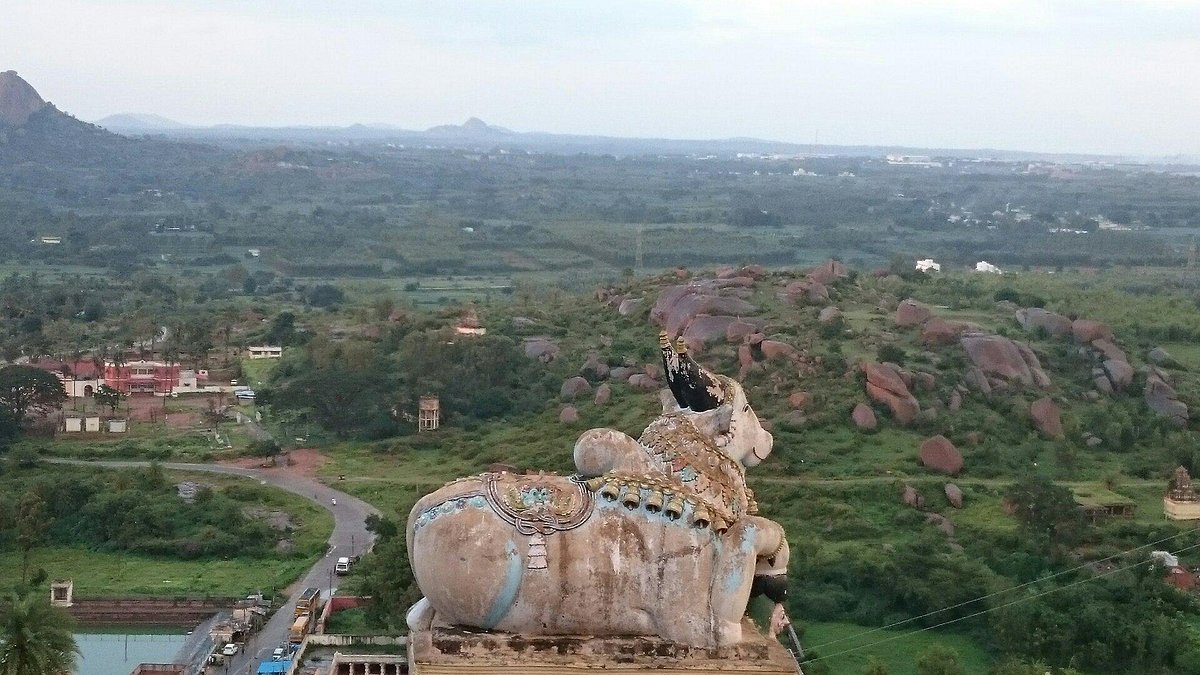
Bengaluru Rural, Karnataka: A Complete Travel Guide
Bengaluru Rural is a fascinating district in Karnataka that offers a refreshing contrast to the fast-paced urban character of Bengaluru city. Located around the northern and north-eastern outskirts of the state capital, the district combines historic forts, ancient temples, rocky hills, lakes, agricultural landscapes, pilgrimage centres and rural traditions.
The district is particularly known for Devanahalli Fort, Ghati Subramanya Temple, Makalidurga, Avati Betta, Doddaballapur and its countryside landscapes. Devanahalli also has an important historical connection with Tipu Sultan, while the district's proximity to Kempegowda International Airport makes it one of the most accessible rural destinations in Karnataka.
Unlike Bengaluru Urban, where modern technology, shopping and nightlife dominate the travel experience, Bengaluru Rural provides opportunities to slow down and explore Karnataka's heritage, temples, hills, farms and traditional settlements.
| Quick Fact | Details |
|---|---|
| State | Karnataka |
| District Headquarters | Vijayapura |
| Region | Southern Karnataka |
| Major Towns | Devanahalli, Doddaballapur, Hoskote and Nelamangala |
| Major Attractions | Devanahalli Fort, Ghati Subramanya, Makalidurga and Avati Betta |
| Major Airport | Kempegowda International Airport |
| Primary Language | Kannada |
| Best Known For | Heritage forts, temples, hills and countryside escapes |
1. Introduction
Bengaluru Rural is one of Karnataka's most interesting destinations for travellers looking for short trips outside the city. Its location around Bengaluru makes it particularly convenient for weekend getaways, one-day excursions, spiritual journeys, heritage walks and short trekking adventures.
The district contains several places where history and nature exist side by side. The imposing Devanahalli Fort preserves an important chapter of the region's military history, while Ghati Subramanya Temple is a major pilgrimage centre famous for its unusual twin-deity shrine.
The countryside around Doddaballapur and Devanahalli is dotted with granite hills, lakes, farms and small villages. Places such as Makalidurga and Avati Betta provide opportunities for hiking and enjoying panoramic rural landscapes.
Bengaluru Rural is therefore ideal for travellers who want to experience a quieter side of Karnataka without travelling too far from Bengaluru.
2. History of Bengaluru Rural
Early History
The region that now forms Bengaluru Rural has been inhabited for centuries and has been influenced by several South Indian dynasties. Its location between Bengaluru, Kolar and other important Deccan centres made it strategically significant.
Different parts of the region came under the influence of dynasties including the Gangas, Cholas, Hoysalas and Vijayanagara rulers. Later, the area became connected with the political struggles involving the Mysore Kingdom and the British.
Devanahalli and the Vijayanagara Period
Devanahalli is one of the most historically important settlements in the district. The original settlement and fortifications developed during the period when the region was influenced by the Vijayanagara political sphere.
The present Devanahalli Fort dates to the early 16th century and remains one of the district's most important historical monuments.
Tipu Sultan and Devanahalli
Devanahalli has a particularly strong connection with Tipu Sultan, who was born here in 1750.
The area was also strategically important during the period of Haider Ali and Tipu Sultan. Devanahalli Fort was strengthened and became part of the defensive network of the Mysore Kingdom.
Today, the fort and the area associated with Tipu Sultan's birthplace attract visitors interested in the history of the Mysore Kingdom.
British Period
After the Anglo-Mysore conflicts and the eventual defeat of Tipu Sultan, the wider region came under British influence and administration.
The development of roads, railways and administrative settlements gradually strengthened the connection between the rural region and Bengaluru.
Formation of Bengaluru Rural District
Bengaluru Rural was formed as a separate administrative district in 1986 after the division of the former Bengaluru district into Bengaluru Urban and Bengaluru Rural.
Over time, administrative boundaries changed as Bengaluru and surrounding regions developed rapidly. Today, Bengaluru Rural represents the predominantly rural areas surrounding the metropolitan region.
3. Geography and Climate
Geographical Setting
Bengaluru Rural occupies an important position around the northern and north-eastern side of Bengaluru. The landscape is a mixture of gently rolling countryside, rocky hill formations, agricultural land, lakes and village settlements.
The district's geography is closely connected with the larger Deccan Plateau landscape.
Hills and Rocky Landscapes
Granite and rocky hill formations are among the most characteristic geographical features of the region. These hills create natural viewpoints and have historically been used for forts, temples and defensive structures.
Makalidurga is one of the best-known examples, combining a rocky hill, fort ruins and a hilltop temple.
Water Bodies
Lakes and reservoirs are scattered throughout the district and play an important role in agriculture and local ecology.
Avathi Lake and other rural water bodies also provide scenic surroundings for travellers interested in quiet countryside landscapes.
Climate
Bengaluru Rural experiences a tropical savanna-type climate influenced by its elevation and proximity to Bengaluru. Summers are warm, while the monsoon season brings rainfall and greener surroundings.
| Season | General Conditions |
|---|---|
| Summer | Warm to hot, with sunny afternoons |
| Monsoon | Rainy with greener countryside and occasional slippery trails |
| Winter | Cooler and pleasant, particularly during mornings and evenings |
4. Culture and Traditions
The cultural identity of Bengaluru Rural is rooted in Kannada traditions, agriculture, village life, temple worship and seasonal festivals.
Kannada Culture
Kannada is the principal language of the district. Traditional customs remain particularly visible in villages, temple festivals and rural communities.
Agricultural Traditions
Agriculture has traditionally been an important part of life in Bengaluru Rural. The countryside contains cultivated fields, horticultural farms and villages connected with agricultural activities.
Ragi, vegetables, fruits, flowers and other crops are cultivated in different parts of the district.
Temple Traditions
Temples occupy an important place in the cultural landscape. Annual festivals, special pujas, temple fairs and jatre celebrations bring together local communities.
Rural Fairs and Festivals
Traditional village fairs commonly combine religious ceremonies with local markets, food stalls, cultural activities and community gatherings.
5. Architecture of Bengaluru Rural
Bengaluru Rural's architectural heritage is mainly represented by forts, temples, hill shrines and traditional village structures.
Devanahalli Fort
Devanahalli Fort is the district's most prominent example of military architecture. The large stone fortification contains bastions, gateways, temples and residential structures within its walls.
The fort's architecture reflects the defensive requirements of the period while also incorporating religious and residential spaces.
Temple Architecture
Several temples in the district display traditional South Indian architectural features, including stone pillars, carved doorways, sanctums and ornate religious sculptures.
Hilltop Shrines
Makalidurga and Avati Betta demonstrate another characteristic of the region's architecture—the placement of temples on elevated rocky landscapes.
6. Famous Places and Tourist Places in Bengaluru Rural
1. Devanahalli Fort
Devanahalli Fort is the most important historical attraction in Bengaluru Rural.
The fort dates to the early 16th century and is spread across a large area. Its thick walls, rounded bastions, gateways and internal temples make it an excellent destination for a heritage walk.
The fort is especially significant because the Devanahalli area is associated with the birth of Tipu Sultan.
Visitors can explore:
- Fort gateways
- Defensive walls
- Bastions
- Temple structures
- Historic residential areas
- Tipu Sultan's birthplace area
2. Tipu Sultan Birthplace
The Devanahalli area is traditionally recognised as the birthplace of Tipu Sultan, one of the most prominent rulers of the Kingdom of Mysore.
The birthplace area is an important stop for travellers exploring the historical connection between Devanahalli and the Mysore Kingdom.
3. Ghati Subramanya Temple
Ghati Subramanya Temple near Doddaballapur is one of the most distinctive pilgrimage centres in Karnataka.
The temple is famous for its unique twin-deity idol. Lord Subramanya faces east while Lord Narasimha faces west, allowing devotees to view both deities through a strategically positioned mirror.
The temple is also an important centre of Naga worship and attracts devotees seeking religious remedies associated with Sarpa Dosha.
4. Makalidurga
Makalidurga is a popular hill and trekking destination in Bengaluru Rural.
The trek climbs a granite hill to a summit containing fort ruins and a Shiva temple. From the top, visitors can enjoy wide views of the surrounding countryside and a nearby lake.
The trail is particularly attractive for travellers who enjoy short adventure trips from Bengaluru.
5. Avati Betta
Avati Betta is a scenic hill destination associated with the Sri Lakshmi Thimmaraya Swamy Temple.
A stepped approach leads visitors toward the hilltop shrine. The elevated location provides attractive views of the surrounding countryside and makes the destination suitable for short hikes and sunrise or sunset visits.
6. Avathi Lake
Avathi Lake provides a peaceful rural landscape close to Avati Betta. The lake and surrounding countryside make a good combination for travellers who want to spend a relaxed morning or evening away from the city.
7. Kundana Betta
Kundana Betta is a smaller hill destination with historic fortification remains and countryside views.
It is suitable for travellers interested in combining a short walk with exploration of lesser-known heritage locations.
8. Chikka Madhure Shani Mahatma Temple
Located in the Nelamangala region, the Chikka Madhure Shani Mahatma Temple is an important religious destination dedicated to Lord Shani.
The temple attracts devotees, particularly on Saturdays, and is known for its religious activities and annadana.
9. Nelamangala
Nelamangala is an important town in the western part of Bengaluru Rural and serves as a gateway toward several countryside and temple destinations.
Its location along major transport routes makes it convenient for travellers exploring the western side of the district.
10. Doddaballapur
Doddaballapur is one of the district's major towns and is particularly important for handloom and textile traditions.
The town and its surroundings also provide access to Ghati Subramanya and several rural landscapes.
11. Hoskote
Hoskote lies on the eastern side of Bengaluru Rural and has historically been an important settlement along routes connecting Bengaluru with eastern Karnataka.
The town provides a useful base for exploring the countryside and destinations toward the Kolar side.
7. Famous Dishes and Local Food
The cuisine of Bengaluru Rural is closely related to the traditional food culture of Karnataka. Because the district lies close to Bengaluru, visitors can find everything from traditional rural meals to modern restaurants.
Ragi Mudde
Ragi mudde is one of Karnataka's most iconic traditional foods. Made from finger millet flour, it is commonly served with sambar, saaru or spicy curries.
Ragi Rotti
Ragi rotti is a traditional flatbread prepared using ragi flour, onions, chillies and spices. It is a popular rural-style Karnataka dish.
Akki Rotti
Akki rotti is a rice-flour-based flatbread that is commonly prepared with vegetables, onions and spices.
Bisi Bele Bath
Bisi bele bath is a popular Karnataka rice-and-lentil preparation flavoured with vegetables, tamarind and a distinctive spice mixture.
Thatte Idli
Thatte idli is a soft, plate-shaped idli particularly associated with the Bengaluru region and neighbouring areas. It is commonly served with chutney and sambar.
Filter Coffee
Traditional South Indian filter coffee is widely enjoyed throughout the district and is an easy accompaniment to breakfast or evening snacks.
| Food | Type |
|---|---|
| Ragi Mudde | Traditional millet-based main dish |
| Ragi Rotti | Traditional flatbread |
| Akki Rotti | Rice-flour flatbread |
| Bisi Bele Bath | Rice and lentil preparation |
| Thatte Idli | Popular South Indian breakfast |
| Filter Coffee | Traditional South Indian beverage |
8. Famous Personalities and Historical Figures Associated with Bengaluru Rural
Tipu Sultan
Tipu Sultan is the most prominent historical figure associated with Bengaluru Rural because Devanahalli is traditionally recognised as his birthplace.
Born in 1750, Tipu Sultan later became the ruler of the Kingdom of Mysore and played a major role in the political and military history of 18th-century South India.
Haider Ali
Haider Ali, the father of Tipu Sultan, was one of the most influential rulers of Mysore during the 18th century. His political and military activities had a significant impact on Devanahalli and the surrounding region.
Kempegowda
Kempegowda I, the founder of Bengaluru, is an important historical figure in the wider history of the region surrounding Bengaluru. His development of Bengaluru and the surrounding network of settlements influenced the historical geography of present-day Bengaluru Rural.
Sir M. Visvesvaraya
Sir M. Visvesvaraya is closely associated with the broader Bengaluru-region heritage, although his birthplace at Muddenahalli is now located in neighbouring Chikkaballapur district. His legacy of engineering and public infrastructure remains important to the wider region.
9. Festivals of Bengaluru Rural
Ghati Subramanya Brahmarathotsava
The annual festival at Ghati Subramanya is one of the major religious events in the district. The temple attracts large numbers of devotees during important festival periods.
Temple Jatre
Traditional jatre celebrations are held at temples and villages throughout Bengaluru Rural. These events commonly feature religious ceremonies, fairs, local food and community gatherings.
Ugadi
Ugadi, the Kannada New Year, is celebrated throughout the district with traditional food, household rituals and cultural customs.
Deepavali
Deepavali is celebrated widely across Bengaluru Rural with traditional lamps, prayers, family gatherings and festive food.
Karaga and Local Temple Celebrations
Various local communities celebrate temple-specific festivals featuring processions, folk performances, music and traditional rituals.
10. Things to Do in Bengaluru Rural
- Explore the historic Devanahalli Fort.
- Visit the area associated with Tipu Sultan's birthplace.
- Experience the spiritual atmosphere of Ghati Subramanya Temple.
- Explore the unique twin-deity shrine at Ghati Subramanya.
- Trek to the top of Makalidurga.
- Explore the fort ruins at Makalidurga.
- Visit the hilltop temple at Avati Betta.
- Enjoy countryside views around Avathi Lake.
- Explore the lesser-known Kundana Betta.
- Visit Chikka Madhure Shani Mahatma Temple.
- Explore Doddaballapur's traditional textile culture.
- Enjoy a relaxed rural road trip through the district.
- Try traditional Karnataka food.
- Attend local temple festivals and jatre celebrations.
- Enjoy sunrise and sunset photography from the district's hill destinations.
11. Where to Eat, Shop, and Stay in Bengaluru Rural
Where to Eat
Because Bengaluru Rural surrounds one of India's major metropolitan cities, travellers have access to a wide range of food options.
For an authentic local experience, look for traditional eateries serving ragi mudde, ragi rotti, akki rotti, Karnataka meals, thatte idli and filter coffee.
Restaurants and cafés are particularly easy to find around Devanahalli, Doddaballapur, Nelamangala and major highway corridors.
What to Shop For
- Traditional Karnataka handloom products
- Doddaballapur silk and textile products
- Local agricultural products
- Traditional snacks and sweets
- Religious souvenirs
- Handcrafted household products
Where to Stay
Bengaluru Rural offers accommodation ranging from budget hotels and lodges to resorts and farm stays.
Devanahalli is particularly convenient for travellers arriving through Kempegowda International Airport. Several resorts and hotels are located around the airport corridor.
Travellers looking for a countryside experience can also consider farm stays and resorts around the hill and rural areas, subject to availability.
12. What Is Bengaluru Rural Famous For?
| Known For | Why It Is Important |
|---|---|
| Devanahalli Fort | Historic early 16th-century fort and major heritage attraction |
| Tipu Sultan | Devanahalli is associated with the birth of Tipu Sultan |
| Ghati Subramanya | Famous temple featuring the unique Subramanya-Narasimha twin deity |
| Makalidurga | Popular hill trek with fort ruins and panoramic views |
| Avati Betta | Hilltop temple and scenic countryside destination |
| Doddaballapur | Known for traditional textile and handloom heritage |
| Rural Landscapes | Farms, lakes, hills and countryside escapes close to Bengaluru |
| Temple Festivals | Traditional jatre and religious celebrations |
13. Best Time to Visit Bengaluru Rural
The best time to explore Bengaluru Rural is generally from October to February, when the weather is comfortable for heritage walks, temple visits, trekking and countryside exploration.
October to February
This is the most pleasant period for outdoor activities. The mornings and evenings are generally comfortable, making it a good season for Devanahalli Fort, Makalidurga and Avati Betta.
March to May
Summer can become warm, particularly during the afternoon. Travellers planning hill treks should start early and avoid the strongest afternoon heat.
June to September
The monsoon brings rainfall and makes the countryside greener. Hill landscapes become particularly attractive, although rocky trails may become slippery.
| Season | Travel Experience |
|---|---|
| October – February | Best overall season for sightseeing and trekking |
| March – May | Warm to hot; start outdoor activities early |
| June – September | Monsoon; greener landscapes but slippery trails |
14. How to Reach Bengaluru Rural
By Air
Kempegowda International Airport is located at Devanahalli and is one of the major advantages of travelling to Bengaluru Rural.
The airport provides extensive domestic and international connectivity and makes Devanahalli and the northern part of the district particularly accessible.
By Train
Bengaluru Rural is connected to Bengaluru and other parts of Karnataka through the regional railway network.
Makalidurga railway halt is particularly useful for travellers planning the Makalidurga trek. Doddaballapur and Devanahalli also have access to regional rail connections.
By Road
Road travel is the most convenient way to explore the district because many attractions are spread across different rural areas.
Major roads connect Bengaluru with Devanahalli, Doddaballapur, Nelamangala and Hoskote. The Bengaluru–Hyderabad highway corridor also makes Devanahalli highly accessible.
| Mode | Recommended Gateway |
|---|---|
| Air | Kempegowda International Airport, Devanahalli |
| Rail | Doddaballapur, Devanahalli and Makalidurga-area rail connections |
| Road | Bengaluru–Devanahalli and other major highway corridors |
15. Nearby Places to Visit
Bengaluru Rural is surrounded by several destinations that can easily be added to a longer Karnataka itinerary.
- Nandi Hills: A famous hill destination known for sunrise views, historic fortifications and pleasant weather. Nandi Hills is in neighbouring Chikkaballapur district rather than Bengaluru Rural.
- Skandagiri: A popular trekking destination near Nandi Hills, known for its historic hill fort and sunrise treks.
- Muddenahalli: Birthplace and memorial site associated with engineer and statesman Sir M. Visvesvaraya, in neighbouring Chikkaballapur district.
- Gudibande: A historic hill fort and scenic destination in Chikkaballapur district.
- Kolar: Historic town known for temples, forts and religious destinations.
- Shivagange: A prominent hill and pilgrimage destination near Bengaluru.
- Ramanagara: Known for rocky hills, trekking, silk traditions and dramatic landscapes.
- Bengaluru: Karnataka's capital, with museums, gardens, palaces, shopping and cultural attractions.
16. Best Duration for a Bengaluru Rural Trip
Bengaluru Rural is well suited to both one-day trips and two-day weekend itineraries. A longer stay is recommended if you want to combine heritage, temples, trekking and countryside experiences.
One-Day Heritage and Spiritual Circuit
| Time | Suggested Plan |
|---|---|
| Morning | Devanahalli Fort and Tipu Sultan birthplace area |
| Late Morning | Travel towards Doddaballapur |
| Afternoon | Ghati Subramanya Temple |
| Evening | Return through the countryside or visit a nearby hill destination |
Two-Day Trip
| Day | Suggested Plan |
|---|---|
| Day 1 | Devanahalli Fort, Tipu Sultan birthplace area, Doddaballapur and Ghati Subramanya |
| Day 2 | Makalidurga trek, Avati Betta and countryside sightseeing |
Three-Day Extended Trip
A three-day itinerary allows travellers to explore Bengaluru Rural more slowly and add nearby destinations such as Nandi Hills, Skandagiri, Muddenahalli or Gudibande.
17. Travel Tips for Bengaluru Rural
- Start early when visiting hill destinations, especially during summer.
- Wear comfortable footwear for Makalidurga and Avati Betta.
- Carry enough drinking water during treks.
- Follow official trekking permissions and slot requirements wherever applicable.
- Do not walk on railway tracks while accessing trekking areas.
- Respect temple customs and dress modestly at religious sites.
- Expect large crowds at Ghati Subramanya during major festivals and Saturdays.
- Carry sun protection such as sunglasses, sunscreen and a hat.
- During monsoon, take extra care on rocky and muddy trails.
- Do not litter around lakes, hills or temple areas.
- Try traditional Karnataka food at local eateries.
- Keep additional travel time for rural roads and last-mile transport.
- If planning a multi-attraction day, check opening hours and local conditions beforehand.
- For sunrise or sunset treks, carry adequate lighting and follow permitted routes.
18. Why Visit Bengaluru Rural?
Bengaluru Rural is ideal for travellers who want to experience Karnataka beyond the metropolitan environment of Bengaluru. The district provides an easy combination of history, spirituality, hills, rural landscapes and outdoor activities.
The historical importance of Devanahalli gives the district a strong connection with the Mysore Kingdom and Tipu Sultan. The fort offers a chance to explore Karnataka's military heritage without travelling far from Bengaluru.
Ghati Subramanya provides a completely different experience, with its distinctive twin-deity shrine and long-standing traditions of Subramanya and Naga worship.
For adventure lovers, Makalidurga provides a rewarding hill trek, while Avati Betta offers a gentler hill experience with a temple and countryside views.
The district is especially worth visiting if you enjoy:
- Historic forts
- Tipu Sultan's history
- Temple tourism
- Short treks
- Sunrise and sunset viewpoints
- Photography
- Rural landscapes
- Weekend road trips
- Traditional Karnataka food
- Village festivals and temple fairs
19. Conclusion
Bengaluru Rural offers a different perspective on Karnataka—one that is quieter, greener and more closely connected with the state's rural and historical traditions. Its location around Bengaluru makes it particularly attractive for travellers who want meaningful experiences without committing to a long-distance journey.
The historic Devanahalli Fort and its association with Tipu Sultan provide a fascinating window into Karnataka's political and military history. At Ghati Subramanya, travellers can experience one of the state's distinctive pilgrimage traditions, while Makalidurga and Avati Betta showcase the area's rocky hills and countryside scenery.
The district's towns, farms, lakes, temples, handloom traditions and village festivals add further depth to the journey. Its proximity to Kempegowda International Airport also makes it one of the most accessible rural districts in Karnataka.
For anyone looking for a short Karnataka getaway from Bengaluru, Bengaluru Rural is an excellent choice. It brings together heritage, spirituality, adventure and countryside charm in a destination that can be explored in a single day or enjoyed over a relaxed weekend.
"Travel is the only thing you buy that makes you richer."