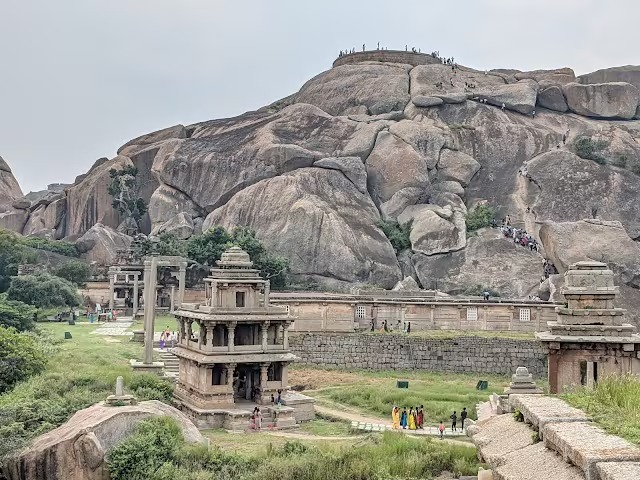
Chitradurga, Karnataka: A Complete Travel Guide
Chitradurga is one of the most historically fascinating districts of Karnataka, famous for its magnificent stone fort, rugged granite hills, ancient temples, archaeological sites and stories of courage and resistance. Located in the central part of Karnataka, the district is popularly associated with its spectacular Chitradurga Fort, also known as Kallina Kote, meaning the Stone Fort.
The landscape of Chitradurga is dramatically different from the lush Western Ghats. Massive granite boulders, rocky hills, open plains, historic monuments and windmills create a distinctive scenery that has shaped the identity of the region for centuries.
Chitradurga is particularly famous for the legacy of the Nayakas of Chitradurga, the extraordinary defensive architecture of the fort and the legendary bravery of Onake Obavva, who is remembered for defending the fort against an invading force.
Beyond the fort, visitors can explore the ancient Chandravalli archaeological site, Jogimatti hills, Vani Vilas Sagara, historic temples, religious centres and scenic countryside.
| Quick Information | Details |
|---|---|
| State | Karnataka |
| Region | Central Karnataka / Deccan Plateau |
| District Headquarters | Chitradurga |
| Major Identity | Stone Fort, History and Rocky Landscape |
| Famous Fort | Chitradurga Fort |
| Popular Name of Fort | Kallina Kote |
| Famous Historical Figure | Onake Obavva |
| Famous Hill | Jogimatti |
| Famous Reservoir | Vani Vilas Sagara |
| Important Archaeological Site | Chandravalli |
| Best Time to Visit | October to February |
1. Introduction
Chitradurga is a historic district located in the heart of Karnataka on the Deccan Plateau. The region is known for its rocky terrain, dramatic granite formations, ancient settlements and remarkable military architecture.
The district headquarters, Chitradurga city, grew around a spectacular group of granite hills that provided a natural defensive advantage. Over centuries, these hills were transformed into one of the most remarkable fort complexes in South India.
The name Chitradurga is associated with the Kannada expression Chitrakaladurga, meaning a picturesque fort. The landscape itself appears like a natural work of art, with enormous boulders and rocky formations surrounding the city.
Chitradurga is an excellent destination for travellers interested in history, architecture, archaeology, photography, culture and heritage tourism.
2. History
Ancient History
Chitradurga has a very long history. Archaeological evidence from the region indicates human settlement going back thousands of years.
The northern part of the district was associated with the Mauryan Empire during the 3rd century BCE. A rock-cut edict of Emperor Ashoka near Brahmagiri provides important evidence of Mauryan influence in the region.
Early Dynasties
After the Mauryan period, different dynasties exercised influence over the region, including the Satavahanas, Kadambas, Chalukyas, Rashtrakutas and Hoysalas.
The region's strategic location in central Karnataka made it an important area for different kingdoms that controlled the Deccan.
Vijayanagara Empire
Chitradurga became particularly important during the period of the Vijayanagara Empire. Local chiefs known as Nayakas or Palegars governed the region as feudatories of the empire.
The Nayakas gradually strengthened their control over Chitradurga and transformed the rocky hills into a powerful defensive stronghold.
Nayakas of Chitradurga
The Nayakas played the most important role in the later history of Chitradurga. The fort was expanded and strengthened over several generations.
Timmana Nayaka is associated with the beginning of the Nayaka rule in Chitradurga. His successors gradually consolidated their authority over the region.
Among the most famous rulers was Madakari Nayaka, whose name became closely associated with the history and military traditions of Chitradurga.
The Chitradurga Fort
The fort was developed across several rocky hills and was designed to make military attacks extremely difficult.
Its multiple defensive walls, gateways, watchtowers, water systems, granaries, secret passages and strategically positioned structures demonstrate the sophisticated military planning of the Nayakas.
Haider Ali and Tipu Sultan
In 1779, Chitradurga was captured by Haider Ali. The fort subsequently came under the control of the Mysore state and was connected with the broader political struggles of the late 18th century.
After the defeat of Tipu Sultan, the region eventually came under the control of the Wadiyar rulers of Mysore.
Chitradurga in Modern Karnataka
After Indian independence and the reorganisation of states, Chitradurga became part of Karnataka. The district gradually developed as an important agricultural, transport and heritage centre.
Today, the district's historical monuments, especially Chitradurga Fort, are among its most important cultural and tourism assets.
3. Geography and Climate
Geography
Chitradurga lies in the central part of Karnataka and forms part of the Deccan Plateau. Unlike the heavily forested hill regions of western Karnataka, the district is characterised by rocky hills, dry landscapes, agricultural fields and scattered vegetation.
The district is particularly famous for its massive granite boulders. These geological formations have played an important role in the history of the region because they provided natural defensive positions.
District Boundaries
Chitradurga shares boundaries with several districts of Karnataka and also lies relatively close to the Andhra Pradesh border.
Major Taluks
- Chitradurga
- Hiriyur
- Hosadurga
- Holalkere
- Challakere
- Molakalmuru
Climate
Chitradurga generally experiences a semi-arid to dry tropical climate. Summers can be warm, while the monsoon brings seasonal rainfall and temporary greenery to the landscape.
| Season | Approximate Period | General Conditions |
|---|---|---|
| Summer | March to May | Hot and generally dry |
| Monsoon | June to September | Seasonal rainfall and greener landscapes |
| Post-Monsoon | October to November | Pleasant and relatively comfortable |
| Winter | December to February | Cooler mornings and comfortable sightseeing weather |
4. Culture and Traditions
The culture of Chitradurga reflects the long history of central Karnataka. Kannada traditions, temple culture, rural customs, folk practices and the legacy of the Nayakas are deeply connected with the identity of the district.
Kannada Culture
Kannada is the principal language of the region, and local festivals, temple celebrations and cultural events reflect Karnataka's traditional heritage.
Nayaka Heritage
The history of the Nayakas remains an important part of local cultural identity. Stories of the rulers, soldiers and defenders of Chitradurga continue to be remembered through folklore, literature and popular culture.
Village Traditions
Rural communities across the district continue to maintain traditional agricultural practices, temple festivals and local celebrations.
Religious Traditions
Temples dedicated to Shiva, Vishnu, Ganesha and other Hindu deities are found throughout the district. Religious fairs and annual temple festivals attract devotees from surrounding villages and towns.
Folk Culture
Traditional music, folk performances, storytelling and village celebrations form an important part of the cultural life of Chitradurga.
5. Architecture
Chitradurga is one of Karnataka's important destinations for studying military architecture. The district's most spectacular architectural achievement is the Chitradurga Fort.
Chitradurga Fort
The fort is locally known as Kallina Kote, or the Stone Fort. It was built across a series of rocky hills and developed through several stages.
The fort is traditionally known as Yelu Suttina Kote, meaning the Fort of Seven Circles or Seven Defensive Enclosures.
The complex contains numerous gateways, secondary entrances, secret passages, watchtowers, temples, reservoirs, granaries and other structures.
Defensive Architecture
The fort's architecture was carefully designed to make it difficult for an invading army to enter. Narrow passages, strategically positioned gateways, elevated defensive positions and natural rock formations worked together as part of the defensive system.
Water Management
One of the remarkable aspects of the fort is its water management system. Several reservoirs and tanks were created within the fort to provide water during periods of conflict and siege.
Temple Architecture
Several temples are located within and around the fort complex, reflecting the religious traditions of different periods.
Hidimbeshwara Temple
Hidimbeshwara Temple is one of the important temples within the fort. It is traditionally associated with Hidimba from the Mahabharata and is dedicated to Lord Shiva.
Onake Obavva Kindi
Onake Obavva Kindi is one of the most famous locations inside the fort. The narrow passage is associated with the legendary story of Onake Obavva, who is remembered for defending the fort using a wooden pestle.
6. Famous Places / Tourist Places
Chitradurga Fort
Chitradurga Fort is the undisputed landmark of the district and one of Karnataka's most important heritage attractions.
The fort spreads across rocky hills and contains multiple defensive walls, gateways, temples, reservoirs, granaries, watchtowers and secret passages.
Visitors can spend several hours exploring the complex and observing how the natural rock formations were incorporated into the fort's defensive architecture.
Onake Obavva Kindi
This narrow passage inside Chitradurga Fort is associated with one of the most famous stories of courage in Karnataka.
According to the traditional account, Onake Obavva noticed enemy soldiers attempting to enter through the narrow opening and used a wooden pestle, known as an onake, to fight them.
Her story has become a powerful part of Karnataka's historical and cultural memory.
Hidimbeshwara Temple
Located inside the fort complex, Hidimbeshwara Temple is an ancient religious site surrounded by the dramatic granite landscape of Chitradurga.
Chandravalli
Chandravalli is an important archaeological site located near Chitradurga. The site lies between hills and includes evidence of ancient habitation.
Archaeological discoveries from Chandravalli provide valuable information about different historical periods, including connections with the Mauryan and Satavahana periods.
Jogimatti
Jogimatti is a scenic hill region located near Chitradurga. The area is known for its elevated landscape, forests, viewpoints and comparatively cooler environment.
It is a popular destination for visitors looking for nature, scenic views and trekking opportunities.
Jogimatti Wildlife Area
The Jogimatti region contains forested landscapes that provide habitat for different species of flora and fauna. The area is also attractive for nature enthusiasts and photographers.
Vani Vilas Sagara
Vani Vilas Sagara, also known as Marikanive, is one of the important tourist attractions in Chitradurga district.
The reservoir was constructed across the Vedavathi River during the period of the Mysore Maharajas and is one of the notable historic dams of Karnataka.
The surrounding hills and expansive water body create a scenic landscape that is particularly attractive for photography and peaceful sightseeing.
Gayatri Jalashaya
Gayatri Jalashaya is another water reservoir in the district and offers a peaceful environment surrounded by the dry-landscape scenery characteristic of Chitradurga.
Jatinga Rameshwara
Jatinga Rameshwara is an important religious destination in the district and is known for its temple traditions and scenic surroundings.
Nayakanahatti
Nayakanahatti is a significant pilgrimage centre associated with the revered saint and spiritual figure Thipperudraswamy.
The annual religious celebrations attract large numbers of devotees.
Thipperudraswamy Temple
The temple at Nayakanahatti is one of the important spiritual attractions of Chitradurga district and reflects the region's religious traditions.
Brahmagiri
Brahmagiri is another historically important location associated with archaeological remains and the ancient history of the region.
Haalu Rameshwara
Haalu Rameshwara is a religious site in the Hosadurga region and is known for its temple and local spiritual traditions.
7. Famous Dishes / Local Food
The food of Chitradurga reflects the traditional cuisine of central Karnataka. Millets, rice, pulses, vegetables and locally available ingredients form an important part of everyday food.
Popular Foods to Try
- Ragi Mudde: A traditional finger millet preparation generally served with sambar, saaru or curry.
- Jowar Rotti: A traditional flatbread made from sorghum flour.
- Akki Rotti: Rice-based flatbread served with chutney or vegetable curry.
- Ragi Rotti: A millet-based preparation that is common in Karnataka households.
- Ennegayi: Brinjal cooked with a spicy peanut and coconut-based masala.
- Palya: Karnataka-style vegetable preparations served with rice or rotti.
- Huli: A traditional lentil and vegetable preparation with spices.
- Chutneys: Local meals are often accompanied by coconut, peanut or spicy chutneys.
Traditional Millet Food
Millets such as ragi and jowar have traditionally played an important role in the food culture of dryland Karnataka.
Local Snacks
Visitors can explore local bakeries, small restaurants and markets for traditional Karnataka snacks, sweets and savoury preparations.
8. Famous Personalities
Onake Obavva
Onake Obavva is the most famous personality associated with Chitradurga. She is remembered for her courageous defence of the Chitradurga Fort against invading soldiers.
According to the traditional story, she used an ordinary wooden pestle called an onake to fight soldiers attempting to enter the fort through a narrow passage.
Her story has become an enduring symbol of courage in Karnataka.
Madakari Nayaka
Madakari Nayaka is one of the most prominent rulers associated with the Nayakas of Chitradurga. His name is closely connected with the military history and fortification of the region.
Timmana Nayaka
Timmana Nayaka is associated with the beginning of the Nayaka rule in Chitradurga under the Vijayanagara political system.
Bharamappa Nayaka
Bharamappa Nayaka is regarded in historical accounts as one of the important rulers of the Nayaka dynasty and is associated with a significant period of Chitradurga's history.
Thipperudraswamy
Thipperudraswamy is an important spiritual figure associated with Nayakanahatti and the religious traditions of the district.
9. Festivals
Ugadi
Ugadi, the Kannada New Year, is celebrated throughout Chitradurga with traditional food, prayers, family gatherings and cultural activities.
Dasara
Dasara is celebrated at temples and communities across the district with religious ceremonies and cultural programmes.
Deepavali
Deepavali is celebrated with lamps, prayers, sweets and family gatherings throughout the district.
Mahashivaratri
Mahashivaratri is an important festival at Shiva temples throughout Chitradurga, including historic temples connected with the fort and surrounding villages.
Thipperudraswamy Festival
The annual festival at Nayakanahatti associated with Thipperudraswamy is one of the major religious gatherings in the district.
Devotees from different parts of Karnataka visit Nayakanahatti during the festival period.
Temple Jatres
Several villages and towns across Chitradurga organise annual temple jatres, fairs and religious gatherings that combine worship, local markets and cultural activities.
10. Things to Do
Explore Chitradurga Fort
Spend time walking through the multiple levels of the fort and exploring its gateways, walls, temples, reservoirs, watchtowers and historic structures.
Discover the Story of Onake Obavva
Visit Onake Obavva Kindi and learn about the traditional story of her courageous defence of the fort.
Visit Chandravalli
Explore the archaeological landscape of Chandravalli and learn about the ancient settlements that existed in the region.
Enjoy the Views from Jogimatti
Jogimatti provides an opportunity to enjoy the hills, forests and surrounding landscape away from the city.
Visit Vani Vilas Sagara
Spend time near the reservoir, enjoy the landscape and photograph the historic dam and surrounding hills.
Explore Historic Temples
Visit Hidimbeshwara Temple, Jatinga Rameshwara, Thipperudraswamy Temple and other religious sites across the district.
Photography
Chitradurga is an excellent destination for photography. The combination of massive granite boulders, ancient stone walls, temples, windmills and open landscapes creates a distinctive visual character.
Birdwatching
The fort, hills and surrounding countryside provide opportunities to observe different species of birds. Early mornings are generally more suitable for birdwatching.
Road Trips
The highways and countryside around Chitradurga offer scenic road-trip opportunities, particularly when travelling between Bengaluru, Chitradurga and northern Karnataka.
11. Where to Eat, Shop, and Stay
Where to Eat
Chitradurga city has restaurants and local eateries serving Karnataka and South Indian cuisine.
- Traditional Karnataka restaurants
- South Indian breakfast centres
- Local vegetarian restaurants
- Small family restaurants
- Bakery and snack shops
- Highway restaurants and eateries
Where to Stay
Visitors can find hotels and accommodation options around Chitradurga city. Staying in the city is convenient for travellers who want to explore the fort and nearby attractions.
For travellers visiting Vani Vilas Sagara, Jogimatti or rural attractions, it is useful to plan accommodation according to the route and travel schedule.
Popular Stay Areas
- Chitradurga city
- Near Chitradurga Fort
- Chitradurga railway station area
- Hiriyur
- Hosadurga
Where to Shop
Visitors can explore local markets in Chitradurga for everyday products, traditional food items, handicrafts and regional snacks.
- Traditional Karnataka snacks
- Local sweets
- Spices
- Handicrafts
- Traditional household products
- Local agricultural products
12. What Is Chitradurga Famous For?
Chitradurga is primarily famous for its historic stone fort, Nayaka heritage, Onake Obavva, dramatic granite landscape and archaeological sites.
| Feature | Why It Is Famous |
|---|---|
| Chitradurga Fort | Massive historic stone fortress with remarkable military architecture |
| Onake Obavva | Legendary figure associated with the defence of the fort |
| Nayakas of Chitradurga | Historic dynasty responsible for strengthening the fort and region |
| Granite Hills | Distinctive rocky landscape surrounding the city |
| Chandravalli | Important archaeological site |
| Jogimatti | Scenic hill and forest region |
| Vani Vilas Sagara | Historic reservoir and scenic attraction |
| Hidimbeshwara Temple | Historic temple located within the fort complex |
| Nayakanahatti | Important religious centre associated with Thipperudraswamy |
| Windmills | Modern wind-energy installations contrasting with the ancient rocky landscape |
13. Best Time to Visit
The best time to visit Chitradurga is generally from October to February, when temperatures are more comfortable for exploring the fort, hills and outdoor attractions.
October to November
The post-monsoon period brings comparatively pleasant weather and greener surroundings. It is a good time for sightseeing and photography.
December to February
Winter offers comfortable conditions for exploring Chitradurga Fort, Chandravalli, Jogimatti and other outdoor attractions.
March to May
Summer can become hot, particularly during the afternoon. Visitors planning a summer trip should schedule outdoor sightseeing during the morning and evening.
June to September
The monsoon brings seasonal rainfall and greenery to the district. The landscape becomes more attractive, although weather conditions can occasionally affect outdoor travel.
| Activity | Recommended Period |
|---|---|
| Fort Exploration | October to February |
| Photography | Post-Monsoon and Winter |
| Jogimatti Visit | October to February |
| Vani Vilas Sagara | Post-Monsoon and Winter |
| Temple Visits | Throughout the Year |
| Outdoor Activities | October to February |
14. How to Reach
By Air
Chitradurga does not have a major commercial airport. Travellers arriving by air can use nearby airports and continue their journey by road.
Kempegowda International Airport, Bengaluru is one of the major airport options for travellers coming from other parts of India and abroad.
Mangaluru and Hubballi airports may also be considered depending on the travel route.
By Train
Chitradurga has a railway station and is connected with other parts of Karnataka by rail. Railway travel can be combined with local taxis, buses or other road transport.
By Road
Road travel is one of the most convenient ways to reach Chitradurga. The city is situated along an important highway corridor connecting Bengaluru with northern and central parts of Karnataka.
Regular buses and private vehicles connect Chitradurga with Bengaluru, Davanagere, Ballari, Tumakuru and other cities.
| Mode | Suitable For |
|---|---|
| Air | Long-distance travellers |
| Train | Travellers from connected Karnataka cities |
| Road | Best for reaching Chitradurga and exploring nearby attractions |
15. Nearby Places to Visit
Davanagere
Davanagere lies to the west of Chitradurga and is known for its food culture, especially the famous Davanagere benne dosa.
Hampi
Hampi, the UNESCO World Heritage landscape associated with the Vijayanagara Empire, is located towards the north of Chitradurga and can be included in a longer Karnataka heritage trip.
Harihar
Harihar is known for its historic Harihareshwara Temple and lies along the Tungabhadra River.
Shivamogga
Shivamogga lies towards the west and provides access to forests, waterfalls and other Western Ghats attractions.
Hiriyur
Hiriyur is located close to Vani Vilas Sagara and is a useful base for exploring the reservoir and surrounding attractions.
Davangere and Harihar Heritage Circuit
Travellers interested in architecture and regional history can combine Chitradurga with Davanagere and Harihar for a broader central Karnataka journey.
Ballari
Ballari lies to the northeast and is another destination with historic forts, rocky landscapes and connections to the history of the Deccan.
16. Best Duration for a Trip
A 2-day trip is suitable for exploring the major attractions around Chitradurga. Travellers interested in archaeology, nature and nearby destinations can plan a 3-day or longer itinerary.
| Duration | Suggested Plan |
|---|---|
| 1 Day | Chitradurga Fort + Onake Obavva Kindi + Historic Temples |
| 2 Days | Fort + Chandravalli + Jogimatti + Local Temples |
| 3 Days | Fort + Chandravalli + Jogimatti + Vani Vilas Sagara |
| 4–5 Days | Chitradurga + Vani Vilas Sagara + nearby heritage and religious destinations |
Suggested 2-Day Itinerary
Day 1: Begin early with Chitradurga Fort. Explore the fort walls, gateways, temples, reservoirs, watchtowers and Onake Obavva Kindi. Spend the evening exploring the city and enjoying local Karnataka food.
Day 2: Visit Chandravalli in the morning, followed by Jogimatti. Depending on the available time, continue towards Vani Vilas Sagara and enjoy the reservoir and surrounding landscape.
17. Travel Tips
- Start your fort visit early, especially during warmer months.
- Wear comfortable footwear because exploring the fort involves considerable walking and climbing.
- Carry sufficient drinking water while exploring the fort and hill areas.
- Carry sun protection such as sunglasses, sunscreen and a hat.
- Be careful while walking over uneven rocks and stone pathways.
- Follow safety instructions around elevated viewpoints.
- Respect temples and religious places inside and around the fort.
- Do not damage or write on historical structures.
- Do not litter inside the fort, archaeological sites or natural areas.
- Carry cash for small shops and local eateries.
- Plan enough time for the fort because the complex is extensive.
- Check local weather before travelling to outdoor attractions.
- During summer, avoid prolonged afternoon exposure.
- Use local guides where available if you want to understand the historical stories and architecture in greater detail.
- Keep sufficient fuel when travelling to remote attractions.
- Follow forest and wildlife regulations around protected areas.
- Do not enter restricted archaeological or forest areas.
18. Why Visit Chitradurga?
For History Lovers
Chitradurga provides an opportunity to explore centuries of Karnataka's history, from ancient archaeological settlements to the Mauryan period, medieval dynasties, Vijayanagara influence and the Nayakas.
For Fort and Architecture Lovers
The Chitradurga Fort is the main attraction for anyone interested in military architecture. Its walls, gateways, watchtowers, temples, water systems and secret passages reveal sophisticated defensive planning.
For Heritage Travellers
Chandravalli, historic temples, Nayakanahatti and other heritage locations make the district a rewarding destination for cultural exploration.
For Nature Lovers
Jogimatti, Vani Vilas Sagara, granite hills and the surrounding countryside provide opportunities to experience the natural landscape of central Karnataka.
For Photography Lovers
The combination of ancient stone walls, massive boulders, temples, hills, reservoirs and windmills creates a distinctive landscape for photography.
For Road Trip Lovers
Chitradurga's location along an important highway corridor makes it a convenient destination for road trips from Bengaluru and other Karnataka cities.
For Cultural Travellers
The district's festivals, temple traditions, folklore and stories of the Nayakas provide an opportunity to understand the cultural heritage of central Karnataka.
For Students and History Enthusiasts
The fort and archaeological sites provide an excellent real-world introduction to medieval military architecture, water management, archaeology and the political history of Karnataka.
19. Conclusion
Chitradurga is a destination where history and nature come together in a truly distinctive landscape. Its massive granite boulders, ancient hills and spectacular fortifications have shaped the identity of the region for centuries.
The magnificent Chitradurga Fort remains the heart of the district's tourism experience. Its seven defensive enclosures, gateways, temples, water reservoirs, watchtowers and hidden passages demonstrate the remarkable military planning of the Nayakas of Chitradurga.
The story of Onake Obavva adds another powerful dimension to the fort's history, while Chandravalli offers a glimpse into the region's much older archaeological past.
Beyond its historical monuments, Chitradurga offers scenic destinations such as Jogimatti and Vani Vilas Sagara, along with temples, religious centres and traditional villages.
Whether you are interested in forts and architecture, ancient history, archaeology, photography, nature, temples or road trips, Chitradurga provides a memorable experience in the heart of Karnataka.
Chitradurga is more than a stone fort—it is a living landscape of history, courage, architecture and Karnataka's rich cultural heritage.
"Travel is the only thing you buy that makes you richer."