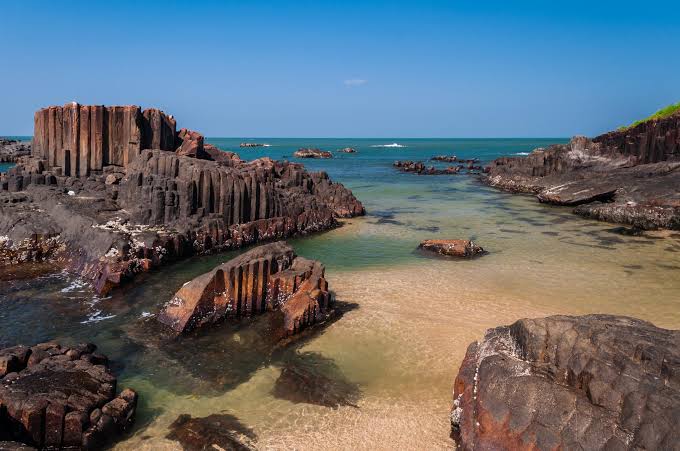
Dakshina Kannada, Karnataka: A Complete Travel Guide
Dakshina Kannada is one of Karnataka's most beautiful and culturally rich coastal districts, located between the Arabian Sea in the west and the Western Ghats in the east. Known for its scenic beaches, ancient temples, pilgrimage centres, lush landscapes, rivers, traditional festivals and distinctive coastal cuisine, the district offers a fascinating combination of nature, spirituality, history and culture.
The district headquarters, Mangaluru, is an important port city and one of the major urban and educational centres of coastal Karnataka. Historically, Mangaluru and the surrounding region played an important role in maritime trade and were influenced by several dynasties and political powers.
Dakshina Kannada is particularly famous for its vibrant cultural traditions such as Yakshagana, Kambala and Bhoota Kola. The region is also known for its temples, churches, mosques, Jain heritage, traditional houses, coconut plantations, cashew products and unique coastal food.
From the beaches of Panambur, Tannirbhavi and Someshwara to the pilgrimage centres of Dharmasthala, Kukke Subrahmanya and Kateel, Dakshina Kannada offers a wide variety of experiences for travellers.
| Quick Information | Details |
|---|---|
| State | Karnataka |
| Region | Coastal Karnataka |
| District Headquarters | Mangaluru |
| Area | Approximately 4,866 sq. km. |
| Major Coastline | Arabian Sea |
| Eastern Landscape | Western Ghats |
| Major Rivers | Netravati and Gurupura |
| Famous City | Mangaluru |
| Famous Beaches | Panambur, Tannirbhavi, Someshwara and Surathkal |
| Famous Pilgrimage Centres | Dharmasthala, Kukke Subrahmanya and Kateel |
| Famous Cultural Forms | Yakshagana, Kambala and Bhoota Kola |
| Best Time to Visit | October to March |
1. Introduction
Dakshina Kannada, also historically known as South Canara, is a coastal district in southern Karnataka. It is geographically distinctive because the Arabian Sea lies to its west while the Western Ghats rise towards the east.
This unique geographical position gives the district a combination of sandy beaches, estuaries, rivers, fertile agricultural land, coconut groves, laterite landscapes and forested hills.
Mangaluru, the district headquarters, has been an important trading centre for centuries. The city developed around its natural harbour and maritime connections, while the surrounding region developed a rich cultural landscape influenced by Hindu, Jain, Muslim and Christian traditions.
Dakshina Kannada is therefore not simply a beach destination. It is a region where coastal landscapes, religious traditions, folk culture, architecture, food and history come together.
2. History
Ancient History
The coastal region of Dakshina Kannada has been associated with maritime trade for centuries. Its location along the Arabian Sea made it an important point of contact between the Indian subcontinent and overseas trading communities.
Alupa Dynasty
The Alupas were one of the most important ruling dynasties of the coastal Karnataka region. They ruled the area for several centuries and Mangaluru served as an important political and commercial centre.
The Alupa period had a lasting influence on the religious, cultural and architectural traditions of the coastal region.
Vijayanagara Empire
From the 14th century onwards, the region came under the influence of the Vijayanagara Empire. The empire controlled a large part of southern India and coastal Karnataka became an important area for trade and administration.
Keladi Nayakas
After the decline of Vijayanagara power, parts of coastal Karnataka came under the influence of the Keladi Nayakas.
Portuguese Influence
The arrival of the Portuguese on the western coast introduced another important phase in the history of the region. Portuguese traders established commercial connections with the coastal towns and their presence also influenced the spread of Christianity in the region.
Haider Ali
In the 18th century, Haider Ali expanded Mysore's control towards the coast. Mangaluru became an important port under Mysore.
Tipu Sultan
During the rule of Tipu Sultan, Mangaluru continued to have strategic and commercial importance. Several historical structures in and around the city are associated with the period.
British Period
Following the defeat of Tipu Sultan in 1799, the British established control over the region. Mangaluru became the headquarters of the Kanara district under British administration.
Formation of Modern Dakshina Kannada
Before 1860, the region formed part of the larger Kanara district under the Madras Presidency. In 1860, the district was divided into North Canara and South Canara.
During the reorganisation of Indian states in 1956, South Canara became part of the newly reorganised Mysore State, which was later renamed Karnataka.
In 1997, the original Dakshina Kannada district was divided and Udupi district was created from the northern portion. The present-day Dakshina Kannada district retained Mangaluru as its headquarters.
3. Geography and Climate
Geography
Dakshina Kannada occupies a strategic geographical position along the western coast of Karnataka. The Arabian Sea forms the western boundary, while the Western Ghats dominate the eastern side.
The district contains a mixture of coastal plains, river valleys, laterite plateaus, agricultural land and hilly terrain.
Major Rivers
The Netravati and Gurupura are two important rivers associated with the district. Their waterways have played an important role in agriculture, fishing, transportation and the development of settlements.
District Boundaries
| Direction | Boundary |
|---|---|
| West | Arabian Sea |
| North | Udupi District |
| East | Western Ghats and neighbouring inland districts |
| South | Kerala State |
Climate
Dakshina Kannada experiences a tropical coastal climate. The district receives heavy rainfall during the southwest monsoon, while the winter months are comparatively comfortable.
| Season | Approximate Period | General Conditions |
|---|---|---|
| Summer | March to May | Warm and humid |
| Monsoon | June to September | Heavy rainfall and lush greenery |
| Post-Monsoon | October to November | Green landscapes with improving weather |
| Winter | December to February | Comfortable and comparatively pleasant |
4. Culture and Traditions
Dakshina Kannada has one of the most distinctive cultural identities in Karnataka. The culture of the district has developed through centuries of interaction between different communities, religious traditions and coastal lifestyles.
Yakshagana
Yakshagana is one of the most famous traditional performance forms associated with coastal Karnataka. It combines dance, music, elaborate costumes, dialogue and storytelling.
Performances often draw stories from Hindu epics and traditional literature and are generally staged during the evening and night.
Kambala
Kambala is a traditional buffalo race associated with the agricultural communities of coastal Karnataka. Buffaloes are raced through specially prepared muddy tracks, traditionally connected with the agricultural cycle.
Bhoota Kola
Bhoota Kola is a traditional spirit-worship ritual found in coastal Karnataka. It combines ritual performance, music, dance, costumes and community traditions.
The ritual has deep cultural significance among communities of the coastal region.
Nagaradhane
Serpent worship, or Nagaradhane, is another important tradition in coastal Karnataka. Sacred serpent groves and rituals dedicated to serpent deities can be found in many parts of the region.
Religious Diversity
The district is home to important Hindu temples, Jain heritage sites, mosques, dargahs and historic Christian churches. This diversity is an important part of Dakshina Kannada's cultural landscape.
5. Architecture
The architecture of Dakshina Kannada reflects the region's long history and its distinctive coastal environment.
Coastal Temple Architecture
Many traditional temples use locally available materials and architectural styles suited to the region's heavy rainfall.
Sloping roofs, wooden elements, tiled coverings and detailed carvings are common features in traditional coastal structures.
Thousand Pillar Basadi
The Thousand Pillar Basadi at Moodabidri is one of the most important Jain monuments in the district. Also known as Tribhuvana Tilaka Chudamani Basadi, it is famous for its detailed carvings and numerous pillars.
Moodabidri is often referred to as Jain Kashi because of its rich Jain heritage.
St. Aloysius Chapel
St. Aloysius Chapel in Mangaluru is famous for its interior paintings by Italian artist Antonio Moscheni. The chapel was constructed at the end of the 19th century.
Traditional Houses
Traditional coastal houses often feature tiled roofs, courtyards, wooden architecture and designs adapted to heavy monsoon rainfall.
Sultan Battery
Sultan Battery at Boloor in Mangaluru is a historic stone structure associated with Tipu Sultan. It was constructed as a defensive watchtower intended to prevent enemy vessels from entering the Gurupura River.
6. Famous Places / Tourist Places
Mangaluru
Mangaluru is the administrative headquarters and cultural centre of Dakshina Kannada. The city combines a busy port, educational institutions, historic buildings, temples, churches, beaches and modern commercial areas.
Panambur Beach
Panambur Beach is one of the best-known beaches near Mangaluru. It is known for its broad sandy shoreline, sunset views and recreational activities.
Depending on conditions and local regulations, visitors may find activities such as boating, jet skiing and other beach recreation.
Tannirbhavi Beach
Tannirbhavi Beach is a popular coastal destination known for its peaceful atmosphere and beautiful sunset views.
Someshwara Beach
Someshwara Beach is famous for its rocky shoreline and the large rock formation known as Rudra Shile.
The historic Someshwara Temple is located near the beach, making the area an interesting combination of coastal scenery and religious heritage.
Surathkal Beach
Surathkal Beach is known for its scenic shoreline and lighthouse. The beach offers expansive views of the Arabian Sea and is located close to NITK Surathkal.
Dharmasthala
Dharmasthala is one of the most important pilgrimage centres in Karnataka. The Sri Manjunatha Temple is particularly notable for its unique religious and administrative traditions.
The area also features the large statue of Bahubali and the Manjusha Museum.
Kukke Subrahmanya
Kukke Subrahmanya is a major pilgrimage centre located amidst the Western Ghats. The Sri Subrahmanya Temple is associated with Lord Subrahmanya and traditions of serpent worship.
Kateel
Kateel is famous for the Kateel Durga Parameshwari Temple, situated on an island-like setting in the Nandini River.
The temple is one of the important pilgrimage destinations of Dakshina Kannada.
Moodabidri
Moodabidri is famous for its Jain heritage and historic basadis. The Thousand Pillar Basadi is the most prominent attraction.
Pilikula Nisargadhama
Pilikula Nisargadhama is an integrated tourism and recreation area near Mangaluru. It includes natural landscapes, a lake, biological attractions, a science centre and other visitor facilities.
Kadri Manjunatha Temple
Kadri Manjunatha Temple is one of Mangaluru's historic temples. Located on Kadri Hill, the temple is associated with Shiva worship and features ancient religious and architectural traditions.
Mangaladevi Temple
Mangaladevi Temple is an ancient temple dedicated to Goddess Mangaladevi. The temple is closely connected with the origin of the name Mangaluru.
Kudroli Gokarnanatheshwara Temple
Kudroli Gokarnanatheshwara Temple is a prominent Shiva temple in Mangaluru. The temple is known for its distinctive architecture and the grand celebrations held during Mangaluru Dasara.
St. Aloysius Chapel
St. Aloysius Chapel is one of Mangaluru's most important heritage landmarks. Its painted interiors are the principal attraction.
Ullal
Ullal is a historic coastal settlement south of Mangaluru. It is known for its beach, religious sites and association with the legendary queen Rani Abbakka.
Ullal Dargah
The Ullal Dargah is an important Muslim pilgrimage site associated with Sayed Mohammed Shareeful Madani. The annual Urus attracts visitors from different regions.
Jamalabad Fort
Jamalabad Fort is a hilltop fort associated with Tipu Sultan. The site is particularly attractive to trekkers because reaching the fort involves climbing the rocky hill.
Venoor
Venoor is known for its Jain heritage and the large monolithic statue of Bahubali. The statue is one of the notable Jain monuments of the region.
Karinjeshwara Temple
Karinjeshwara Temple is located on a hill near Karinja and is dedicated to Lord Shiva. The temple is surrounded by scenic natural landscapes.
Kudupu Anantha Padmanabha Temple
Kudupu Anantha Padmanabha Temple is dedicated to Lord Vishnu and is also associated with serpent worship traditions.
Sultan Battery
Sultan Battery is a historic defensive structure built using dark stone. Its position near the Gurupura River makes it an interesting heritage stop within Mangaluru.
7. Famous Dishes / Local Food
Dakshina Kannada is one of Karnataka's most distinctive food regions. Coastal ingredients, coconut, rice, seafood, spices and locally grown produce form the foundation of its cuisine.
Neer Dosa
Neer Dosa is one of the most famous foods associated with coastal Karnataka. It is a thin, soft rice-based dosa traditionally served with coconut-based curries, chutney or chicken and fish preparations.
Kori Rotti
Kori Rotti combines crisp rice wafers with spicy chicken curry. It is a well-known coastal preparation.
Mangalorean Fish Curry
Fish curry prepared with coconut, spices and tamarind is an important part of the region's coastal food culture.
Ghee Roast
Mangalorean-style ghee roast is known for its rich, spicy masala and generous use of ghee. It is prepared in vegetarian as well as non-vegetarian forms.
Chicken Sukka
Chicken sukka is a dry-style preparation made with spices and coconut. It is commonly associated with coastal Karnataka cuisine.
Pathrode
Pathrode is made using colocasia leaves layered with a spiced rice and lentil mixture before being steamed and sliced.
Goli Baje
Goli Baje is a popular deep-fried snack made from a fermented batter and often served with coconut chutney.
Kadubu
Kadubu refers to traditional steamed preparations made using rice or other ingredients and is enjoyed in several forms across coastal Karnataka.
Patrode
Patrode is particularly popular during traditional meals and festivals. The combination of colocasia leaves, spices and rice-based filling gives it a distinctive flavour.
Seafood
Because of its coastal location, Dakshina Kannada is well known for fresh seafood. Fish, prawns, squid and other seafood are commonly prepared using regional coconut and spice-based masalas.
Traditional Sweets
Jaggery, coconut and rice are frequently used in traditional coastal sweets and festival preparations.
8. Famous Personalities
Rani Abbakka
Rani Abbakka of Ullal is one of the most famous historical figures associated with coastal Karnataka. She is remembered for resisting Portuguese attempts to establish control over Ullal.
Her legacy remains an important part of the history and cultural memory of coastal Karnataka.
Swami Vivekananda
Swami Vivekananda's travels and influence are remembered in many parts of Karnataka, and Mangaluru has associations with his visit to the region.
Shri Narayana Guru
Shri Narayana Guru was an influential spiritual and social reformer whose teachings had a strong influence on communities across the coastal region. The Kudroli Gokarnanatheshwara Temple in Mangaluru is associated with his initiative.
Antonio Moscheni
Antonio Moscheni was an Italian artist whose paintings decorate the interior of St. Aloysius Chapel in Mangaluru. His work is an important part of the city's architectural and artistic heritage.
Ullal and Coastal Historical Figures
The coastal history of Dakshina Kannada includes rulers, religious leaders, merchants and cultural figures who contributed to the development of the region's distinctive identity.
9. Festivals
Mangaluru Dasara
Mangaluru Dasara is one of the major cultural celebrations of the city and is strongly associated with the Kudroli Gokarnanatheshwara Temple.
The celebrations feature colourful processions, cultural programmes, decorations and religious ceremonies.
Kambala Season
Kambala events are held at different locations across coastal Karnataka during the traditional season. These events are closely connected with the agricultural heritage of the region.
Yakshagana Festivals
Yakshagana performances are traditionally organised in villages and temple settings, especially during the festival season.
Bhoota Kola
Bhoota Kola rituals are conducted according to local traditions and community calendars. They are an important expression of the spiritual and cultural heritage of coastal Karnataka.
Navaratri
Navaratri is celebrated with special importance at temples such as Kudroli Gokarnanatheshwara and other major religious centres.
Shivaratri
Mahashivaratri is celebrated at Shiva temples throughout the district, including Kadri Manjunatha, Someshwara and other historic temples.
Deepavali
Deepavali is celebrated across the district with traditional rituals, lamps, sweets and family gatherings.
Urus at Ullal
The Urus at Ullal Dargah is an important religious gathering that attracts visitors from different parts of India.
Laksha Deepotsava
The Laksha Deepotsava at Dharmasthala is a major annual celebration during which the temple town is illuminated with a large number of lamps and cultural and religious programmes are organised.
10. Things to Do
Explore Mangaluru
Spend time exploring Mangaluru's temples, churches, markets, historic landmarks and coastal neighbourhoods.
Visit the Beaches
Panambur, Tannirbhavi, Someshwara and Surathkal provide different coastal experiences ranging from recreational beaches to quieter rocky shores.
Watch the Sunset
The Arabian Sea coastline offers excellent sunset views. Tannirbhavi, Panambur and other coastal locations are popular for evening visits.
Experience Yakshagana
If your trip coincides with a performance, watching a traditional Yakshagana programme is one of the best ways to experience coastal Karnataka's performing arts.
Experience Kambala
Travellers visiting during the Kambala season can experience one of the region's most distinctive traditional sporting events.
Visit Historic Temples
Explore Mangaladevi, Kadri Manjunatha, Kudroli Gokarnanatheshwara, Kateel Durga Parameshwari, Dharmasthala and Kukke Subrahmanya.
Explore Jain Heritage
Visit Moodabidri and Venoor to discover the region's remarkable Jain monuments and artistic heritage.
Explore Pilikula
Pilikula offers a combination of nature, science, recreation and educational attractions in one large destination near Mangaluru.
Enjoy Coastal Food
Try local specialities such as neer dosa, kori rotti, fish curry, ghee roast, pathrode and traditional coastal snacks.
Go Trekking
Jamalabad Fort and several hill regions towards the Western Ghats provide opportunities for trekking and nature exploration.
Explore Rivers and Backwaters
The Netravati and Gurupura river systems create scenic landscapes around Mangaluru and nearby settlements.
11. Where to Eat, Shop, and Stay
Where to Eat
Mangaluru is one of the best places to experience the food culture of Dakshina Kannada. The city has everything from traditional vegetarian restaurants to seafood restaurants and modern cafés.
- Traditional Mangalorean restaurants
- Vegetarian Udupi-style eateries
- Seafood restaurants
- Local bakeries
- South Indian breakfast restaurants
- Modern cafés
- Street food and snack centres
What to Eat in Local Restaurants
- Neer dosa
- Kori rotti
- Fish curry
- Ghee roast
- Chicken sukka
- Pathrode
- Goli baje
- Traditional sweets
Where to Stay
Mangaluru provides the widest range of accommodation options in the district, from budget hotels and business hotels to premium properties.
Travellers visiting pilgrimage centres such as Dharmasthala and Kukke Subrahmanya can also find accommodation closer to those destinations.
Popular Areas for Accommodation
- Mangaluru city centre
- Hampankatta
- Balmatta
- Bejai
- Surathkal
- Ullal
- Dharmasthala
- Kukke Subrahmanya
Where to Shop
Mangaluru's markets and shopping areas are useful for discovering local food products, traditional items and coastal specialities.
- Cashew products
- Traditional sweets
- Spices
- Coastal snacks
- Handicrafts
- Traditional household products
- Local food products
12. What Is Dakshina Kannada Famous For?
Dakshina Kannada is famous for its combination of beaches, pilgrimage centres, coastal cuisine, folk traditions and historic heritage.
| Feature | Why It Is Famous |
|---|---|
| Mangaluru | Port city, education hub, culture and commerce |
| Panambur Beach | Popular beach and recreational destination |
| Tannirbhavi Beach | Scenic sunset and peaceful coastal experience |
| Someshwara Beach | Rugged shoreline and Rudra Shile |
| Dharmasthala | Major pilgrimage centre |
| Kukke Subrahmanya | Important Subrahmanya and serpent-worship pilgrimage centre |
| Kateel | Famous Durga Parameshwari Temple |
| Moodabidri | Jain heritage and Thousand Pillar Basadi |
| Yakshagana | Traditional coastal dance-drama |
| Kambala | Traditional buffalo racing festival |
| Bhoota Kola | Traditional spirit-worship ritual |
| Coastal Cuisine | Neer dosa, kori rotti, seafood and coconut-based dishes |
| Rani Abbakka | Historic queen associated with resistance to Portuguese expansion |
13. Best Time to Visit
The most comfortable period for visiting Dakshina Kannada is generally October to March. During these months, the weather is more suitable for sightseeing, temple visits, beach exploration and outdoor activities.
October to November
The post-monsoon landscape is lush and green, while the weather gradually becomes more comfortable. This is an attractive period for nature and cultural tourism.
December to February
These months generally offer pleasant conditions for sightseeing, beaches, temples and road trips.
March
March can still be suitable for sightseeing, although temperatures begin to rise.
April to May
Summer can be warm and humid. Beach visits are more comfortable during mornings and evenings.
June to September
The southwest monsoon brings heavy rainfall to Dakshina Kannada. The landscape becomes exceptionally green, but heavy rain can affect beach activities, trekking and road travel.
| Activity | Recommended Period |
|---|---|
| Beach Visits | October to March |
| Temple Tourism | October to March |
| Nature Photography | Post-Monsoon and Winter |
| Trekking | Post-Monsoon to Winter |
| Yakshagana | Festival and performance season |
| Kambala | Traditional Kambala season |
14. How to Reach
By Air
Mangaluru International Airport is the main airport serving Dakshina Kannada. It provides air connectivity to major Indian cities and selected international destinations.
By Train
Mangaluru is an important railway centre and is connected with the Konkan Railway network as well as railway routes towards Kerala and interior Karnataka.
Rail travel is convenient for visitors arriving from cities along the western coast and from other parts of Karnataka.
By Road
Dakshina Kannada has strong road connectivity with Bengaluru, Udupi, Kerala and other parts of Karnataka.
National highways and state roads connect Mangaluru with neighbouring districts and major cities.
| Mode | Major Advantage |
|---|---|
| Air | Fastest option for long-distance travellers |
| Train | Excellent coastal and interstate connectivity |
| Road | Convenient for exploring beaches, temples and rural destinations |
15. Nearby Places to Visit
Udupi
Udupi lies north of Dakshina Kannada and is famous for the Sri Krishna Temple, coastal cuisine, beaches and religious heritage.
Chikkamagaluru
Chikkamagaluru lies towards the east and is known for coffee plantations, mountains, waterfalls and Western Ghats landscapes.
Shivamogga
Shivamogga is known for forests, rivers, waterfalls and access to several Western Ghats attractions.
Kasaragod
Kasaragod in neighbouring Kerala lies south of Dakshina Kannada and is known for coastal landscapes, forts, temples and cultural diversity.
Karkala
Karkala, now part of Udupi district, is known for its Jain heritage and the large monolithic statue of Bahubali.
Coastal Karnataka Circuit
Travellers can combine Dakshina Kannada with Udupi and nearby coastal destinations to create a longer coastal Karnataka itinerary.
16. Best Duration for a Trip
A 3-day trip is suitable for experiencing the major attractions of Dakshina Kannada. Travellers interested in pilgrimage, beaches, heritage and nature can extend the trip to four or five days.
| Duration | Suggested Plan |
|---|---|
| 1 Day | Mangaluru city + major temple + evening beach |
| 2 Days | Mangaluru + Panambur/Tannirbhavi + temples and heritage sites |
| 3 Days | Mangaluru + beaches + Moodabidri + Kateel |
| 4 Days | Mangaluru + beaches + Dharmasthala |
| 5 Days | Mangaluru + beaches + Moodabidri + Dharmasthala + Kukke Subrahmanya |
Suggested 3-Day Itinerary
Day 1: Begin with Mangaluru city sightseeing. Visit Mangaladevi Temple, Kadri Manjunatha Temple, Kudroli Gokarnanatheshwara Temple and St. Aloysius Chapel. End the day with a sunset at Tannirbhavi or Panambur Beach.
Day 2: Visit Moodabidri and explore the Thousand Pillar Basadi. Continue towards Kateel and visit the Durga Parameshwari Temple. Return towards Mangaluru in the evening.
Day 3: Plan a longer excursion towards Dharmasthala or Kukke Subrahmanya depending on your interests. Pilgrimage, scenic Western Ghats landscapes and local food can form the highlights of the day.
17. Travel Tips
- Carry an umbrella or rain jacket during the monsoon season.
- Wear comfortable footwear when visiting temples, forts and hill areas.
- Dress respectfully while visiting religious places.
- Follow temple-specific rules regarding photography and entry.
- Carry sunscreen and sunglasses for beach visits.
- Visit beaches during daylight and follow local safety instructions.
- Be cautious around strong currents and rocky coastal areas.
- Keep sufficient drinking water during long road trips.
- Carry cash for smaller shops, local eateries and rural destinations.
- Try traditional coastal cuisine at established local restaurants.
- Respect local traditions during Bhoota Kola, Kambala and temple festivals.
- Do not enter restricted ritual areas during religious ceremonies.
- Do not litter beaches, temples, forests or heritage sites.
- Avoid damaging or writing on historical monuments.
- Check weather conditions before trekking during the monsoon.
- Start long-distance sightseeing trips early in the morning.
- Keep additional travel time during heavy monsoon rainfall.
18. Why Visit Dakshina Kannada?
For Beach Lovers
Dakshina Kannada has a beautiful Arabian Sea coastline with beaches ranging from lively recreational destinations to quiet and scenic shores.
For Pilgrimage Travellers
Dharmasthala, Kukke Subrahmanya, Kateel, Kadri, Mangaladevi and numerous other temples make the district an important spiritual destination.
For History Lovers
The district's history stretches across the Alupas, Vijayanagara Empire, Keladi Nayakas, Mysore rulers, Portuguese influence and British administration.
For Architecture Lovers
Jain basadis, coastal temples, churches, traditional houses and historic defensive structures provide a fascinating architectural journey.
For Culture Lovers
Yakshagana, Kambala, Bhoota Kola, Nagaradhane and temple festivals provide opportunities to experience the distinctive cultural traditions of coastal Karnataka.
For Food Lovers
Dakshina Kannada is one of the best places to explore coastal Karnataka cuisine, with dishes based on rice, coconut, spices and fresh seafood.
For Nature Lovers
The combination of Arabian Sea beaches, rivers, coconut plantations, Western Ghats and lush monsoon landscapes makes the district attractive for nature enthusiasts.
For Photography Lovers
Sunsets, beaches, temples, traditional architecture, rivers, green landscapes and colourful cultural festivals provide countless photography opportunities.
For Road Trip Lovers
Mangaluru's location makes Dakshina Kannada an excellent starting point for exploring Karnataka's western coast and nearby Western Ghats.
19. Conclusion
Dakshina Kannada is one of Karnataka's most diverse travel destinations, bringing together the Arabian Sea, Western Ghats, ancient temples, historic towns, Jain monuments, churches, rivers and a vibrant coastal culture.
Mangaluru serves as the gateway to the district and provides an excellent combination of urban experiences, heritage attractions, beaches and food. From the peaceful shores of Tannirbhavi and Someshwara to the lively Panambur Beach, the district offers a variety of coastal experiences.
The spiritual side of Dakshina Kannada is equally remarkable. Dharmasthala, Kukke Subrahmanya, Kateel, Kadri and Mangaladevi are among the important pilgrimage destinations that attract visitors throughout the year.
The district's cultural identity is further enriched by Yakshagana, Kambala, Bhoota Kola and Nagaradhane, while its cuisine reflects generations of coastal culinary traditions.
For history enthusiasts, the legacy of the Alupas, the maritime history of Mangaluru, the resistance associated with Rani Abbakka and the region's Jain, Hindu, Muslim and Christian heritage provide a fascinating journey through time.
Whether you are looking for beaches, temples, food, history, culture, nature or a relaxing coastal road trip, Dakshina Kannada offers a complete travel experience in Karnataka.
Dakshina Kannada is where the sea meets the Western Ghats, ancient traditions live alongside modern cities, and every journey reveals another layer of coastal Karnataka's rich heritage.
"Travel is the only thing you buy that makes you richer."