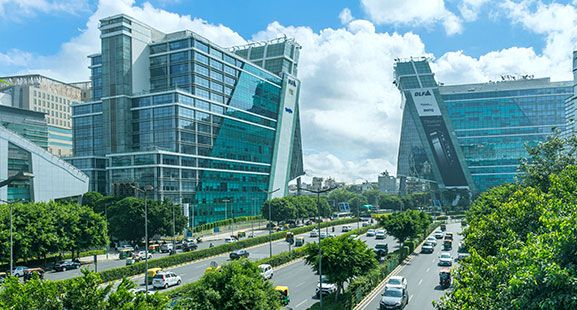
Gurgaon – Where Ancient Villages Meet Glass Skylines
Introduction
Gurgaon, now officially known as Gurugram, is a city of contrasts. Step out of a gleaming glass tower on Golf Course Road and you might find a centuries-old temple just a few lanes away. This is a city that grew from dusty farmland into India's most prominent corporate hub in just a few decades, yet it still holds on to pockets of Haryanvi culture, folklore, and heritage that many visitors never expect to find here.
For travelers, Gurgaon offers a mix of experiences rarely found together in one destination — rooftop lounges and luxury malls sit alongside ancient step wells, sprawling farmhouses, and quiet forest trails. Whether you are here for business, a weekend getaway, or simply passing through on the way to Delhi, Gurgaon has more to offer than its skyline suggests.
History
Gurgaon's name is believed to trace back to "Guru Gram," meaning the village of the guru, linked to the legend of Guru Dronacharya, the teacher of the Pandavas and Kauravas in the Mahabharata. Local folklore holds that this land was gifted to him by his royal students, which is why the city was officially renamed Gurugram in 2016 to honor this legacy.
For most of its history, Gurgaon remained a quiet agricultural region in Haryana, known for its farmland and small trading settlements. Its transformation began in the 1970s and accelerated dramatically in the 1990s, when liberalization and the entry of major corporations turned it into India's answer to a modern business district. Automobile giants, IT companies, and multinational firms set up base here, and within a few decades, Gurgaon evolved from farmland into a city of skyscrapers, tech parks, and luxury residences — one of the fastest urban transformations in India's history.
A quick historical timeline
From a Mahabharata-era village to a 1970s farming town to a 21st-century corporate skyline — few Indian cities have transformed as fast as Gurgaon.
Geography
Gurgaon lies in the northern Indian state of Haryana, bordering the southwestern edge of Delhi, which makes it part of the National Capital Region (NCR). The city sits on the edge of the Aravalli Range, one of the oldest mountain ranges in the world, giving it a slightly hilly and rocky terrain compared to the flat plains found elsewhere in Haryana.
The Aravallis also contribute several patches of forest and wilderness within and around the city, offering unexpected green spaces despite Gurgaon's urban reputation. The climate here is largely semi-arid, with hot summers, a humid monsoon season, and a pleasant, cool winter.
Terrain snapshot
Rocky Aravalli foothills to the south, flat urbanized plains to the north — this mix is what gives Gurgaon both its skyline and its surprising patches of wilderness.
Culture and Traditions
Gurgaon presents a fascinating cultural blend. At its roots lies traditional Haryanvi culture — known for its folk music, robust cuisine, wrestling traditions (akhadas), and warm rural hospitality. This heritage still survives in the villages and older parts of the city.
Layered on top of this is a cosmopolitan, corporate culture brought in by professionals from across India and abroad who now call Gurgaon home. This has created a unique social fabric where Haryanvi folk songs and traditional turbans coexist with international cuisines, global fashion brands, and a thriving nightlife scene. Hindi and Haryanvi are widely spoken, alongside English, which dominates the corporate and social scenes.
Everyday cultural mix
Local dialects, folk wrestling akhadas, and rural festivals exist just a few kilometers from co-working spaces and international food courts.
Architecture
Gurgaon's architecture is a striking study in contrast. The skyline is dominated by ultra-modern glass-and-steel skyscrapers, corporate towers, and luxury residential high-rises, particularly along Golf Course Road and Cyber City, which rival architecture found in Singapore or Dubai.
Yet scattered through the city are heritage structures that tell an older story — ancient step wells known as baolis, old Shiva temples, and rural havelis that reflect traditional Haryanvi construction. This blend of ultramodern design and historic rural architecture is one of the most distinctive things about exploring Gurgaon.
Old versus new
A five-minute drive can take you from a centuries-old baoli to a 40-storey glass tower — that contrast defines Gurgaon's built landscape.
Famous Places
Kingdom of Dreams
A one-of-a-kind live entertainment and cultural theatre that recreates India's diverse heritage, food, and performing arts under one roof. It is especially popular for its Bollywood-style theatrical shows and vibrant "Culture Gully" street food zone.
Good to know
Book show tickets in advance, especially on weekends, as popular performances sell out quickly.
Sultanpur National Park
A haven for bird watchers, this wetland sanctuary attracts hundreds of migratory bird species, especially in winter. It's a peaceful escape from the city's corporate hustle, ideal for nature walks and photography.
Good to know
Early morning visits between November and February offer the best birdwatching opportunities.
Cyber Hub
The social and culinary heart of Cyber City, this open-air hub is packed with restaurants, cafes, bars, and lounges. It comes alive in the evenings and is one of the best places to experience Gurgaon's modern nightlife.
Good to know
Weekday evenings are less crowded than weekends if you prefer a relaxed dining experience.
Damdama Lake
Located on the outskirts of the city, this is Haryana's second-largest natural lake, surrounded by the Aravalli hills. It's popular for boating, picnics, and weekend adventure activities like rock climbing and rappelling.
Good to know
Carry your own picnic supplies, as facilities near the lake are limited.
Sheetla Mata Mandir
One of the most revered temples in the region, dedicated to Goddess Sheetla. It draws large crowds of devotees, particularly during Navratri, and offers insight into the region's deep-rooted religious traditions.
Good to know
Dress modestly and expect large crowds during festival season.
Kamala Nehru Park
A well-maintained green space in the middle of the city, popular among joggers, families, and those looking for a quiet break from Gurgaon's fast pace.
Good to know
Early mornings and evenings are the best times to visit for a peaceful walk.
Famous Dishes
Bajra Khichdi
A traditional Haryanvi dish made from pearl millet and lentils, cooked with ghee and mild spices. It is hearty, nutritious, and reflects the rural roots of the region.
Kadhi Pakora
A tangy yogurt-based curry with fried gram flour dumplings, a comfort food staple across Haryanvi households and easily found in local eateries.
Singri Ki Sabzi
Made from a local desert bean, this rustic vegetable preparation is a regional specialty rarely found outside Haryana and Rajasthan, offering visitors a taste of authentic local cooking.
Modern Global Cuisine
Beyond traditional fare, Gurgaon's Cyber Hub and various malls serve an enormous variety of international cuisines — from Japanese and Italian to Lebanese and Thai — making the city a food lover's paradise for contemporary dining as well.
Famous Personalities
Kapil Dev
The legendary cricketer and 1983 World Cup-winning captain has strong roots in Haryana, and Gurgaon takes pride in its association with his legacy, having grown up in the broader Haryana cricketing culture.
Yuvraj Singh
Another cricketing icon from Haryana with strong ties to the region, celebrated for his contribution to Indian cricket and his connection to the local sporting culture that Gurgaon proudly claims as part of its heritage.
Festivals
Navratri
Celebrated with great devotion at temples like Sheetla Mata Mandir, this nine-night festival features fasting, prayers, and cultural gatherings, drawing devotees from across the region.
Holi
The festival of colors is celebrated enthusiastically across Gurgaon's neighborhoods and residential societies, blending traditional rituals with modern, large-scale community celebrations.
Baisakhi
Marking the harvest season, Baisakhi is celebrated with folk dances, traditional food, and community events, reflecting the agricultural heritage of the region.
Things to Do
- Explore the vibrant nightlife and dining scene at Cyber Hub
- Enjoy a cultural evening of theatre and food at Kingdom of Dreams
- Go bird watching or take a nature walk at Sultanpur National Park
- Try boating and adventure sports at Damdama Lake
- Visit ancient step wells and temples for a heritage walk
- Shop at high-end malls or explore local bazaars
- Relax at a golf course or spa resort for a luxury weekend
Where to Eat, Shop, and Stay
Where to Eat
Cyber Hub and Galleria Market are the go-to destinations, offering everything from street food to fine dining, covering cuisines from around the world as well as local Haryanvi flavors.
Where to Shop
Malls like Ambience Mall and MGF Metropolitan cater to luxury and mid-range shoppers alike, while local markets like Sadar Bazaar offer traditional goods, clothing, and everyday essentials at budget-friendly prices.
Where to Stay
Gurgaon caters to every type of traveler, from simple business hotels to five-star resorts.
Budget
Simple business hotels near Sohna Road and Old Gurgaon, ideal for short business stays or backpackers.
Mid-Range
Comfortable hotels near Cyber City and MG Road, offering good amenities close to shopping and dining hubs.
Luxury
Five-star properties and resorts along Golf Course Road, known for their spas, fine dining, and premium amenities.
What is Gurgaon Famous For?
Gurgaon is famous for being India's leading corporate and IT hub, its striking modern skyline, upscale malls, vibrant nightlife at Cyber Hub, and its unique blend of ancient Haryanvi heritage with contemporary urban living.
Best Time to Visit
The best time to visit Gurgaon is between October and March, when the weather is cool and pleasant, ideal for sightseeing and outdoor activities. Summers, from April to June, can be extremely hot, while the monsoon season (July to September) brings humidity along with occasional heavy rainfall.
How to Reach
By Air: Gurgaon is served by the nearby Indira Gandhi International Airport in Delhi, just a short drive away. By Train: Gurgaon Railway Station connects the city to major destinations across India. By Road: Excellent highways and expressways connect Gurgaon to Delhi and other parts of NCR, making it easily accessible by car, taxi, or bus.
Nearby Places
Delhi
India's capital city, just a short drive away, offering historic monuments, museums, and a completely different pace of exploration.
Sohna
Known for its natural hot springs and scenic hills, Sohna makes for a relaxing day trip from Gurgaon.
Alwar
A gateway to Rajasthan, Alwar offers forts, wildlife sanctuaries, and a glimpse into royal Rajasthani heritage, easily reachable from Gurgaon.
Best Duration for a Trip
2 days are generally sufficient to explore Gurgaon's major attractions, dining scene, and shopping destinations comfortably, though nature lovers may want an extra day for Sultanpur National Park and Damdama Lake.
Travel Tips
- Carry light, breathable clothing in summer and warmer layers for winter evenings
- Use app-based cabs or the Rapid Metro for convenient local travel
- Book hotels in advance during peak business travel seasons
- Dress modestly when visiting temples and religious sites
- Traffic can be heavy during office hours, so plan sightseeing accordingly
- Try both traditional Haryanvi food and international cuisine for a complete experience
Why Visit Gurgaon?
Gurgaon offers something genuinely rare — a city where a corporate skyline coexists with ancient temples and rural traditions. It's a destination for travelers who enjoy contrasts: fine dining one evening and folk culture the next, luxury shopping alongside quiet nature trails. Few cities in India offer such a seamless blend of old and new within such a compact area.
Conclusion
Gurgaon may be best known as a business hub, but it has quietly grown into a destination worth exploring for its own sake. From the buzzing lanes of Cyber Hub to the serene wetlands of Sultanpur National Park, and from ancient temples to luxury resorts, the city offers a little bit of everything. Whether you have a weekend or just a day to spare, Gurgaon promises an experience that goes well beyond its glass towers.
"Travel is the only thing you buy that makes you richer."