Fatehabad — Haryana's Quiet Chronicle of Ashoka, Aryans, and Ancient Rivers
Introduction
Fatehabad doesn't announce itself the way Haryana's bigger cities do. There's no towering skyline, just a compact, dusty-road town in the state's north-west sitting on layers of history most visitors never expect. This is a place where an Ashokan-era stone pillar stands quietly beside a mosque, and where archaeologists have dug up 5,000-year-old pottery from a river that no longer flows. Fatehabad rewards travelers who enjoy history without the crowds.
History
Fatehabad's story begins long before the town existed. Early Aryan settlers are believed to have first settled along the Saraswati and Drishadvati rivers, later expanding toward Hisar and Fatehabad. The region finds mention in the Puranas as part of the Nanda Empire, and Ashokan pillars found here confirm it was also part of the Mauryan Empire.
The town itself was founded in the 14th century by Delhi Sultanate ruler Firoz Shah Tughlaq, who named it after his son, Fateh Khan. Tughlaq dismantled an original Ashokan pillar, moved its lower half to Fatehabad, inscribed his own family history over it in Arabic, and used it to build a new lat beside a mosque in his fort — a rare, physical layering of two empires on one stone. Later, Mughal Emperor Humayun also built a mosque here during his troubled early reign. After Independence, Fatehabad remained part of Punjab until 1966, when it became part of the newly formed Haryana, later developing into a separate district.
Geography
Fatehabad sits in north-western Haryana, bordered by Punjab, Hisar, Jind, and Rajasthan, about 208 km west of Delhi on the Delhi-Sirsa highway. Much of its ancient importance comes from the now-dry Saraswati and Drishadvati rivers, whose old beds host major archaeological sites like Kunal and Banwali. The terrain is flat, semi-arid, and largely agricultural, forming the backbone of the region's economy.
Culture and Traditions
Life here moves at an unhurried, rural pace. Hindi and Haryanvi are widely spoken, and daily life stays closely tied to wheat and paddy farming. Fatehabad has a strong handloom and handicraft tradition — local artisans weave durries, shawls, and carpets passed down through generations. Its mix of temples, mosques, and Sufi shrines reflects centuries of diverse rule and settlement.
Architecture
Fatehabad's architecture spans the Mauryan, Sultanate, and Mughal periods within a small area. The Lat of Feroz Shah — an Ashokan pillar repurposed by Tughlaq — stands beside Humayun's Mosque, built during the emperor's brief and troubled rule. Beyond monuments, the archaeological mounds at Kunal reveal how ancient dwellings evolved from pit-houses to mud-brick, and finally kiln-baked brick structures.
Famous Places
Lat of Feroz Shah (Ashoka Pillar)
A stone pillar originally carved under Emperor Ashoka, later repurposed by Firoz Shah Tughlaq, who added his own inscriptions over the ancient script. Standing roughly 15.6 feet tall beside a mosque, it's one of the town's most historically layered monuments.
Historical Layers on One Pillar
The pillar carries both Ashokan-era carvings and Tughlaq's Arabic inscriptions, making it a rare single-structure timeline of two empires.
Visiting the Site
The pillar sits within an idgah enclosure, so approach it with the same respect given to any active religious space.
Quick Tip
Go with a local guide — the layered history is easy to miss without context on which portions date to which era.
Kunal Archaeological Mound
Located on the dry bed of the ancient Saraswati river, Kunal is one of Haryana's most significant archaeological sites, where excavations have revealed pottery, silver coins, and jewelry from Pre-Harappan and Harappan cultures.
What Excavations Revealed
Archaeologists uncovered pottery, terracotta cakes, silver coins, a crown, and jewelry made from semi-precious stones, tracing three distinct phases of Pre-Harappan settlement.
Why It Matters
The site shows how early inhabitants progressed from simple pit-dwellings to mud-brick homes, and eventually to structures built with kiln-baked bricks.
Quick Tip
Combine this visit with Agroha Dham, since both sites sit along the same historical stretch near Fatehabad.
Agroha Dham
About 20 km from Fatehabad on the Hisar road, this site combines a temple dedicated to Goddess Mahalakshmi with a museum showcasing artifacts from the ancient city of Agroha.
Humayun's Mosque
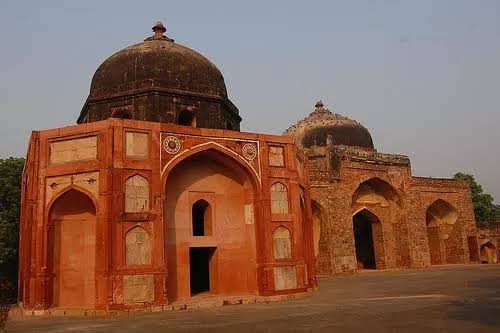
Built by Mughal Emperor Humayun during his reign, marking a spot where he halted after his defeat by Sher Shah Suri.
Papiha Park and Chilli Lake
A green park and a scenic lake, both popular with locals for relaxed evening walks, picnics, and photography — a calm break from the history-heavy sightseeing circuit.
Famous Dishes
Bikaneri Misthan Sweets
Rich, milk-based sweets slow-cooked for a deep caramelized flavor, made by generations of local halwais — best tried at long-running shops near the Old Bus Stand.
Kachori
A hot, flaky, lentil-stuffed snack, best enjoyed fresh each morning from shops in the main market — a true Fatehabad breakfast ritual.
What Makes It Special
The filling combines spiced lentils with a light, crisp outer shell, giving it a satisfying texture that's best straight off the pan.
Best Time to Eat It
Mornings are ideal, since the kachoris are typically made fresh in batches early in the day and taste best while still warm.
Fast Fact
Local shops often sell out of their morning batch within a few hours, so early risers get the freshest pick.
Haryanvi Kadhi and Bajra Roti
A tangy yogurt curry paired with hearty millet flatbread, reflecting the region's agrarian roots and everyday home cooking.
Rabri
A creamy, milk-based dessert especially popular here thanks to Fatehabad's strong dairy-farming background.
Famous Personalities
Pandit Jasraj
Born in the village of Pili Mandori, now part of Fatehabad district, Pandit Jasraj became one of India's most revered classical vocalists, celebrated for his mastery of the Mewati gharana style. His humble Haryana roots remain a deep source of regional pride.
Musical Legacy
His contributions to Hindustani classical music earned him recognition as one of his generation's greatest vocalists.
Connection to Fatehabad
Though his career unfolded in Hyderabad, Kolkata, and Mumbai, his birthplace here remains a proud local connection.
Fast Fact
He came from a family of musicians — his father was a classical singer too.
Jashan Aulakh
Born in Fatehabad in 1999, Jashan Aulakh is an actor known for his role in Housefull 4, representing a newer generation from the town making its mark in entertainment.
Festivals
Peeran Da Mela
A significant Sufi festival held at a local dargah, drawing devotees for spiritual gatherings, music, and community feasting.
Diwali
Celebrated with lights, sweets, and family gatherings, with local sweet shops working overtime in the lead-up.
Baisakhi
Given the town's agricultural identity and proximity to Punjab, Baisakhi is celebrated enthusiastically to mark the harvest season.
Things to Do
- Trace three empires in one visit at the Lat of Feroz Shah
- Explore the Kunal archaeological mound
- Visit Agroha Dham for a combined religious and historical experience
- Shop for local handloom and durries
- Take a quiet evening walk at Papiha Park or Chilli Lake
- Sample fresh kachoris and traditional sweets
- Attend the Peeran Da Mela, if timing allows
Where to Eat, Shop, and Stay
Eat: Head to the main market for fresh kachoris in the morning, and to shops near the Old Bus Stand and Jawahar Chowk for traditional milk-based sweets.
Shop: Local markets are the best place for handloom products — durries, shawls, and carpets crafted by regional artisans, alongside everyday shopping in the main bazaar.
Stay: Budget guesthouses and small hotels cover most needs for a short visit. Mid-range hotels near the town center offer more comfort. For luxury stays, most travelers base themselves in nearby Hisar (about 50 km away) and visit Fatehabad as a day trip.
What is Fatehabad Famous For?
Fatehabad is known for its rare concentration of ancient history — Ashokan pillars, Harappan archaeological sites, and Mughal-era mosques — alongside its handloom traditions, strong agricultural identity, and its connection to classical music legend Pandit Jasraj.
Best Time to Visit
October to March is ideal, with cool, comfortable weather for sightseeing. Winters can turn quite cold, with January lows around 9°C. Summers (April–June) are harsh, often crossing 40°C, and are best avoided.
How to Reach
By Air: The nearest major airport is in Chandigarh, connected onward by bus or taxi. By Rail: Fatehabad has broad-gauge rail links to Punjab, Delhi, and Sirsa. By Road: The town lies on NH-9, about 208 km west of Delhi, accessible via Rohtak, Hansi, and Hisar.
Nearby Places
Hisar
About 50 km away, offering more hotels, restaurants, and additional historical sites — a practical base for exploring the region.
Why It Complements a Fatehabad Trip
Hisar's wider range of accommodation and dining makes it a comfortable base while exploring Fatehabad's sites during the day.
Getting There
The two towns are well connected by road, making it easy to combine both in a single short trip.
Quick Tip
Consider basing yourself in Hisar and treating Fatehabad as a focused day trip if you prefer more amenities.
Sirsa
Roughly 55 km away, known for its own religious and cultural landmarks.
Kaithal
Around 90 km away, adding further depth to a regional heritage trail with its own temples and historic sites.
Best Duration for a Trip
1 to 2 days is enough to comfortably cover Fatehabad's main sites, markets, and food spots. Combine it with Hisar or Sirsa for a fuller 3–4 day regional trip.
Travel Tips
- Visit between October and March for the best weather.
- Carry water and sun protection for outdoor sites in warmer months.
- Hire a car or taxi, since local public transport is limited.
- Respect local customs at religious and historical sites.
- Try the kachoris early in the morning, when freshest.
- Keep cash handy in local markets and smaller shops.
- Base yourself in Hisar for more accommodation choices, if needed.
Why Visit Fatehabad?
Fatehabad offers something genuinely rare — a small, uncrowded town where you can stand beside a pillar carrying the fingerprints of Emperor Ashoka and a 14th-century Sultanate ruler, then walk a short distance to a site revealing how people lived here 5,000 years ago. It's built for travelers who enjoy tracing history layer by layer, without the crowds.
Conclusion
Fatehabad is a town that rewards patience. Between its Ashokan pillar, Harappan-era sites, Sufi shrines, and its quiet link to a classical music legend, this small corner of Haryana holds far more history than its size suggests. A short, unhurried visit here — paired with fresh kachoris and a walk through its old markets — offers a genuinely rooted side of North India's travel story.
"Travel is the only thing you buy that makes you richer."