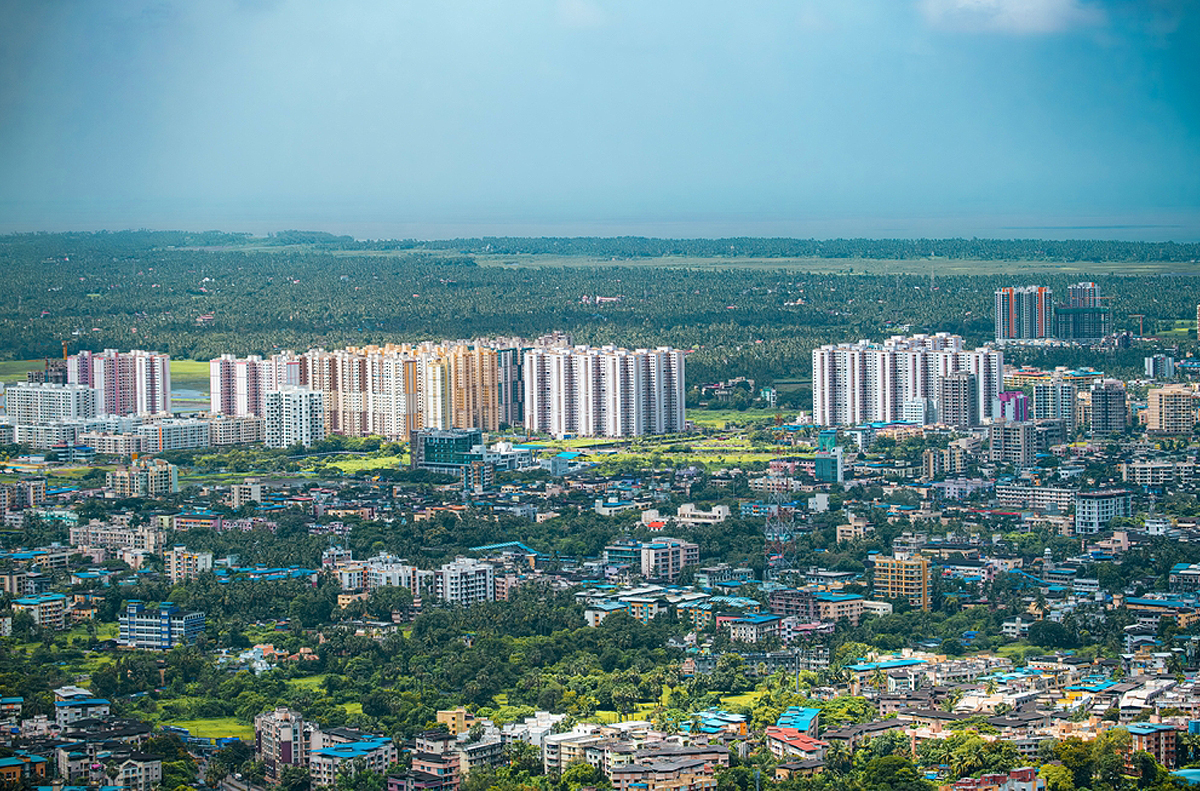
Sonipat — The Golden City the Pandavas Built
Introduction
Long before it became one of Delhi NCR's fastest-growing satellite cities, Sonipat carried a far grander name — Swarnaprastha, the "Golden City," said to have been founded by the five Pandava brothers during the Mahabharata. Centuries later, this same ground witnessed a moment of profound Sikh sacrifice at Badkhalsa, and today it produces some of India's finest Olympic wrestlers. Sonipat wears its layers well — ancient legend, Mughal-era tombs, Sikh martyrdom, and modern industrial ambition, all within a compact city just 44 km from Delhi.
History
According to tradition, Sonipat was founded as Swarnaprastha, meaning "Golden City," by the five Pandava brothers during the era of the Mahabharata — one of the five prasthas the Pandavas are said to have established. Some local accounts also credit Raja Soni, described as the 13th descendant of Arjuna, with the city's founding. Beyond legend, historical evidence places the city's existence as far back as 600 BC, referenced in the Ashtadhyayi, the celebrated Sanskrit grammar text composed by Panini.
One of Sonipat's most significant historical moments came after the martyrdom of Guru Tegh Bahadur, the ninth Sikh Guru. Following his execution, Bhai Jaita Ji picked up the Guru's severed head and carried it to safety, with the site now marked and commemorated at Badkhalsa, one of the district's most historically significant memorials. The region's spiritual history runs deeper still — the village of Nahri is linked to Baba Puranmal, son of King Salewan of Sialkot, who arrived here centuries ago to meditate, part of a wider tradition of saints practicing tapasya in the area's once-dense forests.
Administratively, Sonipat district was carved out of the erstwhile Rohtak district on 22nd December 1972, giving the city its own independent identity within Haryana.
Geography
Sonipat is located roughly 44 km north of Delhi, in the south-eastern part of Haryana, bounded by the districts of Rohtak, Jind, and Panipat, and sharing an inter-state boundary with Meerut district in Uttar Pradesh. Its proximity to the capital has made it an increasingly important part of the National Capital Region.
The surrounding landscape reflects Haryana's broader fertile agricultural plains, historically supported by dense forest cover in areas like Nahri village, though much of this has given way to agricultural and urban development over time. The climate here is hot and dry for much of the year, following a typical North Indian pattern, with the cooler months from late October through early March offering by far the most comfortable conditions for sightseeing.
Culture and Traditions
Sonipat's culture blends deep-rooted Haryanvi traditions with the city's growing identity as an educational and industrial hub within the NCR. Hindi and Haryanvi are the primary spoken languages, and daily life remains connected to the region's agrarian roots even as the city modernizes rapidly.
Religious harmony forms an important part of Sonipat's cultural identity, exemplified by sites like the Mama Bhanja Dargah, which represents a genuine coming-together of Hindu and Muslim traditions. The city also carries a strong sporting culture, particularly renowned for producing world-class wrestlers, a legacy deeply woven into local pride and youth culture across the district's villages.
Architecture
Sonipat's architecture spans Mughal-era tombs, Sikh memorial sites, and ancient temple structures. The Khwaja Khizr Tomb, dating back to the 16th century, stands as one of the city's most striking architectural landmarks, its stunning marble structure and intricate carvings reflecting genuine Mughal-era craftsmanship.
The Badkhalsa Memorial showcases a different architectural tradition entirely, combining beautiful commemorative design with tranquil gardens to honor the sacrifices of the Khalsa warriors and the historic act of Bhai Jaita Ji. Older religious architecture is represented by the Old Maa Kaali Temple, whose roots trace back to the Mahabharata period, offering a striking contrast to the city's more recently built structures.
Famous Places
Khwaja Khizr Tomb
A 16th-century historical landmark featuring a stunning marble structure with intricate carvings that exemplify Mughal architectural finesse. Devotees and tourists alike visit to seek blessings, meditate, and take in the site's serene atmosphere.
Mughal-Era Craftsmanship
The tomb's marble work and detailed carvings represent some of the finest surviving examples of 16th-century architectural artistry in the district.
Visiting Tips
The site remains open daily from early morning to evening, making it easy to fit into a broader day of sightseeing around Sonipat.
Quick Tip
Visit in the early morning for the most peaceful atmosphere, before the site sees its larger daily footfall.
Badkhalsa Memorial
A significant historical site commemorating the sacrifices of the Khalsa warriors, tied directly to the story of Bhai Jaita Ji, who carried the severed head of Guru Tegh Bahadur to safety after his martyrdom. Featuring beautiful architecture and tranquil gardens, it remains ideal for history enthusiasts and peaceful strolls alike.
Old Maa Kaali Temple
A temple with roots tracing back to the Mahabharata period, reflecting Sonipat's ancient religious heritage and remaining an active site of worship for local devotees today.
Shambhu Nath, Nahri
Located in the hamlet of Nahri, this site's history dates back thousands of years to when Baba Puranmal, son of King Salewan of Sialkot, arrived here to meditate. Ancient trees of the Gular, Peepal, Bargad, and Janti species still stand in the surrounding area, evoking the region's once-dense forest.
Mama Bhanja Dargah
A dargah represents genuine harmony between Hindu and Muslim communities, drawing devotees from both traditions and reflecting Sonipat's broader spirit of religious coexistence.
Baba Dham Mandir
A revered Hindu temple dedicated to Lord Shiva, known for its spiritual significance and vibrant festivities, attracting numerous devotees and visitors throughout the year.
Famous Dishes
Ghevar
Sonipat's signature sweet, this disc-shaped dessert made with flour, sugar syrup, milk, and clarified butter is especially popular during the monsoon season, and remains a genuine point of local culinary pride.
Bajra Roti with Sarson Saag
A hearty combination of millet flatbread and mustard greens curry, deeply rooted in the region's agrarian food culture and especially popular during winter months.
Local Dhaba Fare
Sonipat is well known for its dhabas and roadside eateries, serving hearty North Indian staples that draw both locals and travelers passing through on the Delhi highway corridor.
Lassi
Thick, creamy, and generously sweetened, lassi remains a favorite refreshment across Sonipat's local eateries, reflecting the region's strong dairy-farming tradition.
Famous Personalities
Yogeshwar Dutt
Born in Sonipat, Yogeshwar Dutt is one of India's most celebrated freestyle wrestlers, having won bronze at the 2012 Summer Olympics and gold at both the 2010 and 2014 Commonwealth Games. He was awarded the Padma Shri by the Government of India in 2013, cementing his place among Haryana's greatest sporting icons.
A Career Defined by Resilience
Dutt famously competed at the 2006 Asian Games in Doha just days after his father's death and while suffering from a knee injury, still managing to win bronze — a moment that came to define his reputation for grit.
Connection to Sonipat
His roots in Sonipat remain a defining part of his public identity, tying one of India's most decorated wrestlers directly to the district's proud wrestling tradition.
Fast Fact
His 2012 Olympic bronze medal remains one of the most celebrated individual sporting achievements associated with Sonipat district.
Sarita Mor
Born on 16th April 1995 in Sonipat district, Sarita Mor is an Indian freestyle wrestler who won gold at the 2020 Asian Wrestling Championships in the 59 kg category and silver at both the 2017 and 2021 editions, reflecting the district's continued strength in producing world-class wrestling talent.
Festivals
Diwali
Celebrated with lit-up homes, festive markets, and family gatherings, Diwali brings Sonipat's bazaars alive with shoppers in the days leading up to the celebration.
Baisakhi
Marking the harvest season, Baisakhi is celebrated with genuine community spirit across this agriculture-driven district, tied closely to the region's farming calendar.
Guru Tegh Bahadur Martyrdom Observances
Given Sonipat's direct historical connection to Bhai Jaita Ji and Badkhalsa, religious observances honoring Guru Tegh Bahadur's martyrdom hold special significance in the district.
Things to Do
- Visit Khwaja Khizr Tomb, admiring its 16th-century Mughal craftsmanship.
- Pay respects at Badkhalsa Memorial, tracing a pivotal moment in Sikh history.
- Explore the Old Maa Kaali Temple, rooted in Mahabharata-era legend.
- Visit Shambhu Nath in Nahri, tracing centuries of spiritual heritage.
- Experience the harmony of Mama Bhanja Dargah, a genuine multi-faith site.
- Sample fresh Ghevar, Sonipat's signature monsoon-season sweet.
- Explore local dhabas, a genuine taste of highway-corridor Haryanvi food culture.
Where to Eat, Shop, and Stay
Eat: Sonipat is well known for its dhabas and roadside eateries, serving hearty North Indian staples alongside the city's signature sweet, Ghevar, best sampled during the monsoon season.
Shop: Local markets across Sonipat offer everyday goods and regional produce, with the city's proximity to Delhi also making it easy to combine a Sonipat visit with a shopping trip to the capital.
Stay:
- Budget: Simple guesthouses and small hotels cover most short-stay needs for travelers passing through.
- Mid-range: A handful of comfortable hotels near the city center offer better amenities for a more relaxed stay.
- Luxury: For a unique heritage stay, Shikwa Haveli, located about 33 km from Sonipat, offers a charming homestay experience steeped in regional history.
What is Sonipat Famous For?
Sonipat is best known as the mythological "Golden City" founded by the Pandavas, its historical connection to Sikh martyrdom at Badkhalsa, and its modern reputation for producing world-class wrestlers. It's also recognized for its signature sweet, Ghevar, and its growing role as an educational and industrial hub within the NCR.
Best Time to Visit
Late October to early March is the ideal window to visit Sonipat, when the weather turns cool and comfortable for exploring temples, tombs, and historical sites. Summers turn hot and dry, making outdoor sightseeing more difficult, so the winter season remains the clear favorite among travelers.
How to Reach
By Air: The nearest airport is Indira Gandhi International Airport in Delhi, roughly 40 km away.
By Rail: Sonipat has its own railway station, well connected to Delhi and other major cities on the Northern Railway network.
By Road: Sonipat is well connected via National Highway 44, with regular bus services linking it to Delhi and other parts of Haryana, making it an easy weekend destination from the capital.
Nearby Places
Delhi
Just 44 km away, Delhi offers an easy and essential extension to any Sonipat trip, with its iconic monuments, museums, and markets complementing Sonipat's own historical sites.
Why It Complements a Sonipat Trip
Given Sonipat's proximity to the capital, combining both destinations offers travelers a well-rounded mix of ancient legend and modern city experiences.
Getting There
Delhi is easily reached from Sonipat by road or rail in under an hour.
Quick Tip
Combine a Sonipat morning at Khwaja Khizr Tomb with a Delhi afternoon at a major monument for a well-rounded day trip.
Panipat
About 45 km away, Panipat is renowned for its three historic battles and monuments, adding further depth to a regional heritage circuit.
Rohtak
Roughly 40 km away, Rohtak offers its own archaeological sites and scenic lakes, extending a Sonipat-based itinerary further into central Haryana.
Best Duration for a Trip
1 to 2 days is generally sufficient to comfortably explore Sonipat's tombs, temples, and local markets. Travelers combining it with Delhi or Panipat can extend this into a fuller 3-day regional trip.
Travel Tips
- Visit between late October and early March for the most comfortable sightseeing weather.
- Dress modestly and respect local customs when visiting temples, tombs, and dargahs.
- Carry cash, as smaller markets and eateries may not accept digital payments.
- Try Ghevar during the monsoon season for the most authentic local culinary experience.
- Hire a local taxi for easier movement between Sonipat's scattered historical sites.
- Combine a Sonipat visit with Delhi, given the short and convenient distance between the two.
Why Visit Sonipat?
Sonipat offers a genuinely layered experience just outside Delhi — a city whose mythological origins as the Pandavas' Golden City sit alongside real Sikh historical sacrifice, Mughal-era architecture, and a modern legacy of producing Olympic-caliber wrestlers. It rewards travelers looking for substantial history within easy reach of the capital, without the crowds of more mainstream NCR destinations.
Conclusion
Sonipat may be best known today as a fast-growing NCR satellite city, but it holds a genuinely rich blend of mythology, sacrifice, and sporting glory. From the marble artistry of Khwaja Khizr Tomb to the solemn grounds of Badkhalsa, and from its Golden City origins to its wrestling champions like Yogeshwar Dutt, this quiet Haryana city rewards travelers willing to look beyond the highway. A short visit here, paired with a plate of fresh Ghevar and a walk through its old town, offers a genuinely rooted glimpse into one of the National Capital Region's most historically layered corners.
"Travel is the only thing you buy that makes you richer."