Explore Haryana
Discover Haryana
Cities of Haryana
Haryana – The Land of History, Heritage and Rural Culture
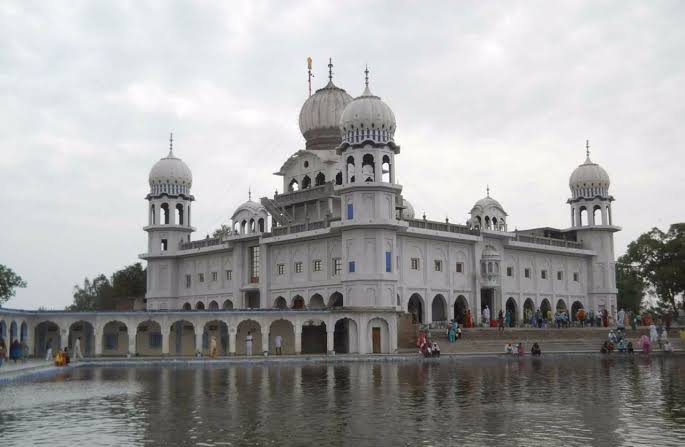
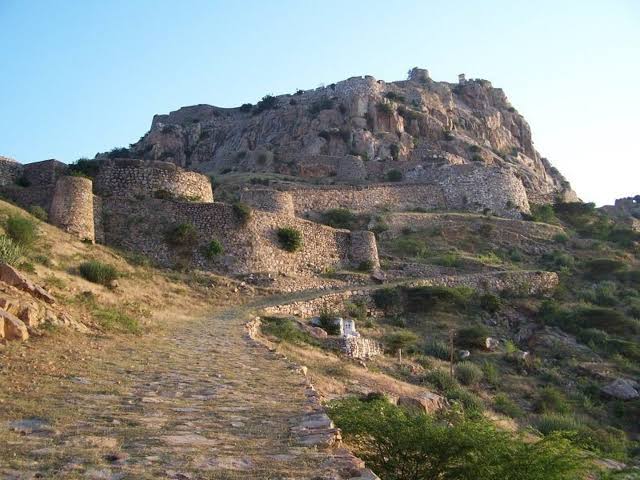
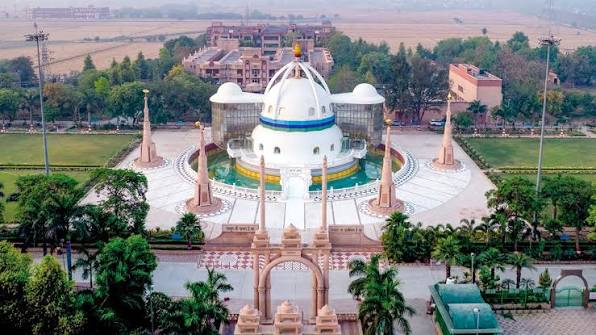
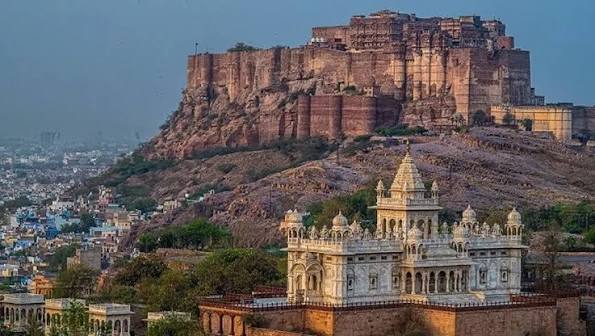
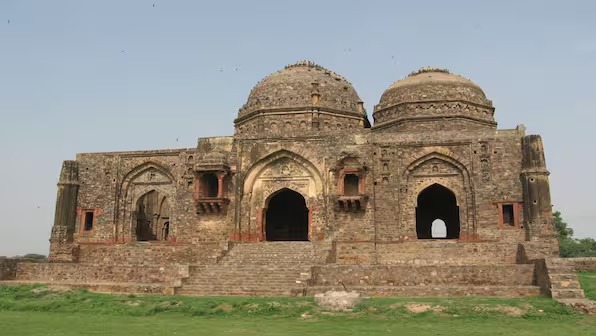
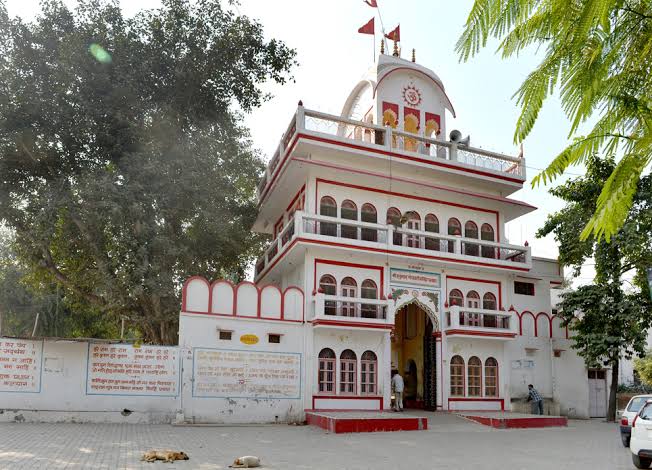
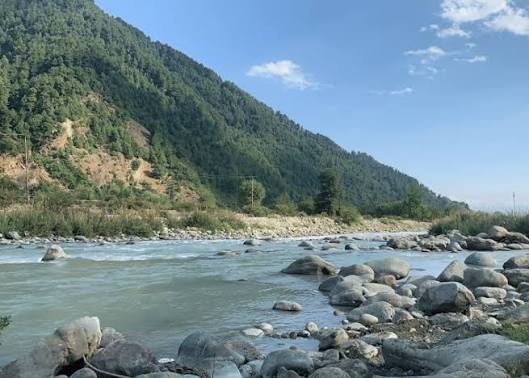
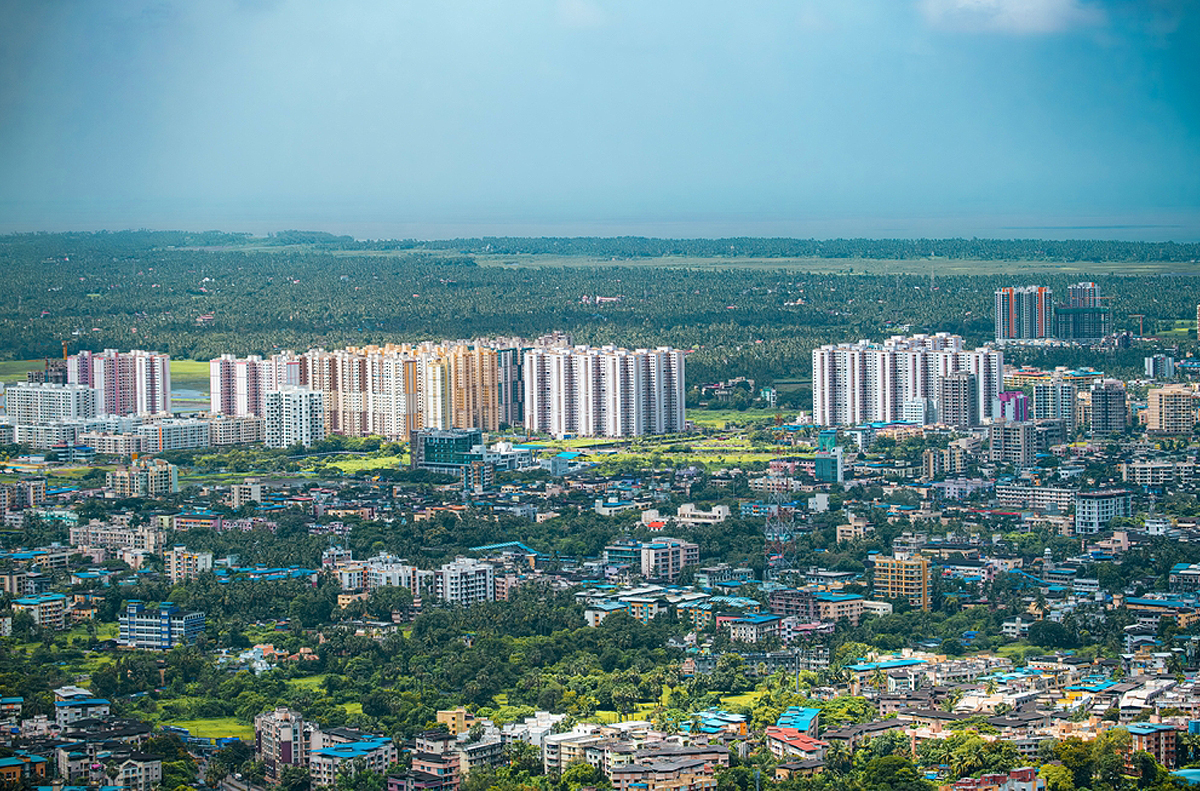
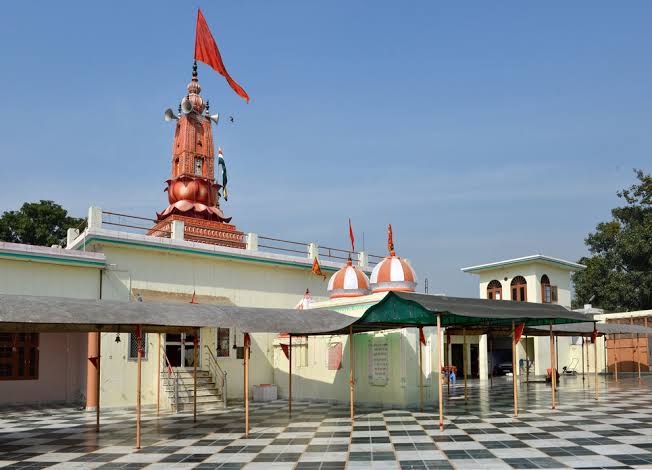
Haryana is a vibrant state in northern India where ancient history, religious traditions, agricultural heritage, modern industry and rapidly developing cities exist side by side. Located around the National Capital Region, Haryana combines historic battlefields, pilgrimage centres, archaeological sites, traditional villages, wildlife areas and modern urban destinations.
The state is particularly famous for its association with Kurukshetra and the Mahabharata, the historic battles of Panipat, Surajkund's traditional crafts, Morni Hills, ancient archaeological sites and its strong agricultural and sporting traditions.
Haryana was formed as a separate state on 1 November 1966 following the reorganisation of the former state of Punjab. Its capital is Chandigarh, which is also the joint capital of Punjab and Haryana.
Today, Haryana is one of India's important agricultural, industrial and economic regions. Its proximity to Delhi has contributed to the rapid development of cities such as Gurugram, Faridabad, Sonipat and Panchkula. At the same time, much of the state retains its traditional rural character and cultural identity.
Why Is Haryana Famous and Why Should You Visit?
Haryana is famous for its historical importance, religious heritage, traditional culture, agriculture, sports and modern economic centres. The state offers a different travel experience from the hill stations and coastal destinations commonly associated with Indian tourism.
- Kurukshetra: A major pilgrimage destination associated with the Mahabharata and the Bhagavad Gita.
- Panipat: Famous for the three major battles that played important roles in the history of northern India.
- Surajkund: Known for its traditional crafts and the internationally recognised Surajkund International Crafts Festival.
- Morni Hills: A scenic destination in the Shivalik range offering hills, lakes, trekking and nature experiences.
- Rakhigarhi: An important archaeological site associated with the Indus Valley Civilisation.
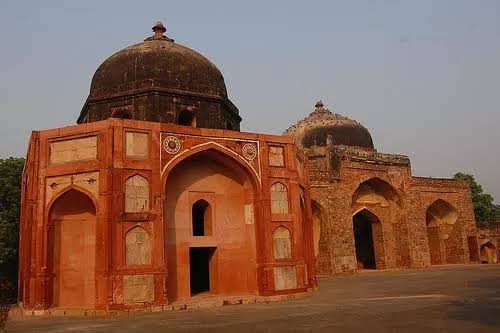
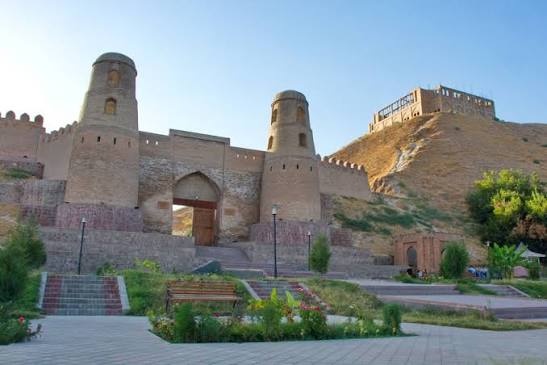
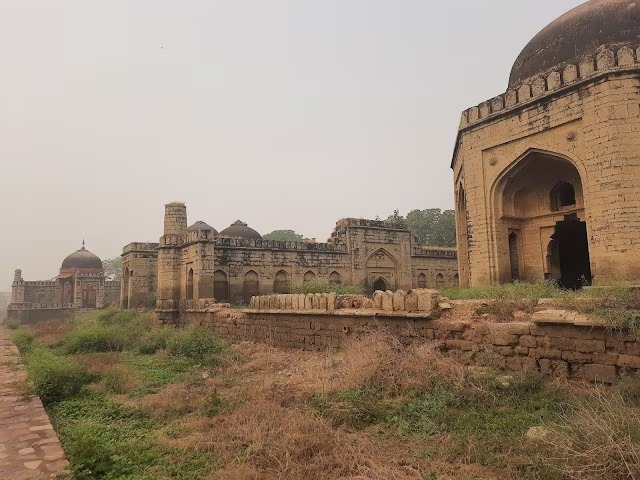
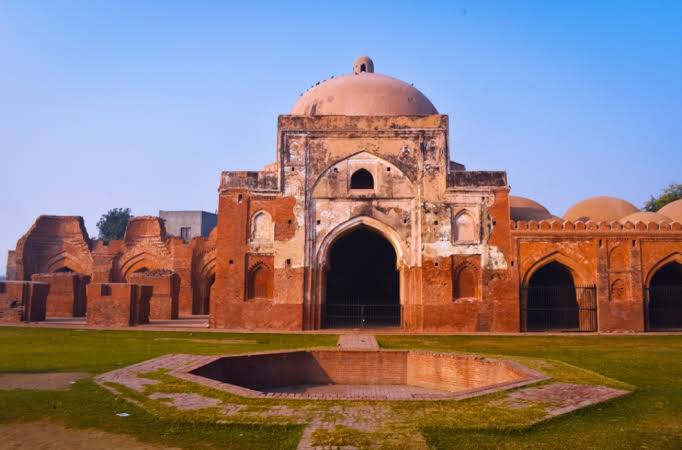
- Historic Architecture: Haryana has forts, palaces, tombs, temples, mosques and archaeological remains.
- Rural Culture: Traditional villages, farms, cattle, folk music and local customs remain an important part of Haryana's identity.
- Haryanvi Cuisine: Simple and wholesome food based on grains, vegetables, dairy products and traditional cooking.
- Sports: Haryana has a strong sporting culture and has produced many internationally recognised athletes.
- Modern Cities: Gurugram and Faridabad have developed into major business, industrial and commercial centres.
Haryana Tourism describes the state as a destination where heritage, culture, pilgrimage, adventure, eco-tourism, farm tourism and modern tourism experiences come together. :contentReference[oaicite:0]{index=0}
History of Haryana
Ancient History
Haryana has a very long archaeological and cultural history. Archaeological discoveries in different parts of the state provide evidence of prehistoric and Harappan settlements.
Sites such as Rakhigarhi, Banawali, Mitathal and Naurangabad have contributed important evidence for understanding the ancient cultures of northwestern India.
Haryana Tourism notes archaeological evidence of pre-Harappan and Harappan culture at several sites across the state. :contentReference[oaicite:1]{index=1}
Vedic and Mahabharata Traditions
Haryana occupies an important place in India's religious and cultural traditions. Kurukshetra is traditionally associated with the great battle described in the Mahabharata and with the dialogue between Lord Krishna and Arjuna that forms the Bhagavad Gita.
The Haryana Government identifies Kurukshetra as an important part of the state's ancient cultural and religious heritage and refers to the region's association with Vedic traditions and the Mahabharata. :contentReference[oaicite:2]{index=2}
Medieval Haryana
The geographical position of Haryana made it an important gateway to northern India. Armies travelling between the northwestern frontier, Delhi and the Gangetic plains frequently passed through the region.
As a result, the area witnessed numerous political conflicts and military campaigns involving different dynasties and rulers.
Panipat and Historic Battles
Panipat is particularly important in Indian history because of the First, Second and Third Battles of Panipat.
- First Battle of Panipat – 1526: Babur defeated Ibrahim Lodi, leading to the establishment of Mughal rule in northern India.
- Second Battle of Panipat – 1556: Akbar's forces defeated Hemu, strengthening Mughal control.
- Third Battle of Panipat – 1761: Ahmad Shah Abdali defeated the Maratha forces in one of the major battles of 18th-century Indian history.
These battles had consequences far beyond Panipat and significantly influenced the political history of northern India.
British Period
During British rule, the Haryana region was administered as part of Punjab. The region maintained its distinct linguistic, social and cultural identity.
The Haryana Government's historical account notes that the region was attached to Punjab in the 19th century and that the movement for a separate state developed over time. :contentReference[oaicite:3]{index=3}
Formation of Haryana
Haryana became a separate state on 1 November 1966 following the reorganisation of Punjab.
Since its formation, Haryana has developed rapidly in agriculture, manufacturing, infrastructure, services and urban development. Haryana Tourism notes the state's substantial development since its creation in 1966. :contentReference[oaicite:4]{index=4}
Geography of Haryana
Haryana is located in northern India and occupies an important geographical position between the Himalayan foothills and the plains of northern India.
The state borders Punjab and Himachal Pradesh in the north, Rajasthan in the west and south, and Uttar Pradesh and Uttarakhand in the east. Delhi is surrounded by Haryana on three sides, making a significant portion of the state part of the National Capital Region.
The Yamuna forms an important part of Haryana's eastern boundary. :contentReference[oaicite:5]{index=5}
| Geographical Feature | Details |
|---|---|
| Region | Northern India |
| Capital | Chandigarh |
| Area | Approximately 44,212 sq. km. |
| Districts | 22 |
| Major River | Yamuna |
| Major Hill Region | Shivalik Hills and Aravalli outliers |
| Neighbouring States | Punjab, Himachal Pradesh, Rajasthan, Uttar Pradesh and Uttarakhand |
Natural Regions
The geography of Haryana includes several distinct natural landscapes.
- Shivalik Hills: Found in the northern part of the state, particularly around Panchkula.
- Alluvial Plains: The Ghaggar-Yamuna plain covers a large portion of Haryana.
- Aravalli Outliers: These occur mainly in southern Haryana.
- Bagar and Sandy Plains: Sandy landscapes occur particularly in southwestern districts.
- Foothill Areas: The areas below the Shivaliks provide transitional landscapes between hills and plains.
The Haryana Government identifies five major natural topographic divisions: Bagar and sandy plains, alluvial plains, Aravalli outliers, Shivaliks and the foothill zone. :contentReference[oaicite:6]{index=6}
Climate of Haryana
Haryana has a predominantly continental climate with significant seasonal variation. Summers can be very hot, while winters can be distinctly cold.
| Season | Approximate Period | Weather |
|---|---|---|
| Winter | November – February | Cool to cold, with chilly mornings and nights |
| Summer | March – June | Hot and generally dry |
| Monsoon | July – October | Warm, humid and rainy |
| Spring | February – March | Generally pleasant |
Haryana Tourism describes summers as hot, winters as quite cold and rainfall as moderate, with some parts of the state experiencing rainfall deficiency. :contentReference[oaicite:7]{index=7}
Famous Places to Visit in Haryana
1. Kurukshetra
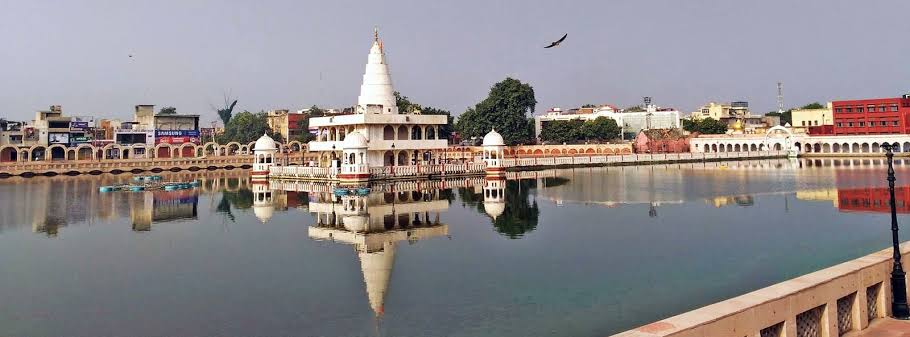
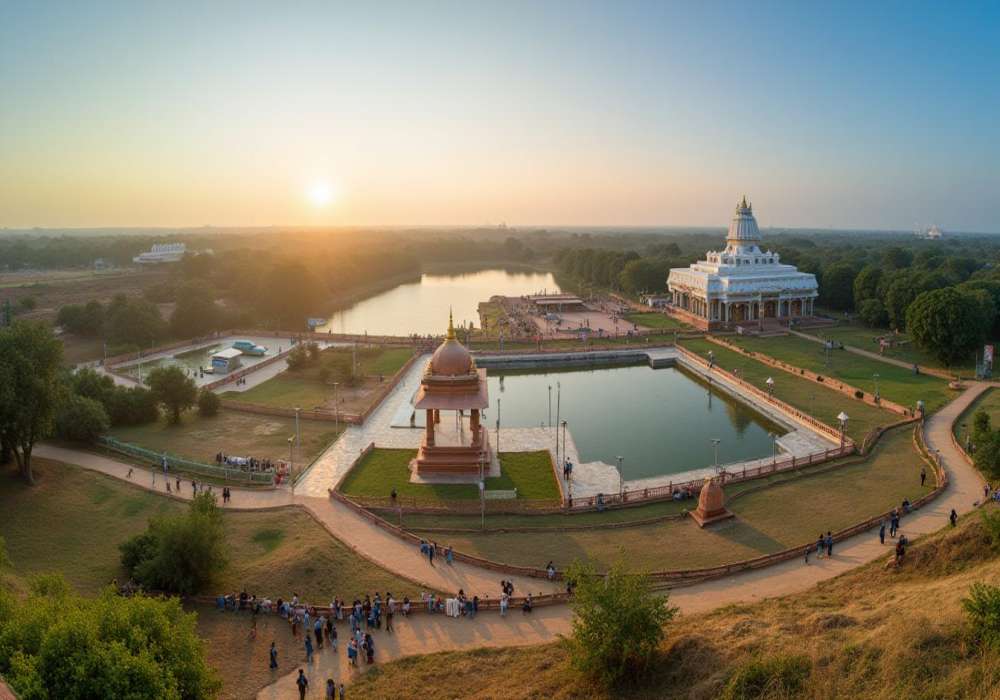
Kurukshetra is one of Haryana's most important religious and historical destinations. It is traditionally associated with the Mahabharata and is revered as the place where Lord Krishna delivered the Bhagavad Gita to Arjuna.
Important attractions include Brahma Sarovar, Jyotisar, Sthaneshwar Mahadev Temple and Kurukshetra Panorama and Science Centre.
Haryana Tourism describes Kurukshetra as an important pilgrimage centre associated with the Mahabharata and the Bhagavad Gita. :contentReference[oaicite:8]{index=8}
2. Panipat
Panipat is one of India's most historically significant cities because of the three major battles fought here. The city is also known for its textile and handloom industry.
3. Morni Hills
Morni Hills is a scenic hill destination in Panchkula district and forms part of the Shivalik range.
The area is known for its forests, lakes, trekking opportunities, wildlife and pleasant hill environment. Tikkar Tal, with its two lakes, is one of the region's popular attractions. :contentReference[oaicite:9]{index=9}
4. Surajkund
Surajkund in Faridabad is famous for its historic reservoir and the Surajkund International Crafts Festival, which celebrates traditional crafts, handlooms, food and cultural performances from India and other participating regions.
5. Pinjore and Yadavindra Gardens
Yadavindra Gardens at Pinjore are historic Mughal-style gardens known for their landscaped terraces, fountains, water channels and architectural features.
The gardens are among Haryana's important heritage tourism attractions. :contentReference[oaicite:10]{index=10}
6. Gurugram
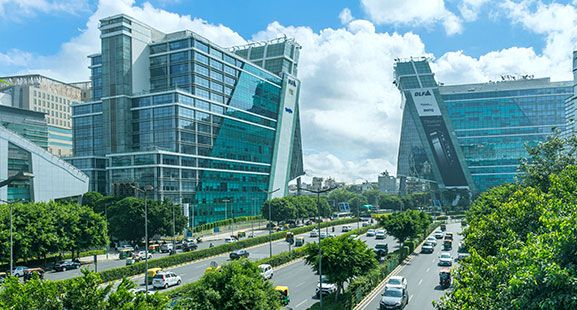
Gurugram is Haryana's major modern corporate and commercial centre. The city is known for its high-rise business districts, technology companies, shopping malls, restaurants, entertainment venues and modern infrastructure.
At the same time, the city has historic associations with the Mahabharata tradition and the figure of Dronacharya.
7. Sultanpur National Park
Sultanpur National Park near Gurugram is known for its wetland habitat and birdlife. It is an attractive destination for birdwatchers and nature enthusiasts, particularly during migratory seasons.
8. Raja Nahar Singh Palace
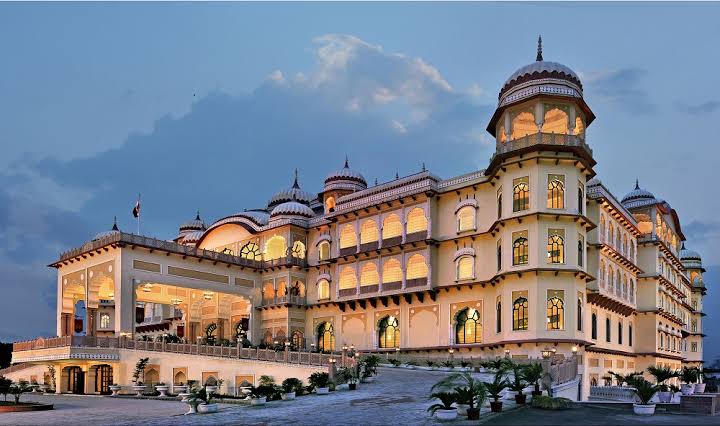
Raja Nahar Singh Palace in Ballabhgarh is a historic palace associated with the princely heritage of the region. Its architecture and heritage setting make it an interesting destination near Faridabad.
9. Rakhigarhi
Rakhigarhi is one of the important archaeological sites associated with the Indus Valley Civilisation. Archaeological discoveries here provide valuable information about ancient settlement, technology and culture.
10. Hisar
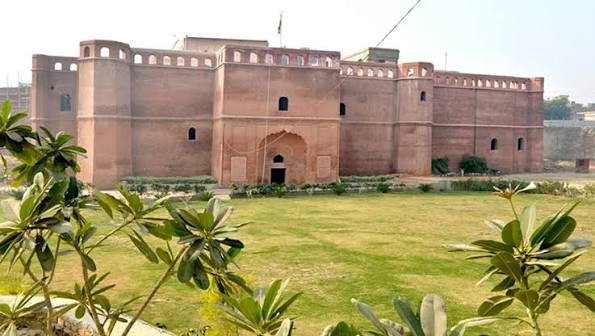
Hisar has a long historical association with the Tughlaq period. The city was founded by Firoz Shah Tughlaq in the 14th century, and several historic remains can be found in and around the region.
11. Rewari
Rewari has historical associations with ancient traditions and is also known for its railway heritage. The town has long been connected with metalwork and traditional craftsmanship.
12. Faridabad
Faridabad is one of Haryana's major urban and industrial centres. It also provides access to attractions such as Surajkund and Raja Nahar Singh Palace.
13. Panchkula
Panchkula is a planned city located near the Shivalik foothills and forms part of the Chandigarh Tricity along with Chandigarh and Mohali.
14. Ambala
Ambala is an important historic and commercial city with strong military and railway associations. The city is commonly described through its two major areas, Ambala City and Ambala Cantonment.
Famous Religious Places in Haryana
Haryana has numerous religious and pilgrimage destinations connected with Hindu, Sikh and Islamic traditions.
- Brahma Sarovar – Kurukshetra
- Jyotisar – Kurukshetra
- Sthaneshwar Mahadev Temple – Kurukshetra
- Mansa Devi Temple – Panchkula
- Bhima Devi Temple – Pinjore
- Sheetla Mata Temple – Gurugram
- Kapil Muni Temple – Kaithal region
- Various historic gurdwaras and dargahs
Culture of Haryana
Haryana's culture is strongly connected with agriculture, village life, community traditions, folk music, dance, wrestling and seasonal festivals.
The state's rural culture remains particularly important despite rapid urbanisation in areas surrounding Delhi.
Haryanvi Folk Music
Traditional Haryanvi folk songs often reflect agricultural life, family relationships, festivals, social customs and local stories.
Folk Dance
Traditional performances such as Dhamal, Khoria, Saang and other folk forms form part of Haryana's cultural heritage.
Wrestling Culture
Wrestling, traditionally known as kushti, has a particularly strong cultural presence in Haryana. Akharas have traditionally served as places for physical training and wrestling practice.
Rural Lifestyle
Farming, cattle rearing, village fairs and community celebrations remain important elements of traditional Haryanvi life.
Famous Food of Haryana
Haryanvi cuisine is known for being simple, nutritious and closely connected with the state's agricultural lifestyle. Dairy products, wheat, millet, vegetables and pulses play important roles in the traditional diet.
Haryana Tourism describes the state's cuisine as simple and earthy, with a strong relationship to its agrarian culture. :contentReference[oaicite:11]{index=11}
Popular Haryanvi Dishes
- Bajra Roti
- Besan Masala Roti
- Bajra Aloo Roti
- Kachri Ki Sabzi
- Singri Ki Sabzi
- Hara Dhania Cholia
- Methi Gajjar
- Kadhi Pakora
- Mixed Dal
- Khichri
- Bathua Raita
- Tamatar Chutney
- Churma
- Kheer
- Malpua
- Mithe Chawal
Dairy Products
Milk, curd, butter, ghee, buttermilk and lassi are important parts of Haryana's food culture. The state is also well known for its cattle wealth, including the Murrah buffalo.
Famous Arts and Crafts of Haryana
Haryana's traditional crafts are closely connected with everyday life and rural culture.
- Phulkari embroidery
- Pottery
- Handloom weaving
- Wood carving
- Metal work
- Woven furniture
- Zari and Tilla work
- Traditional Juttis
- Lace work
- Bead making
Haryana Tourism identifies pottery, embroidery, weaving, woven furniture, metal work, wood carving and traditional footwear among the state's craft traditions. :contentReference[oaicite:12]{index=12}
Famous Personalities Associated with Haryana
Kapil Dev
Former Indian cricket captain Kapil Dev was born in Chandigarh and has strong sporting associations with the region. He led India to its first Cricket World Cup title in 1983.
Neeraj Chopra
Neeraj Chopra, from Haryana, is one of India's most prominent track-and-field athletes. He became an Olympic champion in javelin throw at the Tokyo 2020 Olympics and has represented India at major international competitions.
Sakshi Malik
Sakshi Malik is an Indian wrestler from Haryana who won a bronze medal at the 2016 Rio Olympics.
Geeta Phogat
Geeta Phogat is a prominent Indian freestyle wrestler from Haryana and became the first Indian female wrestler to win a gold medal at the Commonwealth Games.
Babita Phogat
Babita Phogat is another well-known wrestler from Haryana who has represented India at international competitions.
Famous Festivals of Haryana
Surajkund International Crafts Festival
The Surajkund International Crafts Festival is one of Haryana's best-known cultural events. It brings together traditional crafts, handlooms, food, music and cultural performances.
Haryana Tourism lists the Surajkund festival among the state's major annual cultural events. :contentReference[oaicite:13]{index=13}
International Gita Mahotsav
Held in Kurukshetra, the International Gita Mahotsav celebrates the spiritual and cultural traditions associated with the Bhagavad Gita.
Baisakhi
Baisakhi is celebrated across Haryana with religious, agricultural and cultural significance.
Diwali
Diwali is widely celebrated with lamps, decorations, prayers, family gatherings and festive food.
Holi
Holi is celebrated across the state with colours, music and community gatherings.
Mango Mela
The Mango Mela is a seasonal festival celebrating different varieties of mangoes and horticultural produce.
Wildlife and Nature in Haryana
Although Haryana is largely known for its plains and agricultural landscapes, the state also contains wetlands, forests, hills and protected areas.
Sultanpur National Park
Sultanpur is particularly known for birdwatching and migratory birds. Its wetland environment provides habitat for a variety of bird species.
Kalesar National Park
Kalesar National Park is located in the Shivalik foothills and contains forested landscapes and wildlife habitats.
Morni Hills
Morni Hills provides one of Haryana's most distinctive natural landscapes. Its forests, lakes, hills and trekking routes make it a popular destination for nature and adventure tourism. :contentReference[oaicite:14]{index=14}
Things to Do in Haryana
- Visit the sacred sites of Kurukshetra.
- Explore the historic battlefields of Panipat.
- Visit the archaeological site of Rakhigarhi.
- Explore Yadavindra Gardens at Pinjore.
- Attend the Surajkund International Crafts Festival.
- Enjoy trekking and nature activities in Morni Hills.
- Go birdwatching at Sultanpur National Park.
- Explore the modern cityscape of Gurugram.
- Visit historic palaces and heritage sites.
- Explore traditional markets and handicrafts.
- Experience Haryana's rural and farm tourism.
- Try traditional Haryanvi food.
- Attend local fairs and cultural festivals.
- Explore the state's historic temples, sarovars and religious sites.
Best Time to Visit Haryana
The most comfortable period for exploring most parts of Haryana is generally during the cooler months.
| Season | Months | Travel Experience |
|---|---|---|
| Winter | November – February | Cool weather and comfortable sightseeing |
| Spring | February – March | Pleasant weather and suitable for outdoor activities |
| Summer | March – June | Very hot, particularly during the afternoon |
| Monsoon | July – October | Rainy and humid, with greener landscapes |
October to March is generally suitable for sightseeing, heritage exploration, pilgrimage visits and outdoor activities. Morni Hills can also be attractive during periods when the weather is comfortable.
How to Reach Haryana
By Air
Haryana's proximity to Delhi means that travellers can use Indira Gandhi International Airport for extensive domestic and international air connectivity. Chandigarh International Airport is also convenient for destinations in northern Haryana, particularly around Panchkula and Ambala.
By Train
Haryana has an extensive railway network connecting cities such as Ambala, Panipat, Karnal, Kurukshetra, Rohtak, Hisar, Rewari, Faridabad and Gurugram with major parts of India.
By Road
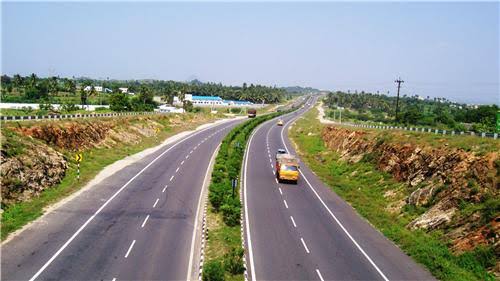
Haryana is well connected by national highways and expressways to Delhi, Punjab, Rajasthan, Uttar Pradesh, Himachal Pradesh and other northern Indian states.
The state's location around Delhi makes road travel particularly convenient for visitors exploring the National Capital Region and nearby destinations.
Local Transportation in Haryana
- State and private buses
- Auto-rickshaws
- Taxis
- App-based cab services
- Rental cars
- Local trains in selected corridors
- Delhi Metro in parts of the NCR
- Walking and cycling around selected tourist areas
Shopping in Haryana
Shopping in Haryana ranges from traditional handicrafts and rural products to modern malls and commercial centres.
What to Buy
- Traditional textiles
- Phulkari work
- Handicrafts
- Traditional Juttis
- Handloom products
- Pottery
- Wooden handicrafts
- Traditional decorative items
Modern Shopping
Gurugram and Faridabad offer large shopping malls, branded stores, restaurants and entertainment centres, while traditional markets in different towns provide local products and handicrafts.
Where to Stay in Haryana
Haryana offers a wide range of accommodation, from luxury hotels and business properties to budget hotels, resorts, guest houses and farm stays.
- Gurugram: Suitable for business, shopping and modern city experiences.
- Panchkula: Convenient for exploring Morni Hills and the Chandigarh Tricity.
- Kurukshetra: Suitable for pilgrimage and heritage tourism.
- Panipat: Convenient for exploring the city's historic attractions.
- Faridabad: Suitable for exploring Surajkund and nearby NCR destinations.
- Morni: Suitable for a nature-focused hill stay.
Nearby Places to Visit from Haryana
Haryana's location makes it an excellent base for exploring several neighbouring destinations.
- Delhi: India's capital and a major centre of history and culture.
- Chandigarh: Famous for planned urban architecture and gardens.
- Amritsar: Known for the Golden Temple and Sikh heritage.
- Shimla: A major hill destination in Himachal Pradesh.
- Rishikesh: Famous for spirituality and adventure activities.
- Haridwar: An important pilgrimage destination.
- Agra: Famous for the Taj Mahal and Mughal heritage.
- Jaipur: Known for forts, palaces and Rajasthan's cultural heritage.
Suggested Haryana Travel Plans
2-Day Haryana Heritage Trip
- Day 1: Kurukshetra – Brahma Sarovar, Jyotisar and important pilgrimage sites.
- Day 2: Panipat – historic sites and museums associated with the battles of Panipat.
3-Day Haryana Nature and Heritage Trip
- Day 1: Kurukshetra heritage and pilgrimage sites.
- Day 2: Panchkula and Pinjore – Yadavindra Gardens and nearby attractions.
- Day 3: Morni Hills and Tikkar Tal.
4-Day Haryana Travel Plan
- Day 1: Gurugram and modern Haryana.
- Day 2: Faridabad and Surajkund.
- Day 3: Panipat and Kurukshetra.
- Day 4: Panchkula, Pinjore and Morni Hills.
Travel Tips for Haryana
- Choose the season carefully: Summer can be extremely hot, especially in the plains.
- Carry water: Keep drinking water with you during outdoor sightseeing.
- Start early: Morning sightseeing is more comfortable during warmer months.
- Wear comfortable footwear: Heritage sites and religious destinations may require considerable walking.
- Respect religious customs: Follow local rules when visiting temples, gurdwaras, mosques and other religious places.
- Keep the environment clean: Avoid littering at lakes, hills, parks and heritage locations.
- Try local food: Traditional Haryanvi cuisine is an important part of the travel experience.
- Explore beyond major cities: Rural Haryana provides a different perspective on the state's culture.
- Plan transportation: Distances between heritage and nature destinations can be significant.
What Is Haryana Famous For?
- Kurukshetra and the Bhagavad Gita
- Mahabharata heritage
- Three Battles of Panipat
- Rakhigarhi and Harappan archaeology
- Surajkund International Crafts Festival
- Morni Hills
- Yadavindra Gardens
- Haryanvi folk culture
- Traditional wrestling
- Agriculture and dairy culture
- Gurugram's modern corporate landscape
- Traditional Haryanvi cuisine
- Sports and athletes
Why Visit Haryana?
Haryana offers a travel experience that combines ancient heritage, spirituality, archaeology, rural traditions, nature and modern urban development.
For history enthusiasts, the state offers Kurukshetra, Panipat and important archaeological sites. For nature lovers, Morni Hills and the state's protected areas provide opportunities for outdoor exploration. For culture enthusiasts, Surajkund, traditional festivals, folk music, crafts and village experiences provide an insight into Haryana's cultural identity.
The state's modern cities, particularly Gurugram and Faridabad, demonstrate how Haryana has developed alongside the rapidly expanding National Capital Region.
Conclusion
Haryana is a state where India's ancient traditions and modern development exist side by side. From the sacred landscapes of Kurukshetra and the historic battlefields of Panipat to the archaeological significance of Rakhigarhi and the hills of Morni, the state offers a diverse range of experiences.
Its traditional cuisine, folk culture, handicrafts, festivals, agricultural lifestyle and sporting traditions add depth to its identity, while cities such as Gurugram and Faridabad represent its rapidly changing modern landscape.
Whether you are interested in history, spirituality, archaeology, nature, culture, food or modern urban experiences, Haryana provides many opportunities to explore northern India's heritage.
Haryana is a land where history, tradition, agriculture and modern India come together.