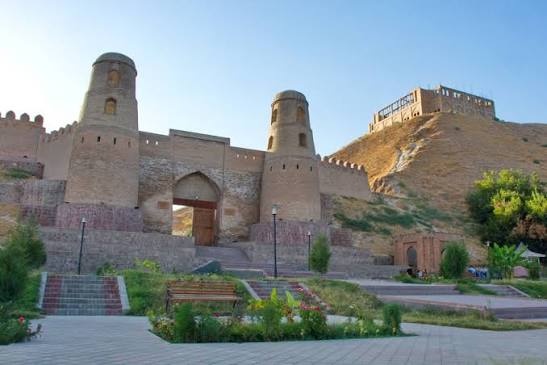
Hissar – The Fortress City of Haryana's Heartland
Introduction
Hissar carries the quiet confidence of a city built by kings. Founded on the orders of a Delhi Sultan and shaped over centuries by forts, gates, and trading caravans, Hissar today blends its royal past with the rhythm of a modern Haryanvi town. Walk through its old quarters and you'll find crumbling fort walls standing just streets away from bustling grain markets and college campuses.
For travelers, Hissar offers a slower, more authentic slice of Haryana — one built on history, agriculture, and hospitality rather than glass towers. From a 14th-century fort to sprawling research farms and old step wells, this city rewards those who enjoy uncovering layers of history rather than ticking off famous landmarks.
History
Hissar's story begins in 1354 CE, when Firoz Shah Tughlaq, the Sultan of Delhi, founded the city and named it "Hisar-e-Firoza," meaning the fort of Firoz. He built it as a strategic garrison town along the trade route connecting Delhi to Multan, complete with a fort, a canal for irrigation, and grand gateways to protect the settlement.
Over the following centuries, Hissar passed through the hands of various rulers, including the Mughals, before eventually coming under British control. During colonial rule, it became known for its administrative and agricultural importance, particularly for horse and cattle breeding. After independence, Hissar grew into an important educational and agricultural center in Haryana, home to one of India's premier agricultural universities.
A quick historical timeline
From a Tughlaq-era garrison town to a British administrative center to a modern agricultural hub — Hissar's identity has always been tied to trade, farming, and fortification.
Geography
Hissar is located in the western part of Haryana, in the semi-arid plains of northern India, not far from the Rajasthan border. The landscape here is largely flat agricultural land, dotted with fields of wheat, cotton, and mustard, making it one of Haryana's key farming regions.
The city lies along the seasonal Ghaggar River basin and benefits from irrigation canals that were first developed centuries ago. The climate is markedly continental, with scorching summers, a brief monsoon, and cold winters — a contrast that shapes both the region's agriculture and daily life.
Terrain snapshot
Flat, fertile plains stretching toward the Rajasthan border, crossed by irrigation canals that have supported farming here since the days of Firoz Shah Tughlaq.
Culture and Traditions
Hissar reflects the heart of Haryanvi rural culture. Life here revolves around agriculture, cattle rearing, and close-knit community traditions. The Haryanvi dialect is spoken widely, along with Hindi, and local customs place strong value on hospitality, community gatherings, and traditional forms of wrestling (akhadas), which remain popular among the youth.
Folk music and dance, particularly Ragini performances, are an important part of local celebrations, often performed during weddings, fairs, and festivals. Traditional attire, including turbans and dhotis for men and vibrant ghagra-cholis for women, is still commonly seen during festive occasions.
Everyday cultural mix
Wrestling akhadas, folk Ragini performances, and farming traditions define daily life in Hissar far more than modern urban trends do.
Architecture
Hissar's architecture is dominated by its Tughlaq-era fortifications. The city's most iconic structures include the remains of the old fort and its grand gateways, built using red sandstone and rugged masonry typical of 14th-century military architecture. These gates once served as checkpoints controlling trade and movement in and out of the fortified city.
Beyond the fort, Hissar features colonial-era administrative buildings from the British period, along with traditional Haryanvi havelis in its old town, built with thick walls and inner courtyards suited to the region's extreme climate.
Old versus new
Sandstone gateways built to withstand sieges now stand quietly beside modern markets and university campuses, a reminder of Hissar's long defensive history.
Famous Places
Hissar Fort (Hisar-e-Firoza)
The city's founding structure, this 14th-century fort built by Firoz Shah Tughlaq once served as a military stronghold. Though partially in ruins today, its surviving walls and gateways offer a glimpse into the region's Sultanate-era history.
Good to know
Visit in the early morning or late afternoon to avoid the harsh midday sun while exploring the fort grounds.
Gujari Mahal
Believed to have been built for Firoz Shah Tughlaq's queen, this historic structure showcases Indo-Islamic architectural elements and is an important part of the city's royal heritage trail.
Good to know
Combine this visit with the nearby fort ruins for a complete historical walking tour.
Rani Talab
A historic water reservoir built during the medieval period, originally constructed to supply water to the fort and surrounding settlement. It remains a peaceful spot reflecting the city's old engineering practices.
Good to know
The best photographs are taken in soft evening light when the water reflects the surrounding structures.
Chaudhary Charan Singh Haryana Agricultural University
One of India's leading agricultural universities, with expansive green campuses, research farms, and a museum showcasing farming innovations. It reflects Hissar's modern identity as an agricultural education hub.
Good to know
The campus is worth a visit for those interested in India's agricultural research and rural development history.
Nalwa Fort Ruins
Located near Hissar, this lesser-known fort site offers a quieter, off-the-beaten-path historical experience for travelers interested in exploring beyond the main city fort.
Good to know
Wear comfortable footwear, as parts of the ruins require walking over uneven terrain.
Blue Bird Lake
A tranquil, lesser-visited spot near the city, popular with local birdwatchers and those looking for a quiet break from the city's busy grain markets.
Good to know
Visit during winter months for the best chance of spotting migratory birds.
Famous Dishes
Bajra Roti with Lehsun Chutney
A staple of Haryanvi households, this pearl millet flatbread served with a spicy garlic chutney is hearty, rustic, and deeply tied to the region's agricultural lifestyle.
Churma
A sweet dish made from crushed wheat flour, ghee, and jaggery, often served during festivals and celebrations as a symbol of Haryanvi hospitality.
Hara Dhania Cholia
A seasonal winter dish made with fresh green chickpeas and coriander, popular in Hissar's markets during the colder months and loved for its fresh, earthy flavor.
Kheer
A traditional rice pudding made with milk and dry fruits, commonly prepared during festivals and family gatherings across the region, reflecting Haryana's dairy-rich culinary traditions.
Famous Personalities
Bhiwani Boxing Legacy Athletes
While Hissar itself is known more for agriculture than sport, the broader Hissar division has produced several notable wrestlers and athletes who trained in the region's akhadas, contributing to Haryana's strong reputation in Indian sports.
Local Agricultural Scientists
Hissar is closely associated with pioneering agricultural scientists linked to Chaudhary Charan Singh Haryana Agricultural University, whose research has significantly shaped India's Green Revolution-era farming practices.
Festivals
Gangaur
Celebrated with devotion, particularly by women, this festival honors Goddess Gauri and involves colorful processions, traditional songs, and community gatherings across Hissar.
Teej
A monsoon festival celebrated with traditional swings, folk songs, and festive attire, marking the arrival of the rains and offering a joyous break from the region's hot summers.
Baisakhi
Marking the harvest season, Baisakhi is celebrated enthusiastically in Hissar's farming communities with folk dances, feasting, and gratitude for a successful harvest.
Things to Do
- Explore the historic Hissar Fort and its surviving gateways
- Take a heritage walk through the old town's havelis and colonial buildings
- Visit Chaudhary Charan Singh Haryana Agricultural University for its research farms and museum
- Enjoy birdwatching at Blue Bird Lake
- Explore local grain markets to see Haryana's agricultural trade in action
- Sample traditional Haryanvi food at local eateries
- Take a day trip to the lesser-known Nalwa Fort Ruins
Where to Eat, Shop, and Stay
Where to Eat
Local dhabas around the old city and near the university area serve authentic Haryanvi thalis, while newer cafes near the main market offer more contemporary options for younger travelers.
Where to Shop
The city's grain and cotton markets are worth exploring for a look at Haryana's agricultural trade, while local bazaars in the old town offer traditional textiles, handicrafts, and everyday essentials at affordable prices.
Where to Stay
Hissar offers straightforward, practical accommodation suited to short stays and business travel.
Budget
Simple lodges and guesthouses near the railway station and old city, ideal for travelers on a tight budget.
Mid-Range
Comfortable hotels near the main market and university road, offering good amenities for a short, convenient stay.
Luxury
A small number of upscale hotels cater to business travelers, offering modern comforts along the city's main commercial roads.
What is Hissar Famous For?
Hissar is famous for its 14th-century fort built by Firoz Shah Tughlaq, its strong agricultural heritage, Haryanvi wrestling traditions, and its role as a major grain trading and agricultural research center in Haryana.
Best Time to Visit
The best time to visit Hissar is between October and March, when temperatures are mild and comfortable for sightseeing. Summers, from April to June, are extremely hot and dry, while the monsoon season brings brief but welcome relief along with local festivities like Teej.
How to Reach
By Air: The nearest major airport is in Delhi, from where Hissar is accessible by road or rail. By Train: Hissar Railway Station is well-connected to major cities across Haryana, Punjab, and Delhi. By Road: Hissar is connected via national highways to Delhi, Chandigarh, and other major cities, making it easily accessible by bus or private vehicle.
Nearby Places
Fatehabad
Known for its historical significance and connection to the Tughlaq era, Fatehabad makes for an easy day trip from Hissar.
Bhiwani
Famous for its boxing academies and sporting culture, Bhiwani offers an interesting contrast to Hissar's agricultural identity.
Rakhigarhi
One of the largest Indus Valley Civilization sites in India, Rakhigarhi offers history enthusiasts a fascinating glimpse into India's ancient past, easily reachable from Hissar.
Best Duration for a Trip
1 to 2 days are generally enough to explore Hissar's main attractions, including the fort, local markets, and the agricultural university campus, at a relaxed pace.
Travel Tips
- Carry sun protection in summer, as temperatures can be extreme
- Dress warmly during winter evenings, which can get quite cold
- Use local auto-rickshaws or taxis for getting around the city
- Try local Haryanvi dishes at small dhabas for the most authentic flavors
- Dress modestly when visiting religious or heritage sites
- Plan visits to agricultural sites during weekday mornings for a quieter experience
Why Visit Hissar?
Hissar offers a genuine, unfiltered look at Haryana's history and rural life, far removed from the pace of bigger cities. Its blend of Sultanate-era architecture, agricultural heritage, and warm Haryanvi hospitality makes it an ideal destination for travelers who enjoy exploring lesser-known historical towns rather than crowded tourist circuits.
Conclusion
Hissar may not be the first name that comes to mind when planning a trip through Haryana, but it holds a quiet charm for those willing to explore it. From the ancient walls of Hisar-e-Firoza to the fields surrounding its famous agricultural university, the city offers an authentic mix of history, culture, and rural warmth. For travelers seeking a destination with depth rather than crowds, Hissar is well worth the visit.
"Travel is the only thing you buy that makes you richer."