Karnal – The Land of Karna Where Legend Meets the Rice Fields
Introduction
Karnal is one of those Indian cities that quietly carries thousands of years of history while going about the very practical business of feeding the nation. Tucked between Delhi and Chandigarh on the Grand Trunk Road, this Haryana city is known as the "Rice Bowl of India," yet it is also a place of lakes, forts, tombs, and a name straight out of the Mahabharata. For a first-time visitor, Karnal offers a rare mix: quiet lakeside evenings, centuries-old Mughal and colonial structures, world-class agricultural research institutes, and warm Haryanvi hospitality. It is not a flashy tourist hub, and that is exactly its charm — a genuine, unhurried slice of northern India.
History
Karnal's story begins in mythology. Local belief holds that the city was founded by Karna, the tragic hero of the Mahabharata known for his generosity and unmatched skill as an archer. The city's very name is said to come from "Karna-Taal," referring to the lake where Karna is believed to have bathed and given away his protective armour in an act of charity.
Beyond myth, Karnal has a documented medieval and colonial past. The Mughal emperor Babur built a mosque here in 1527, and the region later witnessed the decisive Battle of Karnal in 1739, where the Persian ruler Nadir Shah defeated the Mughal army, an event that shook the foundations of Mughal power in India. During British rule, Karnal served as an important cantonment town, which explains the colonial-era church tower and cemetery still standing today. After independence, the city grew into an agricultural and research powerhouse, home to institutions like the National Dairy Research Institute, while never losing touch with its historic core.
Geography
Karnal sits in the northern part of Haryana, along the fertile plains formed by the Yamuna River, which flows along the eastern edge of the district. The land here is flat and extremely fertile, ideal for growing rice, wheat, and sugarcane, which is why the region became India's grain basket. The city lies almost exactly midway between Delhi and Chandigarh on National Highway 44, making it a natural halt for travellers moving between the two cities. The climate is typical of the Indo-Gangetic plains, with distinct hot summers, a humid monsoon, and a crisp, cool winter.
Culture and Traditions
Karnal reflects the broader Haryanvi culture — straightforward, hospitable, and deeply rooted in agriculture. The local dialect, Haryanvi, is spoken widely alongside Hindi, and most people in the tourist areas also understand basic English. Traditional attire for men often includes a turban and kurta-dhoti, while women traditionally wear ghagra-cholis, though modern clothing is common in the city today. Folk traditions like Ragini singing and Haryanvi folk dances are still performed during festivals and village fairs, and wrestling (kushti) remains a much-loved local sport, given Haryana's strong wrestling heritage. Community life here revolves around agriculture, festivals, and a strong sense of hospitality toward guests.
Architecture
Karnal's architecture is a layered mix of Mughal, colonial, and Sufi styles. Babur's Mosque in the old city is an early Mughal structure with historic significance. The Cantonment Church Tower, built during British rule, stands as a reminder of the colonial military presence, styled in classic British ecclesiastical form. Sufi influence appears in structures like Kalander Shah's Tomb, a marble monument with detailed carvings. The Old Fort (Karnal Fort), though now repurposed for administrative use, still shows the sturdy, functional design typical of regional forts of that era. Together, these buildings tell the story of a city that has passed through many hands.
Famous Places
Karna Lake
Also called Karnal Lake, this scenic lake is the heart of the city's tourism. Surrounded by manicured lawns and walking paths, it is a peaceful spot for boating, picnics, and evening strolls, and is closely tied to the legend of Karna himself.
Kalander Shah's Tomb
A striking white marble structure dedicated to the Sufi saint Bo-Ali-Qalandar Shah, this tomb is known for its intricate carvings, fountains, and gardens. It draws visitors of all faiths seeking peace and blessings.
Cantonment Church Tower
Built during the British era as a watchtower and place of worship for the cantonment, this structure is a fine example of colonial architecture and offers a glimpse into Karnal's role as a military town.
Babur's Masjid
Constructed in 1527 by the first Mughal emperor Babur, this mosque is one of the oldest surviving Mughal-era structures in the region and remains an important spot for history lovers.
Atal Park
A large, well-maintained park with a lake, walking trails, an open-air gym, and a children's play area, ideal for families looking for a relaxed evening outing.
Karnal Golf Course
One of the most scenic golf courses in North India, developed originally during colonial times, offering rolling greens along the Yamuna Canal and hosting national-level tournaments.
Kos Minar
These ancient milestone towers, built along the old Mughal trade routes, are scattered near Karnal and stand as quiet markers of the historic Grand Trunk Road.
Famous Dishes
Bajra Khichdi
A hearty millet and lentil dish popular across rural Haryana, often served with a dollop of ghee. It reflects the region's farming roots and is a comforting winter staple.
Kadhi Pakora
A tangy yogurt-based curry with fried gram-flour fritters, commonly served with steamed rice in Karnal households and local eateries.
Basmati Rice Preparations
Since Karnal is famous for growing premium basmati rice, simple rice dishes here — from plain steamed rice to flavoured pulao — taste noticeably fragrant and fresh.
Ghee-Laden Parathas
Thick, stuffed parathas served with generous amounts of ghee, curd, and pickle are a classic Haryanvi breakfast found in almost every local dhaba around Karnal.
Lassi
A thick, chilled yogurt drink that is practically a way of life in Haryana. Karnal's dairy-rich surroundings, thanks to institutes like NDRI, make the local lassi especially creamy.
Famous Personalities
Karna (Mythological)
The legendary warrior of the Mahabharata after whom the city is believed to be named. Known for his archery skills and boundless generosity, his connection with the city is celebrated through Karna Lake and local folklore.
Kalpana Chawla
India's first woman astronaut has strong ties to the wider Karnal region, with a dedicated memorial nearby honouring her achievements and tragic passing during the 2003 Space Shuttle Columbia mission. She remains a source of immense regional pride.
Bo-Ali-Qalandar Shah
The revered Sufi saint whose tomb stands in Karnal continues to be a spiritual figure respected across communities, and his legacy is tied deeply to the city's cultural fabric.
Festivals
Baisakhi
Celebrated with great enthusiasm across Haryana, Baisakhi in Karnal marks the harvest season with folk dances, fairs, and community feasts, reflecting the city's strong agricultural identity.
Teej
This monsoon festival is celebrated by women with traditional songs, swings decorated in gardens, and festive attire, marking the arrival of the rainy season.
Gita Jayanti
Given Karnal's proximity to Kurukshetra, the birthplace of the Bhagavad Gita, the city also joins in Gita Jayanti celebrations with religious discourses and cultural programs.
Diwali and Holi
Like most of North India, Diwali and Holi are celebrated with great energy in Karnal, with markets lighting up for Diwali and community gatherings marking Holi with colours and traditional sweets.
Things to Do
Visitors can enjoy boating and lakeside walks at Karna Lake, take a heritage walk through the old city to see Babur's Masjid and the Cantonment Church Tower, or spend a quiet morning at Atal Park. Golf enthusiasts can tee off at Karnal Golf Course, while history buffs can explore Kos Minar and nearby Kalander Shah's Tomb. A short excursion to the Kalpana Chawla Memorial near Pehowa is well worth it for those interested in space history, and food lovers should not skip trying the local dhaba culture around the highway stretches.
Where to Eat, Shop, and Stay
Where to Eat
Karnal's food scene is rooted in honest, home-style Haryanvi cooking rather than fine dining, and that is part of its charm.
Highway Dhabas
The dhabas lining NH 44 around Karnal are famous for hearty thalis, hot parathas, and fresh lassi, making them a favourite stop for travellers moving between Delhi and Chandigarh.
What to Order
Go for a ghee-laden paratha with curd and pickle, or a simple dal-chawal thali — both are made fresh and served generously.
Quick Tip
Arrive during off-peak hours (avoid 1–2 PM and 8–9 PM) since these dhabas get crowded with highway travellers at mealtimes.
City Restaurants
Inside the city, the main market and Sector areas have a mix of North Indian restaurants, sweet shops, and casual cafés serving everything from local thalis to standard multi-cuisine menus.
Where to Shop
Local Markets
The old city bazaars and the area around Kunjpura Road are the best places for everyday shopping, dairy products, and traditional Haryanvi items.
What to Buy
Look out for local dairy products such as ghee and paneer, basmati rice packs, and simple handicrafts, all of which make practical and authentic souvenirs from the region.
Where to Stay
Karnal has accommodation options to suit most budgets, largely catering to business travellers, agricultural visitors, and highway tourists.
Budget Stays
Simple hotels and guesthouses near the bus stand and highway offer basic, clean rooms at low prices, ideal for a short overnight halt.
Mid-Range Hotels
Karnal's city centre and Sector areas have several comfortable business hotels with modern amenities, popular with visiting professionals and families alike.
Luxury and Resort Stays
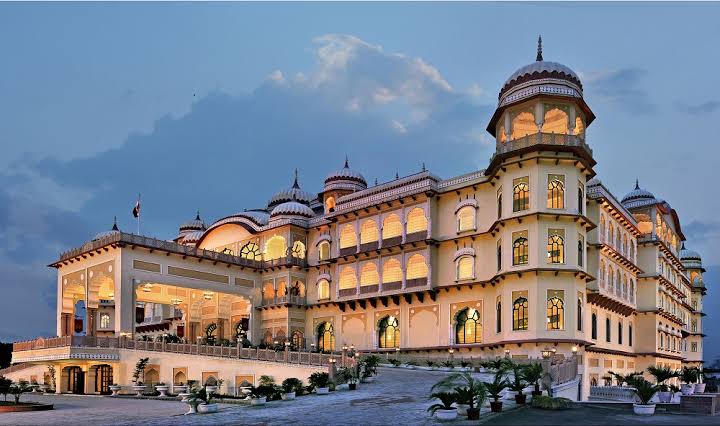
A handful of resort-style properties on the outskirts of the city offer a quieter, more spacious stay with better facilities, suited to travellers wanting extra comfort.
What is Karnal Famous For?
Karnal is best known as the Rice Bowl of India, for its connection to the mythological warrior Karna, and for landmarks like Karna Lake, Kalander Shah's Tomb, and Babur's Masjid. It is also recognised for hosting major agricultural research institutes such as NDRI and CSSRI, its high-quality basmati rice, and its role as a strategic midpoint between Delhi and Chandigarh.
Best Time to Visit
The best months to visit Karnal are from October to March, when the weather is pleasant and comfortable for sightseeing. Summers (April to June) get quite hot and dry, while the monsoon season (July to September) brings humidity along with lush greenery. Winter is ideal not just for the cool climate but also because it coincides with major regional festivals and fairs.
How to Reach
By Air: The nearest airports are in Delhi and Chandigarh, both roughly two to three hours away by road.
By Train: Karnal has its own railway station on the Delhi–Ambala line, well connected to major cities across North India.
By Road: Karnal lies directly on National Highway 44, making it easily accessible by bus or car from Delhi (around 123 km) and Chandigarh (around 130-136 km).
Nearby Places
Kurukshetra
About an hour's drive away, this is the sacred land of the Bhagavad Gita, home to Brahma Sarovar and the Jyotisar site where Lord Krishna is believed to have delivered his teachings to Arjuna.
Panipat
Known for its three historic battles that shaped Indian history, Panipat offers the Panipat Museum and several Mughal-era monuments.
Pehowa
Home to the Kalpana Chawla Memorial, this town is a meaningful stop for those wanting to pay tribute to India's first woman astronaut.
Taraori
A historic town famous for the ancient Devikoop Temple and its own basmati rice production, worth a short detour for culture and countryside views.
Best Duration for a Trip
A 1 to 2 day trip is generally enough to comfortably explore Karnal's main attractions, including Karna Lake, the historic mosques and tombs, and a bit of local food and market exploration. Travellers wanting to combine Karnal with nearby Kurukshetra or Panipat should plan for 2 to 3 days.
Travel Tips
- Carry light woollens if visiting in winter mornings and evenings, as temperatures can dip noticeably.
- Local transport within the city is easily available through auto-rickshaws and cabs.
- Dress modestly when visiting religious sites like Kalander Shah's Tomb.
- Try to visit lakes and parks early morning or late evening to avoid daytime heat, especially in summer.
- Basic Hindi or Haryanvi phrases can be helpful, though English is understood in most tourist-facing establishments.
- Book accommodation in advance during festival seasons and harvest fairs when local demand rises.
Why Visit Karnal?
Karnal offers a rare combination of mythology, medieval history, colonial heritage, and modern agricultural progress, all within a compact, easy-to-explore city. It is not overrun with tourists, which means visitors get a more authentic, relaxed experience compared to bigger heritage cities. Its central location between Delhi and Chandigarh also makes it a convenient and worthwhile stop for road-trippers exploring North India.
Conclusion
From the legendary waters of Karna Lake to the quiet dignity of Kalander Shah's Tomb, Karnal is a city that rewards travellers willing to slow down and look closer. It blends the spiritual weight of the Mahabharata with the everyday rhythm of Haryana's farmlands, offering history, culture, good food, and genuine warmth in equal measure. Whether you're passing through on the Delhi-Chandigarh route or planning a dedicated heritage trip, Karnal is well worth adding to your North India itinerary.
"Travel is the only thing you buy that makes you richer."