Panchkula: Haryana's Planned City with a Wild Side
Introduction
Ask most Indians about Panchkula, and they'll likely mention it in the same breath as Chandigarh — its more famous, planned-city neighbor. But Panchkula has quietly built an identity of its own: a meticulously laid-out satellite city that also happens to be Haryana's gateway to the Shivalik hills, home to the state's only hill station, its most visited Shakti temple, and Asia's largest outdoor cactus garden. Panchkula proves that a "planned city" doesn't have to mean a boring one — it can also mean clean roads leading straight into wilderness.
History
Panchkula's name comes from a simple, practical origin — "the place where five irrigation canals meet." The wider region has a long and layered past, having been ruled successively by the Kushans, Guptas, Chauhans, and Mughals before eventually coming under British control. Historical inscriptions, including the Handi stone inscriptions dated to 1167 AD, reference the older settlement of "Panchpura" in the area, confirming the region's roots stretch back many centuries.
The Ramgarh Fort, with a history tracing back roughly 360 years, was built under the Chandel Rajputs originally from Bilaspur in Himachal Pradesh, adding a royal architectural chapter to the region's story. In more recent history, Panchkula was purpose-built by the state of Haryana starting in the 1970s, originally conceived as a potential state capital. It officially became a separate administrative entity and the 17th district of Haryana on 15th May 1995, marking its formal individuality from neighboring Chandigarh and Ambala.
Geography
Panchkula sits roughly 4 km southeast of Chandigarh, forming part of the Chandigarh Tricity alongside Chandigarh and Mohali. It's a genuine border city, touching Punjab, Chandigarh, and Himachal Pradesh all at once, and lies about 44 km from Ambala and 259 km from Delhi.
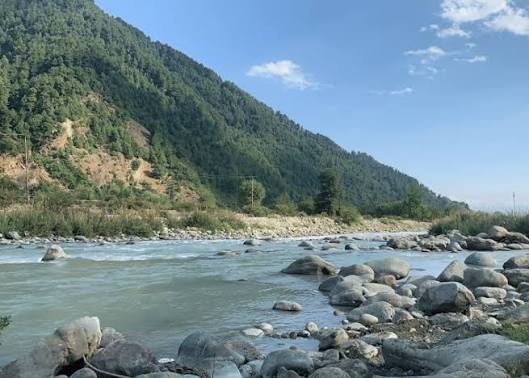
The district holds the distinction of having the thickest forest cover of any district in Haryana, thanks to its position at the foothills of the Shivalik Range, an offshoot of the Himalayas. This geography gives rise to Morni Hills, Haryana's only hill station, known for scenic lookout points, lakes, and cooler temperatures than the rest of the state. The Ghaggar River also flows through the district, adding to its natural landscape. The climate here is noticeably more temperate than Haryana's plains, with cooler summers and genuinely cold winters, especially in the Morni Hills area.
Culture and Traditions
Panchkula's culture reflects its identity as a well-planned, modern satellite city, with Hindi, Punjabi, and Haryanvi all commonly spoken given its border position with Punjab. The city's sector-based design, modeled closely on Chandigarh's grid, has fostered a lifestyle centered around organized civic amenities, green belts, and a notably high standard of living and literacy compared to many Indian cities.
Religious life remains vibrant, anchored strongly by the Mata Mansa Devi Temple, one of North India's most prominent Shakti temples, which draws massive pilgrim crowds especially during the Chaitra and Ashvin Navratri festivals. The presence of the Chandimandir Cantonment, headquarters of the Indian Army's Western Command, also lends the city a distinct military-town character alongside its civilian planning.
Architecture
Panchkula's architecture spans ancient hilltop forts, Mughal and Rajput-influenced garden design, and thoroughly modern civic planning. The Ramgarh Fort, perched on a hill surrounded by the Shivalik Range, was built by the rulers of the Kahlur State and remains one of the district's most significant historical structures, complete with antique sundials and an unused tunnel.
The Yadavindra Gardens in Pinjore, dating back to the 17th century, showcase Mughal and Rajput garden architecture across 100 sprawling acres, widely regarded as one of the most beautiful historic gardens in North India. In sharp contrast, the city's own sector layout represents thoroughly modern urban architecture, with wide, tree-lined roads and systematic civic design that mirrors Chandigarh's original modernist vision.
Famous Places
Mata Mansa Devi Temple
One of North India's most prominent Shakti temples, dedicated to the Hindu goddess Mansa Devi. This temple draws enormous pilgrim crowds throughout the year, but especially during the Navratri Mela, making it the spiritual heart of Panchkula district.
Religious Significance
The temple's reputation as a major Shakti shrine has made it a centuries-old pilgrimage destination, drawing devotees from across North India.
Best Time to Visit
Visiting during Chaitra or Ashvin Navratri offers the fullest experience of the temple's festive energy, though it also means significantly larger crowds.
Quick Tip
Visit on a weekday morning outside the Navratri season for a calmer, more reflective darshan experience.
Nada Sahib Gurudwara
A Sikh gurudwara situated on the banks of the Ghaggar River in the Shivalik Hills, believed to be where Guru Gobind Singh halted after the Battle of Bhangani in 1688 while traveling from Paonta Sahib to Anandpur Sahib. A visit here includes the langar and the daily hukumnama reading.
Yadavindra Gardens (Pinjore Garden)
A stunning 17th-century Mughal-style garden spread across 100 acres in Pinjore, roughly 20 km from Panchkula. Often cited as one of the most beautiful and historic gardens in North India, it remains a favorite for peaceful walks and photography.
Morni Hills
Haryana's only hill station, located on the offshoots of the Shivalik Range. Known for picturesque lookout points, lakes, trekking trails, and bird watching, Morni Hills has increasingly become a popular ecotourism destination with resorts and adventure activities.
National Cactus and Succulent Botanical Garden
Officially known by its full name, this garden is recognized as Asia's largest outdoor landscaped collection of cacti and succulents, making it a genuinely unique stop for botany enthusiasts and casual visitors alike.
Ramgarh Fort
An approximately 360-year-old fort perched atop a hill and surrounded by the Shivalik Range, built by the Chandel Rajputs. Visitors can explore antique sundials, a large well, and an unused tunnel while taking in panoramic hilltop views.
Famous Dishes
Chole Bhature
A beloved North Indian staple, widely available across Panchkula's Sector 5 and other commercial hubs, where local eateries serve fresh, generously spiced versions of this popular combination.
Amritsari Kulcha
Given Panchkula's proximity to Punjab, Amritsari-style stuffed kulchas paired with spicy chole are a common and much-loved local favorite across the city's restaurants and dhabas.
Butter Chicken and Dal Makhani
Rich, buttery Punjabi classics remain hugely popular in Panchkula's restaurant scene, reflecting the strong Punjabi culinary influence found throughout the Chandigarh Tricity region.
Lassi
Thick, creamy, and generously served, lassi remains a favorite refreshment across Panchkula's local eateries, especially welcome after a day exploring Morni Hills or the botanical gardens.
Famous Personalities
Chander Mohan Bishnoi
Currently the elected MLA from the Panchkula constituency, Chander Mohan Bishnoi previously served as the Deputy Chief Minister of Haryana from 2005 to 2008. He is the son of former Haryana Chief Minister Bhajan Lal, making him part of one of the state's most prominent political families.
A Political Legacy
Bishnoi has represented Panchkula and the neighboring Kalka constituency across multiple terms, reflecting a long and continued political connection to the district.
Connection to Panchkula
His current role as the elected representative for Panchkula ties him directly to the district's contemporary political identity.
Fast Fact
He comes from a family with deep roots in Haryana politics, with both his father and brother having held significant political positions in the state.
Shreya
Hailing from Panchkula, Shreya is a rising actress and fashion influencer who made her acting debut in the 2020 web series "Bye 2" and gained wider recognition for her role in a popular Ullu platform series, representing a newer generation of talent emerging from the city.
Festivals
Chaitra and Ashvin Navratri
Panchkula's most significant religious festivals, celebrated with particular grandeur at the Mata Mansa Devi Temple, where the Navratri Mela draws enormous crowds of devotees for nine days of worship and celebration.
Baisakhi
Given Panchkula's proximity to Punjab, Baisakhi is celebrated with genuine enthusiasm across the district, marking the harvest season with community gatherings and festive energy.
Diwali
Celebrated with lit-up homes, festive markets, and family gatherings, Diwali brings Panchkula's well-planned sectors and local markets alive with shoppers in the days leading up to the celebration.
Things to Do
- Seek blessings at Mata Mansa Devi Temple, the spiritual heart of the district.
- Explore Morni Hills, Haryana's only hill station, for trekking and scenic views.
- Walk through Yadavindra Gardens in Pinjore for a taste of Mughal-era landscaping.
- Visit the National Cactus and Succulent Botanical Garden, a genuinely unique attraction.
- Climb Ramgarh Fort for panoramic Shivalik hill views.
- Pay respects at Nada Sahib Gurudwara, a peaceful riverside Sikh shrine.
- Shop and dine in Sector 5, Panchkula's lively commercial hub.
Where to Eat, Shop, and Stay
Eat: Sector 5 is Panchkula's go-to destination for dining, with a strong mix of North Indian and Punjabi cuisine, from chole bhature to butter chicken and dal makhani.
Shop: Panchkula offers modern shopping options alongside traditional local markets, with nearby Elante Mall in Chandigarh a popular extended shopping destination for many visitors.
Stay:
- Budget: Simple guesthouses and small hotels across the city's sectors cover most short-stay needs.
- Mid-range: A range of comfortable hotels near Sector 5 and the main commercial areas offer better amenities.
- Luxury: For upscale stays, Panchkula and nearby Chandigarh both offer well-reviewed premium hotel options.
What is Panchkula Famous For?
Panchkula is best known as a well-planned satellite city within the Chandigarh Tricity, home to Haryana's thickest forest cover, its only hill station at Morni Hills, and the prominent Mata Mansa Devi Temple. It's also recognized for Asia's largest outdoor cactus garden and its role as headquarters of the Indian Army's Western Command.
Best Time to Visit
October to March is the ideal window to visit Panchkula, when the weather turns cool and comfortable for exploring temples, gardens, and Morni Hills. Summers can get quite hot in the plains, though Morni Hills offers a cooler retreat even during warmer months.
How to Reach
By Air: Chandigarh International Airport is the nearest airport, just a short drive from Panchkula.
By Rail: Chandigarh Railway Station is the nearest major railhead, well connected to Delhi and other major cities.
By Road: Panchkula is about 242 km from Delhi via NH 44, roughly a 5-hour drive, and is well connected by Haryana Roadways buses to Delhi, Chandigarh, and Himachal Pradesh.
Nearby Places
Chandigarh
Just 4 km away, Chandigarh offers its own iconic attractions, including the Rock Garden, Rose Garden, and Sukhna Lake, making it an easy and essential extension to any Panchkula trip.
Why It Complements a Panchkula Trip
Given the two cities' shared Tricity identity, combining Panchkula's nature and heritage sites with Chandigarh's modernist architecture offers a well-rounded regional experience.
Getting There
Chandigarh is easily reached from Panchkula by road, taxi, or local bus in under 15 minutes.
Quick Tip
Plan at least a full day for Chandigarh alone, given the density of attractions like the Rock Garden and Sukhna Lake.
Kalka
A nearby town known as the starting point of the scenic Kalka-Shimla toy train route, offering a memorable extension for travelers heading toward Himachal Pradesh.
Pinjore
Home to the historic Yadavindra Gardens, Pinjore adds a rich Mughal-era heritage stop to a regional itinerary centered around Panchkula.
Best Duration for a Trip
1 to 2 days is generally sufficient to comfortably explore Panchkula's temples, gardens, and Morni Hills. Travelers combining it with Chandigarh can extend this into a fuller 3-day Tricity trip.
Travel Tips
- Visit between October and March for the most comfortable sightseeing weather in the plains.
- Carry warm clothing if visiting Morni Hills, especially during winter.
- Dress modestly and respect local customs when visiting temples and gurudwaras.
- Use local taxis or buses for easier movement between Panchkula, Chandigarh, and Pinjore.
- Time your visit around Navratri for a richer experience at Mata Mansa Devi Temple.
- Carry cash for smaller local markets and eateries.
Why Visit Panchkula?
Panchkula offers a rare combination — the clean, organized comfort of a well-planned city paired with genuine access to hills, forests, and wildlife just minutes away. From the spiritual pull of Mata Mansa Devi Temple to the quiet trails of Morni Hills, Panchkula proves that thoughtful urban planning and natural beauty aren't mutually exclusive.
Conclusion
Panchkula may often be overshadowed by Chandigarh's fame, but it holds its own genuinely rich mix of nature, spirituality, and history. From the sacred halls of Mata Mansa Devi Temple to the cool trails of Morni Hills, and from Mughal-era gardens to Asia's largest cactus collection, this well-planned city rewards travelers looking for both order and wilderness in equal measure. A short visit here, paired with a plate of Amritsari kulcha and a walk through the Shivalik foothills, offers a genuinely refreshing take on what a Haryana city trip can be.
"Travel is the only thing you buy that makes you richer."