Sirsa — Where the Ancient Saraswati Once Flowed Through the Thar's Edge
Introduction
At Haryana's westernmost edge, where the state's farmland begins giving way to the Thar Desert, sits Sirsa — a city old enough to be mentioned in the Mahabharata, yet shaped by waters that vanished centuries ago. This was once Sairishaka, a flourishing settlement on the banks of the mythical Saraswati River, later visited by the medieval traveler Ibn Battuta and, according to local legend, even brushed by Alexander the Great's campaigns. Today, Sirsa balances that deep antiquity with a genuinely diverse religious landscape — Jain temples, Sikh gurudwaras, and Radha Soami satsang halls all coexist within the same compact city.
History
Sirsa's history stretches back to the era of the Mahabharata, when the settlement was known as Sairishaka. The epic records that Sairishaka was conquered by Nakula, one of the five Pandava brothers, during his campaign of the western quarter — a detail also referenced in Panini's Ashtadhyayi, which describes Sirsa as a flourishing city as early as the 5th century BC.
According to local tradition, a king named Saras founded the town in the 7th century AD and built a fort whose remains — roughly 5 km in circuit — can still be seen in the south-east of the present town. The city's name itself has shifted over centuries: from Sairishaka in ancient texts, to Sarsuti during the medieval period, a name closely tied to the sacred Saraswati River that once flowed nearby. The famous Moroccan traveler Ibn Battuta visited Sirsa in 1341, during the reign of Delhi Sultan Muhammad bin Tughlaq, documenting the region's character at the time.
In 1819, the territory came under British control, eventually becoming part of the North Western district of Delhi territory before later administrative reorganizations placed it within what would become Haryana.
Geography
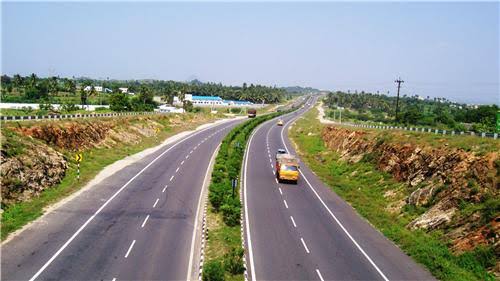
Sirsa sits in the westernmost region of Haryana, bordering both Punjab and Rajasthan, and lying close to the edge of the Thar Desert — a geography that sets it apart from Haryana's more fertile eastern districts. It's located roughly 250 km north-west of Delhi and 260 km south-west of Chandigarh, connected via the Delhi-Sirsa National Highway (NH 10) and linked further through NH 64 via Dabwali and Punjab.
The city's most defining historical geographical feature is its connection to the now-vanished Saraswati River, which once flowed through this area and shaped its ancient settlement patterns. Sirsa enjoys a subtropical climate with three distinct seasons — hot, dry summers from April to June, a monsoon period, and cool, comfortable winters, with the desert-edge location contributing to notably dry conditions for much of the year.
Culture and Traditions
Sirsa's culture reflects a genuinely rare religious diversity for a city of its size, blending Hindu, Jain, Sikh, and Radha Soami traditions within a compact urban area. Hindi, Haryanvi, and Punjabi are all commonly spoken, reflecting the city's border position between Haryana, Punjab, and Rajasthan.
The city carries strong political significance within Haryana as well, having been the home district of one of the state's most influential political families. Religious pilgrimage plays a significant role in local life, with sites spanning multiple faiths drawing devotees from across the region. Traditional pottery and craft-making also form part of Sirsa's cultural identity, with the city's archaeological excavations revealing evidence of pottery and craft traditions dating back to early medieval times.
Architecture
Sirsa's architecture reflects its multi-faith identity, spanning ancient fort ruins, medieval temple construction, and diverse religious structures built across different eras. The remains of the ancient fort built by King Saras, dating to the 7th century AD, represent the city's oldest surviving architectural layer, with its roughly 5 km circuit still visible today.
Religious architecture varies dramatically across the city — from the Shri Prashant Digamber Jain Mandir, reflecting Jain temple design, to Gurudwara Sri Chilla Sahib, built in the Sikh architectural tradition. The Kali Devi Temple, located outside Hisar Gate, dates back to the 13th century, representing one of the city's oldest religious structures. The Radha Soami Satsang Ghar, near Sikandarpur village, adds a modern spiritual architectural layer to this already diverse religious landscape.
Famous Places
Kali Devi Temple
Located outside Hisar Gate, this temple's construction dates back to the 13th century, making it one of Sirsa's oldest and most historically significant religious sites. It remains an important pilgrimage destination for devotees visiting the city.
A Layer of Medieval History
The temple's 13th-century origins place it firmly within Sirsa's medieval period, offering visitors a tangible connection to the city's centuries-old religious continuity.
Visiting Tips
Early morning visits offer a quieter, more reflective darshan experience, before the temple sees its larger daily crowds.
Quick Tip
Combine your visit here with a walk through the nearby old town area to get a fuller sense of Sirsa's historic Hisar Gate neighborhood.
Shri Prashant Digamber Jain Mandir
A significant Jain temple reflecting the city's diverse religious landscape, drawing devotees and visitors interested in Jain architectural and spiritual traditions.
Gurudwara Sri Chilla Sahib
An important Sikh gurudwara in Sirsa, forming part of the city's broader multi-faith pilgrimage circuit alongside its Hindu and Jain sites.
Tara Baba Kutiya
A notable religious site in Sirsa, adding further depth to the city's spiritual landscape and drawing devotees seeking a peaceful, contemplative visit.
Radha Soami Satsang Ghar
Situated close to Sikandarpur village, roughly five kilometers from the city, this satsang hall serves as an important spiritual gathering space for followers of the Radha Soami faith.
Ancient Fort Ruins
The remains of the 7th-century fort built by King Saras, located in the south-east of the present town, offering history enthusiasts a physical link to Sirsa's earliest recorded settlement.
Famous Dishes
Haryanvi Thali
A complete platter featuring dal, roti, seasonal vegetable curries, and rice, offering visitors a well-rounded introduction to authentic Haryanvi home-style cooking found across Sirsa's local eateries.
Bajra Roti with Lassi
A hearty millet flatbread paired with a tall glass of chilled, thick lassi, reflecting the region's strong agrarian and dairy-farming traditions near the desert's edge.
Local Sweets
Sirsa's sweet shops are genuinely worth seeking out, with traditional North Indian mithai remaining a highlight for visitors exploring the city's markets and bazaars.
Kadhi Chawal
A tangy, spiced yogurt curry served over steamed rice, popular across Sirsa's local eateries as a comforting, home-style meal reflecting the broader Haryanvi culinary tradition.
Famous Personalities
Chaudhary Devi Lal
Born in a Jat family in Teja Khera village, Sirsa district, Chaudhary Devi Lal became one of Haryana's most influential political figures, serving as Chief Minister of Haryana and twice as Deputy Prime Minister of India. He played a decisive role in the formation of Haryana as a separate state and earned the affectionate title "Tau" (Elder Uncle) for his policies benefiting farmers and rural communities.
A Legacy Known as "Sher-e-Haryana"
Devi Lal was popularly known as Sher-e-Haryana (Lion of Haryana) for his steadfast political opposition and his enduring influence on the state's rural policy.
Connection to Sirsa
His roots in Sirsa district's Teja Khera village remain a defining part of the region's political identity, with his family's influence continuing in Haryana politics today.
Fast Fact
He served as India's Deputy Prime Minister on two separate occasions, a rare distinction among Indian regional political leaders.
Savita Punia
Born on 11th June 1990 in Jodhkan, Sirsa district, Savita Punia is a celebrated goalkeeper for the Indian women's national hockey team, recognized as one of the finest players in her position on the international stage.
Festivals
Diwali
Celebrated with lit-up homes, festive markets, and family gatherings, Diwali brings Sirsa's bazaars alive with shoppers in the days leading up to the celebration.
Baisakhi
Marking the harvest season, Baisakhi is celebrated with genuine community spirit in this agriculture-driven district, tied closely to the region's farming calendar.
Guru Nanak Jayanti
Given Sirsa's significant Sikh population and its gurudwaras like Sri Chilla Sahib, Guru Nanak Jayanti holds special religious significance in the city, marked by prayers and community celebrations.
Things to Do
- Visit Kali Devi Temple, one of Sirsa's oldest religious sites.
- Explore the city's multi-faith circuit, including Jain temples and Sikh gurudwaras.
- Walk through the ancient fort ruins, tracing Sirsa's 7th-century origins.
- Visit Radha Soami Satsang Ghar near Sikandarpur for a peaceful spiritual experience.
- Browse local pottery and craft traditions, reflecting the city's archaeological heritage.
- Shop in Sirsa's local markets for everyday goods and traditional sweets.
- Sample the region's Haryanvi thali at a local eatery for an authentic meal.
Where to Eat, Shop, and Stay
Eat: Local eateries across Sirsa serve authentic Haryanvi staples like bajra roti and kadhi chawal, and the city's sweet shops are genuinely worth seeking out during any visit.
Shop: Sirsa's markets offer traditional pottery, crafts, and everyday goods, giving visitors a genuine taste of the district's local commerce.
Stay:
- Budget: Sirsa offers pocket-friendly motels that cover most short-stay needs for travelers passing through.
- Mid-range: A handful of comfortable hotels near the city center offer better amenities for a more relaxed stay.
- Luxury: Sirsa also offers luxury hotel options, making it comfortable to reside in the city across different travel budgets.
What is Sirsa Famous For?
Sirsa is best known for its ancient Mahabharata-era history as Sairishaka, its position at the edge of the Thar Desert, and its unusually diverse religious landscape spanning Hindu, Jain, Sikh, and Radha Soami traditions. It's also recognized as the political home district of Chaudhary Devi Lal, one of Haryana's most influential leaders.
Best Time to Visit
October to March is the ideal window to visit Sirsa, when the weather turns cool and comfortable for exploring temples, gurudwaras, and historical sites. Summers from April to June are notably hot and dry given the city's proximity to the Thar Desert, making the winter season the clear favorite among travelers.
How to Reach
By Air: The nearest airport is Indira Gandhi International Airport in Delhi, as the Indian Air Force station at Sirsa is not open for commercial use.
By Rail: Sirsa has a railway junction well connected to New Delhi, Jaipur, and other major cities in North India.
By Road: Sirsa is well connected by road, with direct buses available from New Delhi, Chandigarh, Jaipur, and other major cities in Haryana and neighboring states.
Nearby Places
Fatehabad
Fatehabad is a neighboring district known for its own Ashokan-era pillar and archaeological sites, offering a natural extension to a Sirsa-based heritage trip.
Why It Complements a Sirsa Trip
Given both districts' deep archaeological roots, visiting Fatehabad deepens the same historical narrative that Sirsa's ancient fort begins.
Getting There
Fatehabad is well connected to Sirsa by road, making a same-day visit easy.
Quick Tip
Combine a Sirsa morning at Kali Devi Temple with a Fatehabad afternoon at the Lat of Feroz Shah for a well-rounded historical day trip.
Hisar
Hisar is a larger nearby city offering additional shopping, dining, and historical sites, making it a convenient extension for travelers exploring the wider region.
Hanumangarh
Located across the border in Rajasthan, Hanumangarh offers its own archaeological significance tied to the ancient Saraswati river basin, extending Sirsa's own historical narrative.
Best Duration for a Trip
1 to 2 days is generally sufficient to comfortably explore Sirsa's temples, gurudwaras, and local markets. Travelers combining it with Fatehabad or Hisar can extend this into a fuller 3-day regional trip.
Travel Tips
- Visit between October and March for the most comfortable sightseeing weather.
- Dress modestly and respect local customs when visiting temples, gurudwaras, and satsang halls.
- Carry cash, as smaller markets and eateries may not accept digital payments.
- Stay hydrated and plan outdoor visits for cooler parts of the day, especially in summer.
- Hire a local taxi for easier movement between Sirsa's scattered religious sites.
- Don't miss the local sweet shops while exploring the city's markets.
Why Visit Sirsa?
Sirsa offers a genuinely rare combination — Mahabharata-era antiquity, a vanished sacred river's legacy, and one of Haryana's most diverse religious landscapes, all within a single compact, desert-edge city. It rewards travelers looking for depth and authenticity over polished tourist infrastructure, in a region shaped equally by ancient legend and modern political history.
Conclusion
Sirsa may sit at Haryana's dusty western edge, but it holds a genuinely rich blend of ancient legend, religious diversity, and political legacy. From its Mahabharata-era origins as Sairishaka to its 13th-century Kali Devi Temple, and from its Jain and Sikh shrines to its connection with leaders like Chaudhary Devi Lal, this desert-edge city rewards travelers willing to look beyond Haryana's more familiar destinations. A short visit here, paired with a plate of bajra roti and a walk through its old bazaars, offers a genuinely rooted glimpse into one of Haryana's most historically layered and spiritually diverse towns.
"Travel is the only thing you buy that makes you richer."