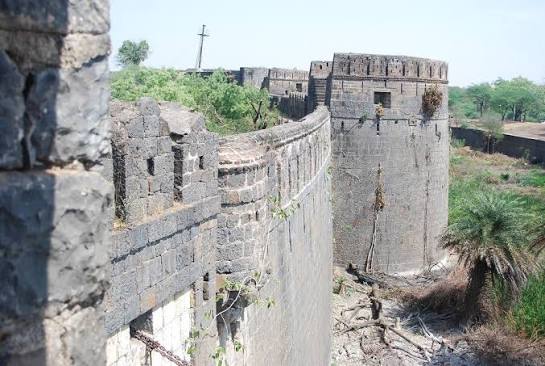
Ahmednagar – Where History, Heritage and Maharashtra's Spirit Come Together
Located in the heart of Maharashtra, Ahmednagar, officially known as Ahilyanagar, is a historic city known for its forts, Nizam Shahi heritage, religious landmarks, museums and strong connection with India's freedom movement. Founded by Ahmad Nizam Shah I in 1494, the city has played an important role in the political and cultural history of the Deccan.
From the imposing Ahmednagar Fort and historic Chand Bibi Palace to Bagh Rauza, Cavalry Tank Museum and the spiritual destination of Meherabad, the city offers travellers a fascinating combination of history, architecture, culture, spirituality and modern Maharashtra.
Often considered one of the important heritage cities of Maharashtra, Ahmednagar is an ideal destination for history lovers, pilgrims, architecture enthusiasts and travellers looking to explore a less-crowded side of the state.
History of Ahmednagar
The history of Ahmednagar is closely connected with the Nizam Shahi dynasty, the Maratha period, the Mughal Empire, the British era and India's freedom movement. The city's strategic location in the Deccan made it an important centre of politics and military activity for centuries.
- Ahmednagar was founded in 1494 by Ahmad Nizam Shah I, founder of the Nizam Shahi dynasty.
- The city became the capital of the Ahmadnagar Sultanate and developed into an important political centre.
- The famous Ahmednagar Fort was constructed as a major defensive structure during the Nizam Shahi period.
- The city witnessed conflicts involving the Mughals, Marathas, Nizam Shahis and other Deccan powers.
- The Maratha Empire later became an important political force in the region.
- Ahmednagar eventually came under British control during the expansion of British power in the Deccan.
- The city played an important role during India's freedom movement.
- Jawaharlal Nehru and other national leaders were imprisoned at Ahmednagar Fort during the Quit India period.
- Nehru wrote significant portions of The Discovery of India while imprisoned at the fort.
- In the 20th century, Ahmednagar also developed as an important centre for the Indian Army and armoured forces.
- In 2024, the district and city began officially using the name Ahilyanagar in honour of Ahilyabai Holkar.
Today, the city's forts, tombs, historic buildings and museums preserve the story of a place that has witnessed centuries of Deccan history and India's struggle for independence.
Geography of Ahmednagar
Ahmednagar is situated in central Maharashtra and forms part of the state's extensive Deccan plateau. The city lies near the Sina River and is surrounded by a predominantly dry and semi-arid landscape.
Ahmednagar's geography is defined by:
Deccan Plateau terrain with generally flat to gently undulating landscapes
Sina River and other seasonal waterways in the surrounding region
Dry and semi-arid climate across much of the area
Agricultural land surrounding the urban centre
Low hills and rocky terrain in parts of the wider district
Historic water structures and reservoirs developed over different periods
The wider Ahilyanagar district also contains dramatic Western Ghats landscapes, including the Kalsubai mountain range, while the eastern and central areas are more plateau-like and dry.
This geographical diversity makes the wider region suitable for heritage tourism, pilgrimage, trekking, nature exploration and rural experiences.
Culture and Traditions of Ahmednagar
The culture of Ahmednagar reflects the diverse heritage of Maharashtra and the Deccan. Marathi traditions form the foundation of local culture, while centuries of interaction between different communities have created a rich mixture of religious, linguistic, culinary and artistic traditions.
Traditional Lifestyle
Life in Ahmednagar combines modern urban development with traditional Maharashtrian customs. The surrounding region remains strongly connected with agriculture, rural communities, local markets and cooperative institutions.
Traditional neighbourhoods, temples, mosques, historic structures and old markets continue to preserve elements of the city's cultural character.
Language and Traditions
Marathi is the principal language spoken in Ahmednagar. Hindi and English are also widely understood, while other languages can be heard among the city's diverse population.
Local traditions are expressed through religious festivals, folk performances, community gatherings, traditional food and celebrations associated with important temples and cultural institutions.
Music, Dance and Folk Culture
Maharashtrian folk traditions such as Lavani, Powada and Dhangari cultural performances form part of the broader cultural heritage of the region.
Religious festivals and village celebrations often feature devotional music, processions and traditional performances, helping preserve the cultural identity of the region.
Religious Diversity
Ahmednagar's historic landscape includes Hindu temples, Islamic monuments, Christian institutions and other religious sites. This diversity reflects the city's long history as a major Deccan settlement.
For visitors, Ahmednagar offers an opportunity to experience a side of Maharashtra where history, spirituality, community traditions and modern urban life exist together.
Architecture of Ahmednagar
Ahmednagar has a distinctive architectural heritage shaped by the Nizam Shahi dynasty, Mughal influences, Maratha traditions and British-era development.
Ahmednagar Fort
The Ahmednagar Fort is one of the city's most important architectural landmarks. The massive fortification features strong defensive walls, towers and a surrounding moat, reflecting the military architecture of the Deccan.
The fort later became historically significant during India's freedom movement because several national leaders were imprisoned there.
Chand Bibi Palace
The monument commonly known as Chand Bibi Palace is actually the tomb of Salabat Khan II. Built on a hill overlooking the surrounding countryside, the structure is an excellent example of Nizam Shahi architecture.
Its octagonal form, multiple levels and stone construction make it one of the most distinctive historic monuments around Ahmednagar.
Bagh Rauza
Bagh Rauza is an important Nizam Shahi-era architectural complex. Built primarily from dark stone, the monument reflects the sophisticated funerary and religious architecture of the period.
Historic Mosques and Gates
Ahmednagar contains several historic mosques, gates and remnants of its medieval fortifications. Structures such as Damdi Masjid and the old city gates provide further insight into the city's architectural history.
Exploring Ahmednagar's architecture is like travelling through different periods of Deccan history, Islamic architecture, Maratha heritage and colonial-era development.
Famous Places in Ahmednagar
Ahmednagar and the surrounding region offer a wide variety of forts, museums, religious landmarks, heritage monuments and cultural attractions.
Ahmednagar Fort
Ahmednagar Fort, also known as Bhui Kot Fort, is the city's most important historical landmark. Built during the Nizam Shahi period, the massive fortification played an important role in the military history of the Deccan.
During the freedom movement, prominent Indian leaders including Jawaharlal Nehru, Sardar Vallabhbhai Patel and Maulana Abul Kalam Azad were held at the fort.
Chand Bibi Palace
Located on a hill approximately 12 kilometres from the city centre, the monument popularly called Chand Bibi Palace is the tomb of Salabat Khan II. Its elevated position provides panoramic views of the surrounding countryside.
Bagh Rauza
Bagh Rauza is a historic black-stone monument associated with Ahmad Nizam Shah. The complex is an important reminder of the city's early Nizam Shahi history.
Faria Bagh Palace
Faria Bagh Palace is another historic Nizam Shahi-era structure. Its distinctive octagonal garden and domed architectural elements provide an interesting glimpse into the royal heritage of the city.
Cavalry Tank Museum
The Cavalry Tank Museum is one of the most unique attractions in Ahmednagar. Established by the Armoured Corps Centre and School, the museum displays a collection of historic military vehicles and tanks.
It is particularly interesting for visitors fascinated by military history, engineering and India's armoured forces.
Meherabad
Meherabad, located on the outskirts of Ahmednagar, is associated with spiritual teacher Meher Baba. The site includes his samadhi, museum, former residence and other facilities connected with his life and teachings.
Damdi Masjid
Damdi Masjid is a historic mosque dating to the Nizam Shahi period. Its location near the old fort area makes it an interesting stop for visitors exploring Ahmednagar's medieval heritage.
Rehkuri Blackbuck Sanctuary
Located in the wider Ahilyanagar district, the Rehkuri Blackbuck Sanctuary is known for its population of blackbuck and other wildlife. It offers a different experience from the city's historical attractions.
For travellers interested in history, architecture, spirituality, military heritage and nature, Ahmednagar provides a diverse range of experiences.
Famous Dishes of Ahmednagar
The food of Ahmednagar reflects the broader culinary traditions of Maharashtra, with an emphasis on millets, pulses, vegetables, spices, bhakri and traditional Maharashtrian preparations.
Bhakri
Bhakri is a traditional Maharashtrian flatbread commonly prepared from jowar, bajra or other grains. It is often served with vegetables, dal, chutney or spicy preparations.
Pithla Bhakri
Pithla Bhakri is one of Maharashtra's best-known rustic meals. Pithla is a gram-flour preparation cooked with spices and served with freshly prepared bhakri.
Misal Pav
Misal Pav is a popular Maharashtrian dish made with sprouted legumes, spicy gravy, onions and farsan, usually served with pav.
Vada Pav
Vada Pav is a popular Maharashtrian street-food snack consisting of a spiced potato fritter served inside pav with chutneys and other accompaniments.
Sabudana Khichdi
Sabudana Khichdi is a popular Maharashtrian preparation made from tapioca pearls, peanuts, potatoes and spices. It is especially common during fasting periods and festivals.
Bharli Vangi
Bharli Vangi is a traditional Maharashtrian preparation of small brinjals stuffed with a spiced mixture of coconut, peanuts and other ingredients.
Visitors can explore local restaurants, traditional Maharashtrian eateries and food stalls to experience the authentic flavours of the Deccan and Maharashtra.
Famous Personalities of Ahmednagar
Ahmednagar and the wider district have been associated with several influential personalities from politics, social reform, spirituality, literature and public life.
Ahilyabai Holkar
Ahilyabai Holkar, the celebrated queen of the Maratha Malwa kingdom, has a strong cultural association with the region and is honoured through the modern name Ahilyanagar.
She is remembered for her administrative abilities, philanthropy and contribution to the restoration and construction of temples and public facilities across India.
Anna Hazare
Anna Hazare, the well-known social activist, is closely associated with Ralegan Siddhi in Ahmednagar district. His work in rural development, water conservation and community-led development brought national attention to the village.
Meher Baba
Meher Baba was a spiritual teacher whose life and work are closely associated with Meherabad near Ahmednagar. His samadhi and associated facilities continue to attract visitors and followers from India and abroad.
Jawaharlal Nehru
Although not originally from Ahmednagar, Jawaharlal Nehru has an important historical connection with the city because he was imprisoned at Ahmednagar Fort during the freedom movement.
While imprisoned there, Nehru wrote much of The Discovery of India, making the fort an important location in India's intellectual and political history.
These personalities represent different aspects of Ahmednagar's identity, from royal heritage and social reform to spirituality and India's freedom movement.
Festivals of Ahmednagar
Festivals are an important part of Ahmednagar's cultural life. Traditional Maharashtrian festivals are celebrated alongside religious events associated with the city's diverse communities.
Ganesh Chaturthi
Ganesh Chaturthi is widely celebrated across Ahmednagar with beautifully decorated idols, prayers, cultural programmes, processions and community gatherings.
Gudi Padwa
Gudi Padwa marks the Marathi New Year and is celebrated with traditional decorations, family gatherings, festive food and cultural activities.
Navratri and Dussehra
Navratri and Dussehra are celebrated with religious ceremonies, cultural programmes and community gatherings. The festivals bring together families and communities across the city.
Diwali
Diwali is celebrated with lights, rangoli, prayers, sweets and family gatherings. Local markets become particularly vibrant during the festive season.
Mahashivaratri
Mahashivaratri is celebrated at Shiva temples across the city and surrounding region. Devotees gather for prayers, rituals and night-long religious observances.
Eid
Eid is celebrated by the city's Muslim communities with prayers, family gatherings, traditional food and festive markets.
Local Temple Festivals
Temples across the wider Ahilyanagar region organise annual fairs, processions and religious celebrations. These local events provide visitors with an opportunity to experience the region's traditional religious and community culture.
For visitors, attending a local festival can be a memorable way to experience Ahmednagar's traditions, food, music and community spirit.
Things to Do in Ahmednagar
Ahmednagar offers a variety of experiences for history lovers, spiritual travellers, families and visitors interested in Maharashtra's culture.
Explore Ahmednagar Fort
Walk around the historic Ahmednagar Fort and learn about its Nizam Shahi origins and important role during India's freedom movement.
Visit Chand Bibi Palace
Visit the historic Chand Bibi Palace and enjoy views of the surrounding countryside from the elevated location of the monument.
Discover Bagh Rauza
Explore Bagh Rauza and discover the black-stone architecture and history associated with the Nizam Shahi dynasty.
Visit the Cavalry Tank Museum
Explore the Cavalry Tank Museum to see historic tanks and military vehicles and learn more about India's armoured warfare heritage.
Experience Meherabad
Visit Meherabad to explore the spiritual heritage associated with Meher Baba. The peaceful surroundings and museum provide an opportunity for reflection and cultural learning.
Explore Local Temples
Visit temples in Ahmednagar and the surrounding region to experience Maharashtra's religious architecture and local traditions.
Try Maharashtrian Food
Explore local eateries and taste traditional dishes such as pithla bhakri, misal pav, vada pav and sabudana khichdi.
Explore the Wider District
If you have additional time, travel beyond the city to destinations such as Bhandardara, Kalsubai, Shani Shingnapur, Rehkuri and Harishchandragad.
For travellers interested in history, spirituality, food, architecture and offbeat Maharashtra, Ahmednagar offers a rewarding travel experience.
Where to Eat, Shop, and Stay in Ahmednagar
Ahmednagar is a well-established city with a wide range of restaurants, markets, hotels and local shopping areas. Travellers can find options ranging from budget accommodation and local eateries to modern hotels and restaurants.
Where to Eat
Restaurants across Ahmednagar offer Maharashtrian, North Indian, South Indian, vegetarian and multi-cuisine food.
Visitors should try traditional local dishes such as misal pav, pithla bhakri, vada pav and Maharashtrian thalis.
Local food streets and traditional restaurants are particularly good places to experience the everyday flavours of the city.
Where to Shop
Ahmednagar has several local markets and commercial areas where visitors can shop for clothing, traditional products, food items, household goods and everyday essentials.
The city's markets become particularly lively during Diwali, Ganesh Chaturthi and other major festivals.
Where to Stay
Ahmednagar offers accommodation across different budgets. Depending on your travel requirements, you can find:
Budget hotels and lodges
Mid-range hotels
Business hotels
Guesthouses
Accommodation near the railway station and major city areas
For travellers planning excursions to Bhandardara, Shani Shingnapur or other destinations in the wider district, staying in Ahmednagar city can provide a convenient base.
During major festivals and peak travel periods, it is advisable to book accommodation in advance.
What Is Ahmednagar Famous For?
Ahmednagar is famous for its Nizam Shahi history, historic fort, freedom movement heritage, military museum, religious sites and connection with important personalities.
Ahmednagar is especially known for:
Ahmednagar Fort – a historic Nizam Shahi fort and an important location in India's freedom movement.
Chand Bibi Palace – the historic tomb of Salabat Khan II, popularly known by the name Chand Bibi Palace.
Bagh Rauza – an important black-stone Nizam Shahi monument.
Cavalry Tank Museum – a unique military museum displaying historic tanks and armoured vehicles.
Meherabad – a spiritual destination associated with Meher Baba.
Nizam Shahi Heritage – reflected in the city's forts, tombs, mosques and historic structures.
Marathi Culture – expressed through festivals, food, language, music and traditions.
Connection with India's Freedom Movement – particularly through Ahmednagar Fort and the imprisonment of national leaders.
Nearby Natural Attractions – including Bhandardara, Kalsubai, Harishchandragad and Rehkuri.
For visitors, Ahmednagar is more than a historic city. It is a destination where Deccan history, Maharashtra's culture, spirituality and natural landscapes come together.
Best Time to Visit Ahmednagar
The best time to visit Ahmednagar is generally from October to March, when temperatures are more comfortable for sightseeing and exploring outdoor attractions.
| Season | Months | Travel Experience |
|---|---|---|
| Winter | November–February | Pleasant weather and ideal for sightseeing |
| Summer | March–May | Hot and dry, with sightseeing better during mornings and evenings |
| Monsoon | June–September | Green landscapes and better conditions around waterfalls and hill regions |
| Post-Monsoon | October | Comfortable weather and improving outdoor conditions |
For exploring the city comfortably, October to March is generally preferred. Travellers interested in the Western Ghats, Bhandardara and waterfalls may also enjoy the monsoon and post-monsoon seasons.
How to Reach Ahmednagar
Ahmednagar is well connected with major cities of Maharashtra by road and rail. The city is located within convenient travelling distance of Pune, Nashik, Aurangabad and Mumbai.
By Air
The nearest major airports commonly used for travelling to Ahmednagar are Pune Airport and Chhatrapati Sambhajinagar Airport. Shirdi Airport is another option depending on flight availability and the traveller's itinerary.
From the airport, visitors can continue towards Ahmednagar by taxi, private vehicle or bus.
By Train
Ahmednagar Railway Station provides rail connectivity with several cities in Maharashtra and other parts of India. Regular trains connect the city with places such as Pune, Mumbai and Shirdi.
By Road
Ahmednagar is well connected by road with major cities in Maharashtra. State transport buses and private buses operate from different cities to Ahmednagar.
The city can be reached conveniently from Pune, Mumbai, Nashik, Chhatrapati Sambhajinagar and Shirdi.
Within the city, travellers can use auto-rickshaws, taxis, buses and private vehicles to move between attractions.
Nearby Places to Visit from Ahmednagar
Ahmednagar is an excellent base for exploring several historical, religious and natural attractions across the wider Ahilyanagar district.
Shani Shingnapur
Shani Shingnapur is one of Maharashtra's most famous pilgrimage destinations. The village is known for its open-air shrine dedicated to Lord Shani and its distinctive religious traditions.
Shirdi
Shirdi is one of India's most important pilgrimage destinations and is associated with Shirdi Sai Baba. The Sai Baba temple complex attracts devotees throughout the year.
Bhandardara
Bhandardara is a scenic destination in the Western Ghats known for its lake, mountains, waterfalls and peaceful natural surroundings. It is particularly beautiful during the monsoon and post-monsoon seasons.
Kalsubai Peak
Kalsubai is the highest peak in Maharashtra, rising to approximately 1,646 metres. The trek attracts hikers and adventure enthusiasts, particularly during suitable weather conditions.
Harishchandragad
Harishchandragad is a historic hill fort known for its challenging trekking routes, ancient temples and spectacular Konkan Kada cliff.
Rehkuri Blackbuck Sanctuary
The Rehkuri Blackbuck Sanctuary provides an opportunity to observe blackbuck and other wildlife in a protected natural environment.
Ralegan Siddhi
Ralegan Siddhi is known for its community-led rural development and water-conservation initiatives associated with social activist Anna Hazare. It has become an example of sustainable village development.
These destinations can be combined into a longer journey through Ahilyanagar and central Maharashtra, offering a mixture of pilgrimage, history, adventure, wildlife and nature.
Best Duration for a Trip to Ahmednagar
A 2 to 3-day trip is generally sufficient to explore the major attractions in Ahmednagar city. Travellers who want to explore nearby pilgrimage and natural destinations can extend their trip to four or five days.
A suggested itinerary could include:
Day 1: Explore Ahmednagar Fort, Bagh Rauza, Damdi Masjid and other historic landmarks.
Day 2: Visit Chand Bibi Palace, Cavalry Tank Museum, Faria Bagh and Meherabad.
Day 3: Explore local temples, markets and traditional food, or take a short excursion towards a nearby destination.
Day 4: Visit Shani Shingnapur or Shirdi.
Day 5: Keep additional time for Bhandardara, Rehkuri or another wider-district attraction.
Travellers focusing only on the city's heritage can cover the major attractions in two days, but 3 days is more comfortable for experiencing Ahmednagar without rushing.
Travel Tips for Ahmednagar
Ahmednagar is an easy city to explore, but a little preparation can make your trip more comfortable.
Plan heritage visits: Check opening hours and visitor restrictions before visiting historic monuments and military-related attractions.
Carry comfortable footwear: Exploring forts, museums and historic areas can involve considerable walking.
Stay hydrated: Summers can be hot and dry, so carry drinking water during outdoor sightseeing.
Plan early during summer: Visit outdoor monuments during the morning or late afternoon when temperatures are more comfortable.
Respect religious places: Dress appropriately and follow local customs at temples, mosques and spiritual centres.
Carry sun protection: Sunglasses, sunscreen and a hat can be useful during warmer months.
Use reliable transport: Taxis, auto-rickshaws, buses and private vehicles are useful for moving around the city and visiting attractions outside the centre.
Keep some cash: Small shops and local eateries may not always accept digital payments.
Plan nearby excursions: Destinations such as Bhandardara, Shani Shingnapur and Shirdi are spread across the wider district, so allow enough travel time.
Check weather before trekking: If visiting Kalsubai or Harishchandragad, check local weather and trail conditions before beginning the trek.
Book accommodation early: Hotels can become busy during festivals, pilgrimage seasons and major local events.
With proper planning, Ahmednagar can offer a memorable experience filled with history, spirituality, architecture, food and Maharashtra's rich cultural traditions.
Why Visit Ahmednagar?
Ahmednagar is a destination for travellers who want to discover a lesser-explored side of Maharashtra. Its historic monuments, spiritual sites, military heritage and access to the Western Ghats make it a fascinating destination for different kinds of travellers.
Discover Nizam Shahi Heritage
The city's forts, tombs, mosques and historic gardens provide a fascinating introduction to the Nizam Shahi history of the Deccan.
Explore India's Freedom Movement
Ahmednagar Fort has an important place in India's freedom history. Walking through the fort allows visitors to connect with the period when national leaders were imprisoned there during the struggle for independence.
Experience Military Heritage
The Cavalry Tank Museum provides a unique opportunity to explore India's armoured military history and see historic tanks and military vehicles.
Discover Spiritual Maharashtra
From Meherabad and local temples to nearby Shirdi and Shani Shingnapur, Ahmednagar is surrounded by important spiritual destinations.
Explore Nature and Adventure
The wider district provides access to Bhandardara, Kalsubai, Harishchandragad, Rehkuri and other natural destinations, making Ahmednagar a useful base for outdoor exploration.
Taste Traditional Maharashtrian Food
Local food provides another reason to visit. Traditional dishes such as pithla bhakri, misal pav, vada pav and sabudana khichdi offer a taste of Maharashtra's culinary heritage.
Experience a Historic Deccan City
Ahmednagar offers an opportunity to experience a city where medieval kingdoms, Maratha history, colonial rule, India's freedom movement and modern Maharashtra have all left their mark.
If you enjoy history, architecture, spirituality, food, military heritage and offbeat destinations, Ahmednagar is a place worth adding to your Maharashtra travel itinerary.
Conclusion
Ahmednagar, now officially known as Ahilyanagar, is a city where centuries of history continue to shape everyday life. Its imposing forts, historic monuments, spiritual centres and cultural traditions make it one of Maharashtra's most interesting heritage destinations.
From exploring the Ahmednagar Fort and Chand Bibi Palace to discovering Bagh Rauza, the Cavalry Tank Museum and Meherabad, visitors can experience different chapters of the city's fascinating past. The nearby pilgrimage destinations and Western Ghats landscapes add even more variety to the journey.
If you are looking beyond Maharashtra's most famous tourist destinations and want to experience a city filled with history, spirituality, architecture, culture and authentic regional character, Ahmednagar is a destination that deserves a place on your travel itinerary.
"Travel is the only thing you buy that makes you richer."