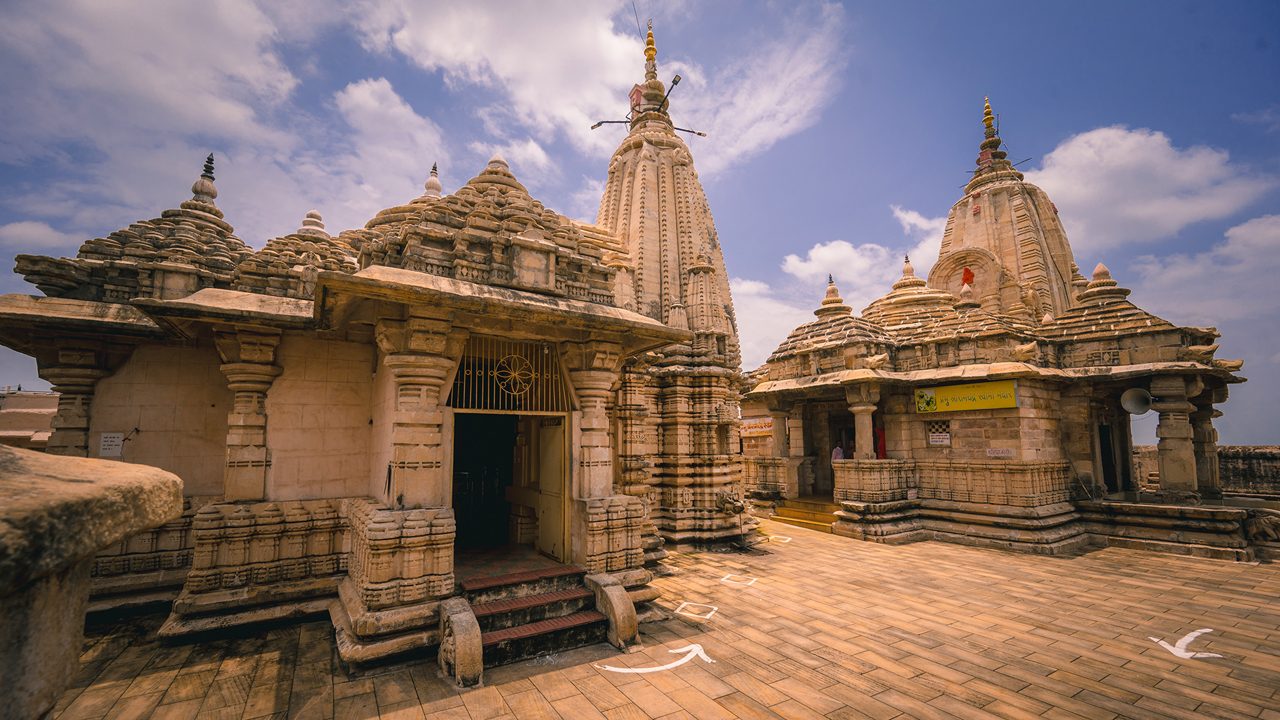
Nagpur, Maharashtra – The Orange City at the Heart of India
Nagpur, popularly known as the “Orange City”, is one of Maharashtra’s most important urban centres and the winter capital of the state. Located in the Vidarbha region, Nagpur combines a fascinating history, vibrant culture, spiritual landmarks, wildlife experiences and a distinctive food scene.
The city is also associated with the famous Zero Mile Marker, its proximity to tiger reserves and the historic legacy of the Gond and Bhonsle rulers. From ancient temples and forts to lakes, gardens and bustling markets, there are plenty of things to do in Nagpur for travellers.
Whether you are planning a short city break, a family holiday, a spiritual journey or a wildlife-focused trip, Nagpur, Maharashtra offers a diverse travel experience.
History of Nagpur
Nagpur has a long and fascinating history extending back more than two thousand years, with archaeological evidence indicating early human settlement in the region. The city itself developed prominently under the Gond rulers.
Gond prince Bhakt Buland is traditionally credited with establishing Nagpur in the early 18th century. The city later came under the rule of the Bhonsle dynasty and became an important centre of the Maratha Empire.
A major turning point came with the Battle of Sitabuldi in 1817, after which the British East India Company gained control of Nagpur. During British rule, Nagpur became the capital of the Central Provinces and Berar and experienced significant industrial development, including the establishment of Empress Mills in 1877.
After independence, Nagpur became part of Madhya Pradesh before eventually becoming part of Maharashtra. The Nagpur Pact helped establish the city's continuing political importance, and Nagpur became the winter capital of Maharashtra.
Nagpur also holds immense significance in modern Indian social history. In 1956, Dr. B. R. Ambedkar embraced Buddhism at Nagpur, making the city an important centre for the Buddhist movement in India.
Geography of Nagpur
Nagpur is located in eastern Maharashtra in the Vidarbha region. The city occupies a strategically important position in central India and has historically served as an important transportation, commercial and administrative hub.
The Nag River, from which the city derives its name, is closely associated with Nagpur's identity. The wider district includes agricultural areas, forests, lakes and wildlife habitats.
Nagpur's location also makes it an excellent base for exploring wildlife destinations such as Pench National Park and other natural attractions in the surrounding region.
Quick Geographic Snapshot
| Feature | Details |
|---|---|
| Region | Vidarbha, Maharashtra |
| Known As | Orange City |
| Major River | Nag River |
| Geographical Landmark | Zero Mile Marker |
| Landscape | Urban areas, lakes, forests and agricultural land |
Culture and Traditions of Nagpur
Nagpur's culture reflects a blend of Marathi, Vidarbha, Gond, Buddhist and modern urban influences. The city's diverse population contributes to a lively cultural environment throughout the year.
Traditional celebrations, religious festivals, public processions and local fairs form an important part of Nagpur's cultural identity.
The city is particularly known for the distinctive Marbat Utsav, a traditional festival involving processions of symbolic effigies representing evil or social problems. The celebration has evolved into an important cultural expression of Nagpur.
Nagpur's connection with Buddhism is another major aspect of its cultural identity, with Deekshabhoomi attracting visitors and pilgrims from across India.
Architecture of Nagpur
Nagpur's architecture reflects several historical periods, from ancient religious traditions and Gond-era structures to Maratha, British and contemporary Indian architecture.
- Sitabuldi Fort: A historic military structure associated with the Battle of Sitabuldi.
- Deekshabhoomi: A monumental Buddhist complex with distinctive modern architecture.
- Ramtek Fort Temple: A historic hilltop religious complex combining fortifications and temple architecture.
- Zero Mile Marker: A colonial-era landmark associated with geographical surveying.
- Dragon Palace Buddhist Temple: A peaceful Buddhist temple known for its distinctive architecture and landscaped surroundings.
Famous Places to Visit in Nagpur
Nagpur offers a mix of historical landmarks, religious destinations, lakes, gardens and wildlife experiences. Some of the best places to visit in Nagpur include:
- Deekshabhoomi: One of the city's most important Buddhist landmarks and a major pilgrimage destination.
- Zero Mile Marker: An iconic Nagpur landmark historically associated with the geographical centre of India.
- Sitabuldi Fort: A historically significant fort connected with the 1817 Battle of Sitabuldi.
- Ambazari Lake: A popular recreational destination surrounded by greenery.
- Seminary Hills: A scenic green area offering peaceful surroundings and city views.
- Ramtek: A historic and religious destination located outside central Nagpur.
- Dragon Palace Buddhist Temple: A serene spiritual destination in Kamptee.
- Mahakali Caves: Historic rock-cut caves and an interesting archaeological attraction.
- Chhota Kashmir: A recreational green space known for its peaceful environment.
- Pench National Park: A major wildlife destination accessible from Nagpur.
- Nagardhan Fort: A historic fort located near Ramtek and associated with the Vakataka and Bhonsle periods.
- Waki Woods: A nature and adventure destination offering outdoor activities.
Famous Dishes of Nagpur
Nagpur is especially famous for its bold and spicy Saoji cuisine. Saoji dishes are prepared using a distinctive spice blend and are particularly popular among lovers of intensely flavoured food.
Must-Try Foods in Nagpur
- Saoji Chicken: A spicy and aromatic chicken preparation.
- Saoji Mutton: A rich meat dish prepared with traditional Saoji spices.
- Saoji Thali: A hearty meal featuring traditional spicy preparations.
- Tarri Poha: A popular Nagpur-style breakfast combining poha with spicy curry.
- Misal Pav: A popular Maharashtrian snack enjoyed across the city.
- Patodi Rassa: A traditional Vidarbha-style preparation served with spicy gravy.
- Orange-Based Products: Nagpur's famous oranges are also used in juices, sweets and other local products.
For food lovers, exploring Nagpur's local restaurants and traditional food outlets is an essential part of the travel experience.
Famous Personalities Associated with Nagpur
Nagpur has been associated with several influential figures in India's political, social and cultural history.
- Dr. B. R. Ambedkar: His historic Buddhist conversion at Nagpur in 1956 made the city a major landmark in India's social history.
- Bhakt Buland: The Gond prince traditionally credited with establishing Nagpur in the early 18th century.
- Raghuji Bhonsle I: An important ruler of the Bhonsle dynasty whose reign played a major role in Nagpur's development.
Festivals Celebrated in Nagpur
Festivals in Nagpur showcase the city's religious diversity, regional traditions and vibrant public culture.
- Marbat Utsav: One of Nagpur's most distinctive traditional festivals, featuring symbolic effigies and processions.
- Ganesh Chaturthi: Celebrated with decorated idols, cultural programmes and public festivities.
- Diwali: The festival of lights is celebrated across the city with homes, markets and public spaces decorated brightly.
- Holi: A colourful celebration enjoyed by communities across Nagpur.
- Dhamma Chakra Pravartan Din: A significant Buddhist observance connected with Dr. B. R. Ambedkar's conversion to Buddhism at Deekshabhoomi.
- Ramtek Religious Celebrations: Major religious events attract devotees to the historic Ramtek temple complex.
Things to Do in Nagpur
There are plenty of things to do in Nagpur for history lovers, families, food enthusiasts and nature travellers.
- Visit Deekshabhoomi and learn about its historical significance.
- See the historic Zero Mile Marker.
- Explore the history surrounding Sitabuldi Fort.
- Enjoy a peaceful evening at Ambazari Lake.
- Explore the greenery around Seminary Hills.
- Take a day trip to Ramtek.
- Visit Dragon Palace Buddhist Temple.
- Enjoy authentic Saoji cuisine.
- Shop for Nagpur oranges and regional products.
- Plan a wildlife excursion towards Pench National Park.
- Explore nearby lakes and nature destinations such as Khindsi Lake and Totladoh.
Where to Eat, Shop, and Stay in Nagpur
Where to Eat
Nagpur has restaurants and food outlets serving everything from traditional Vidarbha cuisine and Saoji food to Maharashtrian snacks, North Indian dishes, South Indian food and international cuisine.
For an authentic local experience, travellers should look for traditional Saoji restaurants and local eateries serving regional specialities.
Where to Shop
Nagpur's markets and shopping areas offer clothing, handicrafts, regional food products, sweets and the city's famous oranges.
- Local markets for fresh oranges and seasonal produce
- Traditional markets for regional food products
- Shopping malls for modern retail and entertainment
- Local stores for souvenirs and Maharashtra handicrafts
Where to Stay
Nagpur offers accommodation options for different budgets, including luxury hotels, business hotels, boutique stays, budget hotels and serviced accommodation.
For convenient access to major city attractions, travellers can consider staying around central Nagpur, Sitabuldi, Civil Lines, Wardha Road or other well-connected areas.
What is Nagpur Famous For?
Nagpur is famous for its oranges, Saoji cuisine, Zero Mile Marker, Deekshabhoomi, Sitabuldi Fort and its proximity to wildlife destinations.
The city is also widely known as the Orange City and the winter capital of Maharashtra. Its location in central India has made it an important transportation, commercial and political centre.
Top Things Nagpur Is Known For
- Orange production and orange-based products
- Saoji cuisine
- Deekshabhoomi
- Zero Mile Marker
- Sitabuldi Fort
- Ramtek
- Pench National Park access
- Marbat Utsav
- Vidarbha culture
Best Time to Visit Nagpur
The best time to visit Nagpur is generally between October and February, when the weather is more comfortable for sightseeing and outdoor activities.
| Season | Months | Travel Experience |
|---|---|---|
| Winter | October–February | Cooler and pleasant; ideal for sightseeing and outdoor activities. |
| Monsoon | July–September | Green landscapes and pleasant natural surroundings, although rainfall can affect travel plans. |
| Summer | March–June | Very hot, especially during the peak summer months; outdoor sightseeing can be uncomfortable. |
For comfortable sightseeing and nearby wildlife trips, October to February is a particularly good period to plan a Nagpur trip.
How to Reach Nagpur
By Air
Dr. Babasaheb Ambedkar International Airport connects Nagpur with major Indian cities and selected international destinations. It is one of the most convenient options for travellers coming from distant parts of India.
By Train
Nagpur is a major railway junction with extensive connectivity to cities across Maharashtra and other parts of India. Rail travel is one of the convenient ways to reach the city.
By Road
Nagpur has strong road connectivity with cities such as Mumbai, Pune, Nashik, Aurangabad, Amravati, Chandrapur and other destinations across Maharashtra. Intercity buses, private vehicles and taxis are commonly available.
| Travel Mode | Key Information |
|---|---|
| Air | Dr. Babasaheb Ambedkar International Airport |
| Rail | Nagpur Railway Station and major railway connections |
| Road | Well-connected highways and bus services |
Nearby Places to Visit from Nagpur
Nagpur's central location makes it a convenient base for exploring several attractions in and around Vidarbha.
- Ramtek: A historic and religious destination known for its hilltop temple and fort.
- Khindsi Lake: A scenic lake near Ramtek offering a peaceful natural setting.
- Nagardhan Fort: An ancient fort located near Ramtek.
- Totladoh: A scenic dam and nature destination associated with the Pench River.
- Pench National Park: A major wildlife destination famous for its forests and tiger sightings.
- Waki Woods: A nature and adventure destination suitable for outdoor activities.
- Khekranala: A scenic dam and forest destination north of Nagpur.
- Navegaon National Park: A wildlife destination known for forests, birdlife and boating opportunities.
Best Duration for a Nagpur Trip
A 2-day Nagpur itinerary is suitable for exploring the city's major attractions, while 3 to 4 days allow travellers to include nearby destinations.
| Trip Duration | Recommended Experience |
|---|---|
| 1 Day | Deekshabhoomi, Zero Mile, Sitabuldi area, local food and city sightseeing. |
| 2 Days | Major Nagpur attractions, Ambazari Lake, temples, markets and local cuisine. |
| 3 Days | Nagpur sightseeing plus Ramtek or another nearby destination. |
| 4–5 Days | Nagpur, Ramtek and a wildlife or nature excursion such as Pench. |
Travel Tips for Visiting Nagpur
- Plan outdoor sightseeing during the cooler months whenever possible.
- Carry sufficient drinking water, especially during warmer months.
- Try authentic Saoji cuisine if you enjoy spicy food.
- Keep extra time for traffic when travelling across the city.
- Wear comfortable footwear when visiting forts, temples and outdoor attractions.
- Respect photography restrictions at religious and protected heritage sites.
- For wildlife trips, follow park rules and book safaris through authorised channels.
- Carry sun protection during daytime sightseeing.
- Keep local cash or digital payment options available for smaller shops and eateries.
- Check opening days and visitor restrictions before visiting restricted heritage sites such as Sitabuldi Fort.
Why Visit Nagpur?
Nagpur is a destination where history, spirituality, food, nature and modern city life come together.
Its identity as the Orange City makes it instantly recognisable, while landmarks such as Deekshabhoomi, Zero Mile Marker and Sitabuldi Fort reveal the city's deeper historical and cultural importance.
Food lovers can explore the distinctive flavours of Saoji cuisine, while nature enthusiasts can use Nagpur as a base for exploring forests, lakes and wildlife destinations such as Pench.
Its central location and excellent transport connections also make Nagpur a practical destination for travellers exploring Maharashtra and central India.
Conclusion – Explore Nagpur, Maharashtra
Nagpur is much more than the Orange City. It is a destination shaped by Gond heritage, Maratha history, British-era development, Buddhist traditions, Vidarbha culture and modern urban life.
From the spiritual atmosphere of Deekshabhoomi and the historic importance of Sitabuldi Fort to the iconic Zero Mile Marker, scenic lakes, traditional food and nearby wildlife destinations, Nagpur offers a varied experience for every kind of traveller.
If you are planning a trip to Maharashtra, add Nagpur to your itinerary and discover the history, culture, cuisine and natural beauty of this fascinating city at the heart of India.
"Travel is the only thing you buy that makes you richer."