Osmanabad (Dharashiv) – Where Ancient Heritage Meets Spirituality and Deccan Landscapes
Located in the Marathwada region of Maharashtra, Osmanabad, officially known as Dharashiv, is a culturally rich destination known for its ancient caves, historic forts, sacred temples and distinctive Deccan landscapes. The district was officially renamed Dharashiv, reflecting its historical connection with the ancient Dharashiv Caves. :contentReference[oaicite:0]{index=0}
With important religious destinations such as Tuljabhavani Temple, historic landmarks including Naldurg Fort and Paranda Fort, and ancient rock-cut caves, Dharashiv offers a fascinating combination of history, spirituality, architecture, culture and nature. It is an ideal destination for pilgrims, history enthusiasts, architecture lovers and travellers looking to explore a lesser-known side of Maharashtra.
History of Osmanabad
The history of Osmanabad, now officially known as Dharashiv, stretches back many centuries and is closely connected with the Deccan kingdoms, ancient Buddhist and Jain heritage, medieval forts and religious traditions.
- The region has an ancient association with the Dharashiv Caves, which preserve evidence of early Buddhist and later Jain religious traditions.
- Several major dynasties, including the Satavahanas, Rashtrakutas, Yadavas, Bahmani rulers, Nizam Shahis, Adil Shahis and Mughals, influenced the wider region.
- The area later became part of the Hyderabad State under the Nizam.
- After Indian independence and the reorganisation of states, the district became part of Maharashtra.
- In 2023, the official name of Osmanabad was changed to Dharashiv, reflecting the region's ancient historical identity. :contentReference[oaicite:1]{index=1}
Today, the region's history can be experienced through its ancient caves, forts, temples, archaeological sites and traditional settlements.
Geography of Osmanabad
Dharashiv is situated in the southeastern part of Maharashtra within the Marathwada region. The landscape is largely shaped by the Deccan Plateau, basaltic rock formations, agricultural plains and seasonal rivers. The district is also influenced by the Balaghat hill ranges.
Dharashiv's geography is defined by:
Rocky Deccan Plateau landscapes
The scenic Balaghat hill ranges
Agricultural plains and rural landscapes
Rivers and seasonal streams including the Manjara and Terna
Basalt rock formations and historic hill landscapes
Its location close to Karnataka and other parts of Marathwada
The combination of dry plateau landscapes, historic rock formations and agricultural countryside gives Dharashiv a distinctive character and makes it interesting for travellers interested in history, nature, photography and rural experiences.
Culture and Traditions of Osmanabad
The culture of Dharashiv reflects the diverse traditions of Marathwada, with strong influences from Hindu, Muslim and Jain heritage. Traditional Maharashtrian customs remain an important part of everyday life, while religious festivals and local fairs bring communities together.
Traditional Lifestyle
Life in Dharashiv combines modern town life with traditional rural and agricultural practices. Farming remains important across the district, while local markets and village communities continue to preserve traditional customs.
Language and Traditions
Marathi is the primary regional language, while Hindi, Urdu and other local languages may also be heard. Traditional customs are passed through family gatherings, religious ceremonies, folk performances and community festivals.
Music, Dance and Festivals
Folk music and traditional performances form an important part of local celebrations. Religious fairs and festivals often feature devotional songs, processions, folk dances and community gatherings.
The culture of Dharashiv reflects a strong connection between religion, agriculture, community traditions and the historical heritage of the Deccan.
Architecture of Osmanabad
Dharashiv's architectural identity is shaped by its ancient rock-cut caves, historic forts, temples and traditional structures. The region provides examples of architectural traditions that developed across different periods of Deccan history.
Dharashiv Caves
The ancient Dharashiv Caves are among the most important heritage sites in the region. Located in the Balaghat hills, the caves contain rock-cut structures, sculptures and religious elements associated with Buddhist and Jain traditions. :contentReference[oaicite:2]{index=2}
Naldurg Fort Architecture
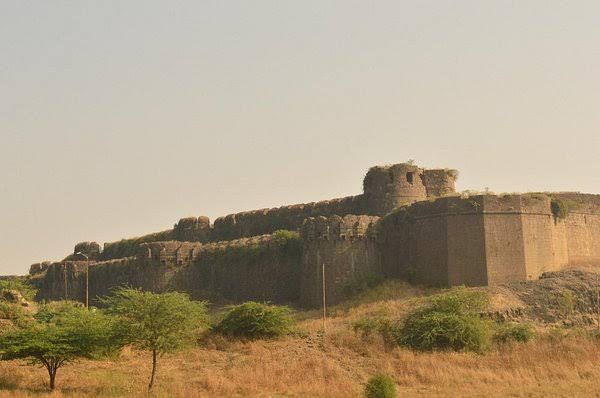
Naldurg Fort is a remarkable example of Deccan military architecture. Built on rugged basalt terrain, the fort features massive walls, bastions, gateways and the unique Pani Mahal, which was constructed around the Bori River dam. :contentReference[oaicite:3]{index=3}
Paranda Fort
Paranda Fort reflects the region's medieval military history and the changing political control of the Deccan. Its defensive architecture and strategic location make it an important heritage landmark.
Temple Architecture
Temples across the district showcase traditional Maharashtrian and Deccan religious architecture. The most prominent example is the Tuljabhavani Temple at Tuljapur, one of Maharashtra's most important pilgrimage sites.
For travellers interested in forts, caves, temples and historic architecture, Dharashiv offers a fascinating journey through different periods of Deccan history.
Famous Places in Osmanabad
Dharashiv is home to ancient caves, magnificent forts, sacred temples and historic settlements. Here are some of the places worth exploring.
Tuljabhavani Temple, Tuljapur
The Tuljabhavani Temple in Tuljapur is one of the most important pilgrimage destinations in Maharashtra and is traditionally regarded as one of the state's three-and-a-half Shakti Peethas. The temple is dedicated to Goddess Tulja Bhavani and attracts large numbers of devotees throughout the year. :contentReference[oaicite:4]{index=4}
Dharashiv Caves
The Dharashiv Caves are ancient rock-cut caves located in the Balaghat hills. Their sculptures, carvings and religious heritage provide an insight into the region's ancient Buddhist and Jain traditions. They are an important destination for history and archaeology enthusiasts. :contentReference[oaicite:5]{index=5}
Naldurg Fort
Naldurg Fort is one of the most impressive forts in the region. Located on a rugged basalt hill and overlooking the Bori River, it is known for its massive fortifications, bastions and the spectacular Pani Mahal. During the monsoon, water cascading through the dam creates a striking natural spectacle. :contentReference[oaicite:6]{index=6}
Paranda Fort
Paranda Fort is an important historic fort associated with the medieval Deccan. The fort changed hands among different ruling powers and reflects the strategic and military importance of the region during the medieval period.
Ter (Tagar)
Ter is an ancient settlement located near the Terna River and is known for its historical importance as a trading centre. The town is also associated with Saint Goroba Kumbhar and contains several historic religious sites. :contentReference[oaicite:7]{index=7}
Siddheshwar Temple
Siddheshwar Temple is an important religious attraction in the region dedicated to Lord Shiva. The temple provides visitors with an opportunity to experience local devotional traditions and the spiritual character of the district.
Bhuleshwar Temple
Bhuleshwar Temple is another religious attraction associated with the wider Dharashiv region. Surrounded by a peaceful setting, it is visited by devotees and travellers interested in Maharashtra's temple heritage.
Saraswati Temple, Washi
The Saraswati Temple at Washi is a local religious attraction known for its peaceful surroundings and spiritual significance. It offers visitors another glimpse into the region's diverse temple traditions.
For travellers interested in spirituality, history, architecture and offbeat destinations, these attractions make Dharashiv a fascinating part of Maharashtra to explore.
Famous Dishes of Osmanabad
The food of Dharashiv reflects the flavours of traditional Maharashtrian and Marathwada cuisine. Local meals often use millet, sorghum, pulses, vegetables, spices and seasonal ingredients.
Bhakri and Pithla
Bhakri and Pithla are traditional Maharashtrian staples widely enjoyed across rural Maharashtra. Sorghum or millet-based bhakri is served with a spiced gram-flour preparation and is often accompanied by onions, vegetables and chutney.
Jowar Bhakri
Jowar bhakri is an important part of the traditional food culture of the Marathwada region. The nutritious flatbread is commonly served with vegetables, dal, pithla or spicy chutneys.
Misal
Misal is a popular Maharashtrian dish made with spicy sprouted legumes and served with pav, farsan, onions and chutneys. It is widely available in local eateries across the district.
Thalipeeth
Thalipeeth is a traditional savoury Maharashtrian flatbread made from a mixture of grains, flours and spices. It is often served with curd, butter or chutney.
Puran Poli
Puran Poli is a traditional Maharashtrian sweet flatbread prepared with a filling of lentils, jaggery and spices. It is particularly popular during festivals and special family occasions.
Local Rural Preparations
Traditional households across the region also prepare seasonal vegetable dishes, spicy chutneys, dal and grain-based meals using locally available ingredients. These simple foods reflect the agricultural character of Dharashiv.
For visitors, trying local food is a great way to experience the authentic flavours and culinary traditions of Marathwada.
Famous Personalities of Osmanabad
Dharashiv has a strong association with religious figures, social contributors, artists and personalities connected with the wider cultural heritage of Marathwada.
Saint Goroba Kumbhar
Saint Goroba Kumbhar, a revered saint of the Bhakti tradition, is closely associated with Ter in the Dharashiv region. He is remembered for his devotional poetry and spiritual teachings and remains an important figure in Maharashtra's Varkari tradition.
Local Religious Leaders
The temples and pilgrimage centres of Dharashiv have been shaped by generations of religious leaders, priests and spiritual figures who have helped preserve the region's devotional traditions.
Local Artists and Cultural Contributors
The district is also home to folk performers, artists, craftspeople, educators and community contributors who continue to preserve the region's traditional music, arts and cultural practices.
Learning about the people associated with Dharashiv provides a deeper understanding of its religious heritage, Bhakti traditions and cultural identity.
Festivals of Osmanabad
Festivals in Dharashiv are closely connected with its strong religious traditions. Temple celebrations, fairs, processions and community gatherings bring the district to life throughout the year.
Navratri
Navratri is one of the most important festivals in the Dharashiv region, particularly at Tuljabhavani Temple in Tuljapur. Devotees gather for prayers, rituals and religious celebrations dedicated to Goddess Tulja Bhavani.
Dussehra
Dussehra is celebrated with great enthusiasm across the district. The celebrations at Tuljapur are particularly significant, attracting devotees and visitors for traditional religious ceremonies and festivities.
Ganesh Chaturthi
Ganesh Chaturthi is widely celebrated throughout Dharashiv. Homes and public spaces feature decorated Ganesha idols, followed by prayers, cultural activities and immersion processions.
Diwali
Diwali is celebrated with illuminated homes, traditional sweets, prayers and family gatherings. Local markets become particularly lively during the festive period.
Mahashivratri
Mahashivratri is an important occasion at Shiva temples throughout the district. Devotees participate in prayers, fasting and traditional religious ceremonies.
Local Temple Fairs
Various temples and religious sites across Dharashiv host annual fairs and local celebrations. These events often include devotional music, folk performances, traditional food and community gatherings.
For visitors, experiencing a local festival or religious fair can be a memorable way to discover Dharashiv's spiritual traditions and community culture.
Things to Do in Osmanabad
Dharashiv is ideal for travellers who enjoy history, spirituality, architecture and offbeat cultural experiences. Here are some of the best things to do while exploring the district:
Seek Blessings at Tuljabhavani Temple
Visit the historic Tuljabhavani Temple in Tuljapur and experience one of Maharashtra's most important pilgrimage centres. The temple's religious atmosphere and architectural heritage make it a memorable destination.
Explore Naldurg Fort
Walk through the massive walls, gateways and bastions of Naldurg Fort. The unique Pani Mahal and the surrounding landscape make the fort especially interesting for history lovers and photographers.
Discover Dharashiv Caves
Explore the ancient Dharashiv Caves to learn about the Buddhist and Jain heritage of the region. The rock-cut structures and surrounding hills provide an interesting historical experience.
Visit Paranda Fort
Discover the military history of the Deccan at Paranda Fort. Its historic walls and strategic design offer a glimpse into the region's medieval past.
Explore Ter
Visit Ter to explore its ancient heritage, religious sites and connection with Saint Goroba Kumbhar. The town offers a quieter cultural experience away from the main tourist routes.
Enjoy Rural Landscapes
The agricultural fields, villages, rocky plateaus and seasonal landscapes around Dharashiv provide opportunities for photography, peaceful drives and rural exploration.
Experience Local Festivals
If your visit coincides with Navratri, Dussehra or a local temple fair, take the opportunity to experience the region's devotional music, rituals, food and community celebrations.
For travellers looking beyond Maharashtra's mainstream tourist destinations, Dharashiv offers an opportunity to discover ancient heritage, spiritual traditions and authentic Marathwada culture.
Where to Eat, Shop, and Stay in Osmanabad
Dharashiv has basic to moderate tourist infrastructure, with accommodation and dining facilities concentrated in the district headquarters and larger towns such as Tuljapur and Naldurg.
Where to Eat
Local restaurants and eateries are available in Dharashiv, Tuljapur, Naldurg and other important towns. Visitors can find Maharashtrian meals, vegetarian food, snacks and North Indian dishes.
Travellers should try regional favourites such as jowar bhakri, pithla, misal and traditional Maharashtrian snacks while exploring the district.
Where to Shop
Local markets are good places to purchase everyday goods, clothing, religious items, sweets and traditional products. Markets around Tuljapur Temple are particularly popular among pilgrims looking for religious souvenirs.
Visitors can also explore local markets for regional food products, traditional items and handicrafts depending on availability.
Where to Stay
Accommodation is mainly available in Dharashiv city and major pilgrimage towns such as Tuljapur. Travellers may find:
Hotels and budget accommodations
Guesthouses and lodges
Family-friendly hotels
Pilgrim accommodation
Basic stays near major tourist attractions
Since accommodation can become busy during Navratri, Dussehra and other major religious occasions, travellers should book their stay in advance.
What Is Osmanabad Famous For?
Osmanabad, officially known as Dharashiv, is famous for its ancient caves, temples, forts, religious heritage and Marathwada culture. The district offers a fascinating combination of historical and spiritual attractions.
Dharashiv is especially known for:
Tuljabhavani Temple – one of Maharashtra's most important Shakti worship centres and a major pilgrimage destination.
Dharashiv Caves – ancient rock-cut caves associated with Buddhist and Jain heritage.
Naldurg Fort – a magnificent Deccan fort known for its massive walls, bastions and unique Pani Mahal.
Paranda Fort – an important medieval fort reflecting the military history of the Deccan.
Ter – an ancient settlement associated with trade, religious heritage and Saint Goroba Kumbhar.
Marathwada Culture – reflected in local food, festivals, folk traditions and rural life.
For visitors, Dharashiv is not simply a historical destination. It is a place to experience spirituality, ancient heritage, architecture and the authentic cultural character of Marathwada.
Best Time to Visit Osmanabad
The best time to visit Dharashiv is generally from October to March, when the weather is more comfortable for sightseeing, temple visits and exploring forts and caves. Maharashtra Tourism also identifies the cooler months as a favourable period for exploring the district. :contentReference[oaicite:8]{index=8}
| Season | Months | Travel Experience |
|---|---|---|
| Winter | October–February | Pleasant and comfortable for sightseeing |
| Summer | March–May | Hot weather; sightseeing is better during cooler hours |
| Monsoon | June–September | Green landscapes and scenic surroundings; some outdoor activities may be affected by rainfall |
| Post-Monsoon | October | Comfortable weather and fresh landscapes |
For a comfortable journey, October to March is generally the preferred period to explore Dharashiv's temples, forts, caves and cultural attractions. Travellers interested in religious festivals can plan their visit according to the annual festival calendar.
How to Reach Osmanabad
Dharashiv is connected with different parts of Maharashtra through rail and road networks. Its location in Marathwada also makes it accessible from nearby cities such as Solapur, Latur and Chhatrapati Sambhajinagar.
By Air
Dharashiv does not have a major commercial airport. Travellers can consider nearby airports such as Solapur, Chhatrapati Sambhajinagar or Pune, depending on flight availability and their travel route. The onward journey can be completed by road.
By Train
Dharashiv Railway Station provides rail connectivity to parts of Maharashtra and the wider region. Travellers can also use nearby railway hubs such as Solapur depending on their origin and destination.
By Road
Dharashiv is connected by road with Solapur, Latur, Chhatrapati Sambhajinagar, Beed and other parts of Maharashtra. State transport buses, private buses and taxis are available on major routes.
Travellers should check train schedules, bus availability and road conditions before travelling, particularly during monsoon periods and major festivals.
Nearby Places to Visit from Osmanabad
Dharashiv can serve as a base for exploring several religious, historical and natural destinations in Marathwada and neighbouring regions.
Tuljapur
Tuljapur is one of the most important pilgrimage destinations near Dharashiv. The town is home to the famous Tuljabhavani Temple, which attracts devotees from across Maharashtra and other parts of India.
Naldurg
Naldurg is known for its magnificent fort and the spectacular Pani Mahal. The historic fort is an excellent destination for travellers interested in Deccan history and architecture.
Paranda
Paranda is known for its historic fort and medieval heritage. It is a worthwhile destination for visitors interested in Maharashtra's military and architectural history.
Solapur
Located nearby, Solapur is an important city known for its historic fort, Siddheshwar Temple, textile industry and regional food culture. It can easily be combined with a Dharashiv itinerary.
Latur
Latur is an important city in Marathwada known for its educational institutions, markets and regional culture. It can be included in a longer road trip through southeastern Maharashtra.
Ter
Ter is an ancient settlement with archaeological, religious and cultural significance. Its connection with Saint Goroba Kumbhar and its historic temples make it an interesting destination for heritage enthusiasts.
These destinations can be included in a longer journey through Dharashiv and the Marathwada region, offering a combination of spirituality, history, architecture and local culture.
Best Duration for a Trip to Osmanabad
A 2 to 3-day trip is generally a good amount of time to explore the major attractions of Dharashiv. Travellers interested in pilgrimage, heritage and nearby forts can plan a longer regional itinerary.
A suggested itinerary could include:
Day 1: Explore Dharashiv city, Dharashiv Caves and local temples.
Day 2: Visit Tuljapur and Tuljabhavani Temple, followed by local sightseeing.
Day 3: Explore Naldurg Fort and its surroundings, or visit Paranda depending on your interests.
Travellers who want to explore more of Marathwada can plan a 4 to 5-day regional trip including Solapur, Latur and other nearby destinations.
Travel Tips for Osmanabad
Dharashiv combines pilgrimage centres with remote heritage and rural destinations, so a little preparation can make your journey more comfortable.
Respect religious customs: Follow the dress codes, photography rules and traditions of temples and other religious sites.
Plan festival visits: Tuljapur can become extremely busy during major religious festivals, so book accommodation and transport in advance.
Carry drinking water: Summers can be hot, especially when exploring forts and open landscapes.
Wear comfortable footwear: Good footwear is useful for exploring caves, forts, temples and uneven terrain.
Check weather conditions: Monsoon rainfall can affect roads and outdoor exploration.
Carry cash: Digital payments are increasingly common, but cash can still be useful in smaller villages and local markets.
Respect heritage sites: Do not damage carvings, walls or historic structures, and follow local visitor guidelines.
Ask before photographing: Seek permission before photographing people, religious ceremonies or private spaces.
Book accommodation early: Stay options can become limited during major festivals and pilgrimage seasons.
Keep essential items: Carry medicines, identification, power banks, water and snacks when travelling to remote attractions.
With proper planning, Dharashiv can offer a memorable journey filled with ancient heritage, spiritual experiences, impressive forts and authentic Marathwada culture.
Why Visit Osmanabad?
Osmanabad, now officially known as Dharashiv, is a destination for travellers who want to explore a lesser-known side of Maharashtra's historical and cultural heritage. Its combination of ancient caves, magnificent forts, sacred temples and traditional communities gives the region a distinctive identity.
Discover Ancient Cave Heritage
The Dharashiv Caves provide an opportunity to explore the region's ancient Buddhist and Jain heritage while discovering the craftsmanship of early rock-cut architecture.
Experience Sacred Tuljapur
A visit to Tuljabhavani Temple offers an opportunity to experience one of Maharashtra's most important pilgrimage traditions and the deep devotional culture of the region.
Explore Magnificent Deccan Forts
Naldurg and Paranda Forts provide a fascinating glimpse into the military and political history of the Deccan. Their massive walls, gateways and strategic locations make them particularly attractive to history lovers.
Discover Marathwada's Cultural Heritage
Local food, festivals, folk traditions and rural life provide visitors with an opportunity to experience the authentic cultural character of southeastern Maharashtra.
Enjoy an Offbeat Maharashtra Experience
Compared with Maharashtra's more famous tourist destinations, Dharashiv offers a quieter journey where travellers can explore heritage sites and religious landmarks without the same level of mainstream tourist activity.
If you enjoy history, spirituality, architecture, photography, heritage exploration and offbeat travel, Dharashiv is a destination worth adding to your Maharashtra itinerary.
Conclusion
Osmanabad, officially known as Dharashiv, is a destination where ancient history, spirituality, architecture and Marathwada culture come together. From the sacred Tuljabhavani Temple to the historic Naldurg and Paranda forts and the ancient Dharashiv Caves, the region offers travellers a fascinating journey through different chapters of Maharashtra's heritage.
Exploring Tuljapur, Dharashiv Caves, Naldurg Fort, Paranda Fort and Ter provides a deeper understanding of the region's religious, archaeological and cultural importance. Its traditional food, festivals and rural landscapes add another layer to the travel experience.
If you are looking to travel beyond Maharashtra's usual tourist routes and discover a destination filled with ancient monuments, sacred traditions, historic forts and authentic regional culture, Dharashiv is a place that can offer a memorable and meaningful journey.
"Travel is the only thing you buy that makes you richer."