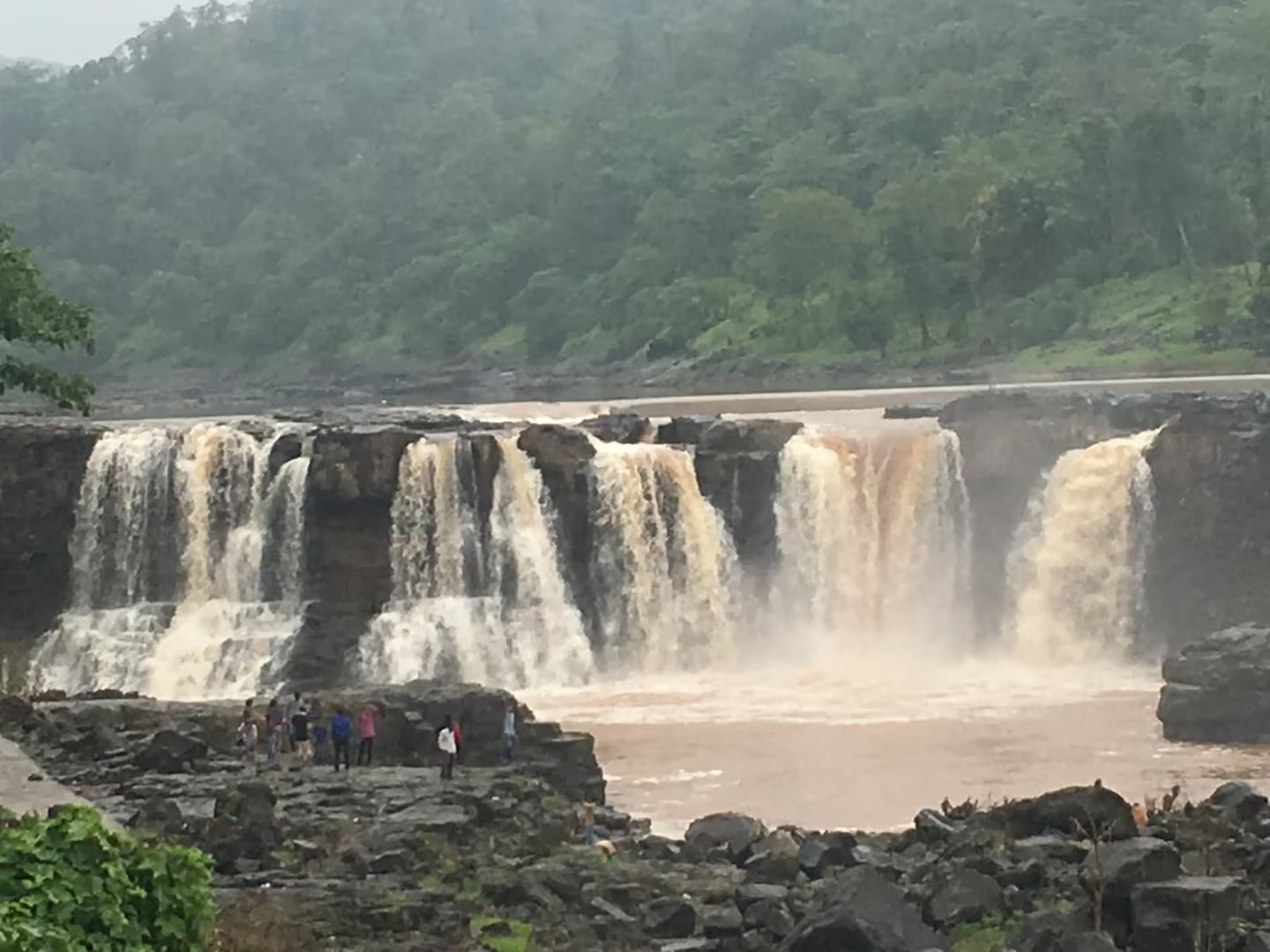
Nandurbar – Where Tribal Heritage Meets the Beauty of the Satpuras
Located in the northwestern part of Maharashtra, Nandurbar is a culturally rich district known for its tribal heritage, scenic landscapes, historic sites and close connection with the Satpura mountain ranges. The region is home to diverse indigenous communities, colourful traditions and natural attractions that make it an interesting destination for travellers seeking an authentic side of Maharashtra.
With its beautiful hills, forests, rivers, traditional villages, temples and vibrant tribal culture, Nandurbar offers a refreshing combination of nature, history, spirituality and local traditions. It is an ideal destination for nature lovers, cultural explorers, history enthusiasts and travellers looking to discover one of Maharashtra's lesser-explored regions.
History of Nandurbar
The history of Nandurbar is closely connected with the ancient settlements, tribal communities and kingdoms that developed across the northern Deccan and Satpura region. The area has witnessed the influence of several dynasties and has retained a strong connection with its indigenous heritage.
- Nandurbar has an ancient historical connection with the Satpura region and the Tapi River valley.
- The region was influenced by different ruling dynasties of the Deccan and northern Maharashtra.
- The area has traditionally been home to indigenous communities including the Bhil, Pawara and other tribal groups.
- Nandurbar became a separate district of Maharashtra in 1998, after being separated from Dhule district.
- The region played an important role in the history and development of tribal communities in northern Maharashtra.
Today, Nandurbar's history can be experienced through its ancient temples, forts, tribal traditions, historic settlements and cultural practices.
Geography of Nandurbar
Nandurbar is situated in the northwestern corner of Maharashtra, close to the borders of Gujarat and Madhya Pradesh. The district is characterised by the Satpura ranges, forests, river valleys and agricultural plains.
Nandurbar's geography is defined by:
The scenic Satpura mountain ranges
The Tapi River and its surrounding valleys
Forested and hilly landscapes
Agricultural plains and rural settlements
Beautiful valleys and remote tribal villages
Its location near the borders of Gujarat and Madhya Pradesh
The combination of mountains, forests, rivers and tribal settlements gives Nandurbar a distinctive landscape and makes it appealing for travellers interested in nature, photography, rural experiences and offbeat travel.
Culture and Traditions of Nandurbar
The culture of Nandurbar is deeply connected with its tribal communities and traditional way of life. Bhil, Pawara and other indigenous communities have preserved many of their customs, languages, artistic traditions and social practices for generations.
Traditional Lifestyle
Life in many parts of Nandurbar remains closely connected with agriculture, forests and local natural resources. Traditional villages reflect a strong sense of community, while farming and other rural occupations continue to play an important role in everyday life.
Language and Traditions
Marathi is widely spoken across the district, while various tribal languages and dialects are also used within indigenous communities. Hindi and other regional languages may also be heard, particularly in towns and market areas.
Traditional knowledge is passed from one generation to another through stories, rituals, folk songs, dances, crafts and community gatherings.
Music, Dance and Festivals
Folk music and traditional dance are important parts of Nandurbar's tribal culture. Community celebrations often feature colourful clothing, traditional instruments, rhythmic performances and group dances that reflect the region's indigenous identity.
The culture of Nandurbar remains one of its strongest attractions, giving travellers an opportunity to experience tribal heritage, traditional lifestyles and the close relationship between local communities and nature.
Architecture of Nandurbar
Nandurbar's architectural identity is influenced by its temples, historic forts, rural settlements and traditional tribal homes. Rather than being known for grand urban monuments, the region's character is reflected in structures connected with local history and community life.
Traditional Tribal Houses
Traditional homes in rural and tribal areas are often constructed using locally available materials and are adapted to the regional climate and environment. Their simple designs reflect the practical lifestyle of the communities living in the Satpura region.
Historic Forts and Structures
The hilly terrain around Nandurbar contains historic forts and old structures that reflect the strategic importance of the region. These sites also provide beautiful views of the surrounding landscape.
Temple Architecture
Temples across the district showcase traditional religious architecture and remain important centres of faith for local communities. Many temples become especially lively during annual fairs and festivals.
For travellers interested in tribal heritage, rural architecture, temples and historic structures, Nandurbar offers a distinctive glimpse into northern Maharashtra's cultural landscape.
Famous Places in Nandurbar
Nandurbar is home to scenic mountains, temples, forts, rivers and culturally important destinations. Here are some of the places worth exploring.
Prakasha
Prakasha is one of the most important religious destinations in the Nandurbar region and is often associated with the Southern Kashi. Located along the Tapi River, the town is known for its ancient temples and spiritual significance. The peaceful riverside setting adds to its appeal.
Dandichi Bari
Dandichi Bari is a scenic destination surrounded by the natural beauty of the Satpura region. The area is known for its hills, forests and peaceful surroundings, making it attractive for nature lovers and travellers looking for an offbeat experience.
Asthamba
Asthamba is an important religious and cultural destination associated with local tribal traditions. The area becomes particularly significant during traditional gatherings and festivals, offering visitors an opportunity to experience the region's indigenous culture.
Torana Mal
Torana Mal, located in the Satpura hills, is one of the most scenic destinations in the wider Nandurbar region. Known for its cool climate, forests, hills and viewpoints, it is a popular destination for nature lovers and those looking for a peaceful hill escape.
Shahada
Shahada is an important town in Nandurbar district known for its markets, temples and connection with the surrounding rural and agricultural areas. It can serve as a useful stop while exploring different parts of the district.
Nandurbar Fort
Nandurbar and its surrounding region contain historic remains that reflect the area's long history. Exploring the town and nearby heritage sites gives visitors a glimpse into the historical development of northern Maharashtra.
Tapi River
The Tapi River is an important geographical feature of Nandurbar and has shaped the region's agriculture, settlements and cultural traditions. The river and its surrounding landscapes offer peaceful views and opportunities for photography.
For travellers who enjoy nature, tribal culture, spirituality, history and offbeat destinations, these places make Nandurbar an interesting destination to explore.
Famous Dishes of Nandurbar
The food of Nandurbar reflects the flavours of traditional Maharashtrian and tribal cuisine. Local meals often use grains, pulses, vegetables, chillies, seasonal ingredients and locally available forest produce.
Bhakri and Pithla
Bhakri and Pithla are traditional Maharashtrian staples that are widely enjoyed across rural Maharashtra. Millet or sorghum-based bhakri is served with a spiced gram-flour preparation and is often accompanied by onions, vegetables or chutney.
Varan Bhaat
Varan Bhaat is a simple and comforting Maharashtrian meal made with lentils and rice. It is commonly served with ghee, vegetables, pickle or other traditional accompaniments.
Thalipeeth
Thalipeeth is a traditional savoury Maharashtrian flatbread prepared using a mixture of grains, flours, spices and vegetables. It is commonly enjoyed with curd, chutney or butter.
Pithla Bhakri with Local Chutneys
Traditional rural meals in the region often combine bhakri with pithla and spicy chutneys prepared from locally available ingredients. These simple dishes reflect the everyday food culture of the countryside.
Tribal and Seasonal Preparations
Traditional tribal communities may prepare a variety of seasonal dishes using locally available grains, vegetables, herbs and forest produce. These foods reflect the close connection between local cuisine and the natural environment.
For visitors, trying traditional food is a great way to experience Nandurbar's rural and tribal culture and understand the region's relationship with locally available ingredients.
Famous Personalities of Nandurbar
Nandurbar is particularly known for its strong tribal identity and its contribution to Maharashtra's social and cultural history. Several individuals associated with the region have played important roles in public life and social development.
Jivya Soma Mashe
Jivya Soma Mashe was a renowned Warli artist who played an important role in bringing Maharashtra's indigenous art traditions to a wider audience. Although associated primarily with the Warli region of Maharashtra, his work represents the broader tribal artistic heritage of the state.
Local Tribal Leaders and Social Contributors
Nandurbar's communities have been shaped by numerous tribal leaders, educators, social workers and community representatives who have worked to preserve indigenous traditions and improve education and social development across the region.
Tribal Artists and Cultural Contributors
Local artists, folk performers, craftspeople and traditional knowledge holders continue to preserve the music, dance, crafts, oral traditions and cultural practices of Nandurbar's indigenous communities.
For travellers, learning about the people and communities of Nandurbar provides a deeper understanding of the district's tribal identity and cultural heritage.
Festivals of Nandurbar
Festivals in Nandurbar reflect the region's diverse religious and tribal traditions. Celebrations often bring villages and communities together through rituals, folk music, dance, fairs and traditional gatherings.
Asthamba Yatra
The Asthamba Yatra is one of the important traditional gatherings associated with the tribal communities of the Nandurbar region. Devotees and community members come together for religious observances, cultural activities and traditional celebrations.
Diwali
Diwali is celebrated across Nandurbar with traditional prayers, illuminated homes, sweets and family gatherings. In rural and tribal communities, local customs and traditional practices add a distinctive character to the celebration.
Holi
Holi is celebrated enthusiastically across the district. Tribal communities often mark the festival with traditional songs, dances, colours and community gatherings, creating a lively festive atmosphere.
Ganesh Chaturthi
Ganesh Chaturthi is widely celebrated in Nandurbar and throughout Maharashtra. Homes and public spaces are decorated with Ganesha idols, while prayers, cultural programmes and processions form an important part of the celebrations.
Tribal Fairs and Local Celebrations
Various local fairs and traditional gatherings take place across Nandurbar throughout the year. These events provide an opportunity to experience indigenous music, dance, crafts, food and community traditions.
For visitors, attending a local festival or fair can be a memorable way to experience Nandurbar's vibrant tribal culture and community life.
Things to Do in Nandurbar
Nandurbar is ideal for travellers who enjoy nature, culture, spirituality and offbeat experiences. Here are some of the best things to do while exploring the district:
Explore Torana Mal
Travel into the Satpura hills and explore Torana Mal's forests, viewpoints and peaceful landscapes. The cooler environment and natural beauty make it an enjoyable escape from busy urban destinations.
Visit the Temples of Prakasha
Explore the ancient temples of Prakasha and experience the spiritual atmosphere of this important religious centre along the Tapi River.
Experience Tribal Culture
Discover the traditions, lifestyle, music, dance and crafts of the region's indigenous communities. Visitors can gain a deeper understanding of the cultural heritage of northern Maharashtra through respectful interaction with local communities.
Enjoy Nature and Photography
The Satpura hills, forests, rivers, valleys and rural landscapes offer excellent opportunities for nature and travel photography. The changing scenery provides plenty of peaceful and scenic moments.
Explore Local Markets
Visiting local markets is a good way to experience everyday life in Nandurbar. Travellers can explore regional food, household products, traditional items and locally made crafts.
Discover Local Fairs and Festivals
If your visit coincides with a traditional festival or tribal fair, take the opportunity to experience local music, dance, rituals and community celebrations.
For travellers looking beyond Maharashtra's mainstream tourist destinations, Nandurbar offers a chance to experience nature, tribal heritage and authentic regional culture.
Where to Eat, Shop, and Stay in Nandurbar
Nandurbar is a developing district with facilities concentrated mainly in its larger towns. Travellers can find local restaurants, markets, hotels and guesthouses, while more remote areas offer simpler facilities.
Where to Eat
Restaurants and local eateries are available in Nandurbar, Shahada, Taloda and other important towns. Visitors can find Maharashtrian meals, vegetarian dishes, snacks and North Indian food.
Travellers should try traditional local dishes such as bhakri, pithla, varan bhaat and thalipeeth whenever available.
Where to Shop
Local markets in Nandurbar and Shahada are useful places to shop for everyday goods, clothing, food products and traditional items.
Visitors may also find tribal handicrafts, locally made products and traditional items depending on the market and season.
Where to Stay
Accommodation is mainly available in the district's larger towns. Nandurbar city and Shahada can provide convenient bases for exploring nearby attractions.
Depending on the destination, travellers may find:
Hotels and budget accommodations
Small lodges and guesthouses
Family-friendly hotels
Basic accommodation in smaller towns
Since accommodation choices can become limited in remote areas, travellers visiting destinations such as Torana Mal and other hilly regions should plan their stay in advance.
What Is Nandurbar Famous For?
Nandurbar is famous for its tribal heritage, Satpura landscapes, temples, Tapi River and traditional culture. It is one of Maharashtra's important regions for experiencing indigenous traditions and rural landscapes.
Nandurbar is especially known for:
Tribal Culture – home to Bhil, Pawara and other indigenous communities with rich traditions.
Torana Mal – a scenic hill destination surrounded by forests and Satpura landscapes.
Prakasha – an important religious destination known for its ancient temples and riverside setting.
Satpura Hills – offering beautiful forests, valleys, viewpoints and opportunities for nature exploration.
Tapi River – an important geographical and cultural feature of the region.
Traditional Festivals and Fairs – showcasing the music, dance and customs of local communities.
For visitors, Nandurbar is not simply a place for sightseeing. It is a destination to experience nature, tribal heritage, spirituality and the authentic cultural character of northern Maharashtra.
Best Time to Visit Nandurbar
The best time to visit Nandurbar is generally from October to February, when the weather is more comfortable for sightseeing, exploring the hills and visiting cultural attractions.
| Season | Months | Travel Experience |
|---|---|---|
| Winter | November–February | Pleasant weather and ideal for sightseeing |
| Summer | March–May | Hot weather; hill areas can be more comfortable |
| Monsoon | June–September | Green landscapes and rainfall; some roads may be affected |
| Post-Monsoon | October | Fresh landscapes and comfortable travel conditions |
For a comfortable journey, October to February is generally the preferred period to explore Nandurbar's temples, hills, forests and cultural attractions. Travellers interested in local festivals should plan their visit according to the annual festival calendar.
How to Reach Nandurbar
Nandurbar is connected to different parts of Maharashtra and neighbouring states through rail and road networks. Its location near Gujarat and Madhya Pradesh also makes it accessible from several nearby cities.
By Air
Nandurbar does not have a major commercial airport of its own. Travellers can consider nearby airports such as Vadodara, Surat, Nashik or Aurangabad, depending on flight availability and the route they choose. The onward journey can be completed by road or rail.
By Train
Nandurbar Railway Station is an important railway station serving the district and provides connectivity to several cities in Maharashtra and other parts of India. Rail travel can be a convenient option for travellers coming from major cities.
By Road
Nandurbar is connected by road with cities such as Dhule, Nashik, Surat, Jalgaon and other parts of Maharashtra and Gujarat. State transport buses, private buses and taxis are available on major routes.
Travellers should check train schedules, bus availability and road conditions before starting their journey, particularly when travelling to remote hilly areas.
Nearby Places to Visit from Nandurbar
Nandurbar can serve as a base for exploring several interesting destinations across northern Maharashtra and nearby regions.
Torana Mal
Torana Mal is one of the most popular nearby hill destinations and is known for its forests, hills, viewpoints and pleasant surroundings. It is an excellent choice for travellers seeking nature and peaceful landscapes.
Prakasha
Prakasha is a major religious destination along the Tapi River. Its ancient temples and spiritual atmosphere make it a worthwhile addition to a Nandurbar itinerary.
Shahada
Shahada is an important town in the district with markets, temples and access to several surrounding rural attractions. It offers visitors a glimpse into the everyday life of northern Maharashtra.
Dhule
Located southeast of Nandurbar, Dhule is an important city in northern Maharashtra. It can be included in a wider road trip through the region and provides access to other destinations in the Khandesh area.
Songir
Songir, near Dhule, is known for its historic fort and surrounding landscapes. The fort's elevated location offers scenic views and makes it an interesting stop for history and photography enthusiasts.
These destinations can be included in a longer journey through Nandurbar and northern Maharashtra, offering a combination of nature, spirituality, history and cultural experiences.
Best Duration for a Trip to Nandurbar
A 2 to 3-day trip is generally a good amount of time to explore the major attractions of Nandurbar and nearby destinations. Travellers interested in tribal culture, hill landscapes and surrounding attractions can plan a longer stay.
A suggested itinerary could include:
Day 1: Arrive in Nandurbar and explore the city, local markets and nearby religious attractions.
Day 2: Visit Prakasha and explore the temples and scenic surroundings along the Tapi River.
Day 3: Travel towards Torana Mal or another nearby natural destination and enjoy the Satpura landscapes.
Travellers who want to explore more of northern Maharashtra can plan a 4 to 5-day regional trip including Dhule, Shahada and other nearby destinations.
Travel Tips for Nandurbar
Nandurbar combines urban areas with remote tribal and hilly regions, so a little preparation can make your journey more comfortable.
Plan transport in advance: Public transport can be limited when travelling to remote villages and hill destinations.
Check weather conditions: Monsoon rainfall can affect roads, especially in hilly and forested areas.
Carry drinking water: Keep sufficient water and snacks with you when travelling to remote attractions.
Carry cash: Digital payment facilities may not be available in smaller villages and rural markets.
Respect tribal communities: Be respectful of local customs, traditions and community spaces when visiting tribal villages.
Ask before photographing: Always seek permission before photographing local people, homes, cultural ceremonies or religious activities.
Wear comfortable clothing: Comfortable footwear is recommended when exploring hills, temples and rural areas.
Book accommodation early: Stay options can be limited in smaller towns and during major festivals.
Carry essential items: Keep medicines, identification, power banks and other daily necessities with you.
With proper planning, Nandurbar can offer a memorable experience filled with beautiful landscapes, indigenous traditions, spiritual heritage and authentic rural experiences.
Why Visit Nandurbar?
Nandurbar is a destination for travellers who want to discover a lesser-explored and culturally distinctive side of Maharashtra. Its combination of tribal heritage, Satpura landscapes, temples and rural traditions makes it different from the state's more mainstream tourist destinations.
Discover Maharashtra's Tribal Heritage
Nandurbar provides an opportunity to learn about the traditions, lifestyles, music, dance and crafts of indigenous communities such as the Bhil and Pawara. Their cultural heritage gives the region a distinctive identity.
Explore the Beauty of the Satpuras
The hills, forests and valleys around destinations such as Torana Mal offer peaceful natural surroundings and opportunities for photography, sightseeing and nature exploration.
Experience Spiritual Heritage
Places such as Prakasha provide an opportunity to explore the religious traditions and historic temples of northern Maharashtra while enjoying scenic riverside surroundings.
Enjoy Authentic Rural Experiences
The villages, markets, local food and traditional celebrations of Nandurbar offer visitors a chance to experience a more authentic and less commercialised side of Maharashtra.
Explore an Offbeat Destination
If you prefer destinations away from crowded tourist circuits, Nandurbar offers a combination of nature, culture, spirituality and tribal heritage that can make your journey especially memorable.
If you enjoy nature, tribal culture, history, spirituality, photography and offbeat travel, Nandurbar is a destination worth adding to your Maharashtra itinerary.
Conclusion
Nandurbar is a destination where tribal heritage, natural beauty, spirituality and traditional culture come together. From the forests and hills of the Satpura region to the temples of Prakasha and the communities that have preserved their traditions for generations, the district offers travellers an experience far beyond ordinary sightseeing.
Exploring Torana Mal, Prakasha, the Tapi River and the region's tribal communities provides a deeper understanding of northern Maharashtra's cultural and natural diversity. The district's traditional festivals, local food and peaceful rural landscapes add even more character to the journey.
If you are looking to travel beyond Maharashtra's usual tourist routes and experience the authentic culture, natural beauty and tribal heritage of northern Maharashtra, Nandurbar is a destination that can leave you with memorable and meaningful travel experiences.
"Travel is the only thing you buy that makes you richer."