Mumbai Suburban, Maharashtra – A Complete Travel Guide to Beaches, Heritage, Nature and Urban Life
Mumbai Suburban is one of the most dynamic and diverse districts of Maharashtra. Forming a major part of the Greater Mumbai metropolitan area, the district stretches from the Arabian Sea in the west to Thane Creek and the eastern suburbs, bringing together busy commercial centres, residential neighbourhoods, beaches, forests, historic caves, religious landmarks and the world of Bollywood.
From the lively atmosphere of Juhu Beach and the green landscapes of Sanjay Gandhi National Park to the ancient Kanheri Caves, Mahakali Caves and the glamour of Mumbai Film City, Mumbai Suburban offers a fascinating combination of history, nature and modern urban culture.
The district includes some of Mumbai's best-known neighbourhoods, including Bandra, Andheri, Juhu, Santacruz, Khar, Goregaon, Malad, Borivali, Kurla, Chembur, Ghatkopar and Vikhroli. It is also home to important educational, industrial, entertainment and business institutions.
For travellers, Mumbai Suburban is not simply an extension of Mumbai city. It is a destination in its own right, offering an opportunity to experience the many different faces of India's most energetic metropolis.
1. History of Mumbai Suburban
The history of Mumbai Suburban is closely connected with the larger history of the Mumbai region. Before the rapid growth of modern Mumbai, much of the suburban area consisted of villages, agricultural land, fishing settlements and coconut plantations.
The region witnessed the influence of several powers, including the Portuguese, Marathas and British. Portuguese influence can still be seen in parts of the western suburbs, particularly around Bandra and its historic churches and neighbourhoods.
During the British period, the development of roads, railways, ports and commercial activity gradually transformed the suburban landscape. Railway expansion was particularly important in connecting the growing settlements with central Mumbai.
The district's modern administrative history evolved through several stages. The Mumbai Suburban District was established as a separate administrative unit and later became part of the expanding Greater Bombay area. Mumbai was subsequently divided into Mumbai City and Mumbai Suburban districts as the metropolitan region continued to grow.
Today, Mumbai Suburban represents one of the most densely developed and economically important urban regions in India.
2. Geography of Mumbai Suburban
Mumbai Suburban is located in the western part of Maharashtra and forms a major part of the Mumbai metropolitan region. According to the district administration, it covers approximately 386.56 square kilometres.
The district is bordered by the Arabian Sea on the west and Thane Creek on the east. Its northern side includes the Sanjay Gandhi National Park and areas adjoining Thane, while the southern boundary connects with Mumbai City District.
The geography is remarkably varied for such a highly urbanised district. It includes beaches, creeks, lakes, rivers, forest areas, hills and densely built-up urban neighbourhoods.
Geographical Highlights
- Located in western Maharashtra
- Major part of the Mumbai metropolitan region
- Approximately 386.56 sq. km in area
- Bounded by the Arabian Sea to the west
- Thane Creek forms part of the eastern boundary
- Home to Sanjay Gandhi National Park
- Contains several beaches, lakes, rivers and green spaces
Important Water Bodies
- Vihar Lake
- Powai Lake
- Tulsi Lake
- Mithi River
- Dahisar River
- Poisar River
- Oshiwara River
The district administration identifies the Mithi as the main river of Mumbai Suburban, while the Dahisar, Poisar and Oshiwara rivers also form important parts of the local drainage system.
3. Culture and Traditions of Mumbai Suburban
Mumbai Suburban is one of the most culturally diverse parts of Maharashtra. People from different regions, religions and linguistic backgrounds have made the suburbs their home, creating a distinctly cosmopolitan environment.
The district is sometimes described as a “Mini India” because of the diversity of communities living and working here. Marathi traditions coexist with Gujarati, South Indian, North Indian, Parsi, Christian, Muslim and many other cultural influences.
Koli Culture
The traditional Koli fishing community has deep roots along Mumbai's western coastline. Places such as Khar Danda, Versova, Madh and other coastal settlements provide glimpses into the city's older fishing traditions.
Performing Arts
Mumbai Suburban is closely associated with theatre, music, cinema and modern entertainment. Traditional folk forms continue to exist alongside contemporary theatre, independent music, television production and Bollywood.
Film Culture
The district is also at the heart of India's entertainment industry. Goregaon Film City and numerous studios across the suburbs have played a major role in the development of Hindi and regional cinema.
4. Architecture of Mumbai Suburban
The architecture of Mumbai Suburban reflects its transformation from coastal villages and agricultural settlements into one of India's most developed urban regions.
Kanheri Caves
The Kanheri Caves are among the district's most important historic structures. Located within Sanjay Gandhi National Park, the caves were carved between approximately the 1st and 6th centuries and developed into a major Buddhist monastic settlement. The complex contains numerous caves, cells, cisterns, sculptures and architectural elements.
Mahakali Caves
The Mahakali Caves near Andheri are another important example of Mumbai's ancient rock-cut heritage. The caves were carved into a small hill and contain chambers and Buddhist-period architectural elements.
Mount Mary Church
Mount Mary Church in Bandra is a prominent historic Christian landmark. Its religious significance and annual Bandra Fair attract visitors from different communities.
Bandra-Worli Sea Link
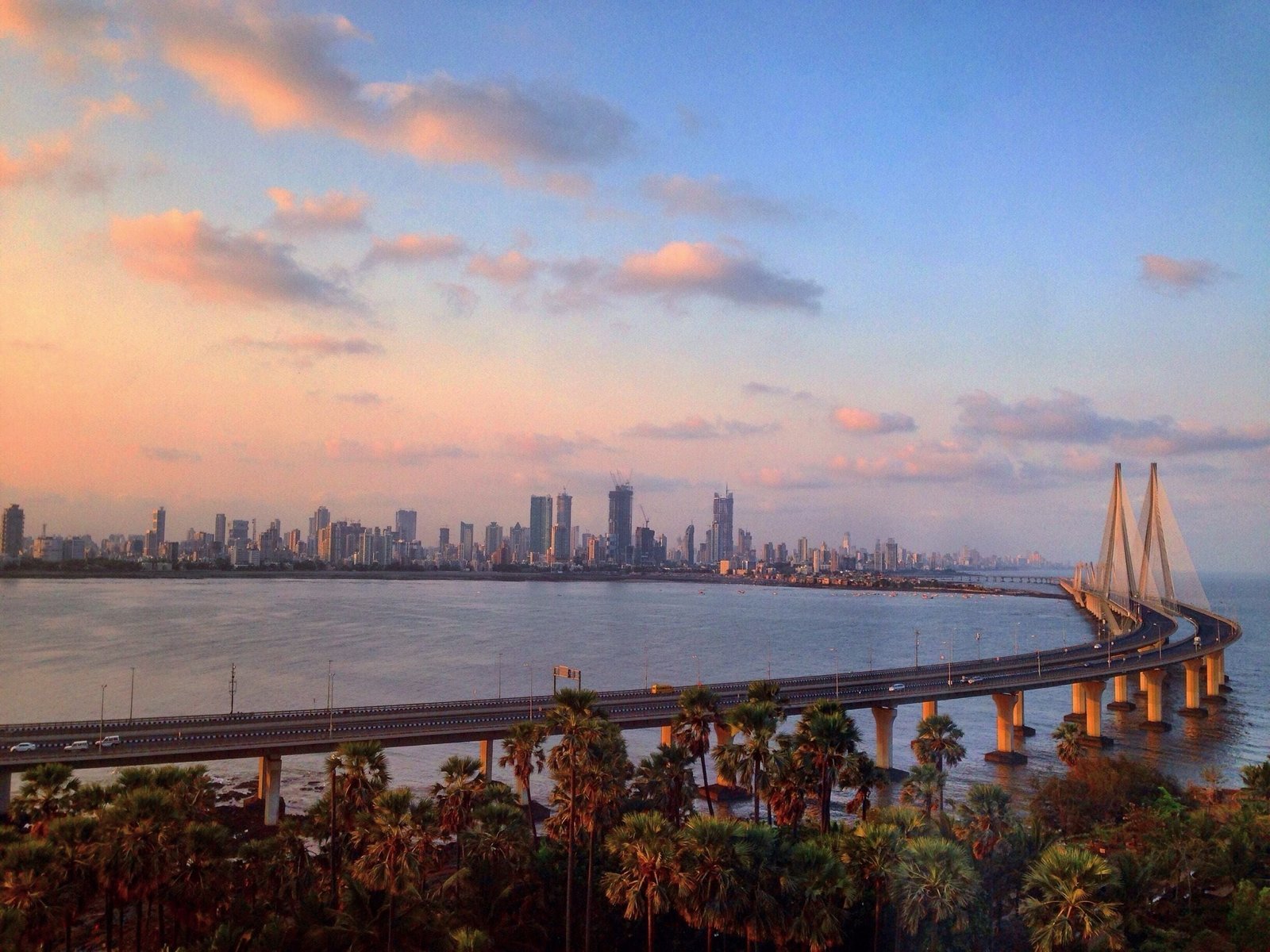
The Bandra-Worli Sea Link is one of Mumbai's most recognisable examples of modern infrastructure. The cable-stayed bridge connects Bandra with Worli and has become a symbol of modern Mumbai's engineering and urban development.
Ganjing Urban Landscape
Beyond individual monuments, Mumbai Suburban's architecture is defined by its striking contrasts—historic village homes, colonial-era churches, Art Deco influences, traditional fishing settlements, apartment towers, corporate buildings and modern transport infrastructure can all be found within the same district.
5. Famous Places to Visit in Mumbai Suburban
Mumbai Suburban has a wide range of attractions, from ancient caves and national parks to beaches, film studios and modern landmarks. The district administration officially lists several of these among its important tourist places.
1. Sanjay Gandhi National Park
Sanjay Gandhi National Park is one of the most remarkable natural spaces within a major Indian metropolis. Spread across approximately 104 square kilometres, the park provides a green escape from the surrounding urban environment and is home to diverse flora and fauna.
The park is known for its forest landscape, birds, butterflies and wildlife, and it also provides access to the historic Kanheri Caves.
2. Kanheri Caves
Located inside Sanjay Gandhi National Park, the Kanheri Caves are a major Buddhist archaeological site. The complex contains around 109 caves, including monastic cells, prayer spaces, water cisterns and sculptures.
3. Juhu Beach
Juhu Beach is one of Mumbai's most popular beaches and a favourite place for visitors looking to enjoy sunsets, sea views and street food. The beach is also strongly associated with Mumbai's lively public culture.
4. Mumbai Film City
Dadasaheb Phalke Chitranagari, popularly known as Mumbai Film City, is located in Goregaon. The large studio complex has been used for numerous film and television productions and represents Mumbai's deep connection with the Indian entertainment industry.
5. Mahakali Caves
The ancient Mahakali Caves near Andheri are an important archaeological attraction. Their rock-cut chambers offer visitors a glimpse into the religious history of ancient Mumbai.
6. Chhota Kashmir
Located in the Aarey area, Chhota Kashmir is a landscaped recreational space known for greenery, lawns, trees and gardens. It provides a refreshing contrast to the surrounding urban environment.
7. Bandra-Worli Sea Link
The Bandra-Worli Sea Link is one of Mumbai's most recognisable modern landmarks. While visitors cannot generally treat the bridge itself as a conventional sightseeing attraction, its dramatic architecture and surrounding views make it an important part of Mumbai's visual identity.
8. Mount Mary Church
Located in Bandra, Mount Mary Church is an important religious and cultural landmark. The annual Bandra Fair brings large crowds and creates a festive atmosphere around the church.
9. Juhu Chowpatty
Juhu Chowpatty is a lively public space where residents and visitors gather for beach walks, festivals, sunsets and Mumbai's famous street food.
10. Aksa Beach
Aksa Beach in Malad is one of the popular coastal destinations in the western suburbs. It provides a more relaxed beach experience away from some of the busiest central tourist areas.
11. Gorai Beach
Gorai Beach offers a quieter coastal experience and can be combined with a visit to the Global Vipassana Pagoda in the wider Gorai area.
12. Marve Beach
Marve Beach is another coastal attraction in the western suburbs, known for its scenic setting and connection to the traditional coastal landscape.
6. Famous Dishes of Mumbai Suburban
The food culture of Mumbai Suburban is as diverse as its population. From roadside stalls to premium restaurants, the district offers an enormous variety of cuisines.
Popular Mumbai Foods to Try
- Vada Pav – Mumbai's iconic potato fritter sandwich.
- Pav Bhaji – Spiced mashed vegetables served with buttered pav.
- Bhel Puri – A crunchy, tangy street-food preparation made with puffed rice.
- Sev Puri – A popular chaat topped with sev, chutneys and vegetables.
- Pani Puri – A much-loved Mumbai street-food favourite.
- Bombay Sandwich – A classic Mumbai-style vegetable sandwich.
- Misal Pav – A spicy Maharashtrian dish served with bread rolls.
- Frankie – A popular Mumbai street-food wrap.
- Koli Seafood – Traditional coastal preparations influenced by Mumbai's fishing communities.
- Falooda – A popular chilled dessert drink found across the suburbs.
For visitors, Juhu, Bandra, Andheri, Ghatkopar and other busy suburban areas offer countless opportunities to explore Mumbai's food culture.
7. Famous Personalities Associated with Mumbai Suburban
Mumbai Suburban has strong associations with personalities from cinema, politics, business, literature, sports and the arts. Because much of the Indian entertainment industry is based in the suburbs, the district has become closely connected with generations of actors, filmmakers and musicians.
Dadasaheb Phalke
Dadasaheb Phalke, widely regarded as the father of Indian cinema, is commemorated through Mumbai Film City's official name, Dadasaheb Phalke Chitranagari. His contribution laid the foundations for India's film industry.
Indian Film Personalities
The suburbs of Bandra, Andheri, Juhu and Goregaon have long been associated with India's Hindi film industry. Numerous actors, directors, musicians and producers have lived, worked or maintained professional connections in these neighbourhoods.
Rajarshi Shahu Maharaj and Social Influence
Mumbai's suburban educational and cultural institutions have also played a role in supporting social reform, education and public life across Maharashtra.
Rather than being defined by a single personality, Mumbai Suburban's cultural influence comes from the enormous number of artists, entrepreneurs, educators, athletes and public figures connected to the district.
8. Festivals Celebrated in Mumbai Suburban
Festivals in Mumbai Suburban are celebrated with remarkable energy and diversity. Major festivals bring together communities across the district and often transform neighbourhoods into colourful public spaces.
- Ganesh Chaturthi – One of Mumbai's most important festivals, celebrated with elaborate decorations, public pandals, cultural programmes and processions.
- Navratri – Celebrated with garba, dandiya, devotional programmes and community events.
- Diwali – Marked by lights, traditional celebrations, sweets and family gatherings.
- Holi – Celebrated across the suburbs with colours, music and community events.
- Christmas – Particularly visible around Bandra and other Christian communities.
- Bandra Fair – An annual celebration associated with Mount Mary Church.
- Janmashtami – Celebrated through temple events and Dahi Handi programmes.
- Eid – Celebrated across the district's Muslim communities with prayers, gatherings and special food.
- Navroz – An important festival for Mumbai's Parsi community.
- Chhat Puja – Celebrated at various waterfront locations across Mumbai's suburban communities.
9. Things to Do in Mumbai Suburban
Mumbai Suburban offers enough variety to keep travellers occupied for several days.
- Explore Sanjay Gandhi National Park for a break from the city's urban environment.
- Discover the ancient Kanheri Caves and their Buddhist heritage.
- Visit Mahakali Caves near Andheri to explore Mumbai's ancient rock-cut history.
- Watch the sunset at Juhu Beach and enjoy local street food.
- Explore Bandra for churches, cafés, shopping and neighbourhood culture.
- Visit Mount Mary Church and explore the surrounding Bandra heritage area.
- Experience Mumbai's film culture around Film City and Goregaon.
- Spend time at Aksa, Marve or Gorai Beach for a more relaxed coastal experience.
- Visit Chhota Kashmir for a green recreational experience.
- Try Mumbai street food across Juhu, Bandra, Andheri and Ghatkopar.
- Explore local markets for clothing, food, accessories and souvenirs.
- Experience Mumbai's festivals, especially Ganesh Chaturthi and Navratri.
10. Where to Eat, Shop, and Stay in Mumbai Suburban
Where to Eat
Mumbai Suburban is one of the best places to experience the city's extraordinary food culture. From street stalls to fine-dining restaurants, almost every neighbourhood has something different to offer.
Juhu, Bandra, Andheri, Ghatkopar, Vile Parle and Powai are particularly popular areas for dining and food exploration.
What to Shop For
- Traditional Maharashtrian snacks
- Indian clothing and fashion
- Jewellery and accessories
- Handicrafts and souvenirs
- Books and lifestyle products
- Local sweets and packaged food products
- Fashion and entertainment merchandise
Popular Shopping Areas
- Linking Road, Bandra
- Hill Road, Bandra
- Lokhandwala Market, Andheri
- Vile Parle markets
- Ghatkopar shopping areas
- Powai retail and lifestyle centres
Where to Stay
Mumbai Suburban has accommodation across almost every budget category, including business hotels, luxury properties, boutique hotels, serviced apartments and budget stays.
Bandra, Andheri, Juhu, Powai, Goregaon and Borivali are practical areas to consider depending on your itinerary and access requirements.
11. What is Mumbai Suburban Famous For?
Mumbai Suburban is famous for its beaches, Bollywood film industry, ancient caves, Sanjay Gandhi National Park, vibrant food culture and cosmopolitan lifestyle.
The district is particularly known for:
- Juhu Beach
- Sanjay Gandhi National Park
- Kanheri Caves
- Mahakali Caves
- Mumbai Film City
- Bandra and Mount Mary Church
- Bandra-Worli Sea Link
- Aksa, Marve and Gorai beaches
- Chhota Kashmir
- Mumbai street food
- Bollywood and entertainment culture
- Cosmopolitan communities
12. Best Time to Visit Mumbai Suburban
The best time to explore Mumbai Suburban is generally between October and February, when the weather is more comfortable for sightseeing, beaches, outdoor attractions and city exploration. Maharashtra Tourism lists October to February as the preferred travel period.
| Period | Weather & Experience | Best For |
|---|---|---|
| October–November | Post-monsoon weather with relatively comfortable conditions | Beaches, parks, sightseeing and festivals |
| December–January | Generally pleasant and comfortable | City exploration, heritage and outdoor activities |
| February | Comfortable with gradually warmer afternoons | Beaches, markets and sightseeing |
| March–May | Hot and humid | Indoor attractions and early-morning sightseeing |
| June–September | Monsoon with heavy rainfall at times | Green landscapes and monsoon city experiences |
13. How to Reach Mumbai Suburban
By Air
Chhatrapati Shivaji Maharaj International Airport is located within Mumbai Suburban and is the primary air gateway for Mumbai. Its location makes the district particularly convenient for domestic and international travellers.
By Train
Railways are one of the most important ways to travel around Mumbai Suburban. The district is served by the Western, Central and Harbour railway lines, providing connectivity to major suburban neighbourhoods and the rest of Mumbai.
Important railway stations include Bandra, Andheri, Borivali, Goregaon, Malad, Santacruz, Vile Parle, Kurla, Ghatkopar and Vikhroli.
By Metro
Mumbai's expanding Metro network provides additional connectivity between several suburban neighbourhoods and other parts of the metropolitan region. Metro routes can be particularly useful for avoiding road traffic on selected corridors.
By Road
Mumbai Suburban is extensively connected through major roads and highways, including the Western Express Highway, Eastern Express Highway and various arterial suburban roads.
BEST buses, taxis, app-based cabs and auto-rickshaws provide additional local transport options.
| Mode | Travel Option |
|---|---|
| Air | Chhatrapati Shivaji Maharaj International Airport |
| Rail | Western, Central and Harbour suburban railway lines |
| Metro | Mumbai Metro network serving multiple suburban corridors |
| Road | BEST buses, taxis, auto-rickshaws and private vehicles |
14. Nearby Places to Visit from Mumbai Suburban
Mumbai Suburban is surrounded by several destinations that can be included in a longer Maharashtra itinerary.
- Mumbai City – Explore Gateway of India, Chhatrapati Shivaji Maharaj Terminus, Marine Drive and South Mumbai heritage.
- Thane – Known for lakes, urban attractions and access to nature.
- Vasai – Famous for the historic Vasai Fort and coastal heritage.
- Alibaug – A popular coastal getaway across Mumbai Harbour.
- Lonavala – A scenic hill station known for monsoon landscapes, forts and viewpoints.
- Khandala – A neighbouring hill destination that can be combined with Lonavala.
- Karjat – Known for hills, waterfalls, trekking and outdoor activities.
- Matheran – A vehicle-free hill station offering forests, viewpoints and a relaxed atmosphere.
- Elephanta Caves – An important heritage destination accessible by ferry from South Mumbai.
15. Best Duration for a Mumbai Suburban Trip
Maharashtra Tourism suggests an ideal duration of approximately 3–5 days for experiencing Mumbai Suburban.
The exact duration depends on whether you want to focus on beaches and entertainment, historical attractions, nature or the broader Mumbai metropolitan area.
| Trip Duration | Suggested Experience |
|---|---|
| 1 Day | Juhu Beach, Bandra, Mount Mary Church and local food |
| 2 Days | Add Sanjay Gandhi National Park and Kanheri Caves |
| 3 Days | Add Film City, Mahakali Caves and suburban markets |
| 4–5 Days | Explore beaches, heritage, nature, food and multiple suburban neighbourhoods |
16. Travel Tips for Visiting Mumbai Suburban
- Use suburban trains or Metro wherever practical to avoid heavy road traffic.
- Plan your daily itinerary by neighbourhood to reduce travel time.
- Start early for Sanjay Gandhi National Park and Kanheri Caves.
- Carry comfortable footwear for caves, parks and long city walks.
- Keep an umbrella or rain protection during the monsoon.
- Be cautious around the sea and follow beach safety instructions.
- Try local street food from busy and hygienic stalls.
- Use app-based transport or public transport during peak traffic hours where convenient.
- Check attraction timings before visiting caves, parks, museums or film-related attractions.
- Respect local fishing communities and avoid entering restricted coastal areas.
- Keep your belongings secure in crowded markets, stations and tourist areas.
- Allow extra travel time because Mumbai traffic can be unpredictable.
17. Why Visit Mumbai Suburban?
Mumbai Suburban is one of the few places where ancient history, urban development, entertainment, nature and coastal culture exist within a relatively compact metropolitan landscape.
In a single trip, you can explore ancient Buddhist caves, walk through a national park, watch the sunset at Juhu Beach, discover traditional Koli communities, visit historic churches and experience the world of Bollywood.
The district also provides a different perspective on Mumbai. Instead of focusing only on famous South Mumbai landmarks, visitors can discover the neighbourhoods where millions of people live, work, create, eat and celebrate.
Top Reasons to Visit Mumbai Suburban
- Explore the ancient Kanheri Caves
- Discover the green landscapes of Sanjay Gandhi National Park
- Enjoy the atmosphere of Juhu Beach
- Experience Mumbai's famous street food
- Explore the entertainment world of Film City
- Visit the historic Mount Mary Church
- Discover Mahakali Caves
- Relax at Aksa, Marve and Gorai beaches
- Experience Mumbai's multicultural festivals
- Explore the contrast between traditional neighbourhoods and modern urban development
18. Conclusion
Mumbai Suburban, Maharashtra, is a destination that captures the many different identities of Mumbai. It is energetic yet peaceful, modern yet deeply connected to history, and densely urban yet surprisingly rich in forests, beaches and natural spaces.
From the ancient Kanheri and Mahakali Caves to the green expanse of Sanjay Gandhi National Park, the district offers a fascinating journey into Mumbai's past and natural heritage.
At the same time, places such as Juhu, Bandra, Andheri and Goregaon reveal the modern face of Mumbai through food, shopping, entertainment, nightlife and Bollywood.
Whether you are interested in history, beaches, nature, cinema, architecture, food or urban culture, Mumbai Suburban offers an experience that is distinctly Mumbai.
Quick Travel Snapshot – Mumbai Suburban
| Travel Element | Details |
|---|---|
| Location | Western Maharashtra, Mumbai Metropolitan Region |
| Known For | Beaches, Bollywood, Sanjay Gandhi National Park, Kanheri Caves, street food and cosmopolitan culture |
| Best Time | October to February |
| Ideal Duration | 3–5 days |
| Airport | Chhatrapati Shivaji Maharaj International Airport |
| Rail Connectivity | Western, Central and Harbour suburban railway lines |
| Major Attractions | Juhu Beach, Sanjay Gandhi National Park, Kanheri Caves, Mahakali Caves, Film City, Mount Mary Church and Bandra-Worli Sea Link |
| Must-Try Food | Vada Pav, Pav Bhaji, Bhel Puri, Sev Puri, Pani Puri, Misal Pav and Koli seafood |
| Best Experience | Combining beaches, heritage, nature, food, entertainment and Mumbai's neighbourhood culture |
"Travel is the only thing you buy that makes you richer."