Aurangabad – Where Mughal History, Maratha Heritage and Deccan Culture Come Together
Located in the Marathwada region of Maharashtra, Aurangabad, officially known as Chhatrapati Sambhajinagar, is one of India's most fascinating historic cities. The city is renowned for its magnificent Mughal-era monuments, ancient Buddhist caves, Maratha heritage, traditional handicrafts and distinctive Deccan culture.
From the world-famous Ajanta and Ellora Caves and the impressive Bibi Ka Maqbara to Daulatabad Fort, Panchakki and the historic gates of the old city, Aurangabad offers an extraordinary combination of history, architecture, spirituality, art and culture.
The city is also an important gateway to some of Maharashtra's most significant UNESCO World Heritage Sites. Its heritage, traditional Paithani textiles and Himroo weaving, local cuisine and historic landscapes make it an ideal destination for travellers interested in discovering the cultural richness of the Deccan.
History of Aurangabad
The history of Aurangabad stretches back centuries and is closely connected with the Deccan Sultanates, Mughal Empire, Maratha Empire and the Nizam of Hyderabad. The city's strategic location made it an important political, military and commercial centre.
- The area was historically associated with the settlement of Khadki, which developed during the medieval period.
- In 1610, Malik Ambar, the powerful Prime Minister of the Nizam Shahi Sultanate, developed Khadki as an important settlement and administrative centre.
- The city was later renamed Fatehnagar following the defeat of the Nizam Shahi forces.
- In 1633, the city came under Mughal control.
- Prince Aurangzeb served as the Mughal viceroy of the Deccan and made the city an important base during his campaigns.
- The city came to be known as Aurangabad, associated with Emperor Aurangzeb.
- Aurangabad developed significantly during the Mughal period and became an important centre of administration and military activity.
- After the decline of Mughal authority, the city came under the influence of the Nizam of Hyderabad.
- The city remained part of the Hyderabad State until Indian independence and the subsequent integration of princely states into the Indian Union.
- In 1956, Aurangabad became part of the bilingual Bombay State following India's state reorganisation.
- In 1960, it became part of the newly formed state of Maharashtra.
- In 2022, the Maharashtra government announced the renaming of Aurangabad as Chhatrapati Sambhajinagar, in honour of Chhatrapati Sambhaji Maharaj.
The city's long history can still be experienced through its forts, caves, tombs, gates, water systems, mosques and traditional neighbourhoods. Its surrounding heritage sites preserve some of the most remarkable chapters of Indian history.
Geography of Aurangabad
Aurangabad is situated in the Marathwada region of Maharashtra on the Deccan Plateau. The city lies at an elevation of approximately 580 metres above sea level and is surrounded by a landscape of basaltic hills, valleys, agricultural land and seasonal rivers.
Aurangabad's geography is defined by:
Deccan Plateau terrain with rocky hills and gently undulating landscapes
Kham River flowing through the city and its surrounding areas
Basalt rock formations that contributed to the development of the region's spectacular cave architecture
Agricultural plains surrounding the urban area
Daulatabad and Ellora hill landscapes located close to the city
Seasonal rivers, lakes and historic water-management structures
Sahyadri and Deccan hill landscapes extending across the wider region
The geographical setting played an important role in the development of Aurangabad's historic monuments. The region's volcanic basalt formations made it possible for ancient communities to create the extraordinary rock-cut caves of Ajanta and Ellora.
Culture and Traditions of Aurangabad
Aurangabad's culture reflects the meeting point of Marathi, Deccani, Mughal, Islamic and regional Maharashtrian traditions. The city's history of interaction between different communities has created a distinctive cultural identity.
Traditional Lifestyle
Aurangabad combines a modern urban lifestyle with traditional neighbourhoods, historic markets, religious institutions and artisan communities.
The city has historically been associated with textile weaving, handicrafts, metalwork and traditional arts. Local artisans continue to preserve crafts that have been passed down through generations.
Language and Traditions
Marathi is the principal regional language, while Hindi, Urdu and English are also widely spoken. The presence of different linguistic communities contributes to the city's diverse cultural environment.
Local traditions are expressed through religious festivals, traditional food, music, crafts, community gatherings and cultural events.
Music, Dance and Folk Culture
The broader Marathwada region has a rich tradition of folk music, devotional singing, Powada and Lavani. Religious celebrations and cultural programmes often include traditional performances and devotional music.
Handicrafts and Textiles
Aurangabad is particularly known for Himroo and Mashru textiles. These traditional fabrics reflect the city's long history as a textile and weaving centre.
The wider region is also closely connected with the famous Paithani saree, traditionally associated with the town of Paithan.
Religious Diversity
Aurangabad's historic landscape includes Hindu temples, Buddhist caves, mosques, dargahs and other religious sites. This diversity reflects the many historical periods that have shaped the city.
For visitors, Aurangabad provides an opportunity to experience a destination where ancient heritage, medieval architecture, traditional crafts and modern Maharashtra come together.
Architecture of Aurangabad
Aurangabad is one of Maharashtra's most architecturally significant cities. Its built heritage reflects Buddhist rock-cut architecture, Deccan Sultanate design, Mughal architecture, Maratha traditions and later Nizam-era influences.
Bibi Ka Maqbara
Bibi Ka Maqbara is Aurangabad's most recognisable monument. Built in the late 17th century as a mausoleum for Dilras Banu Begum, the wife of Aurangzeb's son Azam Shah, the monument is often popularly compared with the Taj Mahal because of its marble dome and Mughal design.
Ellora Caves
The Ellora Caves represent one of the world's greatest achievements in rock-cut architecture. The complex contains Buddhist, Hindu and Jain monuments carved directly into basalt cliffs.
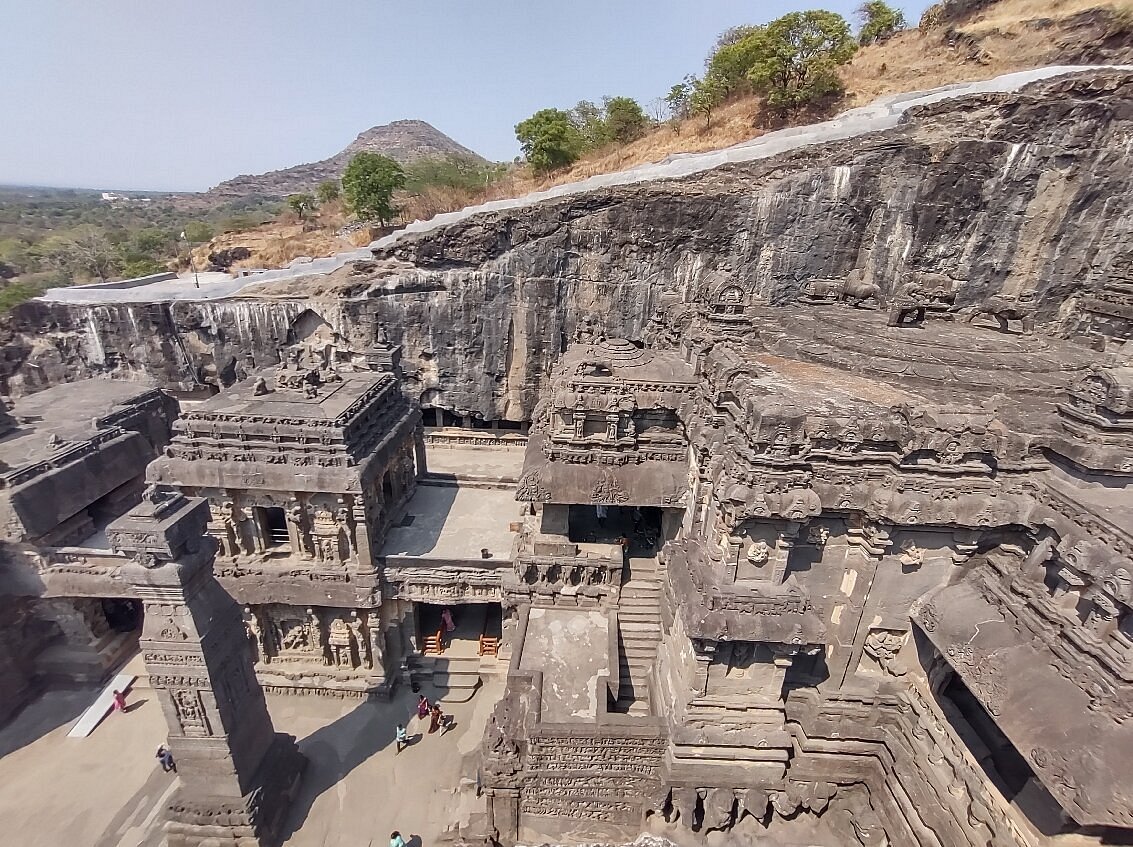
The magnificent Kailasa Temple, carved from a single rock, is the architectural highlight of the complex.
Ajanta Caves
The Ajanta Caves are famous for their ancient Buddhist paintings, sculptures and rock-cut monasteries. The artistic quality of the murals provides remarkable insight into the religious and cultural life of ancient India.
Daulatabad Fort
Daulatabad Fort, also known historically as Devagiri, is one of India's most impressive medieval hill forts. Its defensive design includes massive walls, steep approaches, gates, moats and ingenious architectural features.
Historic City Gates
Aurangabad was historically surrounded by fortified walls and numerous gates. Several gates, including Delhi Gate, Bhadkal Gate and Rangeen Darwaza, survive as reminders of the city's medieval defensive architecture.
Exploring Aurangabad's architecture is like travelling through more than a thousand years of Indian artistic and architectural history.
Famous Places in Aurangabad
Aurangabad is surrounded by some of Maharashtra's most important historical and cultural attractions. From UNESCO World Heritage Sites to medieval forts and Mughal monuments, there is a great deal to explore.
Ellora Caves
The Ellora Caves are among India's greatest archaeological treasures and a UNESCO World Heritage Site. The complex contains 34 major caves representing Buddhist, Hindu and Jain traditions.
The extraordinary Kailasa Temple is the most famous structure at Ellora. Carved vertically from a single rock, it demonstrates the remarkable engineering and artistic skills of its creators.
Ajanta Caves
The Ajanta Caves are another UNESCO World Heritage Site located within the wider Aurangabad region. Dating primarily from the 2nd century BCE to around the 6th century CE, the caves contain monasteries, prayer halls, sculptures and famous Buddhist paintings.
The murals depicting scenes from the Jataka tales are among the most important examples of ancient Indian painting.
Bibi Ka Maqbara
Bibi Ka Maqbara is one of the city's most photographed landmarks. Its white marble dome, ornamental minarets and symmetrical Mughal garden make it a major attraction for visitors.
Daulatabad Fort
Daulatabad Fort is located around 15 kilometres from Aurangabad city. Built on a conical hill, the fort was designed to be extremely difficult to capture.
Its strategic location, defensive walls, gates and ingenious features make it one of the finest examples of medieval military architecture in India.
Panchakki
Panchakki, meaning water mill, is a historic water-powered flour mill associated with the city's medieval water-management system. The complex includes a reservoir, garden and tomb of Baba Shah Musafir.
Goga Baba Hill
Goga Baba Hill is a popular local destination for hiking, nature walks and panoramic views of Aurangabad. The hill is also associated with a small temple and is particularly popular around sunrise and sunset.
Salim Ali Lake and Bird Sanctuary
Salim Ali Lake is located near the Delhi Gate area and is named after the celebrated Indian ornithologist Salim Ali. The surrounding area provides a peaceful environment and opportunities for birdwatching.
Soneri Mahal
Soneri Mahal is a historic palace that now houses a museum displaying archaeological and cultural objects from the region. The building is associated with the Maratha period and offers another perspective on Aurangabad's heritage.
Ghrishneshwar Temple
Ghrishneshwar Temple, located near Ellora, is one of the twelve Jyotirlinga temples dedicated to Lord Shiva. Its proximity to the Ellora Caves makes it an important destination for both pilgrims and heritage travellers.
Himayat Bagh
Himayat Bagh is a historic garden and water-management site dating from the Mughal period. The gardens provide a pleasant green space away from the busy city centre.
For travellers interested in history, architecture, spirituality, archaeology and culture, Aurangabad offers an extraordinary range of attractions.
Famous Dishes of Aurangabad
Aurangabad's cuisine reflects the culinary traditions of Marathwada, Mughal and Deccan cultures. The city is particularly known for spicy meat dishes, traditional Maharashtrian preparations and distinctive street food.
Naan Qalia
Naan Qalia is one of Aurangabad's signature dishes. It consists of a spicy mutton preparation traditionally served with naan. The dish has strong connections with the city's medieval Deccan culinary heritage.
Tahri
Tahri is a flavourful rice-based preparation made with spices and vegetables or meat depending on the recipe. It is part of the broader Deccani culinary tradition.
Sheermal
Sheermal is a mildly sweet, saffron-flavoured flatbread associated with Mughlai and Deccani cuisine. It is often enjoyed alongside rich curries.
Marathwada Thali
A traditional Marathwada thali can include bhakri, vegetables, dal, chutneys, spicy curries and seasonal preparations. It provides a broad introduction to the region's everyday cuisine.
Misal Pav
Misal Pav is a popular Maharashtrian dish prepared using sprouted legumes, spicy gravy, onions and farsan, usually served with pav.
Vada Pav
Vada Pav is one of Maharashtra's most popular street foods. A spicy potato fritter is served inside pav with chutneys and other accompaniments.
Jalebi
Jalebi is a popular sweet found throughout Aurangabad. Crispy spirals of fermented batter are fried and soaked in sugar syrup, making them a common festive and street-food treat.
Food lovers visiting Aurangabad should explore both traditional Deccani cuisine and Maharashtrian food to experience the city's distinctive culinary identity.
Famous Personalities of Aurangabad
Aurangabad and the wider Marathwada region have been associated with several important personalities from politics, social reform, literature, spirituality and public life.
Chhatrapati Sambhaji Maharaj
Chhatrapati Sambhaji Maharaj, the second Chhatrapati of the Maratha Empire, has a strong historical association with the wider region. The city's modern name, Chhatrapati Sambhajinagar, commemorates his legacy.
Dr. Babasaheb Ambedkar
Dr. B. R. Ambedkar had an important connection with the Marathwada region through his social and educational work. His legacy continues to influence educational and social institutions across the region.
Maulana Abul Kalam Azad
Maulana Abul Kalam Azad was an important leader of India's freedom movement and independent India's first Education Minister. His contribution to education and national development is remembered across Maharashtra and India.
Malik Ambar
Malik Ambar was one of the most influential figures in the history of the Deccan. He developed Khadki, the settlement that later became Aurangabad, and was known for his administrative abilities, military strategy and sophisticated water-management systems.
These personalities represent different chapters of the region's history, from Deccan statecraft and Maratha heritage to social reform and India's national movement.
Festivals of Aurangabad
Festivals are an important part of Aurangabad's cultural life. The city celebrates major Maharashtrian, Hindu, Muslim and other cultural festivals with enthusiasm.
Ganesh Chaturthi
Ganesh Chaturthi is celebrated across Aurangabad with beautifully decorated idols, community pandals, prayers, cultural programmes and processions.
Gudi Padwa
Gudi Padwa marks the Marathi New Year and is celebrated with traditional decorations, family gatherings, festive food and cultural activities.
Diwali
Diwali is celebrated with lamps, rangoli, prayers, sweets and family gatherings. Markets across the city become particularly lively during the festive season.
Eid
Eid is an important celebration in Aurangabad's Muslim communities. Special prayers, family gatherings, traditional food and festive markets create a lively atmosphere throughout the city.
Ramzan
During Ramzan, areas around the old city become especially lively after sunset, with evening prayers and a wide variety of traditional foods available in local markets.
Navratri
Navratri is celebrated with prayers, cultural programmes and devotional activities. Temples and religious spaces become important centres of community gatherings.
Ellora Festival
The Ellora Festival has historically showcased Indian classical music, dance and cultural performances against the backdrop of the region's remarkable heritage. Such cultural events highlight Aurangabad's connection with India's performing arts.
For visitors, experiencing Aurangabad during a major festival offers a memorable opportunity to understand the city's diverse traditions, food, music and community culture.
Things to Do in Aurangabad
Aurangabad offers a wide variety of experiences for history lovers, pilgrims, architecture enthusiasts, photographers and food lovers.
Explore the Ellora Caves
Spend several hours exploring the Ellora Caves and admire the Buddhist, Hindu and Jain monuments, especially the extraordinary Kailasa Temple.
Visit the Ajanta Caves
Take a day trip to the Ajanta Caves and discover ancient Buddhist paintings, sculptures and rock-cut monasteries.
Visit Bibi Ka Maqbara
Explore Bibi Ka Maqbara and admire its Mughal architecture, marble dome, ornamental details and symmetrical gardens.
Explore Daulatabad Fort
Walk through Daulatabad Fort and discover its gates, fortifications, steep approaches, water systems and historic structures.
Discover Panchakki
Visit Panchakki to learn about the sophisticated medieval water-management system developed in Aurangabad.
Explore Historic City Gates
Walk or drive through the old city to see historic gates such as Delhi Gate, Bhadkal Gate and Rangeen Darwaza.
Visit Ghrishneshwar Temple
Pilgrims and heritage travellers can visit Ghrishneshwar Temple, one of the twelve Jyotirlingas, located close to Ellora.
Explore Local Handicrafts
Visit local shops and artisan centres to discover Himroo textiles, Mashru fabrics and other traditional crafts.
Try Deccani Cuisine
Food lovers should taste local specialities such as Naan Qalia, Sheermal, Marathwada thali and traditional Maharashtrian snacks.
Enjoy Nature and Photography
The hills, lakes, caves, forts and surrounding countryside provide excellent opportunities for heritage, landscape and architectural photography.
For travellers interested in history, archaeology, architecture, food and spirituality, Aurangabad offers enough attractions for several days of exploration.
Where to Eat, Shop, and Stay in Aurangabad
Aurangabad is a major regional city with a wide range of restaurants, markets, hotels and shopping areas. Travellers can find options ranging from street-food stalls and local eateries to luxury hotels and modern shopping centres.
Where to Eat
Popular areas for food include the old city, central Aurangabad and neighbourhoods around major commercial roads.
Visitors should try traditional Deccani and Marathwada dishes, particularly Naan Qalia, Sheermal, local meat preparations and Maharashtrian thalis.
Street-food lovers can also enjoy misal pav, vada pav, samosa, jalebi and other local snacks.
Where to Shop
Aurangabad is an excellent place to shop for traditional textiles and local products.
Visitors can look for:
Himroo textiles – traditional woven fabrics associated with Aurangabad
Mashru fabrics – traditional textiles with a distinctive weaving technique
Paithani sarees – traditional Maharashtrian textiles associated with Paithan
Traditional jewellery and handicrafts
Local sweets and food products
Markets and shopping areas become particularly lively during Diwali, Eid and other major festivals.
Where to Stay
Aurangabad offers accommodation across different budgets. Depending on your travel requirements, you can find:
Budget hotels and lodges
Mid-range hotels
Luxury hotels and resorts
Business hotels
Guesthouses
Hotels near major transport hubs and tourist areas
For travellers planning visits to Ajanta, Ellora and Daulatabad, staying in Aurangabad city provides a convenient base for exploring the surrounding heritage sites.
During festivals, holidays and peak tourist periods, it is advisable to book accommodation in advance.
What Is Aurangabad Famous For?
Aurangabad is famous for its UNESCO World Heritage Sites, Mughal monuments, historic forts, Buddhist caves, traditional textiles and Deccan cuisine.
Aurangabad is especially known for:
Ajanta Caves – ancient Buddhist caves famous for their paintings and sculptures.
Ellora Caves – a UNESCO World Heritage Site featuring Buddhist, Hindu and Jain rock-cut monuments.
Kailasa Temple – an extraordinary monolithic temple carved from a single rock at Ellora.
Bibi Ka Maqbara – an iconic Mughal-era mausoleum popularly known as the Deccan's Taj Mahal.
Daulatabad Fort – one of India's most impressive medieval hill forts.
Panchakki – a historic water mill demonstrating sophisticated medieval engineering.
Himroo and Mashru Textiles – traditional fabrics associated with Aurangabad's weaving heritage.
Naan Qalia – one of the city's best-known traditional dishes.
Deccan Culture – reflected in the city's architecture, language, food, crafts and religious traditions.
For visitors, Aurangabad is much more than a historic city. It is a gateway to some of India's most extraordinary archaeological and cultural treasures.
Best Time to Visit Aurangabad
The best time to visit Aurangabad is generally from October to March, when the weather is relatively comfortable for sightseeing and visiting outdoor heritage attractions.
| Season | Months | Travel Experience |
|---|---|---|
| Winter | November–February | Pleasant weather and ideal for sightseeing and heritage exploration |
| Summer | March–May | Hot and dry; outdoor sightseeing is better during mornings and evenings |
| Monsoon | June–September | Greener landscapes and pleasant surroundings, with occasional heavy rainfall |
| Post-Monsoon | October | Comfortable weather and excellent conditions for sightseeing |
For exploring Ajanta, Ellora, Daulatabad Fort and other outdoor attractions, October to March is generally the most comfortable period. The monsoon can also make the surrounding landscapes greener and more scenic.
How to Reach Aurangabad
Aurangabad is well connected with major cities in Maharashtra and other parts of India by air, rail and road.
By Air
Chhatrapati Sambhajinagar Airport, formerly known as Aurangabad Airport, serves the city. The airport provides air connectivity with major Indian cities depending on current flight schedules.
The airport is located within convenient travelling distance of the city centre, and taxis and other road transport options are available.
By Train
Chhatrapati Sambhajinagar Railway Station provides rail connectivity with several cities in Maharashtra and other parts of India.
Travellers can reach the city by train from places such as Mumbai, Pune, Hyderabad, Nagpur and other regional centres, depending on the available services.
By Road
Aurangabad is well connected by highways with Mumbai, Pune, Nashik, Nagpur, Shirdi and other cities of Maharashtra.
State transport buses, private buses, taxis and private vehicles provide convenient road access to the city.
Within Aurangabad, travellers can use auto-rickshaws, taxis, buses and app-based cab services to travel between attractions.
Nearby Places to Visit from Aurangabad
Aurangabad is one of the best bases for exploring the historical and natural attractions of Marathwada.
Ajanta Caves
The Ajanta Caves are located approximately 100 kilometres from Aurangabad and can be visited as a full-day excursion. The UNESCO World Heritage Site is famous for ancient Buddhist art and architecture.
Ellora Caves
The Ellora Caves are located around 30 kilometres from the city and can be combined with Daulatabad Fort and Ghrishneshwar Temple in a single excursion.
Daulatabad
Daulatabad is located close to Aurangabad and is known for its magnificent hill fort. The surrounding area also contains important religious and archaeological attractions.
Paithan
Paithan is an ancient town located south of Aurangabad and is historically associated with the Satavahana dynasty. It is also famous as the traditional home of Paithani sarees.
Jayakwadi Dam
Jayakwadi Dam is one of Maharashtra's major irrigation projects. The reservoir and surrounding landscapes offer opportunities for nature outings and birdwatching.
Gautala Autramghat Wildlife Sanctuary
Gautala Autramghat Wildlife Sanctuary lies in the broader region and is known for forests, hills and wildlife. It provides a natural contrast to Aurangabad's historic attractions.
Shirdi
Shirdi is a major pilgrimage destination associated with Sai Baba and can be included in a longer Maharashtra itinerary from Aurangabad.
These destinations allow travellers to combine heritage, pilgrimage, wildlife, handicrafts and nature in a single Marathwada journey.
Best Duration for a Trip to Aurangabad
A 3 to 4-day trip is a good starting point for exploring Aurangabad and its closest attractions. Travellers who want to visit both Ajanta and several nearby destinations should plan five days or more.
A suggested itinerary could include:
Day 1: Explore Bibi Ka Maqbara, Panchakki, historic city gates, local markets and museums.
Day 2: Visit Ellora Caves, Daulatabad Fort and Ghrishneshwar Temple.
Day 3: Take a full-day trip to the Ajanta Caves.
Day 4: Explore local handicrafts, temples, Himroo markets and other city attractions.
Day 5: Keep an additional day for Paithan, Jayakwadi or another nearby destination.
Travellers focusing mainly on the city and Ellora can cover the highlights in three days, while 4 to 5 days is more comfortable for experiencing the major heritage attractions without rushing.
Travel Tips for Aurangabad
Aurangabad is a rewarding destination, particularly for history and heritage lovers, but a little planning can make the trip more comfortable.
Start early: Begin visits to major outdoor attractions early in the day, particularly during warmer months.
Carry comfortable footwear: Ajanta, Ellora and Daulatabad involve considerable walking, steps and uneven surfaces.
Stay hydrated: Carry drinking water when visiting forts, caves and outdoor monuments.
Carry sun protection: Sunscreen, sunglasses and a hat are useful during the hotter months.
Respect heritage sites: Do not touch paintings, sculptures or protected surfaces inside the caves and monuments.
Respect religious places: Dress appropriately and follow local customs when visiting temples, mosques and dargahs.
Plan Ajanta separately: Ajanta is considerably farther from the city than Ellora, so it is best planned as a dedicated full-day excursion.
Group nearby attractions: Ellora, Daulatabad and Ghrishneshwar can conveniently be explored together.
Try local cuisine: Do not miss traditional dishes such as Naan Qalia, Sheermal and Marathwada-style food.
Shop for authentic handicrafts: Look for genuine Himroo, Mashru and Paithani products from reliable sellers.
Check monument timings: Verify current opening hours and visitor rules before travelling to major heritage sites.
Book accommodation in advance: Hotels can become busy during holidays, festivals and peak tourism periods.
With proper planning, Aurangabad can offer a memorable journey through ancient caves, medieval forts, Mughal monuments, religious sites, traditional crafts and Deccan cuisine.
Why Visit Aurangabad?
Aurangabad is a destination for travellers who want to experience some of India's greatest historical and architectural treasures. Few cities provide such easy access to ancient Buddhist caves, Hindu and Jain rock-cut temples, Mughal monuments and medieval forts.
Explore UNESCO World Heritage Sites
The Ajanta and Ellora Caves are among India's most important UNESCO World Heritage Sites. Their sculptures, paintings and rock-cut architecture offer an extraordinary glimpse into the artistic achievements of ancient India.
Discover Mughal Architecture
Bibi Ka Maqbara provides a fascinating introduction to Mughal architecture in the Deccan, with its marble dome, gardens and ornamental design.
Experience Medieval Military Architecture
Daulatabad Fort is a remarkable example of medieval military planning. Its hilltop position, defensive walls and ingenious design make it one of India's most impressive forts.
Discover Deccan Culture
Aurangabad's food, architecture, languages, crafts and religious traditions reflect the cultural interaction that has shaped the Deccan for centuries.
Shop for Traditional Textiles
The city's association with Himroo and Mashru textiles makes it an excellent destination for travellers interested in traditional Indian weaving and handicrafts.
Taste Deccani Cuisine
Food lovers can explore distinctive dishes such as Naan Qalia, Sheermal and Marathwada-style preparations alongside traditional Maharashtrian favourites.
Explore Ancient Spiritual Heritage
The combination of Buddhist caves, Hindu temples, Jain monuments, mosques and dargahs makes Aurangabad one of India's most fascinating destinations for understanding religious and cultural history.
Experience an Authentic Maharashtra Heritage Journey
For travellers who want to explore beyond Mumbai and Pune, Aurangabad provides an opportunity to discover the history, architecture, crafts, cuisine and spirituality of Maharashtra's Marathwada region.
If you enjoy history, archaeology, architecture, photography, spirituality, traditional crafts and regional food, Aurangabad is a destination that deserves a prominent place on your Maharashtra travel itinerary.
Conclusion
Aurangabad, officially known as Chhatrapati Sambhajinagar, is one of Maharashtra's most remarkable heritage destinations. Its extraordinary combination of ancient Buddhist caves, Hindu and Jain monuments, Mughal architecture, Maratha history and Deccan culture gives the city a unique identity.
From the magnificent Ajanta and Ellora Caves and historic Daulatabad Fort to the elegant Bibi Ka Maqbara, traditional Himroo textiles and distinctive Deccani cuisine, Aurangabad offers an unforgettable journey through India's cultural past.
If you are looking for a destination where ancient art, medieval history, spirituality, architecture and living traditions come together, Aurangabad is a city that deserves to be explored slowly and experienced fully.
"Travel is the only thing you buy that makes you richer."