Explore Maharashtra
Discover Maharashtra
Cities of Maharashtra
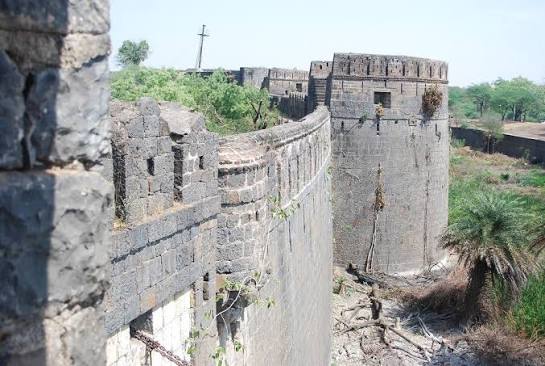
Ahmednagar
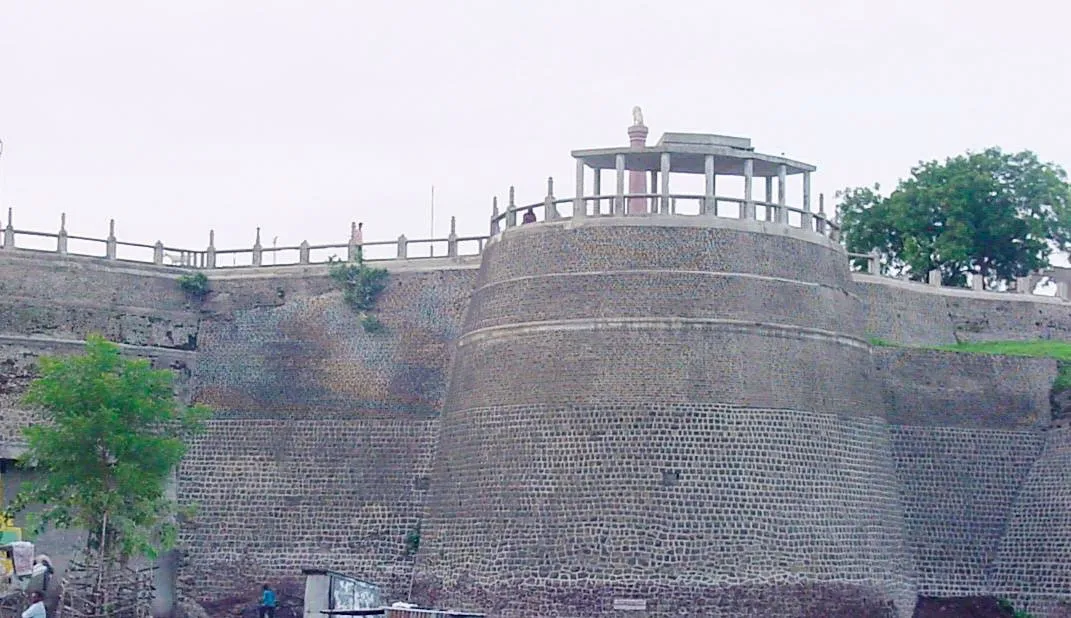
Akola
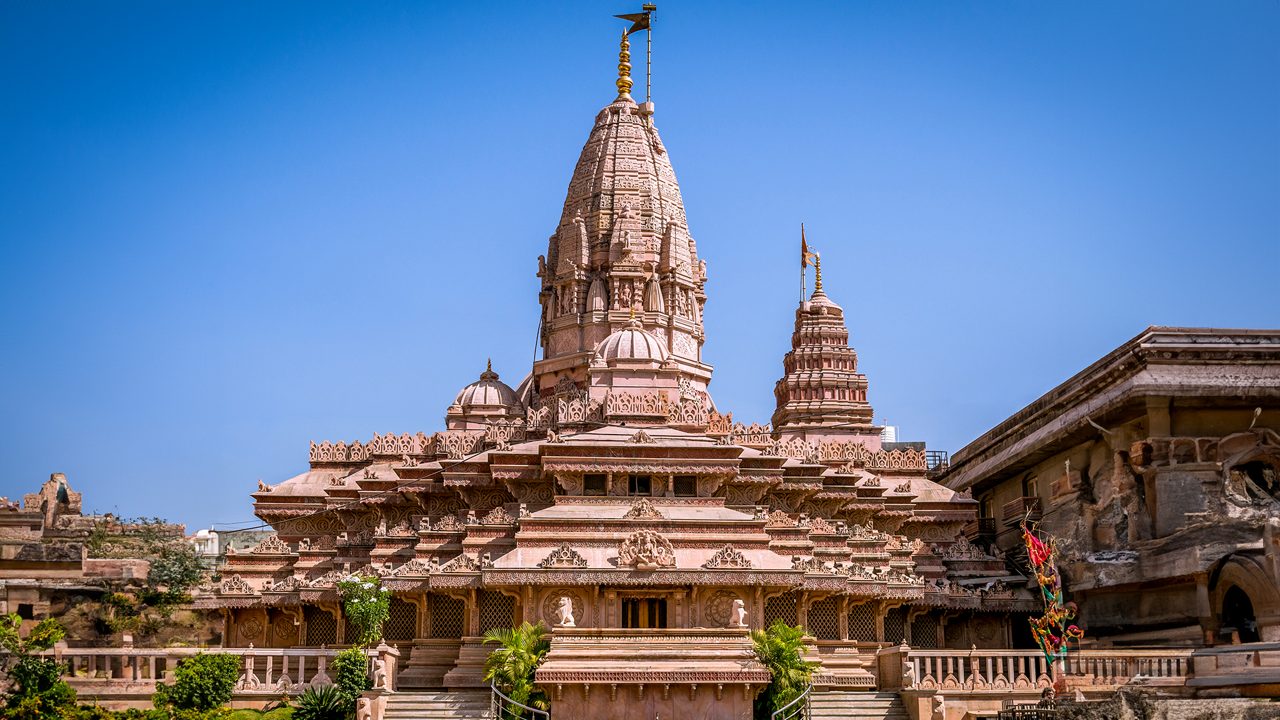
Amravati
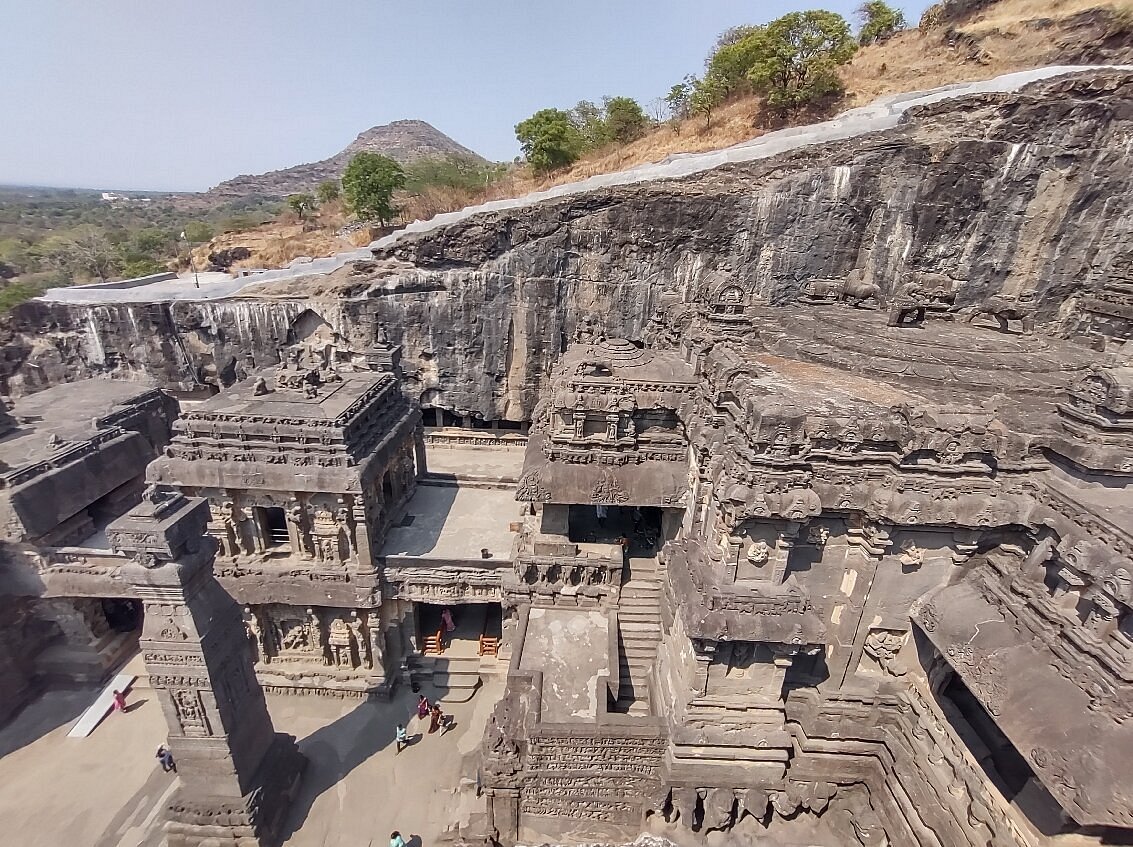
Aurangabad
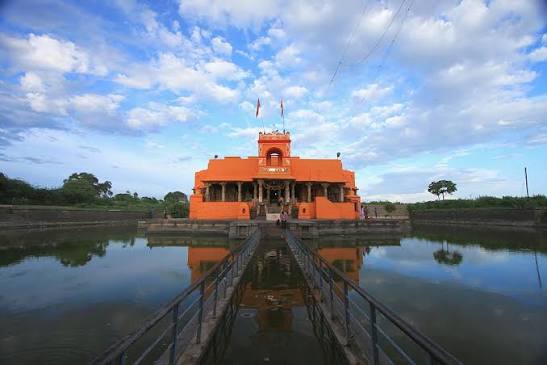
Beed
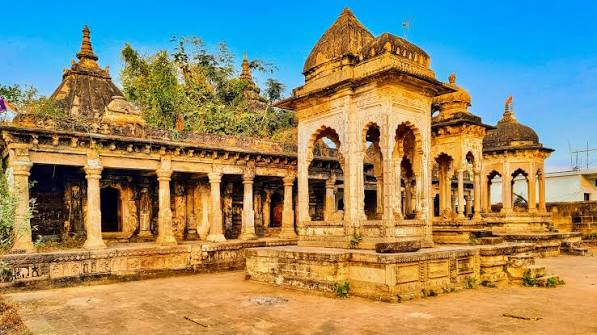
Bhandara
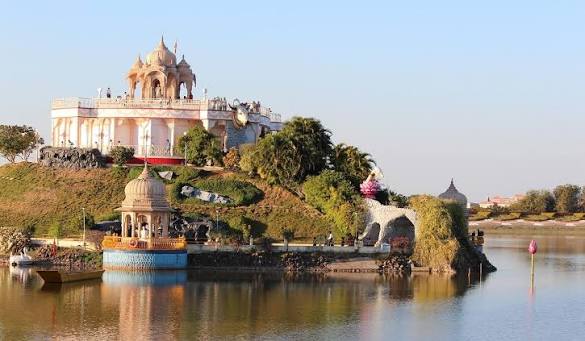
Buldhana
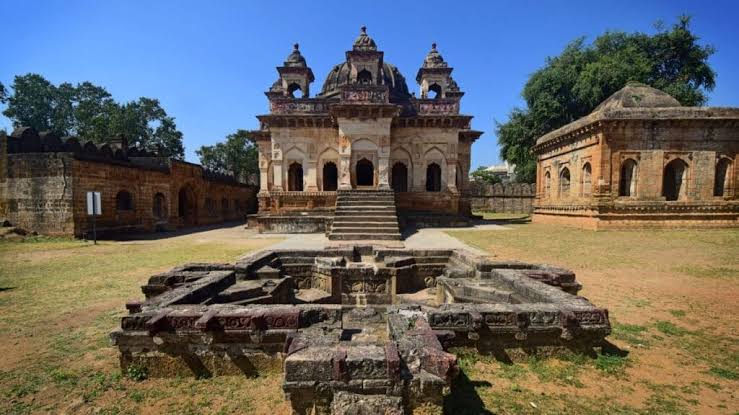
Chandrapur
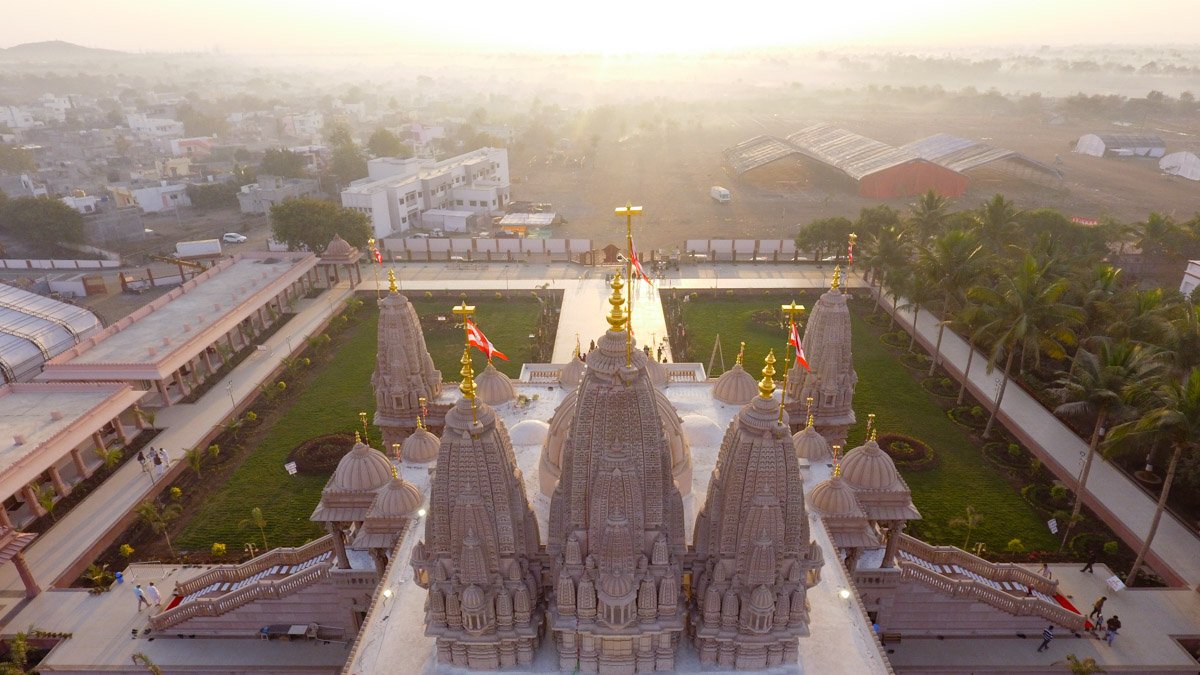
Dhule
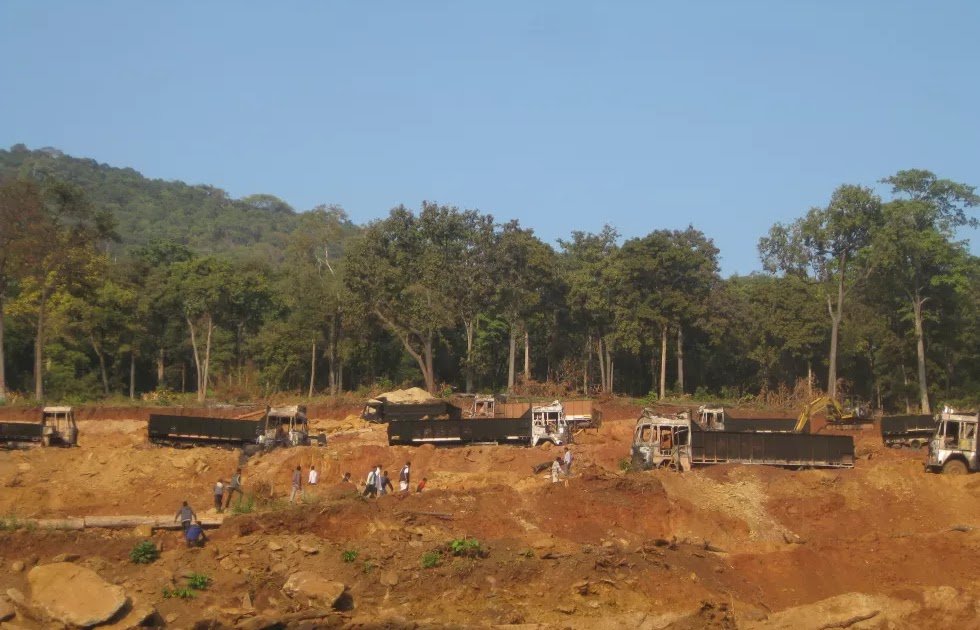
Gadchiroli
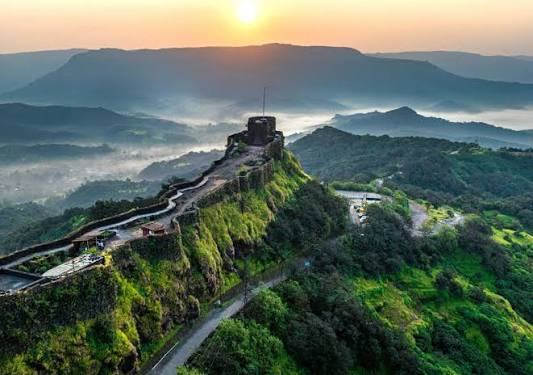
Gondia
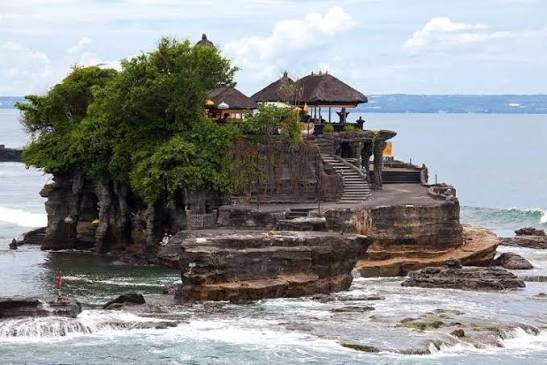
Hingoli
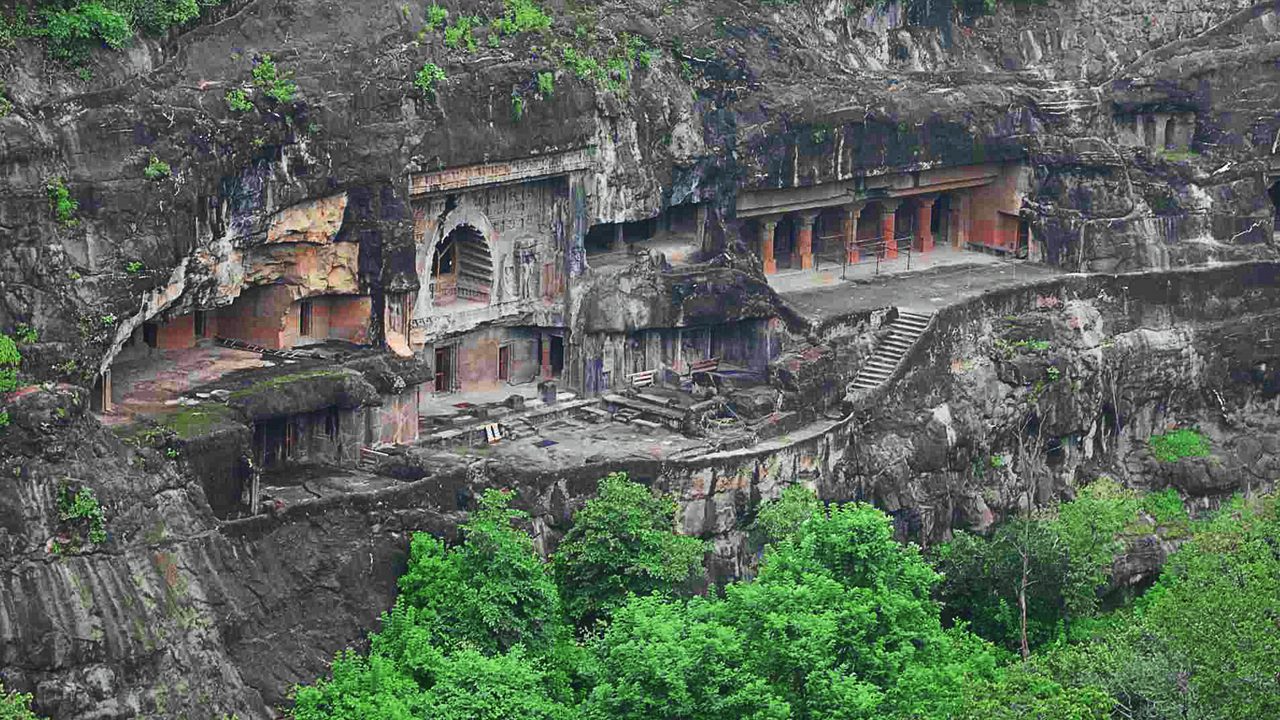
Jalgaon
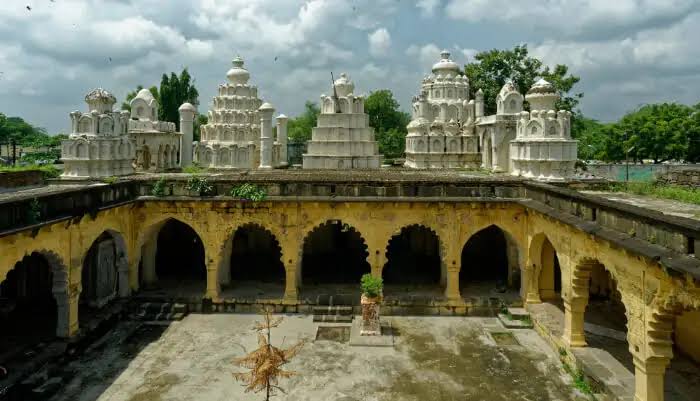
Jalna
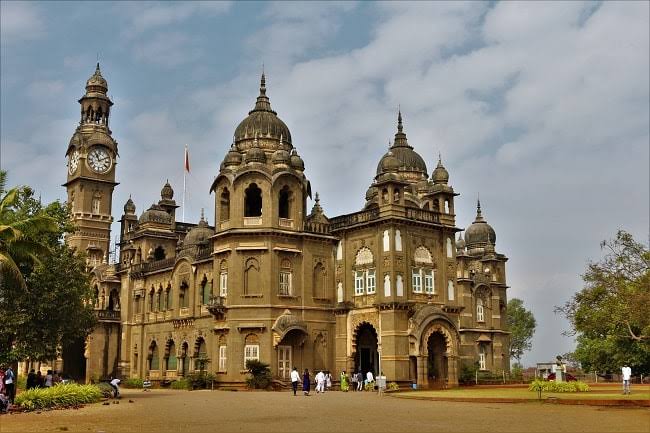
Kolhapur
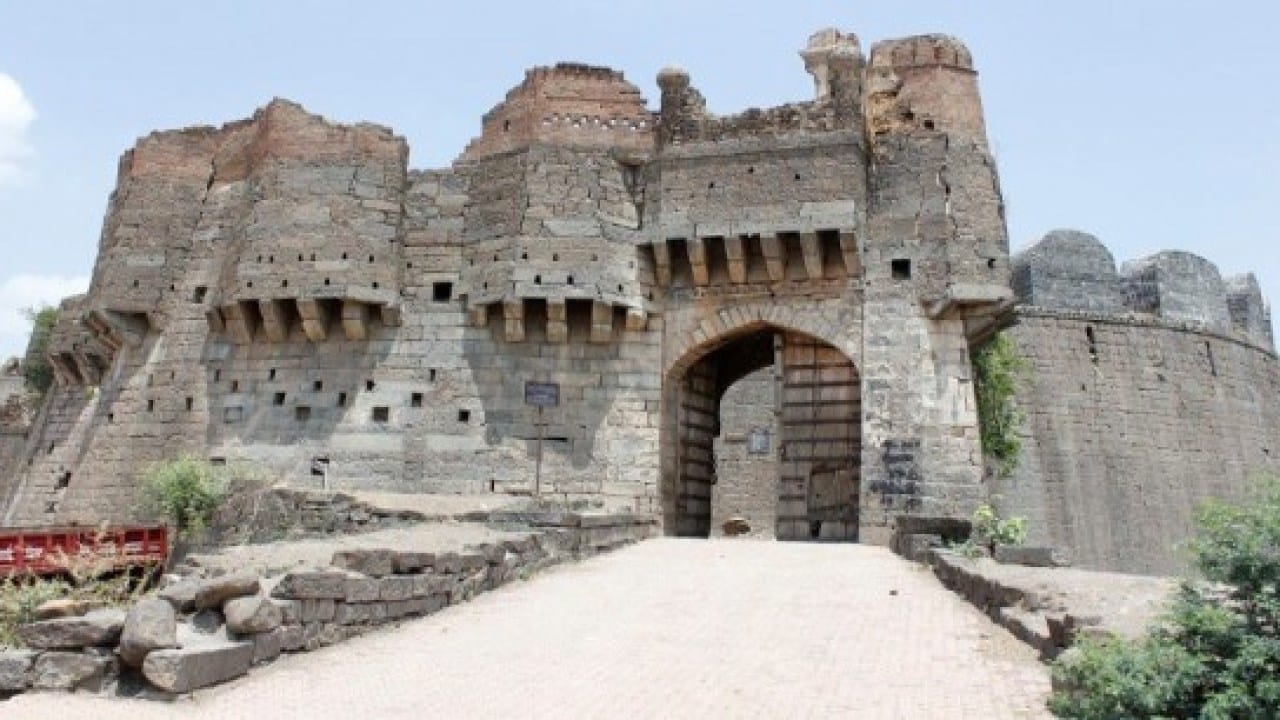
Latur
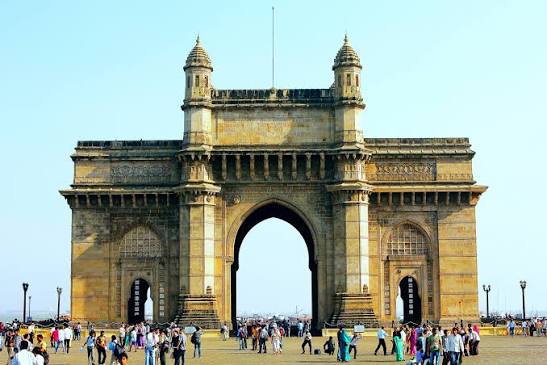
Mumbai
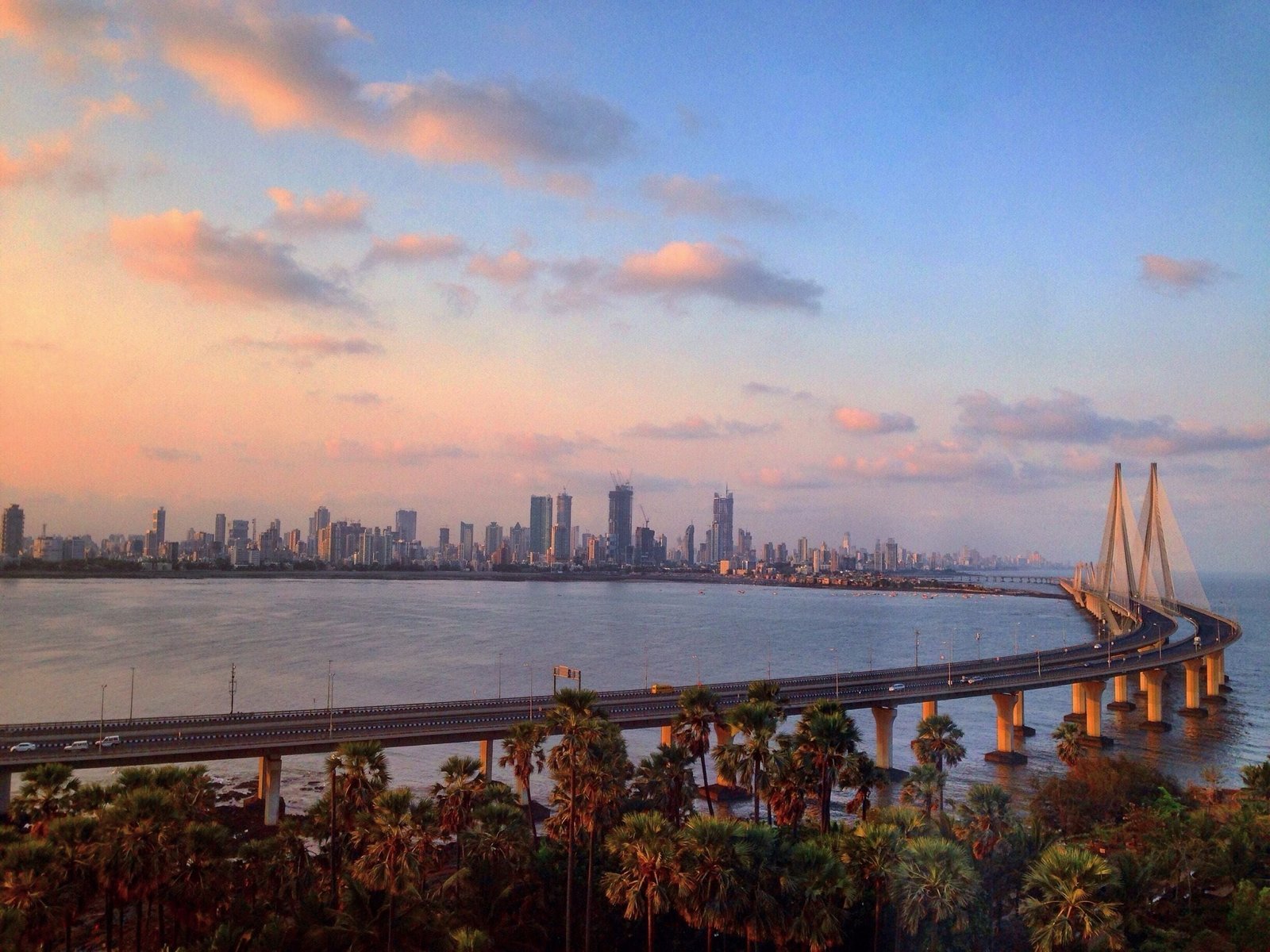
Mumbai suburban
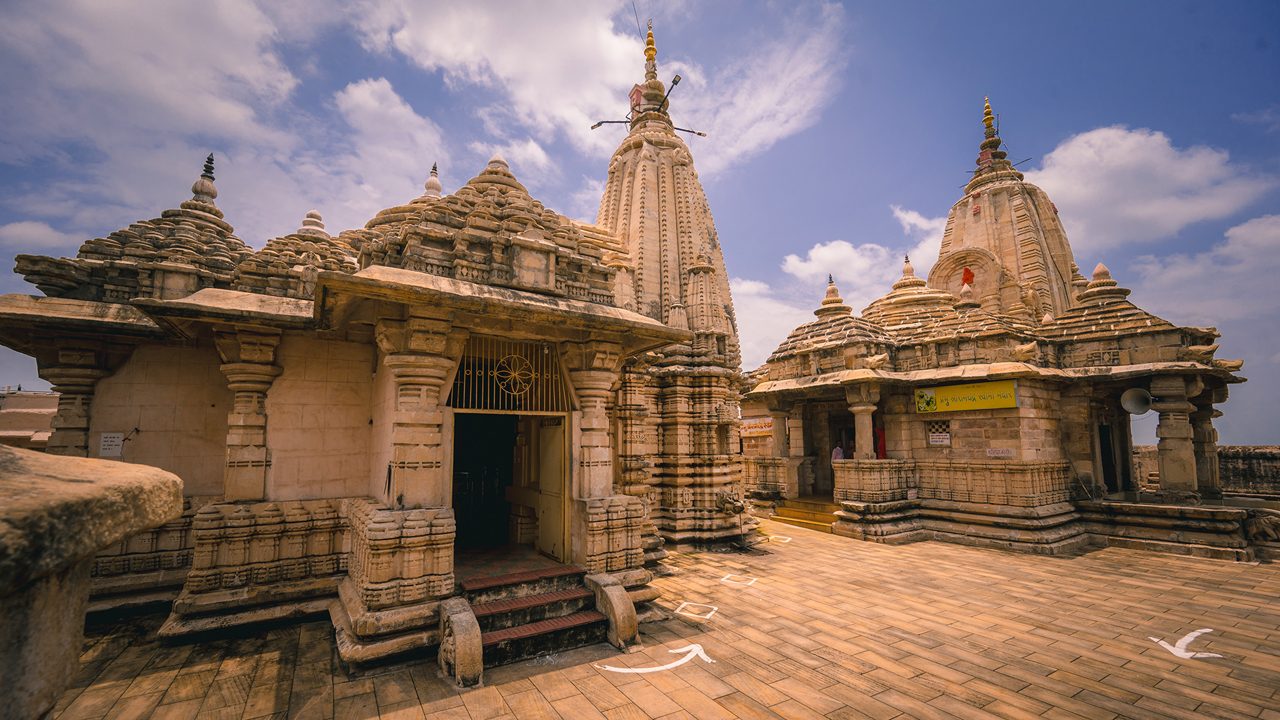
Nagpur
Nanded
Nandurbar
Nashik
Osmanabad
Palghar
Parbhani
Pune
Raigad
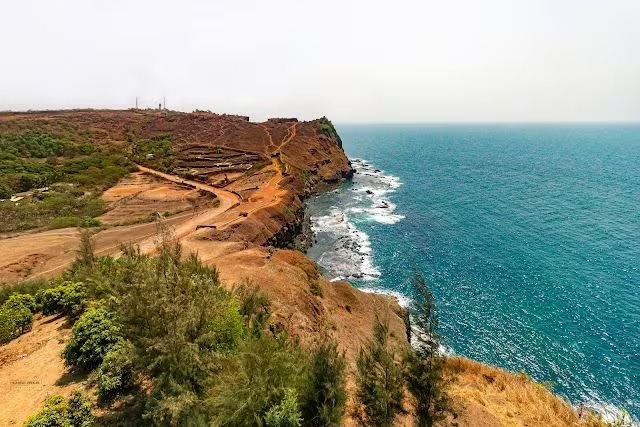
Ratnagiri
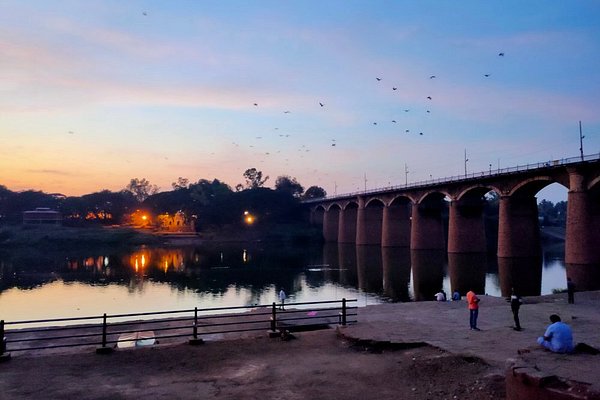
Sangli
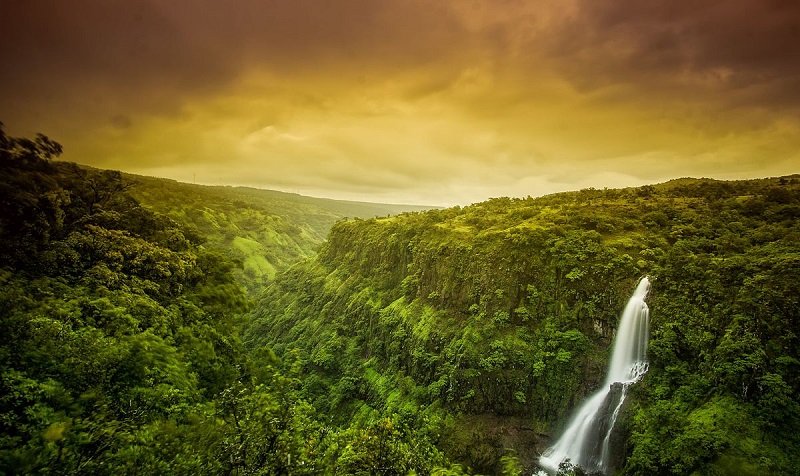
Satara
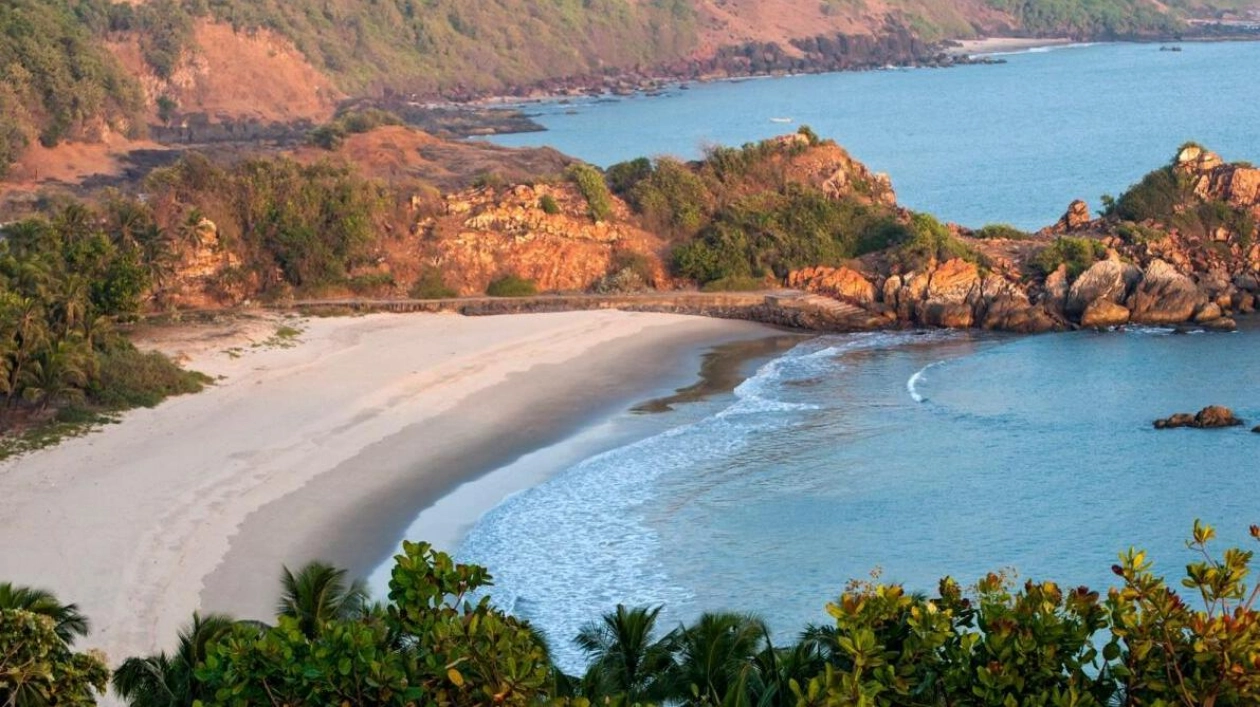
Sindhudurg
Solapur
Thane
Wardha
Washim
Yavatmal
Maharashtra – Where Heritage, Culture, Nature and Tradition Come Together
Located in the western and central part of India, Maharashtra is one of the country's most diverse and culturally rich states. From the bustling streets of Mumbai and Pune to the historic forts of the Sahyadris, the beaches of Konkan, the vineyards of Nashik and the ancient caves of Aurangabad and Ajanta, Maharashtra offers an extraordinary variety of travel experiences.
The state is known for its Maratha heritage, historic forts, UNESCO World Heritage Sites, vibrant festivals, classical and folk traditions, diverse cuisine, pilgrimage centres, beaches, hill stations and thriving cities. Whether you are interested in history, spirituality, adventure, food, wildlife or urban experiences, Maharashtra offers destinations for almost every kind of traveller.
History of Maharashtra
The history of Maharashtra stretches back thousands of years and includes the rise of ancient kingdoms, Buddhist centres, medieval dynasties, the Maratha Empire and the development of modern India's major cities.
- The region was influenced by ancient dynasties such as the Satavahanas, Vakatakas, Chalukyas and Rashtrakutas.
- Ancient Buddhist centres and rock-cut monuments developed at places such as Ajanta, Ellora, Karla and Bhaja.
- The medieval period saw the influence of several Deccan kingdoms and the development of important forts, temples and settlements.
- The Maratha Empire, founded under the leadership of Chhatrapati Shivaji Maharaj, played a defining role in the political and cultural history of the region.
- The Peshwa period made Pune an important political and cultural centre.
- Large parts of the region later came under British administration.
- The modern state of Maharashtra was formed on 1 May 1960, following the reorganisation of states on linguistic lines.
Today, Maharashtra's history can be experienced through its forts, caves, temples, palaces, museums, historic cities and cultural traditions.
Geography of Maharashtra
Maharashtra has one of the most varied geographical landscapes in India. The state stretches from the Arabian Sea coastline in the west to the Deccan Plateau and forested regions in the east.
Maharashtra's geography is defined by:
The scenic Konkan coastline along the Arabian Sea
The rugged Sahyadri or Western Ghats
The extensive Deccan Plateau
Major rivers such as the Godavari, Krishna, Bhima, Tapi and Wardha
Forests and wildlife habitats in regions such as Vidarbha
Fertile agricultural areas producing sugarcane, cotton, grapes, oranges, soybeans and other crops
The diverse geography gives Maharashtra an equally diverse travel landscape, ranging from beaches and waterfalls to mountains, caves, forests, vineyards and historic cities.
Culture and Traditions of Maharashtra
The culture of Maharashtra is deeply rooted in Marathi language, literature, music, theatre, devotional traditions, folk arts, festivals and community life. Different regions of the state also have their own distinctive customs and culinary traditions.
Traditional Lifestyle
Traditional life in Maharashtra has historically been connected with agriculture, trade, handicrafts, fishing and rural communities. While Mumbai, Pune and other cities have developed into major modern centres, traditional village life continues across many parts of the state.
Language and Traditions
Marathi is the principal language of Maharashtra. The state also has communities speaking Hindi, Gujarati, Urdu, Konkani and several tribal languages. Traditional customs are reflected in family celebrations, religious ceremonies, clothing, food and local festivals.
Music, Dance and Festivals
Maharashtra has a rich tradition of Hindustani classical music, Marathi theatre, Lavani, Powada, Tamasha and devotional music. Abhangs associated with the Varkari tradition are an important part of the state's devotional culture.
Traditional performances such as Lavani and Powada continue to represent the cultural history and storytelling traditions of Maharashtra. Festivals such as Ganesh Chaturthi, Gudi Padwa, Diwali and Ashadhi Ekadashi bring communities together across the state.
The culture of Maharashtra offers visitors an opportunity to experience a fascinating combination of history, spirituality, folk traditions, performing arts and modern urban life.
Architecture of Maharashtra
Maharashtra has an extraordinary architectural heritage ranging from ancient rock-cut caves and temples to Maratha forts, colonial buildings, palaces and modern urban landmarks.
Maratha Fort Architecture
The forts of Maharashtra are among the state's most important heritage attractions. Forts such as Raigad, Pratapgad, Sinhagad, Shivneri and Rajgad reflect the military planning and strategic importance of the Sahyadri mountain ranges during the Maratha period.
Rock-Cut Caves
Maharashtra is home to some of India's most remarkable ancient rock-cut architecture. The Ajanta and Ellora Caves feature extraordinary Buddhist, Hindu and Jain monuments carved directly into rock.
Temple Architecture
Temples across Maharashtra display a variety of architectural styles. Important examples can be found at Trimbakeshwar, Bhimashankar, Shirdi, Pandharpur, Tuljapur and Kolhapur.
Colonial and Urban Architecture
Mumbai is renowned for its historic colonial-era architecture, including Chhatrapati Shivaji Maharaj Terminus, the Gateway of India and several Victorian Gothic and Art Deco buildings.
Traditional Wadas
Traditional wadas, particularly in Pune and other historic towns, reflect the architectural traditions of Maharashtra. These residences often feature courtyards, wooden structures and intricately designed elements.
Exploring Maharashtra's architecture provides a journey through ancient India, medieval Deccan history, Maratha heritage and colonial urban development.
Famous Places in Maharashtra
Maharashtra has an enormous range of tourist destinations. From global cities and historic forts to beaches, caves, temples and wildlife reserves, the state can support multiple travel itineraries.
Mumbai
Mumbai is the capital of Maharashtra and one of India's most important metropolitan cities. Known for its Gateway of India, Marine Drive, Chhatrapati Shivaji Maharaj Terminus, Elephanta Caves, Bollywood and vibrant urban culture, Mumbai offers a combination of history, entertainment, food and modern city life.
Pune
Pune is a major cultural and educational centre known for its Maratha and Peshwa heritage, Shaniwar Wada, Aga Khan Palace, Sinhagad Fort, temples and museums. The city also has a strong contemporary arts, education and technology culture.
Mahabaleshwar
Mahabaleshwar is one of Maharashtra's most popular hill stations. Surrounded by the Western Ghats, it is known for scenic viewpoints, waterfalls, forests, strawberry farms and pleasant mountain landscapes.
Lonavala and Khandala
Lonavala and Khandala are popular hill destinations near Mumbai and Pune. Their waterfalls, green valleys, viewpoints and historic attractions make them especially popular during the monsoon.
Ajanta Caves
The Ajanta Caves are a UNESCO World Heritage Site renowned for their ancient Buddhist rock-cut architecture, sculptures and paintings. They are among the most significant heritage attractions in Maharashtra.
Ellora Caves
The Ellora Caves represent Buddhist, Hindu and Jain rock-cut traditions. The magnificent Kailasa Temple, carved out of a single rock mass, is one of the site's most remarkable features.
Chhatrapati Sambhajinagar
Chhatrapati Sambhajinagar is an important historic city in the Marathwada region and a gateway to Ajanta and Ellora. The city is also known for Bibi Ka Maqbara, historic gates and its rich Deccan heritage.
Nashik
Nashik is situated along the Godavari River and is known for Panchavati, Trimbakeshwar, temples, vineyards and scenic landscapes. It is also an important destination for religious tourism and wine tourism.
Shirdi
Shirdi is one of India's most important pilgrimage destinations and is associated with Shirdi Sai Baba. The Sai Baba Temple attracts devotees from across India and abroad.
Kolhapur
Kolhapur is famous for the Mahalaxmi Temple, royal heritage, traditional cuisine, handicrafts and cultural traditions. It is also known for Kolhapuri chappals and spicy regional food.
Ratnagiri
Ratnagiri is a scenic Konkan destination known for Alphonso mangoes, beaches, Ratnadurg Fort, Ganpatipule and coastal landscapes. It offers a relaxed combination of nature, food and heritage.
Alibag
Alibag is a popular coastal getaway near Mumbai, known for its beaches, sea forts and relaxed atmosphere. Kolaba Fort is one of its most important historic attractions.
Raigad Fort
Raigad Fort holds immense importance in Maratha history. It served as the capital of Chhatrapati Shivaji Maharaj's kingdom and is situated in the Sahyadri mountains amid spectacular landscapes.
Lonar Crater Lake
Lonar is famous for its remarkable crater lake, formed by a meteorite impact. The area is also surrounded by temples, forests and unique geological features.
Tadoba-Andhari Tiger Reserve
Tadoba-Andhari Tiger Reserve in Vidarbha is one of Maharashtra's prominent wildlife destinations. It is known for its tiger population, forests, wildlife safaris and biodiversity.
Chandoli National Park
Located in the Western Ghats, Chandoli National Park offers forests, hills, waterfalls and wildlife experiences. It can be combined with nearby forts and natural attractions for an outdoor-focused itinerary.
Ganpatipule
Ganpatipule is known for its beautiful coastline and the revered Swayambhu Ganpati Temple. The destination combines spirituality with a peaceful beach environment.
These are only some of Maharashtra's major destinations. The state offers countless additional places to explore, making it suitable for short weekend trips, heritage tours, pilgrimage journeys, wildlife holidays and long road trips.
Famous Dishes of Maharashtra
Maharashtrian cuisine is diverse and varies significantly between regions. The food of the state includes spicy curries, vegetarian meals, seafood, snacks, sweets and traditional breads.
Vada Pav
Vada Pav is one of Maharashtra's most recognisable street foods. A spicy potato fritter is served inside a pav with chutneys and other accompaniments, making it a popular quick meal.
Misal Pav
Misal Pav is a spicy preparation made with sprouts, curry, farsan, onions and other accompaniments, served with pav. Different cities and regions have their own versions of this popular Maharashtrian dish.
Poha
Poha is a popular breakfast made with flattened rice, onions, peanuts, spices and herbs. It is commonly enjoyed across Maharashtra.
Pav Bhaji
Pav Bhaji has become one of Maharashtra's most popular street-food dishes, particularly in Mumbai. A spicy vegetable preparation is served with buttered pav and garnishes.
Bhakri and Pithla
Bhakri and Pithla are traditional Maharashtrian comfort foods. Bhakri is generally prepared from grains such as jowar or bajra and served with a gram-flour-based pithla and local accompaniments.
Vada
Traditional Maharashtrian vadas come in several forms and are commonly enjoyed with chutneys, curries or other accompaniments. They remain an important part of local food culture.
Thalipeeth
Thalipeeth is a savoury multigrain flatbread prepared with flour, vegetables and spices. It is commonly served with curd, chutney or butter.
Puran Poli
Puran Poli is a traditional sweet flatbread filled with a mixture of lentils, jaggery and spices. It is especially popular during festivals and special occasions.
Modak
Modak is a traditional sweet associated particularly with Lord Ganesha and Ganesh Chaturthi. Steamed ukadiche modak made with rice flour and a coconut-jaggery filling is a popular Maharashtrian preparation.
Kolhapuri Cuisine
Kolhapuri cuisine is known for its bold spices and distinctive flavours. Regional dishes include spicy mutton preparations, vegetarian curries and the famous Kolhapuri misal.
Malvani Cuisine
Malvani cuisine from the Konkan region features seafood, coconut, kokum and aromatic spices. Fish curry, prawns and Sol Kadhi are among its popular preparations.
Exploring Maharashtra through its food is an excellent way to experience the regional diversity and culinary traditions of the state.
Famous Personalities of Maharashtra
Maharashtra has been home to or closely associated with numerous influential personalities from history, politics, social reform, literature, music, cinema and the arts.
Chhatrapati Shivaji Maharaj
Chhatrapati Shivaji Maharaj founded the Maratha kingdom and played a defining role in the history of Maharashtra. His legacy is closely associated with the state's forts, administration, military strategy and cultural identity.
Chhatrapati Sambhaji Maharaj
Chhatrapati Sambhaji Maharaj, the son and successor of Shivaji Maharaj, played an important role in the history of the Maratha kingdom during a period of major political conflict in the Deccan.
Bal Gangadhar Tilak
Lokmanya Bal Gangadhar Tilak was an important nationalist leader, journalist and social figure associated with India's freedom movement. He was born in Ratnagiri and played a significant role in public and political life in Maharashtra.
Jyotirao Phule
Mahatma Jyotirao Phule was a pioneering social reformer from Maharashtra who worked extensively for education, social equality and the rights of marginalised communities.
Savitribai Phule
Savitribai Phule was an important pioneer of women's education and social reform in India. Along with Jyotirao Phule, she played a major role in establishing educational opportunities for girls in 19th-century Maharashtra.
Dr. B. R. Ambedkar
Dr. Bhimrao Ramji Ambedkar was a jurist, economist, social reformer and principal architect of the Constitution of India. Maharashtra is closely associated with several important places connected with his life and legacy.
Vinoba Bhave
Acharya Vinoba Bhave was a prominent social reformer and advocate of the Bhoodan movement. He was born in Gagode village in present-day Raigad district of Maharashtra.
Vishnu Digambar Paluskar
Vishnu Digambar Paluskar was an influential Hindustani classical vocalist and music educator who contributed significantly to the development and wider dissemination of classical music education in India.
Lata Mangeshkar
Lata Mangeshkar was one of India's most celebrated playback singers. Born in Indore but closely connected with Maharashtra throughout her life and career, she became an important figure in Indian music and popular culture.
Dadasaheb Phalke
Dadasaheb Phalke, widely regarded as the father of Indian cinema, was born in Maharashtra and played a pioneering role in the development of Indian filmmaking.
The contributions of these personalities form an important part of Maharashtra's historical, social and cultural heritage.
Festivals of Maharashtra
Festivals are an important part of Maharashtra's cultural identity. Celebrations combine religion, music, traditional food, processions, folk performances and community participation.
Ganesh Chaturthi
Ganesh Chaturthi is one of the most prominent festivals in Maharashtra. Mumbai and Pune are particularly famous for large public celebrations, while homes and communities across the state celebrate the festival with devotion and cultural programmes.
Gudi Padwa
Gudi Padwa marks the Marathi New Year. Homes are decorated with traditional gudis, rangoli and festive decorations, while families prepare traditional food and participate in celebrations.
Ashadhi Ekadashi
Ashadhi Ekadashi is particularly important to the Varkari tradition. Pilgrims travel in large processions known as Wari towards Pandharpur, carrying the spiritual traditions associated with Lord Vitthal.
Diwali
Diwali is celebrated across Maharashtra with lamps, rangoli, traditional sweets, prayers and family gatherings. Traditional Maharashtrian festive foods are an important part of the celebration.
Holi
Holi is celebrated with colours, music and community gatherings. Local customs vary across different parts of the state.
Navratri
Navratri is celebrated with temple rituals, devotional programmes and cultural events. Different regions of Maharashtra have their own local traditions associated with the festival.
Gokulashtami
Gokulashtami celebrates the birth of Lord Krishna. Traditional devotional programmes, music and community celebrations form an important part of the festival.
Ellora Festival and Cultural Events
Maharashtra also hosts cultural events celebrating classical music, dance and heritage. Such programmes provide visitors with opportunities to experience the state's artistic traditions against historic settings.
Experiencing a festival in Maharashtra can provide visitors with a deeper understanding of its religious traditions, music, food and community culture.
Things to Do in Maharashtra
Maharashtra offers an enormous variety of activities, making it suitable for different types of travellers.
Explore Historic Forts
Visit iconic forts such as Raigad, Sinhagad, Pratapgad, Shivneri and Rajgad to explore Maharashtra's Maratha heritage and enjoy spectacular mountain landscapes.
Visit Ancient Caves
Explore the extraordinary rock-cut monuments of Ajanta, Ellora, Elephanta, Karla and Bhaja to discover the artistic and architectural heritage of ancient India.
Experience Spiritual Maharashtra
Visit pilgrimage destinations such as Shirdi, Pandharpur, Trimbakeshwar, Bhimashankar, Tuljapur and Kolhapur to experience the state's rich religious traditions.
Relax at Konkan Beaches
Explore beaches around Alibag, Ratnagiri, Ganpatipule, Tarkarli, Harihareshwar and Sindhudurg for a peaceful coastal getaway.
Explore Mumbai
Discover Mumbai's landmarks, museums, markets, historic architecture, waterfronts and food culture. The city is ideal for travellers who enjoy a combination of heritage and modern urban experiences.
Enjoy Hill Stations
Spend time in Mahabaleshwar, Lonavala, Khandala, Matheran and Panchgani to enjoy mountain landscapes, waterfalls, viewpoints and pleasant weather.
Go Wildlife Spotting
Wildlife enthusiasts can explore destinations such as Tadoba-Andhari Tiger Reserve, Pench, Navegaon-Nagzira and Sanjay Gandhi National Park for forest and wildlife experiences.
Experience Wine Tourism
Nashik is one of India's best-known wine regions. Visitors can explore vineyards, learn about winemaking and enjoy scenic countryside landscapes.
Enjoy Adventure Activities
The Sahyadris provide opportunities for trekking, hiking, camping, rock climbing and monsoon exploration. Fort treks are particularly popular among adventure enthusiasts.
Explore Local Markets
Explore local markets for Maharashtrian handicrafts, textiles, spices, traditional sweets, Kolhapuri footwear, Paithani sarees and regional food products.
Experience Marathi Arts and Theatre
Attend Marathi theatre, classical music performances, folk shows and cultural programmes to experience the artistic traditions of Maharashtra.
With such diversity, Maharashtra can be explored through heritage tours, road trips, pilgrimage journeys, beach holidays, wildlife safaris, food trails and cultural experiences.
Where to Eat, Shop, and Stay in Maharashtra
As one of India's largest and most diverse states, Maharashtra offers accommodation and dining options ranging from luxury hotels and resorts to budget stays, homestays, guesthouses and traditional eateries.
Where to Eat
Maharashtra has a huge variety of dining experiences. Mumbai and Pune offer everything from street food to fine dining, while smaller cities and towns provide regional Maharashtrian cuisine.
Travellers should try vada pav, misal pav, poha, bhakri-pithla, thalipeeth, puran poli, modak and regional Konkan and Kolhapuri cuisine.
Where to Shop
Maharashtra is known for a wide variety of traditional products and handicrafts. Depending on the destination, visitors can shop for:
Paithani sarees
Kolhapuri chappals
Warli artwork
Maharashtrian handicrafts
Traditional jewellery
Spices and agricultural products
Alphonso mango products
Nashik wine and grape products
Traditional sweets and snacks
Where to Stay
Accommodation varies considerably depending on the destination.
Travellers can choose from:
Luxury hotels in Mumbai and Pune
Beach resorts in Konkan
Hill-station resorts
Heritage properties
Budget hotels and lodges
Homestays and guesthouses
Wildlife lodges near tiger reserves
During major festivals, long weekends and peak holiday seasons, advance booking is advisable, especially at popular destinations such as Mahabaleshwar, Lonavala, Shirdi, Ganpatipule and coastal Maharashtra.
What Is Maharashtra Famous For?
Maharashtra is famous for its Maratha history, Mumbai, ancient caves, forts, pilgrimage centres, Bollywood, diverse cuisine, beaches, hill stations, wildlife and rich cultural traditions.
Maharashtra is especially known for:
Maratha Heritage – forts, historical sites and the legacy of Chhatrapati Shivaji Maharaj.
Mumbai – India's financial and entertainment capital and one of the country's most iconic cities.
Ajanta and Ellora Caves – globally significant ancient rock-cut heritage sites.
Ganesh Chaturthi – one of the state's most prominent and culturally vibrant festivals.
Bollywood – Mumbai is the centre of India's Hindi-language film industry.
Maharashtrian Cuisine – famous for vada pav, misal pav, modak, puran poli and regional cuisines.
Konkan Coast – known for beaches, seafood, forts, mangoes and scenic landscapes.
Sahyadri Mountains – home to forts, waterfalls, trekking routes and hill stations.
Pilgrimage Destinations – including Shirdi, Pandharpur, Trimbakeshwar, Bhimashankar and Tuljapur.
Wine Region – Nashik is known for vineyards and wine tourism.
Wildlife – destinations such as Tadoba offer opportunities to explore Maharashtra's forests and biodiversity.
For visitors, Maharashtra is not just one destination but a collection of cities, coastlines, mountains, forests, heritage sites and cultural landscapes.
Best Time to Visit Maharashtra
The best time to visit Maharashtra depends on the region and the type of experience you want. In general, October to March offers comfortable weather for sightseeing across many parts of the state. The monsoon season is particularly attractive for exploring the Western Ghats and waterfalls, while summer can be suitable for mango-season travel and selected hill stations.
| Season | Months | Travel Experience |
|---|---|---|
| Winter | November–February | Pleasant weather and ideal for sightseeing, heritage tours and city exploration |
| Summer | March–May | Warm weather; good for hill stations, mango season and selected destinations |
| Monsoon | June–September | Lush greenery, waterfalls and dramatic Western Ghats landscapes |
| Post-Monsoon | October | Fresh greenery, improving weather and excellent conditions for road trips |
For general sightseeing and comfortable travel, October to March is generally preferred. Travellers interested in waterfalls and lush mountain landscapes may enjoy the monsoon, while the summer months are popular for experiencing Alphonso mangoes in Konkan and exploring cooler hill stations.
How to Reach Maharashtra
Maharashtra is one of India's best-connected states, with extensive air, railway and road networks. Major cities such as Mumbai, Pune, Nagpur, Nashik and Chhatrapati Sambhajinagar provide convenient entry points for travellers.
By Air
Chhatrapati Shivaji Maharaj International Airport in Mumbai is the state's major international aviation gateway. Pune, Nagpur, Nashik, Chhatrapati Sambhajinagar and other airports provide additional connectivity for domestic travellers.
By Train
Maharashtra has an extensive railway network connecting it with major cities across India. Mumbai, Pune, Nagpur, Nashik, Solapur, Kolhapur and Chhatrapati Sambhajinagar are among the important railway-connected destinations.
By Road
Maharashtra has an extensive network of national highways and state roads. It is well connected with Gujarat, Goa, Karnataka, Madhya Pradesh, Telangana, Chhattisgarh and other neighbouring regions.
Road trips are particularly popular for exploring destinations such as Konkan, the Sahyadris, Mahabaleshwar, Lonavala, Nashik and the historic forts.
Nearby Places to Visit from Maharashtra
Since Maharashtra is a large state, travellers can easily combine their trip with several destinations in neighbouring states and regions.
Goa
Goa lies south of Maharashtra and is known for its beaches, Portuguese heritage, churches, nightlife and coastal cuisine. It can be combined with a Konkan road trip.
Hampi
Located in Karnataka, Hampi is a UNESCO World Heritage Site known for its remarkable ruins, temples and landscapes. It can be included in a longer heritage-focused journey from southern Maharashtra.
Hyderabad
Hyderabad in Telangana offers historic landmarks, cuisine and cultural experiences. Travellers exploring eastern Maharashtra can combine the two destinations.
Indore
Indore in Madhya Pradesh is known for its food culture, historic landmarks and convenient connectivity from parts of Maharashtra.
Udaipur
For travellers planning an extended western and central India journey, Udaipur in Rajasthan offers lakes, palaces and heritage architecture.
Belagavi
Belagavi in Karnataka lies close to southern Maharashtra and offers historic landmarks, temples and access to the surrounding countryside.
Gujarat
The neighbouring state of Gujarat offers destinations such as Ahmedabad, Vadodara, Surat and the historic sites of the state, making it suitable for extended western India itineraries.
Maharashtra's location makes it possible to create longer journeys combining western India, the Deccan, Konkan and central India.
Best Duration for a Trip to Maharashtra
Because Maharashtra is a large and geographically diverse state, the ideal trip duration depends on how many regions you want to explore. A 5 to 7-day itinerary can cover selected highlights, while 10 to 15 days or more allows travellers to experience multiple regions.
A suggested first-time itinerary could include:
Day 1: Explore Mumbai and visit major landmarks such as Gateway of India, Marine Drive and historic city areas.
Day 2: Continue exploring Mumbai's heritage, markets, museums and cultural attractions.
Day 3: Travel towards Pune and explore Shaniwar Wada, historic neighbourhoods and nearby attractions.
Day 4: Explore Sinhagad or Lonavala and experience the landscapes of the Sahyadris.
Day 5: Travel towards Nashik to explore temples, Panchavati and the region's vineyards.
Day 6: Explore Trimbakeshwar and nearby attractions.
Day 7: Extend the journey towards Shirdi or another destination depending on your interests.
Travellers interested in heritage can instead create an itinerary around Ajanta, Ellora, Chhatrapati Sambhajinagar and Daulatabad, while beach lovers can focus on Alibag, Ratnagiri, Ganpatipule, Tarkarli and Sindhudurg.
Travel Tips for Maharashtra
Maharashtra is relatively easy to explore, but its large size means that careful planning can make your journey more comfortable.
Plan by region: Avoid trying to cover the entire state in a short trip. Choose a specific region or travel circuit.
Check the weather: Maharashtra experiences significant seasonal differences, particularly between the Konkan coast, Sahyadris and inland regions.
Plan monsoon travel carefully: Heavy rainfall can affect roads, trekking routes and outdoor attractions in the Western Ghats.
Carry comfortable footwear: Forts, caves, temples and trekking destinations often involve considerable walking.
Respect religious places: Dress appropriately and follow local customs when visiting temples, mosques, churches and other religious sites.
Try regional food: Food traditions vary significantly across Maharashtra, so explore local dishes rather than limiting yourself to familiar cuisine.
Book popular destinations early: Accommodation in places such as Shirdi, Mahabaleshwar, Lonavala and coastal destinations can become busy during holidays and weekends.
Use public transport in major cities: Mumbai and Pune have extensive public transportation options, while private vehicles can be more convenient for rural and scenic destinations.
Carry sun protection: Sunscreen, sunglasses and a hat can be useful, particularly during summer and coastal travel.
Keep some cash: Digital payments are widely accepted, but cash can still be useful in smaller towns, villages and local markets.
Plan trekking responsibly: Forts and mountain trails can become slippery during the monsoon. Check local conditions before starting a trek.
With thoughtful planning, Maharashtra can offer an unforgettable combination of heritage, spirituality, adventure, food, nature and modern urban experiences.
Why Visit Maharashtra?
Maharashtra is one of India's most diverse travel destinations. Its enormous geographical and cultural variety means that visitors can experience historic forts, ancient caves, beaches, mountains, forests, temples, modern cities and traditional villages within the same state.
Explore the Legacy of the Marathas
Maharashtra's forts, historic cities and monuments provide an opportunity to learn about the Maratha Empire and the legacy of Chhatrapati Shivaji Maharaj.
Discover Ancient Heritage
The ancient caves of Ajanta, Ellora, Elephanta, Karla and Bhaja showcase some of India's most remarkable rock-cut architecture and artistic traditions.
Experience Vibrant Festivals
From the energy of Ganesh Chaturthi to the spiritual journey of Ashadhi Wari, Maharashtra's festivals offer powerful cultural experiences.
Taste Regional Cuisine
Maharashtra's food changes from region to region, offering everything from Mumbai street food to Kolhapuri cuisine, Malvani seafood and traditional Maharashtrian meals.
Enjoy Beaches and Mountains
The state offers both the Konkan coastline and the Sahyadri mountains, allowing travellers to combine beach holidays with hill and adventure experiences.
Experience Wildlife
From Tadoba to the forests of the Western Ghats, Maharashtra provides opportunities to explore tigers, birds, forests and diverse wildlife habitats.
Explore Modern India
Mumbai and Pune showcase another side of Maharashtra through business, technology, cinema, arts, education, nightlife and contemporary urban culture.
If you enjoy history, culture, food, spirituality, nature, adventure, beaches and city experiences, Maharashtra offers an exceptionally diverse travel destination.
Conclusion
Maharashtra is a state where ancient history, Maratha heritage, modern cities, natural landscapes and vibrant traditions come together. From the historic forts of the Sahyadris and the ancient caves of Ajanta and Ellora to the beaches of Konkan, the temples of Shirdi and Pandharpur, the vineyards of Nashik and the energetic streets of Mumbai, the state offers an enormous range of experiences.
Whether you are planning a heritage tour, spiritual journey, mountain adventure, wildlife holiday, beach escape, food trail or urban getaway, Maharashtra provides destinations that can be explored throughout the year.
With its rich history, diverse geography, celebrated cuisine, iconic festivals, remarkable architecture and welcoming cultural traditions, Maharashtra remains one of India's most fascinating states to explore.
From the legacy of the Marathas to the modern energy of Mumbai and Pune, Maharashtra offers travellers a journey through many different chapters of India's history, culture and landscape.